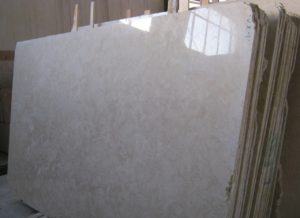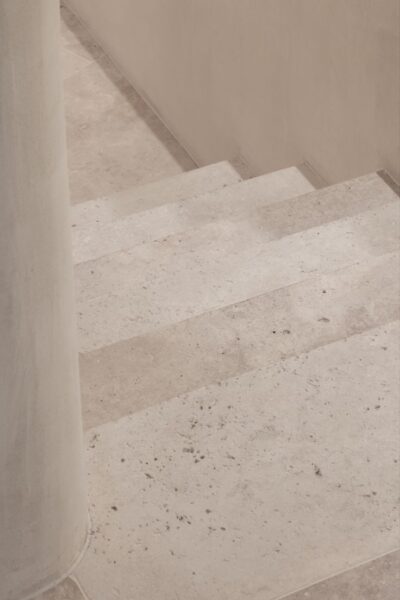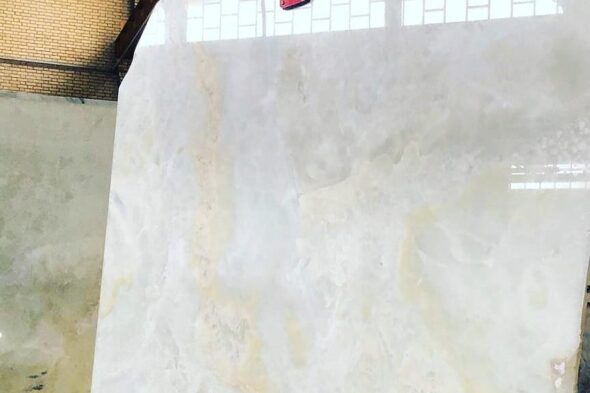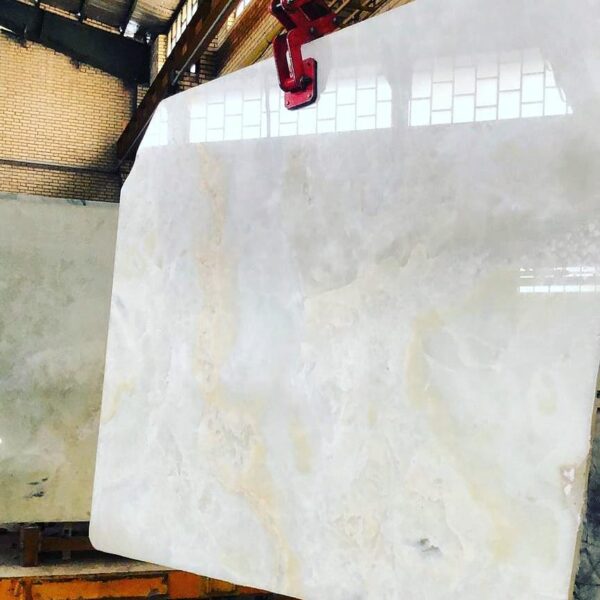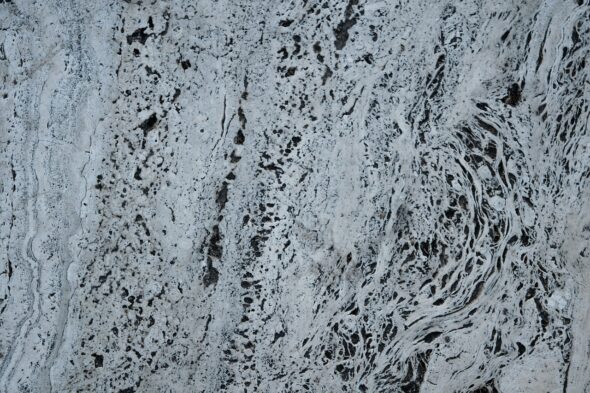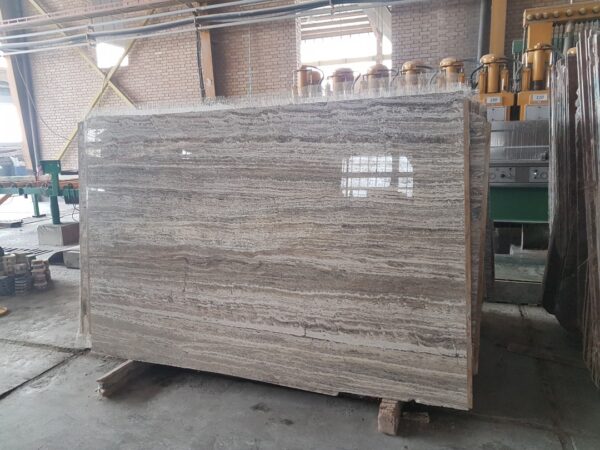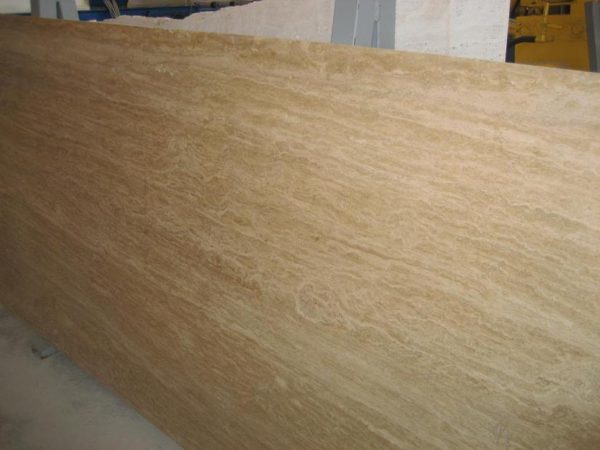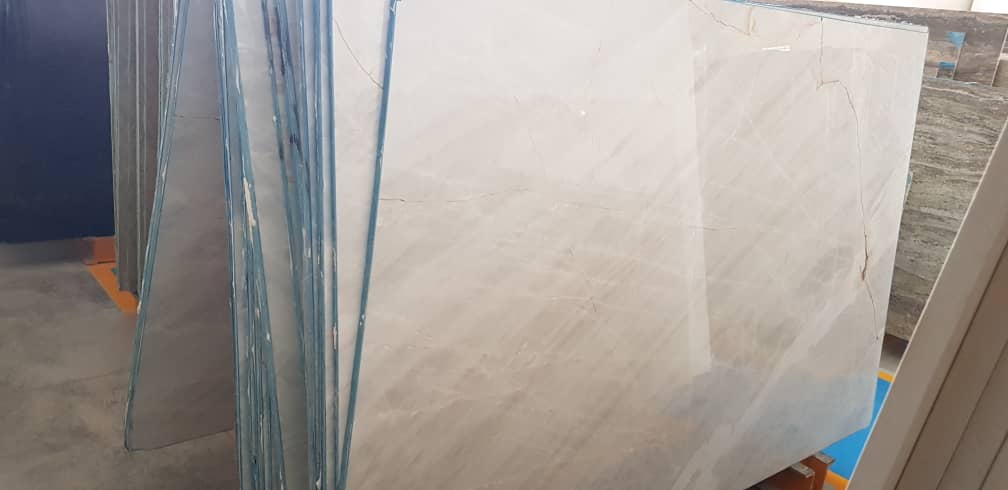
Outdoor Light Silver Travertine

Quartz Demand in the USA Market

Trends, Drivers, and Growth Opportunities

The demand for quartz in the United States market has grown rapidly over the past decade, especially as homeowners, builders, and designers prioritise durable, modern and low-maintenance materials. As a result, quartz has become one of the most sought-after surfaces for residential and commercial projects. Therefore, businesses operating in fabrication, supply, and installation must understand key market trends and shifting buyer preferences.

marble company

Why Quartz Is So Popular in the USA

Durable, Low-Maintenance, and Stylish

First and foremost, quartz is renowned for its durability and long-lasting performance. Unlike natural stone, quartz surfaces are engineered to resist scratches, stains, and bacteria, making them ideal for kitchens, bathrooms, and high-traffic commercial spaces. As a result, homeowners and professionals choose quartz because it performs beautifully over time.

Moreover, quartz offers a wide range of colours and finishes. Consequently, designers can achieve the latest trends — from marble-like veining to bold, modern tones — without compromising durability. Therefore, quartz not only meets functional needs but also elevates interior aesthetics.

Growth in Residential and Commercial Construction

In addition, construction activity across the United States continues to support demand for premium surfaces. For example, new home builds and remodels are prioritising open-concept designs with quartz countertops, contributing to rising demand. Furthermore, office spaces, hotels, restaurants, and retail environments increasingly specify quartz for communal areas and public surfaces.

Meanwhile, real estate markets in metropolitan regions such as New York, Los Angeles, and Dallas are driving higher expectations for quality finishes. As a result, quartz has become a go-to surface that adds resale value and appeal.

Main Market Drivers of Quartz Demand

Consumer Preference for Performance and Value

Today’s consumers are smarter and more informed than ever before. Therefore, they seek materials that combine performance with long-term value. Because quartz requires minimal sealing and care, it stands out against alternatives like granite or laminate. Moreover, warranties and certification from manufacturers further reassure buyers that they are investing in a dependable product.

Consequently, more homeowners are willing to pay a premium for quartz, which directly boosts market growth.

Sustainability and Environmental Considerations

Additionally, sustainability has emerged as a meaningful factor in purchasing decisions. Many engineered quartz products utilise recycled materials and environmentally friendly manufacturing practices. Therefore, eco-conscious builders and consumers favour quartz for its measurable sustainability benefits.

Furthermore, quartz surfaces extend lifecycle value, reducing the need for frequent replacements. In turn, this contributes to less waste and supports green building certifications such as LEED.

Commercial Opportunities for Businesses

For Suppliers and Manufacturers

The expanding quartz demand presents unique opportunities for suppliers and manufacturers. To capitalise, companies can introduce innovative product lines, offer tailored fabrication options, and strengthen relationships with distributors. In addition, investing in digital marketing and brand visibility helps attract national and regional buyers.

Importantly, businesses that emphasise product quality and robust warranties can differentiate themselves and capture market share in competitive regions.

For Retailers and Installers

Retailers and installers also stand to benefit significantly. For instance, offering personalised consultations and professional installation services adds value for customers. Consequently, buyers are more likely to choose companies that guide them from product selection through completion.

Moreover, digital presence — including informative blog content, SEO-optimized service pages, and customer testimonials — drives online leads and creates long-term growth opportunities.

Conclusion: A Market with Sustained Demand

In conclusion, the USA quartz market continues to exhibit strong demand driven by construction growth, consumer preference for performance, and sustainability trends. Therefore, businesses positioned to serve this market with quality products, reliable services, and strategic marketing will prosper.

Ultimately, quartz demand in the USA is not just a trend — it is a growing opportunity for suppliers, fabricators, and service providers nationwide.

rockstone company

Quartz Demand in the UK Market

Trends, Growth Drivers, and Commercial Opportunities

The demand for quartz in the UK market continues to rise steadily. As industries evolve and consumer expectations increase, quartz has become a preferred material across construction, interior design, and manufacturing sectors. Therefore, businesses operating in this space must understand the key drivers shaping this expanding market.

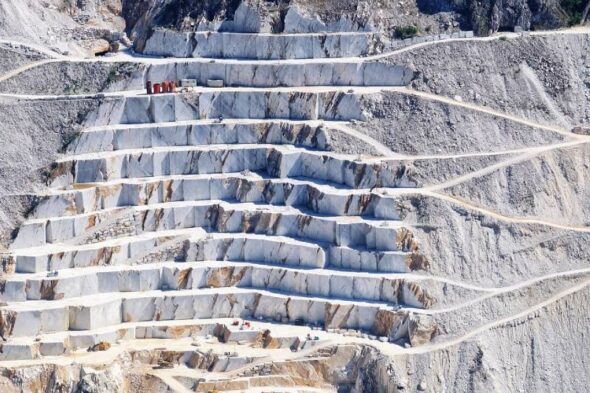
Quarry

Why Quartz Is Experiencing Strong Demand in the UK

Superior Durability and Performance

First and foremost, quartz is known for its exceptional strength and resilience. Unlike many natural stones, engineered quartz is non-porous, scratch-resistant, and highly durable. As a result, it requires minimal maintenance, which appeals strongly to UK homeowners and commercial developers.

Moreover, quartz offers excellent resistance to stains and heat. Consequently, it is widely used for kitchen worktops, bathroom vanities, flooring, and wall cladding. In addition, its long lifespan makes it a cost-effective investment over time.

Growth in Construction and Renovation Projects

Meanwhile, the UK construction and renovation market continues to expand. With increasing demand for modern residential properties and commercial refurbishments, premium surface materials are becoming essential. For example, luxury apartments, office spaces, and hospitality venues frequently specify quartz for its sleek and contemporary appearance.

Furthermore, property developers are prioritising materials that increase asset value. Therefore, quartz surfaces are often selected for both aesthetic appeal and long-term durability.

Key Market Drivers Supporting Quartz Growth

Rising Consumer Preference for Premium Materials

In recent years, UK consumers have shifted towards high-quality interior finishes. Not only do buyers want stylish surfaces, but they also demand functionality. As a result, quartz has positioned itself as both a practical and aspirational product.

Additionally, quartz is available in a wide range of colours and finishes. This design flexibility allows architects and interior designers to meet diverse client preferences. Consequently, demand continues to grow across multiple market segments.

Sustainability and Long-Term Value

At the same time, sustainability plays an increasingly important role in purchasing decisions. Many engineered quartz products are manufactured using advanced, efficient processes. Therefore, they often generate less waste compared to some natural stone alternatives.

Moreover, because quartz surfaces last for many years, they reduce replacement frequency. In turn, this supports environmentally responsible construction practices. Overall, sustainability considerations further strengthen quartz demand in the UK market.

Commercial Opportunities in the UK Quartz Market

Opportunities for Suppliers and Manufacturers

Given the strong demand outlook, suppliers and manufacturers are well-positioned to expand operations. For instance, businesses can invest in innovative finishes or customised fabrication services. In addition, forming strategic partnerships with UK distributors can accelerate market penetration.

Furthermore, promoting product certifications and warranties builds customer trust. As a result, companies can differentiate themselves in an increasingly competitive landscape.

Retail and Installation Growth Potential

Likewise, retailers and installation specialists can capitalise on this upward trend. By offering tailored consultations and professional fitting services, businesses can increase customer satisfaction. Consequently, premium service packages often lead to higher margins.

In addition, strong digital marketing and SEO strategies can capture buyers actively searching for quartz worktops in the UK. Therefore, online visibility has become essential for sustained growth.

Conclusion: A Market with Long-Term Potential

In conclusion, quartz demand in the UK market shows strong and consistent growth. Driven by durability, design versatility, and sustainability, the material continues to outperform alternatives. As construction activity expands and consumer expectations rise, the commercial potential for quartz remains significant.

Ultimately, businesses that focus on quality, innovation, and strategic marketing will be best positioned to benefit from this growing demand.

Slate Stone

Unveiling the Composition of Travertine Stone

Best Natural Stone for Floor

A Complete Buyer’s Guide

Why Natural Stone Flooring Is in High Demand

Flooring is one of the most important design choices in any home, office, or commercial project. Natural stone flooring offers durability, elegance, and timeless appeal, making it a preferred choice for architects, designers, and homeowners. Moreover, each type of stone comes with unique qualities such as hardness, color, and texture that influence its suitability for different spaces.

Chocolate Granite
Chocolate Granite

Consequently, choosing the best natural stone for floors depends on functionality, budget, and desired aesthetics. Exporters and suppliers who understand these needs can provide the right solutions for global buyers.

Best Natural Stones for Flooring

1. Granite: The Most Durable Choice

Granite is one of the hardest natural stones, making it highly resistant to scratches, heat, and heavy use. It works well in kitchens, hallways, and commercial areas where durability is essential. Therefore, exporters market granite as a long-lasting and low-maintenance flooring solution for both residential and commercial projects.

2. Marble: Luxury and Elegance

Marble stands as the symbol of luxury and sophistication. Its unique veining and polished finish make it ideal for living rooms, lobbies, and luxury interiors. However, marble requires sealing and regular care to prevent stains. As a result, it is best suited for buyers who value beauty and are willing to invest in maintenance.

3. Travertine: Warm and Natural Appeal

Travertine offers earthy tones and a soft, natural look. Its slip-resistant surface makes it perfect for bathrooms, patios, and poolside flooring. In addition, travertine stays cool underfoot, which is beneficial in warm climates. Exporters often promote it as a versatile stone for both indoor and outdoor floors.

4. Slate: Slip-Resistant and Durable

Slate combines durability with natural slip resistance, making it a popular choice for kitchens, outdoor flooring, and high-traffic areas. Its variety of colors and textured finish add character to any space. Consequently, slate appeals to buyers who want both function and aesthetics in flooring.

5. Limestone: Soft Elegance for Interiors

Limestone brings a subtle, elegant appearance to interiors. It works well in bedrooms, dining areas, and light-traffic spaces. However, it is softer than granite or slate, requiring sealing and careful maintenance. Therefore, exporters promote limestone as a premium choice for stylish yet gentle flooring solutions.

Export Opportunities in Natural Stone Flooring

The demand for premium stone flooring continues to rise in Europe, North America, the Middle East, and Asia. Buyers seek stones that balance durability, elegance, and cost-effectiveness. Furthermore, offering custom finishes like polished, honed, or brushed increases market potential.

How Exporters Can Succeed

Suppliers should:

  • Highlight durability and maintenance requirements for each stone.

  • Offer a wide selection of finishes and cuts.

  • Promote stones as eco-friendly, long-lasting flooring options.

In addition, SEO-driven marketing helps exporters reach global buyers searching for best natural stone flooring, durable granite floors, and marble flooring suppliers.

Conclusion: Choosing the Best Natural Stone for Floors

Overall, the best natural stones for flooring include granite, marble, travertine, slate, and limestone. Consequently, each offers unique benefits, from granite’s durability to marble’s elegance and travertine’s natural warmth. As a result, buyers and exporters who match the right stone to the right space can achieve both long-term value and timeless beauty.

https://www.rockstone.biz/best-type-of-nat…stone-for-export/

Natural honey onyx stone price

rockstone company

Pietra Grey Marble

Best Stone for Outdoor Use

A Guide for Buyers and Exporters

Why Choosing the Right Outdoor Stone Matters

Selecting the right stone for outdoor projects is crucial for durability, safety, and long-term beauty. Outdoor surfaces face weather, UV exposure, moisture, and heavy foot traffic, making it important to use stones that can withstand these challenges. Moreover, using the wrong stone can lead to cracks, fading, or high maintenance costs, reducing the value of landscaping, patios, or exterior cladding.

red granite

Consequently, exporters and suppliers focus on offering high-quality, weather-resistant stones that perform well in various climates, from tropical to cold regions.

Top Stones for Outdoor Use

1. Granite: Durable and Weather-Resistant

Granite is one of the most durable natural stones, making it ideal for outdoor use. Its hardness, low porosity, and resistance to heat and frost ensure long-lasting performance. Buyers use granite for driveways, garden paths, patios, and exterior cladding. As a result, exporters promote granite as a premium choice for both residential and commercial outdoor projects.

2. Slate: Slip-Resistant and Elegant

Slate offers natural slip resistance and excellent weather durability, making it perfect for pool areas, patios, and roofing. Its textured surface and earthy tones add elegance to outdoor spaces. In addition, slate withstands frost, rain, and UV exposure, which ensures long-lasting performance.

3. Travertine: Stylish and Cool Underfoot

Travertine provides warm, natural tones and remains cool underfoot, which is ideal for hot climates. Architects and homeowners use it in pool decks, terraces, and garden paths. Consequently, its durability and aesthetic appeal make travertine a top choice for luxury outdoor spaces.

4. Sandstone: Natural and Versatile

Sandstone offers texture, slip resistance, and natural beauty, making it ideal for landscaping, paving, and exterior walls. Proper sealing enhances its weather resistance, ensuring it withstands rain, sun, and frost. Therefore, sandstone remains popular for projects that require both function and style.

5. Basalt: Strong and Heavy-Duty

Basalt is a dense volcanic stone known for its strength and resilience. Builders use it in road paving, exterior flooring, and high-traffic areas. As a result, basalt is highly valued in both industrial and decorative outdoor projects.

Export Opportunities for Outdoor Stone

The demand for outdoor stone continues to grow in residential, commercial, and infrastructure projects. Countries in Europe, North America, Asia, and the Middle East import large quantities of granite, slate, travertine, sandstone, and basalt for driveways, patios, pool surrounds, and landscaping. Furthermore, offering custom cuts, finishes, and installation guidance enhances export potential.

How Exporters Can Succeed

Suppliers should:

  • Provide a variety of weather-resistant stones suitable for different climates.

  • Highlight durability, slip resistance, and aesthetic versatility.

  • Offer finishing options like flamed, honed, or brushed surfaces.

In addition, SEO-focused marketing helps exporters reach architects, landscapers, and contractors searching for best outdoor stone, weather-resistant paving stone, and durable natural stone.

Conclusion: Choosing the Best Stone for Outdoor Projects

Overall, granite, slate, travertine, sandstone, and basalt are among the best natural stones for outdoor use. Consequently, buyers and exporters who focus on these durable, weather-resistant stones can ensure long-lasting, aesthetically pleasing outdoor projects. As a result, natural stone remains the preferred choice for patios, gardens, and exterior architecture worldwide.

https://www.rockstone.biz/best-natural-sto…or-humid-weather/

rockstone company

buy iranian natural stone companies and suppliers for export from iran

Different Types of Slate Stone

A Complete Guide for Buyers and Exporters

Why Slate Stone Is in High Demand

Slate stone stands as one of the most versatile natural stones in the world. Known for its strength, weather resistance, and elegant appearance, it is used in roofing, flooring, wall cladding, and landscaping projects. Moreover, its durability and unique textures make it highly attractive for both local markets and international export.

Slate stone

Therefore, understanding the different types of slate stone helps architects, builders, and exporters choose the best variety for each project.

Main Types of Slate Stone

1. Black Slate

Black slate is one of the most popular varieties, widely used in roofing, flooring, and countertops. Its deep, elegant color makes it perfect for both modern and traditional architecture. Consequently, exporters market black slate as a premium product for luxury homes and commercial projects.

2. Green Slate

Green slate offers a fresh, natural look that blends beautifully with outdoor landscapes. Builders use it for garden pathways, wall cladding, and decorative flooring. In addition, green slate’s durability ensures long-lasting performance in both interior and exterior projects.

3. Grey Slate

Grey slate is valued for its neutral tones and classic appearance. It suits a wide range of applications, from roof tiles to paving and wall panels. Therefore, exporters highlight grey slate as a versatile product for both contemporary and traditional designs.

4. Red Slate

Red slate provides a striking, warm color that adds character to any space. Architects often use it in facades, decorative flooring, and landscaping. As a result, red slate attracts buyers looking for natural stone that combines durability with unique visual appeal.

5. Purple Slate

Purple slate delivers a bold and luxurious aesthetic, making it popular in high-end architectural projects. Its rare color enhances wall cladding, flooring, and design accents. Consequently, purple slate often commands higher demand in export markets.

6. Multicolor Slate

Multicolor slate displays vibrant patterns with shades of gold, green, and rust. This type is perfect for feature walls, outdoor flooring, and decorative surfaces. Moreover, exporters promote multicolor slate as a premium choice for designers seeking natural beauty with a unique style.

Export Opportunities for Slate Stone

Global demand for slate continues to rise in construction, interior design, and luxury projects. Countries in Europe, North America, and Asia import slate in large quantities for both residential and commercial use. Furthermore, slate’s eco-friendly qualities add to its growing popularity in sustainable construction.

How Exporters Can Succeed

Exporters should:

  • Offer a variety of slate types with different colors and finishes.

  • Provide customized cutting, polishing, and treatment options.

  • Highlight slate’s durability, slip resistance, and long-term performance.

In addition, digital marketing with strong SEO strategies helps exporters reach buyers searching for slate suppliers, roofing slate, or decorative slate stone.

Conclusion: Choosing the Right Slate Stone

Overall, slate stone comes in many types, including black, green, grey, red, purple, and multicolor. Consequently, each variety serves different purposes, from functional roofing to luxury interior design. As a result, exporters who promote slate’s versatility and natural beauty can meet the growing global demand for this timeless stone.

https://www.rockstone.biz/best-natural-stone-for-floor/

basalt stone

Best Natural Stone for Cold Weather

A Complete Export Guide

Why Cold Weather Requires the Right Natural Stone

Building in cold climates requires materials that can withstand frost, snow, and temperature fluctuations. If the wrong stone is used, it may crack, absorb water, or lose its appeal. Therefore, selecting the best natural stone for cold weather ensures durability, safety, and long-term beauty.

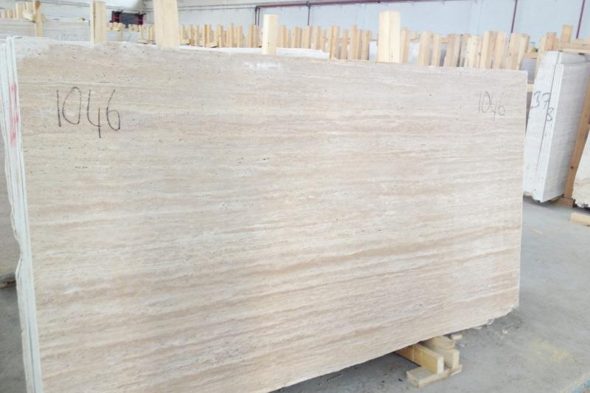
silver travertine

Moreover, architects, contractors, and homeowners in colder regions look for stones that combine strength, low porosity, and weather resistance. Consequently, exporters and suppliers who focus on these qualities gain a competitive advantage in global trade.

Best Natural Stones for Cold Weather

1. Granite: The All-Weather Performer

Granite remains one of the most reliable stones for cold climates. Its dense structure resists freezing and thawing cycles, reducing the risk of cracks. As a result, buyers prefer granite for driveways, exterior cladding, and kitchen countertops. Exporters who promote granite highlight both its durability and wide range of colors.

2. Slate: Resistant and Slip-Safe

Slate handles frost and snow exceptionally well because of its low water absorption. Its natural texture also provides slip resistance, which makes it ideal for roofing, pathways, and outdoor patios. In addition, slate adds a rustic, elegant look that appeals to both residential and commercial projects in cold regions.

3. Quartzite: Durable and Stylish

Quartzite combines strength, hardness, and resistance to temperature extremes. Homeowners use it in fireplace surrounds, floors, and decorative walls because it tolerates both heat and cold. Therefore, exporters can market quartzite as a premium choice that balances performance with beauty.

4. Sandstone: Practical with Sealing

Sandstone works well in cold climates when properly sealed. It resists frost damage and maintains its natural texture in paving, exterior walls, and landscaping projects. Consequently, exporters continue to see demand for sandstone in colder markets, especially where natural aesthetics matter.

5. Basalt: Strong and Weather-Proof

Basalt offers excellent density and resilience, making it suitable for road paving, cladding, and outdoor flooring. Its ability to resist cold weather and heavy use makes it a popular export stone for public projects in freezing climates.

Export Opportunities in Cold Regions

Countries with harsh winters—such as Canada, the United States, Northern Europe, and Russia—continue to invest in natural stone for construction and renovation. Furthermore, luxury housing, infrastructure development, and heritage restoration fuel steady demand.

How Exporters Can Succeed

To thrive in these markets, exporters should:

  • Promote frost-resistant and low-porosity stones.

  • Provide clear maintenance and sealing instructions.

  • Highlight sustainability, safety, and long-term performance.

In addition, maintaining a strong online presence with SEO-driven content helps exporters connect with architects, contractors, and distributors in cold regions.

Choosing the Best Natural Stone for Cold Weather

Overall, the best stones for cold weather include granite, slate, quartzite, sandstone, and basalt. Consequently, exporters who supply these materials can meet growing global demand in cold-climate regions. As a result, natural stone continues to stand out as a profitable, durable, and timeless solution for freezing environments.

https://www.rockstone.biz/best-type-of-granite-for-export/

rockstone company

Best Type of Natural Stone for Export

A Guide for Global Markets

Rising Global Demand for Natural Stone

The global demand for natural stone grows rapidly, fueled by construction, renovation, and luxury design projects. As a result, exporters can tap into strong opportunities in Europe, North America, the Middle East, and Asia. Builders, architects, and designers prefer natural stone because it combines durability, beauty, and timeless appeal.Best Type of Natural Stone for Export

Pietra Grey Marble

Moreover, natural stone works in countless applications—flooring, wall cladding, countertops, landscaping, and heritage restoration. Consequently, exporters who choose the right type of stone position themselves for long-term success.

Best Types of Natural Stone for Export

1. Marble

Marble ranks as one of the most in-demand stones in international trade. Buyers value its elegance, polished finish, and wide color palette. Therefore, exporters often target luxury markets in Europe and the Middle East, where demand for premium construction materials stays strong.

2. Granite

Granite offers exceptional strength, durability, and resistance to wear. Buyers use it in kitchen countertops, flooring, and commercial developments. In addition, granite combines affordability with long-term performance, making it a reliable choice for global exports.

3. Travertine

Travertine showcases earthy tones and natural patterns that appeal to both traditional and modern design tastes. Exporters ship travertine worldwide for flooring, wall cladding, and landscaping. As a result, demand in markets like the United States and Europe continues to grow, especially among eco-conscious buyers.

4. Onyx

Onyx delivers luxury and exclusivity, thanks to its translucency and bold colors. Designers install it in feature walls, countertops, and backlit spaces to create striking effects. Therefore, exporters can position onyx as a premium product for high-end hotels, residences, and luxury commercial projects.

5. Slate

Slate combines natural texture, weather resistance, and timeless appeal. Buyers prefer it for roofing, outdoor flooring, and landscaping. Consequently, exporters often succeed in regions such as Europe and North America, where slate fits both modern and heritage projects.

Export Opportunities and Market Trends

The natural stone sector continues to expand worldwide, supported by urbanization, luxury construction, and sustainability trends. Furthermore, digital platforms and international exhibitions help exporters reach buyers and showcase product diversity.

How Exporters Can Succeed

To stand out in global trade, exporters should:

  • Offer a wide range of stone varieties and finishes.

  • Highlight durability, sustainability, and design value.

  • Provide strong logistics and reliable customer service.

In addition, a digital marketing strategy with SEO content and targeted campaigns can attract architects, contractors, and distributors globally.

Conclusion: Choosing the Best Natural Stone for Export

Overall, the best stones for export include marble, granite, travertine, onyx, and slate. Consequently, exporters who supply these materials can capture growing demand in international markets. As a result, natural stone remains one of the most profitable sectors in global trade, offering long-term opportunities for suppliers and distributors.

https://www.rockstone.biz/different-types-of-limestone/

Demanded Stones in Europe

rockstone company

Slate Stone Demand in China

Market Trends and Opportunities

Rising Popularity of Slate in China

The demand for slate stone in China is growing rapidly, largely due to urbanization, infrastructure expansion, and the rising interest in high-quality, durable construction materials. As a result, slate is widely used in roofing, flooring, wall cladding, and landscaping. Its combination of aesthetic appeal, durability, and eco-friendliness makes it a preferred choice for both residential and commercial projects.

Moreover, architects and builders are increasingly specifying slate for luxury developments and heritage-style renovations. Consequently, its natural resistance to fire, weather, and wear positions it as a superior alternative to synthetic materials.

Slate stone

Key Factors Driving Slate Stone Demand

Sustainable and Eco-Friendly Construction

China is placing greater emphasis on green building and sustainable urban development. Therefore, slate’s natural, recyclable, and environmentally friendly properties make it an ideal material for eco-conscious projects. Builders also use slate to meet national green construction standards and enhance building longevity.

Infrastructure and Urban Development

Furthermore, rapid urbanization and large-scale infrastructure projects have fueled demand for long-lasting, low-maintenance materials. Slate is particularly sought after for roofing, public buildings, and landscaping, where durability and visual appeal are essential.

Interior Design and Landscaping Applications

In addition, slate is gaining popularity in interior design and outdoor landscaping. From flooring and wall cladding to patios and garden pathways, its unique texture, varied colors, and premium finish enhance both residential and commercial spaces.

Market Dynamics and Trade

China imports high-quality slate from countries like Spain, Brazil, and India, while simultaneously increasing domestic quarry production to meet local demand. Meanwhile, digital marketplaces and online distribution channels have made it easier for architects, designers, and contractors to source premium slate products efficiently.

Major cities such as Beijing, Shanghai, and Guangzhou show the highest demand, especially in luxury residential construction and commercial development. Thus, suppliers targeting these regions can capitalize on significant growth opportunities.

Future Outlook for Slate Stone in China

Expanding Design Applications

Although roofing remains the primary use, interior decoration and landscaping are emerging as key growth areas. High-end projects are increasingly incorporating slate for countertops, wall panels, terraces, and decorative facades.

Opportunities for Suppliers and Exporters

With China’s construction and renovation sectors expanding, therefore, slate suppliers and exporters have substantial commercial potential. By emphasizing durability, eco-friendliness, and premium design, suppliers can attract builders, developers, and designers seeking high-quality natural stone.

Conclusion: A Growing Market for Slate Stone in China

Overall, the Chinese slate stone market is experiencing strong growth, driven by urbanization, sustainability initiatives, and evolving design trends. Consequently, suppliers and exporters have excellent opportunities to capture this expanding market. As a result, slate will continue to play a significant role in China’s construction and design landscape.

types of red travertine - iranian red travertine slabs and tiles

Slate Stone Demand in America

Trends and Market Opportunities

Growing Popularity of Slate in Construction and Design

The demand for slate stone in America is steadily increasing, driven by its durability, aesthetic appeal, and eco-friendly properties. Slate is widely used in roofing, flooring, landscaping, and interior design. Architects, builders, and homeowners prefer slate for its long-lasting quality, natural elegance, and low maintenance.

Regions such as the United States and Canada are seeing strong demand, particularly in high-end residential, commercial, and heritage restoration projects. Slate’s natural resistance to weather, fire, and wear makes it a superior choice compared to synthetic alternatives.

Slate stone

Key Factors Driving Slate Stone Demand

Sustainability and Eco-Friendly Construction

Environmental awareness is reshaping construction preferences in America. Slate is a 100% natural, recyclable, and environmentally friendly material, which aligns with the green building movement and LEED-certified projects. Builders increasingly choose slate to meet sustainability standards while delivering premium quality.

Renovation and Heritage Projects

America has a growing number of historical and heritage buildings that require authentic slate roofing and cladding. Renovation and restoration projects significantly contribute to slate demand, especially in northeastern states and urban centers where traditional architecture dominates.

Interior Design and Landscaping Trends

Beyond roofing, slate is becoming a popular choice for interior applications and landscaping. Slate countertops, wall cladding, patios, and outdoor walkways are in demand due to their unique texture, color variations, and natural elegance. The material’s versatility in both modern and rustic design projects drives commercial and residential adoption.

Market Dynamics and Trade

The United States sources slate from domestic quarries in Vermont, New York, and Pennsylvania, but also imports high-quality slate from Spain, Brazil, and India. The supply chain has grown more accessible through online distribution channels, allowing builders and designers to procure a wider variety of slate products.

High-end construction firms and luxury home builders increasingly prefer imported slate for its premium quality and aesthetic consistency. Meanwhile, domestic producers maintain strong demand for local projects, especially for roofing and large-scale commercial installations.

Future Outlook for Slate Stone in America

Expanding Applications

The use of slate is expanding beyond traditional roofing. Landscaping, interior flooring, and decorative applications are expected to drive the next wave of demand. Innovative designs and the growing trend of sustainable architecture will further boost adoption.

Opportunities for Suppliers and Exporters

Suppliers and exporters have significant opportunities in the American market. Highlighting durability, sustainability, and design flexibility will attract builders, architects, and homeowners. With rising construction and renovation activity, slate represents a high-margin, high-demand product in the North American market.

Conclusion: A Strong Market for Natural Slate

The American slate stone market is poised for growth, fueled by sustainability initiatives, renovation projects, and versatile design trends. For suppliers, exporters, and construction professionals, this is an excellent opportunity to capitalize on a premium natural material. As demand for eco-friendly and long-lasting materials increases, slate will continue to play a key role in America’s construction and design sectors.

https://www.rockstone.biz/how-to-clean-granite-to-stay-shiny/

marble company

Slate Stone Exporters

Driving Global Trade in Natural Stone

Slate stone has become one of the most demanded natural stones worldwide. Known for its strength, durability, and elegant textures, slate is used in construction, interior design, and landscaping projects across many countries. As demand continues to grow, slate stone exporters play a vital role in connecting global buyers with high-quality materials.

Slate stone

Why Slate Stone Is in High Demand

Strength and Longevity

Slate stone is highly durable, resisting extreme weather, water, and heavy use. Because of this, it is a preferred choice for roofing, flooring, and outdoor paving. Exporters highlight this advantage to position slate as a reliable investment for international buyers.

Natural Beauty and Versatility

In addition, slate offers a wide variety of colors, including gray, black, green, and red. Its unique textures provide both rustic charm and modern elegance. Consequently, slate is popular among architects and designers who value natural aesthetics.

Sustainability and Eco-Friendly Profile

Moreover, slate is 100% natural and recyclable. Since many countries now focus on sustainable construction, exporters who promote slate as an eco-friendly solution attract more buyers and gain access to premium markets.

Key Global Markets for Slate Stone Exporters

Europe: A Traditional yet Modern Market

Europe has a long history of using slate, especially in roofing and flooring. Countries like Germany, France, Spain, and the UK remain major importers. Furthermore, the trend toward sustainable and stylish architecture ensures continuous demand for slate across the continent.

North America: Expanding Residential and Commercial Demand

The United States and Canada are strong markets for slate exporters. Builders and homeowners use slate for landscaping, kitchens, bathrooms, and luxury flooring. As a result, exporters supplying these markets benefit from consistent year-round demand.

Middle East and Asia-Pacific: Rapidly Growing Opportunities

In the Middle East, mega projects and luxury developments require large volumes of slate tiles and slabs. Meanwhile, China, India, and Japan are expanding markets, where slate is increasingly used in public spaces, commercial buildings, and modern housing projects. Exporters targeting these regions can secure significant long-term growth.

How Slate Stone Exporters Succeed

Delivering Quality and Certification

Global buyers demand certified products. Therefore, exporters who guarantee consistent quality, accurate sizing, and trusted certifications gain credibility and repeat business.

Offering Competitive Pricing and Logistics

In addition, exporters who provide fair pricing and efficient shipping solutions build stronger partnerships. Timely deliveries create trust and open doors to larger contracts.

Marketing Sustainability and Design Benefits

Finally, exporters who emphasize slate’s eco-friendly properties, timeless beauty, and durability appeal to premium buyers. Highlighting these benefits helps them stand out in competitive markets.

The Growing Role of Slate Stone Exporters

The global demand for slate stone continues to rise across construction, design, and landscaping sectors. Because of this, slate stone exporters hold a key role in supplying markets with high-quality, sustainable, and elegant products. Those who focus on quality assurance, competitive pricing, and eco-friendly marketing will strengthen their position and achieve long-term success in the international natural stone trade.

https://www.rockstone.biz/demand-basalt-in-germany/