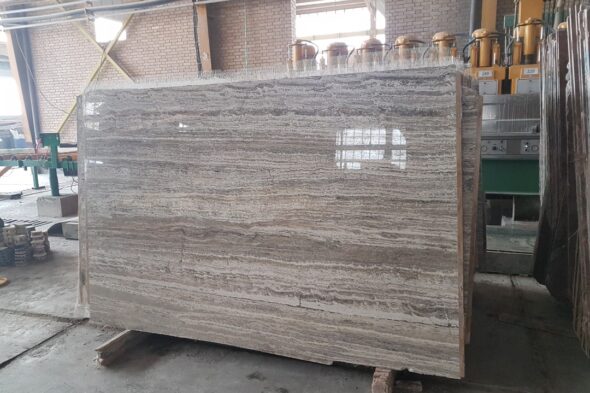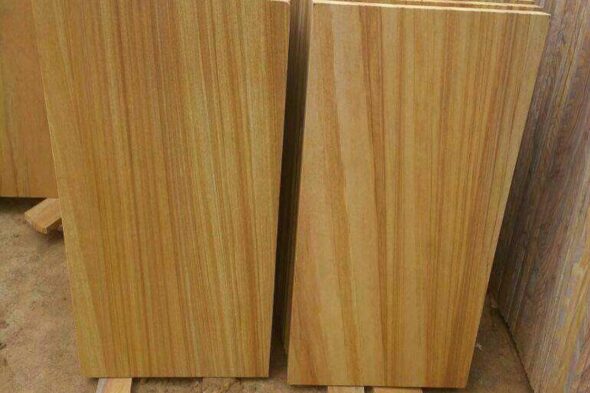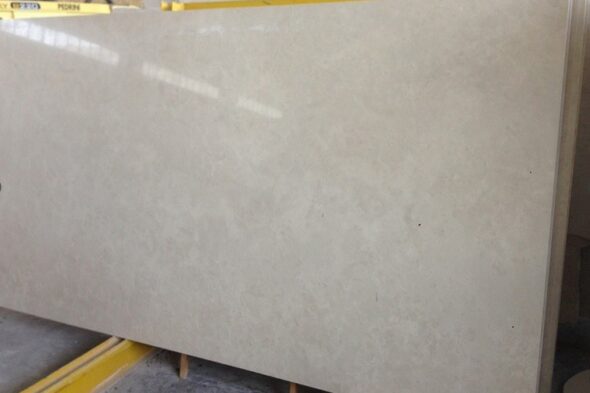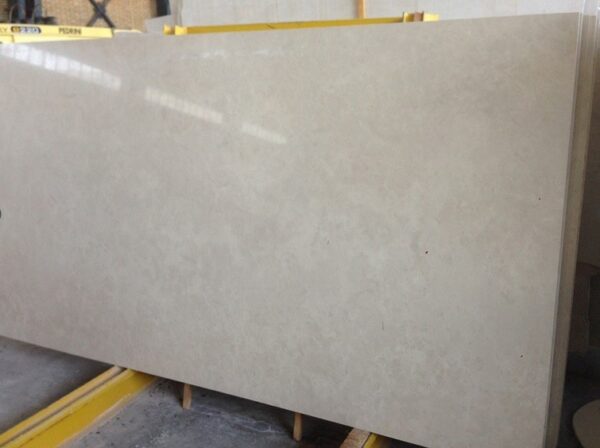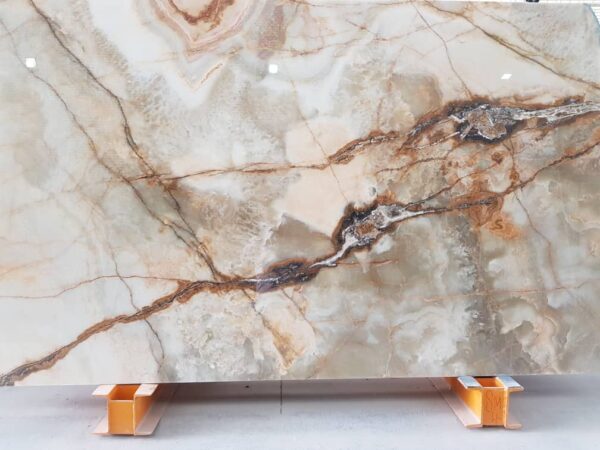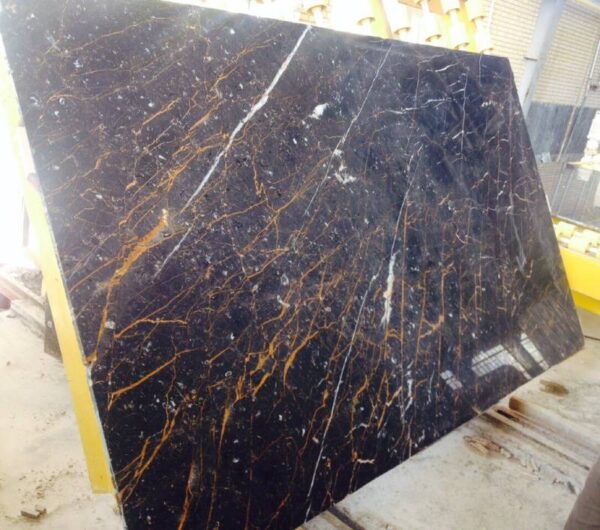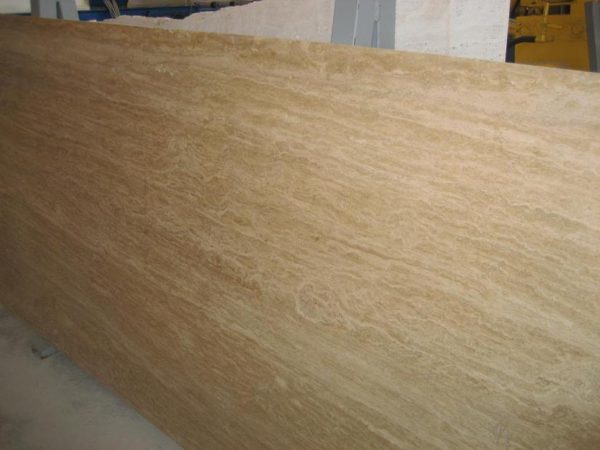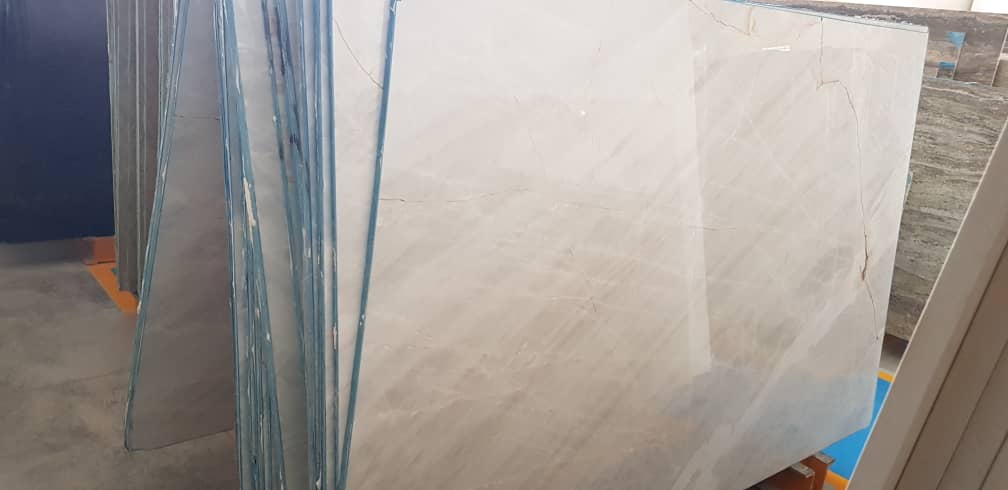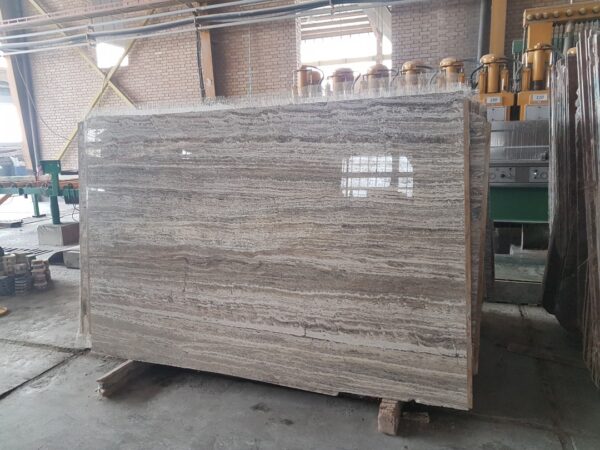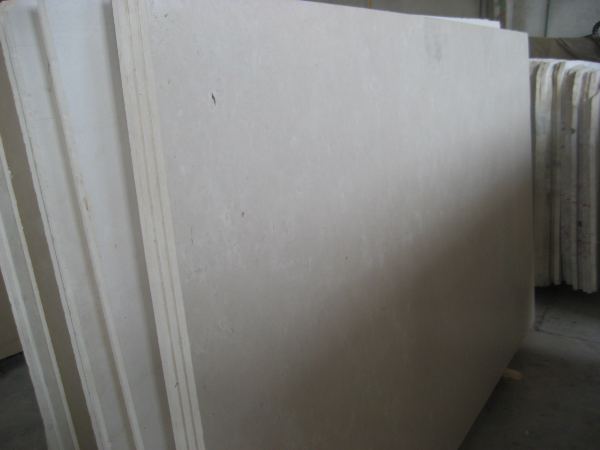
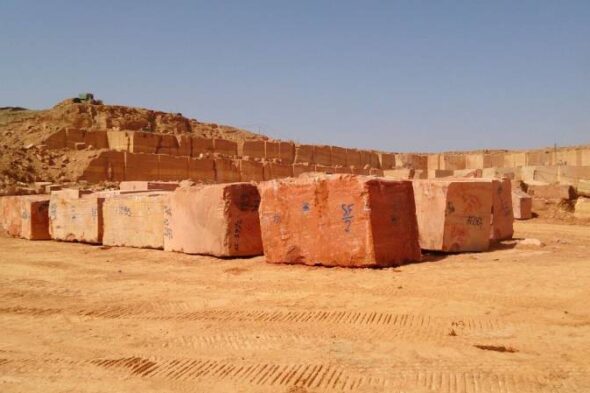
types of red travertine - iranian red travertine slabs and tiles

Slate Stone Demand in America

Trends and Market Opportunities

Growing Popularity of Slate in Construction and Design

The demand for slate stone in America is steadily increasing, driven by its durability, aesthetic appeal, and eco-friendly properties. Slate is widely used in roofing, flooring, landscaping, and interior design. Architects, builders, and homeowners prefer slate for its long-lasting quality, natural elegance, and low maintenance.

Regions such as the United States and Canada are seeing strong demand, particularly in high-end residential, commercial, and heritage restoration projects. Slate’s natural resistance to weather, fire, and wear makes it a superior choice compared to synthetic alternatives.

Slate stone

Key Factors Driving Slate Stone Demand

Sustainability and Eco-Friendly Construction

Environmental awareness is reshaping construction preferences in America. Slate is a 100% natural, recyclable, and environmentally friendly material, which aligns with the green building movement and LEED-certified projects. Builders increasingly choose slate to meet sustainability standards while delivering premium quality.

Renovation and Heritage Projects

America has a growing number of historical and heritage buildings that require authentic slate roofing and cladding. Renovation and restoration projects significantly contribute to slate demand, especially in northeastern states and urban centers where traditional architecture dominates.

Interior Design and Landscaping Trends

Beyond roofing, slate is becoming a popular choice for interior applications and landscaping. Slate countertops, wall cladding, patios, and outdoor walkways are in demand due to their unique texture, color variations, and natural elegance. The material’s versatility in both modern and rustic design projects drives commercial and residential adoption.

Market Dynamics and Trade

The United States sources slate from domestic quarries in Vermont, New York, and Pennsylvania, but also imports high-quality slate from Spain, Brazil, and India. The supply chain has grown more accessible through online distribution channels, allowing builders and designers to procure a wider variety of slate products.

High-end construction firms and luxury home builders increasingly prefer imported slate for its premium quality and aesthetic consistency. Meanwhile, domestic producers maintain strong demand for local projects, especially for roofing and large-scale commercial installations.

Future Outlook for Slate Stone in America

Expanding Applications

The use of slate is expanding beyond traditional roofing. Landscaping, interior flooring, and decorative applications are expected to drive the next wave of demand. Innovative designs and the growing trend of sustainable architecture will further boost adoption.

Opportunities for Suppliers and Exporters

Suppliers and exporters have significant opportunities in the American market. Highlighting durability, sustainability, and design flexibility will attract builders, architects, and homeowners. With rising construction and renovation activity, slate represents a high-margin, high-demand product in the North American market.

Conclusion: A Strong Market for Natural Slate

The American slate stone market is poised for growth, fueled by sustainability initiatives, renovation projects, and versatile design trends. For suppliers, exporters, and construction professionals, this is an excellent opportunity to capitalize on a premium natural material. As demand for eco-friendly and long-lasting materials increases, slate will continue to play a key role in America’s construction and design sectors.

https://www.rockstone.biz/how-to-clean-granite-to-stay-shiny/

marble company

Slate Stone Exporters

Driving Global Trade in Natural Stone

Slate stone has become one of the most demanded natural stones worldwide. Known for its strength, durability, and elegant textures, slate is used in construction, interior design, and landscaping projects across many countries. As demand continues to grow, slate stone exporters play a vital role in connecting global buyers with high-quality materials.

Slate stone

Why Slate Stone Is in High Demand

Strength and Longevity

Slate stone is highly durable, resisting extreme weather, water, and heavy use. Because of this, it is a preferred choice for roofing, flooring, and outdoor paving. Exporters highlight this advantage to position slate as a reliable investment for international buyers.

Natural Beauty and Versatility

In addition, slate offers a wide variety of colors, including gray, black, green, and red. Its unique textures provide both rustic charm and modern elegance. Consequently, slate is popular among architects and designers who value natural aesthetics.

Sustainability and Eco-Friendly Profile

Moreover, slate is 100% natural and recyclable. Since many countries now focus on sustainable construction, exporters who promote slate as an eco-friendly solution attract more buyers and gain access to premium markets.

Key Global Markets for Slate Stone Exporters

Europe: A Traditional yet Modern Market

Europe has a long history of using slate, especially in roofing and flooring. Countries like Germany, France, Spain, and the UK remain major importers. Furthermore, the trend toward sustainable and stylish architecture ensures continuous demand for slate across the continent.

North America: Expanding Residential and Commercial Demand

The United States and Canada are strong markets for slate exporters. Builders and homeowners use slate for landscaping, kitchens, bathrooms, and luxury flooring. As a result, exporters supplying these markets benefit from consistent year-round demand.

Middle East and Asia-Pacific: Rapidly Growing Opportunities

In the Middle East, mega projects and luxury developments require large volumes of slate tiles and slabs. Meanwhile, China, India, and Japan are expanding markets, where slate is increasingly used in public spaces, commercial buildings, and modern housing projects. Exporters targeting these regions can secure significant long-term growth.

How Slate Stone Exporters Succeed

Delivering Quality and Certification

Global buyers demand certified products. Therefore, exporters who guarantee consistent quality, accurate sizing, and trusted certifications gain credibility and repeat business.

Offering Competitive Pricing and Logistics

In addition, exporters who provide fair pricing and efficient shipping solutions build stronger partnerships. Timely deliveries create trust and open doors to larger contracts.

Marketing Sustainability and Design Benefits

Finally, exporters who emphasize slate’s eco-friendly properties, timeless beauty, and durability appeal to premium buyers. Highlighting these benefits helps them stand out in competitive markets.

The Growing Role of Slate Stone Exporters

The global demand for slate stone continues to rise across construction, design, and landscaping sectors. Because of this, slate stone exporters hold a key role in supplying markets with high-quality, sustainable, and elegant products. Those who focus on quality assurance, competitive pricing, and eco-friendly marketing will strengthen their position and achieve long-term success in the international natural stone trade.

https://www.rockstone.biz/demand-basalt-in-germany/

silver travertine

The Best Way to Cut Natural Stone Tile

A Pro Guide

Natural stone tile adds elegance, strength, and timeless beauty to any space. Whether you’re installing granite, marble, slate, or travertine, precision cutting is essential to achieving a professional look. However, cutting natural stone requires the right tools, techniques, and safety measures. In this guide, we’ll walk you through the best way to cut natural stone tile without cracks or costly mistakes.

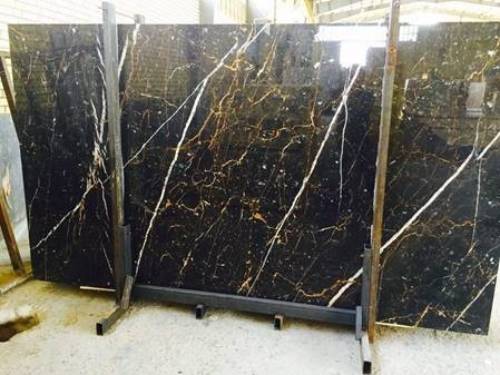
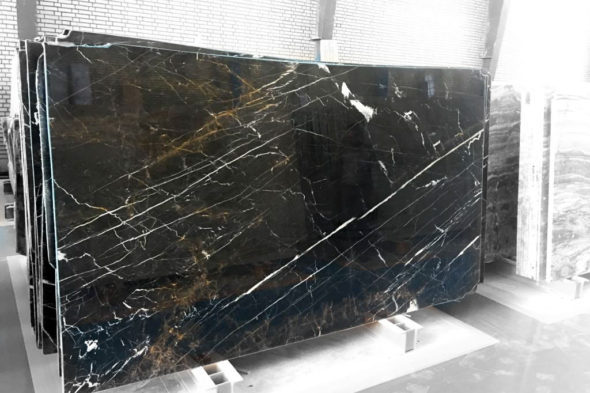
Black and yellow marble

Why Cutting Stone Tile Requires Special Attention

Natural stone tiles are denser and more brittle than ceramic or porcelain tiles. Therefore, using improper tools or techniques can lead to chipping, uneven edges, or even tile breakage. To get clean, accurate cuts, you need to understand both the material and the method.

Common Cutting Challenges

  • Chipping at the Edges

  • Cracks During Cutting

  • Irregular Cuts or Poor Fit

  • Dust and Debris Hazards

Fortunately, these issues can be avoided with the right approach.

Tools You Need to Cut Natural Stone Tile

Before you start, gather the proper equipment. Using the right tools not only ensures safety but also delivers a cleaner finish.

1. Wet Saw with a Diamond Blade

The wet saw is the gold standard for cutting stone tile. It uses a water-cooled diamond blade that reduces friction and keeps the tile from overheating or cracking. As a result, cuts are smoother, and the risk of damage is minimized.

2. Angle Grinder (For Detailed Cuts)

For notches, curves, or corner cuts, an angle grinder with a diamond blade is ideal. Although it’s less precise than a wet saw, it’s highly effective for small adjustments or intricate shapes.

3. Tile Nippers (Optional)

Tile nippers help trim off small bits or corners, especially after initial cuts. However, use them cautiously, as they can cause breakage on delicate stones.

4. Safety Gear

Always wear eye protection, gloves, and a mask. Since stone dust can be harmful, it’s critical to use protective equipment and work in a well-ventilated area.

Step-by-Step: How to Cut Stone Tile Cleanly

Follow these key steps for a precise, professional cut:

  1. Measure and Mark Accurately
    Use a grease pencil or chalk to mark your cut lines. Double-check measurements before moving forward.

  2. Set Up the Wet Saw
    Fill the reservoir with water. Then, ensure the blade is aligned and the guide fence is secure.

  3. Cut Slowly and Steadily
    Push the tile gently into the blade. Avoid forcing it, as slow, consistent pressure reduces the chance of chipping.

  4. Smooth the Edges
    Use a rubbing stone or sanding pad to smooth sharp edges. This not only improves appearance but also increases safety.

Final Tips for Success

  • Always test a scrap tile first to calibrate your cut.

  • Use a continuous-rim diamond blade, not a segmented one.

  • Seal the tiles after cutting, especially for porous stones like marble or travertine.

https://www.rockstone.biz/best-way-to-clean-granite-tile/

The Best Way to Cut Natural Stone Tile

rockstone company

Black Marquina

How to Prevent Stone Tiles from Cracking

A Complete Guide

Stone tiles are a timeless choice for both indoor and outdoor spaces. They offer durability, elegance, and long-term value. However, without proper installation and maintenance, even the toughest stone tiles can crack over time. Fortunately, there are practical steps you can take to prevent this from happening. Whether you’re a homeowner, contractor, or property manager, avoiding cracks is essential for both longevity and safety.

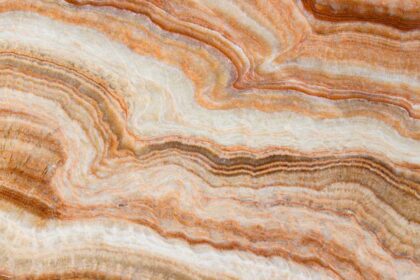
Brown-Onyx
Brown-Onyx

Why Stone Tiles Crack

Stone tile cracks usually occur due to poor installation, structural movement, or environmental stress. Therefore, understanding the root causes is the first step toward prevention.

Common Causes of Cracks in Stone Tiles

  • Improper Subfloor Preparation: An uneven or unstable subfloor puts stress on tiles, leading to cracks.

  • Temperature Fluctuations: Natural stone expands and contracts. If not addressed properly, this movement can result in fractures.

  • Heavy Loads or Impact: Dropping heavy objects or applying excessive pressure can damage tiles instantly.

  • Moisture Infiltration: Water can seep into porous stone and freeze. As a result, expansion and cracking may occur.

Best Practices to Prevent Stone Tile Cracking

Preventing tile damage begins with the right choices and preparation. In fact, both professionals and DIYers should follow these proven steps.

1. Invest in Quality Materials

Start with high-grade natural stone suitable for your climate and use case. For example, granite is more durable than limestone, especially in high-traffic areas. Also, choose a flexible adhesive or thin-set mortar specifically designed for stone tile.

2. Prepare the Subfloor Properly

A level, clean, and dry subfloor is critical. To ensure this, use a cement backer board or an anti-fracture membrane. Additionally, when tiling over concrete, consider crack isolation systems to absorb structural movement.

3. Leave Expansion Joints

Stone tiles need room to “breathe.” Otherwise, they may buckle or crack due to thermal changes. Because of this, always include expansion joints—especially in large tiled areas or exterior settings.

4. Seal the Stone and Grout

Natural stone is porous. Therefore, applying a penetrating sealer protects it from moisture, stains, and freeze-thaw cycles. Ideally, reseal your tiles every 1–2 years for continuous protection.

5. Control Moisture and Drainage

For outdoor applications, ensure proper slope and drainage. Similarly, in bathrooms or kitchens, install waterproofing systems to avoid water accumulation beneath the tiles. By doing this, you prevent moisture-related cracks over time.

Professional Installation Makes a Difference

Hiring experienced tile installers can save you time, money, and frustration. Since professionals understand industry best practices, they can ensure proper layout, spacing, and long-term stability. Whether you’re handling a commercial or residential project, working with a pro is a smart investment.

Final Thoughts

Stone tile cracks are preventable with the right preparation and care. By following these tips, you not only protect your investment but also extend the beauty and durability of your tiled space. After all, prevention is far easier—and cheaper—than repair.

https://www.rockstone.biz/best-way-to-clean-travertine-tile/

How to Prevent Stone Tiles from Cracking

rockstone company

Black Marquina

Best Cleaner Brands for Stone Tiles

Trusted Products for a Spotless Finish

Keeping stone tile surfaces looking their best requires the right cleaning solution—and not just any cleaner will do. Natural stone like granite, marble, slate, or travertine needs gentle, pH-balanced formulas. Choosing one of the best cleaner brands for stone tiles helps protect your floors while delivering a deep clean that brings out their natural beauty.

Pietra Grey Marble
Pietra Grey Marble

Below, we highlight the top brands known for safe, effective, and long-lasting results on natural stone surfaces.

Why Brand Matters When Choosing a Stone Tile Cleaner

Using a reputable brand ensures your cleaner is tested, safe for stone, and backed by positive customer reviews. Cheap or generic cleaners may contain acidic ingredients that damage delicate surfaces, strip sealants, or cause discoloration.

Key Features to Look for:

  • pH-neutral or stone-safe formulas

  • Non-toxic and biodegradable ingredients

  • Suitable for sealed and unsealed stone

  • No harsh chemicals like bleach or ammonia

Top 3 Cleaner Brands for Stone Tiles in 2025

1. Granite Gold® – Expertly Formulated for Natural Stone

Why It’s a Top Brand:
Granite Gold is one of the most trusted names in stone care, with over 50 years of experience. Their products are made in the USA and are specifically designed for granite, marble, travertine, and other natural stone tiles.

Top Product: Granite Gold Stone & Tile Floor Cleaner

  • Streak-free and non-toxic

  • No rinsing required

  • Safe for daily use on kitchen and bathroom floors

Best For: Homeowners who want a no-fuss, effective, and safe cleaning solution.

2. Black Diamond® – Professional Strength, Safe Results

Why It’s a Top Brand:
Black Diamond Stoneworks offers professional-grade cleaners with a focus on eco-friendliness and safety. Their stone floor cleaner is one of the highest-rated for natural stone.

Top Product: Marble & Tile Floor Cleaner

  • Concentrated and long-lasting

  • pH-balanced for all natural stone

  • Trusted by cleaning pros and homeowners

Best For: Those looking for commercial-level clean at home.

3. StoneTech® by LATICRETE – Advanced Stone Care Technology

Why It’s a Top Brand:
Known for innovation and reliability, StoneTech is favored by contractors and stone care specialists. Their formulas are ideal for preserving sealed stone while removing tough grime.

Top Product: StoneTech Daily Cleaner

  • Neutral pH

  • Protects sealer longevity

  • Great for countertops and floors alike

Best For: High-end homes or professional-grade maintenance.

How to Use Stone Cleaner Brands Correctly

Even with the best cleaner brand, technique matters. Here’s how to get the most from your cleaner:

  1. Sweep or vacuum before mopping.

  2. Use a microfiber mop or soft cloth.

  3. Avoid oversaturating the floor.

  4. Always test in a small area first.

  5. Reseal stone as needed for ongoing protection.

Pro Tip:

Pair your cleaner with a brand-approved stone sealer every 6–12 months to prevent stains and moisture damage.

Final Thoughts: Invest in Trusted Brands for Stone Tile Care

The best cleaner brands for stone tiles don’t just clean—they protect and enhance. By choosing trusted names like Granite Gold, Black Diamond, and StoneTech, you’re ensuring that your floors stay beautiful, durable, and safe from damage. Don’t take chances with generic cleaners—invest in proven brands built for stone care.

https://www.rockstone.biz/best-way-to-clean-onyx-tile/

Best Cleaner Brands for Stone Tiles

rockstone company

The use and installation of granite tiles

Best Cleaners for Stone Tiles

Top Picks for Long-Lasting Shine

When it comes to maintaining the beauty and durability of your stone tile floors, using the best stone tile cleaners is essential. Not all cleaners are made equal—using the wrong one can lead to etching, discoloration, or long-term damage. In this guide, we’ll highlight the top-rated cleaners that are safe, effective, and designed specifically for stone surfaces.

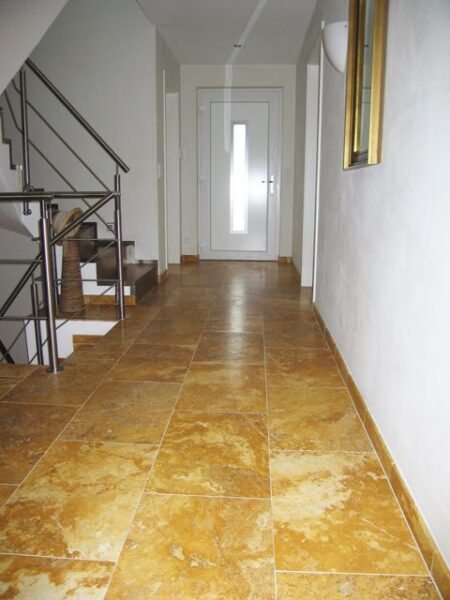
Yellow Travertine Floor

Why You Need a Specialized Cleaner for Stone Tiles

Stone tiles—such as marble, slate, granite, and travertine—are porous and delicate compared to ceramic or porcelain. Common household cleaners often contain acids or harsh chemicals that can erode the surface, dull the finish, or even stain natural stone.

Benefits of Using a Proper Stone Cleaner:

  • Protects sealant and prevents erosion

  • Preserves natural shine and texture

  • Removes dirt and grime without leaving residue

  • Prevents mold and mildew in high-moisture areas

For best results, choose a pH-balanced cleaner formulated specifically for natural stone.

Top 3 Best Cleaners for Stone Tiles in 2025

1. Granite Gold Stone & Tile Floor Cleaner

Best For: All-natural stone surfaces (granite, marble, travertine)
Features:

  • pH-balanced and biodegradable

  • Non-toxic, safe for kids and pets

  • No rinse formula—just spray and mop

Why We Love It: It’s streak-free, smells fresh, and leaves no sticky residue. Ideal for high-traffic areas.

2. Black Diamond Stoneworks Marble & Tile Floor Cleaner

Best For: Marble, limestone, travertine, and polished stone
Features:

  • Gentle formula that deep cleans

  • Concentrated—1 bottle makes multiple gallons

  • Safe for daily use

Pro Tip: Use with a microfiber mop for an even finish and to reduce water spots.

3. StoneTech Daily Cleaner by Laticrete

Best For: Sealed natural stone surfaces
Features:

  • Neutral pH formula

  • Great for kitchen and bathroom stone tiles

  • Comes in spray or gallon size

Bonus: Helps maintain the sealer layer, extending your floor’s life.

How to Clean Stone Tile Floors Properly

To keep your floors looking their best, follow these simple steps:

  1. Sweep or vacuum daily to remove loose debris.

  2. Damp mop with a pH-neutral cleaner weekly.

  3. Avoid vinegar, bleach, or ammonia, which can damage the stone.

  4. Reseal your tiles every 6–12 months depending on traffic.

Expert Tip:

Use doormats at entryways and felt pads under furniture to prevent scratching.

Final Thoughts: Choose the Right Cleaner for Your Stone Tiles

Stone tiles are an investment—protect them with the right cleaner. Whether you have marble in your bathroom or slate in your kitchen, the right cleaning product can preserve the natural elegance and durability of your flooring. For the best results, always go with pH-balanced, stone-safe formulas and follow a regular maintenance schedule.

https://www.rockstone.biz/export-traonyx-to-the-usa/

Best Cleaners for Stone Tiles

rockstone company

Biggest Stone Exporters

Leading Countries in the Global Market

Natural stones like granite, marble, and limestone are in high demand worldwide. These stones serve purposes ranging from home building to large commercial projects. Because of this demand, some countries have taken the lead in exporting these valuable materials. In this article, we’ll explore the biggest stone exporters and examine why they succeed in the global market.

Top Stone Exporting Countries

Several nations have built strong reputations for exporting large quantities of high-quality stone. Let’s look at the top three countries driving the stone export industry.

1. China: The Global Leader in Stone Exports

China stands as the world’s largest exporter of natural stones. It produces vast amounts of granite, marble, and limestone, which it ships to markets across North America, Europe, and Asia. Moreover, the country offers polished slabs, tiles, and cut-to-size pieces that appeal to a wide range of buyers.

Thanks to low production costs and efficient manufacturing systems, China remains a top choice for stone importers. Whether the project is a skyscraper, commercial space, or luxury home, China consistently delivers materials that meet diverse needs.

2. India: A Major Supplier of Granite and Marble

India also plays a major role in the global stone market, particularly in granite and marble exports. With its extensive reserves, India sends polished granite slabs, marble tiles, and ornamental stones to countries in Europe, the U.S., and the Middle East.

Furthermore, India’s advanced processing facilities produce stones in many colors and finishes. This combination of versatility and competitive pricing ensures steady demand from both residential and commercial buyers.

3. Italy: The Home of Premium Marble

Italy has long been associated with luxury marble, and it remains one of the top exporters in the industry. Marble from regions such as Carrara is famous for its elegant appearance and fine quality. It often appears in high-end buildings, sculptures, countertops, and flooring.

Because Italy blends centuries-old craftsmanship with modern production techniques, it maintains a strong position in the global market. Its marble continues to attract designers and builders in North America and Europe for prestigious projects.

Why These Countries Lead the Stone Export Market

1. Rich Natural Resources
One major reason these countries dominate the market is their abundance of high-quality natural resources. China, India, and Italy have rich deposits of granite, marble, and other stones, allowing them to meet growing global demand with ease.

2. Advanced Processing Technology
In addition, countries such as China and India have invested heavily in modern technology. These upgrades enable them to process stones quickly, efficiently, and at lower costs. As a result, they can supply premium products at competitive prices.

3. Global Demand for Natural Stones
Finally, the rising demand for natural stones in construction, renovation, and design projects fuels their export success. With urbanization and infrastructure projects expanding worldwide, these nations are ideally positioned to serve the international market.

https://www.rockstone.biz/best-stones-for-facades/

Farzin Rock Stone Company 

Best Countries to Export Stones

Versatile Uses of Sandstone

What is Sandstone?

Sandstone is a naturally occurring sedimentary rock composed primarily of quartz grains bound together by silica, calcium carbonate, or iron oxide. Its beautiful appearance, durability, and versatility make it popular for various construction, architectural, and decorative applications. Whether for indoor or outdoor purposes, sandstone has stood the test of time as a reliable material for builders and designers alike. Versatile Uses of Sandstone

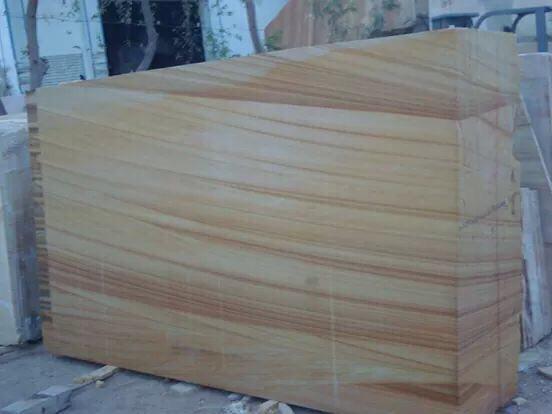
sand stone slab
sandstone slab

Key Uses of Sandstone

1. Construction Material

One of the most common uses of sandstone is as a construction material. It has been used for centuries in both modern and ancient buildings. Its natural strength and durability make it ideal for walls, foundations, and facades. Many historic structures, including castles and churches, were built using sandstone because of their resistance to weathering and wear over time. Modern architects also favor it for its eco-friendly properties and aesthetic appeal.

2. Paving and Flooring

Sandstone is often used in paving and flooring, both indoors and outdoors. Its slip-resistant surface and natural beauty make it an excellent choice for patios, walkways, garden paths, and pool areas. Indoors, it provides a warm, rustic look when used in kitchens, hallways, and bathrooms. The stone’s natural color variations add charm and character, making every installation unique.

https://www.rockstone.biz/why-clients-shou…tead-of-ceramics/

3. Decorative and Landscaping Applications

Sandstone’s warm colors and textures make it perfect for decorative purposes and landscaping projects. It is frequently used to construct garden features, such as retaining walls, planters, and garden steps. Sculptures, fountains, and other decorative elements made from sandstone can add a sense of natural beauty and elegance to any landscape. It is also popular for creating outdoor seating areas, fire pits, and other hardscapes that enhance outdoor living spaces.

4. Cladding and Façades

Many modern buildings use sandstone as cladding for their exterior walls. This adds to the visual appeal and provides insulation, reducing energy costs. Sandstone cladding gives buildings a timeless, classic look while protecting the structure from the elements.

Benefits of Using Sandstone

Durability and Strength

Sandstone is known for its long-lasting durability, making it an ideal choice for areas subject to high foot traffic or exposure to the elements. Unlike many synthetic materials, sandstone becomes stronger over time as it weathers naturally, rather than deteriorating.

what is the Sandstone

Aesthetic Appeal

With a range of colors, including warm reds, golds, browns, and greens, sandstone can complement a variety of design styles. Its natural patterns and textures give it a unique, organic appearance that enhances both contemporary and traditional designs.

Environmentally Friendly

Because sandstone is a natural material, it requires minimal processing, which results in a lower carbon footprint compared to other building materials. Additionally, sandstone is often sourced locally, reducing transportation emissions.

Farzin rock stone company 

Marfil Marble Stone Countertops

Marfil Marble Stone Countertops

Marfil marble, with its timeless beauty and luxurious appeal, has become a cornerstone in the realm of interior design. This article delves into the world of Marfil marble, its exquisite qualities that make it ideal for stone countertops, and an exploration of the renowned Crema Marfil variety. Marfil Marble Stone Countertops.
Marfil marble, an embodiment of timeless beauty and sophistication, has left an indelible mark on the world of interior design.

This article embarks on a journey to explore the captivating allure of Marfil marble and its exquisite application as stone countertops, with a special focus on the revered Crema Marfil marble variety.

cream Marfile

Iranian Green Marble stone, tile, or slab for export

dark emperador marble, where to use dark emperador

Marfil Marble Stone Countertops:

Elevate Your Space Marfil marble, renowned for its creamy tones and subtle veins, has gained popularity as an impeccable choice for stone countertops.

Its elegance and durability make it a preferred option for both residential and commercial spaces seeking an infusion of sophistication. With Marfil marble stone countertops, one can effortlessly elevate the aesthetics of any room while enjoying the practical benefits of a resilient and striking surface.

Elevating Spaces with Marfil Marble Stone Countertops Marfil marble, celebrated for its creamy shades and delicate veining, has emerged as a premier choice for crafting exquisite stone countertops.

The infusion of elegance and durability makes Marfil marble an impeccable selection for those seeking to enhance the aesthetics of their living spaces.

By opting for Marfil marble stone countertops, one not only elevates the visual appeal but also adds a touch of refined practicality.

The Allure of Marfil Marble:

A Timeless Elegance Marfil marble’s charm lies in its neutral and warm hues, rendering it compatible with a myriad of design styles. Its soft veining patterns create an intricate texture that adds depth to surfaces. As an enduring material, Marfil marble evokes a sense of luxury and refinement, making it an impeccable choice for kitchens, bathrooms, and other high-traffic areas where aesthetics and durability are equally important.

Crema Marfil Marble: A Closer Look

Crema Marfil marble, a sought-after variation of Marfil marble, stands out for its light beige and cream tones. Quarried in Spain, this exquisite stone is cherished for its consistent color and minimal veining, offering a clean and sophisticated appearance. Crema Marfil marble’s understated elegance has made it a staple in upscale homes and commercial spaces alike.

H2: Versatility and Design Potential The versatility of Marfil marble stone countertops allows them to seamlessly integrate with various design schemes. Whether your style is classic, contemporary, or transitional, Marfil marble’s understated beauty creates a canvas that can be accentuated with a variety of color palettes and décor elements.

The Timeless Allure of Marfil Marble

Marfil marble’s allure lies in its ability to exude timeless charm through its neutral color palette and graceful patterns. The veins, meticulously woven by nature, imbue surfaces with depth and character. Its enduring beauty and durability make it a perfect candidate for high-traffic areas, transforming kitchens and bathrooms into havens of elegance.

Unmasking the Splendor of Crema Marfil Marble

Crema Marfil marble, a distinguished variant of Marfil marble, hails from the quarries of Spain. Adored for its pale beige and cream hues, this stone showcases minimal veining that results in a clean and sophisticated appearance. The quiet elegance of Crema Marfil marble has established it as a preferred choice for upscale homes and commercial spaces seeking a touch of understated luxury.

A Canvas of Possibilities: Marfil Marble’s Versatility

Marfil marble countertops possess the remarkable ability to seamlessly harmonize with various design aesthetics. Whether one’s taste leans towards classic opulence, contemporary minimalism, or transitional allure, Marfil marble’s versatility allows for creative expressions that enhance the visual impact of any space.

Elevate Your Interiors with Marfil Marble

Marfil marble’s enduring allure is a testament to its status as a timeless classic in interior design.

From its creamy hues to its resilience, it has captured the hearts of designers, architects, and homeowners alike. The unique charm of Crema Marfil marble adds an extra layer of sophistication to spaces, infusing them with a sense of luxury.

With Marfil marble countertops, you can transform your interiors into showcases of elegance while enjoying surfaces that effortlessly stand the test of time.

Elevate Elegance with Marfil Marble The enduring charm of Marfil marble continues to captivate the world of interior design, offering a timeless and sophisticated solution for elevating spaces. The ethereal beauty of Crema Marfil marble further enriches this legacy,

contributing to a sense of refined luxury.

By embracing Marfil marble countertops, you invite enduring elegance into your interiors, creating a harmonious blend of aesthetics and functionality that stands as a testament to your discerning taste.

https://www.rockstone.biz/most-demanded-stones-in-oman

Farzin rock stone company 

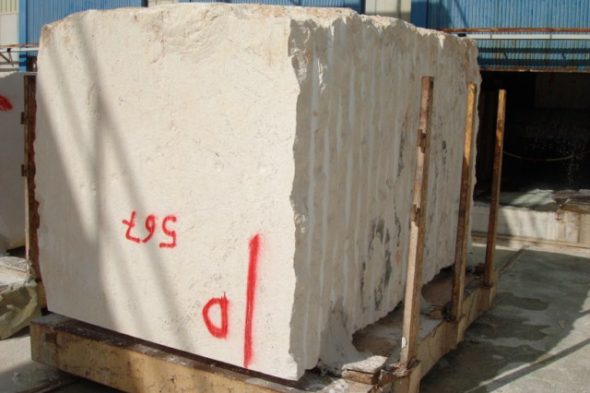
Gohareh limestone slab

Familiarity with features of the Gohareh limestone slab

Recently updated 

One of the most beautiful and widely used natural mineral stones is mineral limestone extracted from the Gohareh mine in Lorestan province.

Gohareh limestone slab mine is located in Khorramabad city, the capital of Lorestan province, which is one of the largest mineral ores in Iran.

This type of stone has a light whitish-cream color.

Familiarity with features of the Gohareh limestone slab

Gohareh limestone slab

One of the most beautiful and widely used natural mineral stones is mineral limestone extracted from the Gohareh mine in Lorestan province.

Gohareh limestone slab mine is located in Khorramabad city, the capital of Lorestan province, which is one of the largest mineral ores in Iran.

This type of stone has a light whitish-cream color. The higher the quality of this type of natural and mineral stone, the more uniform its color and the smoother and more beautiful the surface.

https://www.rockstone.biz/green-granite-rock/

While those limestones are of lower quality, there are scattered brown veins in them, and may not have a smooth surface. In this article, we will try to acquaint you with the Gohareh limestone slab and provide you with information about this type of stone. Stay with us.

Familiarity with features of Gohareh limestone slab

What are the applications of Gohareh limestone slab ore?

As we mentioned in the introduction of this article, the Gohareh limestone slab is one of the best and most beautiful minerals that is used in many cases.

Gohareh limestone slab is one of the highest-quality minerals in the world.

This type of ore can be considered as a competitor to ore produced by European, Chinese and Central American companies.

The Gohareh limestone slab is suitable for covering the interior of the building and should not be exposed to direct sunlight. For example, this type of stone can be used to cover the walls and floors of office, residential, commercial, and similar buildings.

In the continuation of this article, we will talk about the characteristics of this type of stone.

Gohareh limestone for export

Gohareh limestone slab

The Gohareh limestone has several specifications and features. These features include the following:

  • The similarity of these stones with marble stones is one of the most important features of this type of stone. In other words, the Gohareh limestone is part of the marble family, which is not yet fully formed and its lime is high.
  • That is why this type of mineral is called limestone.
  • Another important feature of this type of stone is that it absorbs moisture and water easily. In addition, this type of stone does not have high compressive strength and by hitting them, the probability of damage to them is very high.
  • Therefore, this type of stone can’t be used in the exterior of the building. In addition, the use of this type of stone is prohibited in places that are exposed to moisture and water.
  • Another feature of the Gohareh limestone is that it is less expensive than marble. Therefore, its use in interior facades and interior decoration of houses is very common.
  • In some cases, the Gohareh limestone slab may be used on the exterior of buildings.
  • In such cases, limestone stones should be waterproofed after installation.
  • If this process is not done on them, the facade of the building will be destroyed in a short time.
  • Another important feature of limestone is that it is highly resistant to cold and frost. Therefore, the use of this type of stone in the interior of the building, in addition to the beauty of the interior of the house, also increases the life of the façade.

Bojan stone for export

The last word

In this article, we tried to acquaint you with the Gohareh limestone and provide you with explanations about this type of stone and its uses.

We also talked about the characteristics of this type of mineral and mentioned five of its characteristics.

We hope this article can satisfy you and that you have taken full advantage of what we have provided in this article.


Farzin  rock stone company