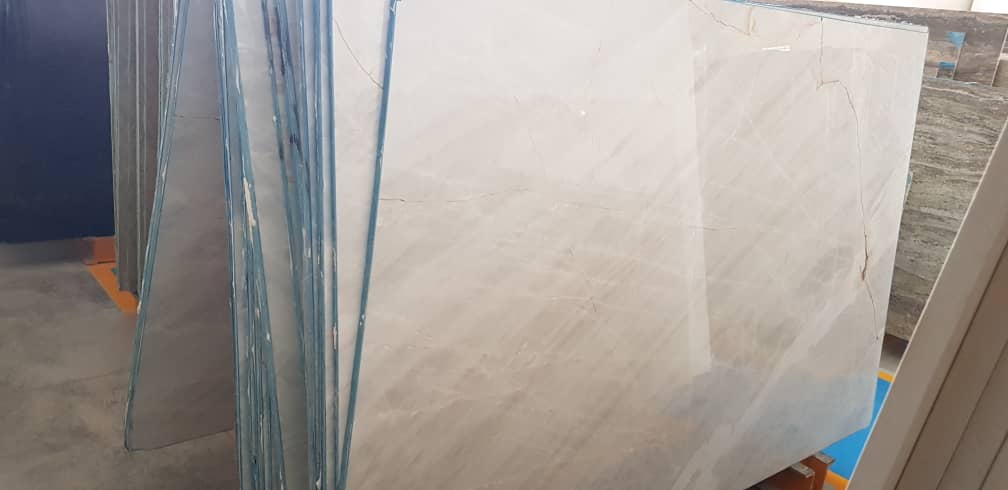
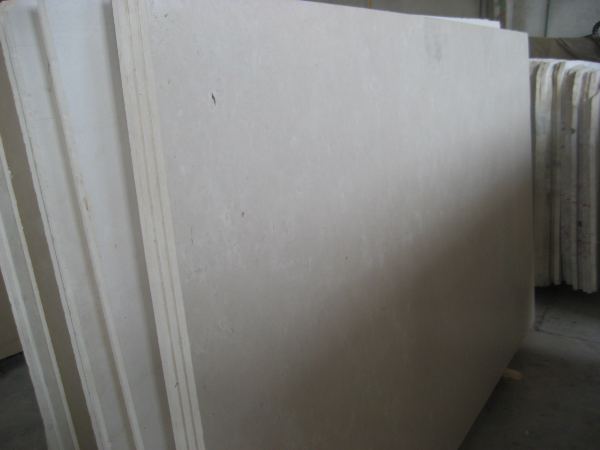
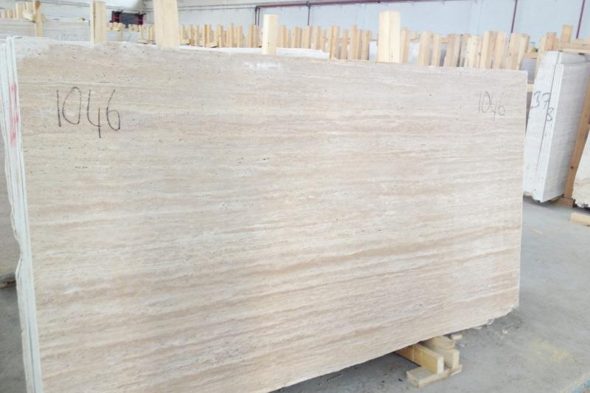
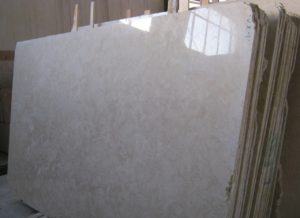
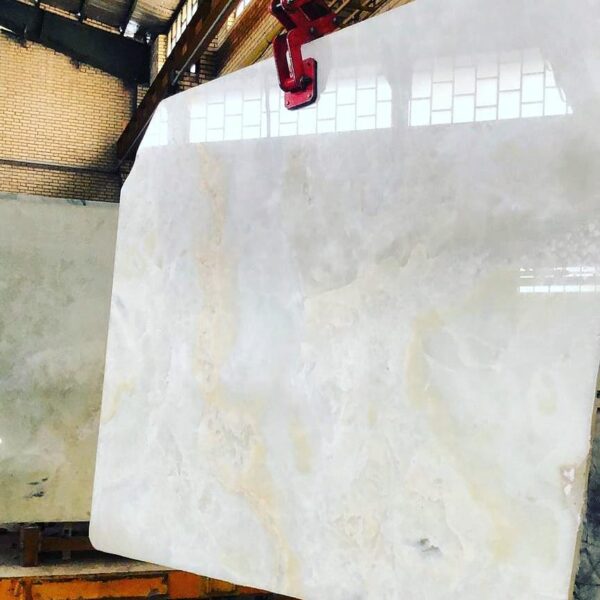
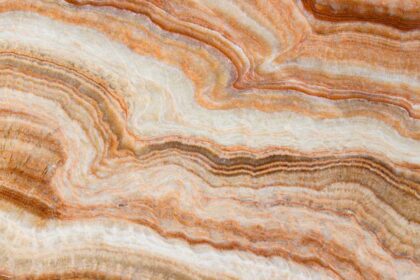
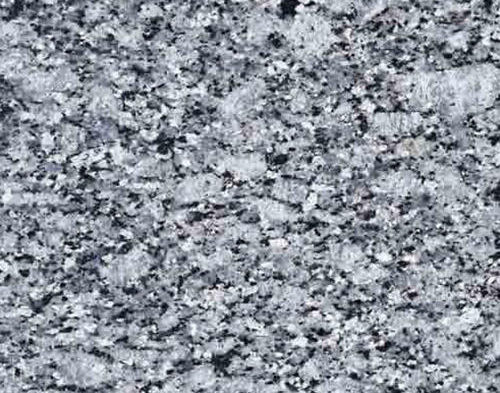
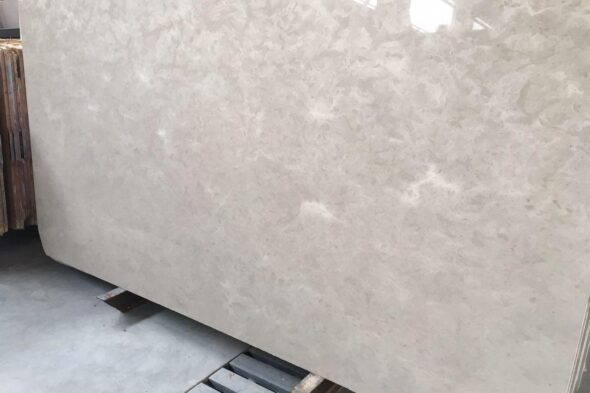
Photo 1: Polished white crystal marble slab — ready to upload with the alt text below.
White crystal marble
Publish-Ready Article
White Crystal Marble: Timeless Elegance for Modern Spaces
White crystal marble is one of the few natural stones that combines brightness, strength, and sparkle in a single material. With its snow-white background and glittering crystalline surface, it’s one of the most requested stones in modern architecture and interior design. In this guide, you will learn what makes it special, where it performs best, and how to keep it beautiful for years — everything you need to know before placing your order. Whether you are an architect, a contractor, or a homeowner, this page will help you make a confident decision.
What Is White Crystal Marble?
White crystal marble is a metamorphic rock formed when limestone recrystallizes under intense heat and pressure over millions of years. The result is a compact, radiant stone made of interlocked calcite or quartz crystals that reflect light from within. Its background ranges from pure snow white to soft cream, usually decorated with delicate grey or golden veins. Iran is home to some of the world’s finest quarries, mainly in the provinces of Isfahan and Semnan, where they extract blocks with exceptional whiteness and transparency.
Key Features of White Crystal Marble
The most distinctive feature of this stone is its sparkling, light-reflecting surface, which makes rooms look brighter and visually larger. Technically, white crystal offers very low water absorption, high compressive strength, and excellent polishability, so the polished finish stays glossy for a long time. It also shows strong color uniformity between blocks — a major advantage for large projects where visual consistency matters. Its natural brightness pairs beautifully with warm wood, matte black fittings, and brushed brass accents.
Top Applications in Modern Design
Thanks to its bright, reflective character, white crystal marble is a favorite for the flooring of hotel lobbies, commercial centers, and residential living rooms. It is equally popular for wall cladding, especially in book-match layouts where two mirrored slabs create a stunning natural pattern. Designers also use it for kitchen countertops, bathroom surfaces, staircase cladding, and elevator surrounds. In recent years, fluted and honed finishes have become trendy choices for feature walls. Because some grades may slightly change color under long-term outdoor exposure, this stone is generally recommended for interior projects or covered outdoor areas.
White Crystal Marble vs. Other White Stones
Compared with imported Carrara marble, crystal marble offers a brighter background, fewer dark veins, and a more competitive price. Against white onyx, it provides far higher strength and better value for large surfaces, while onyx remains a decorative accent stone. And compared with white travertine, crystal marble is denser, smoother, and takes a much higher polish — making it the premium choice wherever a mirror-like finish is desired.
Care and Maintenance Tips
Keeping white marble flawless is simple if you follow a few rules. Apply a quality sealer after installation and renew it once a year. Clean surfaces with a pH-neutral detergent and a soft cloth, and wipe up acidic liquids such as lemon juice, vinegar, or wine quickly to prevent dull spots. Use entrance mats to reduce abrasive dirt, avoid heavy impacts on edges and corners, and dust-mop busy floors daily — tiny grit particles are the main cause of micro-scratches on polished marble.
Order Premium White Crystal Marble From Us
We supply crystal marble in slabs and tiles with custom dimensions, precise cutting, and export-grade packaging delivered to ports worldwide. Every batch is inspected for whiteness, strength, and polish quality before shipment. Contact our sales team today to receive the latest price list and a free consultation for your project.
Crema Ivory Marble: Timeless Elegance for Your Living Spaces
Elevate Your Interiors: Discover the Luxury of Crema Ivory Marble
Step into a world of timeless elegance with Crema Ivory Marble, where sophistication meets natural beauty. In this exploration, we invite you to immerse yourself in the allure of Crema Ivory, a marble that transforms your living spaces into luxurious havens. Crema ivory marble slabs & tiles.
Crema Ivory Marble is a celebration of natural splendor. Mined from quarries with precision, this marble captivates with its subtle ivory tones and delicate veining, making each slab a work of art.
2. Timeless Aesthetic Appeal
With a timeless aesthetic appeal, Crema Ivory Marble has graced architectural wonders for centuries. Its enduring beauty and classic charm make it a preferred choice for those seeking a touch of sophistication in their designs.
3. Versatility in Design
Crema Ivory Marble tiles offer unparalleled versatility. Whether used for flooring, countertops, or wall cladding, the neutral tones of Crema Ivory seamlessly integrate into a variety of design styles, from traditional to contemporary.
Crema Ivory Marble Features
1. Subtle Ivory Tones
Experience the sophistication of Crema Ivory Marble with its subtle ivory tones. The neutral palette adds warmth to spaces, creating an inviting and luxurious ambiance that stands the test of time.
2. Delicate Veining
Delight in the delicate veining patterns that adorn Crema Ivory Marble. Each vein tells a unique story, adding character to the marble and ensuring that your surfaces are one-of-a-kind works of art.
3. Polished and Honed Finishes
Crema Ivory Marble is available in polished and honed finishes, allowing you to choose the level of sheen that complements your design vision. The polished finish adds a reflective elegance, while the honed finish offers a more subdued, matte appearance.
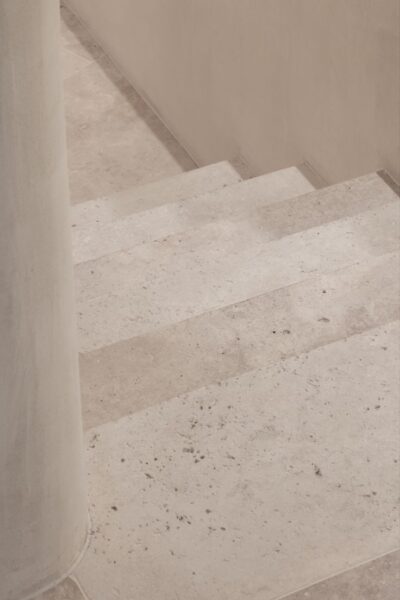
Cream Travertine Stairs
Crema Marble Tiles
1. Elevate Your Floors
Transform your floors with Crema Marble Tiles. The durability of Crema Ivory Marble ensures that your floors not only exude luxury but also withstand the test of time, making it a perfect choice for high-traffic areas.
2. Luxurious Countertops
Create luxurious countertops with Crema Marble Tiles. The smooth surface and elegant appearance make them an ideal choice for kitchens and bathrooms, elevating the aesthetic appeal of these essential spaces.
3. Striking Wall Cladding
Make a statement with Crema Marble Tiles as wall cladding. The natural beauty of Crema Ivory enhances accent walls, fireplaces, and other focal points, adding a touch of sophistication to your interiors.
Quality Assurance
1. Meticulous Selection
Our commitment to quality begins with the meticulous selection of Crema Ivory Marble. Each slab is carefully chosen to ensure consistency in color, veining, and overall aesthetic appeal.
2. Sustainable Sourcing
Embracing sustainable practices, we prioritize responsible quarrying and sourcing methods. Our commitment to the environment ensures that your choice of Crema Ivory Marble is not only luxurious but also environmentally conscious.
Client Testimonials
1. Satisfied Clients Speak
Explore the testimonials of our satisfied clients who have adorned their spaces with Crema Ivory Marble. Read their stories and discover how this marble has added a touch of opulence to their homes.
Explore Our Crema Marble Collection
Elevate Your Spaces with Crema Ivory Marble
Ready to bring the timeless elegance of Crema Ivory Marble to your living spaces? Explore our diverse Crema Marble collection and find the perfect tiles to elevate your interiors.
Crema Ivory Marble: Where Timeless Elegance Meets Modern Living
In conclusion, Crema Ivory Marble is more than a material; it’s a testament to timeless elegance in modern living. Elevate your spaces with the enduring beauty of Crema Ivory Marble, where each tile tells a story of sophistication and natural allure.
Alabaster Stone: Timeless Elegance Carved in Stone
Unveiling Nature’s Artistry, Explore the Beauty of Alabaster Stone
Embark on a journey of timeless elegance with Alabaster Stone, a natural wonder that has graced art and architecture for centuries. In this exploration, we invite you to discover the captivating allure and versatility of Alabaster Stone, a testament to nature’s artistry.
Alabaster is a masterpiece crafted by nature. Renowned for its translucent beauty, our Alabaster Stones are meticulously sourced to bring a touch of natural splendor to your spaces.
2. A History of Elegance
With a rich history dating back to ancient civilizations, Alabaster Stone has adorned palaces, temples, and sculptures. Today, we continue this legacy by offering Alabaster Stones that embody the same elegance and sophistication.
3. Versatility in Design
Alabaster Stone offers unparalleled versatility in design. Whether used for lighting fixtures, sculptures, or interior décor, the soft glow and unique patterns of Alabaster Stone add a touch of refinement to any project.
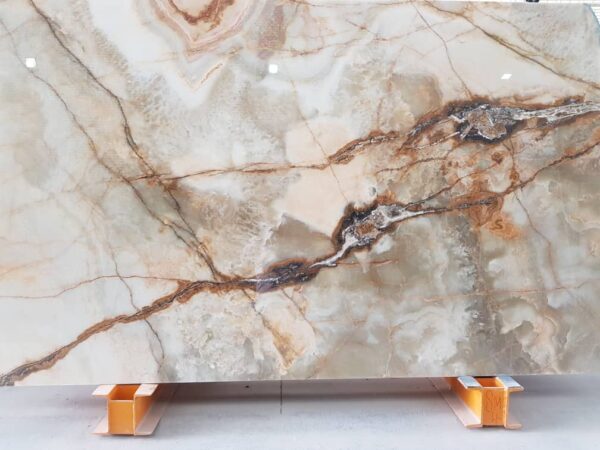
Experience the ethereal beauty of Alabaster. Its translucent nature allows light to pass through, creating a soft and warm ambiance that transforms any space into a work of art.
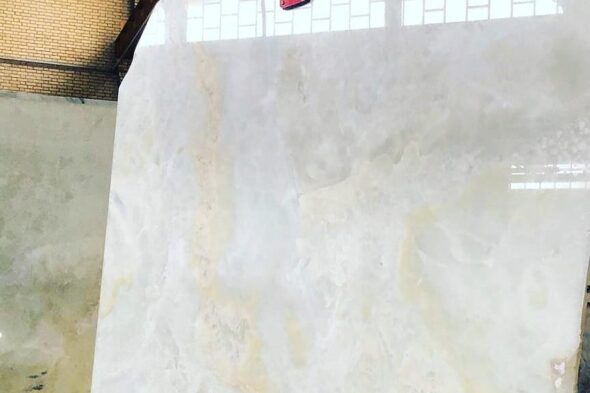
Alabaster slab
2. Natural Patterns
Each piece of Alabaster boasts unique natural patterns. From subtle veining to intricate swirls, the inherent beauty of these stones ensures that no two pieces are alike, adding exclusivity to your designs.
3. Durability and Craftsmanship
Known for its durability, Alabaster is a testament to nature’s craftsmanship. Our Alabaster Stones are carefully selected and crafted to ensure longevity, making them a timeless addition to your architectural or artistic endeavors.
Applications of Alabaster Stone
1. Illuminating Elegance
Alabaster Stone’s translucent quality makes it a perfect choice for lighting fixtures. Create luminous focal points that not only illuminate but also exude an unparalleled sense of elegance.
2. Sculptural Artistry
Unleash your artistic vision with Alabaster. Sculptors and artists appreciate the malleability of this stone, allowing them to carve intricate details and bring their creations to life.
3. Interior Design Harmony
Whether used for countertops, wall cladding, or decorative accents, Alabaster seamlessly integrates into interior design schemes. Its natural warmth and sophistication elevate the ambiance of residential and commercial spaces alike.
Quality Assurance
1. Meticulous Sourcing
Our commitment to excellence begins with the meticulous sourcing of Alabaster. We select stones of the highest quality, ensuring that each piece meets our stringent standards for beauty and durability.
2. Sustainable Practices
Embracing sustainable practices, we prioritize ethical sourcing and responsible extraction methods. Our commitment to the environment ensures that your choice of Alabaster is not only aesthetically pleasing but also environmentally conscious.
Client Testimonials
1. Client Stories
Read the stories of clients who have transformed their spaces with Alabaster. Discover how the timeless beauty and versatility of our stones have added a touch of luxury to their projects.
Explore Our Alabaster Collection
Elevate Your Spaces with Alabaster
Ready to bring the timeless elegance of Alabaster to your projects? Explore our diverse Alabaster collection and discover the perfect piece to elevate your spaces.
Alabaster Stone: A Symphony of Nature, Crafted for Eternity
In conclusion, Alabaster is not just a material; it’s a symphony of nature, offering timeless elegance and unmatched beauty. Elevate your projects with the enduring allure of Alabaster Stone, where each piece is a testament to the artistry of the natural world.
Travertine stone is a natural wonder renowned for its timeless beauty and diverse applications. Understanding its composition, including raw travertine stone, and exploring its uses, including glazed travertine tiles, reveals the captivating world of this ancient material.
This article embarks on a journey through the realm of travertine stone. Travertine stone is a captivating natural material that has been used for centuries in construction and design.
Cream Travertine Kitchen Floor
Its timeless appeal and versatility make it a sought-after choice for various applications. In this article, we will explore the world of travertine stone slabs, their uses, composition, and the unique qualities of glazed travertine tiles.
you may be interested in the above articles in Rockstone.
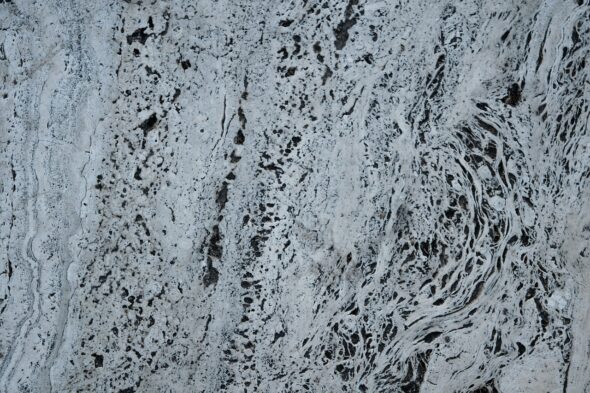
Travertine stone is a sedimentary rock primarily composed of calcium carbonate (CaCO3). It forms when calcium-rich groundwater emerges to the surface and deposits mineral layers over time. The distinctive appearance of travertine is characterized by its porous nature, which often contains cavities and holes created by trapped gases during the stone’s formation.
The Beauty of Travertine Stone Slabs
Travertine stone slabs are celebrated for their distinct appearance, characterized by subtle variations in color and intricate veining. They exude an understated elegance that can elevate any space, be it a residential home, a commercial establishment, or an outdoor landscape.
Raw Travertine Stone: Nature’s Artistry Unveiled
Raw travertine stone is a testament to the beauty of nature’s craftsmanship. Its coloration varies from creamy beige and light brown to rust and gray, with striking natural patterns formed by mineral deposits. The raw stone can be honed to reveal a smooth surface or left with its natural texture, creating versatile options for architectural and design projects.
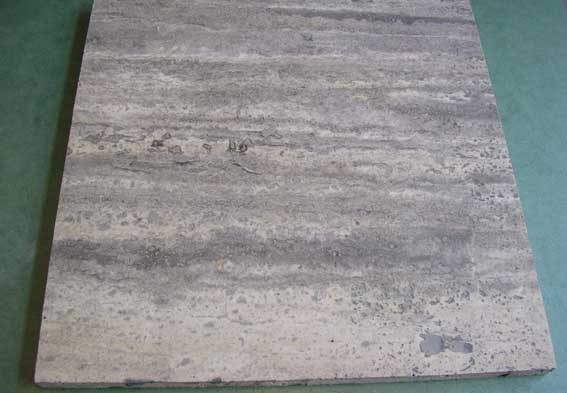
silver travertine
The Versatile Uses of Travertine Stone
Travertine stone is renowned for its versatility, making it a preferred choice for various applications:
Flooring: Its durability and classic appearance make travertine a popular choice for flooring in both residential and commercial spaces.
Countertops and Vanities: Travertine countertops and vanities exude an understated elegance that complements a range of interior styles.
Wall Cladding: The natural beauty of travertine adds warmth and character to interior and exterior walls.
Pool Decks: Due to its ability to stay cool in the sun, travertine is often used for pool decks, creating a comfortable and aesthetically pleasing surface.
Sculptures and Artifacts: Travertine’s workability and aesthetic appeal have made it a favorite among sculptors and artists throughout history.
The Composition of Raw Travertine Stone
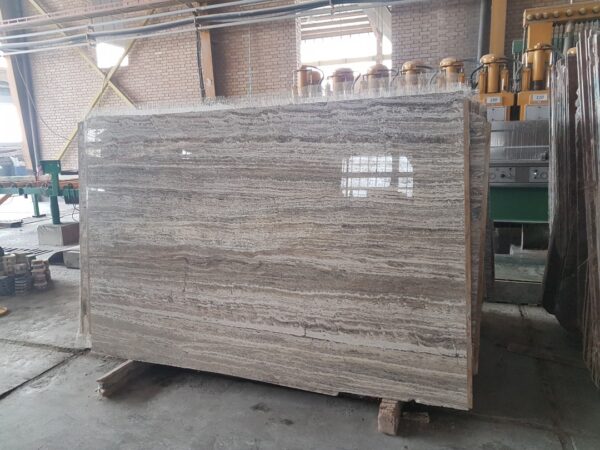
Travertine stone is a sedimentary rock primarily composed of calcium carbonate. It forms over time as minerals in groundwater precipitate and accumulate in layers, creating its characteristic porous structure. These natural cavities are often filled with crystalline materials, lending unique patterns and textures to the stone. Travertine stone slab
The Many Uses of Travertine Stone
Travertine stone’s versatility is showcased in its myriad of uses:
Flooring: It is a popular choice for flooring due to its durability and aesthetic appeal. Whether in a rustic or contemporary setting, travertine flooring adds a touch of luxury.
Countertops: Travertine countertops bring natural warmth and elegance to kitchens and bathrooms. They are prized for their resistance to heat and moisture.
Cladding: Travertine stone slabs are often used for wall cladding in both interior and exterior applications. They create visually stunning feature walls.
Pavers: In outdoor spaces, travertine pavers are used for patios, pool decks, and walkways. Their porous nature allows for efficient water drainage.
Red Travertine
The Allure of Glazed Travertine Tiles
Glazed travertine tiles are a variation of travertine that has been coated with a protective glaze. This finish enhances the stone’s durability and stain resistance, making it an excellent choice for areas with high moisture levels, such as bathrooms and kitchens. The glaze also adds a polished sheen to the tiles, further highlighting their natural beauty. travertine stone slab
Conclusion
In conclusion, travertine stone stands as a testament to the artistry of nature, with its origins rooted in the gradual deposition of minerals over time. Whether in its raw, natural form or as glazed travertine tiles, this stone embodies timeless elegance. From flooring to countertops, walls to pool decks, and even artistic creations, travertine has found its place in various facets of human creativity and design. Its enduring popularity in construction and art is a testament to its unique blend of beauty, durability, and versatility, reminding us of the enduring charm of nature’s creations. Composed primarily of calcium carbonate, they exhibit unique patterns and textures formed by millennia of geological processes. The versatility of travertine stone allows it to grace a wide range of spaces, from floors to countertops and walls to outdoor areas.
For added durability and a polished finish, glazed travertine tiles are an attractive option. Whether in their raw form or as glazed tiles, travertine stones continue to be cherished for their aesthetic charm and practicality. Their ability to seamlessly blend with various design styles ensures that they will remain a staple in the world of interior and exterior design for generations to come. Travertine stone slab.
Understanding and Intriguing the Meaning of Striped Onyx
Striped Onyx is a mesmerizing gemstone renowned for its unique appearance and spiritual significance. With variations like Black-white Onyx and Striped Blue Onyx, it carries distinctive properties and meanings. This article dives into the world of Striped Onyx, exploring its meanings, properties, and popular variations. Striped is a mesmerizing gemstone that has captured the fascination of people for centuries. Beyond its stunning appearance, this gem holds deep symbolism and possesses unique properties. In this article, we will explore the meaning, properties, and different varieties of onyx, including black-white striped and striped blue onyx.
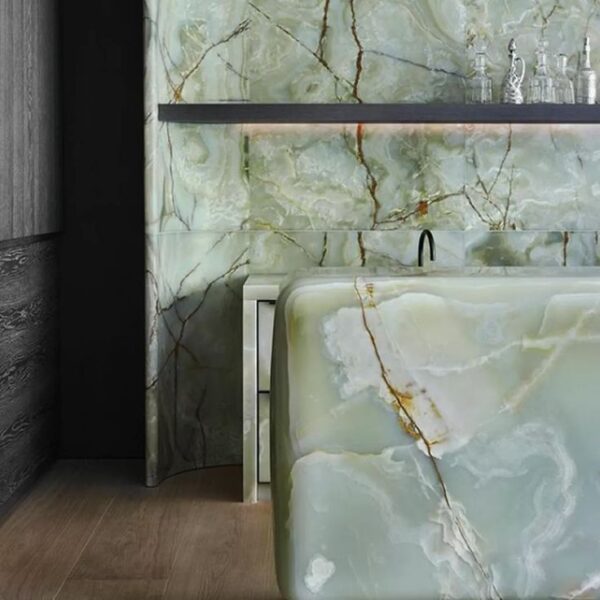
Green Onyx Kitchen
Striped Onyx is often associated with qualities of protection, grounding, and strength. It is believed to assist in the balance of yin and yang energies, fostering harmony within the self and the surrounding environment. In various cultures, the stripe has been considered a stone of resilience and determination, helping individuals overcome challenges and obstacles. Striped, with its distinct bands and layers, carries significant symbolism in various cultures. It is often associated with balance, protection, and strength. The stripes represent the dualities of life, symbolizing the contrast between light and darkness, good and evil, and the balance needed to navigate these dualities.
you may be interested in the above articles in Rockstone.
Properties that Define Striped Onyx
Striped, with its banded appearance, exhibits a range of properties:
Physical Appearance: The most distinctive feature of the stripe is its layered appearance, with alternating bands of color that can range from black and white to various other hues.
Hardness: On the Mohs scale of mineral hardness, Striped typically ranks between 6.5 and 7, making it relatively durable and suitable for various jewelry applications.
Spiritual and Emotional Benefits: Striped is believed to aid in centering and aligning one’s energy, promoting self-confidence, and enhancing self-control. It is also thought to protect from negative energies.
Strength and Stability: Striped is believed to provide strength and stability, both mentally and emotionally. It is often used as a talisman for protection against negative influences.
Enhanced Focus: This gemstone is said to sharpen one’s focus and decision-making abilities. It is often used by individuals seeking clarity and direction in life.
Healing Energy: Striped is associated with healing energies, particularly in the realms of stress reduction and emotional balance. It is thought to soothe feelings of anxiety and promote a sense of inner peace.
Black-White Striped Onyx
Black-white Striped Onyx, characterized by alternating black and white bands, is one of the most common variations of Striped. It is valued not only for its aesthetic appeal but also for its grounding and protective qualities. Many individuals use it in jewelry and as a decorative element in their living spaces.
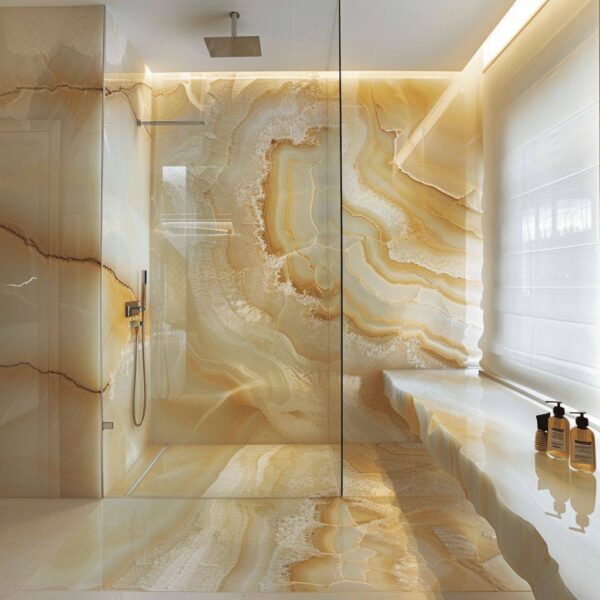
Honey Onyx Shower
Striped Blue Onyx
Striped Blue Onyx is a rarer variation known for its beautiful blue and white banding. It is believed to have additional properties associated with communication, soothing emotions, and enhancing one’s spiritual journey. This variety is often used in jewelry and spiritual practices.
Black-White Striped Onyx: A Classic Choice
Black-white stripes are one of the most popular varieties of stripes. Its contrasting bands of black and white create a timeless and elegant appearance. This type of stripe is often used in jewelry, where it symbolizes the harmonious balance of opposing forces.
Striped Blue Onyx: A Serene Beauty
Striped blue onyx is a captivating variation characterized by bands of blue and white. It exudes a serene and calming energy, making it a favorite for meditation practices and spiritual work. It is believed to enhance communication and self-expression.
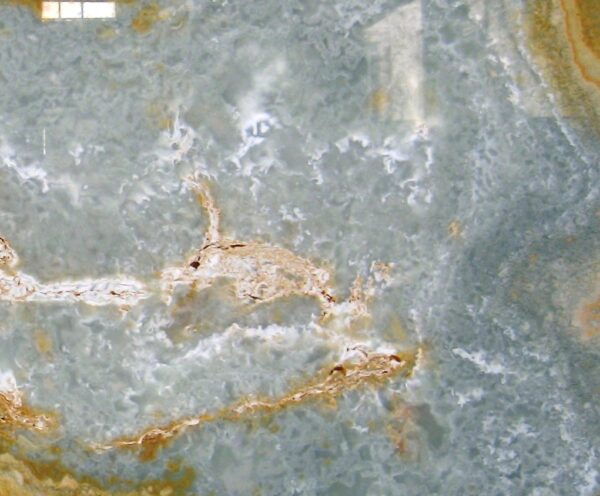
Beautiful blue onyx
Conclusion:
In conclusion, Striped Onyx is more than just a visually captivating gemstone; it carries deep spiritual meanings and a range of valuable properties.
Whether in the form of Black-white Onyx or the rarer Striped Blue Onyx, this stone has been cherished for centuries for its ability to balance energies, provide protection, and enhance inner strength. Its unique banded appearance serves as a reminder of the beauty that can be found in nature’s intricate patterns.
Whether worn as jewelry or used as a decorative element, Onyx continues to be a symbol of resilience and harmony in various cultures around the world. Onyx is more than just a beautiful gemstone; it carries profound meaning and possesses unique properties that have attracted humanity for generations.
Whether in its classic black-white form or the serene blue variation, onyx symbolizes balance, strength, and healing. Its elegant appearance and deep symbolism make it a popular choice for jewelry and spiritual practices alike.
Embracing stripes in your life can bring not only aesthetic beauty but also a sense of inner harmony and clarity, making it a gemstone of timeless significance.
China Granite Market: Rising Demand and Business Opportunities
The granite market in China is experiencing rapid growth as both residential and commercial developers increasingly adopt natural stone for its durability and premium aesthetics. Moreover, urbanization, rising disposable incomes, and a booming real estate sector are driving strong demand for granite products across major cities including Beijing, Shanghai, Guangzhou, and Shenzhen. As a result, granite has become one of the most sought-after materials in China’s construction and renovation markets.
Why Granite Is Popular in China
Granite is highly favored due to its combination of strength, elegance, and long-term value. Firstly, granite is extremely durable, heat-resistant, and scratch-resistant, making it ideal for heavy-use areas such as kitchens, bathrooms, and commercial floors. Secondly, its natural veining and wide variety of colors provide unique design possibilities for both residential and commercial spaces. Furthermore, granite requires minimal maintenance, which increases its appeal to homeowners and developers alike.
Therefore, granite continues to maintain strong market demand in China compared to alternative materials.
Key Trends Driving Granite Demand in China
Several factors are fueling the growth of granite consumption in China:
Residential Construction and Renovation
China’s housing market is expanding, with a focus on high-quality finishes in both new developments and renovations. In particular, granite is increasingly specified for:
Kitchen countertops and islands
Bathroom vanities and floors
Feature walls and staircases
Consequently, homeowners prefer granite because it combines durability with an upscale appearance that enhances property value.
Commercial and Infrastructure Projects
Moreover, commercial developers are incorporating granite in public and high-traffic spaces due to its durability and aesthetic appeal. For example:
Office buildings use granite for lobbies and reception areas.
Hotels and resorts rely on granite for premium flooring and decorative walls.
Shopping malls and entertainment venues select granite for both durability and visual impact.
As a result, the commercial sector significantly contributes to overall granite demand in China.
Supply Dynamics and Sourcing
Imported vs Domestic Granite
China sources granite both locally and from international suppliers. Imported granite from countries such as Brazil, India, and Italy offers a broad range of colors and patterns. However, domestic quarries provide competitive pricing and faster delivery for local projects. Therefore, suppliers that balance imported variety with local availability are better positioned to meet diverse market needs.
Sustainability and Consumer Preferences
Environmental considerations are increasingly influencing Chinese buyers. Thus, granite suppliers that provide sustainable sourcing, certified quarries, and eco-friendly production practices can differentiate themselves in the market. Indeed, transparency in supply chains is becoming an important factor in customer decision-making.
How Suppliers Can Capitalize on China’s Granite Demand
SEO and Digital Marketing
Businesses targeting the Chinese market should focus on SEO-optimized content for keywords like:
“granite countertops China”
“natural stone suppliers Shanghai”
“granite slabs Beijing”
Furthermore, publishing content that addresses installation, maintenance, and cost guides can attract potential buyers and build trust.
Value-Added Services and Partnerships
Additionally, offering custom fabrication, edge finishing, and professional installation services can enhance competitiveness. Establishing partnerships with architects, interior designers, and construction companies ensures steady commercial projects and long-term contracts.
Final Thoughts
In summary, the granite demand in the China market is growing steadily due to urban expansion, rising renovation activity, and preference for high-quality, durable materials. Therefore, granite suppliers who combine strong digital presence, diverse product offerings, and customer-centric services can successfully capitalize on this lucrative and expanding market.
Trends, Growth, Forecasts, and Commercial Insights
Travertine — a natural sedimentary limestone prized for its aesthetic elegance, durability, and thermal properties — has become a cornerstone material in architecture, interior design, flooring, and landscaping. As global construction and renovation activities expand, the travertine market is experiencing strategic shifts driven by sustainability priorities, technological innovations, and evolving design trends.
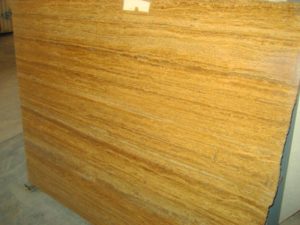
Yellow Travertine
This comprehensive guide explores current market size, growth drivers, regional dynamics, competitive landscape, and future opportunities, making it a valuable resource for suppliers, investors, architects, and stakeholders.
What Is Travertine and Why It Matters
Travertine is a porous natural stone formed by the precipitation of calcium carbonate from hot springs or limestone caves. Its unique texture, organic colors (ranging from beige, cream, and ivory to gold and silver), and versatile finishes (polished, honed, brushed, tumbled) make it a highly sought-after material in commercial and residential projects alike. Market Research Future
In commercial contexts, travertine is valued for:
Aesthetic appeal — adds timeless luxury to floors, façades, and interior walls.
Durability and slip resistance — suitable for high-traffic zones and outdoor use.
Thermal properties — natural insulation can help moderate building energy use. 24 Chemical Research
Market Size and Growth Projections
H3: Current Valuation
According to Market Research Future, the travertine market was valued at approximately USD 3.55 billion in 2024 and is projected to expand to USD 5.16 billion by 2035, achieving a CAGR (Compound Annual Growth Rate) of about 3.44% over 2025–2035. Market Research Future
Another industry analysis suggests the travertine segment — especially travertine stone tiles — could reach USD 1.1 billion by 2032, driven by the material’s sustainable attributes and design versatility. 24 Chemical Research
Market Forecast Highlights
Metric
2024
2030
2035
Estimated Market Size
~USD 3.55B
USD ~4.4B – 5.1B
USD ~5.15B
CAGR
—
~3.4%
—
Growth Drivers
Natural stones, construction
Sustainability, luxury design
Urbanization & renovation
These figures position travertine as a steady, mid- to long-term growth market, reflecting global construction trends and demand for natural materials. Market Research Future+1
Key Market Drivers and Trends
Sustainability and Eco-Friendliness
One of the most influential market forces today is the preference for sustainable and eco-friendly building materials. Travertine is perceived as a lower-impact alternative to synthetic tiles because it:
Requires significantly less processing energy than ceramic and porcelain.
Can contribute to green building certifications such as LEED. 24 Chemical Research
A recent industry review noted:
“Travertine’s minimal ecological footprint and innate beauty position it as a sustainable material choice in modern architecture.” — Industry trend analysis. 24 Chemical Research
Construction and Renovation Boom
With global urbanization and infrastructure spending rising — especially in Asia-Pacific and Middle Eastern megaprojects — travertine demand is bolstered by:
Residential construction, particularly luxury homes and estate developments.
Outdoor applications — patios, walkways, and pool surrounds — represent a growing segment. Market drivers here include durability and maintenance advantages over synthetic paving products. WiseGuy Reports
Luxury Residential and Hospitality
Luxury real estate developers increasingly favor travertine, as one industry expert noted:
“Travertine’s combination of elegance and resilience makes it a go-to for premium builds — from penthouse floors to five-star lobbies.” — Architectural materials analyst. WiseGuy Reports
This trend supports higher price points and markup potential for suppliers and installers.
Regional Market Insights
North America — The Largest Regional Market
North America dominates the travertine market, accounting for a significant share due to:
Strong residential renovation demand.
Sustainable materials legislation.
Mature supply chains and established architectural preferences for natural stone. Market Research Future+1
Europe and Emerging Asia-Pacific
Europe maintains robust demand — especially in Italy, Spain, and Germany — while Asia-Pacific growth is accelerating due to urban development in China and India. Market Research Future
Middle East emergence — particularly in the UAE and Saudi Arabia — reflects lavish architectural projects that favor travertine’s luxury aesthetic. 24 Chemical Research
Competitive Landscape and Key Players
The travertine market features a blend of established global producers and regional specialists. Leading names include:
These companies differentiate through quality grading, innovative finishes, and diversified product portfolios — from premium slabs to custom architectural elements.
Challenges and Market Risks
Despite strong growth indicators, the travertine market must navigate a few challenges:
Competition from Engineered Materials
High-quality porcelain and engineered stone products now mimic travertine’s appearance at lower price points, capturing market share in cost-sensitive segments. 24 Chemical Research
Export Volatility
Global exports of marble and travertine combined have experienced fluctuations and slight contractions in recent years, reflecting broader economic pressures on commodity shipments. In 2024, global marble and travertine exports were approximately 7.9 million tons, a slight decline from previous years. IndexBox
Future Outlook and Strategic Opportunities
Innovation and Customization
Advancements in precision cutting, waterjet technologies, and finish treatments offer opportunities to expand travertine into new architectural applications and custom designs.
Sustainable Material Adoption
As sustainability becomes central to construction procurement, travertine’s natural credentials position it well for inclusion in green building projects and certifications.
Digital Distribution and E-Commerce
The rise of online sales platforms increases global accessibility, making travertine slabs and tiles more reachable for design professionals and homeowners worldwide. Chemical Research Insight
Conclusion
The global travertine market stands at the intersection of tradition and innovation — deeply rooted in natural stone heritage, yet dynamically adapting to sustainability trends and technological advancements. With robust demand in residential and commercial construction, coupled with expanding regional markets and eco-friendly positioning, travertine remains a compelling investment and product focus for suppliers and stakeholders.
Whether you’re a stone distributor, architect, or construction executive, understanding these market dynamics and future trajectories can strengthen strategic planning and competitive edge in the natural stone sector.
Key Citations
Market Value & Forecast — Market Research Future, Chemical Research Insight. Market Research Future+1
Limestone is one of the most versatile and durable natural stones, valued for its aesthetic appeal, strength, and timeless elegance. Moreover, its wide variety of colors, textures, and finishes makes it ideal for residential, commercial, and architectural applications. Therefore, understanding the different types of limestone is essential for homeowners, designers, and contractors who want the perfect stone for flooring, walls, countertops, or outdoor landscaping. Different Types of Limestone.
Why Limestone Is a Popular Choice
Limestone offers a combination of beauty and functionality. Firstly, it is naturally durable, able to withstand wear and tear when properly maintained. Secondly, limestone’s neutral shades and natural patterns make it easy to incorporate into various interior and exterior designs. Furthermore, limestone is eco-friendly and energy-efficient, as it helps regulate indoor temperatures and is often sourced locally. Different Types of Limestone
Consequently, choosing the right type of limestone ensures long-lasting results that enhance both the aesthetics and value of a property.
Common Types of Limestone
Limestone is classified based on color, texture, and origin. Here are some of the most popular types used in construction and design:
Travertine Limestone
Travertine is one of the most recognizable types of limestone, known for its porous texture and natural holes. Moreover, it is available in warm tones like cream, beige, and gold, making it ideal for flooring, wall cladding, and outdoor patios. Additionally, travertine can be polished or honed to achieve different finishes depending on design preferences.Different Types of Limestone
Chalk Limestone
Chalk limestone is soft and light-colored, often white or pale gray. Therefore, it is commonly used for decorative applications, sculptures, and interior wall features. Its fine texture allows for detailed carving, making it popular in both traditional and modern architectural projects.
Fossiliferous Limestone
Fossiliferous limestone contains visible fossilized remains of marine organisms, which add unique patterns and character to the stone. As a result, it is perfect for statement walls, accent features, and exterior landscaping that requires a natural and historical aesthetic.
Oolitic Limestone
Oolitic limestone is composed of small, rounded grains called oolites. Therefore, it has a consistent texture and pale color, making it suitable for tiles, pavements, and architectural facades. Its uniform appearance helps create a clean and elegant look.
Dolomitic Limestone
Dolomitic limestone contains magnesium carbonate in addition to calcium carbonate, making it harder and more resistant to wear. Consequently, it is ideal for high-traffic flooring, outdoor applications, and structural projects that require both beauty and strength.
How to Choose the Right Limestone
Selecting the right limestone depends on several factors:
Project Type: Some types are better for flooring, while others are ideal for walls, facades, or landscaping.
Aesthetic Preference: Consider color, pattern, and overall design style of the space.
Durability Requirements: Some limestones, like dolomitic, are denser and more suitable for heavy-use areas.
Thus, consulting with suppliers or designers can ensure you choose the limestone type that meets both functional and aesthetic needs.
Final Thoughts
Understanding the different types of limestone is essential for creating elegant, durable, and timeless spaces. By considering texture, color, and durability, you can select the perfect limestone to enhance your interiors or exteriors. Moreover, working with reputable suppliers ensures high-quality stone that maintains its beauty and value for decades.
Russia ranks among the world’s richest countries in natural minerals and gemstones. From royal jewelry to luxury interiors, Russian famous stones have shaped global markets for centuries. Because of their rarity, durability, and striking colors, these stones attract collectors, designers, and investors worldwide. If you want gemstones that combine history, prestige, and long-term value, Russia offers exceptional choices.
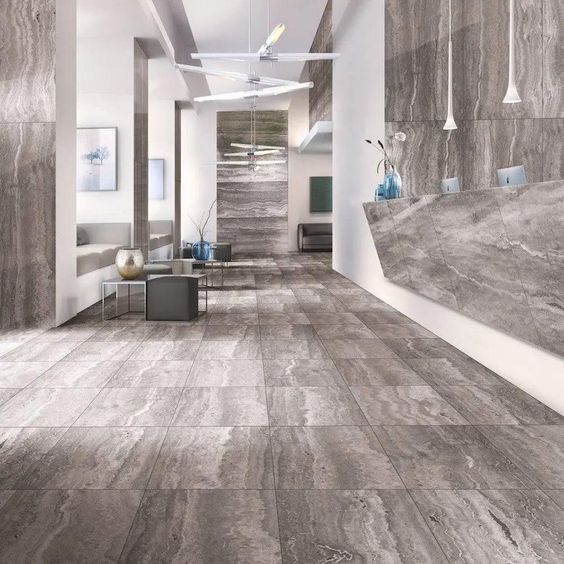
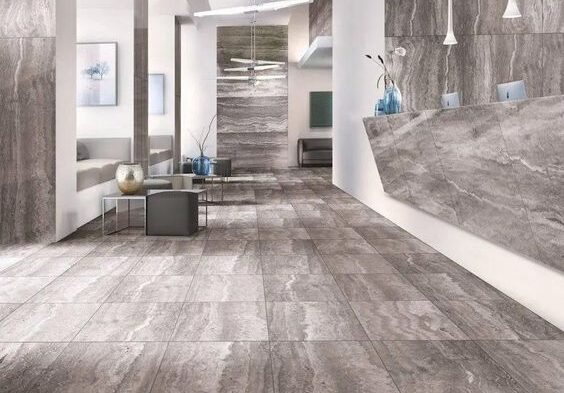
Dark Silver Travertine Indoor Flooring
Malachite – Russia’s Green Masterpiece
Why Malachite Is So Popular
First of all, malachite stands as one of Russia’s most iconic stones. It is famous for its deep green color and natural swirling patterns. For centuries, craftsmen used it in jewelry, vases, and palace decorations.
Large deposits were discovered in the Ural Mountains. As a result, Russia became the world’s leading source of high-quality malachite during the 18th and 19th centuries.
Commercial and Decorative Value
Moreover, malachite remains popular in luxury design. Interior designers often choose it for statement tables, wall panels, and decorative objects. Because each piece displays unique banded patterns, no two items look the same. Therefore, genuine Russian malachite offers both exclusivity and artistic appeal.
Alexandrite – The Rare Color-Changing Gem
A Royal Discovery
In addition, alexandrite is one of the rarest gemstones ever discovered. Miners first found it in the Ural Mountains in the 1830s. The stone was named after Alexander II of Russia.
What makes alexandrite special is its dramatic color change. In daylight, it appears green or bluish-green. However, under incandescent light, it shifts to red or purplish-red. Because of this unique feature, collectors highly prize fine-quality stones.
Investment Potential
Furthermore, natural Russian alexandrite commands premium prices at auctions. Since supply remains extremely limited, demand continues to grow. For investors seeking rare and high-value gemstones, alexandrite offers outstanding long-term potential.
Amber – Russia’s Golden Treasure
Origin and Characteristics
Meanwhile, amber holds a special place among Russia’s famous stones. Although it is fossilized tree resin rather than a mineral, its beauty and warmth make it highly desirable. Significant amber deposits lie near the Baltic Sea, particularly in the Kaliningrad Oblast.
Russian amber often features rich golden, honey, and cognac tones. In some cases, it even contains ancient plant or insect inclusions, which increase its value.
Why Buyers Choose Amber
Additionally, amber is lightweight and easy to shape, so artisans create stunning necklaces, bracelets, and decorative carvings. Because it combines natural beauty with historical fascination, amber jewelry remains popular in both European and Asian markets.
Charoite – A Unique Purple Wonder
Rare and Exclusive
Finally, charoite represents one of Russia’s most unique gemstones. It was discovered in Siberia near the Chara River. Unlike many gemstones found worldwide, charoite exists almost exclusively in Russia.
Its swirling purple, lavender, and white patterns create a dramatic visual effect. Therefore, jewelry designers often use it in bold rings and pendants.
Growing Global Demand
As global interest in unusual gemstones increases, charoite gains popularity among collectors. Because supply is geographically limited, high-quality pieces can appreciate steadily in value.
Why Invest in Russia Famous Stones?
Overall, Russia’s famous stones combine rarity, beauty, and strong commercial appeal. Not only do they carry royal and historical significance, but they also offer excellent investment opportunities. Whether you choose malachite décor, alexandrite jewelry, amber accessories, or charoite statement pieces, you gain a gemstone with lasting prestige.
In conclusion, Russian gemstones deliver luxury, uniqueness, and long-term value. By purchasing certified and authentic stones from trusted suppliers, you secure both elegance and financial potential in today’s competitive gemstone market.
Italy stands as a global leader in the natural stone industry, known for producing some of the world’s most prestigious and luxurious stones. Moreover, Italian stones combine timeless beauty, superior craftsmanship, and exceptional durability. As a result, architects, designers, and builders across the globe consistently choose Italian marble, granite, travertine, and limestone for high-end residential and commercial projects.Italy Famous Stones
From historic monuments to modern skyscrapers, Italy’s famous stones continue to shape architectural excellence worldwide.
Why Italian Stones Lead the Global Market
Italian natural stones enjoy worldwide recognition for several reasons. Firstly, Italy offers centuries of quarrying expertise and stone-cutting craftsmanship. Secondly, Italian quarries produce stones with distinctive veining, refined textures, and elegant color palettes. Furthermore, advanced processing technologies ensure precision cutting, polishing, and finishing that meet international standards.
Consequently, Italian stones deliver both visual impact and long-term performance, making them a premium investment for any project.
Most Famous Stones from Italy
Italy produces a wide variety of natural stones. Below are some of the most sought-after Italian stones in global markets.
Carrara Marble
Carrara Marble is one of Italy’s most iconic natural stones. Sourced from the Carrara region in Tuscany, this marble features a soft white or light gray background with delicate gray veining. Designers frequently use Carrara marble for countertops, bathroom vanities, flooring, and wall cladding because it creates a clean, timeless aesthetic.
Calacatta Marble
Calacatta Marble offers a brighter white base with bold, dramatic veins in gray or gold tones. Due to its luxurious appearance, architects often specify Calacatta marble for statement kitchen islands, feature walls, and upscale commercial interiors. Its rarity and striking patterns make it highly desirable in premium construction projects.
Statuario Marble
Statuario Marble combines the elegance of Carrara with the bold veining of Calacatta. It features a crisp white background and distinctive gray veins, making it perfect for luxury bathrooms, artistic installations, and sophisticated flooring designs.
Italian Travertine
Italian travertine, especially from Tivoli, has shaped architecture since Roman times. Builders use this warm beige and ivory stone for facades, outdoor paving, flooring, and wall applications. Its natural texture and durability make it suitable for both classic and contemporary designs.
Botticino Marble
Botticino Marble, known for its creamy beige tones and subtle veining, provides a warm and refined look. Contractors often choose Botticino for flooring, staircases, and large commercial spaces that require elegance without overwhelming patterns.
How to Choose the Right Italian Stone
Selecting the right Italian stone depends on your project goals:
Application: Countertops, flooring, facades, or decorative features require specific characteristics.
Design Vision: Choose colors and veining patterns that complement your overall style.
Durability Needs: High-traffic areas demand stronger and denser stone varieties.
Therefore, working with trusted Italian stone suppliers ensures you receive high-quality slabs that meet both aesthetic and structural requirements.
Final Thoughts
Italy’s famous stones — including marble, travertine, and limestone — continue to define luxury architecture around the world. By choosing Italian natural stone, you invest in timeless beauty, superior craftsmanship, and lasting performance. Moreover, reputable suppliers guarantee precision processing and consistent quality, helping you achieve outstanding results in every project.



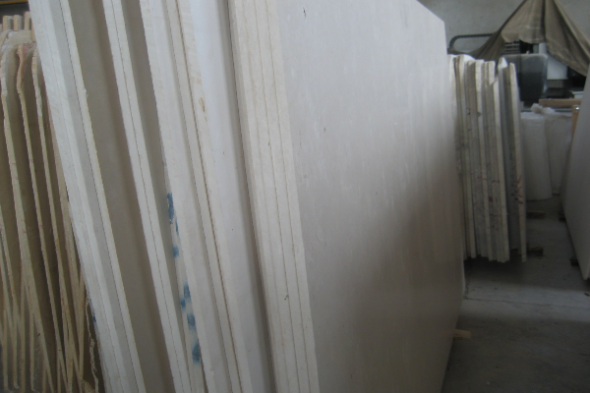


 white crystal