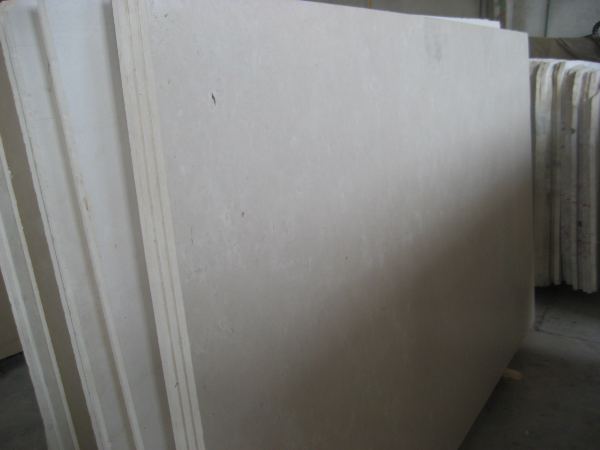
Crema Ivory Marble: Timeless Elegance for Your Living Spaces
Elevate Your Interiors: Discover the Luxury of Crema Ivory Marble
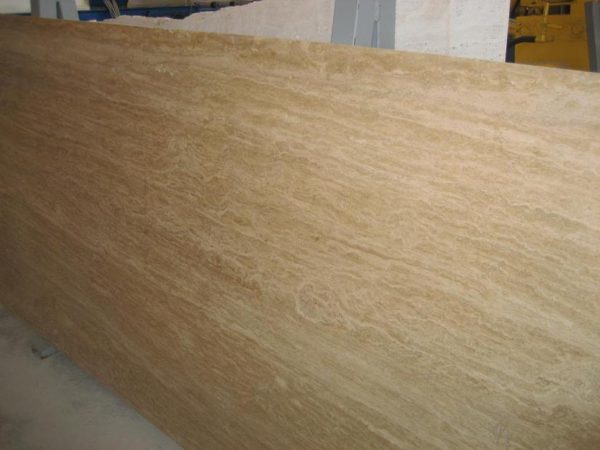
Step into a world of timeless elegance with Crema Ivory Marble, where sophistication meets natural beauty. In this exploration, we invite you to immerse yourself in the allure of Crema Ivory, a marble that transforms your living spaces into luxurious havens. Crema ivory marble slabs & tiles.
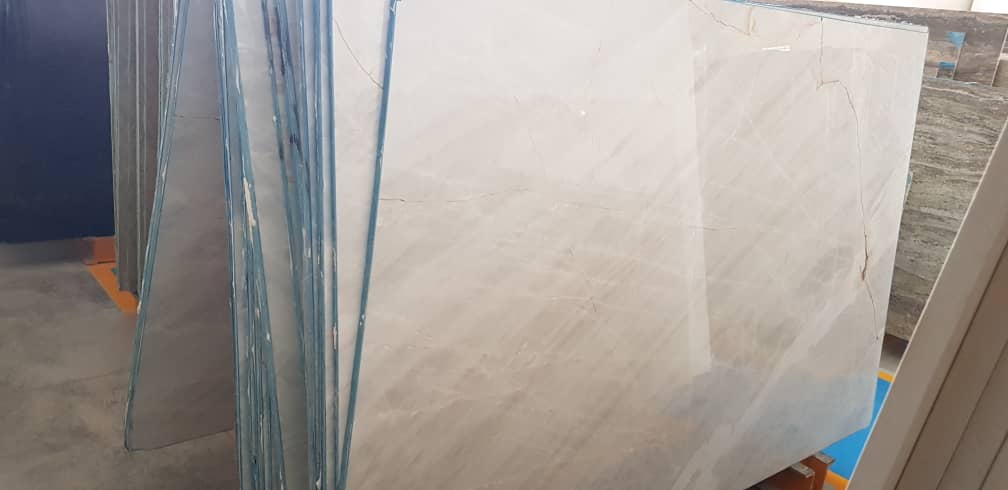
Crema Ivory Marble is a celebration of natural splendor. Mined from quarries with precision, this marble captivates with its subtle ivory tones and delicate veining, making each slab a work of art.
2. Timeless Aesthetic Appeal
With a timeless aesthetic appeal, Crema Ivory Marble has graced architectural wonders for centuries. Its enduring beauty and classic charm make it a preferred choice for those seeking a touch of sophistication in their designs.
3. Versatility in Design
Crema Ivory Marble tiles offer unparalleled versatility. Whether used for flooring, countertops, or wall cladding, the neutral tones of Crema Ivory seamlessly integrate into a variety of design styles, from traditional to contemporary.
Crema Ivory Marble Features
1. Subtle Ivory Tones
Experience the sophistication of Crema Ivory Marble with its subtle ivory tones. The neutral palette adds warmth to spaces, creating an inviting and luxurious ambiance that stands the test of time.
2. Delicate Veining
Delight in the delicate veining patterns that adorn Crema Ivory Marble. Each vein tells a unique story, adding character to the marble and ensuring that your surfaces are one-of-a-kind works of art.
3. Polished and Honed Finishes
Crema Ivory Marble is available in polished and honed finishes, allowing you to choose the level of sheen that complements your design vision. The polished finish adds a reflective elegance, while the honed finish offers a more subdued, matte appearance.
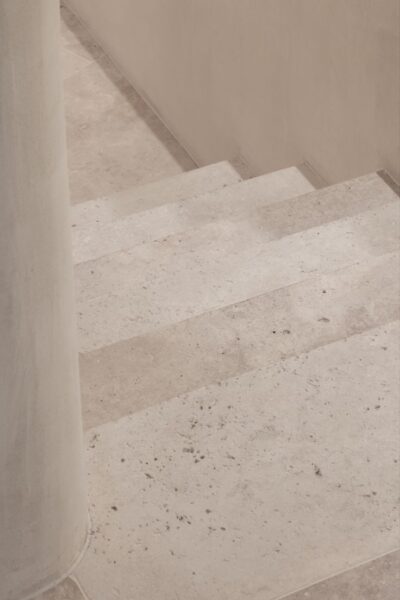
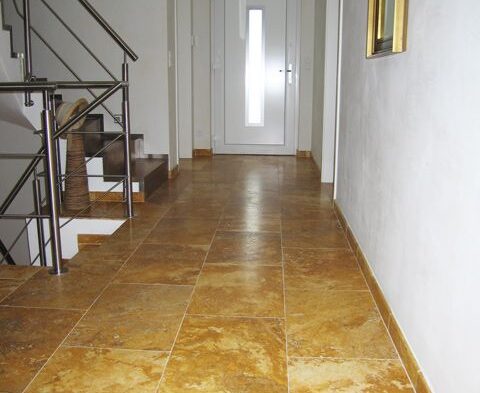
Cream Travertine Stairs
Crema Marble Tiles
1. Elevate Your Floors
Transform your floors with Crema Marble Tiles. The durability of Crema Ivory Marble ensures that your floors not only exude luxury but also withstand the test of time, making it a perfect choice for high-traffic areas.
2. Luxurious Countertops
Create luxurious countertops with Crema Marble Tiles. The smooth surface and elegant appearance make them an ideal choice for kitchens and bathrooms, elevating the aesthetic appeal of these essential spaces.
3. Striking Wall Cladding
Make a statement with Crema Marble Tiles as wall cladding. The natural beauty of Crema Ivory enhances accent walls, fireplaces, and other focal points, adding a touch of sophistication to your interiors.
Quality Assurance
1. Meticulous Selection
Our commitment to quality begins with the meticulous selection of Crema Ivory Marble. Each slab is carefully chosen to ensure consistency in color, veining, and overall aesthetic appeal.
2. Sustainable Sourcing
Embracing sustainable practices, we prioritize responsible quarrying and sourcing methods. Our commitment to the environment ensures that your choice of Crema Ivory Marble is not only luxurious but also environmentally conscious.
Client Testimonials
1. Satisfied Clients Speak
Explore the testimonials of our satisfied clients who have adorned their spaces with Crema Ivory Marble. Read their stories and discover how this marble has added a touch of opulence to their homes.
Explore Our Crema Marble Collection
Elevate Your Spaces with Crema Ivory Marble
Ready to bring the timeless elegance of Crema Ivory Marble to your living spaces? Explore our diverse Crema Marble collection and find the perfect tiles to elevate your interiors.
Crema Ivory Marble: Where Timeless Elegance Meets Modern Living
In conclusion, Crema Ivory Marble is more than a material; it’s a testament to timeless elegance in modern living. Elevate your spaces with the enduring beauty of Crema Ivory Marble, where each tile tells a story of sophistication and natural allure.
Trends, Growth, Forecasts, and Commercial Insights
Travertine — a natural sedimentary limestone prized for its aesthetic elegance, durability, and thermal properties — has become a cornerstone material in architecture, interior design, flooring, and landscaping. As global construction and renovation activities expand, the travertine market is experiencing strategic shifts driven by sustainability priorities, technological innovations, and evolving design trends.
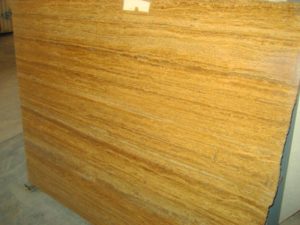
Yellow Travertine
This comprehensive guide explores current market size, growth drivers, regional dynamics, competitive landscape, and future opportunities, making it a valuable resource for suppliers, investors, architects, and stakeholders.
What Is Travertine and Why It Matters
Travertine is a porous natural stone formed by the precipitation of calcium carbonate from hot springs or limestone caves. Its unique texture, organic colors (ranging from beige, cream, and ivory to gold and silver), and versatile finishes (polished, honed, brushed, tumbled) make it a highly sought-after material in commercial and residential projects alike. Market Research Future
In commercial contexts, travertine is valued for:
Aesthetic appeal — adds timeless luxury to floors, façades, and interior walls.
Durability and slip resistance — suitable for high-traffic zones and outdoor use.
Thermal properties — natural insulation can help moderate building energy use. 24 Chemical Research
Market Size and Growth Projections
H3: Current Valuation
According to Market Research Future, the travertine market was valued at approximately USD 3.55 billion in 2024 and is projected to expand to USD 5.16 billion by 2035, achieving a CAGR (Compound Annual Growth Rate) of about 3.44% over 2025–2035. Market Research Future
Another industry analysis suggests the travertine segment — especially travertine stone tiles — could reach USD 1.1 billion by 2032, driven by the material’s sustainable attributes and design versatility. 24 Chemical Research
Market Forecast Highlights
Metric
2024
2030
2035
Estimated Market Size
~USD 3.55B
USD ~4.4B – 5.1B
USD ~5.15B
CAGR
—
~3.4%
—
Growth Drivers
Natural stones, construction
Sustainability, luxury design
Urbanization & renovation
These figures position travertine as a steady, mid- to long-term growth market, reflecting global construction trends and demand for natural materials. Market Research Future+1
Key Market Drivers and Trends
Sustainability and Eco-Friendliness
One of the most influential market forces today is the preference for sustainable and eco-friendly building materials. Travertine is perceived as a lower-impact alternative to synthetic tiles because it:
Requires significantly less processing energy than ceramic and porcelain.
Can contribute to green building certifications such as LEED. 24 Chemical Research
A recent industry review noted:
“Travertine’s minimal ecological footprint and innate beauty position it as a sustainable material choice in modern architecture.” — Industry trend analysis. 24 Chemical Research
Construction and Renovation Boom
With global urbanization and infrastructure spending rising — especially in Asia-Pacific and Middle Eastern megaprojects — travertine demand is bolstered by:
Residential construction, particularly luxury homes and estate developments.
Outdoor applications — patios, walkways, and pool surrounds — represent a growing segment. Market drivers here include durability and maintenance advantages over synthetic paving products. WiseGuy Reports
Luxury Residential and Hospitality
Luxury real estate developers increasingly favor travertine, as one industry expert noted:
“Travertine’s combination of elegance and resilience makes it a go-to for premium builds — from penthouse floors to five-star lobbies.” — Architectural materials analyst. WiseGuy Reports
This trend supports higher price points and markup potential for suppliers and installers.
Regional Market Insights
North America — The Largest Regional Market
North America dominates the travertine market, accounting for a significant share due to:
Strong residential renovation demand.
Sustainable materials legislation.
Mature supply chains and established architectural preferences for natural stone. Market Research Future+1
Europe and Emerging Asia-Pacific
Europe maintains robust demand — especially in Italy, Spain, and Germany — while Asia-Pacific growth is accelerating due to urban development in China and India. Market Research Future
Middle East emergence — particularly in the UAE and Saudi Arabia — reflects lavish architectural projects that favor travertine’s luxury aesthetic. 24 Chemical Research
Competitive Landscape and Key Players
The travertine market features a blend of established global producers and regional specialists. Leading names include:
These companies differentiate through quality grading, innovative finishes, and diversified product portfolios — from premium slabs to custom architectural elements.
Challenges and Market Risks
Despite strong growth indicators, the travertine market must navigate a few challenges:
Competition from Engineered Materials
High-quality porcelain and engineered stone products now mimic travertine’s appearance at lower price points, capturing market share in cost-sensitive segments. 24 Chemical Research
Export Volatility
Global exports of marble and travertine combined have experienced fluctuations and slight contractions in recent years, reflecting broader economic pressures on commodity shipments. In 2024, global marble and travertine exports were approximately 7.9 million tons, a slight decline from previous years. IndexBox
Future Outlook and Strategic Opportunities
Innovation and Customization
Advancements in precision cutting, waterjet technologies, and finish treatments offer opportunities to expand travertine into new architectural applications and custom designs.
Sustainable Material Adoption
As sustainability becomes central to construction procurement, travertine’s natural credentials position it well for inclusion in green building projects and certifications.
Digital Distribution and E-Commerce
The rise of online sales platforms increases global accessibility, making travertine slabs and tiles more reachable for design professionals and homeowners worldwide. Chemical Research Insight
Conclusion
The global travertine market stands at the intersection of tradition and innovation — deeply rooted in natural stone heritage, yet dynamically adapting to sustainability trends and technological advancements. With robust demand in residential and commercial construction, coupled with expanding regional markets and eco-friendly positioning, travertine remains a compelling investment and product focus for suppliers and stakeholders.
Whether you’re a stone distributor, architect, or construction executive, understanding these market dynamics and future trajectories can strengthen strategic planning and competitive edge in the natural stone sector.
Key Citations
Market Value & Forecast — Market Research Future, Chemical Research Insight. Market Research Future+1
Moreover, Iranian stones have earned a strong reputation in international markets for construction, architecture, and luxury interiors. Therefore, learning about Iran’s most famous stones helps architects, designers, builders, and buyers choose materials that enhance both aesthetics and long‑term performance.Iran Famous Stones
Why Iranian Stones Are in High Demand
Iran produces a diverse range of natural stones, including marble, travertine, onyx, granite, and limestone. Firstly, these stones offer striking colors and unique patterns that fit both classic and modern designs. Secondly, many Iranian stones display excellent durability, resistance to wear, and compatibility with different finishes. Furthermore, Iranian quarries deliver quality at competitive pricing, which appeals to builders and stone importers worldwide.
Consequently, Iranian stones remain sought after by international markets, from Europe and Asia to North America and the Middle East.
Most Famous Natural Stones from Iran
Iran’s natural stone portfolio includes varieties acclaimed for their quality and visual impact. Here are some of the best‑known stones:
Iranian Marble
Iranian marble is prized for its refined colors and elegant veining. Varieties such as Persian Silk Marble, Fossil Beige Marble, and Persian Beige Marble showcase soft neutrals and rich tones that suit upscale interiors. Many designers choose Iranian marble for flooring, countertops, and decorative wall coverings due to its timeless appeal.
Travertine
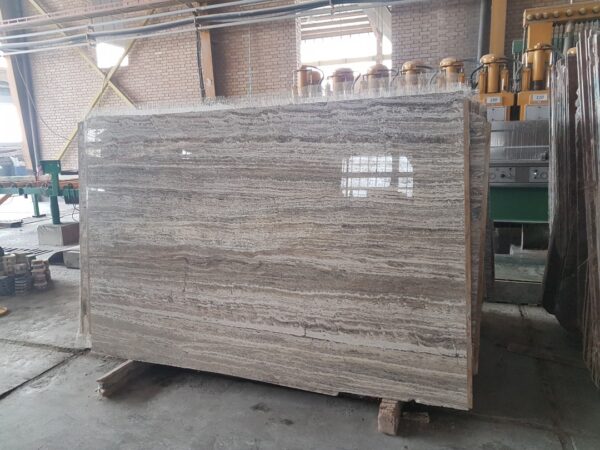
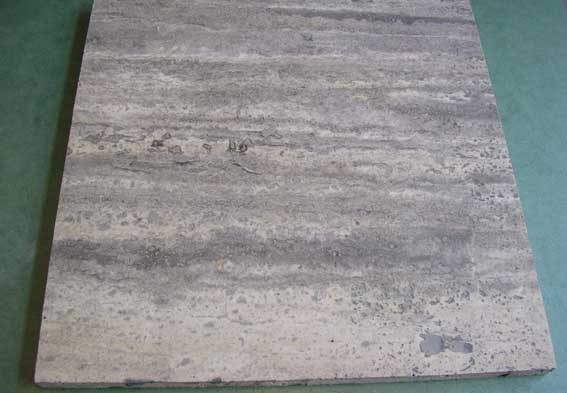
Travertine from Iran comes in a wide array of colors — from creamy ivory to deep reds and silvers. Stones like Silver Travertine and Red Travertine are particularly popular for exterior facades, patios, and lobby spaces because they combine natural beauty with structural strength. As a result, Iranian travertine is a preferred choice for luxury residential and commercial projects.
Onyx
Iranian onyx ranks among the most luxurious natural stones in the world. Its unique translucency and vivid colors — including green, white, and pink onyx — make it ideal for statement interior elements such as illuminated backlit walls, bar counters, and reception areas. Additionally, onyx’s striking visual character elevates any design where elegance matters most.
Granite and Other Stones
Granite and limestone from Iran offer additional choices for projects demanding rugged durability and natural charm. Granite’s strength makes it suitable for heavy‑traffic flooring and commercial installations, while limestone’s softer tones create warm, inviting environments. Moreover, Iran also produces unique stones like traonyx — a hybrid of travertine and onyx — valued for its layered textures and light‑interactive properties.
How to Choose the Best Iranian Stone
Selecting the right stone depends on your project needs:
Application: Countertops, floors, walls, and outdoor facades all require specific stone characteristics.
Design Style: Colors and patterns should align with your overall aesthetic goals.
Performance Needs: Consider durability, porosity, and maintenance requirements.
Thus, consulting with experienced suppliers or designers helps ensure the selection of stones that satisfy both functional and aesthetic demands.
Final Thoughts
Iran’s famous stones — from marble and travertine to onyx, granite, and limestone — offer remarkable design flexibility and quality for projects around the world. By choosing premium Iranian stone, you can create spaces that are both beautiful and enduring. Moreover, working with reputable stone suppliers ensures consistent quality and support throughout your project lifecycle.
Premium Natural Stones for Construction and Design
Turkey ranks among the world’s top suppliers of natural stones, offering a rich variety of high-quality marble, travertine, and other stones. Moreover, Turkish stones are renowned for their durability, aesthetic appeal, and versatility, making them a preferred choice for residential, commercial, and architectural projects worldwide. Therefore, understanding Turkey’s famous stones helps builders, designers, and homeowners choose the perfect material for countertops, flooring,
walls, and decorative features.
Why Turkish Stones Are Highly Valued
Turkish stones combine beauty, strength, and longevity. Firstly, they resist scratches, heat, and wear when properly installed and maintained. Secondly, their diverse colors and natural patterns provide unique design possibilities, allowing spaces to look luxurious and timeless. Furthermore, Turkey’s strategic location ensures competitive pricing and access to international markets.
Consequently, Turkish stones remain a popular choice for both domestic and global construction and design projects.
Famous Types of Turkish Stones
Turkey produces a variety of natural stones, each with distinct characteristics and applications. Here are some of the most famous types:
Turkish Marble
Turkish marble is globally renowned for its elegance and quality. Carrara-style marbles from Turkey, such as Botticino and Crema Nuova, are widely used in kitchens, bathrooms, and luxury floors. Designers often select Turkish marble for countertops, wall cladding, and high-end commercial projects due to its fine texture and striking veining.
Turkish Travertine
Travertine from Turkey has been used in architecture for centuries. Its warm beige, ivory, and gold tones make it ideal for flooring, outdoor paving, and facades. Furthermore, Turkish travertine offers durability and natural beauty that suits both classic and modern designs.
Turkish Onyx
Onyx stones from Turkey are prized for their translucency and vibrant colors. They add a luxurious and dramatic effect to interior walls, countertops, and decorative panels. In addition, backlit onyx creates stunning visual appeal in hotels, restaurants, and upscale residences.
Turkish Limestone
Limestone from Turkey ranges from soft cream shades to earthy browns, providing versatility in interior and exterior applications. It works well for flooring, wall cladding, facades, and landscaping projects. Moreover, Turkish limestone’s natural texture adds a warm, elegant touch to any space.
Turkish Sandstone
Turkish sandstone features earthy reds, browns, and yellows, often used for outdoor paving, pathways, and garden designs. Its robust structure ensures long-lasting performance while maintaining a natural and inviting appearance.
How to Choose the Right Turkish Stone
Choosing the right stone depends on several factors:
Project Type: Consider whether you need it for countertops, floors, walls, or outdoor spaces.
Design Preference: Evaluate color, pattern, and finish to match the project’s style.
Durability Needs: Denser stones like marble or travertine perform better in high-traffic areas.
Thus, consulting with reputable suppliers or designers ensures that you select the best Turkish stone for both aesthetic appeal and long-term performance.
Final Thoughts
Turkey’s famous stones, including marble, travertine, onyx, limestone, and sandstone, offer unmatched elegance and durability for construction and design projects. By choosing the right type of Turkish stone, you can create luxurious and long-lasting interiors or exteriors. Moreover, working with trusted suppliers guarantees premium quality stone that enhances both beauty and value for years to come.
Advantages of Using Natural Stone in Building Facades
Natural stone has always been one of the most desirable materials in architecture due to its timeless beauty, strength, and natural performance. According to a report published on ArchDaily, the use of natural stone in building facades can reduce indoor temperature by up to 4°C. This natural cooling effect not only improves thermal comfort but also lowers energy consumption, making buildings more sustainable and cost-effective in the long term. With its elegant appearance and practical benefits, natural stone remains an excellent choice for modern and traditional architecture alike. Natural Stone in Building Facades.
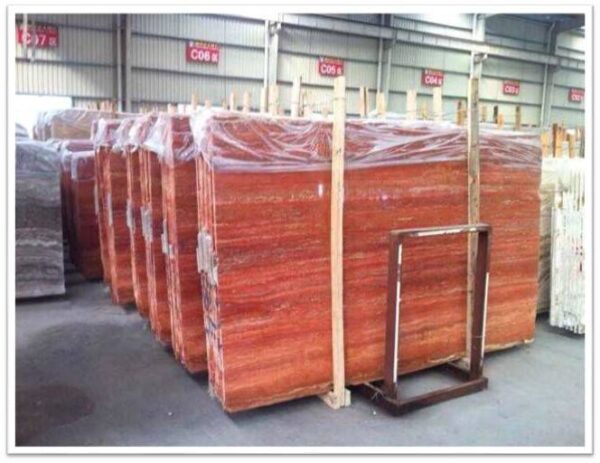
Red travertine
Thermal and Energy Efficiency Benefits
One of the most important advantages of natural stone is its excellent thermal insulation properties. Stone facades can act as a natural barrier against heat, helping to maintain a stable indoor temperature throughout the year. During hot seasons, they reduce heat gain, and in cold weather, they help retain warmth inside. This contributes to significant energy savings by reducing the need for air conditioning and heating systems. As energy efficiency becomes a key factor in sustainable construction, natural stone facades offer a simple yet highly effective solution for eco-friendly building design.
Aesthetic and Design Flexibility
Beyond performance, natural stone offers unmatched aesthetic appeal. Each piece of stone has its own unique color, pattern, and texture, giving architects and designers endless creative possibilities. From classic marble to contemporary granite or travertine, natural stone can complement any architectural style. Its ability to blend with glass, wood, or metal also allows for innovative façade compositions. Whether you are designing a luxury villa, a commercial building, or a public structure, natural stone adds character, elegance, and a sense of permanence that few materials can match.
Durability and Sustainability
Natural stone is one of the most durable materials available in construction. It resists weathering, UV rays, moisture, and temperature fluctuations, ensuring that facades remain beautiful and functional for decades. Unlike synthetic materials, stone does not fade or degrade easily, which reduces maintenance costs over time. Moreover, since stone is a natural and recyclable material, it contributes to environmentally responsible building practices. Choosing locally sourced stone can further reduce transportation emissions and environmental impact.
Conclusion: Why Natural Stone is the Smart Choice
Combining aesthetics, performance, and sustainability, natural stone facades represent an ideal investment for any architectural project. They enhance visual appeal, improve energy efficiency, and offer long-lasting durability. If you’re planning to design a modern, eco-friendly, and visually stunning building, consider natural stone as your primary façade material.
Natural stone is prized for its beauty and elegance, but not all stones can withstand heavy use, moisture, or acidic environments. For architects, builders, and exporters, understanding which stones are vulnerable helps avoid damage, high maintenance costs, and customer dissatisfaction.
Moreover, vulnerable stones require careful handling, sealing, and protective treatments, especially when used in kitchens, bathrooms, outdoor areas, or high-traffic commercial spaces. Consequently, knowing their weaknesses allows exporters to guide clients and highlight proper usage.
The Most Vulnerable Natural Stones
1. Marble: Soft and Acid-Sensitive
Marble is renowned for its luxurious appearance but remains one of the softest and most sensitive stones. Its high calcium content makes it vulnerable to acidic substances, scratches, and stains. As a result, architects use marble mainly in low-traffic areas, decorative features, and polished interiors. Exporters advise sealing and careful maintenance to protect its elegance.
2. Limestone: Porous and Easily Stained
Limestone absorbs water and oils more easily than harder stones. It is prone to staining, erosion, and surface damage in humid or high-use areas. Therefore, buyers often choose limestone for facades, flooring, or decorative wall panels but require sealing and periodic care. Exporters highlight its aesthetic appeal while cautioning about vulnerability.
3. Travertine: Soft and Porous
Travertine has a distinctive porous texture, making it vulnerable to moisture and acidic substances if untreated. Consequently, designers use it mainly for flooring, wall cladding, and light-traffic spaces, and recommend filling or sealing cavities before installation. Exporters often include care instructions to maintain its natural beauty.
4. Onyx: Delicate and Scratch-Prone
Onyx offers luxurious translucency and vibrant colors, but it is extremely soft and fragile. It scratches, chips, and stains easily. As a result, onyx is best used in feature walls, decorative panels, and low-contact applications. Exporters often highlight its premium aesthetic while warning clients about careful handling.
5. Soapstone: Soft and Sensitive to Impact
Soapstone has a smooth, silky surface but is prone to scratches and dents. While it resists chemicals, it cannot handle heavy impact. Therefore, buyers choose it for countertops, sinks, and decorative surfaces, with proper maintenance and occasional refinishing to restore its appearance.
Export Opportunities for Vulnerable Stones
Vulnerable stones remain in demand for luxury interiors, decorative applications, and high-end design projects. Markets in Europe, North America, and the Middle East continue to import marble, onyx, and travertine for aesthetic-focused projects. Furthermore, educating clients about care and protective treatments strengthens supplier credibility.
How Exporters Can Succeed
Suppliers can thrive by:
Offering a variety of vulnerable stones with finishing options.
Providing detailed care, sealing, and maintenance instructions.
Highlighting their luxury and aesthetic value despite vulnerabilities.
In addition, strong SEO-driven marketing attracts architects, designers, and distributors searching for marble suppliers, decorative onyx, and premium limestone.
Conclusion: Choosing the Right Vulnerable Natural Stone
Overall, marble, limestone, travertine, onyx, and soapstone are among the most vulnerable natural stones. Consequently, buyers and exporters must handle them carefully, provide protective treatments, and educate clients. As a result, these stones continue to offer unmatched elegance and luxury while requiring proper care to maintain their beauty.
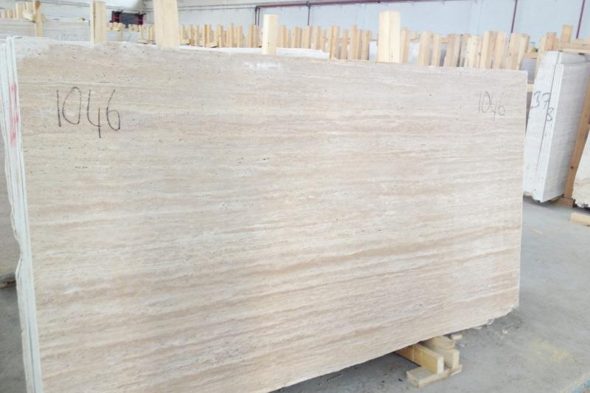
The demand for travertine in international markets is rising quickly, driven by its durability, natural beauty, and versatile applications. As a result, exporters have excellent opportunities to supply high-quality travertine to countries in Europe, North America, and Asia. Travertine’s earthy colors, unique patterns, and timeless elegance make it one of the most sought-after natural stones for construction and design projects.Best Type of Travertine for Export
Moreover, architects, developers, and interior designers increasingly prefer travertine for flooring, wall cladding, countertops, and outdoor landscaping. Consequently, choosing the best type of travertine for export is essential for suppliers who want to capture long-term business opportunities.
Best Types of Travertine for Export
1. Honed and Filled Travertine
Honed and filled travertine is one of the most popular choices for international buyers. Exporters value it because its smooth, matte finish and filled holes make it ideal for interior flooring, countertops, and high-traffic areas. Therefore, this type of travertine ensures both durability and easy maintenance, making it highly attractive to global markets.
2. Polished Travertine
Polished travertine delivers a glossy and reflective finish that highlights the stone’s natural colors and patterns. In addition, it is widely used in luxury hotels, residential projects, and upscale commercial spaces. Exporters can target high-end markets with polished travertine because it adds sophistication and elegance to any interior.
3. Tumbled Travertine
Tumbled travertine features rounded edges and a rustic finish, giving it a vintage appeal. As a result, it is in high demand for patios, pool decks, and outdoor landscaping. International buyers often seek tumbled travertine because it provides slip resistance and natural beauty, making it perfect for both residential and commercial outdoor projects.
4. Brushed Travertine
Brushed travertine has a textured, matte finish that enhances its natural look. Consequently, it is ideal for wall cladding, flooring, and outdoor applications where a unique, organic appearance is desired. Exporters offering brushed travertine can attract markets looking for rustic or contemporary design options.
5. Vein-Cut Travertine
Vein-cut travertine highlights the linear patterns of the stone, creating a striking visual effect. Therefore, it is commonly used in modern interiors, feature walls, and high-end flooring projects. Global buyers often prefer vein-cut travertine for projects that require a bold and stylish design statement.
Export Opportunities and Market Trends
Travertine continues to grow in popularity across global construction and design sectors. Furthermore, countries such as the United States, Germany, the UK, and China import large volumes of travertine for both residential and commercial use. Exporters who emphasize quality, variety, and competitive pricing can build strong positions in these markets.
How Exporters Can Succeed
To succeed in international trade, exporters should:
Offer a wide selection of travertine finishes.
Highlight eco-friendly and durable qualities.
Provide reliable logistics and consistent supply.
In addition, effective digital marketing and participation in global stone exhibitions can help suppliers reach new buyers.
Conclusion: Choosing the Best Travertine for Export
Overall, the best types of travertine for export include honed and filled, polished, tumbled, brushed, and vein-cut varieties. Consequently, exporters who supply these premium options can meet the growing demand from global buyers. As a result, travertine remains one of the most profitable natural stones for international trade, offering long-term opportunities for suppliers and distributors worldwide.
Travertine is one of the most popular natural stones in construction and design, prized for its elegance, durability, and versatility. As a result, it is widely used in flooring, wall cladding, countertops, patios, and landscaping. Travertine’s unique patterns and earthy tones make it a favorite for both residential and commercial projects.
Moreover, its eco-friendly and long-lasting nature aligns with modern sustainable building practices. Consequently, architects and designers prefer travertine for luxury and high-end projects that require a combination of beauty and performance.
Types of Travertine
Travertine is available in several types, each offering distinct aesthetics and applications.
1. Filled Travertine
Filled travertine is treated with resin or cement to fill its natural holes and voids. Therefore, it provides a smoother surface, making it ideal for interior flooring, countertops, and high-traffic areas. This type of travertine is easier to clean and maintain, which increases its commercial appeal.
2. Unfilled Travertine
Unfilled travertine retains its natural holes and pitting, which gives it a rustic and authentic look. In addition, it is often used for decorative walls, facades, and outdoor landscaping. While it requires more care, it adds a unique charm and texture that appeals to homeowners and designers seeking natural aesthetics.
3. Tumbled Travertine
Tumbled travertine undergoes a process that rounds edges and creates a worn, antique appearance. As a result, it is perfect for patios, pool decks, and walkways where slip resistance and a vintage look are desired. Tumbled travertine combines durability with artistic design, making it popular in both commercial and residential projects.
4. Honed and Polished Travertine
Honed travertine offers a smooth, matte finish, while polished travertine delivers a glossy, reflective surface. Therefore, these types are commonly used for interior flooring, countertops, and luxury wall cladding, providing an elegant and sophisticated aesthetic. Polished travertine highlights the stone’s natural patterns and colors, increasing its appeal in premium projects.
Market Trends and Applications
Travertine is experiencing growing demand globally due to its versatility and premium appearance. Residential homeowners, architects, and commercial developers increasingly choose travertine for flooring, walls, and landscaping. Moreover, digital marketplaces and international suppliers make it easier to source diverse travertine types to match specific design requirements.
Opportunities for Suppliers and Designers
Suppliers who emphasize quality, variety, and eco-friendly sourcing can attract architects, contractors, and luxury homeowners. In addition, designers can use the different travertine types to create unique, customized spaces that enhance property value and appeal.
Conclusion: Choosing the Right Travertine
Overall, understanding the different types of travertine—filled, unfilled, tumbled, honed, and polished—helps buyers and designers make informed decisions. Consequently, travertine remains a top choice for projects seeking durability, elegance, and natural beauty. As a result, suppliers and designers can capitalize on its growing popularity in residential, commercial, and landscaping applications.
When it comes to designing the heart of your home, the kitchen floor plays a vital role. It must handle high foot traffic, resist spills, and stay stylish over time. That’s why many homeowners choose stone tiles for their kitchen floor—offering both beauty and durability. But with so many options available, which one is best Best Price for Travertine Tiles
Why Choose Stone Tiles for Kitchen Flooring?
Stone tiles are a smart investment for kitchens. Not only do they offer long-lasting performance, but they also add timeless appeal to your space. In fact, natural stone instantly upgrades your home’s value and aesthetics.
Benefits of Using Stone in the Kitchen:
Highly durable – Withstands heat, spills, and heavy traffic
Easy to clean – Great for busy families and cooking enthusiasts
Naturally beautiful – Adds texture, color, and elegance
Available in various styles – Matches modern, rustic, or classic kitchens
Eco-friendly and sustainable – A natural, recyclable material
Because kitchens are high-use areas, choosing the right stone tile matters. The best options combine function with visual appeal—giving you a floor that looks great and lasts for decades.
Top 4 Best Stone Tiles for Kitchen Floors
Although there are many stone types, some perform better in kitchen settings than others. Below are the top stone tiles that balance durability, design, and ease of maintenance.
1. Slate: Textured and Slip-Resistant
Slate is one of the most popular stone options for kitchens. It has a naturally textured surface, which provides excellent slip resistance—especially important in areas prone to spills.
Why Choose Slate:
Durable and moisture-resistant
Dark tones hide dirt and stains
Works well with rustic and modern styles
Best for: Busy kitchens, especially in cooler or humid climates.
2. Travertine: Warm and Inviting
Travertine is a type of limestone known for its soft, warm tones. When sealed properly, it becomes a durable and stylish option for kitchen floors.
Advantages:
Comfortable underfoot
Timeless, earthy aesthetic
Available in honed, tumbled, or brushed finishes
Best for: Mediterranean-style or farmhouse kitchens.
3. Granite: Extremely Durable and Sleek
Granite is a great choice if you want both beauty and toughness. It resists heat, scratches, and staining when sealed, making it ideal for active kitchens.
Why It Works:
Highly durable and low-maintenance
Wide range of colors and natural patterns
Great for contemporary kitchens
Best for: High-traffic areas and modern home designs.
4. Marble: Elegant Yet Practical
Marble brings a luxurious touch to kitchen flooring. While it’s slightly softer than other stones, proper sealing can protect it from stains and wear.
Key Benefits:
Polished, upscale appearance
Ideal for light, open kitchen layouts
Adds value to high-end properties
Best for: Elegant or classic kitchen designs.
How to Choose the Right Stone Tile
Before selecting, consider your lifestyle and kitchen usage. For example, if you cook often and worry about spills, go for textured stones like slate or honed travertine. On the other hand, if you prioritize elegance, marble or polished granite may be better.
Additionally, make sure your stone tile is sealed regularly to extend its life and protect its finish.
Final Thoughts: A Floor That Works as Hard as You Do
Ultimately, the best stone tiles for kitchen floors blend function, beauty, and strength. Whether you prefer the earthy warmth of travertine, the durability of granite, or the charm of slate, stone flooring is a timeless choice. So, invest wisely—and enjoy a kitchen that’s as reliable as it is refined.
When it comes to designing the heart of your home, the kitchen floor plays a vital role. It must handle high foot traffic, resist spills, and stay stylish over time. That’s why many homeowners choose stone tiles for their kitchen floor—offering both beauty and durability. But with so many options available, which one is best?
Brown-Onyx
Why Choose Stone Tiles for Kitchen Flooring?
Stone tiles are a smart investment for kitchens. Not only do they offer long-lasting performance, but they also add timeless appeal to your space. In fact, natural stone instantly upgrades your home’s value and aesthetics.
Benefits of Using Stone in the Kitchen:
Highly durable – Withstands heat, spills, and heavy traffic
Easy to clean – Great for busy families and cooking enthusiasts
Naturally beautiful – Adds texture, color, and elegance
Available in various styles – Matches modern, rustic, or classic kitchens
Eco-friendly and sustainable – A natural, recyclable material
Because kitchens are high-use areas, choosing the right stone tile matters. The best options combine function with visual appeal—giving you a floor that looks great and lasts for decades.
Top 4 Best Stone Tiles for Kitchen Floors
Although there are many stone types, some perform better in kitchen settings than others. Below are the top stone tiles that balance durability, design, and ease of maintenance.
1. Slate: Textured and Slip-Resistant
Slate is one of the most popular stone options for kitchens. It has a naturally textured surface, which provides excellent slip resistance—especially important in areas prone to spills.
Why Choose Slate:
Durable and moisture-resistant
Dark tones hide dirt and stains
Works well with rustic and modern styles
Best for: Busy kitchens, especially in cooler or humid climates.
2. Travertine: Warm and Inviting
Travertine is a type of limestone known for its soft, warm tones. When sealed properly, it becomes a durable and stylish option for kitchen floors.
Advantages:
Comfortable underfoot
Timeless, earthy aesthetic
Available in honed, tumbled, or brushed finishes
Best for: Mediterranean-style or farmhouse kitchens.
3. Granite: Extremely Durable and Sleek
Granite is a great choice if you want both beauty and toughness. It resists heat, scratches, and staining when sealed, making it ideal for active kitchens.
Why It Works:
Highly durable and low-maintenance
Wide range of colors and natural patterns
Great for contemporary kitchens
Best for: High-traffic areas and modern home designs.
4. Marble: Elegant Yet Practical
Marble brings a luxurious touch to kitchen flooring. While it’s slightly softer than other stones, proper sealing can protect it from stains and wear.
Key Benefits:
Polished, upscale appearance
Ideal for light, open kitchen layouts
Adds value to high-end properties
Best for: Elegant or classic kitchen designs.
How to Choose the Right Stone Tile
Before selecting, consider your lifestyle and kitchen usage. For example, if you cook often and worry about spills, go for textured stones like slate or honed travertine. On the other hand, if you prioritize elegance, marble or polished granite may be better.
Additionally, make sure your stone tile is sealed regularly to extend its life and protect its finish.
Final Thoughts: A Floor That Works as Hard as You Do
Ultimately, the best stone tiles for kitchen floors blend function, beauty, and strength. Whether you prefer the earthy warmth of travertine, the durability of granite, or the charm of slate, stone flooring is a timeless choice. So, invest wisely—and enjoy a kitchen that’s as reliable as it is refined.

 Moreover, Iranian stones have earned a strong reputation in international markets for construction, architecture, and luxury interiors. Therefore, learning about Iran’s most famous stones helps architects, designers, builders, and buyers choose materials that enhance both aesthetics and long‑term performance.Iran Famous Stones
 walls, and decorative features.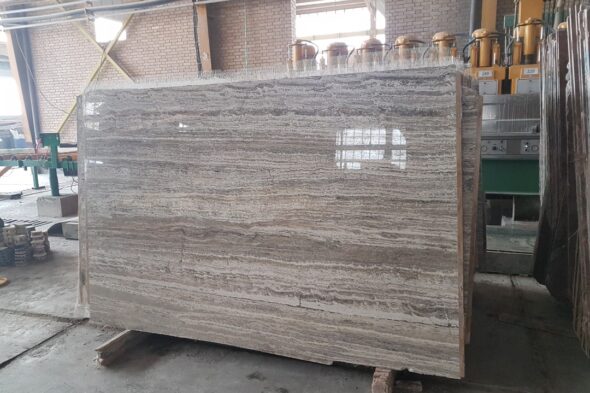

 white crystal