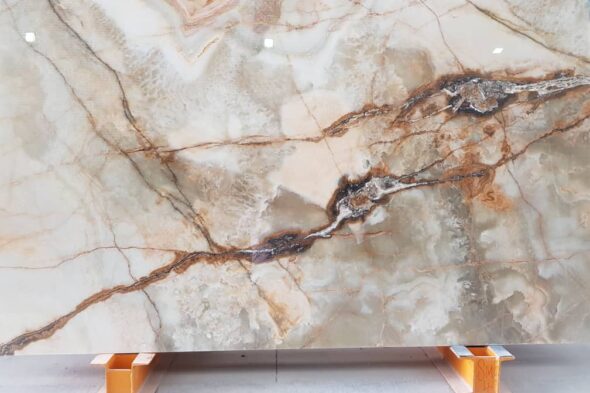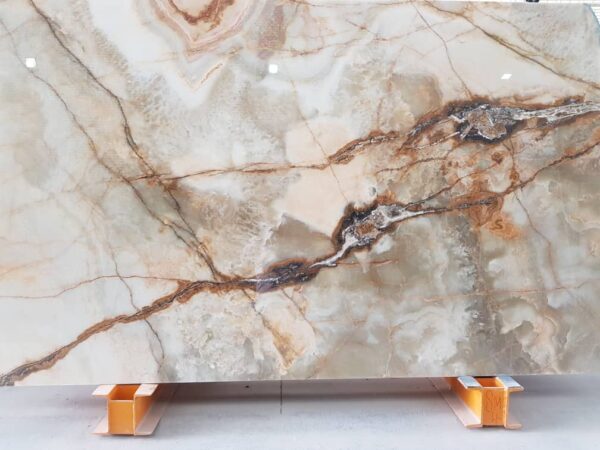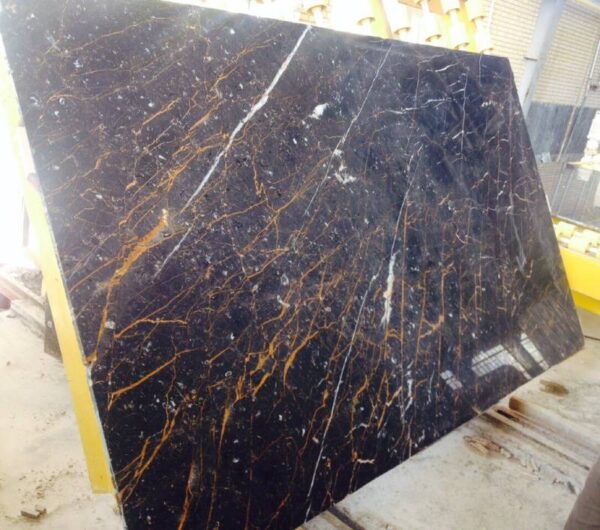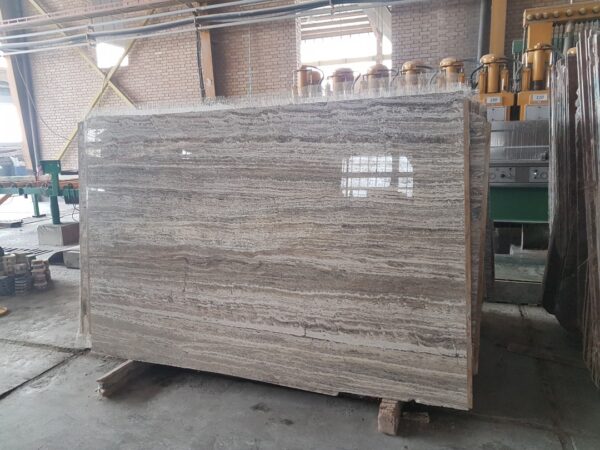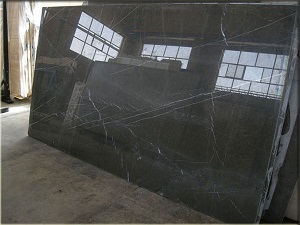
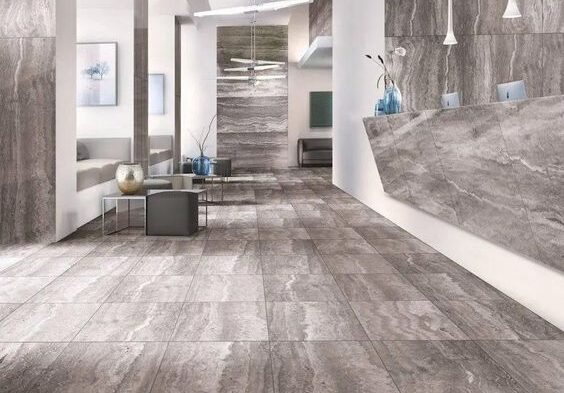
Dark Silver Travertine Indoor Flooring

Italy Famous Stones

World-Renowned Natural Stone Excellence

Italy stands as a global leader in the natural stone industry, known for producing some of the world’s most prestigious and luxurious stones. Moreover, Italian stones combine timeless beauty, superior craftsmanship, and exceptional durability. As a result, architects, designers, and builders across the globe consistently choose Italian marble, granite, travertine, and limestone for high-end residential and commercial projects.Italy Famous Stones

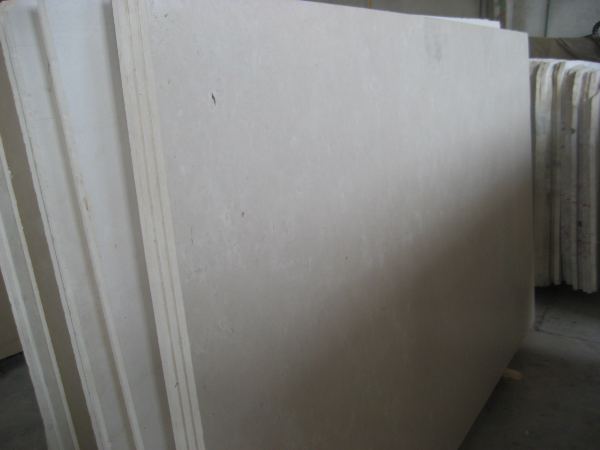
Outdoor White Travertine

From historic monuments to modern skyscrapers, Italy’s famous stones continue to shape architectural excellence worldwide.

Why Italian Stones Lead the Global Market

Italian natural stones enjoy worldwide recognition for several reasons. Firstly, Italy offers centuries of quarrying expertise and stone-cutting craftsmanship. Secondly, Italian quarries produce stones with distinctive veining, refined textures, and elegant color palettes. Furthermore, advanced processing technologies ensure precision cutting, polishing, and finishing that meet international standards.

Consequently, Italian stones deliver both visual impact and long-term performance, making them a premium investment for any project.

Most Famous Stones from Italy

Italy produces a wide variety of natural stones. Below are some of the most sought-after Italian stones in global markets.

Carrara Marble

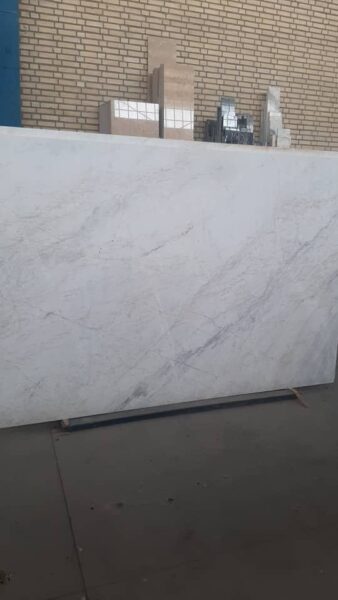
Carrara Marble is one of Italy’s most iconic natural stones. Sourced from the Carrara region in Tuscany, this marble features a soft white or light gray background with delicate gray veining. Designers frequently use Carrara marble for countertops, bathroom vanities, flooring, and wall cladding because it creates a clean, timeless aesthetic.

Calacatta Marble

Calacatta Marble offers a brighter white base with bold, dramatic veins in gray or gold tones. Due to its luxurious appearance, architects often specify Calacatta marble for statement kitchen islands, feature walls, and upscale commercial interiors. Its rarity and striking patterns make it highly desirable in premium construction projects.

Statuario Marble

Statuario Marble combines the elegance of Carrara with the bold veining of Calacatta. It features a crisp white background and distinctive gray veins, making it perfect for luxury bathrooms, artistic installations, and sophisticated flooring designs.

Italian Travertine

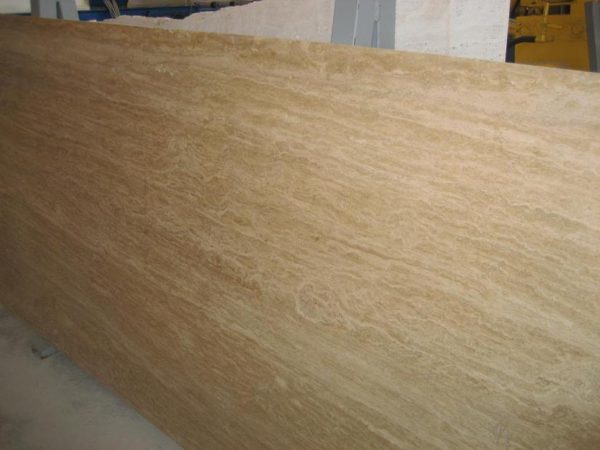
Italian travertine, especially from Tivoli, has shaped architecture since Roman times. Builders use this warm beige and ivory stone for facades, outdoor paving, flooring, and wall applications. Its natural texture and durability make it suitable for both classic and contemporary designs.

Botticino Marble

Botticino Marble, known for its creamy beige tones and subtle veining, provides a warm and refined look. Contractors often choose Botticino for flooring, staircases, and large commercial spaces that require elegance without overwhelming patterns.

How to Choose the Right Italian Stone

Selecting the right Italian stone depends on your project goals:

  • Application: Countertops, flooring, facades, or decorative features require specific characteristics.

  • Design Vision: Choose colors and veining patterns that complement your overall style.

  • Durability Needs: High-traffic areas demand stronger and denser stone varieties.

Therefore, working with trusted Italian stone suppliers ensures you receive high-quality slabs that meet both aesthetic and structural requirements.

Final Thoughts

Italy’s famous stones — including marble, travertine, and limestone — continue to define luxury architecture around the world. By choosing Italian natural stone, you invest in timeless beauty, superior craftsmanship, and lasting performance. Moreover, reputable suppliers guarantee precision processing and consistent quality, helping you achieve outstanding results in every project.
Best Italian Marble

rockstone company

China Granite Market

Rising Demand and Business Opportunities

The granite market in China is experiencing rapid growth as both residential and commercial developers increasingly adopt natural stone for its durability and premium aesthetics. Moreover, urbanization, rising disposable incomes, and a booming real estate sector are driving strong demand for granite products across major cities including Beijing, Shanghai, Guangzhou, and Shenzhen. As a result, granite has become one of the most sought-after materials in China’s construction and renovation markets.

Why Granite Is Popular in China

Granite is highly favored due to its combination of strength, elegance, and long-term value. Firstly, granite is extremely durable, heat-resistant, and scratch-resistant, making it ideal for heavy-use areas such as kitchens, bathrooms, and commercial floors. Secondly, its natural veining and wide variety of colors provide unique design possibilities for both residential and commercial spaces. Furthermore, granite requires minimal maintenance, which increases its appeal to homeowners and developers alike.

Therefore, granite continues to maintain strong market demand in China compared to alternative materials.

Key Trends Driving Granite Demand in China

Several factors are fueling the growth of granite consumption in China:

Residential Construction and Renovation

China’s housing market is expanding, with a focus on high-quality finishes in both new developments and renovations. In particular, granite is increasingly specified for:

  • Kitchen countertops and islands

  • Bathroom vanities and floors

  • Feature walls and staircases

Consequently, homeowners prefer granite because it combines durability with an upscale appearance that enhances property value.

Commercial and Infrastructure Projects

Moreover, commercial developers are incorporating granite in public and high-traffic spaces due to its durability and aesthetic appeal. For example:

  • Office buildings use granite for lobbies and reception areas.

  • Hotels and resorts rely on granite for premium flooring and decorative walls.

  • Shopping malls and entertainment venues select granite for both durability and visual impact.

As a result, the commercial sector significantly contributes to overall granite demand in China.

Supply Dynamics and Sourcing

Imported vs Domestic Granite

China sources granite both locally and from international suppliers. Imported granite from countries such as Brazil, India, and Italy offers a broad range of colors and patterns. However, domestic quarries provide competitive pricing and faster delivery for local projects. Therefore, suppliers that balance imported variety with local availability are better positioned to meet diverse market needs.

Sustainability and Consumer Preferences

Environmental considerations are increasingly influencing Chinese buyers. Thus, granite suppliers that provide sustainable sourcing, certified quarries, and eco-friendly production practices can differentiate themselves in the market. Indeed, transparency in supply chains is becoming an important factor in customer decision-making.

How Suppliers Can Capitalize on China’s Granite Demand

SEO and Digital Marketing

Businesses targeting the Chinese market should focus on SEO-optimized content for keywords like:

  • “granite countertops China”

  • “natural stone suppliers Shanghai”

  • “granite slabs Beijing”

Furthermore, publishing content that addresses installation, maintenance, and cost guides can attract potential buyers and build trust.

Value-Added Services and Partnerships

Additionally, offering custom fabrication, edge finishing, and professional installation services can enhance competitiveness. Establishing partnerships with architects, interior designers, and construction companies ensures steady commercial projects and long-term contracts.

Final Thoughts

In summary, the granite demand in the China market is growing steadily due to urban expansion, rising renovation activity, and preference for high-quality, durable materials. Therefore, granite suppliers who combine strong digital presence, diverse product offerings, and customer-centric services can successfully capitalize on this lucrative and expanding market.

rockstone company

types of pink onyx , tiles , slab and quarry - iranian pink onyx

Best Stones for Facades

Choosing the Right Material for Your Building

When it comes to creating a stunning and durable exterior, the choice of stone for your building’s facade plays a crucial role. Stones offer beauty, strength, and a timeless appeal that other materials often cannot match. In this article, we’ll discuss the best stones for facades, focusing on materials that provide both aesthetic value and long-lasting performance.

green granite

Top Stones for Building Facades

Selecting the right stone for your facade depends on a variety of factors including durability, appearance, and climate. Let’s explore the best options for facade stone.

1. Granite: Strong and Stylish

Granite is one of the most popular choices for building facades, and for good reason. Known for its exceptional strength and durability, granite is resistant to weathering, making it ideal for both residential and commercial facades. It can withstand extreme temperatures, moisture, and even pollution, ensuring that the building maintains its appearance for years.

Granite comes in a variety of colors, from shades of grey and black to vibrant hues like red and pink. Its natural speckled patterns also add a touch of elegance and sophistication to any facade. Whether used in modern architecture or more traditional designs, granite provides a polished, high-end look.

2. Marble: Luxurious and Elegant

Marble is synonymous with luxury, and it’s often used for facades where elegance is key. Its smooth texture, coupled with its rich veining and soft tones, makes marble an excellent choice for creating a classic and sophisticated exterior. While marble is not as durable as granite, it can still stand up to the elements when properly maintained.

Marble is available in various colors, from pure whites to deep greens and browns, offering versatility in design. It’s especially popular in high-end residential buildings, as well as commercial spaces like hotels and museums, where a touch of luxury is desired.

3. Limestone: Versatile and Cost-Effective

Limestone is another excellent option for facades, known for its versatility and relatively affordable price. This stone is softer than granite and marble but still provides good durability. Limestone is ideal for buildings that aim for a natural, earthy aesthetic, with its light, warm tones that blend beautifully with the environment.

Limestone can be used in both traditional and contemporary designs, making it a popular choice for various architectural styles. It also has a more budget-friendly price point compared to granite and marble, making it a great option for those looking for beauty without the premium price tag.

Why Choose Stone for Facades?

1. Durability and Longevity

One of the main reasons to choose stone for your facade is its durability. Stones like granite and marble are long-lasting materials that can withstand harsh weather conditions, maintaining their appearance over time. Unlike other materials, stone doesn’t fade or degrade, ensuring that your building’s exterior looks beautiful for decades.

2. Aesthetic Appeal

Stone facades are known for their timeless beauty. Whether you prefer the sleek sophistication of granite, the luxurious feel of marble, or the earthy warmth of limestone, stone brings a level of refinement that few materials can match. Stone can also be easily customized in texture and finish, giving you control over the final appearance.

3. Low Maintenance

While stone facades require some maintenance to keep them looking pristine, they are relatively easy to care for compared to other materials. Stone does not need to be repainted or replaced regularly, and when cleaned and sealed properly, it remains resistant to the elements, mold, and mildew.

Benefits Of Limestone

Farzin rock stone company 

granite stone

Exporting Travertine to America

A Growing Opportunity for International Suppliers

Travertine, a popular natural stone used in both residential and commercial projects, is in high demand in the United States. As construction, landscaping, and interior design industries continue to thrive, exporting travertine to America presents a lucrative opportunity for international suppliers. In this guide, we’ll explore how you can successfully export travertine to the U.S., from understanding market trends to logistics.

white Christal marble

Why is Travertine Popular in the U.S.?

Travertine’s appeal lies in its natural beauty, versatility, and durability. The stone’s unique texture and wide range of colors, from beige to golden tones, make it a popular choice for flooring, countertops, and outdoor applications. Some key reasons why travertine is favored in the U.S. include:

  • Aesthetic Appeal: Its natural look complements various design styles, from modern to traditional.
  • Durability: Travertine is known for its strength, making it suitable for both indoor and outdoor applications, even in high-traffic areas.
  • Sustainability: As a natural stone, travertine is an environmentally friendly choice for sustainable building projects.

How to Export Travertine to the U.S.

If you’re looking to tap into the American market, there are several steps you must take to ensure a successful export operation. Here are some key tips for exporting travertine to the U.S.:

1. Understand Market Demands

Before exporting, it’s essential to understand the specific needs of the U.S. market. Travertine is especially popular in:

  • Residential Projects: Homeowners often choose travertine for flooring, patios, and bathroom surfaces due to its elegance and versatility.
  • Commercial Construction: Architects and builders use travertine in high-end commercial spaces, including hotels, malls, and office buildings.
  • Landscaping: Due to its durability and attractive appearance, travertine is also commonly used in landscaping for pathways, pool areas, and garden features.

By understanding these key applications, you can tailor your marketing and product offerings to meet American demand.

2. Ensure Quality and Compliance

U.S. regulations require imported stones to meet specific quality and safety standards. Ensure that your travertine meets the following:

  • Certification and Documentation: Ensure your travertine is sourced from reputable quarries and has the necessary certification, including compliance with the U.S. import regulations.
  • Quality Assurance: High-quality, consistent cuts and finishes are crucial in meeting the demands of U.S. buyers. Consider obtaining international quality certifications to assure your customers of the product’s reliability.

3. Logistics and Shipping

Efficient logistics are key to a successful export operation. To ship travertine to the U.S., consider the following:

  • Choose Reliable Shipping Partners: Select a trusted shipping company that has experience handling natural stone exports. Proper packaging is essential to prevent damage during transit.
  • Understand Import Duties and Taxes: Be aware of any duties, taxes, or customs procedures associated with importing travertine into the U.S. Partnering with a freight forwarder or customs broker can help navigate the complexities of U.S. import regulations.

Marketing Your Travertine to U.S. Customers

Once you’ve sorted the logistics, the next step is to market your travertine to potential U.S. buyers. Some effective strategies include:

  • Build an Online Presence: Having a website with detailed product information, high-quality images, and pricing can attract American buyers. SEO optimization will help your website rank higher on Google when U.S. customers search for travertine.
  • Attend Trade Shows: Participate in trade shows and events such as Coverings or The International Surface Event (TISE) in the U.S. to connect with potential buyers.
  • Partner with Distributors: Work with U.S.-based distributors who specialize in natural stone products. They can help you reach a broader market and navigate the complexities of the U.S. stone industry.

https://www.rockstone.biz/best-market-for-basalt-stone/

https://www.rockstone.biz/most-exported-stones-to-europe/

Exporting Granite to China

Farzin rock stone company 

akam onyx

Iran's stone export share of the world market

Iran’s stone export share is half percent of the world market.


The secretary of the Iran Stone Association claimed that the high price of transportation with the increase of production side costs has taken away the power of competition in the international arena from the country’s stone industry to the point where we only have a share of less than half a percent of the world markets. According to Chabak Online, Zeba Yazdani, the secretary of the Iran Stone Association, in a conversation with Chabak Online, stated: If long-term vision or decisions are not made for the stone industry, a good future cannot be imagined for it. Iran’s stone export share of the world market

Iranian natural stone mines , quarry & manufacturers

Kurdish, because this industry plays an important role in job creation.  He added: “Stone is not a strategic product and the taste of the market determines what kind of stone has customers in the market during a certain period of time, and the planning for use in the stone market is determined by architects and builders, which means that they actually control the market rhythm.” They define  He admitted: The excessive increase in government fees in recent years has caused problems for stone mines, which are mostly small-scale mines, and these problems were made without taking into account the specific characteristics of each stone mine. Yazdani added: the difficult cases of the

stone industry

has caused problems, while other countries are producing with the latest technology in the world.  The secretary of the Iran Stone Association said: power outages in industrial towns during the peak of work have caused depreciation for the devices, besides the fact that the stone production process itself also has problems.  He said: It should be noted that the stone that can be transported from the mine to the market is not a raw product, but it has passed about 50% of the production process, which is called a block, stone cup or peak, and processing in factories is the only characteristic. Physical changes it in terms of size and dimensions.  Yazdani continued: All the blocks that are extracted from the mine do not have the ability to export at the same price, and maybe only one block is extracted from each block. Iran’s stone export share of the world market

 have a special color and feature that can be exported.  He said: If we emphasize only on the export of the final processed product and the stone does not have a place in the export, we have actually closed the window of opportunity.  The secretary of the Iran Stone Association said: The machines of stone mines do not work 24 hours a day like other mines, so overhauled machines with a lifespan of more than 5 years can also be used.  According to him, the ministry has no support in the field of importing machinery and this industry uses old equipment to extract stone so that the production cycle does not fall asleep, but there are challenges from mining to the end of the chain, i.e. sales and export.  Yazdani admitted: In the field of export, there is no uniform strategy and directives


Like export duties, it is imposed all at once, so the international customer prefers to supply his needs from stable supply goods, other stone substitute goods or even more reliable countries for large projects.  He claimed that the high price of transportation with the increase in production side costs has reduced the strength of competition in the international arena from the country’s stone industry to the point where we have only less than half a percent of the global markets.  The secretary of the Iran Stone Association said: Although we have a competitive advantage in the field of limestone, countries like Turkey have appropriated the region’s market because they designed the right market supply strategy. @chabokonline Iranian stone association channel @iranstoneassociation

Iran’s stone export share of the world market

Farzin Rock stone company