
limestone_stone

Stone Exporting Business

A Global Opportunity in Natural Stone Trade

The global demand for natural stone continues to grow, making the stone exporting business one of the most profitable ventures in international trade. With applications in construction, interior design, landscaping, and urban development, natural stones such as marble, granite, onyx, and travertine are shipped to markets across Europe, Asia, the Middle East, and North America.

panda Marble

Why Invest in the Stone Exporting Business?

Exporting natural stone offers long-term profitability and international market access. As urbanization and luxury construction expand worldwide, more developers and architects seek high-quality stone to meet both aesthetic and structural demands.

Moreover, countries like Iran, India, Turkey, and Brazil have abundant stone reserves, which gives exporters in these regions a significant cost and supply advantage.

Key Benefits of Entering the Stone Export Market

  1. Global Demand Growth: The worldwide construction industry continues to rely heavily on natural stone for both interior and exterior design.

  2. High-Profit Margins: Exporting stone in slab or tile form allows businesses to earn strong returns, especially when dealing in bulk.

  3. Diverse Product Offering: Exporters can supply marble, granite, onyx, limestone, and travertine in various sizes, finishes, and cuts.

  4. Scalable Operations: With the right infrastructure, the business can grow to serve wholesalers, construction firms, and retailers.

In addition, many governments support natural stone exports through incentives, simplified documentation, and trade agreements.

How to Start a Stone Exporting Business

Establishing a successful stone export operation requires a mix of sourcing, logistics, and international marketing. Here’s how to get started:

1. Source High-Quality Material

First, you need to partner with reliable quarries and stone processors. Quality is everything in this industry. Therefore, focus on sourcing stone that meets international standards, such as ISO, CE, or ASTM certifications.

2. Understand Target Markets

Next, research demand trends in your target countries. For example, Italian and Spanish markets may prefer white marble, while Middle Eastern clients often look for beige travertine or luxury onyx. Tailoring your offering increases your chances of success.

3. Set Up Logistics and Export Documentation

Efficient logistics are essential. Coordinate with shipping companies, freight forwarders, and customs brokers to ensure timely and cost-effective delivery.

Moreover, make sure to provide buyers with:

  • Packing lists

  • Certificates of origin

  • Product quality certifications

  • Harmonized System (HS) codes

This smooth process builds trust and repeat business.

4. Build Your Brand and Network

Use online platforms, trade shows, and direct outreach to build your client base. A strong digital presence—including a professional website and active LinkedIn or Alibaba profile—helps attract international buyers.

Final Thoughts: A Growing Business with Global Potential

In conclusion, the stone exporting business provides a scalable, high-margin opportunity for entrepreneurs and established traders alike. By focusing on quality, logistics, and relationship-building, exporters can access international markets and grow sustainable businesses.

As demand for natural stone continues to rise in luxury, commercial, and urban construction, exporters who act strategically will stay ahead. Therefore, now is the perfect time to invest in this thriving global industry.

Farzin Rock Stone company 

Best Stones to Export

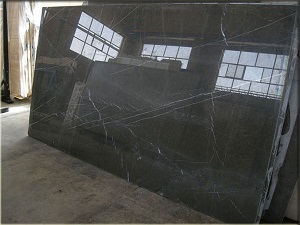
Pietra Grey Marble

Is Exporting Expensive

Breaking Down the Real Costs and Value

Many businesses interested in global expansion often ask the same question: Is exporting expensive? While exporting can involve significant upfront costs, it also opens the door to high-growth international markets and long-term profitability.

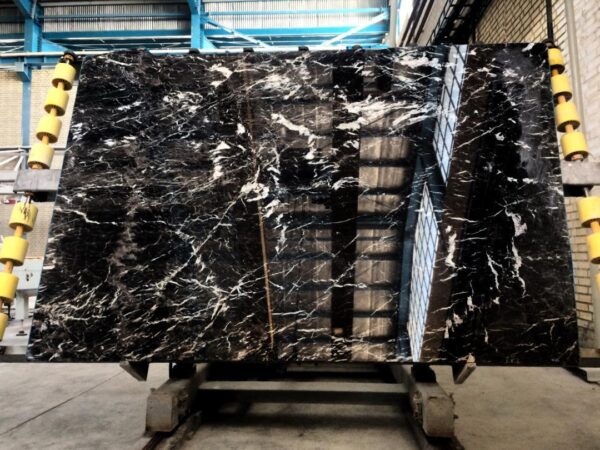
Black and Gold Marble

In this article, we’ll explore the real cost factors of exporting and show why, when managed correctly, exporting is a smart investment, not just a business expense.

What Makes Exporting Seem Expensive?

Exporting involves more than just shipping a product overseas. It includes compliance, logistics, documentation, and often, relationship-building in a foreign market. However, not every cost is a deal-breaker. With smart planning, many exporters reduce costs and improve efficiency.

Key Cost Components in Exporting

  1. Product Preparation and Packaging
    Before products leave your facility, they may need custom packaging, labeling, or modifications to meet the destination country’s standards. Although this adds cost, it protects the product and enhances brand reputation.

  2. Shipping and Freight Charges
    This is often the largest single cost. Whether you choose air, sea, or land transport, shipping costs depend on weight, volume, destination, and urgency.

  3. Customs Duties and Tariffs
    Different countries apply different taxes or import duties. Understanding the HS codes for your product helps you estimate fees accurately.

  4. Documentation and Certification
    Exporters must prepare invoices, certificates of origin, inspection reports, and customs declarations. Many of these are required by law but can be automated or outsourced affordably.

  5. Market Entry and Marketing
    To succeed, exporters often invest in trade shows, online listings, or local partnerships. While this is an optional cost, it significantly boosts visibility and sales.

Is Exporting Always Expensive? Not Necessarily

Although exporting has costs, it doesn’t have to be expensive if you approach it strategically.

How to Reduce Exporting Costs

  • Partner with Freight Forwarders: Experts can help you choose the most efficient and cost-effective transport method.

  • Leverage Free Trade Agreements: Countries like Bangladesh, India, and members of the EU offer trade benefits that reduce tariffs.

  • Use Consolidated Shipping: Sharing a container with other exporters can drastically reduce freight costs.

  • Automate Documentation: Export management software helps streamline paperwork and reduce compliance errors.

Many first-time exporters discover that the long-term profits outweigh the short-term expenses.

Final Thoughts: Exporting Is an Investment, Not a Loss

So, is exporting expensive? It can be—but it doesn’t have to be. Like any business initiative, success depends on planning, execution, and strategic thinking.

When you manage logistics smartly, understand your market, and build strong trade relationships, exporting becomes an affordable and powerful way to grow. Whether you’re shipping stone, textiles, electronics, or food products, taking your business global can deliver exceptional returns.

Don’t let the fear of cost hold you back. With the right tools and partners, exporting is more accessible—and more profitable—than ever before.

https://www.rockstone.biz/importing-stone-cubes-to-italy/

Farzin Rock Stone company  

Is Granite Expensive

Azna white Christal

Exporting Stone Cubes

A Profitable Opportunity in Global Construction Markets

Stone cubes, also known as cobblestones or cube stones, are in high demand worldwide for their durability, timeless appearance, and versatility in landscaping and paving projects. For suppliers in stone-rich countries, exporting stone cubes offers a profitable opportunity to reach international markets, especially in Europe, the Middle East, and Asia.

But what does it take to export cube stone successfully? And is it worth the investment? Let’s explore.

Crystal Marble Laibid

Why Export Stone Cubes?

Stone cubes are widely used in both commercial and residential projects. From public plazas and driveways to garden paths and pedestrian zones, architects and city planners prefer natural stone cubes because they are sustainable, weather-resistant, and visually appealing.

Exporting these stones not only allows suppliers to scale their business but also opens up new revenue streams in high-growth markets.

Top Reasons Exporters Focus on Stone Cubes

  1. Consistent Global Demand: Urban development, heritage restoration, and eco-friendly landscaping all use cube stones.

  2. Simple Packaging and Transport: Compared to slabs or tiles, stone cubes are easy to pack in bulk without breakage.

  3. High Durability: These stones last for decades, making them an attractive investment for builders.

  4. Customization Options: Exporters can offer various finishes—tumbled, flamed, or split—to match client preferences.

In addition, stone cubes are available in granite, basalt, limestone, and sandstone, giving exporters multiple product lines to offer.

What to Consider When Exporting Stone Cubes

Exporting involves more than just supplying stone. Exporters must prepare the product to meet international standards, handle logistics, and manage paperwork correctly. However, with a structured approach, these steps become manageable.

1. Choose the Right Stone Type and Size

Different markets prefer different materials. For instance:

  • Europe: Prefers granite cubes in 10x10x10 cm for pedestrian walkways

  • Middle East: Demands larger limestone cubes for public squares

  • Asia: Often uses basalt cubes for high-traffic areas

Knowing your customers’ requirements helps you tailor your products accordingly.

2. Follow Export Regulations and Certifications

To build trust with international buyers, make sure to:

  • Provide certificates of origin

  • Use standard HS codes (usually 6801 or 6802)

  • Include quality inspection reports when possible

Furthermore, clear labeling and compliant packaging prevent delays at customs.

3. Optimize Logistics and Freight

Exporting stone cubes is cost-effective when managed in bulk. Most exporters use 20-ft containers, filling them with 20–25 tons of product.

  • Choose CIF (Cost, Insurance, Freight) if the buyer prefers a delivered price

  • Use pallets and shrink-wrap to reduce breakage during transit

  • Partner with experienced freight forwarders to streamline customs clearance

Final Thoughts: Exporting Stone Cubes Can Elevate Your Business

In conclusion, exporting stone cubes is not just feasible—it’s a smart move for suppliers aiming to grow globally. These small but high-demand products offer reliable margins, consistent demand, and minimal risk when packed and shipped properly.

By focusing on product quality, market preferences, and logistics planning, you can build a successful stone cube export business that serves clients around the world.

https://www.rockstone.biz/exporting-stone-cubes-from-turkey

Farzin Rock stone company 

Marble Export to Turkey

Exporting Stone Cubes from Iran

A Strategic Move for Global Suppliers

Iran is well-known for its abundant and diverse natural stone resources. Among its many products, stone cubes—also called cobblestones or paving cubes—have become increasingly popular in international construction and landscaping markets. As global demand continues to rise, exporting stone cubes from Iran offers a highly profitable and sustainable opportunity.

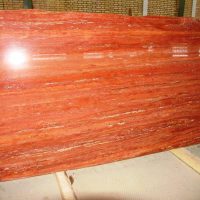
types of red travertine - iranian red travertine slabs and tiles

Why Iranian Stone Cubes Are in High Demand

Iran is one of the world’s top producers of natural stone, including granite, travertine, limestone, and basalt. These materials are not only visually appealing but also extremely durable. Therefore, they are widely used in pavements, plazas, public walkways, and historical restorations.

In fact, countries in Europe, the Middle East, and Asia have shown steady interest in Iranian cube stone thanks to its affordability and quality.

Advantages of Choosing Iranian Stone Cubes

  1. Competitive Pricing with High Quality: Iranian stone cubes offer excellent value. They match European quality standards but come at a significantly lower cost.

  2. Material Variety: Exporters can supply granite, limestone, travertine, and basalt—each available in multiple finishes such as split, flamed, or tumbled.

  3. Consistency in Bulk Orders: Iranian quarries and manufacturers are capable of delivering large volumes with consistent quality and sizing.

  4. Strategic Location: Iran’s proximity to major shipping routes reduces both delivery time and freight costs.

As a result, importers benefit from lower overheads and a quicker supply chain.

Steps to Export Stone Cubes from Iran

Although the export process includes several steps, it becomes efficient when handled by experienced stone suppliers in Iran. Let’s explore the main requirements for success.

1. Select the Right Stone for the Market

Each region has different preferences. For example, European buyers often request granite cubes for urban paving, while Gulf countries prefer travertine for its non-slip texture and desert tones. By researching your target market’s needs, you can align product offerings accordingly.

Additionally, sizes like 10x10x10 cm and 10x10x5 cm are standard across most applications.

2. Prepare Documentation and Certifications

Exporters from Iran typically provide:

  • Certificate of origin

  • Packing list and invoice

  • Quality control documentation

  • HS codes (e.g., 6801 or 6802)

To avoid delays at customs, it is essential to label packages clearly and provide all documents in advance.

3. Plan Logistics and Shipping

Stone cubes are dense and heavy, but they ship well in containers when properly packed. Most exporters use 20-foot containers, which hold up to 25 tons. Iranian suppliers often ship through Bandar Abbas Port, offering FOB or CIF terms.

Furthermore, using shrink-wrapped wooden pallets minimizes damage during transport.

Final Thoughts: Invest in a Reliable Supply Chain from Iran

To sum up, exporting stone cubes from Iran is both cost-effective and reliable. With access to premium raw materials, experienced exporters, and strong global demand, Iranian stone suppliers are well-positioned to serve international buyers.

When you combine competitive pricing, high durability, and flexible shipping, you unlock new markets and boost your business. Now is the time to partner with Iran’s growing stone export industry.

https://www.rockstone.biz/turning-stone-cubes-into-tiles/

Farzin Rock stone comapny 

Iran Marble Suppliers

Exporting Stone Cubes from India

A Competitive Advantage in Global Markets

India is one of the world’s top producers of natural stone, supplying a vast range of materials such as granite, sandstone, and basalt. Among these, stone cubes—commonly used in paving, landscaping, and city infrastructure—are in strong global demand. As construction projects expand across continents, exporting stone cubes from India presents a high-potential business opportunity for both new and established exporters.

Why Choose India for Stone Cube Exports?

India’s geological diversity makes it an ideal source for premium cube stones. The country has thousands of operational quarries, and many processing plants use advanced machinery to deliver products that meet international standards.

Furthermore, Indian suppliers offer competitive pricing, bulk production capabilities, and custom finishes, which makes them attractive to importers in Europe, the Middle East, Africa, and Southeast Asia.

Key Advantages of Indian Stone Cube Exports

  1. Wide Material Variety: India exports granite, basalt, sandstone, and limestone cubes, each suitable for different climates and applications.

  2. Cost Efficiency: Thanks to abundant resources and lower production costs, Indian cube stones are competitively priced.

  3. Custom Sizes and Finishes: Exporters offer various finishes such as split, flamed, or tumbled, depending on market demand.

  4. Established Export Infrastructure: With major ports like Mundra, Chennai, and Visakhapatnam, Indian exporters ship globally with ease.

As a result, many international buyers prefer sourcing from India due to reliability, scalability, and pricing advantages.

Steps to Export Stone Cubes from India

Although the export process involves several steps, Indian suppliers are well-versed in international trade requirements. This helps minimize risks and ensures on-time delivery.

1. Understand Market Needs

Before exporting, it’s essential to research your target markets. For instance, European countries often demand granite cubes in 10x10x10 cm for outdoor paving, while Middle Eastern markets may prefer larger sandstone cubes in warmer tones for landscaping.

Knowing these preferences allows exporters to tailor their product offerings effectively.

2. Prepare Documentation and Compliance

To streamline the export process, Indian exporters typically provide:

  • Commercial invoice

  • Packing list and bill of lading

  • Certificate of origin

  • Quality inspection report

  • HS code classification (usually 6801 or 6802)

Additionally, clear labeling and palletized packaging reduce the risk of customs delays or product damage.

3. Optimize Freight and Shipping Logistics

Stone cubes are heavy but easy to stack and transport in containers. Most suppliers use 20-foot containers, holding up to 25 tons. Popular shipping terms include FOB (Free on Board) and CIF (Cost, Insurance, Freight) to major global ports.

Moreover, Indian ports are well-equipped with container handling infrastructure, reducing turnaround time.

Final Thoughts: Strengthen Your Supply Chain with Indian Stone Cubes

In conclusion, exporting stone cubes from India is a smart, cost-effective way to meet global construction and landscaping demands. With a large supply base, skilled labor, and strong export infrastructure, India stands out as a dependable supplier.

Whether you’re an importer, wholesaler, or construction firm, partnering with Indian stone exporters can help you access durable, attractive, and affordable stone cubes, backed by reliable service and international trade experience.

https://www.rockstone.biz/marble-stone-cubes/

Farzin Rock stone company 

Biggest Stone Producers in the World

Exporting Stone Cubes from Turkey

A Reliable Source for Global Construction Needs

Turkey ranks among the world’s leading producers of natural stone, offering a rich selection of marble, travertine, limestone, and basalt. Among its most in-demand products are stone cubes, widely used in urban landscaping, road paving, and heritage restoration. As global infrastructure and outdoor design projects grow, exporting stone cubes from Turkey has become a valuable opportunity for suppliers and international buyers alike.

Why Turkey Is a Trusted Supplier of Stone Cubes

Turkey’s location at the crossroads of Europe and Asia provides a logistical advantage for global trade. Combined with its high-quality stone reserves and skilled manufacturing sector, Turkish stone exporters are well-positioned to meet global demand for stone cubes.

Key Benefits of Choosing Turkish Stone Cubes

  1. Diverse Materials and Colors: Turkish quarries produce a wide range of materials, including beige limestone, dark basalt, and light-colored travertine—ideal for outdoor applications.

  2. High-Quality Processing: Turkish manufacturers use modern machinery and export standards to produce precisely cut cube stones in various finishes.

  3. Competitive Pricing: Thanks to local resources and efficient production, Turkish exporters offer affordable pricing with strong durability.

  4. Strategic Port Access: Ports like Mersin, Izmir, and Istanbul facilitate fast and cost-effective global shipping.

Moreover, Turkish stone cubes are known for their strength, visual appeal, and long-term performance in harsh weather conditions.

What You Need to Export Stone Cubes from Turkey

Turkey has a well-established natural stone export system. Whether you’re a supplier or an importer, understanding the logistics and documentation involved helps ensure smooth, on-time delivery.

1. Choose the Right Stone Type and Size

Different markets demand different materials. For example:

  • Europe: Prefers basalt or granite cubes (e.g., 10x10x10 cm) for pedestrian zones and streets.

  • Gulf countries: Favor light-colored travertine or limestone cubes for plazas and commercial areas.

  • North Africa: Often uses sandstone and limestone cubes in public parks.

Knowing your target market allows exporters to provide custom solutions that match client expectations.

2. Prepare Accurate Export Documents

Turkish stone exporters typically include the following:

  • Commercial invoice and packing list

  • Certificate of origin and bill of lading

  • HS code (commonly 6801 or 6802)

  • Quality inspection report (optional but recommended)

Additionally, properly labeled, palletized, and shrink-wrapped packages reduce damage and avoid customs delays.

3. Use Efficient Shipping and Freight Options

Most cube stones are shipped in 20-foot containers, holding 22–25 tons of product. Turkey offers both FOB (Free on Board) and CIF (Cost, Insurance, Freight) terms based on buyer preference.

Furthermore, fast port processing and regular shipping schedules allow for shorter delivery timelines and better cost control.

Final Thoughts: Expand with Confidence by Sourcing Stone Cubes from Turkey

To sum up, exporting stone cubes from Turkey combines the benefits of rich resources, experienced suppliers, and excellent international connectivity. Whether you’re a construction firm, a distributor, or a paving contractor, sourcing from Turkey means accessing high-quality materials at competitive prices.

With the right supplier and logistics partner, you can build a reliable stone cube supply chain that meets global standards and customer needs.

https://www.rockstone.biz/exporting-stone-cubes-from-africa/

Exporting Granite to Turkey

Farzin Rock stone company 

Importing Stone Cubes to Italy

A Growing Opportunity for Sustainable Urban Design

Italy, known for its architectural heritage and elegant public spaces, has seen a rising demand for natural stone cubes, or cobblestones, in urban development and restoration projects. While Italy produces its own iconic stones like Carrara marble and travertine, many projects require additional supply from international sources. As a result, importing stone cubes to Italy has become a valuable opportunity for builders, architects, and material distributors.

Why Italy Imports Stone Cubes

Although Italy is home to renowned quarries, the variety and scale of current urban development often demand a broader range of materials. Imported stone cubes help meet this need while offering different textures, colors, and price points. Consequently, they’re used in both modern and historic environments.

Reasons Behind Increased Imports

  1. Project Diversity: From city sidewalks to heritage plazas, projects demand specific finishes and stone types.

  2. Consistent Supply: International suppliers ensure bulk availability for large-scale municipal work.

  3. Design Versatility: Imported stones offer colors and patterns that are hard to find locally.

  4. Competitive Pricing: Sourcing from countries like India, Turkey, and Vietnam often reduces project costs.

Thanks to these factors, more Italian firms are turning to global partners to fulfill orders for high-quality stone cubes.

How to Import Stone Cubes to Italy Successfully

To ensure smooth imports, businesses must plan strategically. This includes selecting the right supplier, complying with customs regulations, and optimizing logistics. When these factors align, the import process becomes efficient and cost-effective.

1. Choose the Right Stone Type and Supplier

Each type of stone cube serves a different aesthetic and functional purpose. For instance:

  • Granite cubes from India are ideal for high-traffic zones due to their strength.

  • Basalt cubes from Turkey create a modern, clean look for city centers.

  • Limestone and travertine from Iran blend well with Italy’s traditional architecture.

Moreover, working with reliable exporters ensures consistent quality, proper documentation, and timely delivery.

2. Prepare for Customs and Compliance

Before importing stone cubes, make sure you have all the required documents:

  • Commercial invoice and packing list

  • Bill of lading and certificate of origin

  • HS code (typically 6801 or 6802)

  • CE compliance or test reports, if intended for public projects

In addition, clearly labeled packaging and proper palletization help avoid delays and damage during transport.

3. Optimize Freight and Delivery

Most importers use 20-foot containers that carry up to 25 tons of cube stone. Choosing CIF (Cost, Insurance, Freight) terms can streamline your shipping process, especially if you are new to global sourcing.

Furthermore, receiving goods through ports like Genoa, Venice, or Livorno allows efficient inland distribution across Italy.

Final Thoughts: Strengthen Your Supply Chain with Imported Stone Cubes

In summary, importing stone cubes to Italy offers a smart way to meet growing demands in urban design, landscaping, and restoration. By choosing the right international partners and managing logistics carefully, businesses can secure durable, attractive, and cost-effective materials.

With global construction trends emphasizing natural stone, now is the time for Italian importers to expand their sourcing strategy and deliver excellence to every project.

https://www.rockstone.biz/importing-stone-cubes-to-brazil/

Farzin Rock Stone company 

Exporting Travertine to Turkey

Azna white Christal

Importing Stone Cubes to China

Meeting Demand in Infrastructure and Urban Design

China’s rapid urbanization and infrastructure development have significantly increased the demand for high-quality building materials. Among these, stone cubes—also known as cobblestones or cube stones—play a crucial role in landscaping, pedestrian walkways, public spaces, and heritage restoration projects. As domestic quarries focus on large slabs and tiles, many developers now look abroad. Therefore, importing stone cubes to China has become a practical and profitable option.

Why China Needs Imported Stone Cubes

China has long been a global powerhouse in stone production. However, due to high domestic demand and specific project requirements, many construction firms and municipalities import cube stones from countries such as India, Turkey, and Iran. These imported stones offer both aesthetic and structural advantages that local materials sometimes lack.

Key Benefits of Imported Stone Cubes

  1. Unique Material Variety: International suppliers offer basalt, granite, limestone, and sandstone in colors and textures not easily found in China.

  2. Reliable Supply Chains: With established exporters and global freight networks, deliveries are consistent and timely.

  3. Custom Finishes and Sizes: Imported stones are often available in tumbled, split, or flamed finishes—ideal for different project needs.

  4. Cost-Effectiveness: In many cases, importing in bulk from certain countries results in lower per-unit costs compared to local options.

Because of these benefits, imported stone cubes have become an essential material for high-end and government-led construction projects.

How to Successfully Import Stone Cubes to China

Although importing involves regulations and logistics, the process is manageable when approached with proper planning and partnerships.

1. Select the Right Stone and Supplier

Each region in China may require specific materials. For example:

  • Granite cubes from India are ideal for high-traffic commercial walkways.

  • Basalt cubes from Turkey are perfect for modern public plazas.

  • Travertine cubes from Iran complement traditional or classical designs.

Moreover, working with experienced exporters ensures the stones meet quality standards, size tolerances, and project deadlines.

2. Understand Chinese Import Regulations

Importing stone cubes into China requires compliance with national standards and clear documentation, such as:

  • Commercial invoice and packing list

  • Certificate of origin and bill of lading

  • Customs declaration and HS code (usually 6801 or 6802)

  • Inspection certificates, if required for government projects

In addition, it’s wise to consult with a local customs broker to navigate China’s specific import tariffs and duties.

3. Optimize Logistics and Shipping

Stone cubes are heavy, but they ship efficiently in containers. Most importers use 20-foot containers, typically carrying around 25 tons of stone. It’s advisable to:

  • Choose CIF terms if you want shipping and insurance handled by the supplier

  • Ensure proper palletization to prevent breakage

  • Use major ports like Shanghai, Ningbo, or Qingdao for fast inland distribution

Proper logistics planning reduces lead time and lowers the risk of delays or extra costs.

Final Thoughts: Strengthen China’s Supply Chain with Global Stone Cube Imports

In conclusion, importing stone cubes to China is a strategic move for developers, landscape architects, and government contractors. With global suppliers offering superior quality, customization, and competitive pricing, you can elevate your projects while maintaining cost efficiency.

By aligning with trusted exporters and managing the import process effectively, Chinese businesses can secure a steady supply of world-class stone cubes, ensuring long-term success in a fast-growing construction market.

https://www.rockstone.biz/exporting-stone-cubes-from-india/

Farzin Rock stone company 

granite_stone

Most Demanded Stones in Western Europe

Top Choices for Construction and Design

In 2024, Western Europe continues to experience growth in construction and design, making natural stones an essential material in various projects. Whether used for residential, commercial, or landscaping applications, natural stones are valued for their durability, beauty, and sustainability. In this article, we will explore the most demanded stones in Western Europe, while also highlighting their uses and popularity in the market.

1. Granite: The Leading Choice for Strength and Versatility

Granite remains one of the most popular stones in Western Europe, thanks to its strength, durability, and aesthetic appeal. From countertops and flooring to building facades, granite appears in both residential and commercial projects. Because it resists weathering, stains, and scratches, it serves as an ideal choice for high-traffic areas and outdoor applications. Furthermore, countries like Italy, Spain, and France maintain strong granite industries to meet the growing demand for this timeless material.

Why Granite is So Popular in Western Europe:

  • Highly durable and resistant to scratches, stains, and weathering.

  • Available in a wide range of colors, from deep blacks to vibrant reds and greens.

  • Perfect for kitchens, bathrooms, facades, and monuments.

Popular Granite Varieties in Western Europe:

  • Italian Black Granite

  • French Burgundy Granite

  • Spanish White Granite

2. Marble: A Timeless Stone for Luxury and Elegance

Marble is synonymous with luxury and sophistication in Western European architecture. As a result, high-end residential, commercial, and hospitality projects often feature marble as a primary material. With its unique veining patterns and range of colors—from pure whites to rich creams and dramatic blacks—it adds timeless elegance to any space. Consequently, designers frequently choose marble for floors, countertops, and decorative accents.

Why Marble is in High Demand:

  • Adds a sense of luxury and elegance to any project.

  • Ideal for upscale residential, commercial, and hospitality designs.

  • Available in a variety of colors and veining patterns for diverse aesthetics.

Popular Marble Varieties in Western Europe:

  • Italian Carrara Marble

  • French Calacatta Marble

  • Spanish Crema Marfil Marble

3. Limestone: A Cost-Effective and Versatile Choice

Limestone is in high demand across Western Europe because it offers both affordability and versatility. It is frequently used for exterior and interior applications, including facades, flooring, and garden features. Moreover, its neutral color palette and natural texture allow it to fit seamlessly into both modern and traditional designs. For this reason, countries like France, the UK, and Germany rely on limestone for a wide variety of construction and landscaping needs.

Why Limestone is Popular in Western Europe:

  • Affordable and widely available.

  • Versatile for use in both interior and exterior projects.

  • Offers a natural, timeless aesthetic that complements various architectural styles.

Popular Limestone Varieties in Western Europe:

  • French Beige Limestone

  • British Portland Stone

  • German Jura Limestone

4. Travertine: Ideal for Outdoor Landscaping Projects

Travertine enjoys high demand in Western Europe, particularly for outdoor and landscaping projects. Because its porous surface makes it naturally slip-resistant, it works perfectly for pool decks, patios, and walkways. In addition, the warm, earthy tones of travertine blend beautifully with both traditional and contemporary designs. This is why Mediterranean-inspired landscaping projects across the region often feature this stone.

Why Travertine is in Demand:

  • Slip-resistant, making it perfect for outdoor spaces like pool areas and patios.

  • Affordable compared to other luxury stones like marble and granite.

  • Offers a rustic, natural appearance that complements outdoor landscapes.

Popular Travertine Varieties in Western Europe:

  • Italian Noce Travertine

  • Spanish Ivory Travertine

  • Turkish Travertine

5. Sandstone: A Durable and Stylish Stone for Various Applications

Sandstone remains a popular stone in Western Europe for both construction and landscaping projects. Due to its durability and natural appeal, it works well for both interior and exterior use. Additionally, sandstone’s wide color range—from soft tans to deep reds—allows it to complement many architectural styles. As a result, builders frequently use it for facades, paving, and garden walls.

Why Sandstone is Popular in Western Europe:

  • Durable and weather-resistant, making it suitable for both interior and exterior applications.

  • More affordable compared to premium stones like marble and granite.

  • Available in a wide variety of colors and finishes to suit different design styles.

Popular Sandstone Varieties in Western Europe:

  • British Yorkshire Sandstone

  • French Burgundy Sandstone

  • Spanish Red Sandstone

https://www.rockstone.biz/importing-stone-…-to-saudi-arabia/

Demanded Stones in Europe

Farzin rock stone company 

marble

Most Demanded Stones in Poland

Key Materials for Construction and Design

Poland is home to a variety of stones that are essential in construction, landscaping, and design. Not only are these materials valued for their durability, but they also stand out for their beauty and versatility. In this guide, we highlight the most demanded stones in Poland while explaining their applications in different industries.

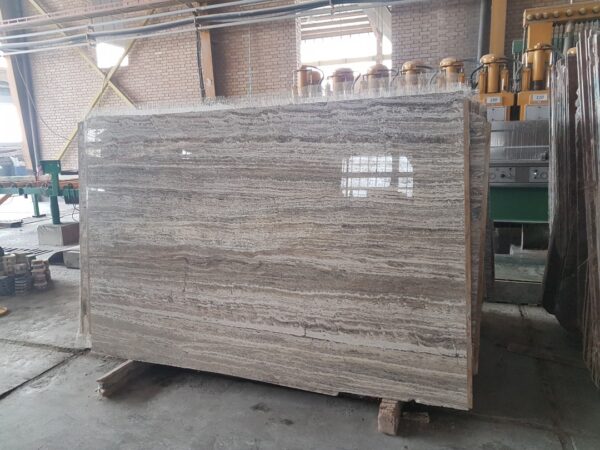
silver travertine
silver travertine

Most Popular Stones in Poland and Their Uses

In Poland, granite, limestone, marble, and sandstone rank among the most commonly used stones. Because each offers distinct benefits, they serve different purposes in residential and commercial projects.

1. Granite: A Durable and Versatile Stone

Granite remains one of Poland’s most popular stones. Thanks to its strength and long-lasting qualities, builders and architects frequently choose it for demanding projects. Moreover, its resistance to wear makes it ideal for both indoor and outdoor applications.

Common Uses of Granite:

  • Countertops and bathroom surfaces

  • Flooring and exterior cladding

  • Memorials and decorative structures

2. Limestone: A Sustainable and Practical Choice

Limestone continues to be a top choice in Poland for both construction and decorative purposes. Because it’s easily accessible from areas like Kraków and Opole, it offers both cost-effectiveness and versatility. Whether used for large-scale infrastructure or detailed architectural designs, limestone provides durability and ease of use.

Common Uses of Limestone:

  • Building construction and roadwork

  • Sculptures and facades

  • Landscaping and outdoor features

Why the Demand for Stones Is Growing in Poland

Poland’s demand for stones continues to rise due to urbanization and infrastructure development. As new projects emerge, builders increasingly seek durable, sustainable materials. Consequently, natural stones like granite and limestone remain in high demand while also meeting the growing need for eco-friendly solutions.

3. Marble: A Symbol of Elegance and Luxury

Marble is renowned for its timeless beauty and sense of luxury. In particular, Polish marble from the Świętokrzyskie Mountains stands out for its fine texture and rich color. As a result, high-end projects frequently feature it in countertops, flooring, and sculptures. Because it creates a sophisticated atmosphere, marble continues to enjoy strong popularity.

Common Uses of Marble:

  • High-end countertops and flooring

  • Sculptures and architectural details

  • Luxury commercial spaces

4. Sandstone: A Timeless and Classic Option

Although sandstone is not as widely used as granite or limestone, it remains valuable in specific applications. For instance, it plays a key role in restoring historical buildings and intricate architectural designs. Additionally, sandstone suits outdoor paving and landscaping, where its natural texture adds character.

Common Uses of Sandstone:

  • Restoration of historical buildings

  • Outdoor paving and garden features

  • Decorative carvings and facades

https://www.rockstone.biz/importing-stone-cubes-to-china/

https://www.rockstone.biz/demanded-stones-in-argentina/

Farzin rock stone company

Can You Pressure Wash Limestone