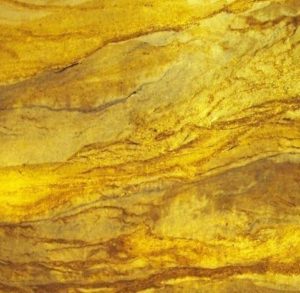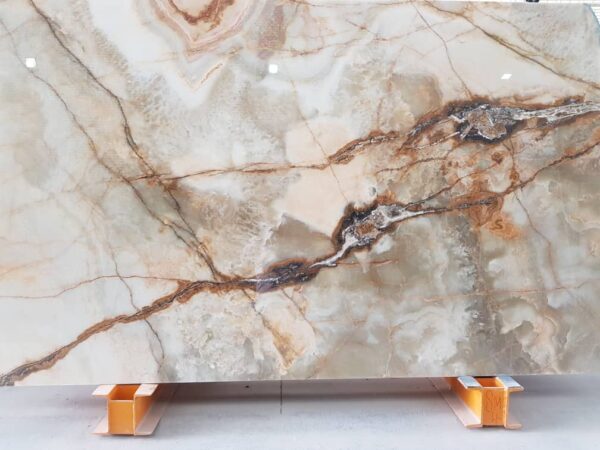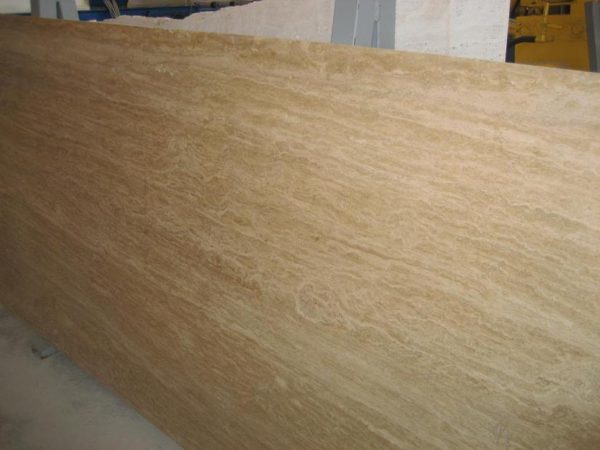
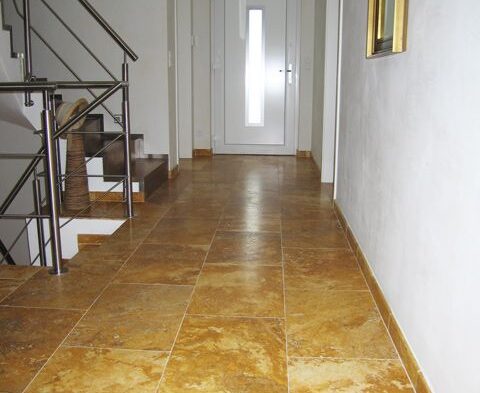
Yellow Travertine Floor

Iran Famous Stones

Premium Natural Materials for Global Projects

Moreover, Iranian stones have earned a strong reputation in international markets for construction, architecture, and luxury interiors. Therefore, learning about Iran’s most famous stones helps architects, designers, builders, and buyers choose materials that enhance both aesthetics and long‑term performance.Iran Famous Stones

Why Iranian Stones Are in High Demand

Iran produces a diverse range of natural stones, including marble, travertine, onyx, granite, and limestone. Firstly, these stones offer striking colors and unique patterns that fit both classic and modern designs. Secondly, many Iranian stones display excellent durability, resistance to wear, and compatibility with different finishes. Furthermore, Iranian quarries deliver quality at competitive pricing, which appeals to builders and stone importers worldwide.

Consequently, Iranian stones remain sought after by international markets, from Europe and Asia to North America and the Middle East.

Most Famous Natural Stones from Iran

Iran’s natural stone portfolio includes varieties acclaimed for their quality and visual impact. Here are some of the best‑known stones:

Iranian Marble

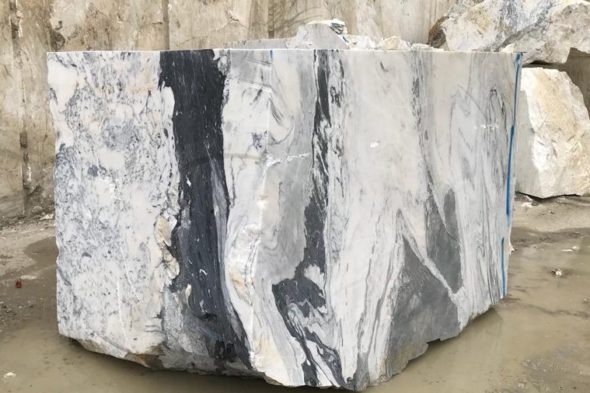
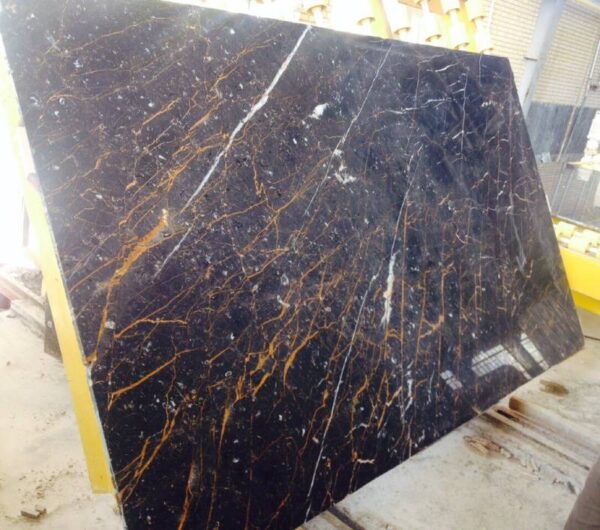
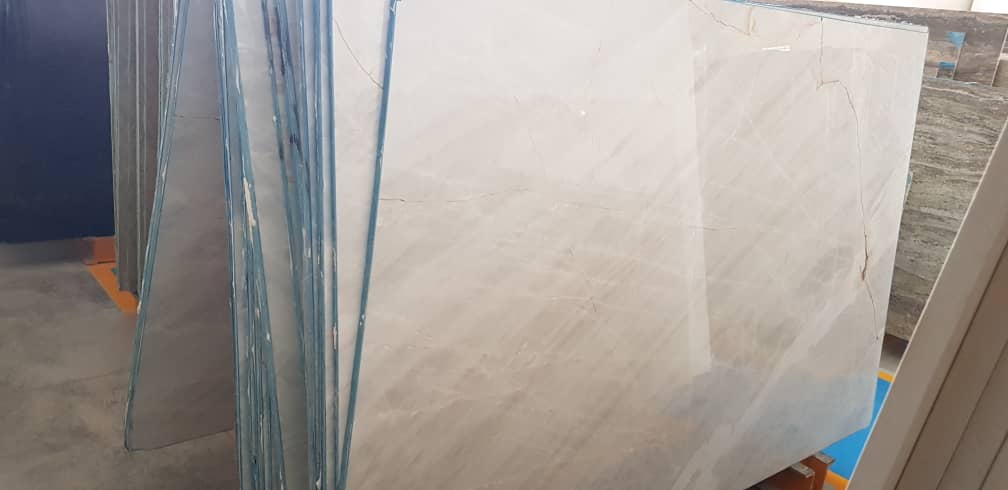
Iranian marble is prized for its refined colors and elegant veining. Varieties such as Persian Silk Marble, Fossil Beige Marble, and Persian Beige Marble showcase soft neutrals and rich tones that suit upscale interiors. Many designers choose Iranian marble for flooring, countertops, and decorative wall coverings due to its timeless appeal.

Travertine

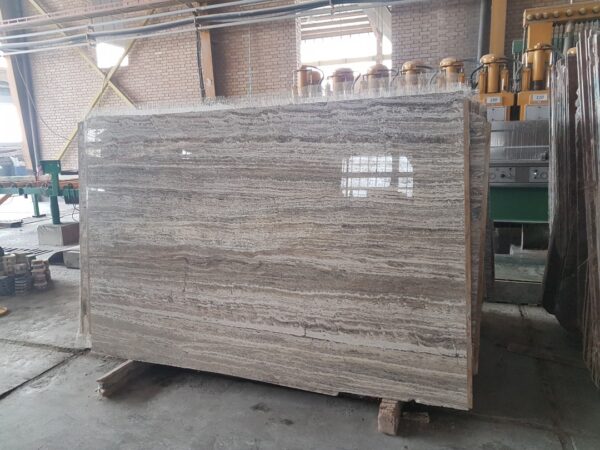
Travertine from Iran comes in a wide array of colors — from creamy ivory to deep reds and silvers. Stones like Silver Travertine and Red Travertine are particularly popular for exterior facades, patios, and lobby spaces because they combine natural beauty with structural strength. As a result, Iranian travertine is a preferred choice for luxury residential and commercial projects.

Onyx

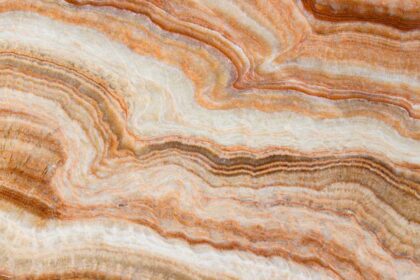
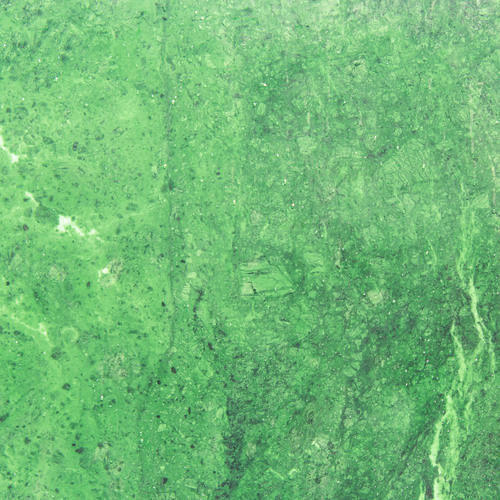
Iranian onyx ranks among the most luxurious natural stones in the world. Its unique translucency and vivid colors — including green, white, and pink onyx — make it ideal for statement interior elements such as illuminated backlit walls, bar counters, and reception areas. Additionally, onyx’s striking visual character elevates any design where elegance matters most.

Granite and Other Stones

Granite and limestone from Iran offer additional choices for projects demanding rugged durability and natural charm. Granite’s strength makes it suitable for heavy‑traffic flooring and commercial installations, while limestone’s softer tones create warm, inviting environments. Moreover, Iran also produces unique stones like traonyx — a hybrid of travertine and onyx — valued for its layered textures and light‑interactive properties.

How to Choose the Best Iranian Stone

Selecting the right stone depends on your project needs:

  • Application: Countertops, floors, walls, and outdoor facades all require specific stone characteristics.

  • Design Style: Colors and patterns should align with your overall aesthetic goals.

  • Performance Needs: Consider durability, porosity, and maintenance requirements.

Thus, consulting with experienced suppliers or designers helps ensure the selection of stones that satisfy both functional and aesthetic demands.

Final Thoughts

Iran’s famous stones — from marble and travertine to onyx, granite, and limestone — offer remarkable design flexibility and quality for projects around the world. By choosing premium Iranian stone, you can create spaces that are both beautiful and enduring. Moreover, working with reputable stone suppliers ensures consistent quality and support throughout your project lifecycle.

What is Travertine Tile

rockstone company

Turkey Famous Stones

Premium Natural Stones for Construction and Design

Turkey ranks among the world’s top suppliers of natural stones, offering a rich variety of high-quality marble, travertine, and other stones. Moreover, Turkish stones are renowned for their durability, aesthetic appeal, and versatility, making them a preferred choice for residential, commercial, and architectural projects worldwide. Therefore, understanding Turkey’s famous stones helps builders, designers, and homeowners choose the perfect material for countertops, flooring,

Nero marquina marble - What is Nero marquina marble stone walls, and decorative features.

Why Turkish Stones Are Highly Valued

Turkish stones combine beauty, strength, and longevity. Firstly, they resist scratches, heat, and wear when properly installed and maintained. Secondly, their diverse colors and natural patterns provide unique design possibilities, allowing spaces to look luxurious and timeless. Furthermore, Turkey’s strategic location ensures competitive pricing and access to international markets.

Consequently, Turkish stones remain a popular choice for both domestic and global construction and design projects.

Famous Types of Turkish Stones

Turkey produces a variety of natural stones, each with distinct characteristics and applications. Here are some of the most famous types:

Turkish Marble

Turkish marble is globally renowned for its elegance and quality. Carrara-style marbles from Turkey, such as Botticino and Crema Nuova, are widely used in kitchens, bathrooms, and luxury floors. Designers often select Turkish marble for countertops, wall cladding, and high-end commercial projects due to its fine texture and striking veining.

Turkish Travertine

Travertine from Turkey has been used in architecture for centuries. Its warm beige, ivory, and gold tones make it ideal for flooring, outdoor paving, and facades. Furthermore, Turkish travertine offers durability and natural beauty that suits both classic and modern designs.

Turkish Onyx

Onyx stones from Turkey are prized for their translucency and vibrant colors. They add a luxurious and dramatic effect to interior walls, countertops, and decorative panels. In addition, backlit onyx creates stunning visual appeal in hotels, restaurants, and upscale residences.

Turkish Limestone

Limestone from Turkey ranges from soft cream shades to earthy browns, providing versatility in interior and exterior applications. It works well for flooring, wall cladding, facades, and landscaping projects. Moreover, Turkish limestone’s natural texture adds a warm, elegant touch to any space.

Turkish Sandstone

Turkish sandstone features earthy reds, browns, and yellows, often used for outdoor paving, pathways, and garden designs. Its robust structure ensures long-lasting performance while maintaining a natural and inviting appearance.

How to Choose the Right Turkish Stone

Choosing the right stone depends on several factors:

  • Project Type: Consider whether you need it for countertops, floors, walls, or outdoor spaces.

  • Design Preference: Evaluate color, pattern, and finish to match the project’s style.

  • Durability Needs: Denser stones like marble or travertine perform better in high-traffic areas.

Thus, consulting with reputable suppliers or designers ensures that you select the best Turkish stone for both aesthetic appeal and long-term performance.

Final Thoughts

Turkey’s famous stones, including marble, travertine, onyx, limestone, and sandstone, offer unmatched elegance and durability for construction and design projects. By choosing the right type of Turkish stone, you can create luxurious and long-lasting interiors or exteriors. Moreover, working with trusted suppliers guarantees premium quality stone that enhances both beauty and value for years to come.

Marble Export to Turkey

rockstone company

Crystal Marble Laibid , polished , honed , flamed , sandblast

Different Types of Marble

Choosing the Perfect Stone for Your Project

Marble ranks among the most elegant and timeless natural stones, offering beauty, versatility, and durability. Moreover, its wide variety of colors, patterns, and finishes allows designers, homeowners, and contractors to create luxurious spaces. Therefore, understanding the different types of marble helps you select the perfect stone for countertops, flooring, walls, or decorative features.

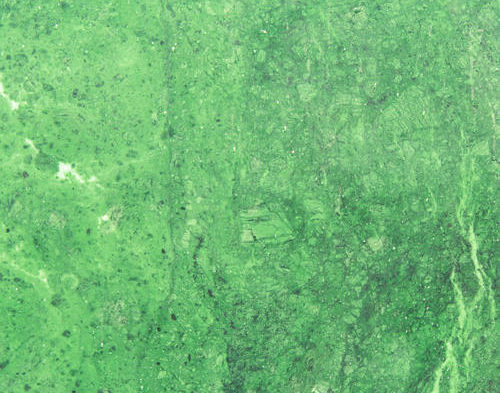
Green-Marble

Why Marble Remains a Top Choice

Marble combines luxury and practicality. Firstly, it resists heat and stands up to daily wear when properly maintained. Secondly, its unique veining and natural color variations create a stunning visual appeal, giving each slab a one-of-a-kind look. Furthermore, marble adds value to properties and elevates interior and exterior spaces.

Consequently, selecting the right marble type ensures both aesthetic appeal and long-term performance.

Popular Types of Marble

Marble comes in a wide range of colors, patterns, and origins. Here are some popular varieties used in construction and design:

Carrara Marble

Carrara marble, from Italy, features a soft white or light gray background with subtle gray veining. Many homeowners and designers choose it for kitchen countertops, bathroom vanities, and flooring because of its classic, timeless look.

Calacatta Marble

Calacatta marble has a bright white background with bold gray or gold veins. Designers often use it in high-end spaces for statement walls, luxury countertops, and floors. Its dramatic patterns create a sophisticated, upscale atmosphere.

Statuario Marble

Statuario marble offers a white background with prominent gray veining, sitting between Carrara and Calacatta in style. It suits elegant countertops, feature walls, and artistic installations that demand luxury and refinement.

Emperador Marble

Emperador marble, from Spain, features brown tones with subtle light veins. It complements both traditional and modern interiors, making it ideal for floors, walls, and decorative accents.

Crema Marfil Marble

Crema Marfil marble shows a creamy beige base with soft veins, creating a warm and inviting look. Many interior designers select it for flooring, bathrooms, and walls where neutral elegance enhances the overall design.

How to Choose the Right Marble Type

Choosing the right marble depends on several factors:

  • Project Type: Countertops, floors, walls, or decorative features may need different marble types.

  • Aesthetic Preference: Evaluate color, veining, and the style of the space.

  • Durability Needs: Denser marble works better in high-traffic areas.

Thus, consulting with suppliers or designers helps you select a marble type that meets both functional and visual requirements.

Final Thoughts

Understanding the different types of marble helps you make informed decisions for elegant, long-lasting projects. By considering color, veining, and durability, you can choose the perfect marble to enhance your interiors or exteriors. Moreover, partnering with trusted suppliers ensures that you receive high-quality stone that maintains its elegance and value for years.

Different Types of Limestone

Choosing the Right Stone for Your Project

, its wide variety of colors, textures, and finishes makes it ideal for residential, commercial, and architectural applications. Therefore, understanding the different types of limestone is essential for homeowners, designers, and contractors who want the perfect stone for flooring, walls, countertops, or outdoor landscaping.

Gray Ash Limestone

Why Limestone Is a Popular Choice

Limestone offers a combination of beauty and functionality. Firstly, it is naturally durable, able to withstand wear and tear when properly maintained. Secondly, limestone’s neutral shades and natural patterns make it easy to incorporate into various interior and exterior designs. Furthermore, limestone is eco-friendly and energy-efficient, as it helps regulate indoor temperatures and is often sourced locally.

Consequently, choosing the right type of limestone ensures long-lasting results that enhance both the aesthetics and value of a property.

Common Types of Limestone

Limestone is classified based on color, texture, and origin. Here are some of the most popular types used in construction and design:

Travertine Limestone

Travertine is one of the most recognizable types of limestone, known for its porous texture and natural holes. Moreover, it is available in warm tones like cream, beige, and gold, making it ideal for flooring, wall cladding, and outdoor patios. Additionally, travertine can be polished or honed to achieve different finishes depending on design preferences.

Chalk Limestone

Chalk limestone is soft and light-colored, often white or pale gray. Therefore, it is commonly used for decorative applications, sculptures, and interior wall features. Its fine texture allows for detailed carving, making it popular in both traditional and modern architectural projects.

Fossiliferous Limestone

Fossiliferous limestone contains visible fossilized remains of marine organisms, which add unique patterns and character to the stone. As a result, it is perfect for statement walls, accent features, and exterior landscaping that requires a natural and historical aesthetic.

Oolitic Limestone

Oolitic limestone is composed of small, rounded grains called oolites. Therefore, it has a consistent texture and pale color, making it suitable for tiles, pavements, and architectural facades. Its uniform appearance helps create a clean and elegant look.

Dolomitic Limestone

Dolomitic limestone contains magnesium carbonate in addition to calcium carbonate, making it harder and more resistant to wear. Consequently, it is ideal for high-traffic flooring, outdoor applications, and structural projects that require both beauty and strength.

How to Choose the Right Limestone

Selecting the right limestone depends on several factors:

  • Project Type: Some types are better for flooring, while others are ideal for walls, facades, or landscaping.

  • Aesthetic Preference: Consider color, pattern, and overall design style of the space.

  • Durability Requirements: Some limestones, like dolomitic, are denser and more suitable for heavy-use areas.

Thus, consulting with suppliers or designers can ensure you choose the limestone type that meets both functional and aesthetic needs.

Final Thoughts

Understanding the different types of limestone is essential for creating elegant, durable, and timeless spaces. By considering texture, color, and durability, you can select the perfect limestone to enhance your interiors or exteriors. Moreover, working with reputable suppliers ensures high-quality stone that maintains its beauty and value for decades.

rockstone company

Brown-Onyx

Different Types of Onyx

A Complete Buyer’s Guide

Understanding Onyx and Its Uses

Onyx is a luxurious natural stone known for its translucent beauty, vibrant colors, and unique veining patterns. As a result, designers widely use it in high-end interior projects such as countertops, wall cladding, flooring, backsplashes, and decorative accents. Onyx enhances elegance and sophistication, making it a favorite in residential, commercial, and hospitality spaces.

Moreover, backlighting onyx highlights its natural translucency and creates dramatic visual effects. Consequently, architects and designers prefer it for premium applications that demand a bold statement.

Types of Onyx

Onyx comes in several types, each offering distinct aesthetics and design possibilities.

1. White Onyx

White onyx features soft, creamy tones and delicate veining. Therefore, designers often choose it for countertops, wall panels, and decorative flooring in modern or minimalist interiors. Its neutral palette blends seamlessly with different color schemes while maintaining a luxurious look.

2. Green Onyx

Green onyx shows rich emerald, jade, or olive shades. In addition, designers use it for feature walls, reception areas, and decorative panels in luxury spaces. Green onyx creates a high-impact visual statement in hotels, restaurants, and commercial projects.

3. Honey Onyx

Honey onyx presents warm golden and amber tones with intricate patterns. As a result, designers prefer it for countertops, tabletops, and flooring in residential and hospitality interiors. Honey onyx adds warmth and elegance, making spaces inviting and luxurious.

4. Red Onyx

Red onyx features deep burgundy and ruby hues accented with white or gold veins. Therefore, designers use it for statement walls, bar tops, and decorative panels that demand bold, luxurious looks. Red onyx suits high-end commercial spaces and luxury homes.

5. Black Onyx

Black onyx displays rich dark tones with striking white or gold veins, providing a dramatic and sophisticated appearance. Consequently, designers often install it in feature walls, countertops, and backlit panels in modern luxury interiors. Black onyx adds depth and elegance to any space.

Market Trends and Applications

Onyx continues to gain popularity because of its premium aesthetics and versatility. Designers, architects, and homeowners increasingly choose it for backlit panels, decorative walls, luxury countertops, and bespoke furniture. Moreover, its uniqueness ensures that no two slabs are identical, making it highly sought-after for exclusive projects.

Opportunities for Suppliers and Designers

Suppliers can boost sales by offering high-quality, diverse onyx varieties. In addition, designers can use the different types of onyx to create luxurious, one-of-a-kind interiors that appeal to high-end clients. Highlighting its beauty, translucency, and premium value attracts residential and commercial buyers alike.

Conclusion: Choosing the Right Onyx

Overall, buyers and designers can make informed choices by understanding the different types of onyx—white, green, honey, red, and black. Consequently, onyx remains a top choice for projects seeking elegance, luxury, and uniqueness. As a result, suppliers and designers can leverage its growing popularity in high-end interior design, commercial developments, and hospitality projects

https://www.rockstone.biz/best-type-of-onyx-for-export/

Natural honey onyx stone price

Different Types of Granite

Choosing the Right Stone for Your Project

Granite is one of the most popular natural stones worldwide, valued for its durability, elegance, and versatility. Moreover, its wide variety of colors, patterns, and finishes makes it suitable for residential, commercial, and architectural projects. Therefore, understanding the different types of granite is essential for homeowners, designers, and contractors who want the perfect surface for countertops, flooring, walls, or outdoor spaces.

Different Types of Granite

Why Granite Is a Preferred Choice

Granite offers a combination of strength and aesthetic appeal. Firstly, it is highly resistant to scratches, heat, and stains when properly sealed. Secondly, granite comes in numerous shades and patterns, allowing for a unique, personalized look in any project. Furthermore, granite requires minimal maintenance and lasts for decades, which increases its value and appeal.

Consequently, choosing the right type of granite can enhance both the beauty and longevity of any space.

Popular Types of Granite

Granite is classified based on color, origin, and pattern. Here are some of the most popular types used in construction and design:

Absolute Black Granite

Absolute Black Granite is prized for its deep, uniform black color. Moreover, it provides a sleek, modern look, making it ideal for kitchen countertops, flooring, and wall cladding. Its dark surface also hides stains and scratches, offering both beauty and functionality.

Kashmir White Granite

Kashmir White Granite features a light cream or white background with subtle grey or black veining. Therefore, it creates a sophisticated and elegant appearance, making it popular for countertops, bathroom vanities, and decorative walls. Its neutral tone works well with a wide range of interior styles.

Ubatuba Granite

Ubatuba Granite originates from Brazil and is known for its dark green base with flecks of gold, brown, and black. As a result, it adds depth and character to kitchens and living spaces. Its versatility and durability make it suitable for both residential and commercial projects.

Giallo Ornamental Granite

Giallo Ornamental Granite is light beige with warm golden tones and subtle veining. Moreover, it brings a bright, welcoming atmosphere to any room. It is commonly used for kitchen countertops, bathroom surfaces, and flooring.

Baltic Brown Granite

Baltic Brown Granite is characterized by its dark brown base with circular patterns in shades of black and lighter brown. Therefore, it is perfect for creating an eye-catching statement while maintaining a classic and elegant look.

How to Choose the Right Granite Type

Selecting the right granite depends on several factors:

  • Project Type: Countertops, flooring, walls, and outdoor applications may require different colors and finishes.

  • Aesthetic Preference: Consider the room’s overall style, lighting, and complementary colors.

  • Durability Requirements: Some granites are denser and more resistant to stains, making them ideal for high-traffic areas.

Thus, consulting with suppliers or designers can help ensure you select the granite type that meets both practical and aesthetic needs.

Final Thoughts

Understanding the different types of granite is essential for making informed decisions for your home or commercial project. By considering color, pattern, and durability, you can choose the perfect granite to enhance your space’s beauty and longevity. Moreover, working with reputable suppliers ensures high-quality stone that will last for decades while maintaining its elegance.

rockstone company

China Granite Market

Rising Demand and Business Opportunities

The granite market in China is experiencing rapid growth as both residential and commercial developers increasingly adopt natural stone for its durability and premium aesthetics. Moreover, urbanization, rising disposable incomes, and a booming real estate sector are driving strong demand for granite products across major cities including Beijing, Shanghai, Guangzhou, and Shenzhen. As a result, granite has become one of the most sought-after materials in China’s construction and renovation markets.

Why Granite Is Popular in China

Granite is highly favored due to its combination of strength, elegance, and long-term value. Firstly, granite is extremely durable, heat-resistant, and scratch-resistant, making it ideal for heavy-use areas such as kitchens, bathrooms, and commercial floors. Secondly, its natural veining and wide variety of colors provide unique design possibilities for both residential and commercial spaces. Furthermore, granite requires minimal maintenance, which increases its appeal to homeowners and developers alike.

Therefore, granite continues to maintain strong market demand in China compared to alternative materials.

Key Trends Driving Granite Demand in China

Several factors are fueling the growth of granite consumption in China:

Residential Construction and Renovation

China’s housing market is expanding, with a focus on high-quality finishes in both new developments and renovations. In particular, granite is increasingly specified for:

  • Kitchen countertops and islands

  • Bathroom vanities and floors

  • Feature walls and staircases

Consequently, homeowners prefer granite because it combines durability with an upscale appearance that enhances property value.

Commercial and Infrastructure Projects

Moreover, commercial developers are incorporating granite in public and high-traffic spaces due to its durability and aesthetic appeal. For example:

  • Office buildings use granite for lobbies and reception areas.

  • Hotels and resorts rely on granite for premium flooring and decorative walls.

  • Shopping malls and entertainment venues select granite for both durability and visual impact.

As a result, the commercial sector significantly contributes to overall granite demand in China.

Supply Dynamics and Sourcing

Imported vs Domestic Granite

China sources granite both locally and from international suppliers. Imported granite from countries such as Brazil, India, and Italy offers a broad range of colors and patterns. However, domestic quarries provide competitive pricing and faster delivery for local projects. Therefore, suppliers that balance imported variety with local availability are better positioned to meet diverse market needs.

Sustainability and Consumer Preferences

Environmental considerations are increasingly influencing Chinese buyers. Thus, granite suppliers that provide sustainable sourcing, certified quarries, and eco-friendly production practices can differentiate themselves in the market. Indeed, transparency in supply chains is becoming an important factor in customer decision-making.

How Suppliers Can Capitalize on China’s Granite Demand

SEO and Digital Marketing

Businesses targeting the Chinese market should focus on SEO-optimized content for keywords like:

  • “granite countertops China”

  • “natural stone suppliers Shanghai”

  • “granite slabs Beijing”

Furthermore, publishing content that addresses installation, maintenance, and cost guides can attract potential buyers and build trust.

Value-Added Services and Partnerships

Additionally, offering custom fabrication, edge finishing, and professional installation services can enhance competitiveness. Establishing partnerships with architects, interior designers, and construction companies ensures steady commercial projects and long-term contracts.

Final Thoughts

In summary, the granite demand in the China market is growing steadily due to urban expansion, rising renovation activity, and preference for high-quality, durable materials. Therefore, granite suppliers who combine strong digital presence, diverse product offerings, and customer-centric services can successfully capitalize on this lucrative and expanding market.

rockstone company

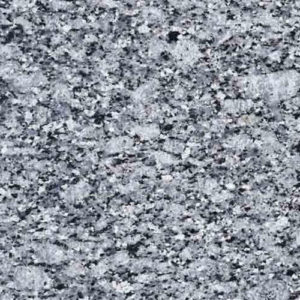
White Granite

Ukraine Granite Market

Increasing Demand and Strategic Growth

The granite market in Ukraine has been experiencing notable growth as both commercial developers and homeowners embrace natural stone for its durability and premium aesthetic. Moreover, Ukraine’s expanding construction and renovation sectors are driving stronger interest in granite products, particularly in major urban centres such as Kyiv, Lviv, Odesa, and Kharkiv. As a result, granite demand in the Ukraine market continues to rise across residential, commercial, and infrastructure projects.

DARK-GRANITE-GREEN
DARK-GRANITE-GREEN

Why Granite Is a Top Choice in Ukraine

Granite remains popular because it delivers both functional benefits and visual appeal. Firstly, granite is extremely durable and resistant to heat, scratches, and everyday wear, making it ideal for high‑use applications like kitchen countertops and flooring. Secondly, granite’s natural variation in pattern and colour allows designers and homeowners to create bespoke interior and exterior looks that stand out. Therefore, these qualities help position granite as a premium surface that adds value to properties.

Key Trends Driving Granite Demand in Ukraine

Several market trends are contributing to increased granite consumption throughout Ukraine:

Residential Renovations and New Builds

Ukraine’s real estate market continues to see growth in both renovations and new residential construction. In particular, granite is frequently specified for:

  • Kitchen countertops and islands

  • Bathroom surfaces, vanities, and tiles

  • Feature walls and stair treads

Consequently, homeowners who want long‑lasting surfaces that elevate property value are turning to granite more often than alternative materials.

Commercial and Urban Development Projects

Furthermore, commercial developers in Ukraine are increasingly using granite in high‑traffic public spaces due to its combination of strength and aesthetic sophistication. For example:

  • Office buildings now feature granite in lobbies and facades.

  • Hotels and restaurants use granite for flooring and feature walls.

  • Retail centres choose granite for durable and stylish interiors.

As a result, commercial usage is becoming a major driver of total granite demand in the Ukraine market.

Supply and Sourcing Dynamics

Imported Stone vs. Local Quarries

Ukraine sources granite from a mix of imported stone and local quarries. Imported granite — especially from Brazil, India, China, and Italy — offers a broad range of colours and patterns that appeal to designers and consumers. However, transportation costs and import logistics can influence pricing. In contrast, locally quarried granite provides regional buyers with reduced lead times and potentially lower overall costs. Therefore, suppliers who can balance imported variety with local availability are often more competitive.

Sustainability and Market Preferences

Sustainability and ethical sourcing are increasingly important factors for buyers in Ukraine. Thus, suppliers who provide transparent information about quarry practices, environmental impact, and certification are better positioned to attract eco‑conscious customers. Indeed, aligning product offerings with sustainability expectations enhances brand credibility and customer loyalty.

How Suppliers Can Capitalize on Ukraine’s Granite Demand

SEO‑Focused Digital Marketing

To succeed in Ukraine’s competitive stone market, businesses should prioritise SEO‑first content that targets high‑intent search terms such as:

  • “granite countertops Ukraine”

  • “natural stone suppliers Kyiv”

  • “granite slabs Odesa”

Moreover, publishing educational content about maintenance, installation timelines, and cost comparisons helps attract organic traffic and builds trust with potential buyers.

Value‑Added Services and Partnerships

Additionally, offering value‑added services such as custom cutting, edge finishing, professional installation, and design consultancy strengthens supplier positioning. Building partnerships with architects, interior designers, and construction firms also opens pathways for recurring commercial contracts and high‑value projects.

Final Thoughts

In summary, the granite demand in the Ukraine market is growing due to rising residential renovations, expanding commercial development, and increased preference for durable, premium surfaces. Therefore, suppliers who combine strong SEO visibility, diverse product offerings, and customer‑centric services are best placed to capture market share and achieve long‑term success in this promising sector.

rockstone company

UK Granite Market

Growing Demand and Strategic Opportunities

The granite market in the United Kingdom has witnessed steady growth in recent years as both homeowners and commercial developers increasingly favour high‑quality natural stone. Furthermore, granite’s reputation for durability, aesthetic appeal, and long‑term value has made it a preferred choice for many construction and renovation projects across major UK cities such as London, Manchester, Birmingham, and Edinburgh. As a result, demand for granite products continues to strengthen across residential and commercial sectors.

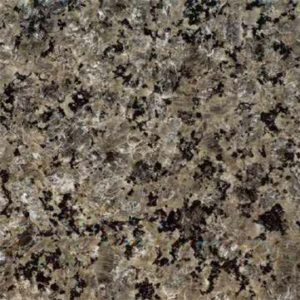
Chocolate Granite
Chocolate Granite

Why UK Consumers Prefer Granite

Granite offers a combination of practical performance and premium appearance that appeals to a wide range of buyers. Firstly, granite is known for its exceptional strength and resistance to heat, scratches, and stains when properly sealed — features that make it ideal for high‑traffic areas like kitchens and bathrooms. Secondly, the natural variation in colour and pattern means that every slab is unique, which is particularly attractive to designers and homeowners looking for bespoke finishes.

Therefore, granite continues to gain market share over engineered surfaces, especially among customers who prioritise long‑term durability and natural beauty.

Market Trends Driving Granite Demand in the UK

Several key trends are driving the growth of granite demand throughout the UK:

Residential Renovations and Refurbishments

The home renovation market in the UK remains robust, with many homeowners investing in upgrades that enhance both comfort and resale value. In particular, granite has become a top choice for:

  • Kitchen countertops, islands, and splashbacks

  • Bathroom surfaces, vanities, and flooring

  • Feature walls and external landscaping elements

Consequently, granite’s use in residential design continues to expand as trends favour natural materials and quality finishes.

Commercial and Public Sector Projects

Moreover, commercial builders and architects are incorporating granite into high‑end developments due to its durability and visual impact. Office buildings, hotels, retail stores, and public spaces such as museums and galleries often use granite for:

  • Entrance lobbies and reception areas

  • Exterior cladding and paved walkways

  • Concierge desks and feature staircases

Thus, commercial usage represents a significant portion of the UK’s granite demand, especially in cities with strong development pipelines.

Supply Dynamics in the UK Granite Market

Imported Stone and Local Availability

The UK relies heavily on imported granite, with key sourcing countries including Brazil, India, China, and Italy. However, there are also domestic stone suppliers and quarries that offer regional varieties. Still, import costs — including shipping, customs, and exchange rate fluctuations — can affect pricing and stock availability in the UK.

Accordingly, suppliers with robust international sourcing networks are better positioned to provide competitive pricing and consistent delivery times.

Sustainability and Consumer Preferences

Today’s UK buyers increasingly care about environmental impact and ethical sourcing. As a result, suppliers who provide documentation about quarry practices, carbon footprint, and sustainability certificates stand out in the marketplace. In fact, sustainable sourcing is becoming a key decision factor for architects and homeowners alike.

How Suppliers Can Capitalise on UK Demand

SEO and Digital‑First Marketing

To succeed in the UK market, granite businesses must prioritise SEO‑driven content that targets high‑intent keywords such as:

  • “granite countertops UK”

  • “granite suppliers London”

  • “natural stone slabs UK”

Furthermore, publishing helpful guides — for example, on maintenance tips, installation timelines, and cost comparisons — can boost organic traffic and establish brand authority.

Value‑Added Services

Additionally, offering services like custom cutting, edge finishing, on‑site measurement, and professional installation can differentiate suppliers from competitors and drive customer loyalty.

Final Thoughts

In conclusion, the granite demand in the UK market is on a steady upward trajectory due to strong residential renovation activity, increasing commercial development, and rising interest in premium natural materials. By combining strategic digital marketing, strong sourcing relationships, and customer‑focused services, granite suppliers can position themselves for sustainable growth in this competitive market.

rockstone company

Canada Granite Market

Rising Demand and Strategic Growth

The granite market in Canada is experiencing significant growth as both residential and commercial builders increasingly prioritize durable, premium natural stone. Moreover, granite’s reputation for strength, beauty, and longevity has made it one of the most sought‑after surfaces in the Canadian construction and renovation sectors. Consequently, demand continues to rise in major cities such as Toronto, Vancouver, Calgary, and Montreal.

Granite stone

Why Granite Is in High Demand

Granite’s popularity stems from a mix of practical performance and aesthetic appeal. Firstly, granite is exceptionally durable — making it ideal for heavy‑use areas like kitchen countertops and flooring. Secondly, it resists heat, scratches, and stains when properly sealed, which boosts consumer confidence. Furthermore, the natural variation in color and pattern means each slab is unique, appealing to homeowners and designers who want custom looks.

Therefore, granite remains a top choice for projects that balance both beauty and long‑term investment value.

Key Trends Driving Granite Demand in Canada

Several market trends are fuelling increased granite consumption nationwide:

Residential Renovations

In Canada, home improvement activity has climbed steadily, and granite plays a central role in modern renovations:

  • Kitchen remodels increasingly feature granite countertops and waterfall islands.

  • Bathroom upgrades include granite vanities and flooring.

  • Luxury homes often incorporate granite for accent walls and outdoor entertainment areas.

As a result, demand from individual homeowners continues to grow, especially among buyers who view granite as a long‑lasting, high‑value upgrade.

Commercial and Institutional Projects

Additionally, commercial builders are specifying granite for spaces that require both style and performance:

  • Office buildings use granite in lobbies and reception areas for a sophisticated aesthetic.

  • Hotels and resorts choose granite finishes to reinforce premium branding.

  • Retail spaces leverage granite’s durability for high‑traffic zones.

Thus, the commercial segment makes up a significant portion of total granite consumption, further strengthening market demand.

Supply Dynamics and Sourcing

Import vs. Local Availability

Canada relies on both imported and locally sourced granite:

  • Imported granite from Brazil, India, China, and Italy supplies a wide diversity of colors and patterns.

  • Domestic stone from Canadian quarries appeals to buyers seeking local materials and reduced transportation impact.

However, import logistics, exchange rates, and shipping costs can influence pricing and availability. Therefore, suppliers with efficient procurement networks are better positioned to meet demand consistently.

Sustainability and Consumer Preferences

Today’s buyers increasingly care about environmental impact and ethical sourcing. Consequently, suppliers who offer transparent supply chains and eco‑friendly options gain a competitive advantage. In fact, aligning product offerings with sustainability trends can meaningfully improve brand perception and customer loyalty.

Opportunities for Granite Suppliers in Canada

SEO and Digital Strategy

To succeed in the Canadian market, businesses should prioritize SEO‑focused digital content that targets relevant search terms such as:

  • “granite countertops Canada”

  • “natural stone suppliers Toronto”

  • “granite slabs Vancouver”

Moreover, publishing informative content that answers common customer questions about maintenance, pricing, and installation builds trust and drives organic traffic.

Strategic Partnerships and Value‑Added Services

Furthermore, partnering with interior designers, builders, and kitchen showrooms creates a steady flow of projects. Offering custom fabrication, finishing services, and professional installation further differentiates suppliers in a competitive market.

Final Thoughts

In summary, the granite demand in the Canada market continues to show robust growth thanks to strong renovation activity, expanding commercial development, and evolving consumer preferences. By combining solid supply solutions, customer‑focused marketing, and digital visibility, granite suppliers can capture market share and establish lasting success in this lucrative natural stone sector.

rockstone company