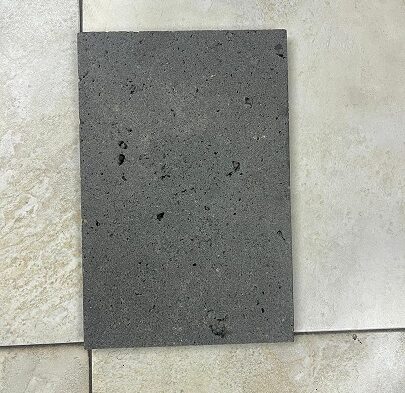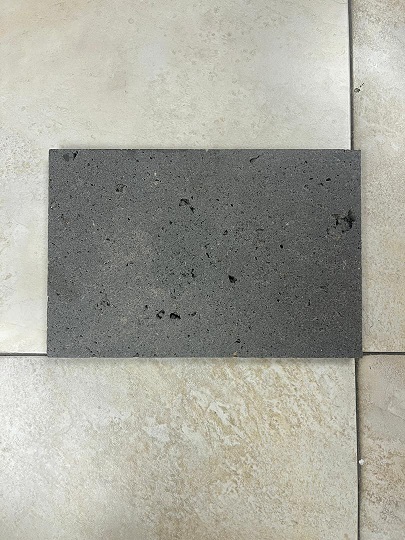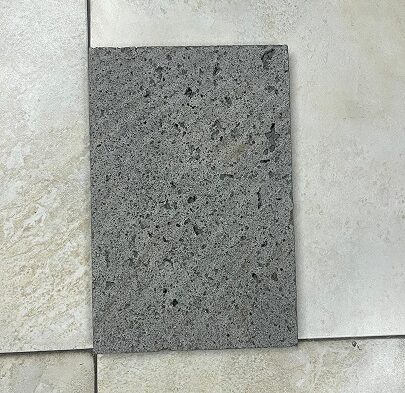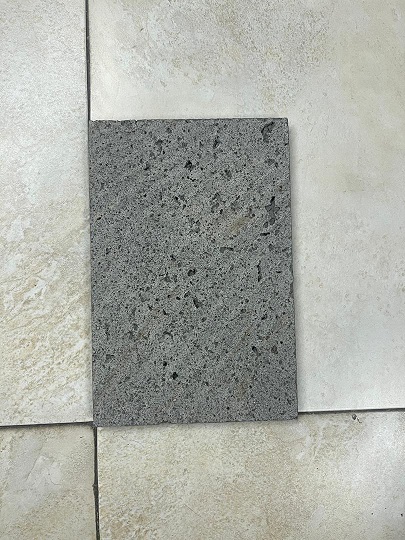
Best Market for Basalt Stone

Global Opportunities

Basalt stone is strong, durable, and visually striking. Because of these qualities, it is increasingly used in construction, architecture, and landscaping projects around the world. If you are a supplier or exporter, identifying the best market for basalt stone will help you expand faster and increase profit.

Why Basalt Stone Is Gaining Popularity

Basalt stone forms from volcanic lava, and it offers unmatched strength. In addition, its dark and elegant appearance makes it ideal for luxury and minimalist designs. Builders and architects prefer basalt because it:

  • Resists weather, heat, and heavy use

  • Supports eco-friendly and sustainable projects

  • Adapts easily for paving, cladding, and flooring

  • Adds style to both indoor and outdoor spaces

As a result, global demand for basalt continues to rise year after year.

Best Global Markets for Basalt Stone

1. Europe: Design and Sustainability

Europe remains one of the strongest markets for basalt stone. Countries such as Germany, Italy, and France invest heavily in sustainable construction, and basalt fits perfectly with this demand. Furthermore, the luxury housing sector in the UK and Scandinavia often chooses basalt tiles and paving stones for high-end projects.

2. North America: Expanding Urban Development

In the United States and Canada, basalt supports both landscaping and road construction. Moreover, the rising popularity of outdoor living spaces creates steady demand. Contractors actively choose basalt because it lasts longer than many alternatives while offering a sleek and modern look.

3. Middle East: Mega Projects and Innovation

The Middle East is experiencing rapid growth in real estate and infrastructure. Countries such as Saudi Arabia, UAE, and Qatar include basalt in mega projects ranging from airports to city centers. Since basalt withstands extreme heat, it performs exceptionally well in the region’s hot climate.

4. Asia-Pacific: Fast-Growing Demand

In the Asia-Pacific region, countries including China, India, and Japan create some of the strongest growth opportunities. Rapid urbanization, combined with large government infrastructure programs, boosts demand every year. In fact, basalt often becomes the material of choice for flooring, cladding, and public landscaping projects.

Main Commercial Uses of Basalt Stone

Construction and Architecture

Developers rely on basalt tiles, slabs, and cladding panels for both commercial and residential projects. They choose basalt because it blends modern style with lasting strength.

Landscaping and Urban Spaces

Basalt cobblestones and paving blocks dominate gardens, plazas, and walkways. They not only provide elegance but also guarantee durability.

Industrial Applications

Engineers use basalt aggregates and fibers in roads, composites, and advanced manufacturing projects. Consequently, basalt expands beyond construction and enters innovative industries.

Where to Focus Sales Efforts

The best markets for basalt stone include Europe, North America, the Middle East, and Asia-Pacific. Each region offers unique potential, yet success depends on delivering consistent quality and customer-focused solutions. When suppliers emphasize sustainability and reliability, they gain strong positions in these expanding markets.

https://www.rockstone.biz/best-natural-sto…arking-lot-floor/

what is stone basalt

rockstone company

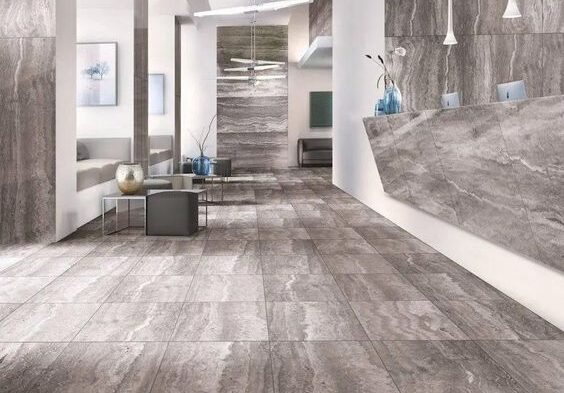
Dark Silver Travertine Indoor Flooring

Best Price for Travertine Tiles

When it comes to designing the heart of your home, the kitchen floor plays a vital role. It must handle high foot traffic, resist spills, and stay stylish over time. That’s why many homeowners choose stone tiles for their kitchen floor—offering both beauty and durability. But with so many options available, which one is best Best Price for Travertine Tiles

Why Choose Stone Tiles for Kitchen Flooring?

Stone tiles are a smart investment for kitchens. Not only do they offer long-lasting performance, but they also add timeless appeal to your space. In fact, natural stone instantly upgrades your home’s value and aesthetics.

Benefits of Using Stone in the Kitchen:

  • Highly durable – Withstands heat, spills, and heavy traffic

  • Easy to clean – Great for busy families and cooking enthusiasts

  • Naturally beautiful – Adds texture, color, and elegance

  • Available in various styles – Matches modern, rustic, or classic kitchens

  • Eco-friendly and sustainable – A natural, recyclable material

Because kitchens are high-use areas, choosing the right stone tile matters. The best options combine function with visual appeal—giving you a floor that looks great and lasts for decades.

Top 4 Best Stone Tiles for Kitchen Floors

Although there are many stone types, some perform better in kitchen settings than others. Below are the top stone tiles that balance durability, design, and ease of maintenance.

1. Slate: Textured and Slip-Resistant

Slate is one of the most popular stone options for kitchens. It has a naturally textured surface, which provides excellent slip resistance—especially important in areas prone to spills.

Why Choose Slate:

  • Durable and moisture-resistant

  • Dark tones hide dirt and stains

  • Works well with rustic and modern styles

Best for: Busy kitchens, especially in cooler or humid climates.

2. Travertine: Warm and Inviting

Travertine is a type of limestone known for its soft, warm tones. When sealed properly, it becomes a durable and stylish option for kitchen floors.

Advantages:

  • Comfortable underfoot

  • Timeless, earthy aesthetic

  • Available in honed, tumbled, or brushed finishes

Best for: Mediterranean-style or farmhouse kitchens.

3. Granite: Extremely Durable and Sleek

Granite is a great choice if you want both beauty and toughness. It resists heat, scratches, and staining when sealed, making it ideal for active kitchens.

Why It Works:

  • Highly durable and low-maintenance

  • Wide range of colors and natural patterns

  • Great for contemporary kitchens

Best for: High-traffic areas and modern home designs.

4. Marble: Elegant Yet Practical

Marble brings a luxurious touch to kitchen flooring. While it’s slightly softer than other stones, proper sealing can protect it from stains and wear.

Key Benefits:

  • Polished, upscale appearance

  • Ideal for light, open kitchen layouts

  • Adds value to high-end properties

Best for: Elegant or classic kitchen designs.

How to Choose the Right Stone Tile

Before selecting, consider your lifestyle and kitchen usage. For example, if you cook often and worry about spills, go for textured stones like slate or honed travertine. On the other hand, if you prioritize elegance, marble or polished granite may be better.

Additionally, make sure your stone tile is sealed regularly to extend its life and protect its finish.

Final Thoughts: A Floor That Works as Hard as You Do

Ultimately, the best stone tiles for kitchen floors blend function, beauty, and strength. Whether you prefer the earthy warmth of travertine, the durability of granite, or the charm of slate, stone flooring is a timeless choice. So, invest wisely—and enjoy a kitchen that’s as reliable as it is refined.

https://www.rockstone.biz/how-to-prevent-s…es-from-cracking/

Best Stone Tiles for Kitchen Floor

rock stone company 

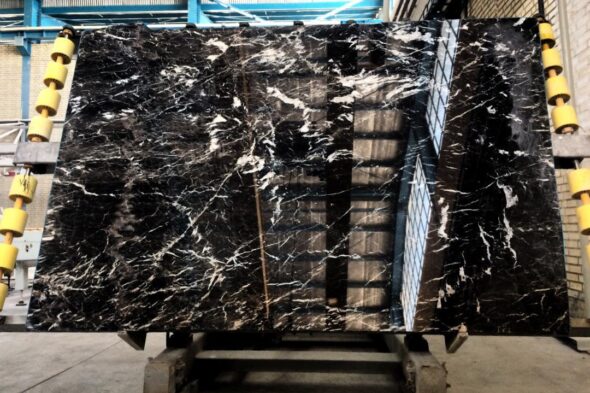
Black and Gold Marble

Can You Put Stone Tile on Drywall

? What You Need to Know

Stone tile instantly elevates the look of kitchens, bathrooms, and accent walls. Its natural texture and durability make it a popular choice for homeowners and designers alike. But a common question arises during installation: Can you put stone tile on drywall? The short answer is yes—but only under the right conditions.

Is Drywall Suitable for Stone Tile?

Drywall, also known as gypsum board or sheetrock, is commonly used in interior walls. While it can support lighter tiles like ceramic, heavier natural stone tiles require more consideration. In some cases, drywall is acceptable. However, in others—especially where moisture or weight is a factor—it’s not the best option.

When It’s Okay to Use Drywall

  • Dry, Interior Walls: Accent walls in living rooms or bedrooms.

  • Lightweight Stone Veneers: Manufactured stone panels made for easy installation.

  • Small Projects: Backsplashes or decorative niches that don’t carry much weight.

However, even in these situations, proper prep work is essential for long-term success.

Why Stone Tile Needs a Strong Substrate

Stone tiles are significantly heavier than porcelain or ceramic tiles. Because of this, drywall may not offer the support needed for long-lasting adhesion—especially over time or in humid environments.

Risks of Installing Stone on Drywall

  • Cracking or Falling Tiles

  • Moisture Damage and Mold

  • Sagging Walls or Adhesive Failure

  • Expensive Repairs Later On

Therefore, knowing when and how to reinforce your wall is key to a safe and durable install.

Best Practices for Installing Stone Tile Over Drywall

If you do choose to install stone tile on drywall, follow these professional tips to ensure a stable, long-lasting finish.

1. Check the Wall Condition

The drywall must be flat, dry, and securely fastened to wall studs. Any movement, holes, or water damage must be repaired first. Otherwise, the tiles may not adhere properly.

2. Use the Right Adhesive

Choose a high-strength polymer-modified thinset mortar specifically rated for stone. Unlike mastic or standard glue, this adhesive provides better bonding and weight support.

3. Consider a Backer Board for Heavy Tiles

If your tiles are natural stone (like marble, slate, or travertine), it’s best to install a cement backer board over the drywall. This provides a stronger, moisture-resistant base and helps avoid tile failure down the road.

4. Seal and Maintain

Natural stone is porous. Therefore, sealing it after installation helps protect against stains and water absorption—especially in kitchens and bathrooms.

Final Verdict: Can You Do It?

Yes, you can install stone tile on drywall, but only in low-moisture, low-impact areas and with proper adhesive and prep. For high-traffic or wet zones, using cement backer board is a much safer and more professional approach.


Need Expert Help?

Our team offers stone tile installation services that are safe, clean, and built to last. Whether you’re tiling a fireplace, backsplash, or feature wall, we can ensure it’s done right. Contact us today for a free quote and expert advice!

https://www.rockstone.biz/popular-stone-cubes/

Farzin Rock Stone company   

iranian Light Brown Marble stone , tile or slab for export 

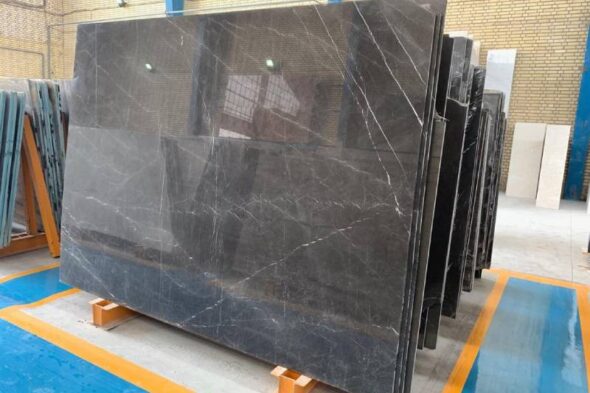
pietra grey marble

Grey Stone Tiles Outdoor

Modern Elegance That Withstands the Elements

Looking to elevate your outdoor space with style and durability? Grey stone tiles for outdoor areas are an increasingly popular choice among homeowners, designers, and builders alike. Whether you’re renovating a patio, pool deck, or garden walkway, these tiles offer the perfect blend of sophistication and strength.

Gray Ash Limestone
Gray Ash Limestone

Why Grey Stone Tiles Are Ideal for Outdoor Use

Grey stone tiles not only enhance curb appeal but also provide a practical surface that withstands changing weather conditions. Because of their neutral tone, they work beautifully with various exterior color palettes and design styles.

Key Benefits of Grey Stone Tiles Outdoors:

  • Durable and weather-resistant – Perfect for year-round exposure

  • Low maintenance – Requires minimal upkeep

  • Non-slip textures – Safer for wet areas like pool decks and patios

  • Timeless and modern – Matches both classic and contemporary designs

  • Natural heat control – Reflects sunlight and stays cooler underfoot

Moreover, grey tones conceal dirt and stains better than lighter or pure white tiles, making them especially suitable for outdoor living areas.

Top Grey Stone Tile Options for Exterior Projects

Although many stones come in grey shades, some materials stand out for their durability and visual impact. Let’s explore the best options for outdoor use.

1. Slate Tiles: Textured and Slip-Resistant

Slate is a natural choice for outdoor flooring thanks to its tough surface and weather resilience. Additionally, grey slate tiles provide a rugged, organic appearance that complements gardens and natural landscapes.

Why Slate Works Well:

  • Naturally textured and slip-resistant

  • Available in various grey shades, from light silver to charcoal

  • Long-lasting even in wet or icy conditions

Best for: Walkways, patios, and outdoor stairs.

2. Granite Tiles: Sleek and Super Strong

Granite offers incredible strength and a polished, elegant look. When flamed or bush-hammered for outdoor use, grey granite becomes both slip-resistant and highly durable.

Advantages:

  • Resistant to heat, moisture, and wear

  • Suitable for high-traffic areas

  • Adds a sleek, premium finish

Best for: Driveways, terraces, and outdoor kitchens.

3. Limestone Tiles: Soft Grey and Stylish

Limestone is often chosen for its soft tones and smooth textures. With proper sealing, grey limestone becomes a sophisticated and functional choice for outdoor areas.

What to Love:

  • Subtle, warm grey tones

  • Comfortable under bare feet

  • Can be sealed to resist moisture

Best for: Courtyards, verandas, and garden paths.

Choosing the Right Grey Stone Tile for Your Outdoors

While aesthetics are important, it’s equally crucial to consider function. For instance, slate and granite are better for wetter zones because of their slip resistance. On the other hand, limestone is ideal for shaded or low-traffic areas due to its slightly softer nature.

Also, always look for outdoor-rated tiles with the appropriate thickness and surface treatment. Installing stone on a properly graded base ensures long-term durability.

Final Thoughts: Style That’s Built to Last

Grey stone tiles for outdoor use combine natural strength with timeless style. Whether you prefer the rugged charm of slate, the clean look of granite, or the elegance of limestone, grey tiles can completely transform your outdoor living space. So, invest in high-quality stone today—and enjoy beauty that endures for years to come.

https://www.rockstone.biz/best-price-for-marble-tiles/

Best Stone for Export

rockstone company

Best Stone Tiles for Kitchen Floor

Durable, Stylish, and Built to Last

When it comes to designing the heart of your home, the kitchen floor plays a vital role. It must handle high foot traffic, resist spills, and stay stylish over time. That’s why many homeowners choose stone tiles for their kitchen floor—offering both beauty and durability. But with so many options available, which one is best?

Brown-Onyx
Brown-Onyx

Why Choose Stone Tiles for Kitchen Flooring?

Stone tiles are a smart investment for kitchens. Not only do they offer long-lasting performance, but they also add timeless appeal to your space. In fact, natural stone instantly upgrades your home’s value and aesthetics.

Benefits of Using Stone in the Kitchen:

  • Highly durable – Withstands heat, spills, and heavy traffic

  • Easy to clean – Great for busy families and cooking enthusiasts

  • Naturally beautiful – Adds texture, color, and elegance

  • Available in various styles – Matches modern, rustic, or classic kitchens

  • Eco-friendly and sustainable – A natural, recyclable material

Because kitchens are high-use areas, choosing the right stone tile matters. The best options combine function with visual appeal—giving you a floor that looks great and lasts for decades.

Top 4 Best Stone Tiles for Kitchen Floors

Although there are many stone types, some perform better in kitchen settings than others. Below are the top stone tiles that balance durability, design, and ease of maintenance.

1. Slate: Textured and Slip-Resistant

Slate is one of the most popular stone options for kitchens. It has a naturally textured surface, which provides excellent slip resistance—especially important in areas prone to spills.

Why Choose Slate:

  • Durable and moisture-resistant

  • Dark tones hide dirt and stains

  • Works well with rustic and modern styles

Best for: Busy kitchens, especially in cooler or humid climates.

2. Travertine: Warm and Inviting

Travertine is a type of limestone known for its soft, warm tones. When sealed properly, it becomes a durable and stylish option for kitchen floors.

Advantages:

  • Comfortable underfoot

  • Timeless, earthy aesthetic

  • Available in honed, tumbled, or brushed finishes

Best for: Mediterranean-style or farmhouse kitchens.

3. Granite: Extremely Durable and Sleek

Granite is a great choice if you want both beauty and toughness. It resists heat, scratches, and staining when sealed, making it ideal for active kitchens.

Why It Works:

  • Highly durable and low-maintenance

  • Wide range of colors and natural patterns

  • Great for contemporary kitchens

Best for: High-traffic areas and modern home designs.

4. Marble: Elegant Yet Practical

Marble brings a luxurious touch to kitchen flooring. While it’s slightly softer than other stones, proper sealing can protect it from stains and wear.

Key Benefits:

  • Polished, upscale appearance

  • Ideal for light, open kitchen layouts

  • Adds value to high-end properties

Best for: Elegant or classic kitchen designs.

How to Choose the Right Stone Tile

Before selecting, consider your lifestyle and kitchen usage. For example, if you cook often and worry about spills, go for textured stones like slate or honed travertine. On the other hand, if you prioritize elegance, marble or polished granite may be better.

Additionally, make sure your stone tile is sealed regularly to extend its life and protect its finish.

Final Thoughts: A Floor That Works as Hard as You Do

Ultimately, the best stone tiles for kitchen floors blend function, beauty, and strength. Whether you prefer the earthy warmth of travertine, the durability of granite, or the charm of slate, stone flooring is a timeless choice. So, invest wisely—and enjoy a kitchen that’s as reliable as it is refined.

Can You Seal Marble

rockstone company

Pietra Grey Marble

Best Stone Tile for Villas

Best Stone Tile for Villas: Luxury, Durability, and Lasting Style

Designing or upgrading a villa requires thoughtful decisions, especially when it comes to flooring. If you’re aiming for a balance between elegance and long-term performance, natural stone tile is an ideal solution. Not only does it elevate aesthetics, but it also enhances property value. However, to make the right choice, it’s essential to understand the best stone tile for villas based on your location, style, and lifestyle.

Black Marquina
Black Marquina

Why Stone Tile Is the Top Choice for Villa Flooring

Villas are often associated with refined architecture, open spaces, and high-end finishes. Because of this, stone tiles are a natural fit—they offer a luxurious look while standing up to everyday wear. Moreover, they work just as well outdoors as they do indoors, making them incredibly versatile.

Benefits of Stone Tile in Villas:

  • Timeless elegance – Enhances the overall appearance of your home

  • Extreme durability – Suitable for both foot traffic and changing weather

  • Natural climate control – Keeps floors cooler in warm regions

  • Design flexibility – Matches a wide range of architectural styles

  • Value-adding – Boosts real estate appeal and resale potential

In addition, stone tiles are eco-friendly and easy to maintain over time. Because they last for decades, they’re a smart investment.

Top 4 Best Stone Tiles for Villas

Although there are several stone types to choose from, some stand out more than others in villa settings. Each option brings something unique in terms of appearance, function, and feel.

1. Marble: The Ultimate in Luxury

Marble is synonymous with upscale interiors. Its smooth surface and natural veining bring a sense of sophistication that few materials can match. Furthermore, marble reflects light beautifully, making spaces feel brighter and larger.

Why It’s Ideal:

  • Highly polished for a glamorous finish

  • Cool underfoot—great for hot climates

  • Available in various shades and patterns

Best used in: Entryways, living rooms, and bathrooms.

2. Travertine: Warm and Welcoming

Travertine is a form of limestone known for its earthy tones and textured feel. As a result, it’s often chosen for villas with Mediterranean or rustic designs. Even better, it stays cool underfoot, which is ideal for outdoor areas.

Key Advantages:

  • Naturally non-slip

  • Complements outdoor landscaping

  • Can be honed or tumbled for different finishes

Best used in: Patios, walkways, and pool decks.

3. Granite: Unmatched Strength and Style

Granite is one of the hardest natural stones available. Not only is it resistant to scratches and stains, but it also maintains its color and shine for years. Because of its durability, granite is perfect for high-traffic areas.

Why It’s Worth Considering:

  • Low maintenance

  • Withstands weather and heavy use

  • Offers a clean, modern look

Best used in: Kitchens, driveways, and stairs.

4. Slate: Natural Texture and Modern Charm

Slate is ideal for villas that blend rustic charm with contemporary elegance. Thanks to its matte finish and rich tones, it adds depth to both indoor and outdoor spaces.

Notable Benefits:

  • Slip-resistant

  • Great for cooler climates

  • Requires minimal upkeep

Best used in: Roof terraces, feature walls, and shaded paths.

How to Choose the Right Stone Tile for Your Villa

To make the best decision, consider the function of each space. For instance, granite suits heavy-use areas, while travertine is great for outdoor relaxation zones. Additionally, think about your climate—some stones stay cooler in direct sun, while others perform better in rainy conditions.

Beyond that, work with a professional tile installer to ensure long-lasting results. A well-installed stone floor doesn’t just look great—it lasts for decades.

Final Thoughts: Invest in Timeless Beauty

In conclusion, the best stone tile for villas will combine aesthetics, performance, and comfort. Whether you prefer the elegance of marble, the warmth of travertine, the durability of granite, or the texture of slate, each offers long-term value. Therefore, choose the stone that aligns with your villa’s style—and enjoy flooring that complements your luxury lifestyle.

https://www.rockstone.biz/best-stone-tile-for-bathroom/

Slate stone

rockstone company

granite_stone

Best Stone Tiles for Outdoor Spaces

Durable, Weather-Resistant & Stylish

Choosing the best stone tiles for outdoor spaces is essential if you want a surface that not only looks beautiful but also withstands the elements. Whether it’s for a patio, walkway, poolside, or garden path, natural stone tile adds timeless appeal and lasting performance to any exterior area.

granite stone

Why Stone Tiles Are a Smart Choice for Outdoor Use

Unlike synthetic materials, natural stone blends perfectly with the outdoor environment. Not only is it durable and low-maintenance, but it also adds value and character to your home. Additionally, most stone types offer excellent slip resistance and temperature control, making them ideal for outdoor applications.

Key Benefits of Outdoor Stone Tile:

  • Withstands extreme weather and UV exposure

  • Offers non-slip surfaces when properly textured

  • Requires minimal upkeep with proper sealing

  • Enhances curb appeal and property value

Because of their strength and natural look, stone tiles remain one of the top choices for homeowners upgrading their outdoor spaces.

Top 4 Best Stone Tiles for Outdoor Areas

Although there are many stone options available, some perform better outdoors due to their texture, density, and resistance to moisture and heat. Below are the most recommended stone tiles for patios, pool decks, and other outdoor surfaces.

1. Slate Tile: Slip-Resistant and Textured

Slate is one of the best options for outdoor use due to its rugged surface and resistance to moisture. In addition, it comes in a wide range of colors like gray, rust, green, and black.

Pros:

  • Naturally slip-resistant

  • Holds up well in wet or cold conditions

  • Rich, earthy tones blend well outdoors

Cons:

  • Needs sealing to prevent flaking

  • Some types may vary in thickness

Best for: Patios, garden paths, and outdoor kitchens.

2. Travertine Tile: Cool and Comfortable

Travertine is a favorite for outdoor pool areas and patios. It remains cool underfoot, even on hot days, making it ideal for barefoot areas.

Pros:

  • Cool to the touch, even in direct sun

  • Non-slip finish when tumbled or honed

  • Natural, neutral tones for any design

Cons:

  • Porous and needs regular sealing

  • Softer than granite or slate

Best for: Pool decks, walkways, and sun lounges.

3. Granite Tile: Tough and Weather-Proof

Because of its density and strength, granite handles heavy foot traffic and harsh weather effortlessly. Moreover, it comes in many color options, from deep black to light gray.

Pros:

  • Extremely hard and durable

  • Resistant to water, stains, and heat

  • Minimal maintenance

Cons:

  • Slippery when polished

  • Heavier and more expensive

Best for: Driveways, patios, and high-use walkways.

4. Limestone Tile: Natural and Subtle

Limestone offers a soft, natural look perfect for contemporary and traditional outdoor spaces. Though more porous, it performs well when sealed properly.

Pros:

  • Soft, neutral color tones

  • Easy to cut and install

  • Matches a wide range of outdoor aesthetics

Cons:

  • Requires regular sealing

  • Less durable in extreme climates

Best for: Courtyards, verandas, and garden seating areas.

How to Choose the Best Outdoor Stone Tile

Before you decide, consider the following:

  • Climate: Choose a stone that suits your local weather.

  • Slip resistance: Textured finishes help prevent accidents.

  • Maintenance level: Some stones need more care than others.

  • Design vision: Pick tones and textures that complement your landscape.

Furthermore, make sure your base is properly prepared to avoid shifting or cracking over time.

Final Thoughts: Beauty Built to Last

Ultimately, the best stone tile for outdoor use combines strength, style, and safety. Slate and travertine are perfect for comfort and texture, while granite and limestone bring elegance and durability. With the right choice, your outdoor space will be both beautiful and built to withstand the test of time.

https://www.rockstone.biz/best-price-for-onyx-tiles/

Slate stone

Farzin Rock stone  company

Brown-Onyx

Best Stone Tile for Kitchen

Durable, Stylish, and Long-Lasting

When it comes to upgrading your kitchen, choosing the best stone tile is one of the smartest investments you can make. Not only does stone tile offer timeless beauty, but it also delivers unmatched durability in a high-traffic, high-moisture environment.

Honey Onyx: What you need to know

Why Stone Tile Works So Well in Kitchens

Stone tile continues to gain popularity in modern kitchens—and for good reason. It combines elegance with performance, making it perfect for both small and large spaces.

  • Durability: Natural stone withstands heavy foot traffic and wear.

  • Heat resistance: Ideal near stoves, ovens, and hot appliances.

  • Low maintenance: With proper sealing, it’s easy to clean and stain-resistant.

  • Timeless style: Adds natural texture and boosts resale value.

Moreover, stone tile works well with radiant heating systems, giving you a comfortable and stylish kitchen floor all year round.

Top 4 Best Stone Tiles for Kitchen Floors

While several stone tiles are suitable for kitchens, not all are equal in performance or aesthetics. Below are the most recommended types:

1. Slate Tile: Rustic and Slip-Resistant

Slate is an excellent choice for kitchens where traction matters. Because of its naturally textured surface, it offers slip resistance even when wet.

Pros:

  • Earthy, natural tones that hide dirt

  • Excellent for rustic or industrial designs

  • Naturally non-slip and durable

Cons:

  • May require leveling due to uneven surfaces

  • Needs sealing to prevent moisture absorption

Best for: Farmhouse, industrial, or traditional-style kitchens.

2. Granite Tile: Hard and Stain-Resistant

If you’re looking for maximum durability, granite is hard to beat. Not only is it scratch-resistant, but it also handles heat and spills with ease.

Pros:

  • Extremely tough and long-lasting

  • Comes in many colors and patterns

  • Great for high-use kitchens

Cons:

  • Can be slippery if polished

  • Heavier and usually more costly

Best for: High-traffic kitchens or homes with children and pets.

3. Travertine Tile: Warm and Textured

Travertine offers natural warmth and subtle texture. As a result, it creates a cozy and inviting kitchen atmosphere.

Pros:

  • Non-slip when honed or tumbled

  • Softer, neutral color palette

  • Comfortable to walk on

Cons:

  • Porous and prone to etching

  • Needs regular sealing

Best for: Mediterranean, rustic, or warm-toned kitchen spaces.

4. Marble Tile: Elegant and Timeless

For those who want to make a bold design statement, marble is a classic choice. Although it requires more maintenance, its luxurious look is hard to beat.

Pros:

  • Stunning veining and polished finish

  • Boosts home value

  • Available in many shades and styles

Cons:

  • Prone to staining and scratching

  • Can be slippery when wet

Best for: Upscale kitchens and open-concept living areas.

How to Choose the Right Stone Tile for Your Kitchen

Before making a final decision, consider these key factors:

  • Functionality: Choose textured finishes for safety.

  • Maintenance: Some stones need regular sealing.

  • Design match: Coordinate with cabinets, counters, and lighting.

  • Budget: Think long-term—stone is an investment.

Additionally, make sure your subfloor is ready to support the weight of natural stone. This ensures longevity and avoids future issues.

Final Thoughts: Style Meets Strength

Ultimately, the best stone tile for kitchen floors depends on your lifestyle, design preferences, and maintenance expectations. Whether you go with slate for safety, granite for strength, travertine for comfort, or marble for elegance, stone tile delivers style and reliability that lasts for decades.

https://www.rockstone.biz/best-stone-tile-for-bedroom/

rockstone company

alabaster slab

Best Stone Tile for Bedroom

Style, Comfort & Natural Elegance

Stone tile is no longer just for kitchens and bathrooms—it’s becoming a popular flooring option in bedrooms thanks to its durability, low maintenance, and natural charm. If you’re considering upgrading your bedroom flooring, choosing the best stone tile can create a peaceful, stylish retreat that lasts for decades.

Why Stone Tile Works in Bedrooms

Unlike traditional hardwood or carpet, natural stone offers a unique blend of sophistication and practicality. While it may not be the first material you think of for bedroom flooring, here’s why stone tile makes an excellent choice:

  • Hypoallergenic: Stone does not trap dust or allergens like carpet.

  • Durable: Withstands wear and resists scratches.

  • Natural Beauty: Every tile is one-of-a-kind with rich textures and colors.

  • Ideal for Radiant Heating: Stone retains warmth when paired with heated floors.

Top 4 Best Stone Tiles for Bedroom Floors

Not all stone tiles are created equal. The right choice depends on your style preferences, climate, and maintenance needs. Below are the top stone tiles suited for bedrooms:

1. Limestone Tile: Soft and Subtle

Limestone offers a calm, neutral appearance with a smooth matte finish. Its soft tones—beige, cream, and light gray—create a relaxed and natural bedroom vibe.

Pros:

  • Warm, earthy tones

  • Soft texture underfoot

  • Ideal for Mediterranean or modern decor

Cons:

  • More porous than other stones

  • Requires regular sealing

Best for: Bedrooms aiming for a serene, minimalist look.

2. Travertine Tile: Classic and Cozy

Travertine has a naturally weathered look that brings warmth and character. It’s perfect for cozy, rustic, or Tuscan-inspired bedroom interiors.

Pros:

  • Textured surface adds visual depth

  • Good traction

  • Pairs well with radiant heating

Cons:

  • Porous and needs sealing

  • Can show wear if not properly maintained

Best for: Bedrooms with rustic or traditional aesthetics.

3. Marble Tile: Luxurious and Timeless

If you’re looking for elegance, marble is the go-to option. With its high-end veining and polished finish, marble tile turns any bedroom into a sophisticated suite.

Pros:

  • Timeless beauty

  • Boosts home value

  • Available in a range of colors

Cons:

  • Slippery when polished

  • Prone to etching and staining

Best for: Master bedrooms and upscale interior designs.

4. Slate Tile: Natural and Durable

Slate brings bold, natural texture to your floors. Its rich color variations—charcoal, rust, green—can add visual interest and depth to any bedroom.

Pros:

  • Naturally slip-resistant

  • Highly durable

  • Great for high-traffic bedrooms

Cons:

  • Uneven surface if not honed

  • Dark tones may not suit all styles

Best for: Modern, industrial, or nature-inspired rooms.

Choosing the Right Stone Tile for Your Bedroom

When selecting a stone tile for your bedroom, consider:

  • Comfort: Choose a finish that feels smooth underfoot.

  • Color palette: Match tones to your bedroom theme.

  • Maintenance: Know the sealing and cleaning needs.

  • Temperature: Pair with radiant heating for year-round comfort.

Final Thoughts: Invest in Comfort and Style

The best stone tile for your bedroom blends functionality with design. Whether you love the warmth of travertine, the elegance of marble, or the durability of slate, there’s a stone tile that fits your vision. With proper installation and care, stone flooring can elevate your bedroom into a peaceful, luxurious sanctuary.

https://www.rockstone.biz/best-stone-tile-for-villas/

Gohareh limestone slab

How Stone Tiles Are Made

The Journey from Rock to Elegance

Stone tiles are known for their strength, beauty, and timeless appeal. But have you ever asked yourself how stone tiles are made? Understanding this process not only helps you appreciate their craftsmanship, but also guides smarter purchasing decisions.

Unveiling the Composition of Travertine Stone

From the rugged quarry to the polished floor beneath your feet, each stone tile follows a carefully planned process that blends nature and technology.

Step 1: Sourcing Natural Stone from Quarries

The journey begins at stone quarries, where massive blocks of stone—like marble, granite, slate, or travertine—are extracted from the earth. This step lays the foundation for the entire tile-making process.

How It Happens

Workers use diamond wire saws, drills, or controlled explosions to extract large stone blocks. Then, these blocks are transported to processing facilities. Because stone is extremely heavy and valuable, safe and efficient transport is critical.

Step 2: Cutting Blocks into Slabs and Tiles

Once the stone arrives at the factory, cutting transforms raw blocks into flat slabs. These slabs will eventually become the tiles we see in homes and buildings.

Precision Cutting

Machines like gang saws or diamond blade saws cut the stone with great accuracy. Next, those slabs are trimmed into tile-sized pieces using laser-guided tools. Since consistency matters, each tile is shaped to meet strict size and thickness requirements.

Step 3: Surface Finishing Enhances Appearance

At this stage, each tile receives a finish that brings out its color and texture. This step not only boosts visual appeal but also affects performance in different spaces.

Popular Stone Tile Finishes

  • Polished: High-gloss shine, perfect for formal interiors

  • Honed: Smooth but matte, ideal for modern spaces

  • Brushed or tumbled: Textured for rustic or slip-resistant surfaces

  • Flamed: Rough and rugged, often used outdoors

Because each finish changes how the stone feels and looks, buyers should choose one that matches the room’s use and design.

Step 4: Quality Control and Sorting

Each tile undergoes a detailed inspection for defects like cracks, uneven color, or thickness issues. As a result, only the highest-quality tiles are labeled “premium grade.” Lower-grade tiles may still be used in less visible areas or repurposed for decorative purposes.

Step 5: Packaging and Global Delivery

Finally, the tiles are carefully packed to prevent damage during transport. Labels identify the stone type, finish, and batch. From there, they’re shipped to distributors, showrooms, or construction sites around the world.

Final Thoughts: From Quarry to Quality

Now that you understand how stone tiles are made, you’ll see each tile as more than just a surface—it’s the result of nature, skilled labor, and precision engineering. Whether you’re choosing tiles for a luxury hotel or a cozy kitchen, this knowledge helps you select with confidence.

Invest in stone tiles, and you’re choosing beauty that lasts for decades.

https://www.rockstone.biz/best-stone-tiles/

Best Way to Cut Sandstone