Trends, Growth, Forecasts, and Commercial Insights
Travertine — a natural sedimentary limestone prized for its aesthetic elegance, durability, and thermal properties — has become a cornerstone material in architecture, interior design, flooring, and landscaping. As global construction and renovation activities expand, the travertine market is experiencing strategic shifts driven by sustainability priorities, technological innovations, and evolving design trends.
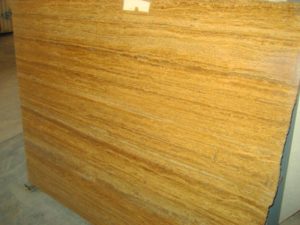
This comprehensive guide explores current market size, growth drivers, regional dynamics, competitive landscape, and future opportunities, making it a valuable resource for suppliers, investors, architects, and stakeholders.
What Is Travertine and Why It Matters
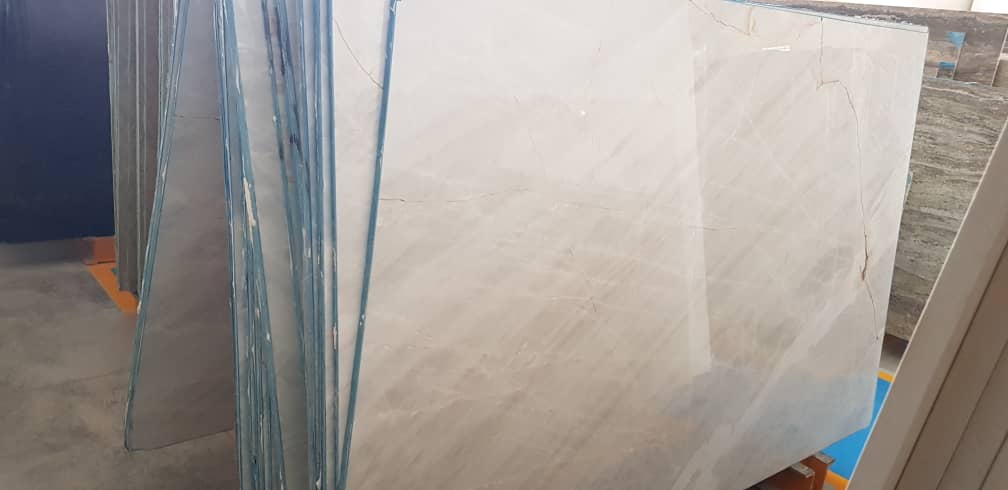
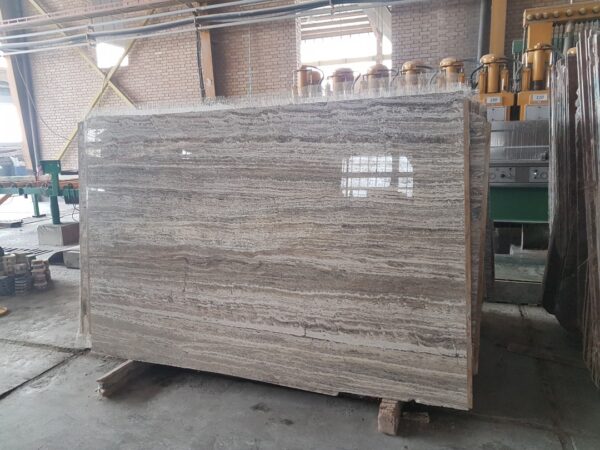
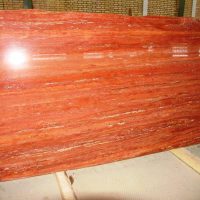
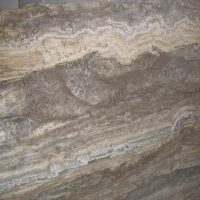
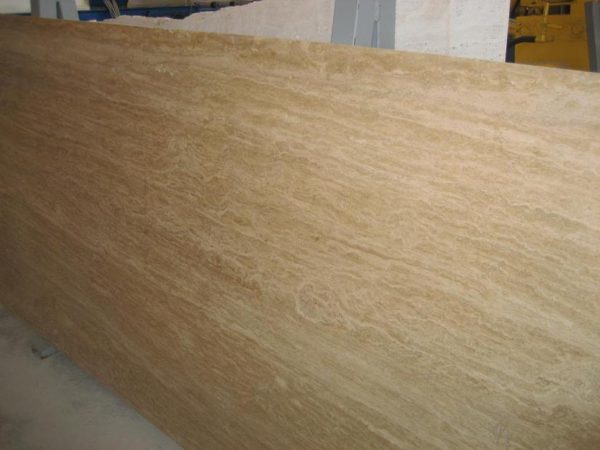
Travertine is a porous natural stone formed by the precipitation of calcium carbonate from hot springs or limestone caves. Its unique texture, organic colors (ranging from beige, cream, and ivory to gold and silver), and versatile finishes (polished, honed, brushed, tumbled) make it a highly sought-after material in commercial and residential projects alike. Market Research Future
In commercial contexts, travertine is valued for:
Aesthetic appeal — adds timeless luxury to floors, façades, and interior walls.
Durability and slip resistance — suitable for high-traffic zones and outdoor use.
Thermal properties — natural insulation can help moderate building energy use. 24 Chemical Research
Market Size and Growth Projections
H3: Current Valuation
According to Market Research Future, the travertine market was valued at approximately USD 3.55 billion in 2024 and is projected to expand to USD 5.16 billion by 2035, achieving a CAGR (Compound Annual Growth Rate) of about 3.44% over 2025–2035. Market Research Future
Another industry analysis suggests the travertine segment — especially travertine stone tiles — could reach USD 1.1 billion by 2032, driven by the material’s sustainable attributes and design versatility. 24 Chemical Research
Market Forecast Highlights
| Metric | 2024 | 2030 | 2035 |
|---|---|---|---|
| Estimated Market Size | ~USD 3.55B | USD ~4.4B – 5.1B | USD ~5.15B |
| CAGR | — | ~3.4% | — |
| Growth Drivers | Natural stones, construction | Sustainability, luxury design | Urbanization & renovation |
These figures position travertine as a steady, mid- to long-term growth market, reflecting global construction trends and demand for natural materials. Market Research Future+1
Key Market Drivers and Trends
Sustainability and Eco-Friendliness
One of the most influential market forces today is the preference for sustainable and eco-friendly building materials. Travertine is perceived as a lower-impact alternative to synthetic tiles because it:
Requires significantly less processing energy than ceramic and porcelain.
Produces negligible VOC (Volatile Organic Compound) emissions.
Can contribute to green building certifications such as LEED. 24 Chemical Research
A recent industry review noted:
“Travertine’s minimal ecological footprint and innate beauty position it as a sustainable material choice in modern architecture.” — Industry trend analysis. 24 Chemical Research
Construction and Renovation Boom
With global urbanization and infrastructure spending rising — especially in Asia-Pacific and Middle Eastern megaprojects — travertine demand is bolstered by:
Residential construction, particularly luxury homes and estate developments.
Commercial projects (hotels, shopping centers, office spaces).
High-profile renovation and restoration ventures. Chemical Research Insight
Technological Advancements in Production
Industry players are investing in automation, precision cutting, nano-coating technologies, and water recycling systems that:
Reduce waste by 30–95% in quarrying and processing.
Improve durability and surface performance.
Enable intricate design applications previously unattainable. 24 Chemical Research
These innovations widen travertine’s usage across decorative architectural elements, not just traditional flooring.
Market Segments and Specialized Applications
Flooring and Wall Cladding
Travertine remains a top choice for interior and exterior flooring and wall cladding, prized for its:
Slip resistance in high-traffic commercial zones.
Warm, natural appearance favored by architects.
Compatibility with minimalist and contemporary designs. 24 Chemical Research
Outdoor Landscaping and Hardscaping
Outdoor applications — patios, walkways, and pool surrounds — represent a growing segment. Market drivers here include durability and maintenance advantages over synthetic paving products. WiseGuy Reports
Luxury Residential and Hospitality
Luxury real estate developers increasingly favor travertine, as one industry expert noted:
“Travertine’s combination of elegance and resilience makes it a go-to for premium builds — from penthouse floors to five-star lobbies.” — Architectural materials analyst. WiseGuy Reports
This trend supports higher price points and markup potential for suppliers and installers.
Regional Market Insights
North America — The Largest Regional Market
North America dominates the travertine market, accounting for a significant share due to:
Strong residential renovation demand.
Sustainable materials legislation.
Mature supply chains and established architectural preferences for natural stone. Market Research Future+1
Europe and Emerging Asia-Pacific
Europe maintains robust demand — especially in Italy, Spain, and Germany — while Asia-Pacific growth is accelerating due to urban development in China and India. Market Research Future
Middle East emergence — particularly in the UAE and Saudi Arabia — reflects lavish architectural projects that favor travertine’s luxury aesthetic. 24 Chemical Research
Competitive Landscape and Key Players
The travertine market features a blend of established global producers and regional specialists. Leading names include:
Antolini Luigi & C. (Italy)
Marmol Export (Mexico)
Dimpomar (Portugal)
Viva Stones (India)
Travertine Warehouse (US)
Stone Source (US)
Sakha Stone (Turkey)
Alabama Stone (US) Market Research Future
These companies differentiate through quality grading, innovative finishes, and diversified product portfolios — from premium slabs to custom architectural elements.
Challenges and Market Risks
Despite strong growth indicators, the travertine market must navigate a few challenges:
Competition from Engineered Materials
High-quality porcelain and engineered stone products now mimic travertine’s appearance at lower price points, capturing market share in cost-sensitive segments. 24 Chemical Research
Export Volatility
Global exports of marble and travertine combined have experienced fluctuations and slight contractions in recent years, reflecting broader economic pressures on commodity shipments. In 2024, global marble and travertine exports were approximately 7.9 million tons, a slight decline from previous years. IndexBox
Future Outlook and Strategic Opportunities
Innovation and Customization
Advancements in precision cutting, waterjet technologies, and finish treatments offer opportunities to expand travertine into new architectural applications and custom designs.
Sustainable Material Adoption
As sustainability becomes central to construction procurement, travertine’s natural credentials position it well for inclusion in green building projects and certifications.
Digital Distribution and E-Commerce
The rise of online sales platforms increases global accessibility, making travertine slabs and tiles more reachable for design professionals and homeowners worldwide. Chemical Research Insight
Conclusion
The global travertine market stands at the intersection of tradition and innovation — deeply rooted in natural stone heritage, yet dynamically adapting to sustainability trends and technological advancements. With robust demand in residential and commercial construction, coupled with expanding regional markets and eco-friendly positioning, travertine remains a compelling investment and product focus for suppliers and stakeholders.
Whether you’re a stone distributor, architect, or construction executive, understanding these market dynamics and future trajectories can strengthen strategic planning and competitive edge in the natural stone sector.
Key Citations
Market Value & Forecast — Market Research Future, Chemical Research Insight. Market Research Future+1
Regional Market Shares — Verified Market Reports. Verified Market Reports
Export Trends — IndexBox global stone exports data. IndexBox
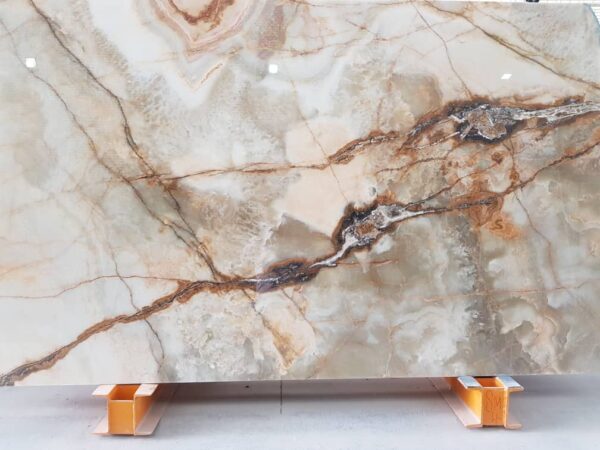

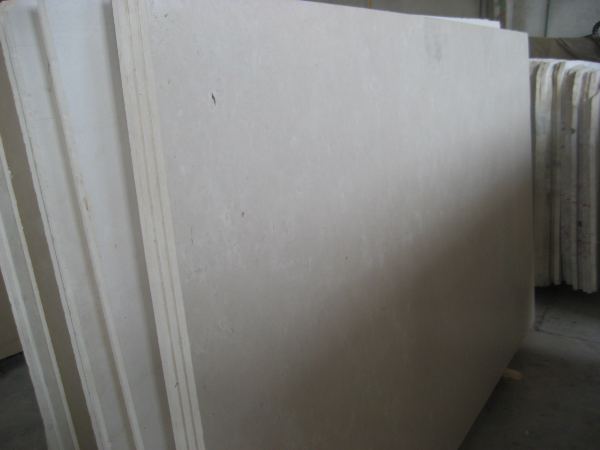
 white crystal