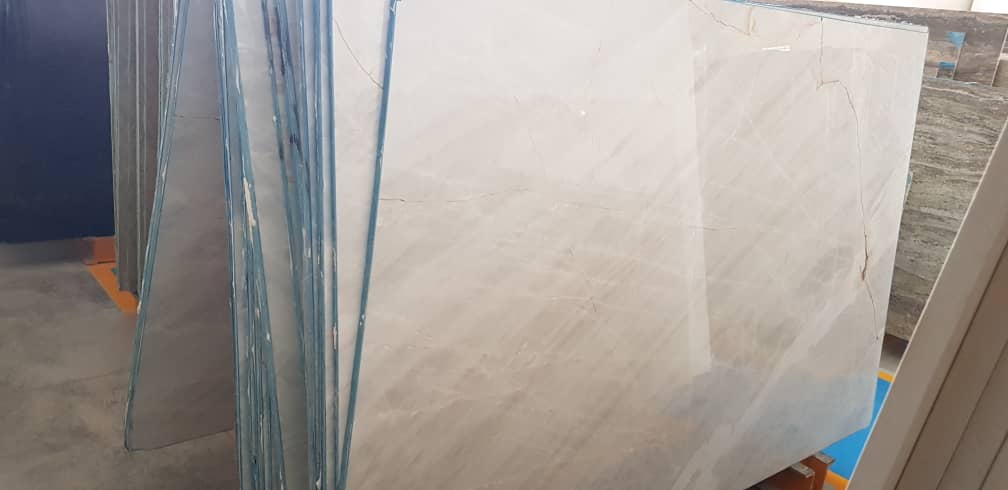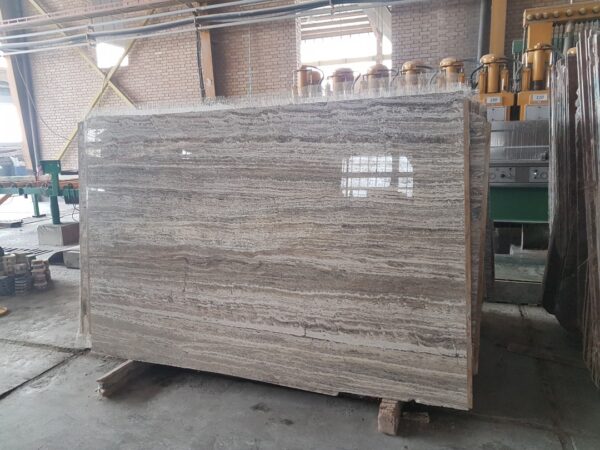
Luxury Material on the Rise
The demand for onyx in the China market has been growing rapidly, especially within luxury real estate, high-end interior design, and premium commercial developments. As China continues to lead in modern architecture and bespoke design trends, onyx has become a material of choice for clients seeking style, prestige, and distinction.
Moreover, increases in urban development and investments in luxury properties have further strengthened onyx demand. Therefore, architects, designers, and property developers are increasingly turning to onyx to create memorable and exclusive spaces.
Why Onyx Is Gaining Popularity in China
Unmatched Aesthetic Appeal
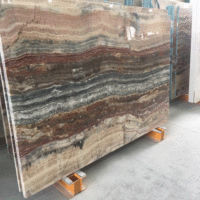
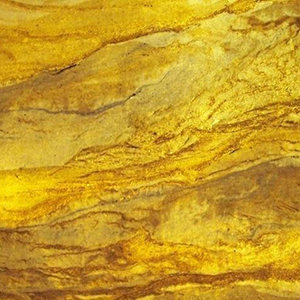
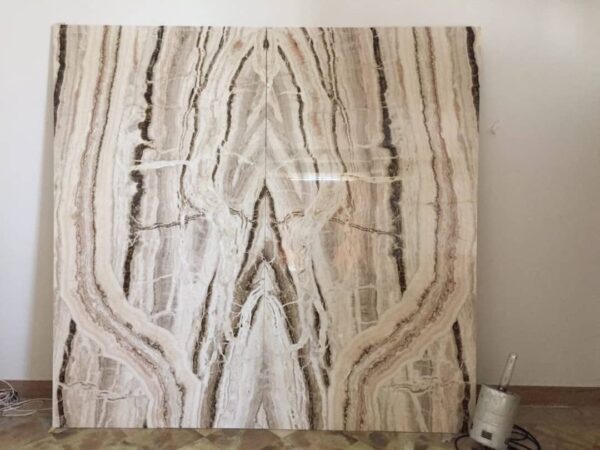
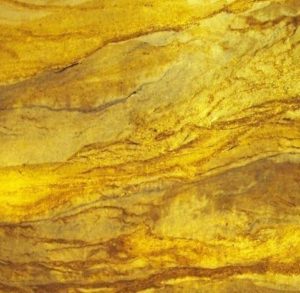
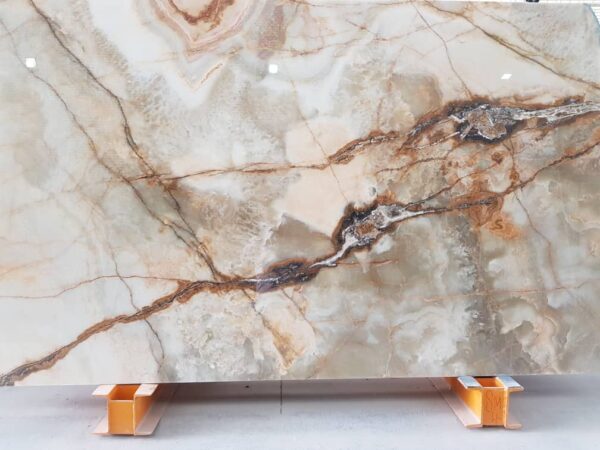
First and foremost, onyx is renowned for its translucent appearance, vibrant colors, and intricate natural veining. Because no two slabs are identical, designers can deliver truly unique environments. As a result, onyx is widely used in:
Luxury residential interiors
Reception walls
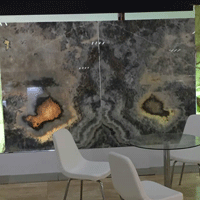
Backlit feature installations
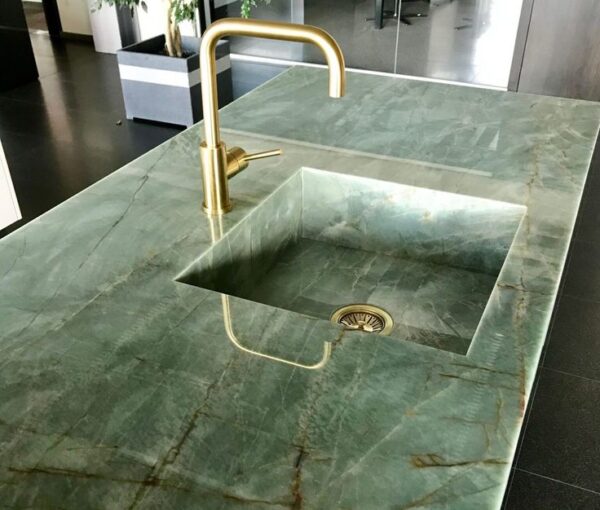
Statement countertops
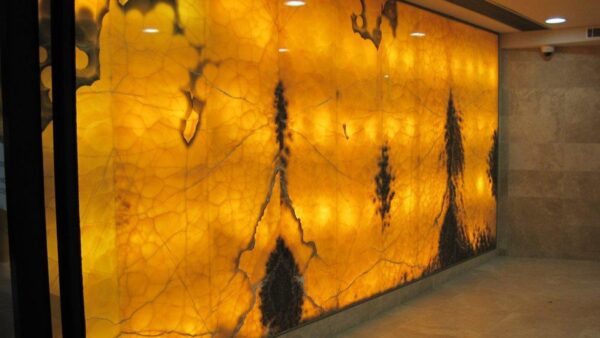
In addition, when backlit, onyx produces a dramatic luminous effect. Consequently, this quality makes it especially attractive for high-impact focal points in spaces that emphasize visual elegance.
Rising Demand in Residential Projects
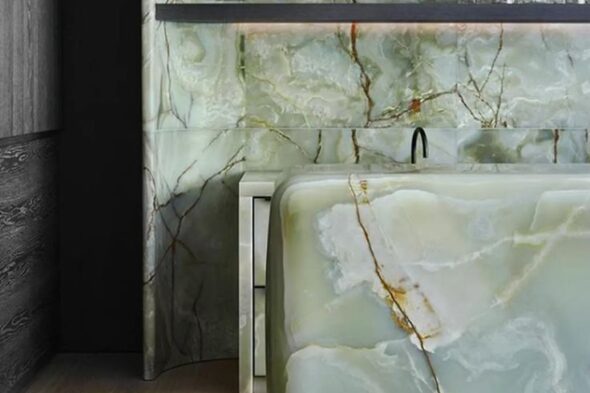
Likewise, China’s affluent homeowners are increasingly choosing onyx to elevate interior spaces. In cities such as Shanghai, Beijing, and Guangzhou, onyx is becoming popular for:
Kitchen islands
Bathroom vanities
Fireplace surrounds
Decorative accent panels
Furthermore, property buyers who seek personalization and luxury often prefer onyx because it conveys high status and refined taste. Therefore, developers integrate onyx into property designs to increase market appeal and differentiate offerings.
Commercial and Hospitality Sector Growth
Onyx in the Hospitality Industry
China’s expanding hospitality sector is another major factor driving onyx demand. Because luxury hotels and resorts aim to create unforgettable guest experiences, designers turn to premium materials that embody elegance and quality.
Thus, onyx is frequently featured in:
Hotel lobbies
Spa interiors
VIP lounges
Signature bars
In these contexts, onyx enhances brand presence while providing an elevated atmosphere that attracts international and domestic guests alike. Consequently, it plays an important role in brand-related design strategies.
Retail and Corporate Spaces
In addition, onyx is increasingly incorporated into retail flagships and corporate headquarters throughout China. Because businesses want to convey exclusivity and sophistication, onyx creates memorable environments that leave lasting impressions on customers and clients.
Market Trends and Supplier Response
Expanded Supplier Networks
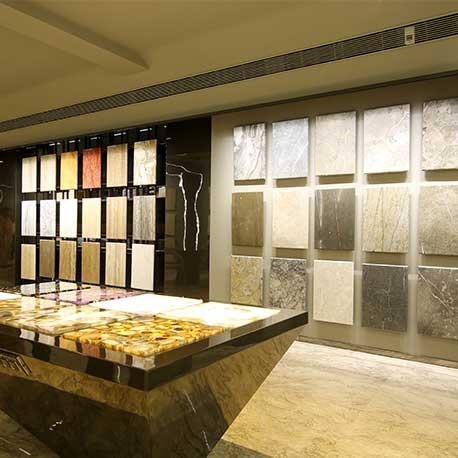
To meet rising demand, both domestic and international stone suppliers are expanding their offerings in China. Many now provide:
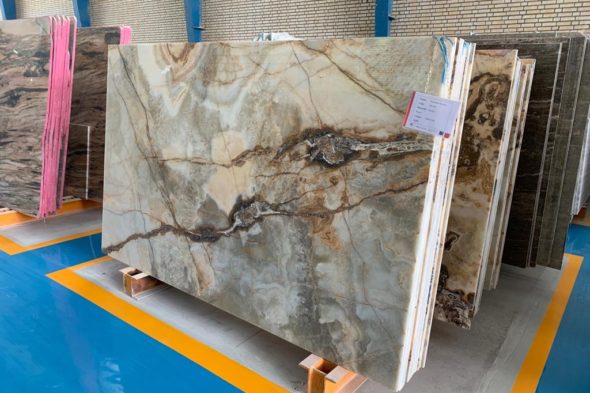
Broad selections of onyx slabs
Custom cutting and fabrication services
Expert installation guidance
Moreover, reliable logistics and professional support are essential for large-scale projects. Therefore, suppliers who offer comprehensive solutions are becoming the preferred partners for developers and designers.
Sustainability and Natural Stone Preferences
In addition, sustainability trends are shaping material choices across the industry. As architects and developers focus on eco-friendly and natural materials, onyx stands out because it aligns with both aesthetic expectations and environmental values. Furthermore, modern sealing and finishing technologies improve the practical durability of onyx, making it suitable for demanding design applications.
Why Onyx Represents a Smart Investment
Enhanced Property Value
Overall, onyx elevates both design quality and perceived property value. For developers and homeowners alike, this translates into higher market appeal and stronger investment returns.
Competitive Advantage for Businesses
Finally, businesses that integrate onyx into their spaces benefit from enhanced brand identity, distinct visual impact, and memorable customer experiences. Whether used in luxury hospitality, flagship retail, or distinguished residences, onyx delivers lasting value.





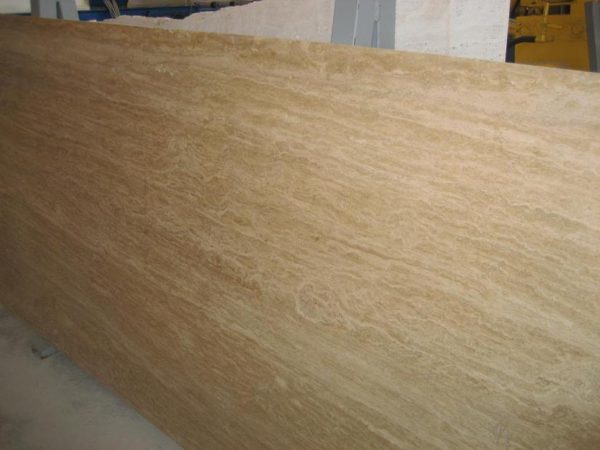

 white crystal