Unveiling the Composition of Travertine Stone

Unveiling the Composition of Travertine Stone

Unveiling the Composition of Travertine Stone

Travertine stone is a natural wonder renowned for its timeless beauty and diverse applications. Understanding its composition, including raw travertine stone, and exploring its uses, including glazed travertine tiles, reveals the captivating world of this ancient material.

This article embarks on a journey through the realm of travertine stone. Travertine stone is a captivating natural material that has been used for centuries in construction and design.

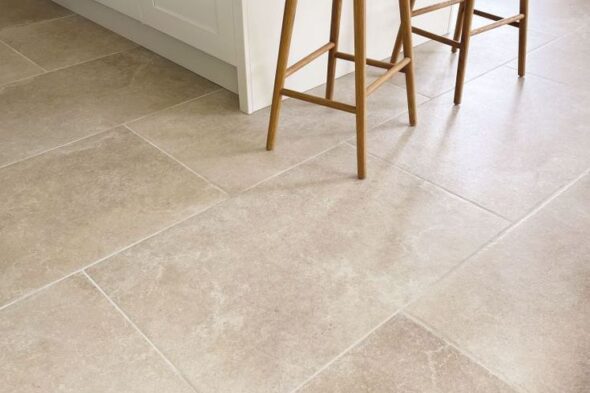
Cream Travertine Kitchen Floor

Its timeless appeal and versatility make it a sought-after choice for various applications. In this article, we will explore the world of travertine stone slabs, their uses, composition, and the unique qualities of glazed travertine tiles.

Buy Iranian stone – How to buy stone 

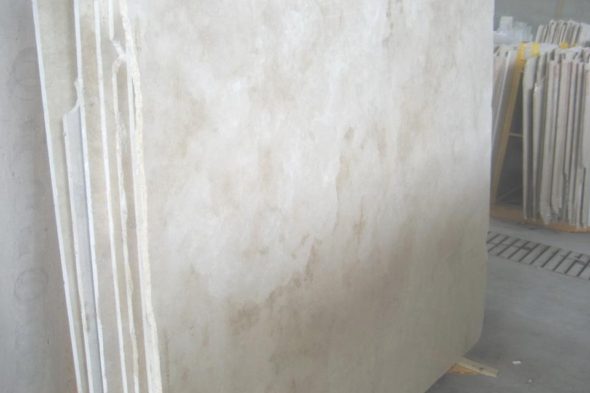
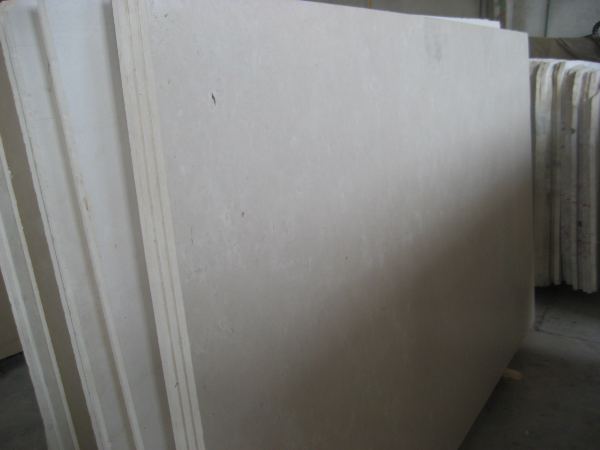
Cream travertine Special wholesale price

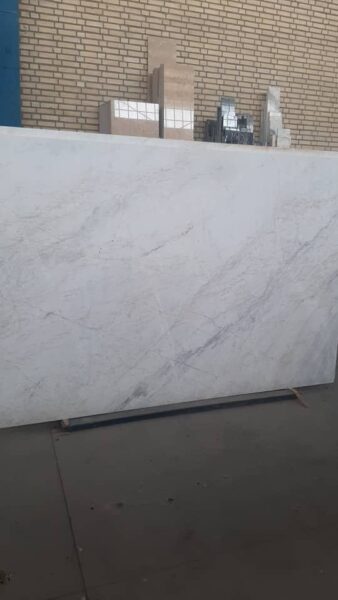
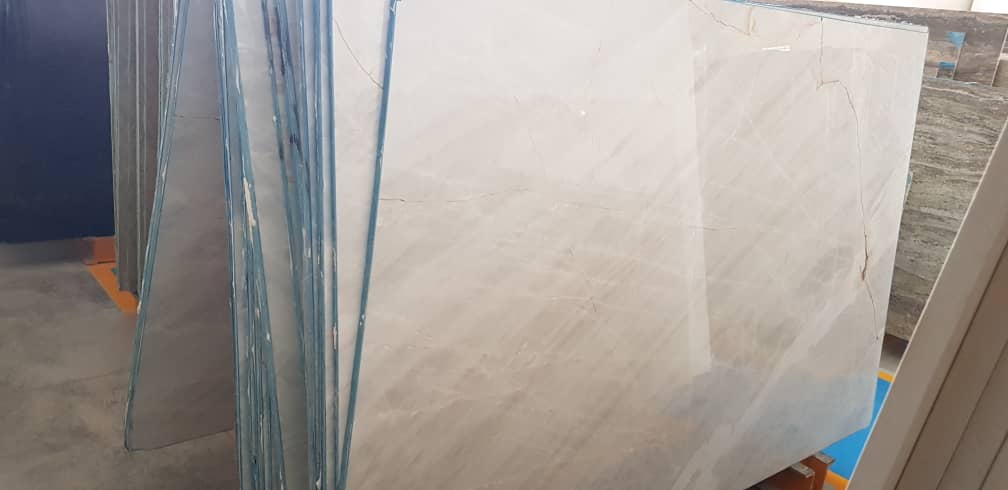
Iranian White Travertine Special wholesale price

you may be interested in the above articles in Rockstone.

Travertine stone is a sedimentary rock primarily composed of calcium carbonate (CaCO3). It forms when calcium-rich groundwater emerges to the surface and deposits mineral layers over time. The distinctive appearance of travertine is characterized by its porous nature, which often contains cavities and holes created by trapped gases during the stone’s formation.

The Beauty of Travertine Stone Slabs

Travertine stone slabs are celebrated for their distinct appearance, characterized by subtle variations in color and intricate veining. They exude an understated elegance that can elevate any space, be it a residential home, a commercial establishment, or an outdoor landscape.

Raw Travertine Stone: Nature’s Artistry Unveiled

Raw travertine stone is a testament to the beauty of nature’s craftsmanship. Its coloration varies from creamy beige and light brown to rust and gray, with striking natural patterns formed by mineral deposits. The raw stone can be honed to reveal a smooth surface or left with its natural texture, creating versatile options for architectural and design projects.
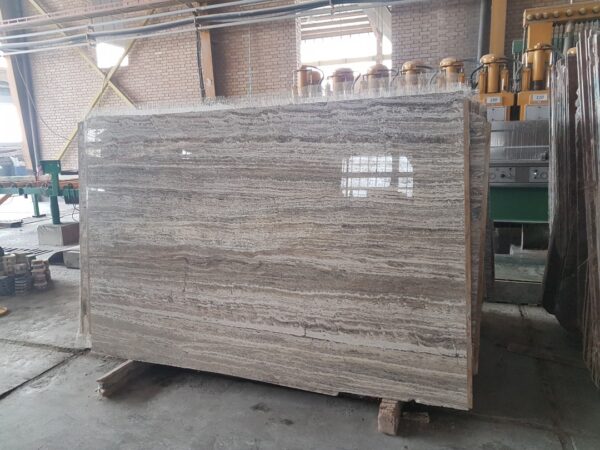
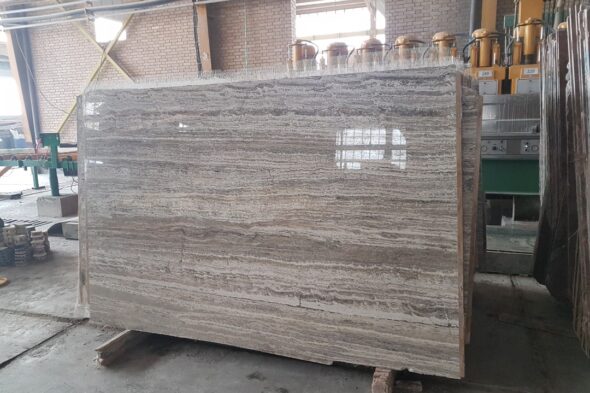
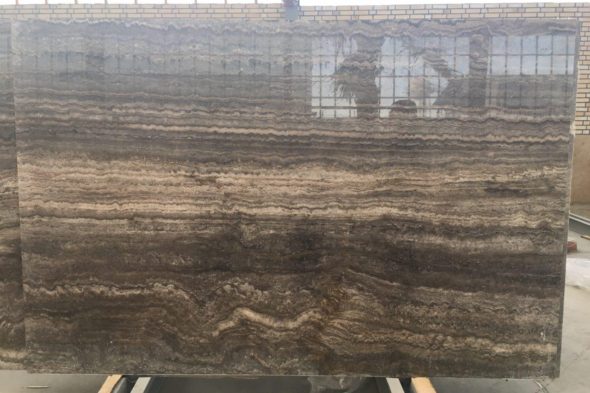
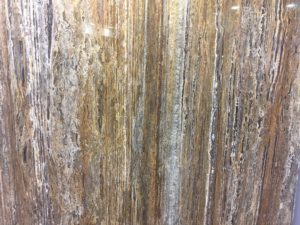
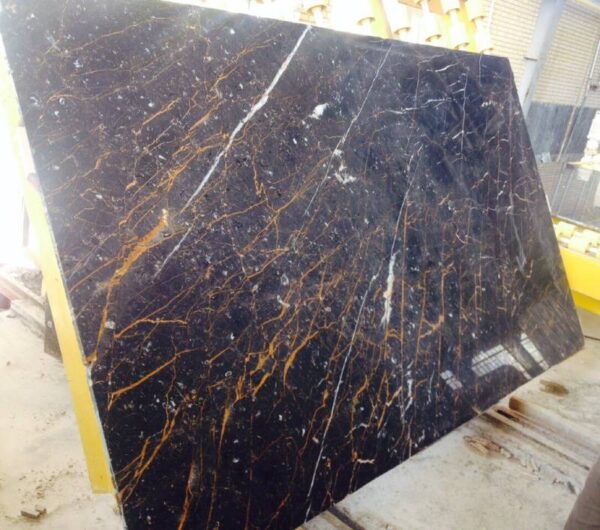
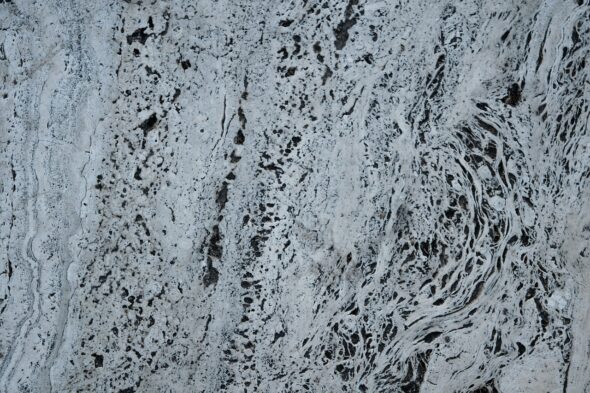
silver travertine
silver travertine

The Versatile Uses of Travertine Stone

Travertine stone is renowned for its versatility, making it a preferred choice for various applications:

  1. Flooring: Its durability and classic appearance make travertine a popular choice for flooring in both residential and commercial spaces.
  2. Countertops and Vanities: Travertine countertops and vanities exude an understated elegance that complements a range of interior styles.
  3. Wall Cladding: The natural beauty of travertine adds warmth and character to interior and exterior walls.
  4. Pool Decks: Due to its ability to stay cool in the sun, travertine is often used for pool decks, creating a comfortable and aesthetically pleasing surface.
  5. Sculptures and Artifacts: Travertine’s workability and aesthetic appeal have made it a favorite among sculptors and artists throughout history.

The Composition of Raw Travertine Stone

Travertine stone is a sedimentary rock primarily composed of calcium carbonate. It forms over time as minerals in groundwater precipitate and accumulate in layers, creating its characteristic porous structure. These natural cavities are often filled with crystalline materials, lending unique patterns and textures to the stone. Travertine stone slab

The Many Uses of Travertine Stone

Travertine stone’s versatility is showcased in its myriad of uses:

  • Flooring: It is a popular choice for flooring due to its durability and aesthetic appeal. Whether in a rustic or contemporary setting, travertine flooring adds a touch of luxury.
  • Countertops: Travertine countertops bring natural warmth and elegance to kitchens and bathrooms. They are prized for their resistance to heat and moisture.
  • Cladding: Travertine stone slabs are often used for wall cladding in both interior and exterior applications. They create visually stunning feature walls.
  • Pavers: In outdoor spaces, travertine pavers are used for patios, pool decks, and walkways. Their porous nature allows for efficient water drainage.
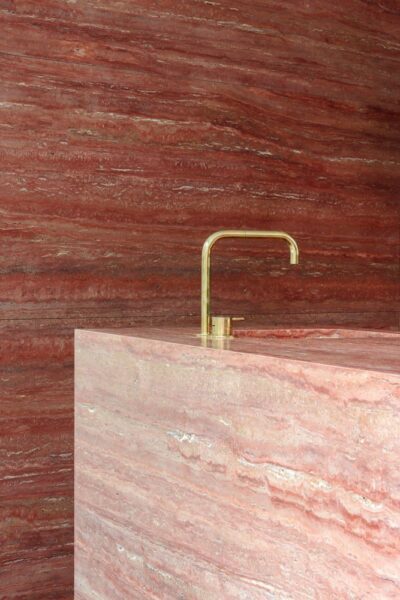
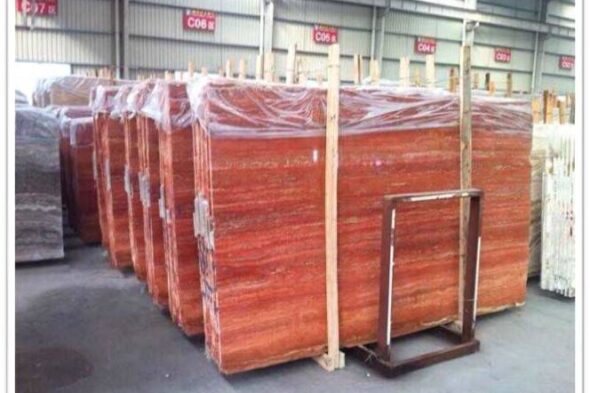
Red Travertine
Red Travertine

The Allure of Glazed Travertine Tiles

Glazed travertine tiles are a variation of travertine that has been coated with a protective glaze. This finish enhances the stone’s durability and stain resistance, making it an excellent choice for areas with high moisture levels, such as bathrooms and kitchens. The glaze also adds a polished sheen to the tiles, further highlighting their natural beauty. travertine stone slab

Conclusion

In conclusion, travertine stone stands as a testament to the artistry of nature, with its origins rooted in the gradual deposition of minerals over time. Whether in its raw, natural form or as glazed travertine tiles, this stone embodies timeless elegance. From flooring to countertops, walls to pool decks, and even artistic creations, travertine has found its place in various facets of human creativity and design. Its enduring popularity in construction and art is a testament to its unique blend of beauty, durability, and versatility, reminding us of the enduring charm of nature’s creations. Composed primarily of calcium carbonate, they exhibit unique patterns and textures formed by millennia of geological processes. The versatility of travertine stone allows it to grace a wide range of spaces, from floors to countertops and walls to outdoor areas.

For added durability and a polished finish, glazed travertine tiles are an attractive option. Whether in their raw form or as glazed tiles, travertine stones continue to be cherished for their aesthetic charm and practicality. Their ability to seamlessly blend with various design styles ensures that they will remain a staple in the world of interior and exterior design for generations to come. Travertine stone slab.
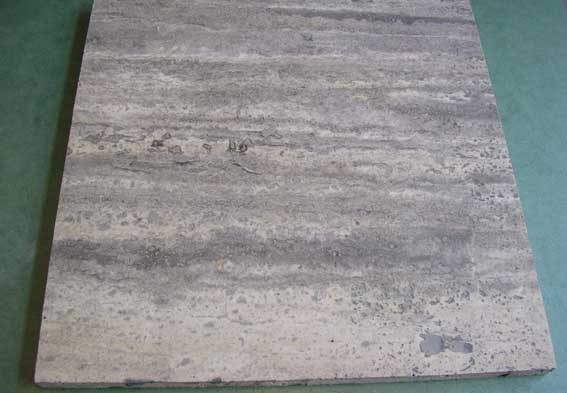
Travertine Tiles Export to Italy

Farzin Rock stone company 

silver travertine

Global Travertine Market

Trends, Growth, Forecasts, and Commercial Insights

Travertine — a natural sedimentary limestone prized for its aesthetic elegance, durability, and thermal properties — has become a cornerstone material in architecture, interior design, flooring, and landscaping. As global construction and renovation activities expand, the travertine market is experiencing strategic shifts driven by sustainability priorities, technological innovations, and evolving design trends.

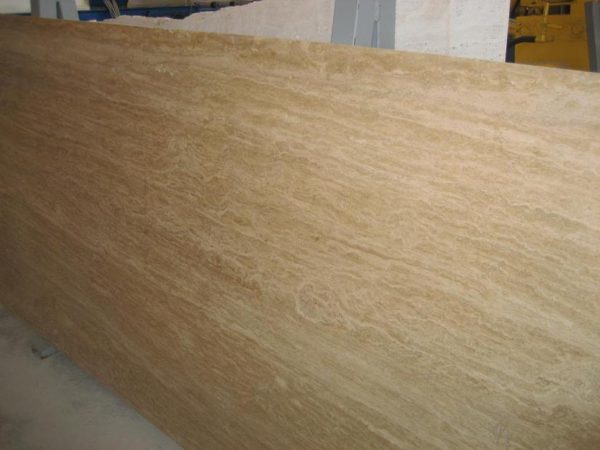
Yellow Travertine
Yellow Travertine

This comprehensive guide explores current market size, growth drivers, regional dynamics, competitive landscape, and future opportunities, making it a valuable resource for suppliers, investors, architects, and stakeholders.

What Is Travertine and Why It Matters

Travertine is a porous natural stone formed by the precipitation of calcium carbonate from hot springs or limestone caves. Its unique texture, organic colors (ranging from beige, cream, and ivory to gold and silver), and versatile finishes (polished, honed, brushed, tumbled) make it a highly sought-after material in commercial and residential projects alike. Market Research Future

In commercial contexts, travertine is valued for:

  • Aesthetic appeal — adds timeless luxury to floors, façades, and interior walls.

  • Durability and slip resistance — suitable for high-traffic zones and outdoor use.

  • Thermal properties — natural insulation can help moderate building energy use. 24 Chemical Research

Market Size and Growth Projections

H3: Current Valuation

According to Market Research Future, the travertine market was valued at approximately USD 3.55 billion in 2024 and is projected to expand to USD 5.16 billion by 2035, achieving a CAGR (Compound Annual Growth Rate) of about 3.44% over 2025–2035. Market Research Future

Another industry analysis suggests the travertine segment — especially travertine stone tiles — could reach USD 1.1 billion by 2032, driven by the material’s sustainable attributes and design versatility. 24 Chemical Research

Market Forecast Highlights

Metric202420302035
Estimated Market Size~USD 3.55BUSD ~4.4B – 5.1BUSD ~5.15B
CAGR~3.4%
Growth DriversNatural stones, constructionSustainability, luxury designUrbanization & renovation

These figures position travertine as a steady, mid- to long-term growth market, reflecting global construction trends and demand for natural materials. Market Research Future+1

Key Market Drivers and Trends

Sustainability and Eco-Friendliness

One of the most influential market forces today is the preference for sustainable and eco-friendly building materials. Travertine is perceived as a lower-impact alternative to synthetic tiles because it:

  • Requires significantly less processing energy than ceramic and porcelain.

  • Produces negligible VOC (Volatile Organic Compound) emissions.

  • Can contribute to green building certifications such as LEED. 24 Chemical Research

A recent industry review noted:

“Travertine’s minimal ecological footprint and innate beauty position it as a sustainable material choice in modern architecture.” — Industry trend analysis. 24 Chemical Research

Construction and Renovation Boom

With global urbanization and infrastructure spending rising — especially in Asia-Pacific and Middle Eastern megaprojects — travertine demand is bolstered by:

  • Residential construction, particularly luxury homes and estate developments.

  • Commercial projects (hotels, shopping centers, office spaces).

  • High-profile renovation and restoration ventures. Chemical Research Insight

Technological Advancements in Production

Industry players are investing in automation, precision cutting, nano-coating technologies, and water recycling systems that:

  • Reduce waste by 30–95% in quarrying and processing.

  • Improve durability and surface performance.

  • Enable intricate design applications previously unattainable. 24 Chemical Research

These innovations widen travertine’s usage across decorative architectural elements, not just traditional flooring.

Market Segments and Specialized Applications

Flooring and Wall Cladding

Travertine remains a top choice for interior and exterior flooring and wall cladding, prized for its:

  • Slip resistance in high-traffic commercial zones.

  • Warm, natural appearance favored by architects.

  • Compatibility with minimalist and contemporary designs. 24 Chemical Research

Outdoor Landscaping and Hardscaping

Outdoor applications — patios, walkways, and pool surrounds — represent a growing segment. Market drivers here include durability and maintenance advantages over synthetic paving products. WiseGuy Reports

Luxury Residential and Hospitality

Luxury real estate developers increasingly favor travertine, as one industry expert noted:

“Travertine’s combination of elegance and resilience makes it a go-to for premium builds — from penthouse floors to five-star lobbies.” — Architectural materials analyst. WiseGuy Reports

This trend supports higher price points and markup potential for suppliers and installers.

Regional Market Insights

North America — The Largest Regional Market

North America dominates the travertine market, accounting for a significant share due to:

  • Strong residential renovation demand.

  • Sustainable materials legislation.

  • Mature supply chains and established architectural preferences for natural stone. Market Research Future+1

Europe and Emerging Asia-Pacific

Europe maintains robust demand — especially in Italy, Spain, and Germany — while Asia-Pacific growth is accelerating due to urban development in China and India. Market Research Future

Middle East emergence — particularly in the UAE and Saudi Arabia — reflects lavish architectural projects that favor travertine’s luxury aesthetic. 24 Chemical Research

Competitive Landscape and Key Players

The travertine market features a blend of established global producers and regional specialists. Leading names include:

  • Antolini Luigi & C. (Italy)

  • Marmol Export (Mexico)

  • Dimpomar (Portugal)

  • Viva Stones (India)

  • Travertine Warehouse (US)

  • Stone Source (US)

  • Sakha Stone (Turkey)

  • Alabama Stone (US) Market Research Future

These companies differentiate through quality grading, innovative finishes, and diversified product portfolios — from premium slabs to custom architectural elements.

Challenges and Market Risks

Despite strong growth indicators, the travertine market must navigate a few challenges:

Competition from Engineered Materials

High-quality porcelain and engineered stone products now mimic travertine’s appearance at lower price points, capturing market share in cost-sensitive segments. 24 Chemical Research

Export Volatility

Global exports of marble and travertine combined have experienced fluctuations and slight contractions in recent years, reflecting broader economic pressures on commodity shipments. In 2024, global marble and travertine exports were approximately 7.9 million tons, a slight decline from previous years. IndexBox

Future Outlook and Strategic Opportunities

Innovation and Customization

Advancements in precision cutting, waterjet technologies, and finish treatments offer opportunities to expand travertine into new architectural applications and custom designs.

Sustainable Material Adoption

As sustainability becomes central to construction procurement, travertine’s natural credentials position it well for inclusion in green building projects and certifications.

Digital Distribution and E-Commerce

The rise of online sales platforms increases global accessibility, making travertine slabs and tiles more reachable for design professionals and homeowners worldwide. Chemical Research Insight

Conclusion

The global travertine market stands at the intersection of tradition and innovation — deeply rooted in natural stone heritage, yet dynamically adapting to sustainability trends and technological advancements. With robust demand in residential and commercial construction, coupled with expanding regional markets and eco-friendly positioning, travertine remains a compelling investment and product focus for suppliers and stakeholders.

Whether you’re a stone distributor, architect, or construction executive, understanding these market dynamics and future trajectories can strengthen strategic planning and competitive edge in the natural stone sector.

Key Citations

Cream Travertine Kitchen Floor

Travertine Market USA

Trends, Demand, and Commercial Opportunities

Introduction to the Travertine Market in the United States

The travertine market in the USA continues to grow steadily as architects, builders, and homeowners seek natural stone materials that combine durability, elegance, and long-term value. Travertine, a form of sedimentary limestone deposited by mineral springs, has become a preferred choice for flooring, wall cladding, landscaping, and pool surrounds across residential and commercial projects.

kitchen sink

Moreover, as American consumers increasingly favor natural, sustainable building materials, travertine stands out due to its timeless appearance, neutral color palette, and versatility. Consequently, the U.S. travertine market plays a vital role within the broader natural stone and construction materials industry.

The travertine market in the USA continues to grow steadily as architects, builders, and homeowners seek natural stone materials that combine durability,The United States is one of the largest importers and consumers of natural stone globally. According to industry data, the U.S. natural stone market exceeds USD 5 billion annually,The U.S. housing market continues to fuel demand for natural stone. New residential projects, renovations, and luxury home upgrades frequently include travertine tiles, pavers, and slabs. Additionally, homeowners value travertine for its cool surface temperature.

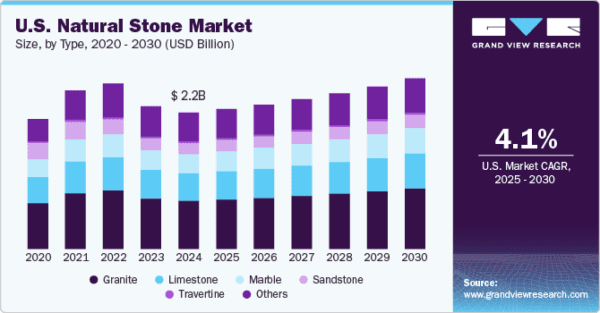
Overview of the U.S. Natural Stone Market

Travertine’s Position in the Market

The United States is one of the largest importers and consumers of natural stone globally. According to industry data, the U.S. natural stone market exceeds USD 5 billion annually, with flooring and wall applications accounting for a major share. Within this market, travertine competes directly with marble, granite, limestone, and porcelain alternatives.

However, travertine maintains a strong position because it offers a balance between aesthetic warmth and functional performance. As a result, designers often select travertine for projects that require a luxury look without excessive cost.

Key Import Sources

Although limited quantities of travertine are quarried domestically, the U.S. market relies heavily on imports. Major supplying countries include:

  • Turkey (largest global producer and exporter)

  • Italy

  • Mexico

  • Iran

Because of consistent quality and large reserves, Turkish travertine dominates U.S. imports, especially in beige, ivory, walnut, and silver color ranges.

Why Demand for Travertine Is Rising in the USA

Growth in Residential Construction

The U.S. housing market continues to fuel demand for natural stone. New residential projects, renovations, and luxury home upgrades frequently include travertine tiles, pavers, and slabs. Additionally, homeowners value travertine for its cool surface temperature, which makes it ideal for warm climates such as California, Texas, Arizona, and Florida.

Commercial and Hospitality Projects

Hotels, resorts, shopping centers, and office buildings increasingly specify travertine for lobbies, corridors, facades, and outdoor plazas. Because travertine provides a premium appearance with long service life, it aligns well with commercial return-on-investment goals.

As one U.S.-based stone distributor states:

“Travertine remains one of the most requested natural stones in hospitality projects because it delivers elegance, durability, and design flexibility in one material.”

Key Travertine Applications in the U.S. Market

Interior Applications

Travertine is widely used indoors for:

  • Flooring

  • Bathroom walls and vanities

  • Fireplaces

  • Feature walls

Finishes such as honed, filled, and polished allow designers to match different architectural styles, from classic to contemporary.

Exterior and Landscaping Use

Outdoor applications represent a fast-growing segment of the U.S. travertine market. These include:

  • Pool decks

  • Patios and terraces

  • Walkways

  • Driveway pavers

Because travertine has a naturally non-slip surface and high weather resistance, it performs well in exterior environments.

Pricing Trends and Market Statistics

Travertine pricing in the USA varies depending on origin, grade, thickness, and finish. On average:

  • Travertine tiles retail between USD 3 to USD 10 per square foot

  • Premium slabs can exceed USD 15–20 per square foot

  • Pavers and custom-cut materials command higher prices due to processing costs

Meanwhile, market research indicates that natural stone usage in residential flooring has increased by more than 20% over the last decade, with travertine maintaining a consistent share of that growth.

Furthermore, rising transportation costs and quarry regulations have slightly increased prices; however, strong demand continues to support market expansion.

Competitive Advantages of Travertine in the U.S. Market

Design Versatility

Travertine’s neutral tones allow it to blend seamlessly with wood, glass, steel, and concrete. Therefore, architects frequently specify it for modern, Mediterranean, and transitional designs.

Durability and Longevity

With proper sealing and maintenance, travertine can last several decades. Consequently, many commercial buyers view it as a long-term investment rather than a short-term finish material.

Sustainability Appeal

As a natural stone, travertine aligns with green building principles. It contains no synthetic compounds and can contribute to LEED-certified projects, especially when sourced responsibly.

Challenges Facing the Travertine Market

Despite its strengths, the U.S. travertine market faces competition from engineered stone and porcelain tiles that imitate natural textures. These alternatives often offer lower maintenance, which appeals to some consumers.

However, many buyers still prefer authentic stone, noting that “imitation materials cannot replicate the depth, variation, and natural character of real travertine.”

Future Outlook of the Travertine Market USA

Looking ahead, analysts expect the U.S. travertine market to grow steadily, supported by:

  • Ongoing construction and renovation activity

  • Demand for luxury yet natural materials

  • Expansion of outdoor living spaces

  • Increased availability of customized finishes and sizes

Therefore, suppliers and importers who focus on quality control, consistent supply, and competitive pricing will continue to find strong opportunities in the American market.

Conclusion: Why Travertine Remains a Strong Choice in the U.S. Market

In conclusion, the travertine market in the USA remains robust, competitive, and full of opportunity. Because travertine combines natural beauty, durability, and design flexibility, it continues to attract architects, developers, and homeowners alike.

As construction trends favor authentic, long-lasting materials, travertine’s position within the U.S. natural stone market is likely to remain strong for years to come.

Site Resources (Shown in Text)

  • Natural Stone Institute (USA)naturalstoneinstitute.org

  • U.S. International Trade Commission – Stone Import Datausitc.gov

  • Mordor Intelligence – Natural Stone Market Reportsmordorintelligence.com

  • Statista – U.S. Construction & Flooring Statisticsstatista.com

  • FAO – Global Dimension Stone Production Datafao.org

silver travertine

Best Type of Travertine for Export

A Guide for Global Buyers

Growing Demand for Travertine in Global Markets

The demand for travertine in international markets is rising quickly, driven by its durability, natural beauty, and versatile applications. As a result, exporters have excellent opportunities to supply high-quality travertine to countries in Europe, North America, and Asia. Travertine’s earthy colors, unique patterns, and timeless elegance make it one of the most sought-after natural stones for construction and design projects.Best Type of Travertine for Export

Moreover, architects, developers, and interior designers increasingly prefer travertine for flooring, wall cladding, countertops, and outdoor landscaping. Consequently, choosing the best type of travertine for export is essential for suppliers who want to capture long-term business opportunities.

Best Types of Travertine for Export

1. Honed and Filled Travertine

Honed and filled travertine is one of the most popular choices for international buyers. Exporters value it because its smooth, matte finish and filled holes make it ideal for interior flooring, countertops, and high-traffic areas. Therefore, this type of travertine ensures both durability and easy maintenance, making it highly attractive to global markets.

2. Polished Travertine

Polished travertine delivers a glossy and reflective finish that highlights the stone’s natural colors and patterns. In addition, it is widely used in luxury hotels, residential projects, and upscale commercial spaces. Exporters can target high-end markets with polished travertine because it adds sophistication and elegance to any interior.

3. Tumbled Travertine

Tumbled travertine features rounded edges and a rustic finish, giving it a vintage appeal. As a result, it is in high demand for patios, pool decks, and outdoor landscaping. International buyers often seek tumbled travertine because it provides slip resistance and natural beauty, making it perfect for both residential and commercial outdoor projects.

4. Brushed Travertine

Brushed travertine has a textured, matte finish that enhances its natural look. Consequently, it is ideal for wall cladding, flooring, and outdoor applications where a unique, organic appearance is desired. Exporters offering brushed travertine can attract markets looking for rustic or contemporary design options.

5. Vein-Cut Travertine

Vein-cut travertine highlights the linear patterns of the stone, creating a striking visual effect. Therefore, it is commonly used in modern interiors, feature walls, and high-end flooring projects. Global buyers often prefer vein-cut travertine for projects that require a bold and stylish design statement.

Export Opportunities and Market Trends

Travertine continues to grow in popularity across global construction and design sectors. Furthermore, countries such as the United States, Germany, the UK, and China import large volumes of travertine for both residential and commercial use. Exporters who emphasize quality, variety, and competitive pricing can build strong positions in these markets.

How Exporters Can Succeed

To succeed in international trade, exporters should:

  • Offer a wide selection of travertine finishes.

  • Highlight eco-friendly and durable qualities.

  • Provide reliable logistics and consistent supply.

In addition, effective digital marketing and participation in global stone exhibitions can help suppliers reach new buyers.

Conclusion: Choosing the Best Travertine for Export

Overall, the best types of travertine for export include honed and filled, polished, tumbled, brushed, and vein-cut varieties. Consequently, exporters who supply these premium options can meet the growing demand from global buyers. As a result, travertine remains one of the most profitable natural stones for international trade, offering long-term opportunities for suppliers and distributors worldwide.

https://www.rockstone.biz/different-types-of-slate-stone/

Best Way to Clean Marble Tile

rockstone company

Dark-Silver-Travertine

Different Types of Travertine

Guide for Buyers and Designers

Understanding Travertine and Its Uses

Travertine is one of the most popular natural stones in construction and design, prized for its elegance, durability, and versatility. As a result, it is widely used in flooring, wall cladding, countertops, patios, and landscaping. Travertine’s unique patterns and earthy tones make it a favorite for both residential and commercial projects.

Moreover, its eco-friendly and long-lasting nature aligns with modern sustainable building practices. Consequently, architects and designers prefer travertine for luxury and high-end projects that require a combination of beauty and performance.

Types of Travertine

Travertine is available in several types, each offering distinct aesthetics and applications.

1. Filled Travertine

Filled travertine is treated with resin or cement to fill its natural holes and voids. Therefore, it provides a smoother surface, making it ideal for interior flooring, countertops, and high-traffic areas. This type of travertine is easier to clean and maintain, which increases its commercial appeal.

2. Unfilled Travertine

Unfilled travertine retains its natural holes and pitting, which gives it a rustic and authentic look. In addition, it is often used for decorative walls, facades, and outdoor landscaping. While it requires more care, it adds a unique charm and texture that appeals to homeowners and designers seeking natural aesthetics.

3. Tumbled Travertine

Tumbled travertine undergoes a process that rounds edges and creates a worn, antique appearance. As a result, it is perfect for patios, pool decks, and walkways where slip resistance and a vintage look are desired. Tumbled travertine combines durability with artistic design, making it popular in both commercial and residential projects.

4. Honed and Polished Travertine

Honed travertine offers a smooth, matte finish, while polished travertine delivers a glossy, reflective surface. Therefore, these types are commonly used for interior flooring, countertops, and luxury wall cladding, providing an elegant and sophisticated aesthetic. Polished travertine highlights the stone’s natural patterns and colors, increasing its appeal in premium projects.

Market Trends and Applications

Travertine is experiencing growing demand globally due to its versatility and premium appearance. Residential homeowners, architects, and commercial developers increasingly choose travertine for flooring, walls, and landscaping. Moreover, digital marketplaces and international suppliers make it easier to source diverse travertine types to match specific design requirements.

Opportunities for Suppliers and Designers

Suppliers who emphasize quality, variety, and eco-friendly sourcing can attract architects, contractors, and luxury homeowners. In addition, designers can use the different travertine types to create unique, customized spaces that enhance property value and appeal.

Conclusion: Choosing the Right Travertine

Overall, understanding the different types of travertine—filled, unfilled, tumbled, honed, and polished—helps buyers and designers make informed decisions. Consequently, travertine remains a top choice for projects seeking durability, elegance, and natural beauty. As a result, suppliers and designers can capitalize on its growing popularity in residential, commercial, and landscaping applications.

https://www.rockstone.biz/slate-stone-demand-in-india/

Travertine Stone Pavers

Red travertine

Best Price for Travertine Tiles

Quality Meets Affordability

Finding the best price for travertine tiles without compromising quality is a priority for homeowners, contractors, and designers alike. Travertine tiles offer timeless beauty, natural durability, and versatility—making them an excellent investment for any residential or commercial project.

In this guide, we’ll help you understand how to get the best value for your money while selecting premium travertine tiles that enhance your space and last for years.

Why Choose Tiles at the Best Price?

Travertine is a natural stone known for its elegant textures and warm tones. However, pricing can vary widely depending on factors such as tile quality, size, finish, and supplier. Therefore, finding the right balance between price and quality is essential to ensure you don’t overspend or sacrifice durability.

Moreover, the right travertine tiles at the best price should come with:

  • Consistent color and texture

  • Proper finishing (honed, polished, tumbled, or brushed)

  • Reliable sourcing from trusted quarries

  • Compliance with industry standards

Factors That Affect Travertine Tile Prices

To get the best price, it’s important to understand what influences travertine tile costs:

  1. Tile Grade: Higher grades offer fewer imperfections and more uniformity, usually at a higher price.

  2. Tile Size and Thickness: Larger or thicker tiles often cost more but reduce installation joints and improve durability.

  3. Finish Type: Polished tiles are often pricier due to the labor-intensive finishing process.

  4. Origin and Supply: Travertine from premium quarries with efficient supply chains can offer better value.

  5. Order Volume: Bulk purchases typically come with discounts and reduced shipping costs.

Where to Find the Best Price for Travertine Tiles

At Best Price for Travertine Tiles, we specialize in providing high-quality travertine tiles at competitive prices. Our direct partnerships with trusted quarries allow us to offer you authentic, premium travertine without the middleman markup.

Why Buy Travertine Tiles from Us?

  • Transparent Pricing: No hidden fees or surprises—what you see is what you pay.

  • Wide Selection: Choose from various sizes, colors, and finishes to fit your budget and style.

  • Bulk Discounts: Save more when you order larger quantities for commercial or large residential projects.

  • Fast Shipping: Timely delivery so your project stays on schedule.

  • Expert Support: Our team guides you from selection to installation for the best results.

How to Maximize Value When Purchasing Travertine Tiles

To ensure you get the best price and maximum value, consider these tips:

  • Request Samples: Test color and finish before committing.

  • Compare Quotes: Get multiple quotes to understand market prices.

  • Plan Ahead: Order early to avoid rush fees and secure better deals.

  • Check Reviews: Purchase from suppliers with strong reputations and customer feedback.

Get the Best Price for Travertine Tiles Today

Don’t compromise on quality or break your budget. At Best Price for Travertine Tiles, we offer the best price for travertine tiles combined with unmatched quality and customer service.

Contact us now for a free quote, sample request, or expert consultation. Elevate your space with beautiful, affordable travertine tiles that stand the test of time.

https://www.rockstone.biz/best-price-for-granite-tiles/

Best Price for Travertine Tiles

rockstone company

silver travertine

Popular Travertine Tiles

Timeless Beauty, Natural Strength

Travertine tiles are a top choice for homeowners, designers, and builders seeking the perfect blend of natural elegance and durability. Formed by mineral deposits from ancient hot springs, travertine stone features unique textures and earthy tones that bring warmth and authenticity to any space—indoors or out.

Whether you’re upgrading a bathroom, designing a pool deck, or installing new flooring, travertine tiles deliver both timeless charm and long-lasting performance.

Why Travertine Tiles Are in High Demand

Travertine is one of the oldest and most reliable building materials in the world. In fact, it has been used in architectural masterpieces that have endured for centuries. Today, its popularity continues to rise due to its organic appearance, wide range of finishes, and impressive durability.

Moreover, travertine is eco-friendly and relatively low-maintenance when properly sealed. As a result, it appeals to both traditional and modern design preferences.

Key Benefits of Travertine Tiles

  • Natural Texture & Color Variations: Each tile offers unique visual depth with rich, earthy hues.

  • Slip-Resistant Surfaces: Perfect for wet environments like bathrooms, pool surrounds, and outdoor walkways.

  • Cool Underfoot: Maintains a cooler surface temperature in warm climates—ideal for patios.

  • Variety of Finishes: Available in honed, tumbled, polished, and brushed options.

In addition, travertine is easy to cut and shape. This makes it highly versatile for custom designs and intricate layouts, especially in luxury settings.

Top Styles of Popular Travertine Tiles

Travertine comes in many natural shades and patterns, each offering distinct character. Below are some of the most in-demand styles in today’s design market:

1. Classic Beige Travertine

This soft, neutral tone works beautifully in indoor flooring and wall tile applications. Because of its flexibility, it suits both traditional and contemporary interiors.

2. Silver Travertine

Silver travertine showcases soft grays blended with beige veining, creating a sleek, modern look. As a result, it is commonly chosen for high-end kitchens and living spaces.

3. Noce (Walnut) Travertine

Featuring rich chocolate and walnut tones, Noce travertine brings warmth to outdoor patios, driveways, and accent walls. Furthermore, its dense structure makes it ideal for high-traffic areas.

Where to Use Travertine Tiles

Travertine is suitable for a wide range of residential and commercial applications. Thanks to its natural grip and durability, it performs well in various environments:

  • Bathroom floors and shower walls

  • Kitchen backsplashes and countertops

  • Pool decks, walkways, and patios

  • Entryways, hallways, and foyers

  • Fireplace surrounds and accent walls

Additionally, tumbled travertine remains a popular option for exterior cladding and landscaping features.

Order Premium Travertine Tiles from Popular Travertine Tiles

At Popular Travertine Tiles, we proudly offer a curated selection of high-grade travertine tiles in diverse colors, textures, and dimensions. Whether you’re designing a spa-like bathroom or an elegant outdoor retreat, our collection offers something for every project.

Request a free sample or get a custom quote today. Enjoy competitive wholesale pricing, fast global shipping, and expert customer support.

Transform your space with the enduring beauty of travertine—where nature meets luxury.

https://www.rockstone.biz/popular-marble-tiles/

Popular Trave

rockstone company

Cross Cut Travertine

Cross Cut Travertine

Enhance Your Space with cross-cut travertine

Cross-cut travertine is a beautiful and versatile natural stone that uniquely blends elegance and durability. This distinctive material is Ideal for residential and commercial applications and adds a timeless aesthetic to any space. Whether you want to upgrade your flooring, countertops, or wall cladding, cross-cut delivers a luxurious finish that will elevate your design.

What Is Cross-Cut Travertine?

Understanding the Cross-Cut Technique

Cross-cut travertine is a specific way of cutting travertine stone where the slab is cut horizontally across the grain, rather than along the vein. This method reveals the stone’s natural circular patterns and swirls, giving it a softer, more uniform appearance compared to vein-cut travertine, which shows linear striations. The result is a surface that features stunning, cloud-like designs that are perfect for creating a serene and harmonious environment.

https://www.rockstone.biz/is-travertine-waterproof/

Natural Beauty and Versatility

One of the most striking features of cross-cutting is its unique look. The natural patterns and tones range from warm beiges and creams to cooler greys and silvers, making it easy to match with various design styles. This stone works beautifully in both traditional and modern settings, offering a versatile option that complements a wide range of color schemes and decor elements.

Benefits of Choosing Cross-Cut Travertine

Timeless Aesthetic Appeal

Cross-cut travertine is celebrated for its timeless beauty. The stone’s natural patterns and textures bring a touch of nature indoors, creating a warm and inviting atmosphere. Whether used in a living room, kitchen, bathroom, or outdoor space, cross-cutting adds a sense of luxury and sophistication that never goes out of style.

Durability and Longevity

Like all travertine, cross-cut is incredibly durable and long-lasting. It’s resistant to wear and tear, making it an excellent choice for high-traffic areas such as entryways, kitchens, and commercial spaces. With proper care and maintenance, cross-cutting can retain its beauty and integrity for decades, providing a strong return on your investment.

Applications of cross-cut travertine

Versatile Flooring Solutions

Cross-cut travertine is a popular choice for flooring due to its durability and slip-resistant surface. Its subtle patterns and natural tones make it ideal for creating a cohesive look throughout a home or business. Whether you’re designing a sleek, modern space or a more traditional environment, cross-cut flooring adds elegance and charm to any room.

Stunning Countertops and Backsplashes

In the kitchen and bathroom, cross-cut is often used for countertops and backsplashes. The stone’s unique patterns create a focal point that enhances the overall design, while its durability ensures it can withstand daily use. Cross-cut is also resistant to heat, making it a practical choice for kitchen surfaces.

Eye-Catching Wall Cladding and Fireplaces

For those looking to make a bold statement, cross-cut travertine can be used for wall cladding and fireplace surrounds. Its natural beauty and texture add depth and interest to vertical surfaces, turning ordinary walls into extraordinary design features. A cross-cut fireplace becomes a striking centerpiece, adding warmth and style to any living space.

Maintenance and Care for Cross Cut Travertine

Simple Cleaning Tips

Maintaining the beauty of cross-cut travertine is easy with a few simple steps. Regular dusting and sweeping will prevent dirt and debris from scratching the surface. For deeper cleaning, use a pH-balanced stone cleaner and a soft cloth or mop. Avoid acidic or abrasive cleaners, as they can damage the stone’s finish.

Sealing for Longevity

To protect cross-cut travertine from stains and moisture, it’s recommended to seal the stone periodically. A high-quality sealer will enhance the stone’s natural colors and make it easier to clean. Reapplying the sealer every few years, depending on the level of use, will keep your cross-cut looking beautiful for years to come.

Explore the Timeless Elegance of Cross Cut Travertine

Cross-cut travertine is an exceptional choice for those looking to enhance their space with a natural, elegant material that offers both beauty and durability. Whether you’re remodeling your home or designing a commercial project, Cross Cut provides a versatile solution that will stand the test of time.

Iranian Light travertine Special wholesale price

Contact Us Today

Ready to bring the timeless beauty of cross-cut travertine into your space? Contact us today to learn more about our selection and how we can help you choose the perfect travertine for your project.

Rock stone company 

Buy iranian stone - How to buy stone from iran stone exporter companies

Buy iranian stone - How to buy stone from iran stone exporter companies

buy Iranian stone, and why and how to buy stone from Iran. this article will try to fully answer these questions.

Buy Iranian stone – How to buy stone from Iran

Iran is famous for lots of stone quarries that owns. You can find any kind of stone in Iran. travertine stone, marble stone, onyx stone, and granite stone are the most common extracting stones in Iran. It is up to you which group is your desire. According to your project, you can choose among different Iranian stones.

When you are sure about the stone you need, you should decide whether you want it processed or raw. Both have some benefits. If you take the stone raw, you should process it yourself which means you would have different sources. To buy raw stone you should continue this to gather enough from each sort. The point of this option is the very low price. Also, you can choose the level of quality you exert on the stone yourself.

Choosing processed stone has its benefits. In this way, you can have what you need at a glance. You can buy only the sort you need. Also, you can buy any quantity you choose and you would not have any limitations. In this way, you can send the stone to your customer quickly and without any special trouble.

Many companies in Iran sell different kinds of stone. You can find them on the internet by their sites and buy them online.


anywhere you search for Iranian stone exporter websites, you can see Rockstone among the recommendations. rockstone is a well-known website in the field of supplying and exporting Iranian natural stones. with more than 20 years of experience in this field, we suggest you buy your query from us. rockstone.biz has experience exporting any kind of high-quality stones anywhere around the world.

Iranian natural stone

you can order any kind of stone you desire by the Contact Us page.

rock stone Company 

differant types of traonyx stone - what is traonyx stone?

differant types of traonyx stone - what is traonyx stone?

Traonyx stone updated 2024

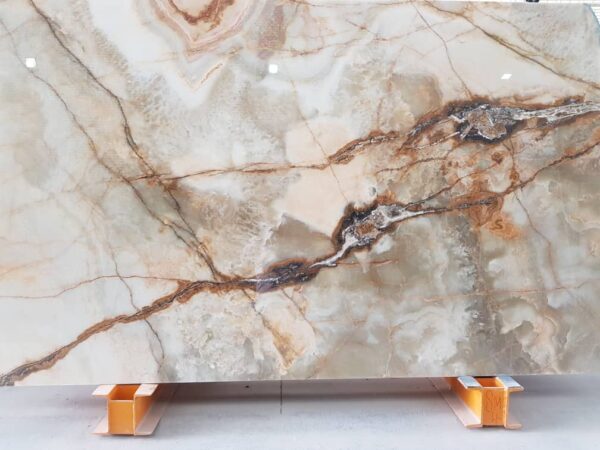
Karmania Traonyx Stone is a kind of onyx quarried in Iran.traonyx is a type of natural onyx, which is a combination of travertine, and onyx due to this awesome combination. Traonyx has a special and unique property from both types of stone that is passing light from part of onyx material but the other part would not and illustrates travertine material. This stone has high resistance and water absorption is low another analysis is nearly travertine and onyx stones.Traonyx stone is supplied in to form wavy and cross out. It can be used for all of the interior and exterior design. it supplies in slab and tile sizes. As one of its features can beckon to the ability to pass the light. The price of this stone depends on thickness, size, and color .it’s color variation is black, white, gray, and red. Iran stone companies supplying the traonyx stone are ready to give service in the field of export stones to countries of Qatar, Emirate, Oman, Iraq, Lebanon, Kuwait, and all of the countries in the world.


Traonyx stone usage 

This stone is especially good for Wall and floor applications, countertops, mosaics, fountains, pool and wall capping, stairs, window sills, and other design projects.


differant types of traonyx stone - what is traonyx stone?


Types of traonyx

  • Karmania Traonyx
  • Forest Traonyx
  • WoodenTraonyx
  • Traonyx mahallat
  • Yazd traonyx


Karmania tranoyx

Karmania is one of the most popular and beautiful stones in Iran, this stone is used inside and outside. A mixture of white, gray, and brown colors can be seen on karmania travertine onyx background. Iranian company has available block slabs for this type of traonyx in the stockyard.karmania travertine onyx has a lighter color called the white karmania travertine onyx

Forest traonyx 

Forest traonyx stone is one of the types of limestone that is relatively altered.in other words, this kind of stone is a combination of travertine and marble stone. The origin of this stone is located in Isfahan province the heart of Iran. Forest travertine onyx stone has a brown background with dark and bright models. This stone is processed in slab dimension, cabinet, volume, tabular, longitudinal, plaque, and stair.

Wooden travertine onyx

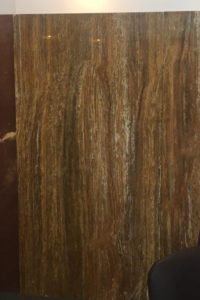
the reason for naming these stone wooden trays is their appearance similar to wood, which has a brown background. the most important and obvious feature of this stone is the ability of light to pass. Other features of this stone include very low water absorption abrasion resistance and abrasion capability. this stone, like other members of the travertine onyx the travertine onyx family, can be used indoors and outdoors.

Traonyx Mahallat

This stone has a cream color background with a hint of light brown and beige color. Traonys of local areas are cut in two forms, waveless and wavy. the distinct feature of this stone is the passage of light through its marble part. This stone is mostly used in interior design such as lobby walls, bathrooms, and stone artifacts. Traonys Mahallat Stone Mine is located in the Markazi province.


Yazd travonyx

Yazd travonyx stone has a yellowish-cream color theme with white and brown streaks. the yellow and brown veins of this stone are made of travertine and the white veins are made of marble. this stone, like other members of the travel collection, has the ability to transmit light and be used in all indoor and outdoor spaces.it is also cut in two forms, wavy and waveless.

rock stone company