The Most Resistant Natural Stone

A Guide for Buyers and Exporters

Why Resistance Matters in Natural Stone

Natural stone is prized for its beauty, durability, and versatility, but not all stones withstand wear, weather, and heavy use equally. For architects, builders, and exporters, selecting the most resistant natural stone ensures long-lasting performance, reduced maintenance, and excellent value.
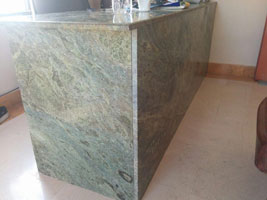
Green-Marble

Moreover, resistant stones work well in both interior and exterior applications, including flooring, countertops, paving, and landscaping. Consequently, understanding which stones excel in durability helps suppliers target high-demand markets globally.

The Most Resistant Natural Stones

1. Granite: Strength and Durability

Granite is widely recognized as one of the hardest and most resistant stones. Its dense composition resists scratches, heat, and moisture, making it ideal for kitchen countertops, commercial flooring, and exterior cladding. As a result, exporters often market granite as a premium solution for both residential and commercial projects.

2. Basalt: Heavy-Duty and Long-Lasting

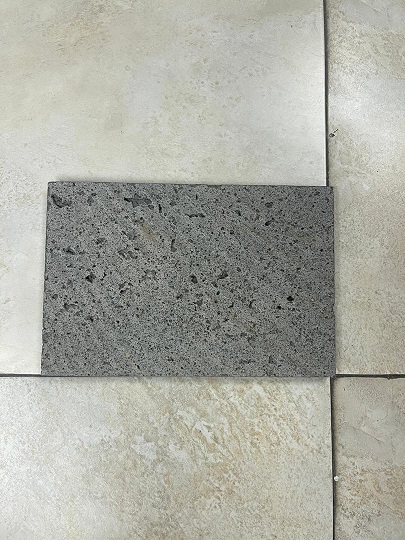
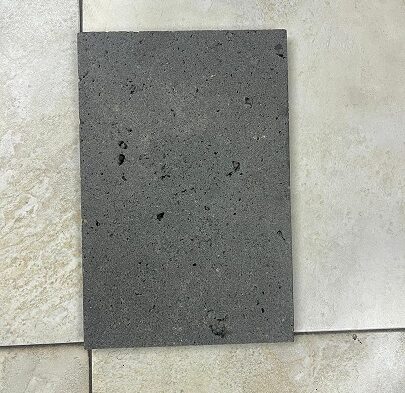
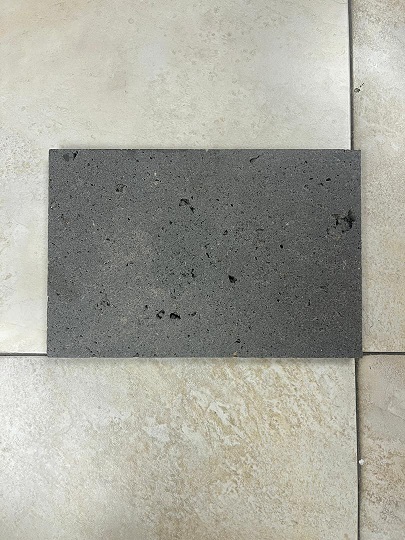
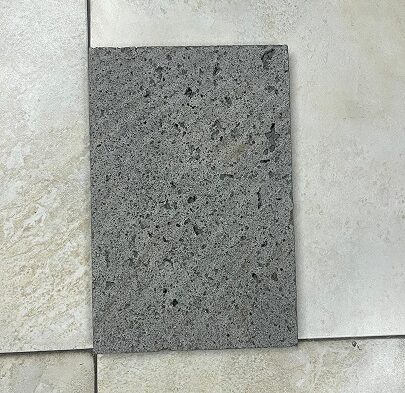
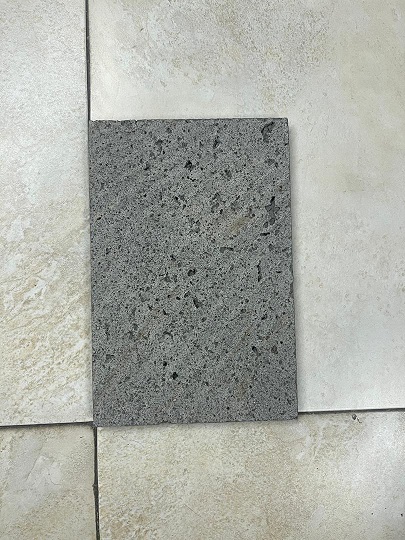
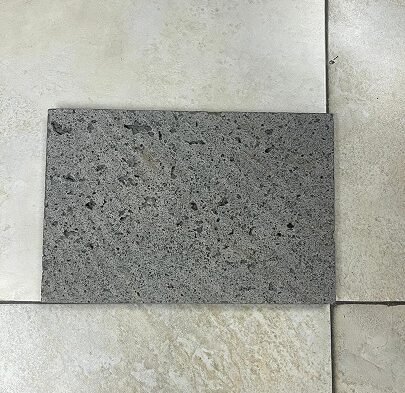
Basalt is a volcanic stone with exceptional density and strength. Builders use it for road paving, industrial flooring, and architectural features that demand durability. In addition, its resistance to weathering and wear makes it a reliable choice for outdoor applications in harsh climates.

3. Quartzite: Hard and Elegant

Quartzite combines marble-like aesthetics with granite-level hardness. It withstands scratching, acid, and temperature fluctuations, making it perfect for high-traffic flooring, countertops, and exterior walls. Consequently, quartzite appeals to buyers who want a balance of elegance and performance.

4. Slate: Durable and Slip-Resistant

Slate offers excellent resistance to water, frost, and heavy use. Its natural texture also provides slip resistance, making it suitable for roofing, outdoor paving, and pool areas. Therefore, exporters promote slate as both practical and visually appealing for a variety of projects.

5. Basalt-Enhanced Marble

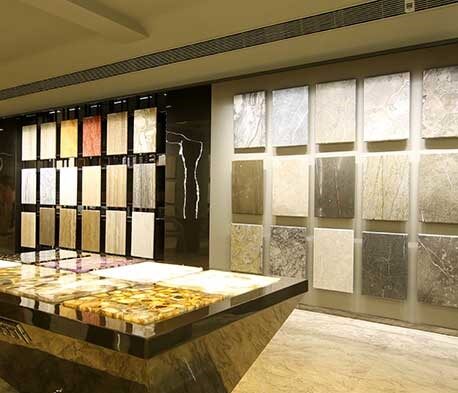
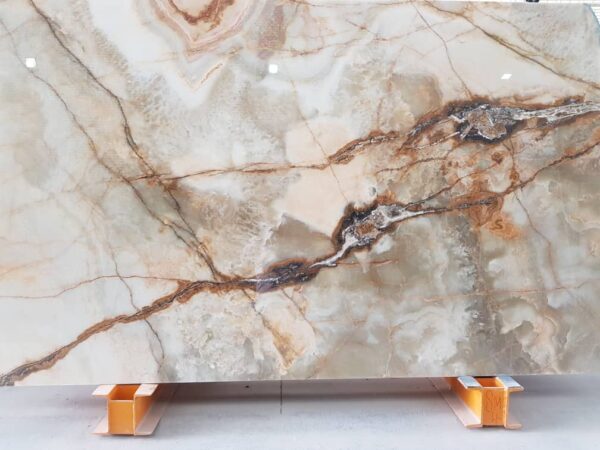
While marble is naturally softer, certain densely compacted or treated marbles can resist wear better than standard varieties. These types are used in luxury flooring and decorative features where both durability and aesthetics are required. As a result, high-end projects often select treated marble to combine elegance with resilience.

Export Potential for Resistant Stones

Resistant natural stones see strong global demand, especially in high-traffic residential, commercial, and industrial projects. Markets in North America, Europe, Asia, and the Middle East continue to import granite, basalt, quartzite, and slate for both interior and exterior use.

How Exporters Can Succeed

Suppliers can thrive by:

  • Offering a range of high-durability stones.

  • Highlighting resistance to scratches, weather, and heavy use.

  • Providing finishing options such as polished, honed, or flamed surfaces.

In addition, strong SEO-driven marketing helps exporters reach buyers searching for resistant natural stone, durable countertops, or long-lasting flooring solutions.

Conclusion: Choosing the Most Resistant Natural Stone

Overall, granite, basalt, quartzite, slate, and treated marble rank among the most resistant natural stones. Consequently, buyers and exporters who select these materials can guarantee long-lasting performance, aesthetic appeal, and customer satisfaction. As a result, these stones remain top choices for demanding construction and design projects worldwide.

https://www.rockstone.biz/the-most-vulnerable-natural-stone/
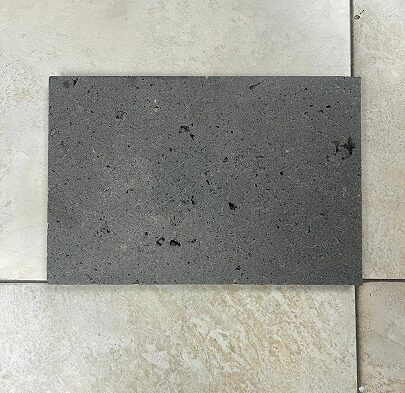
rockstone company

basalt stone

Different Types of Basalt

A Complete Guide for Export and Construction

Why Basalt Is in High Demand

Basalt is one of the most widely used volcanic stones in the global market. Known for its strength, density, and durability, it plays a vital role in both infrastructure and luxury projects. Moreover, its natural resistance to weather, fire, and heavy loads makes it highly valuable in construction, paving, and architectural design.

Consequently, understanding the different types of basalt allows buyers, architects, and exporters to choose the right stone for each project.

Main Types of Basalt

1. Crushed Basalt

Crushed basalt is widely used in road construction, rail ballast, and concrete production. Its hardness and angular shape provide stability and strength. Therefore, exporters supply crushed basalt in bulk for infrastructure and industrial projects worldwide.

2. Pumice Basalt

Pumice basalt forms when lava cools quickly, trapping air bubbles inside. This creates a lightweight and porous texture. Industries use it in abrasives, lightweight blocks, and insulation materials. In addition, pumice basalt’s low density makes it ideal for reducing structural weight in modern buildings.

3. Columnar Basalt

Columnar basalt is easily recognized by its hexagonal column formations, created through slow cooling of lava. Architects and designers use it in landscaping, decorative cladding, and unique architectural projects. As a result, columnar basalt is highly sought after for premium export markets.

4. Basalt Fiber

Basalt fibers are produced by melting basalt rock into fine threads. These fibers serve as reinforcement in concrete, composites, and automotive parts. Consequently, basalt fiber represents a modern and eco-friendly alternative to glass or carbon fibers in advanced industries.

5. Black Basalt

Black basalt is dense, durable, and elegant, often used in flooring, paving, and countertops. Its deep natural color provides a sleek and contemporary look for luxury homes and commercial spaces. Therefore, exporters highlight black basalt as a premium stone for modern architecture and high-end landscaping.

6. Vesicular Basalt

Vesicular basalt contains visible holes created by trapped gas bubbles during lava cooling. Builders use it in lightweight blocks, landscaping, and decorative applications. In addition, its unique texture adds natural beauty to exterior and garden projects.

Export Potential of Basalt

Basalt’s versatility ensures steady global demand. Countries in Asia, the Middle East, Europe, and North America import large quantities for both infrastructure and design purposes. Furthermore, its eco-friendly image strengthens its role in sustainable construction.

How Exporters Can Succeed

To capture these markets, exporters should:

  • Offer both industrial-grade and decorative basalt.

  • Highlight basalt’s eco-friendly, durable, and cost-effective properties.

  • Provide different finishes such as polished, flamed, or honed for architectural needs.

Moreover, strong SEO-driven marketing helps exporters reach international buyers searching for basalt suppliers, black basalt paving, or basalt fiber solutions.

Conclusion: Choosing the Right Type of Basalt

Overall, basalt comes in many types, including crushed basalt, pumice basalt, columnar basalt, basalt fiber, black basalt, and vesicular basalt. Consequently, each type serves unique purposes, from infrastructure to luxury design. As a result, exporters who promote the right variety can succeed in meeting growing global demand for basalt stone.

https://www.rockstone.biz/why-marble-is-mostly-used-indoors/

rockstone company

Slate Stone Demand in India

Market Growth and Opportunities

Increasing Popularity of Slate in Indian Construction

The demand for slate stone in India is growing steadily, driven by urbanization, infrastructure development, and rising interest in durable and aesthetically appealing building materials. As a result, slate is widely used in roofing, flooring, wall cladding, and landscaping projects. Its natural durability, low maintenance requirements, and elegant appearance make it an ideal choice for residential, commercial, and heritage-style construction.

Moreover, architects and builders are increasingly using slate in luxury homes, hotels, and commercial spaces. Consequently, its natural resistance to weather, fire, and wear positions it as a superior alternative to synthetic building materials.

Slate stone

Key Factors Driving Slate Stone Demand

Sustainability and Eco-Friendly Construction

India is embracing sustainable and energy-efficient construction practices. Therefore, slate, being a natural and recyclable material, fits perfectly with eco-friendly building initiatives. Builders also choose slate to enhance longevity and reduce long-term maintenance costs, which appeals to both commercial and residential clients.

Growth in Urban Development and Renovation Projects

Furthermore, rapid urbanization and renovation of heritage buildings have significantly contributed to slate demand. Cities like Delhi, Mumbai, Bengaluru, and Jaipur show increasing interest in authentic slate roofing and decorative stonework. Slate’s premium look and long-lasting quality make it a preferred option for both modern and traditional designs.

Interior Design and Landscaping Applications

In addition, slate is gaining popularity in interior design and landscaping. From flooring and wall panels to outdoor patios and garden pathways, slate offers unique textures, natural colors, and a high-end finish. Thus, designers and homeowners increasingly select slate to elevate aesthetic appeal and property value.

Market Dynamics and Trade

India produces slate domestically in states like Rajasthan, Himachal Pradesh, and Uttarakhand, yet high-quality imported slate from Spain, Brazil, and China is also in demand. Meanwhile, online platforms and distributors make it easier for builders and architects to access premium slate varieties efficiently.

Major metropolitan areas exhibit the strongest demand, driven by commercial developments, residential projects, and luxury renovations. Consequently, suppliers targeting these urban centers can capitalize on India’s expanding slate market.

Future Outlook for Slate Stone in India

Expanding Applications in Modern Architecture

Although traditional roofing remains a primary use, interior decoration and landscaping are emerging as growth areas. High-end homes, hotels, and commercial spaces are increasingly incorporating slate for countertops, wall cladding, terraces, and decorative features.

Opportunities for Suppliers and Exporters

With India’s construction and renovation sectors growing, therefore, slate suppliers and exporters have excellent commercial potential. Highlighting durability, sustainability, and premium aesthetics can attract architects, builders, and designers seeking top-quality natural stone.

Conclusion: A Promising Market for Slate Stone in India

Overall, the Indian slate stone market is expanding rapidly due to urbanization, sustainable construction practices, and evolving design trends. Consequently, suppliers and exporters have strong opportunities to capture a growing market. As a result, slate is poised to remain a key material in India’s construction, interior design, and landscaping sectors.

marble company

Slate Stone Demand in Europe

Market Growth and Opportunities

Rising Popularity of Natural Stone Materials

In recent years, slate stone has become one of the most sought-after natural building materials in Europe. Known for its durability, timeless aesthetics, and eco-friendly characteristics, slate is widely used in roofing, flooring, cladding, and landscaping projects. The European construction and renovation sectors are increasingly prioritizing sustainable and long-lasting materials, and slate perfectly matches this demand.

Slate stone

Countries such as Germany, France, Spain, and the UK are driving market growth, as architects and homeowners alike prefer slate over synthetic alternatives. Its natural resistance to extreme weather conditions and low maintenance requirements make it an ideal choice for both modern and traditional projects.

Factors Driving Slate Stone Demand

Sustainability and Eco-Friendly Construction

Europe’s strict environmental policies and the push toward greener construction have accelerated the demand for slate. Unlike artificial materials, slate is 100% natural, recyclable, and energy-efficient in production, aligning perfectly with the EU’s sustainability goals.

Growth in Renovation Projects

The European housing market is witnessing a surge in renovation and restoration activities. Historical buildings, many of which originally used slate roofing, require authentic materials for repair. This has boosted demand not only for premium roofing slates but also for decorative applications.

Versatility in Design

Slate’s unique texture, wide range of colors, and ability to fit both rustic and contemporary styles make it a preferred material for architects and interior designers. From luxury hotels to residential landscaping, slate offers unmatched versatility, enhancing both aesthetics and property value.

Key Markets and Trade Dynamics

Spain remains the largest exporter of slate stone in Europe, supplying more than half of the continent’s roofing slate. Portugal and Wales also contribute significantly to the market. On the demand side, France, Germany, and the UK represent major importers due to their reliance on slate for heritage and modern construction.

The rise of e-commerce and digital supply platforms has also made it easier for buyers to source slate internationally, increasing competitiveness and product variety across the European market.

Future Outlook of Slate Stone in Europe

Growing Demand in Landscaping and Interiors

While roofing remains the primary use, demand for slate in interior design and landscaping is rapidly increasing. High-end projects now feature slate kitchen countertops, wall cladding, patios, and outdoor flooring due to its natural elegance and long lifespan.

Opportunities for Exporters and Suppliers

With Europe’s construction industry expected to expand steadily, suppliers and exporters of natural slate have significant opportunities. Marketing slate’s eco-credentials, durability, and premium look will be key to capturing new buyers and strengthening distribution networks across Europe.

Conclusion: A Promising Market for Natural Slate

The European demand for slate stone is on a strong upward trajectory, driven by sustainability goals, renovation trends, and design versatility. For suppliers, exporters, and construction companies, slate presents a lucrative and growing market opportunity. As both residential and commercial projects prioritize natural, long-lasting materials, slate will remain at the heart of Europe’s building and design sector.

https://www.rockstone.biz/did-water-stain-granite/

Demanded Stones in Europe

Slate stone

Exporting Slate Stone

Opportunities and Global Market Demand

Slate stone has become one of the most popular natural stones in international trade. Because of its durability, beauty, and versatility, slate is highly valued in construction, interior design, and landscaping across the world. As global demand rises, the export of slate stone offers suppliers and traders excellent business opportunities. Exporting Slate Stone

Slate stone

Why Export Slate Stone?

Rising Global Demand

Countries in Europe, North America, the Middle East, and Asia-Pacific are actively importing slate for building and design projects. As a result, exporters who supply high-quality products can secure profitable contracts in multiple regions.

Versatility Across Industries

In addition, slate is used for roofing, flooring, cladding, countertops, and landscaping. Because of its wide range of applications, exporters benefit from consistent demand throughout the year.

Growing Preference for Natural Materials

Moreover, architects and homeowners increasingly prefer natural and sustainable materials. Slate aligns with this trend since it is durable, recyclable, and eco-friendly. Therefore, exporters who highlight slate’s environmental benefits can stand out in competitive markets.

Key Global Markets for Slate Stone

Europe: Tradition Meets Innovation

Europe has a long tradition of using slate, especially in roofing and flooring. Countries such as Germany, France, and the UK import large volumes of slate for both historic renovations and modern projects. Furthermore, the region’s emphasis on sustainable construction strengthens demand for natural stone.

North America: Strong Demand in Construction

The United States and Canada represent another major market for slate exports. Builders, landscapers, and homeowners choose slate for its strength, low maintenance, and timeless look. Consequently, demand remains steady in both residential and commercial sectors.

Middle East and Asia: Expanding Opportunities

In the Middle East, large-scale real estate and infrastructure projects create consistent demand for slate tiles and slabs. Meanwhile, China, India, and Japan continue to expand their use of slate in flooring, wall cladding, and luxury developments. As these regions grow, they present significant opportunities for exporters.

How Exporters Can Succeed in the Slate Market

Focus on Quality and Certification

International buyers demand reliable quality. Therefore, exporters must provide certified, high-grade slate with consistent color, texture, and durability.

Competitive Pricing and Logistics

In addition, offering competitive pricing and efficient shipping solutions gives exporters an advantage. Reliable logistics help build long-term relationships with buyers.

Marketing and Sustainable Positioning

Finally, exporters who promote slate as a sustainable, eco-friendly, and long-lasting material can capture premium markets. Highlighting environmental benefits appeals to architects and developers aiming for green building certifications.

Conclusion: Exporting Slate Stone for Growth

The export of slate stone continues to expand as global demand rises in construction, design, and landscaping. Because of its strength, beauty, and sustainability, slate remains a preferred material in many countries. Exporters who emphasize quality, reliability, and eco-friendly advantages will secure a strong position in international markets and achieve lasting growth.

https://www.rockstone.biz/exporting-slate-stone-2/

Best Stones to Export

Farzin Rock Stone Company

Slate Stone

A Durable and Elegant Choice for Modern Projects

Slate stone has earned a strong reputation as one of the most versatile and reliable natural stones. Known for its durability, beauty, and unique textures, slate is widely used in construction, interior design, and landscaping. Because of these qualities, the demand for slate stone continues to grow in both residential and commercial markets worldwide.

Slate stone

Why Choose Slate Stone?

Strength and Longevity

Builders and homeowners prefer slate because it withstands heavy use, harsh weather, and temperature changes. Unlike many other natural stones, slate does not crack easily, making it a smart long-term investment. Consequently, it remains one of the top choices for both flooring and roofing.

Natural Beauty and Versatility

In addition, slate offers a wide range of colors, from deep gray and black to green, red, and purple. Its textured surface adds elegance and character to any project. Designers often use slate in modern kitchens, bathrooms, and outdoor living spaces because it blends functionality with beauty.

Sustainability and Eco-Friendly Appeal

Moreover, slate is a natural, recyclable material. Since it requires minimal processing, it has a low environmental impact compared to artificial products. Therefore, slate is increasingly popular among eco-conscious architects and developers.

Main Applications of Slate Stone

Construction and Roofing

Slate has a long history as a reliable roofing material. Today, it is still valued for its ability to resist water, fire, and extreme weather. Furthermore, slate tiles and slabs are widely used for flooring, wall cladding, and staircases in residential and commercial buildings.

Interior Design and Decoration

Beyond construction, slate is a favorite in modern interior design. Homeowners choose slate for countertops, backsplashes, fireplaces, and shower walls. As a result, it adds both style and durability to indoor spaces.

Landscaping and Outdoor Spaces

In gardens and public areas, slate paving stones and tiles provide a natural and sophisticated look. Landscapers use slate for patios, pathways, and water features, creating elegant outdoor environments that last for decades.

Commercial Opportunities for Slate Suppliers

Growing Residential Demand

The housing sector continues to embrace slate for flooring, roofing, and interior decoration. Therefore, suppliers offering high-quality slate products can capture strong demand from homeowners and contractors.

Expansion in Luxury Projects

Hotels, resorts, and premium office buildings often specify slate in their designs. Because it combines elegance with strength, slate enhances the image of luxury spaces. Consequently, this segment offers profitable opportunities for suppliers.

Increasing Focus on Sustainability

Eco-friendly construction is a major global trend. Since slate is natural and long-lasting, it perfectly aligns with green building certifications. Suppliers who emphasize the sustainable benefits of slate gain a competitive edge in the marketplace.

Slate Stone as a Strategic Material

The demand for slate stone is rising across construction, design, and landscaping industries. Because of its durability, beauty, and eco-friendly profile, slate remains a strategic material for modern projects. Therefore, suppliers who provide consistent quality and highlight its sustainable advantages will secure growth in both local and international markets.

https://www.rockstone.biz/demand-for-basalt-stone-in-russia/

Best Stones to Export

basalt stone

Demand for Basalt Stone in Russia

Rising Demand for Basalt Stone in Russia

Russia has become one of the fastest-growing markets for basalt stone. Because of its strength, durability, and modern appearance, basalt perfectly matches the country’s construction and industrial needs. As a result, demand for basalt in Russia continues to rise, driven by infrastructure projects, urban development, and sustainable building trends.

basalt stone

Why Basalt Stone Is Popular in Russia

Durability for Harsh Climates

Russia faces extreme conditions, from freezing winters to hot summers. Therefore, builders prefer basalt because it withstands snow, ice, and temperature shifts without losing strength. Unlike softer stones, basalt remains durable, making it ideal for roads, pavements, and long-term infrastructure.

Aesthetic Value for Modern Designs

In addition, Russian architects appreciate basalt’s dark, stylish tones. They often use basalt tiles and cladding panels in luxury apartments, offices, and cultural projects. Consequently, the stone delivers both modern appeal and long-lasting performance.

Sustainability and Eco-Friendly Choice

Moreover, sustainability is becoming more important in Russia’s construction sector. Since basalt is a natural and recyclable material, it supports eco-conscious building initiatives. Developers who prioritize green practices increasingly turn to basalt instead of synthetic materials.

Main Applications of Basalt in Russia

Construction and Infrastructure

Basalt plays a major role in Russia’s infrastructure expansion. Roads, bridges, railways, and residential complexes all rely on basalt for strength and durability. Furthermore, its cost efficiency makes it a smart option for large-scale government projects.

Landscaping and Public Spaces

Urban development across Moscow, St. Petersburg, and Kazan highlights another trend. City planners choose basalt for squares, pedestrian zones, and gardens because it handles heavy use while maintaining elegance. As a result, basalt is shaping the look of modern Russian cities.

Industrial and Engineering Uses

Beyond construction, basalt has important industrial uses. Basalt fibers and aggregates are applied in engineering, automotive, and defense industries. Consequently, demand extends far beyond architecture, creating opportunities across multiple sectors.

Opportunities for Basalt Suppliers in Russia

Expanding Housing Market

Private homeowners are also fueling demand. More families want basalt for flooring, countertops, and outdoor paving. Therefore, suppliers offering stylish residential products can capture this growing segment.

Large-Scale Government Projects

Russia continues to fund massive infrastructure programs. As a result, demand for basalt in roads, airports, and new urban districts will keep expanding. International suppliers that highlight reliability and volume capacity can win large contracts.

Import Opportunities

Although Russia produces basalt locally, imports remain vital. In fact, rising demand often exceeds domestic supply. Consequently, high-quality and competitively priced basalt products from global suppliers enjoy a strong position in the Russian market.

Conclusion: Russia as a Strategic Market for Basalt

The demand for basalt in Russia is accelerating across multiple sectors, from construction to engineering. Because basalt combines strength, beauty, and sustainability, it aligns with Russia’s long-term development goals. Therefore, suppliers who deliver consistent quality and promote eco-friendly solutions will find Russia to be a profitable and strategic market for expansion.

https://www.rockstone.biz/exporting-slate-stone/

Demand basalt in Germany

Growing Demand for Basalt Stone in Germany

Germany stands out as one of the largest markets for natural stone in Europe. Among the different types available, basalt stone has gained significant popularity because of its durability, strength, and elegant design possibilities. The demand for basalt in Germany continues to rise, driven by construction projects, sustainable building practices, and innovative architectural trends.

basalt stone

Why Germany Prefers Basalt Stone

Strength and Durability

German builders and architects favor basalt because it withstands heavy use and extreme weather conditions. Unlike softer stones, basalt maintains its appearance and structural integrity for decades. Consequently, it is widely chosen for roads, pavements, and public infrastructure projects.

Modern Aesthetic

In addition, basalt’s dark gray to black tones match Germany’s preference for minimalist and modern architecture. Designers often use basalt tiles and cladding panels to create elegant façades, stylish interiors, and contemporary landscaping projects.

Sustainability and Eco-Friendly Choices

Germany places strong emphasis on sustainability. As a natural material, basalt aligns perfectly with eco-conscious building practices. More developers adopt basalt because it supports green construction goals and reduces environmental impact compared to synthetic alternatives.

Main Applications of Basalt in Germany

Construction and Infrastructure

Basalt is essential in Germany’s construction industry. Contractors use it for paving stones, flooring, cladding, and countertops. Infrastructure projects, including bridges, highways, and public buildings, also rely on basalt for long-term performance.

Landscaping and Urban Development

German cities invest heavily in modern public spaces. As a result, basalt cobblestones and slabs appear in plazas, pedestrian zones, and gardens across the country. The stone’s durability ensures it can handle high foot traffic while preserving a refined look.

Industrial and Engineering Uses

Beyond construction, basalt aggregates and fibers play a role in engineering, road building, and advanced composites. German industries value these applications because they combine strength with cost efficiency.

Opportunities for Basalt Suppliers in Germany

Rising Demand in Residential Projects

Homeowners in Germany increasingly prefer natural materials for their houses. Basalt tiles, countertops, and outdoor paving solutions are gaining popularity in modern residential design.

Expansion of Sustainable Building Programs

Government initiatives promoting eco-friendly construction create new opportunities for basalt suppliers. Companies that highlight the sustainable benefits of basalt gain a competitive edge.

Growing Imports of Natural Stone

Although Germany produces natural stone locally, imports continue to grow. International suppliers of basalt can enter the German market by focusing on high-quality, certified, and sustainably sourced products.

Germany as a Key Market for Basalt

The demand for basalt in Germany shows no signs of slowing down. With its strength, modern appeal, and eco-friendly profile, basalt meets the needs of both private homeowners and large construction firms. Suppliers who target Germany with reliable quality and sustainable solutions will find excellent growth opportunities in this competitive market.

https://www.rockstone.biz/slate-stone-demand-in-europe/

what is stone basalt

Best Market for Basalt Stone

Global Opportunities

Basalt stone is strong, durable, and visually striking. Because of these qualities, it is increasingly used in construction, architecture, and landscaping projects around the world. If you are a supplier or exporter, identifying the best market for basalt stone will help you expand faster and increase profit.

Why Basalt Stone Is Gaining Popularity

Basalt stone forms from volcanic lava, and it offers unmatched strength. In addition, its dark and elegant appearance makes it ideal for luxury and minimalist designs. Builders and architects prefer basalt because it:

  • Resists weather, heat, and heavy use

  • Supports eco-friendly and sustainable projects

  • Adapts easily for paving, cladding, and flooring

  • Adds style to both indoor and outdoor spaces

As a result, global demand for basalt continues to rise year after year.

Best Global Markets for Basalt Stone

1. Europe: Design and Sustainability

Europe remains one of the strongest markets for basalt stone. Countries such as Germany, Italy, and France invest heavily in sustainable construction, and basalt fits perfectly with this demand. Furthermore, the luxury housing sector in the UK and Scandinavia often chooses basalt tiles and paving stones for high-end projects.

2. North America: Expanding Urban Development

In the United States and Canada, basalt supports both landscaping and road construction. Moreover, the rising popularity of outdoor living spaces creates steady demand. Contractors actively choose basalt because it lasts longer than many alternatives while offering a sleek and modern look.

3. Middle East: Mega Projects and Innovation

The Middle East is experiencing rapid growth in real estate and infrastructure. Countries such as Saudi Arabia, UAE, and Qatar include basalt in mega projects ranging from airports to city centers. Since basalt withstands extreme heat, it performs exceptionally well in the region’s hot climate.

4. Asia-Pacific: Fast-Growing Demand

In the Asia-Pacific region, countries including China, India, and Japan create some of the strongest growth opportunities. Rapid urbanization, combined with large government infrastructure programs, boosts demand every year. In fact, basalt often becomes the material of choice for flooring, cladding, and public landscaping projects.

Main Commercial Uses of Basalt Stone

Construction and Architecture

Developers rely on basalt tiles, slabs, and cladding panels for both commercial and residential projects. They choose basalt because it blends modern style with lasting strength.

Landscaping and Urban Spaces

Basalt cobblestones and paving blocks dominate gardens, plazas, and walkways. They not only provide elegance but also guarantee durability.

Industrial Applications

Engineers use basalt aggregates and fibers in roads, composites, and advanced manufacturing projects. Consequently, basalt expands beyond construction and enters innovative industries.

Where to Focus Sales Efforts

The best markets for basalt stone include Europe, North America, the Middle East, and Asia-Pacific. Each region offers unique potential, yet success depends on delivering consistent quality and customer-focused solutions. When suppliers emphasize sustainability and reliability, they gain strong positions in these expanding markets.

https://www.rockstone.biz/best-natural-sto…arking-lot-floor/

what is stone basalt

rockstone company

Best Way to Clean Basalt Tile

Preserve the Beauty of Natural Stone

Basalt tile is a durable, sophisticated option that adds a modern, earthy appeal to homes and commercial spaces. However, like all natural stone, basalt requires proper care to maintain its deep tones and texture. In this guide, we’ll show you the best way to clean basalt tile safely and effectively—without damaging its surface.

basalt stone

Why Cleaning Basalt Tile Properly Is Crucial

Basalt is a dense volcanic stone, but it’s still porous and sensitive to harsh chemicals, acidic cleaners, and abrasive tools. Improper cleaning can lead to discoloration, etching, or water staining. To keep your basalt tile looking sharp and professional, you need to follow specific stone-safe cleaning practices.

Best Way to Clean Basalt Tile: Step-by-Step Guide

1. Use a pH-Neutral Stone Cleaner

Never use vinegar, bleach, or ammonia-based products on basalt. Instead, choose a pH-neutral stone cleaner specifically formulated for natural stone. This helps prevent surface damage and color fading.

You’ll need:

  • Soft microfiber mop or cloth

  • Bucket of warm water

  • pH-neutral stone cleaner

  • Soft brush or sponge

  • Dry microfiber towel

2. Sweep or Vacuum the Tile

Start by removing dirt, sand, or debris using a soft-bristle broom or vacuum with a hard-floor setting. This reduces the risk of scratching the tile during wet cleaning.

3. Damp Mop the Surface

Mix your pH-neutral cleaner with warm water according to the label. Dampen (not soak) your microfiber mop or cloth and wipe the basalt tile evenly. Focus on small sections at a time to avoid leaving water on the surface too long.

4. Rinse and Dry Immediately

Use a clean mop or cloth dampened with fresh water to rinse off any cleaner residue. Then, dry the floor completely using a dry microfiber towel. Standing water can stain unsealed basalt or leave unsightly water marks.

Pro Tips for Long-Term Basalt Tile Maintenance

Seal the Tile Regularly

Basalt should be sealed with a high-quality penetrating sealer to protect it from moisture, stains, and grime. Depending on usage, resealing is recommended every 1 to 2 years.

Spot Clean Stains Promptly

If something spills—especially oils, juices, or acidic liquids—wipe it up right away. Basalt can stain if liquids sit on the surface too long, especially if unsealed.

Avoid Abrasives

Don’t use hard brushes, steel wool, or gritty pads. These can scratch the surface and dull the natural finish of your basalt tile.

Final Thoughts: Maintain the Strength and Style of Basalt

The best way to clean basalt tile is by using gentle, stone-safe cleaners and regular care to protect its natural finish. With the right products and consistent maintenance, basalt tile remains a stunning, long-lasting feature in any space.

Looking for premium basalt-safe cleaners or professional sealing services? Partner with a trusted natural stone expert to keep your floors at their best.

https://www.rockstone.biz/can-you-put-stone-tile-on-drywall/

Best Way to Clean Basalt Tile

rockstone company