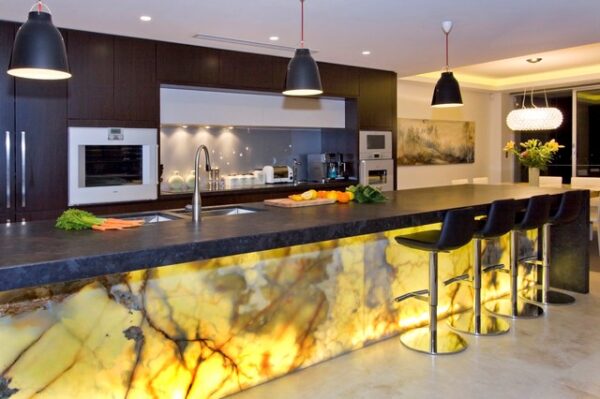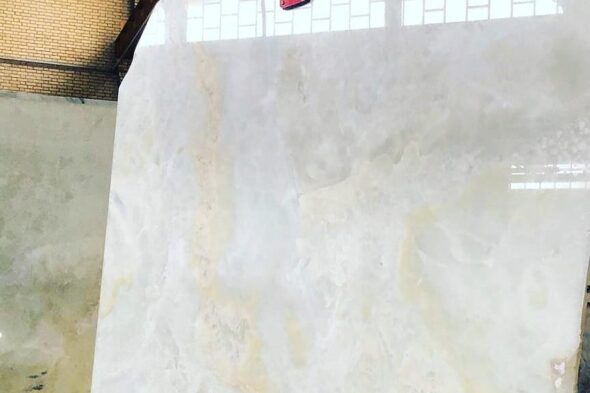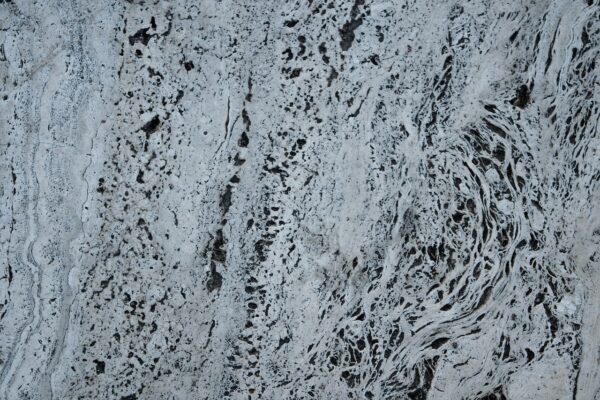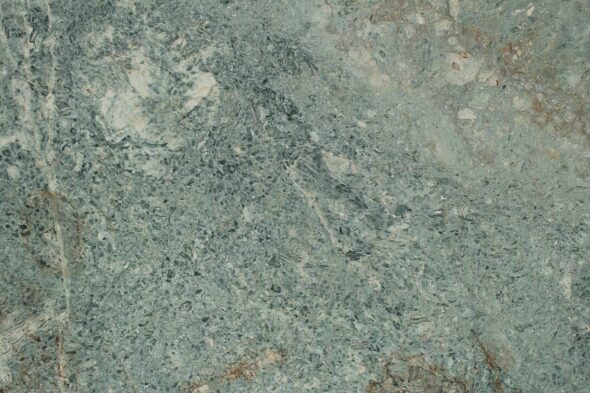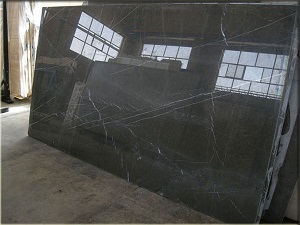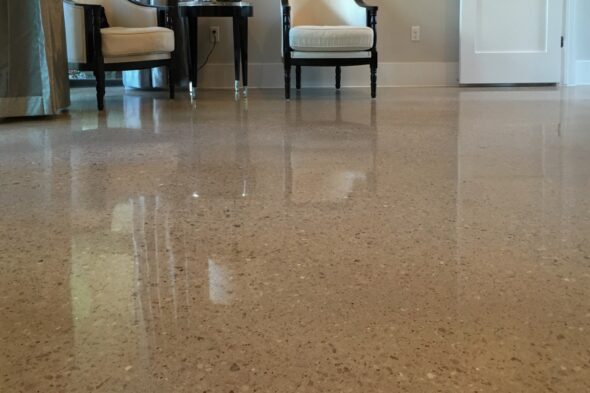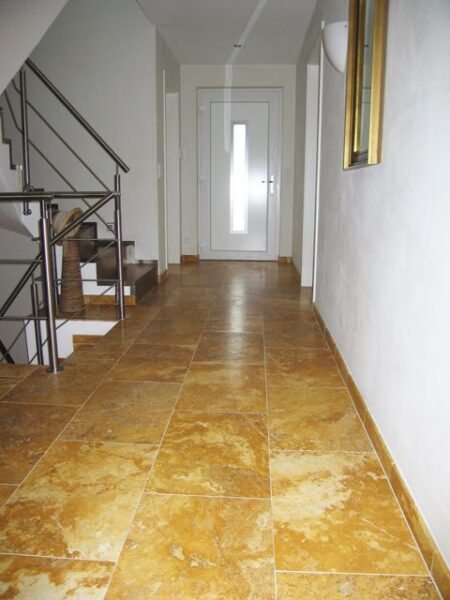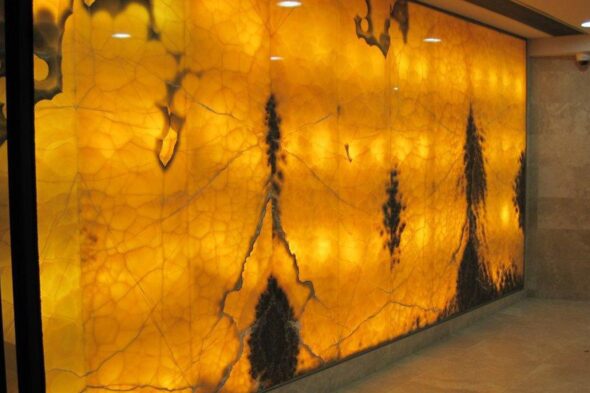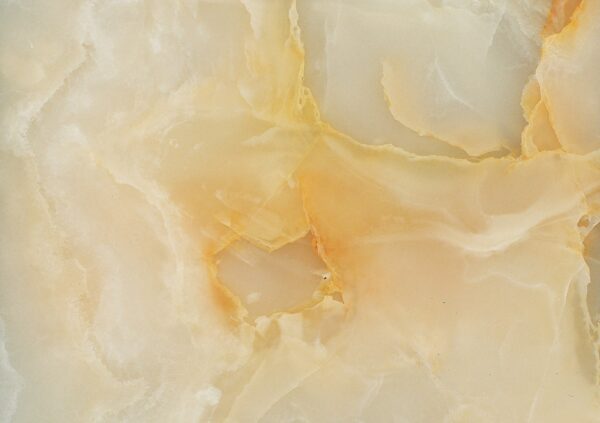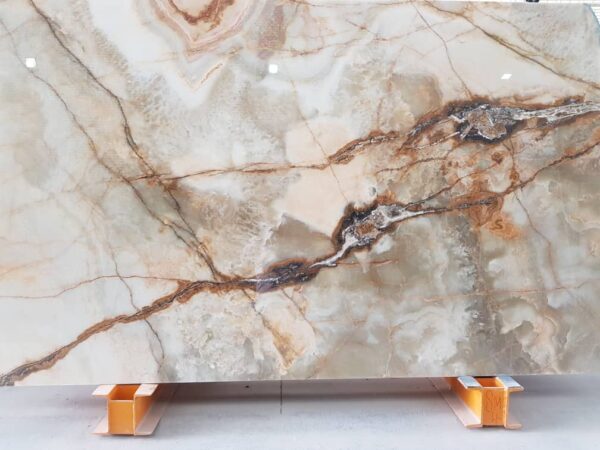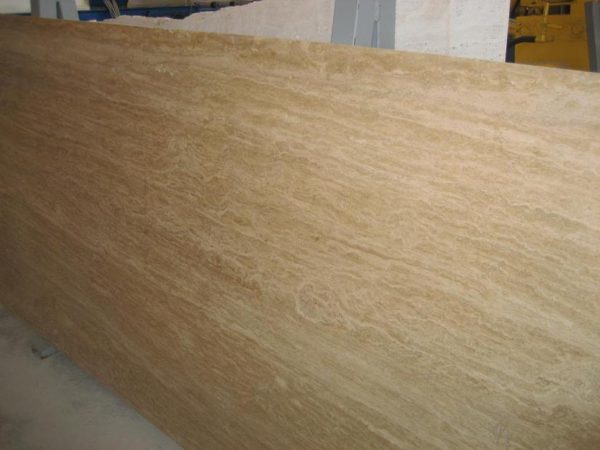
green granite

Best Stone Tile for Bathroom

Elegant, Durable & Moisture-Resistant

Choosing the best stone tile for your bathroom can elevate the look and feel of the space while adding long-term value to your home. With natural elegance and unmatched durability, stone tiles are a top choice for homeowners seeking both function and style.

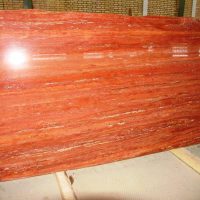
types of red travertine - iranian red travertine slabs and tiles

Why Stone Tiles Are Ideal for Bathrooms

Stone tiles are not just about looks. They offer practical benefits that make them ideal for wet environments like bathrooms:

  • Durability: Natural stone can last decades with proper sealing and care.

  • Water Resistance: When sealed correctly, stone tiles resist moisture and prevent mold growth.

  • Aesthetic Appeal: From classic marble to rustic slate, each type of stone brings a unique visual texture.

Top 4 Best Stone Tiles for Bathrooms

When selecting a stone tile, it’s essential to consider moisture resistance, slip resistance, and maintenance. Here are the top contenders:

1. Marble Tile: Timeless Luxury

Marble is the go-to for luxury bathrooms. Its rich veining and high-end appeal make it a favorite for floors, shower walls, and countertops.

Pros:

  • Elegant appearance

  • Adds real estate value

  • Cool underfoot, ideal for heated floors

Cons:

  • Requires regular sealing

  • Can be slippery when wet

Best for: Master bathrooms and feature walls.

2. Slate Tile: Textured and Slip-Resistant

Slate is known for its natural grip and earthy tones. It’s highly resistant to water, making it ideal for floors and showers.

Pros:

  • Naturally slip-resistant

  • Dark, modern look

  • Durable and easy to maintain

Cons:

  • Uneven surface may require more grout

  • Limited color options

Best for: Shower floors and rustic-style bathrooms.

3. Travertine Tile: Warm and Welcoming

Travertine brings a soft, textured surface that adds warmth to any bathroom.

Pros:

  • Non-slip when honed

  • Soft beige and ivory tones

  • Budget-friendly compared to marble

Cons:

  • Porous, needs sealing

  • Can stain easily if unsealed

Best for: Guest bathrooms or powder rooms.

4. Granite Tile: Durable and Low-Maintenance

Granite is a tough, stain-resistant option that holds up well in high-traffic areas.

Pros:

  • Extremely hard and durable

  • Water- and stain-resistant

  • Available in many colors

Cons:

  • Heavier tile, needs strong subfloor

  • Can be more expensive

Best for: High-use bathrooms and family homes.

How to Choose the Right Stone Tile for Your Bathroom

When deciding on the best stone tile for your bathroom, consider:

  • Slip resistance: Prioritize textured surfaces for flooring.

  • Maintenance needs: Know how often it needs sealing or cleaning.

  • Style compatibility: Match your tile to your overall bathroom aesthetic.

  • Budget: Natural stone comes at a range of price points.

Final Thoughts: Stone Tile Combines Beauty and Strength

The best stone tile for your bathroom depends on your style, budget, and how the space is used. Marble adds a touch of elegance, slate ensures safety, travertine offers warmth, and granite delivers toughness. With the right choice, your bathroom will be both beautiful and built to last.

https://www.rockstone.biz/how-stone-tiles-are-made/

Granite Slabs

Farzin Rock Stone Company 

alabaster slab

Best stone tiles

Best Stone Tiles for Stylish and Durable Spaces

When it comes to long-lasting, elegant flooring, stone tiles remain one of the best choices. Whether you’re renovating your home, designing a luxury commercial space, or building outdoors, stone tiles offer unmatched beauty and durability. But with so many options on the market, how do you choose the best stone tiles for your project?

green granite

Let’s explore the top choices and what makes them ideal for different environments.

Why Choose Natural Stone Tiles?

Stone tiles bring more than just aesthetic appeal. They are:

  • Durable and weather-resistant

  • Naturally beautiful and unique

  • Low-maintenance when sealed properly

  • Eco-friendly and sustainable

Because each tile is cut from natural rock, no two pieces look exactly the same. This gives every floor, wall, or patio a rich, timeless feel that synthetic materials can’t replicate.

Top 5 Best Stone Tiles to Consider

1. Marble Tiles: Classic Luxury

Marble tiles are known for their elegant veining and polished finish. Common in bathrooms, kitchens, and luxury hotels, marble suits both walls and floors. However, they can be prone to scratching and need sealing.

Best for: Indoor floors, bathroom walls, countertops

2. Granite Tiles: Extreme Durability

If you want a surface that resists stains, scratches, and heat, granite is ideal. These tiles are dense, hard, and highly polished, making them perfect for high-traffic areas.

Best for: Kitchen floors, outdoor areas, commercial spaces

3. Travertine Tiles: Warm and Rustic

Travertine offers a natural, earthy tone that works well in Mediterranean or rustic settings. Its porous texture requires sealing, but the finish adds character.

Best for: Hallways, patios, feature walls

4. Slate Tiles: Natural Texture and Grip

Slate is a non-slip stone with natural clefts and earthy colors. It’s ideal for wet zones and outdoor flooring, especially where grip is essential.

Best for: Bathrooms, porches, garden paths

5. Limestone Tiles: Soft and Versatile

Limestone comes in softer tones and is easier to cut and shape. It provides a subtle, neutral look that works in both modern and traditional interiors.

Best for: Living rooms, bedrooms, fireplace surrounds

Choosing the Right Stone Tile for Your Space

When selecting stone tiles, consider the following:

  • Location: Outdoor or indoor? Wet or dry areas?

  • Finish: Polished for luxury, honed for modern matte, or tumbled for a rustic vibe

  • Maintenance: Some stones need more care than others

  • Budget: Stone tiles vary widely in price per square meter

Always consult with a supplier who can recommend tiles based on your needs and environment.

Final Thoughts: Upgrade with the Best Stone Tiles

Choosing the best stone tiles means balancing style, function, and durability. Whether you’re drawn to the sleek elegance of marble or the rugged charm of slate, natural stone adds lasting value to any space.

For the best results:

  • Buy from trusted suppliers

  • Ensure proper installation

  • Seal and maintain your stone regularly

With the right choice, your stone tile surface can last a lifetime—and make every step feel extraordinary.

https://www.rockstone.biz/best-price-for-travertine-tiles-2/

Onyx Tiles Export to Italy

rockstone company

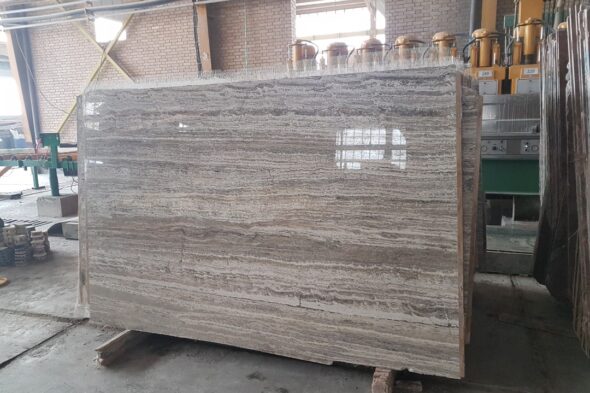
silver travertine

The Best Way to Cut Natural Stone Tile

A Pro Guide

Natural stone tile adds elegance, strength, and timeless beauty to any space. Whether you’re installing granite, marble, slate, or travertine, precision cutting is essential to achieving a professional look. However, cutting natural stone requires the right tools, techniques, and safety measures. In this guide, we’ll walk you through the best way to cut natural stone tile without cracks or costly mistakes.

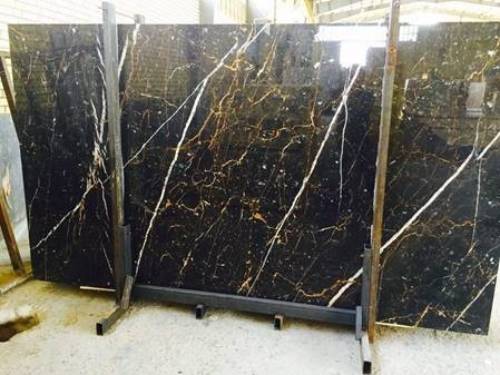
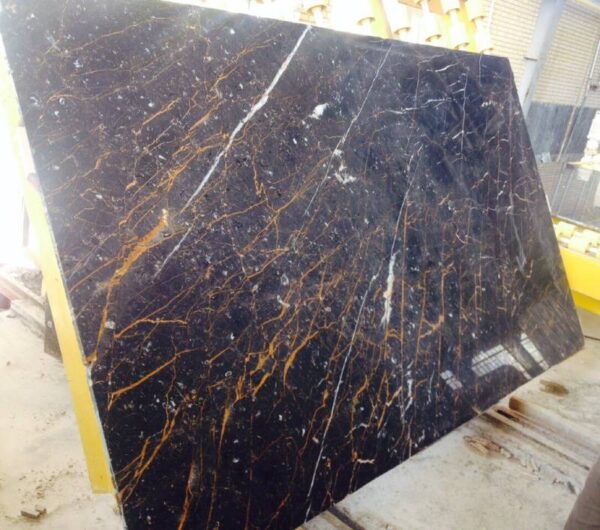
Black and yellow marble

Why Cutting Stone Tile Requires Special Attention

Natural stone tiles are denser and more brittle than ceramic or porcelain tiles. Therefore, using improper tools or techniques can lead to chipping, uneven edges, or even tile breakage. To get clean, accurate cuts, you need to understand both the material and the method.

Common Cutting Challenges

  • Chipping at the Edges

  • Cracks During Cutting

  • Irregular Cuts or Poor Fit

  • Dust and Debris Hazards

Fortunately, these issues can be avoided with the right approach.

Tools You Need to Cut Natural Stone Tile

Before you start, gather the proper equipment. Using the right tools not only ensures safety but also delivers a cleaner finish.

1. Wet Saw with a Diamond Blade

The wet saw is the gold standard for cutting stone tile. It uses a water-cooled diamond blade that reduces friction and keeps the tile from overheating or cracking. As a result, cuts are smoother, and the risk of damage is minimized.

2. Angle Grinder (For Detailed Cuts)

For notches, curves, or corner cuts, an angle grinder with a diamond blade is ideal. Although it’s less precise than a wet saw, it’s highly effective for small adjustments or intricate shapes.

3. Tile Nippers (Optional)

Tile nippers help trim off small bits or corners, especially after initial cuts. However, use them cautiously, as they can cause breakage on delicate stones.

4. Safety Gear

Always wear eye protection, gloves, and a mask. Since stone dust can be harmful, it’s critical to use protective equipment and work in a well-ventilated area.

Step-by-Step: How to Cut Stone Tile Cleanly

Follow these key steps for a precise, professional cut:

  1. Measure and Mark Accurately
    Use a grease pencil or chalk to mark your cut lines. Double-check measurements before moving forward.

  2. Set Up the Wet Saw
    Fill the reservoir with water. Then, ensure the blade is aligned and the guide fence is secure.

  3. Cut Slowly and Steadily
    Push the tile gently into the blade. Avoid forcing it, as slow, consistent pressure reduces the chance of chipping.

  4. Smooth the Edges
    Use a rubbing stone or sanding pad to smooth sharp edges. This not only improves appearance but also increases safety.

Final Tips for Success

  • Always test a scrap tile first to calibrate your cut.

  • Use a continuous-rim diamond blade, not a segmented one.

  • Seal the tiles after cutting, especially for porous stones like marble or travertine.

https://www.rockstone.biz/best-way-to-clean-granite-tile/

The Best Way to Cut Natural Stone Tile

rockstone company

Black Marquina

How to Prevent Stone Tiles from Cracking

A Complete Guide

Stone tiles are a timeless choice for both indoor and outdoor spaces. They offer durability, elegance, and long-term value. However, without proper installation and maintenance, even the toughest stone tiles can crack over time. Fortunately, there are practical steps you can take to prevent this from happening. Whether you’re a homeowner, contractor, or property manager, avoiding cracks is essential for both longevity and safety.

Brown-Onyx
Brown-Onyx

Why Stone Tiles Crack

Stone tile cracks usually occur due to poor installation, structural movement, or environmental stress. Therefore, understanding the root causes is the first step toward prevention.

Common Causes of Cracks in Stone Tiles

  • Improper Subfloor Preparation: An uneven or unstable subfloor puts stress on tiles, leading to cracks.

  • Temperature Fluctuations: Natural stone expands and contracts. If not addressed properly, this movement can result in fractures.

  • Heavy Loads or Impact: Dropping heavy objects or applying excessive pressure can damage tiles instantly.

  • Moisture Infiltration: Water can seep into porous stone and freeze. As a result, expansion and cracking may occur.

Best Practices to Prevent Stone Tile Cracking

Preventing tile damage begins with the right choices and preparation. In fact, both professionals and DIYers should follow these proven steps.

1. Invest in Quality Materials

Start with high-grade natural stone suitable for your climate and use case. For example, granite is more durable than limestone, especially in high-traffic areas. Also, choose a flexible adhesive or thin-set mortar specifically designed for stone tile.

2. Prepare the Subfloor Properly

A level, clean, and dry subfloor is critical. To ensure this, use a cement backer board or an anti-fracture membrane. Additionally, when tiling over concrete, consider crack isolation systems to absorb structural movement.

3. Leave Expansion Joints

Stone tiles need room to “breathe.” Otherwise, they may buckle or crack due to thermal changes. Because of this, always include expansion joints—especially in large tiled areas or exterior settings.

4. Seal the Stone and Grout

Natural stone is porous. Therefore, applying a penetrating sealer protects it from moisture, stains, and freeze-thaw cycles. Ideally, reseal your tiles every 1–2 years for continuous protection.

5. Control Moisture and Drainage

For outdoor applications, ensure proper slope and drainage. Similarly, in bathrooms or kitchens, install waterproofing systems to avoid water accumulation beneath the tiles. By doing this, you prevent moisture-related cracks over time.

Professional Installation Makes a Difference

Hiring experienced tile installers can save you time, money, and frustration. Since professionals understand industry best practices, they can ensure proper layout, spacing, and long-term stability. Whether you’re handling a commercial or residential project, working with a pro is a smart investment.

Final Thoughts

Stone tile cracks are preventable with the right preparation and care. By following these tips, you not only protect your investment but also extend the beauty and durability of your tiled space. After all, prevention is far easier—and cheaper—than repair.

https://www.rockstone.biz/best-way-to-clean-travertine-tile/

How to Prevent Stone Tiles from Cracking

rockstone company

Black Marquina

Best Cleaner Brands for Stone Tiles

Trusted Products for a Spotless Finish

Keeping stone tile surfaces looking their best requires the right cleaning solution—and not just any cleaner will do. Natural stone like granite, marble, slate, or travertine needs gentle, pH-balanced formulas. Choosing one of the best cleaner brands for stone tiles helps protect your floors while delivering a deep clean that brings out their natural beauty.

Pietra Grey Marble
Pietra Grey Marble

Below, we highlight the top brands known for safe, effective, and long-lasting results on natural stone surfaces.

Why Brand Matters When Choosing a Stone Tile Cleaner

Using a reputable brand ensures your cleaner is tested, safe for stone, and backed by positive customer reviews. Cheap or generic cleaners may contain acidic ingredients that damage delicate surfaces, strip sealants, or cause discoloration.

Key Features to Look for:

  • pH-neutral or stone-safe formulas

  • Non-toxic and biodegradable ingredients

  • Suitable for sealed and unsealed stone

  • No harsh chemicals like bleach or ammonia

Top 3 Cleaner Brands for Stone Tiles in 2025

1. Granite Gold® – Expertly Formulated for Natural Stone

Why It’s a Top Brand:
Granite Gold is one of the most trusted names in stone care, with over 50 years of experience. Their products are made in the USA and are specifically designed for granite, marble, travertine, and other natural stone tiles.

Top Product: Granite Gold Stone & Tile Floor Cleaner

  • Streak-free and non-toxic

  • No rinsing required

  • Safe for daily use on kitchen and bathroom floors

Best For: Homeowners who want a no-fuss, effective, and safe cleaning solution.

2. Black Diamond® – Professional Strength, Safe Results

Why It’s a Top Brand:
Black Diamond Stoneworks offers professional-grade cleaners with a focus on eco-friendliness and safety. Their stone floor cleaner is one of the highest-rated for natural stone.

Top Product: Marble & Tile Floor Cleaner

  • Concentrated and long-lasting

  • pH-balanced for all natural stone

  • Trusted by cleaning pros and homeowners

Best For: Those looking for commercial-level clean at home.

3. StoneTech® by LATICRETE – Advanced Stone Care Technology

Why It’s a Top Brand:
Known for innovation and reliability, StoneTech is favored by contractors and stone care specialists. Their formulas are ideal for preserving sealed stone while removing tough grime.

Top Product: StoneTech Daily Cleaner

  • Neutral pH

  • Protects sealer longevity

  • Great for countertops and floors alike

Best For: High-end homes or professional-grade maintenance.

How to Use Stone Cleaner Brands Correctly

Even with the best cleaner brand, technique matters. Here’s how to get the most from your cleaner:

  1. Sweep or vacuum before mopping.

  2. Use a microfiber mop or soft cloth.

  3. Avoid oversaturating the floor.

  4. Always test in a small area first.

  5. Reseal stone as needed for ongoing protection.

Pro Tip:

Pair your cleaner with a brand-approved stone sealer every 6–12 months to prevent stains and moisture damage.

Final Thoughts: Invest in Trusted Brands for Stone Tile Care

The best cleaner brands for stone tiles don’t just clean—they protect and enhance. By choosing trusted names like Granite Gold, Black Diamond, and StoneTech, you’re ensuring that your floors stay beautiful, durable, and safe from damage. Don’t take chances with generic cleaners—invest in proven brands built for stone care.

https://www.rockstone.biz/best-way-to-clean-onyx-tile/

Best Cleaner Brands for Stone Tiles

rockstone company

The use and installation of granite tiles

Best Cleaners for Stone Tiles

Top Picks for Long-Lasting Shine

When it comes to maintaining the beauty and durability of your stone tile floors, using the best stone tile cleaners is essential. Not all cleaners are made equal—using the wrong one can lead to etching, discoloration, or long-term damage. In this guide, we’ll highlight the top-rated cleaners that are safe, effective, and designed specifically for stone surfaces.

Yellow Travertine Floor

Why You Need a Specialized Cleaner for Stone Tiles

Stone tiles—such as marble, slate, granite, and travertine—are porous and delicate compared to ceramic or porcelain. Common household cleaners often contain acids or harsh chemicals that can erode the surface, dull the finish, or even stain natural stone.

Benefits of Using a Proper Stone Cleaner:

  • Protects sealant and prevents erosion

  • Preserves natural shine and texture

  • Removes dirt and grime without leaving residue

  • Prevents mold and mildew in high-moisture areas

For best results, choose a pH-balanced cleaner formulated specifically for natural stone.

Top 3 Best Cleaners for Stone Tiles in 2025

1. Granite Gold Stone & Tile Floor Cleaner

Best For: All-natural stone surfaces (granite, marble, travertine)
Features:

  • pH-balanced and biodegradable

  • Non-toxic, safe for kids and pets

  • No rinse formula—just spray and mop

Why We Love It: It’s streak-free, smells fresh, and leaves no sticky residue. Ideal for high-traffic areas.

2. Black Diamond Stoneworks Marble & Tile Floor Cleaner

Best For: Marble, limestone, travertine, and polished stone
Features:

  • Gentle formula that deep cleans

  • Concentrated—1 bottle makes multiple gallons

  • Safe for daily use

Pro Tip: Use with a microfiber mop for an even finish and to reduce water spots.

3. StoneTech Daily Cleaner by Laticrete

Best For: Sealed natural stone surfaces
Features:

  • Neutral pH formula

  • Great for kitchen and bathroom stone tiles

  • Comes in spray or gallon size

Bonus: Helps maintain the sealer layer, extending your floor’s life.

How to Clean Stone Tile Floors Properly

To keep your floors looking their best, follow these simple steps:

  1. Sweep or vacuum daily to remove loose debris.

  2. Damp mop with a pH-neutral cleaner weekly.

  3. Avoid vinegar, bleach, or ammonia, which can damage the stone.

  4. Reseal your tiles every 6–12 months depending on traffic.

Expert Tip:

Use doormats at entryways and felt pads under furniture to prevent scratching.

Final Thoughts: Choose the Right Cleaner for Your Stone Tiles

Stone tiles are an investment—protect them with the right cleaner. Whether you have marble in your bathroom or slate in your kitchen, the right cleaning product can preserve the natural elegance and durability of your flooring. For the best results, always go with pH-balanced, stone-safe formulas and follow a regular maintenance schedule.

https://www.rockstone.biz/export-traonyx-to-the-usa/

Best Cleaners for Stone Tiles

rockstone company

Honey Onyx

Best Way to Clean Onyx Tile

Keep Your Stone Looking Luxurious

Onyx tile adds elegance and luxury to any space, but it’s also one of the most delicate natural stones. Knowing the best way to clean onyx tile is essential to preserve its beauty and prevent damage. Whether it’s in your bathroom, kitchen, or flooring, proper care will extend the life of your onyx surfaces.

yellow onyx
yellow onyx

Why Onyx Tile Needs Special Care

Onyx is a calcium-based stone, making it sensitive to acids, abrasives, and harsh chemicals. Unlike granite or porcelain, onyx can easily etch, stain, or lose its shine if cleaned incorrectly.

Common Cleaning Mistakes to Avoid

  • Using vinegar, lemon, or other acidic cleaners

  • Scrubbing with abrasive pads or brushes

  • Leaving spills for too long

  • Applying generic tile or bathroom cleaners

Step-by-Step: The Best Way to Clean Onyx Tile

Here’s how to clean onyx tile the safe and effective way:

1. Dust or Vacuum First

Use a soft microfiber cloth or a vacuum with a brush attachment to remove dirt and grit. This prevents surface scratching during cleaning.

2. Use a pH-Neutral Cleaner

Choose a stone-safe, pH-neutral cleaner specifically formulated for natural stone. These are gentle on the surface and won’t cause etching or discoloration.

Pro Tip: You can also mix a mild dish soap with warm water if you don’t have stone cleaner. Just avoid anything citrus-based.

3. Wipe Gently with a Soft Cloth

Dampen a microfiber cloth or mop in your cleaning solution. Wipe in circular motions. For bathroom onyx tiles, use a squeegee after each shower to prevent water spots.

4. Rinse Thoroughly

Rinse the cleaned area with clean water to remove any remaining soap or residue. This keeps your onyx from looking dull or streaky.

5. Dry Immediately

Always dry the tile with a soft towel. Standing water can lead to mineral deposits or mildew, especially in grout lines.

Long-Term Maintenance Tips

  • Seal your onyx tile every 6–12 months with a high-quality penetrating sealer.

  • Wipe up spills immediately, especially oils, wine, or citrus-based liquids.

  • Use mats or area rugs in high-traffic zones to reduce wear and tear.

  • Avoid placing metal or rough objects directly on the surface.

Professional Cleaning for Deep Restoration

If your onyx tile has scratches, dull spots, or staining, it’s best to call a professional stone restoration service. They use special equipment and compounds to polish, seal, and restore the tile without damage.

Conclusion:
Onyx tile is stunning, but it demands the right care. By using pH-neutral cleaners, avoiding abrasives, and regularly sealing the surface, you’ll keep your onyx tile gleaming for years. For those looking to combine elegance with lasting value, knowing the best way to clean onyx tile is the first step to protecting your investment.

https://www.rockstone.biz/grey-stone-tiles-outdoor/

Best Way to Clean Onyx Tile

rockstone company

Best Way to Clean Basalt Tile

Preserve the Beauty of Natural Stone

Basalt tile is a durable, sophisticated option that adds a modern, earthy appeal to homes and commercial spaces. However, like all natural stone, basalt requires proper care to maintain its deep tones and texture. In this guide, we’ll show you the best way to clean basalt tile safely and effectively—without damaging its surface.

basalt stone

Why Cleaning Basalt Tile Properly Is Crucial

Basalt is a dense volcanic stone, but it’s still porous and sensitive to harsh chemicals, acidic cleaners, and abrasive tools. Improper cleaning can lead to discoloration, etching, or water staining. To keep your basalt tile looking sharp and professional, you need to follow specific stone-safe cleaning practices.

Best Way to Clean Basalt Tile: Step-by-Step Guide

1. Use a pH-Neutral Stone Cleaner

Never use vinegar, bleach, or ammonia-based products on basalt. Instead, choose a pH-neutral stone cleaner specifically formulated for natural stone. This helps prevent surface damage and color fading.

You’ll need:

  • Soft microfiber mop or cloth

  • Bucket of warm water

  • pH-neutral stone cleaner

  • Soft brush or sponge

  • Dry microfiber towel

2. Sweep or Vacuum the Tile

Start by removing dirt, sand, or debris using a soft-bristle broom or vacuum with a hard-floor setting. This reduces the risk of scratching the tile during wet cleaning.

3. Damp Mop the Surface

Mix your pH-neutral cleaner with warm water according to the label. Dampen (not soak) your microfiber mop or cloth and wipe the basalt tile evenly. Focus on small sections at a time to avoid leaving water on the surface too long.

4. Rinse and Dry Immediately

Use a clean mop or cloth dampened with fresh water to rinse off any cleaner residue. Then, dry the floor completely using a dry microfiber towel. Standing water can stain unsealed basalt or leave unsightly water marks.

Pro Tips for Long-Term Basalt Tile Maintenance

Seal the Tile Regularly

Basalt should be sealed with a high-quality penetrating sealer to protect it from moisture, stains, and grime. Depending on usage, resealing is recommended every 1 to 2 years.

Spot Clean Stains Promptly

If something spills—especially oils, juices, or acidic liquids—wipe it up right away. Basalt can stain if liquids sit on the surface too long, especially if unsealed.

Avoid Abrasives

Don’t use hard brushes, steel wool, or gritty pads. These can scratch the surface and dull the natural finish of your basalt tile.

Final Thoughts: Maintain the Strength and Style of Basalt

The best way to clean basalt tile is by using gentle, stone-safe cleaners and regular care to protect its natural finish. With the right products and consistent maintenance, basalt tile remains a stunning, long-lasting feature in any space.

Looking for premium basalt-safe cleaners or professional sealing services? Partner with a trusted natural stone expert to keep your floors at their best.

https://www.rockstone.biz/can-you-put-stone-tile-on-drywall/

Best Way to Clean Basalt Tile

rockstone company

Best Way to Clean Travertine Tile

Safe & Effective Methods

Travertine tile is a popular choice for flooring, showers, and countertops thanks to its natural beauty and durability. However, cleaning travertine requires special care to maintain its look and avoid damage. In this guide, you’ll discover the best way to clean travertine tile using safe, professional methods that align with SEO best practices and Google-friendly readability.

Unveiling the Composition of Travertine Stone

Why Travertine Needs Special Care

Travertine is a natural stone that is porous and sensitive to acidic and abrasive cleaners. Without proper maintenance, it can stain, etch, or lose its finish. That’s why understanding how to clean travertine the right way is essential for homeowners and cleaning professionals.

Step-by-Step: Best Way to Clean Travertine Tile

1. Use the Right Cleaning Products

Always use a pH-neutral cleaner specifically formulated for natural stone. Avoid vinegar, lemon juice, bleach, or ammonia—they can permanently damage travertine surfaces.

Recommended tools:

  • Microfiber mop or soft cloth

  • Bucket of warm water

  • pH-neutral stone cleaner

  • Soft-bristled brush (for grout or textured surfaces)

  • Dry towel or mop for drying

2. Sweep or Vacuum First

Before mopping, sweep or vacuum the floor to remove dust, dirt, and debris. Grit can scratch the tile surface if not removed first.

3. Mop with a Damp (Not Wet) Mop

Mix the pH-neutral stone cleaner with warm water as directed. Use a damp microfiber mop (not overly wet) to gently clean the surface. Avoid soaking the tile, as excessive moisture can seep into the stone and cause damage over time.

4. Rinse and Dry Immediately

After mopping, rinse the floor with clean water to remove any leftover cleaner. Then, dry the surface completely with a clean towel or dry mop. This step helps prevent water spots and keeps your tile looking polished.

Long-Term Maintenance Tips

Seal Travertine Regularly

Travertine tile should be sealed every 1 to 2 years to protect against staining and moisture. Sealing also makes routine cleaning easier.

Clean Up Spills Right Away

Spilled liquids—especially wine, juice, or oils—should be wiped up immediately. Travertine can absorb these quickly and stain if not sealed properly.

Avoid Abrasive Scrubbers

Do not use steel wool, scouring pads, or hard brushes. These can scratch and dull the tile’s surface.

Final Thoughts: Keep Your Travertine Tile Looking Its Best

Maintaining travertine doesn’t have to be hard. The best way to clean travertine tile is by using gentle, stone-safe cleaners, cleaning regularly, and sealing the surface as needed. With the right care, your travertine tiles will stay beautiful, durable, and stain-free for years to come.

Looking for professional-grade travertine care products or cleaning services? Contact a trusted stone care specialist to protect your investment today.

https://www.rockstone.biz/the-best-way-to-…tural-stone-tile/

Best Way to Clean Travertine Tile

rockstone company

Black and Gold Marble

Best Way to Clean Marble Tile

Keep Your Floors Sparkling

Marble tile floors add an elegant touch to any home or commercial space. However, maintaining their natural beauty requires proper cleaning techniques to avoid damage and preserve their shine. In this guide, we’ll reveal the best way to clean marble tile that is safe, effective, and recommended by experts.

marble

Why Proper Cleaning of Marble Tile Matters

Marble is a natural stone, which means it’s porous and sensitive to acidic and abrasive substances. Using the wrong cleaning products can cause dullness, scratches, or even etching on your marble surface. To keep your floors looking pristine and extend their lifespan, it’s crucial to follow the right cleaning methods aligned with Google’s recommended SEO and readability guidelines.

Step-by-Step Guide: Best Way to Clean Marble Tile

1. Gather Gentle Cleaning Supplies

Avoid harsh chemicals. Instead, use these gentle supplies:

  • pH-neutral cleaner specifically designed for marble

  • Soft microfiber cloths or mop

  • Warm water

  • Soft-bristled brush (optional for grout cleaning)

2. Remove Dust and Debris

Start by sweeping or vacuuming the marble tile floor to remove dirt and grit. This prevents scratching during the cleaning process. A dry microfiber mop or a soft broom works best.

3. Prepare a Mild Cleaning Solution

Mix warm water with a small amount of pH-neutral marble cleaner. Avoid vinegar, lemon, or ammonia-based cleaners as these acids can etch marble surfaces and dull their shine.

4. Clean the Marble Tile

Dampen your microfiber mop or cloth in the cleaning solution and gently wipe the surface. Do not soak the marble as excessive water can penetrate the stone and cause stains or damage.

5. Rinse and Dry Thoroughly

After cleaning, rinse the mop or cloth with clean water and wipe the floor again to remove any leftover cleaning residue. Use a dry microfiber towel to dry the tiles completely. This prevents water spots and keeps the marble shiny.

Additional Tips for Maintaining Marble Tile

Regular Sealing Is Essential

Marble is porous, so it’s important to seal your tile periodically to prevent staining. Experts recommend sealing marble tiles every 6-12 months depending on the traffic and exposure to liquids.

Quickly Clean Up Spills

Spills, especially acidic ones like wine, coffee, or citrus juice, should be wiped up immediately to avoid etching and stains.

Avoid Abrasive Tools

Never use steel wool, scouring pads, or harsh scrub brushes on marble. These can scratch and damage the delicate surface.

Conclusion: Keep Your Marble Tile Beautiful and Lasting

By following this best way to clean marble tile guide, you protect your investment and enjoy the timeless beauty of marble for years to come. Always use pH-neutral cleaners, soft tools, and routine sealing to maintain your floors. For professional results or deep cleaning, consider consulting marble care specialists.

https://www.rockstone.biz/best-cleaners-for-stone-tiles/

Best Way to Clean Marble Tile

rockstone company