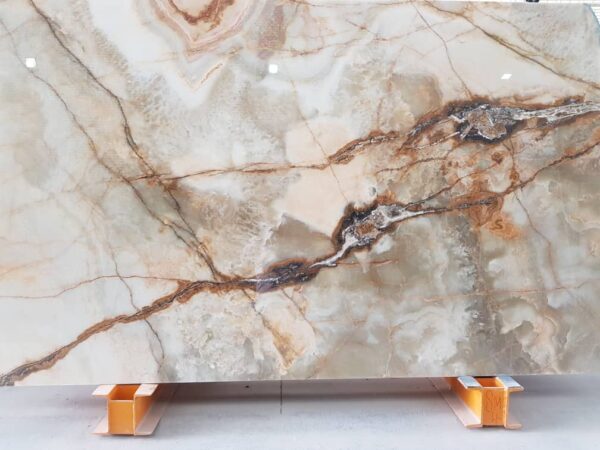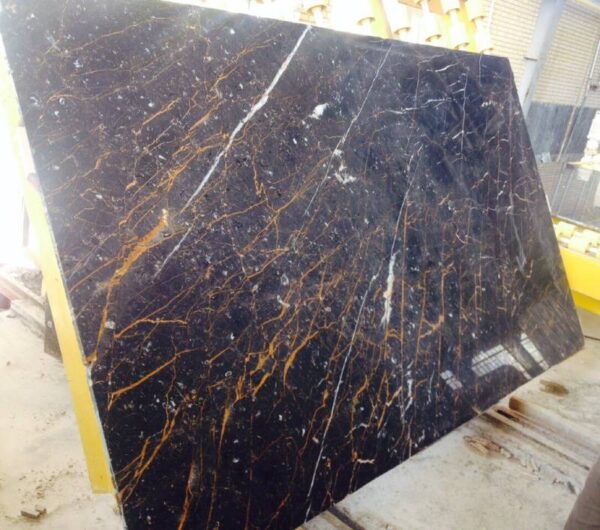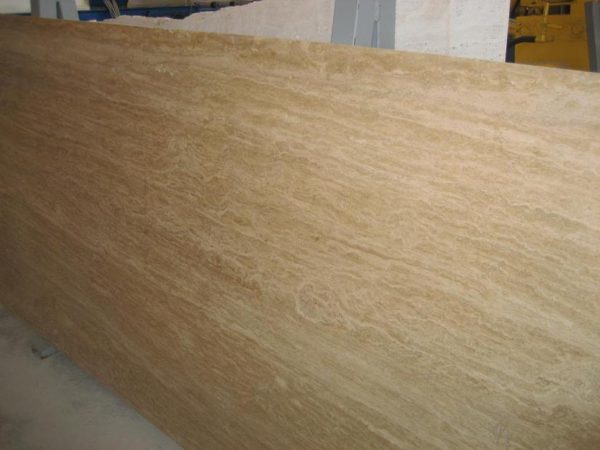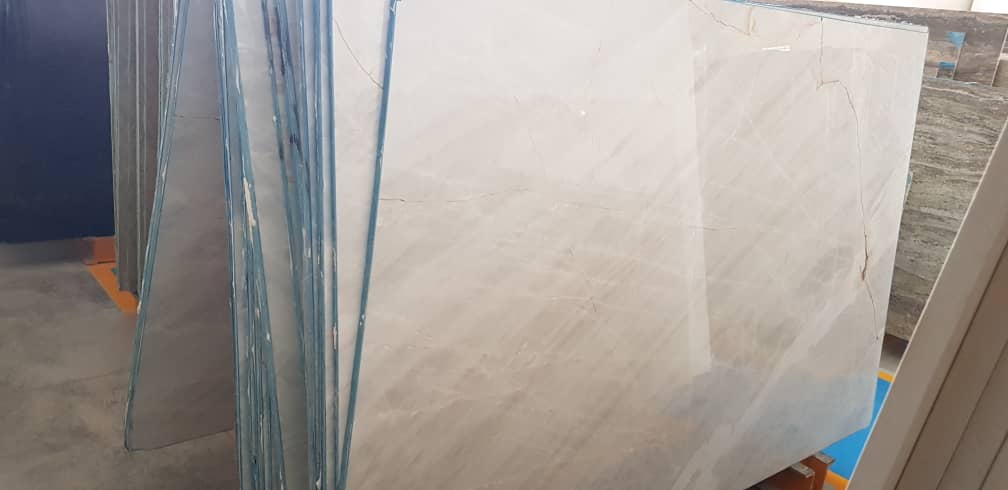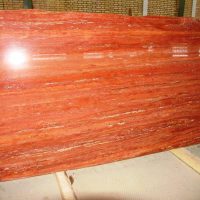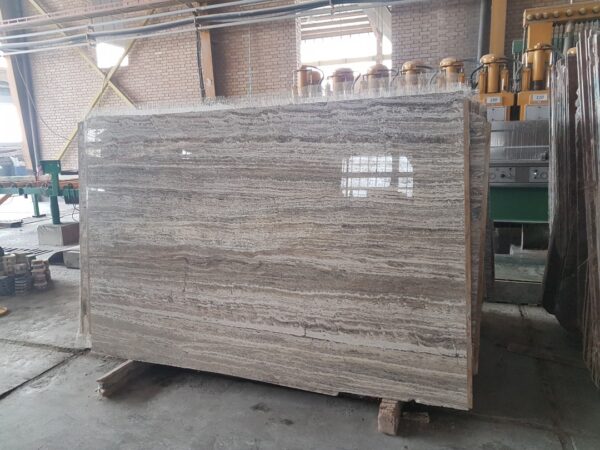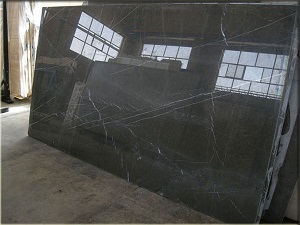

beautiful blue onyx

Best Type of Onyx for Export

Quality, Elegance, and Market Demand

Onyx has long captivated designers and architects for its luxurious appearance and unique patterns. For exporters, choosing the right type of onyx directly impacts sales, market reputation, and profitability. In this guide, we will explore the top types of onyx for export, their key features, and why international buyers prefer them.
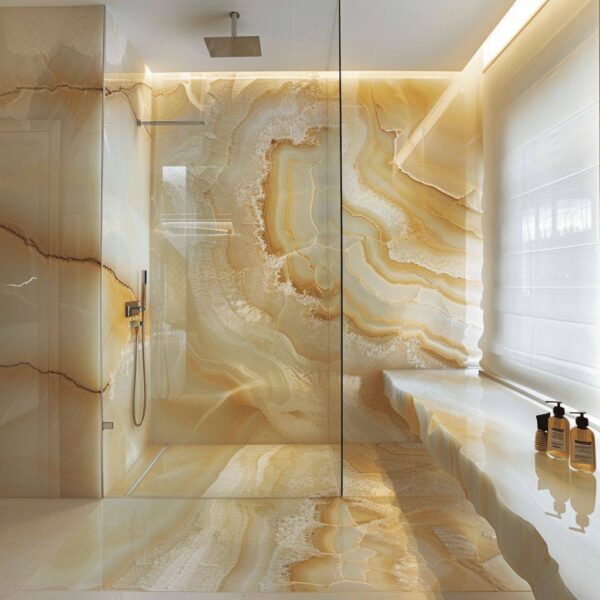
Honey Onyx Shower

Understanding Onyx and Its Market Appeal

Onyx is a natural stone prized for its translucency and striking veining. Designers use it in countertops, wall cladding, flooring, and decorative items. Unlike marble or granite, onyx adds sophistication and visual depth to any space.

Moreover, the export market favors onyx that combines quality, color consistency, and easy processing. Key factors that drive buyer decisions include:

  • Color and Pattern: Buyers seek vivid colors with clear, contrasting veins.

  • Durability and Thickness: Slabs must withstand construction needs while remaining easy to transport.

  • Finish and Polish: High-gloss finishes attract premium clients and increase resale value.

Top Types of Onyx for Export

1. Honey Onyx

Honey Onyx stands out with its warm golden hues and natural translucency. Designers frequently use it for backlit panels and luxury interiors. Consequently, exporters find strong demand in regions like the UAE, Europe, and the USA.

Commercial Appeal: Honey Onyx fetches premium prices. It fits both large-scale architectural projects and boutique design elements.

2. Green Onyx

Green Onyx features rich emerald tones with delicate veins. Luxury hotels, interior designers, and exclusive residential projects highly value its unique look. Its vibrant coloration creates natural yet opulent effects in interiors.

Export Advantage: Limited supply makes Green Onyx a lucrative export option, attracting buyers willing to pay a premium for rarity.

3. White Onyx

White Onyx offers a pure, timeless aesthetic. Its translucent qualities make it perfect for illuminated walls, countertops, and other elegant interior features. Designers choose it when they want understated luxury.

Commercial Benefit: Neutral tones match diverse design schemes, ensuring consistent international demand.

Why Choosing the Right Onyx Matters for Export

Selecting top-quality onyx boosts sales and strengthens your reputation in global markets. Exporters should prioritize color stability, uniform slab sizes, and reliable sourcing. Additionally, proper packaging ensures safe transport and minimizes damage.

Finally, understanding market preferences allows exporters to supply products that meet client expectations. By focusing on Honey, Green, and White Onyx, businesses can capture high-demand markets while providing stones that combine beauty, durability, and exclusivity.


https://www.rockstone.biz/different-types-of-travertine/

Natural honey onyx stone price

Brown-Onyx

Different Types of Onyx

A Complete Buyer’s Guide

Understanding Onyx and Its Uses

Onyx is a luxurious natural stone known for its translucent beauty, vibrant colors, and unique veining patterns. As a result, designers widely use it in high-end interior projects such as countertops, wall cladding, flooring, backsplashes, and decorative accents. Onyx enhances elegance and sophistication, making it a favorite in residential, commercial, and hospitality spaces.

Moreover, backlighting onyx highlights its natural translucency and creates dramatic visual effects. Consequently, architects and designers prefer it for premium applications that demand a bold statement.

Types of Onyx

Onyx comes in several types, each offering distinct aesthetics and design possibilities.

1. White Onyx

White onyx features soft, creamy tones and delicate veining. Therefore, designers often choose it for countertops, wall panels, and decorative flooring in modern or minimalist interiors. Its neutral palette blends seamlessly with different color schemes while maintaining a luxurious look.

2. Green Onyx

Green onyx shows rich emerald, jade, or olive shades. In addition, designers use it for feature walls, reception areas, and decorative panels in luxury spaces. Green onyx creates a high-impact visual statement in hotels, restaurants, and commercial projects.

3. Honey Onyx

Honey onyx presents warm golden and amber tones with intricate patterns. As a result, designers prefer it for countertops, tabletops, and flooring in residential and hospitality interiors. Honey onyx adds warmth and elegance, making spaces inviting and luxurious.

4. Red Onyx

Red onyx features deep burgundy and ruby hues accented with white or gold veins. Therefore, designers use it for statement walls, bar tops, and decorative panels that demand bold, luxurious looks. Red onyx suits high-end commercial spaces and luxury homes.

5. Black Onyx

Black onyx displays rich dark tones with striking white or gold veins, providing a dramatic and sophisticated appearance. Consequently, designers often install it in feature walls, countertops, and backlit panels in modern luxury interiors. Black onyx adds depth and elegance to any space.

Market Trends and Applications

Onyx continues to gain popularity because of its premium aesthetics and versatility. Designers, architects, and homeowners increasingly choose it for backlit panels, decorative walls, luxury countertops, and bespoke furniture. Moreover, its uniqueness ensures that no two slabs are identical, making it highly sought-after for exclusive projects.

Opportunities for Suppliers and Designers

Suppliers can boost sales by offering high-quality, diverse onyx varieties. In addition, designers can use the different types of onyx to create luxurious, one-of-a-kind interiors that appeal to high-end clients. Highlighting its beauty, translucency, and premium value attracts residential and commercial buyers alike.

Conclusion: Choosing the Right Onyx

Overall, buyers and designers can make informed choices by understanding the different types of onyx—white, green, honey, red, and black. Consequently, onyx remains a top choice for projects seeking elegance, luxury, and uniqueness. As a result, suppliers and designers can leverage its growing popularity in high-end interior design, commercial developments, and hospitality projects.

https://www.rockstone.biz/best-type-of-onyx-for-export/

Natural honey onyx stone price

Dark-Silver-Travertine

Different Types of Travertine

Guide for Buyers and Designers

Understanding Travertine and Its Uses

Travertine is one of the most popular natural stones in construction and design, prized for its elegance, durability, and versatility. As a result, it is widely used in flooring, wall cladding, countertops, patios, and landscaping. Travertine’s unique patterns and earthy tones make it a favorite for both residential and commercial projects.

Moreover, its eco-friendly and long-lasting nature aligns with modern sustainable building practices. Consequently, architects and designers prefer travertine for luxury and high-end projects that require a combination of beauty and performance.

Types of Travertine

Travertine is available in several types, each offering distinct aesthetics and applications.

1. Filled Travertine

Filled travertine is treated with resin or cement to fill its natural holes and voids. Therefore, it provides a smoother surface, making it ideal for interior flooring, countertops, and high-traffic areas. This type of travertine is easier to clean and maintain, which increases its commercial appeal.

2. Unfilled Travertine

Unfilled travertine retains its natural holes and pitting, which gives it a rustic and authentic look. In addition, it is often used for decorative walls, facades, and outdoor landscaping. While it requires more care, it adds a unique charm and texture that appeals to homeowners and designers seeking natural aesthetics.

3. Tumbled Travertine

Tumbled travertine undergoes a process that rounds edges and creates a worn, antique appearance. As a result, it is perfect for patios, pool decks, and walkways where slip resistance and a vintage look are desired. Tumbled travertine combines durability with artistic design, making it popular in both commercial and residential projects.

4. Honed and Polished Travertine

Honed travertine offers a smooth, matte finish, while polished travertine delivers a glossy, reflective surface. Therefore, these types are commonly used for interior flooring, countertops, and luxury wall cladding, providing an elegant and sophisticated aesthetic. Polished travertine highlights the stone’s natural patterns and colors, increasing its appeal in premium projects.

Market Trends and Applications

Travertine is experiencing growing demand globally due to its versatility and premium appearance. Residential homeowners, architects, and commercial developers increasingly choose travertine for flooring, walls, and landscaping. Moreover, digital marketplaces and international suppliers make it easier to source diverse travertine types to match specific design requirements.

Opportunities for Suppliers and Designers

Suppliers who emphasize quality, variety, and eco-friendly sourcing can attract architects, contractors, and luxury homeowners. In addition, designers can use the different travertine types to create unique, customized spaces that enhance property value and appeal.

Conclusion: Choosing the Right Travertine

Overall, understanding the different types of travertine—filled, unfilled, tumbled, honed, and polished—helps buyers and designers make informed decisions. Consequently, travertine remains a top choice for projects seeking durability, elegance, and natural beauty. As a result, suppliers and designers can capitalize on its growing popularity in residential, commercial, and landscaping applications.

https://www.rockstone.biz/slate-stone-demand-in-india/

Travertine Stone Pavers

Slate Stone Demand in India

Market Growth and Opportunities

Increasing Popularity of Slate in Indian Construction

The demand for slate stone in India is growing steadily, driven by urbanization, infrastructure development, and rising interest in durable and aesthetically appealing building materials. As a result, slate is widely used in roofing, flooring, wall cladding, and landscaping projects. Its natural durability, low maintenance requirements, and elegant appearance make it an ideal choice for residential, commercial, and heritage-style construction.

Moreover, architects and builders are increasingly using slate in luxury homes, hotels, and commercial spaces. Consequently, its natural resistance to weather, fire, and wear positions it as a superior alternative to synthetic building materials.

Slate stone

Key Factors Driving Slate Stone Demand

Sustainability and Eco-Friendly Construction

India is embracing sustainable and energy-efficient construction practices. Therefore, slate, being a natural and recyclable material, fits perfectly with eco-friendly building initiatives. Builders also choose slate to enhance longevity and reduce long-term maintenance costs, which appeals to both commercial and residential clients.

Growth in Urban Development and Renovation Projects

Furthermore, rapid urbanization and renovation of heritage buildings have significantly contributed to slate demand. Cities like Delhi, Mumbai, Bengaluru, and Jaipur show increasing interest in authentic slate roofing and decorative stonework. Slate’s premium look and long-lasting quality make it a preferred option for both modern and traditional designs.

Interior Design and Landscaping Applications

In addition, slate is gaining popularity in interior design and landscaping. From flooring and wall panels to outdoor patios and garden pathways, slate offers unique textures, natural colors, and a high-end finish. Thus, designers and homeowners increasingly select slate to elevate aesthetic appeal and property value.

Market Dynamics and Trade

India produces slate domestically in states like Rajasthan, Himachal Pradesh, and Uttarakhand, yet high-quality imported slate from Spain, Brazil, and China is also in demand. Meanwhile, online platforms and distributors make it easier for builders and architects to access premium slate varieties efficiently.

Major metropolitan areas exhibit the strongest demand, driven by commercial developments, residential projects, and luxury renovations. Consequently, suppliers targeting these urban centers can capitalize on India’s expanding slate market.

Future Outlook for Slate Stone in India

Expanding Applications in Modern Architecture

Although traditional roofing remains a primary use, interior decoration and landscaping are emerging as growth areas. High-end homes, hotels, and commercial spaces are increasingly incorporating slate for countertops, wall cladding, terraces, and decorative features.

Opportunities for Suppliers and Exporters

With India’s construction and renovation sectors growing, therefore, slate suppliers and exporters have excellent commercial potential. Highlighting durability, sustainability, and premium aesthetics can attract architects, builders, and designers seeking top-quality natural stone.

Conclusion: A Promising Market for Slate Stone in India

Overall, the Indian slate stone market is expanding rapidly due to urbanization, sustainable construction practices, and evolving design trends. Consequently, suppliers and exporters have strong opportunities to capture a growing market. As a result, slate is poised to remain a key material in India’s construction, interior design, and landscaping sectors.

Slate Stone Demand in China

Market Trends and Opportunities

Rising Popularity of Slate in China

The demand for slate stone in China is growing rapidly, largely due to urbanization, infrastructure expansion, and the rising interest in high-quality, durable construction materials. As a result, slate is widely used in roofing, flooring, wall cladding, and landscaping. Its combination of aesthetic appeal, durability, and eco-friendliness makes it a preferred choice for both residential and commercial projects.

Moreover, architects and builders are increasingly specifying slate for luxury developments and heritage-style renovations. Consequently, its natural resistance to fire, weather, and wear positions it as a superior alternative to synthetic materials.

Slate stone

Key Factors Driving Slate Stone Demand

Sustainable and Eco-Friendly Construction

China is placing greater emphasis on green building and sustainable urban development. Therefore, slate’s natural, recyclable, and environmentally friendly properties make it an ideal material for eco-conscious projects. Builders also use slate to meet national green construction standards and enhance building longevity.

Infrastructure and Urban Development

Furthermore, rapid urbanization and large-scale infrastructure projects have fueled demand for long-lasting, low-maintenance materials. Slate is particularly sought after for roofing, public buildings, and landscaping, where durability and visual appeal are essential.

Interior Design and Landscaping Applications

In addition, slate is gaining popularity in interior design and outdoor landscaping. From flooring and wall cladding to patios and garden pathways, its unique texture, varied colors, and premium finish enhance both residential and commercial spaces.

Market Dynamics and Trade

China imports high-quality slate from countries like Spain, Brazil, and India, while simultaneously increasing domestic quarry production to meet local demand. Meanwhile, digital marketplaces and online distribution channels have made it easier for architects, designers, and contractors to source premium slate products efficiently.

Major cities such as Beijing, Shanghai, and Guangzhou show the highest demand, especially in luxury residential construction and commercial development. Thus, suppliers targeting these regions can capitalize on significant growth opportunities.

Future Outlook for Slate Stone in China

Expanding Design Applications

Although roofing remains the primary use, interior decoration and landscaping are emerging as key growth areas. High-end projects are increasingly incorporating slate for countertops, wall panels, terraces, and decorative facades.

Opportunities for Suppliers and Exporters

With China’s construction and renovation sectors expanding, therefore, slate suppliers and exporters have substantial commercial potential. By emphasizing durability, eco-friendliness, and premium design, suppliers can attract builders, developers, and designers seeking high-quality natural stone.

Conclusion: A Growing Market for Slate Stone in China

Overall, the Chinese slate stone market is experiencing strong growth, driven by urbanization, sustainability initiatives, and evolving design trends. Consequently, suppliers and exporters have excellent opportunities to capture this expanding market. As a result, slate will continue to play a significant role in China’s construction and design landscape.

types of red travertine - iranian red travertine slabs and tiles

Slate Stone Demand in America

Trends and Market Opportunities

Growing Popularity of Slate in Construction and Design

The demand for slate stone in America is steadily increasing, driven by its durability, aesthetic appeal, and eco-friendly properties. Slate is widely used in roofing, flooring, landscaping, and interior design. Architects, builders, and homeowners prefer slate for its long-lasting quality, natural elegance, and low maintenance.

Regions such as the United States and Canada are seeing strong demand, particularly in high-end residential, commercial, and heritage restoration projects. Slate’s natural resistance to weather, fire, and wear makes it a superior choice compared to synthetic alternatives.

Slate stone

Key Factors Driving Slate Stone Demand

Sustainability and Eco-Friendly Construction

Environmental awareness is reshaping construction preferences in America. Slate is a 100% natural, recyclable, and environmentally friendly material, which aligns with the green building movement and LEED-certified projects. Builders increasingly choose slate to meet sustainability standards while delivering premium quality.

Renovation and Heritage Projects

America has a growing number of historical and heritage buildings that require authentic slate roofing and cladding. Renovation and restoration projects significantly contribute to slate demand, especially in northeastern states and urban centers where traditional architecture dominates.

Interior Design and Landscaping Trends

Beyond roofing, slate is becoming a popular choice for interior applications and landscaping. Slate countertops, wall cladding, patios, and outdoor walkways are in demand due to their unique texture, color variations, and natural elegance. The material’s versatility in both modern and rustic design projects drives commercial and residential adoption.

Market Dynamics and Trade

The United States sources slate from domestic quarries in Vermont, New York, and Pennsylvania, but also imports high-quality slate from Spain, Brazil, and India. The supply chain has grown more accessible through online distribution channels, allowing builders and designers to procure a wider variety of slate products.

High-end construction firms and luxury home builders increasingly prefer imported slate for its premium quality and aesthetic consistency. Meanwhile, domestic producers maintain strong demand for local projects, especially for roofing and large-scale commercial installations.

Future Outlook for Slate Stone in America

Expanding Applications

The use of slate is expanding beyond traditional roofing. Landscaping, interior flooring, and decorative applications are expected to drive the next wave of demand. Innovative designs and the growing trend of sustainable architecture will further boost adoption.

Opportunities for Suppliers and Exporters

Suppliers and exporters have significant opportunities in the American market. Highlighting durability, sustainability, and design flexibility will attract builders, architects, and homeowners. With rising construction and renovation activity, slate represents a high-margin, high-demand product in the North American market.

Conclusion: A Strong Market for Natural Slate

The American slate stone market is poised for growth, fueled by sustainability initiatives, renovation projects, and versatile design trends. For suppliers, exporters, and construction professionals, this is an excellent opportunity to capitalize on a premium natural material. As demand for eco-friendly and long-lasting materials increases, slate will continue to play a key role in America’s construction and design sectors.

https://www.rockstone.biz/how-to-clean-granite-to-stay-shiny/

marble company

Slate Stone Demand in Europe

Market Growth and Opportunities

Rising Popularity of Natural Stone Materials

In recent years, slate stone has become one of the most sought-after natural building materials in Europe. Known for its durability, timeless aesthetics, and eco-friendly characteristics, slate is widely used in roofing, flooring, cladding, and landscaping projects. The European construction and renovation sectors are increasingly prioritizing sustainable and long-lasting materials, and slate perfectly matches this demand.

Slate stone

Countries such as Germany, France, Spain, and the UK are driving market growth, as architects and homeowners alike prefer slate over synthetic alternatives. Its natural resistance to extreme weather conditions and low maintenance requirements make it an ideal choice for both modern and traditional projects.

Factors Driving Slate Stone Demand

Sustainability and Eco-Friendly Construction

Europe’s strict environmental policies and the push toward greener construction have accelerated the demand for slate. Unlike artificial materials, slate is 100% natural, recyclable, and energy-efficient in production, aligning perfectly with the EU’s sustainability goals.

Growth in Renovation Projects

The European housing market is witnessing a surge in renovation and restoration activities. Historical buildings, many of which originally used slate roofing, require authentic materials for repair. This has boosted demand not only for premium roofing slates but also for decorative applications.

Versatility in Design

Slate’s unique texture, wide range of colors, and ability to fit both rustic and contemporary styles make it a preferred material for architects and interior designers. From luxury hotels to residential landscaping, slate offers unmatched versatility, enhancing both aesthetics and property value.

Key Markets and Trade Dynamics

Spain remains the largest exporter of slate stone in Europe, supplying more than half of the continent’s roofing slate. Portugal and Wales also contribute significantly to the market. On the demand side, France, Germany, and the UK represent major importers due to their reliance on slate for heritage and modern construction.

The rise of e-commerce and digital supply platforms has also made it easier for buyers to source slate internationally, increasing competitiveness and product variety across the European market.

Future Outlook of Slate Stone in Europe

Growing Demand in Landscaping and Interiors

While roofing remains the primary use, demand for slate in interior design and landscaping is rapidly increasing. High-end projects now feature slate kitchen countertops, wall cladding, patios, and outdoor flooring due to its natural elegance and long lifespan.

Opportunities for Exporters and Suppliers

With Europe’s construction industry expected to expand steadily, suppliers and exporters of natural slate have significant opportunities. Marketing slate’s eco-credentials, durability, and premium look will be key to capturing new buyers and strengthening distribution networks across Europe.

Conclusion: A Promising Market for Natural Slate

The European demand for slate stone is on a strong upward trajectory, driven by sustainability goals, renovation trends, and design versatility. For suppliers, exporters, and construction companies, slate presents a lucrative and growing market opportunity. As both residential and commercial projects prioritize natural, long-lasting materials, slate will remain at the heart of Europe’s building and design sector.

https://www.rockstone.biz/did-water-stain-granite/

Demanded Stones in Europe

marble company

Slate Stone Exporters

Driving Global Trade in Natural Stone

Slate stone has become one of the most demanded natural stones worldwide. Known for its strength, durability, and elegant textures, slate is used in construction, interior design, and landscaping projects across many countries. As demand continues to grow, slate stone exporters play a vital role in connecting global buyers with high-quality materials.

Slate stone

Why Slate Stone Is in High Demand

Strength and Longevity

Slate stone is highly durable, resisting extreme weather, water, and heavy use. Because of this, it is a preferred choice for roofing, flooring, and outdoor paving. Exporters highlight this advantage to position slate as a reliable investment for international buyers.

Natural Beauty and Versatility

In addition, slate offers a wide variety of colors, including gray, black, green, and red. Its unique textures provide both rustic charm and modern elegance. Consequently, slate is popular among architects and designers who value natural aesthetics.

Sustainability and Eco-Friendly Profile

Moreover, slate is 100% natural and recyclable. Since many countries now focus on sustainable construction, exporters who promote slate as an eco-friendly solution attract more buyers and gain access to premium markets.

Key Global Markets for Slate Stone Exporters

Europe: A Traditional yet Modern Market

Europe has a long history of using slate, especially in roofing and flooring. Countries like Germany, France, Spain, and the UK remain major importers. Furthermore, the trend toward sustainable and stylish architecture ensures continuous demand for slate across the continent.

North America: Expanding Residential and Commercial Demand

The United States and Canada are strong markets for slate exporters. Builders and homeowners use slate for landscaping, kitchens, bathrooms, and luxury flooring. As a result, exporters supplying these markets benefit from consistent year-round demand.

Middle East and Asia-Pacific: Rapidly Growing Opportunities

In the Middle East, mega projects and luxury developments require large volumes of slate tiles and slabs. Meanwhile, China, India, and Japan are expanding markets, where slate is increasingly used in public spaces, commercial buildings, and modern housing projects. Exporters targeting these regions can secure significant long-term growth.

How Slate Stone Exporters Succeed

Delivering Quality and Certification

Global buyers demand certified products. Therefore, exporters who guarantee consistent quality, accurate sizing, and trusted certifications gain credibility and repeat business.

Offering Competitive Pricing and Logistics

In addition, exporters who provide fair pricing and efficient shipping solutions build stronger partnerships. Timely deliveries create trust and open doors to larger contracts.

Marketing Sustainability and Design Benefits

Finally, exporters who emphasize slate’s eco-friendly properties, timeless beauty, and durability appeal to premium buyers. Highlighting these benefits helps them stand out in competitive markets.

The Growing Role of Slate Stone Exporters

The global demand for slate stone continues to rise across construction, design, and landscaping sectors. Because of this, slate stone exporters hold a key role in supplying markets with high-quality, sustainable, and elegant products. Those who focus on quality assurance, competitive pricing, and eco-friendly marketing will strengthen their position and achieve long-term success in the international natural stone trade.

https://www.rockstone.biz/demand-basalt-in-germany/

buy iranian natural stone companies and suppliers for export from iran

Exporting Slate Stone

Opportunities and Global Market Demand

Slate stone has become one of the most popular natural stones in international trade. Because of its durability, beauty, and versatility, slate is highly valued in construction, interior design, and landscaping across the world. As global demand rises, the export of slate stone offers suppliers and traders excellent business opportunities.Exporting Slate Stone

Slate stone

Why Export Slate Stone?

Rising Global Demand

Countries in Europe, North America, the Middle East, and Asia-Pacific are actively importing slate for building and design projects. As a result, exporters who supply high-quality products can secure profitable contracts in multiple regions.

Versatility Across Industries

In addition, slate is used for roofing, flooring, cladding, countertops, and landscaping. Because of its wide range of applications, exporters benefit from consistent demand throughout the year.

Growing Preference for Natural Materials

Moreover, architects and homeowners increasingly prefer natural and sustainable materials. Slate aligns with this trend since it is durable, recyclable, and eco-friendly. Therefore, exporters who highlight slate’s environmental benefits can stand out in competitive markets.

Key Global Markets for Slate Stone

Europe: Tradition Meets Innovation

Europe has a long tradition of using slate, especially in roofing and flooring. Countries such as Germany, France, and the UK import large volumes of slate for both historic renovations and modern projects. Furthermore, the region’s emphasis on sustainable construction strengthens demand for natural stone.

North America: Strong Demand in Construction

The United States and Canada represent another major market for slate exports. Builders, landscapers, and homeowners choose slate for its strength, low maintenance, and timeless look. Consequently, demand remains steady in both residential and commercial sectors.

Middle East and Asia: Expanding Opportunities

In the Middle East, large-scale real estate and infrastructure projects create consistent demand for slate tiles and slabs. Meanwhile, China, India, and Japan continue to expand their use of slate in flooring, wall cladding, and luxury developments. As these regions grow, they present significant opportunities for exporters.

How Exporters Can Succeed in the Slate Market

Focus on Quality and Certification

International buyers demand reliable quality. Therefore, exporters must provide certified, high-grade slate with consistent color, texture, and durability.

Competitive Pricing and Logistics

In addition, offering competitive pricing and efficient shipping solutions gives exporters an advantage. Reliable logistics help build long-term relationships with buyers.

Marketing and Sustainable Positioning

Finally, exporters who promote slate as a sustainable, eco-friendly, and long-lasting material can capture premium markets. Highlighting environmental benefits appeals to architects and developers aiming for green building certifications.

Conclusion: Exporting Slate Stone for Growth

The export of slate stone continues to expand as global demand rises in construction, design, and landscaping. Because of its strength, beauty, and sustainability, slate remains a preferred material in many countries. Exporters who emphasize quality, reliability, and eco-friendly advantages will secure a strong position in international markets and achieve lasting growth.

https://www.rockstone.biz/slate-stone-exporters/

Best Stones to Export

rockstone company

Slate stone

Exporting Slate Stone

Opportunities and Global Market Demand

Slate stone has become one of the most popular natural stones in international trade. Because of its durability, beauty, and versatility, slate is highly valued in construction, interior design, and landscaping across the world. As global demand rises, the export of slate stone offers suppliers and traders excellent business opportunities. Exporting Slate Stone

Slate stone

Why Export Slate Stone?

Rising Global Demand

Countries in Europe, North America, the Middle East, and Asia-Pacific are actively importing slate for building and design projects. As a result, exporters who supply high-quality products can secure profitable contracts in multiple regions.

Versatility Across Industries

In addition, slate is used for roofing, flooring, cladding, countertops, and landscaping. Because of its wide range of applications, exporters benefit from consistent demand throughout the year.

Growing Preference for Natural Materials

Moreover, architects and homeowners increasingly prefer natural and sustainable materials. Slate aligns with this trend since it is durable, recyclable, and eco-friendly. Therefore, exporters who highlight slate’s environmental benefits can stand out in competitive markets.

Key Global Markets for Slate Stone

Europe: Tradition Meets Innovation

Europe has a long tradition of using slate, especially in roofing and flooring. Countries such as Germany, France, and the UK import large volumes of slate for both historic renovations and modern projects. Furthermore, the region’s emphasis on sustainable construction strengthens demand for natural stone.

North America: Strong Demand in Construction

The United States and Canada represent another major market for slate exports. Builders, landscapers, and homeowners choose slate for its strength, low maintenance, and timeless look. Consequently, demand remains steady in both residential and commercial sectors.

Middle East and Asia: Expanding Opportunities

In the Middle East, large-scale real estate and infrastructure projects create consistent demand for slate tiles and slabs. Meanwhile, China, India, and Japan continue to expand their use of slate in flooring, wall cladding, and luxury developments. As these regions grow, they present significant opportunities for exporters.

How Exporters Can Succeed in the Slate Market

Focus on Quality and Certification

International buyers demand reliable quality. Therefore, exporters must provide certified, high-grade slate with consistent color, texture, and durability.

Competitive Pricing and Logistics

In addition, offering competitive pricing and efficient shipping solutions gives exporters an advantage. Reliable logistics help build long-term relationships with buyers.

Marketing and Sustainable Positioning

Finally, exporters who promote slate as a sustainable, eco-friendly, and long-lasting material can capture premium markets. Highlighting environmental benefits appeals to architects and developers aiming for green building certifications.

Conclusion: Exporting Slate Stone for Growth

The export of slate stone continues to expand as global demand rises in construction, design, and landscaping. Because of its strength, beauty, and sustainability, slate remains a preferred material in many countries. Exporters who emphasize quality, reliability, and eco-friendly advantages will secure a strong position in international markets and achieve lasting growth.

https://www.rockstone.biz/exporting-slate-stone-2/

Best Stones to Export

Farzin Rock Stone Company