A Complete Guide for Export and Construction
Why Basalt Is in High Demand
Basalt is one of the most widely used volcanic stones in the global market. Known for its strength, density, and durability, it plays a vital role in both infrastructure and luxury projects. Moreover, its natural resistance to weather, fire, and heavy loads makes it highly valuable in construction, paving, and architectural design.
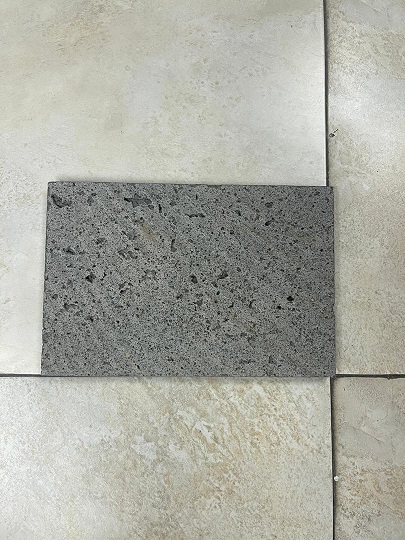
Consequently, understanding the different types of basalt allows buyers, architects, and exporters to choose the right stone for each project.
Main Types of Basalt
1. Crushed Basalt
Crushed basalt is widely used in road construction, rail ballast, and concrete production. Its hardness and angular shape provide stability and strength. Therefore, exporters supply crushed basalt in bulk for infrastructure and industrial projects worldwide.
2. Pumice Basalt
Pumice basalt forms when lava cools quickly, trapping air bubbles inside. This creates a lightweight and porous texture. Industries use it in abrasives, lightweight blocks, and insulation materials. In addition, pumice basalt’s low density makes it ideal for reducing structural weight in modern buildings.
3. Columnar Basalt
Columnar basalt is easily recognized by its hexagonal column formations, created through slow cooling of lava. Architects and designers use it in landscaping, decorative cladding, and unique architectural projects. As a result, columnar basalt is highly sought after for premium export markets.
4. Basalt Fiber
Basalt fibers are produced by melting basalt rock into fine threads. These fibers serve as reinforcement in concrete, composites, and automotive parts. Consequently, basalt fiber represents a modern and eco-friendly alternative to glass or carbon fibers in advanced industries.
5. Black Basalt
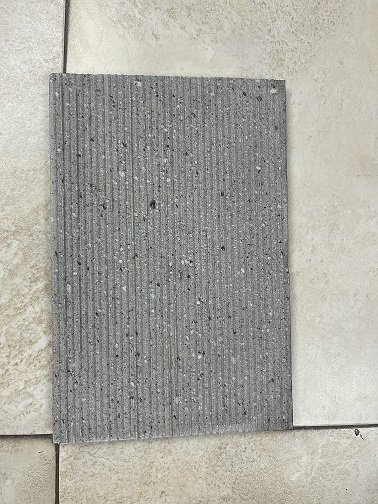
Black basalt is dense, durable, and elegant, often used in flooring, paving, and countertops. Its deep natural color provides a sleek and contemporary look for luxury homes and commercial spaces. Therefore, exporters highlight black basalt as a premium stone for modern architecture and high-end landscaping.
6. Vesicular Basalt
Vesicular basalt contains visible holes created by trapped gas bubbles during lava cooling. Builders use it in lightweight blocks, landscaping, and decorative applications. In addition, its unique texture adds natural beauty to exterior and garden projects.
Export Potential of Basalt
Basalt’s versatility ensures steady global demand. Countries in Asia, the Middle East, Europe, and North America import large quantities for both infrastructure and design purposes. Furthermore, its eco-friendly image strengthens its role in sustainable construction.
How Exporters Can Succeed
To capture these markets, exporters should:
Offer both industrial-grade and decorative basalt.
Highlight basalt’s eco-friendly, durable, and cost-effective properties.
Provide different finishes such as polished, flamed, or honed for architectural needs.
Moreover, strong SEO-driven marketing helps exporters reach international buyers searching for basalt suppliers, black basalt paving, or basalt fiber solutions.
Conclusion: Choosing the Right Type of Basalt
Overall, basalt comes in many types, including crushed basalt, pumice basalt, columnar basalt, basalt fiber, black basalt, and vesicular basalt. Consequently, each type serves unique purposes, from infrastructure to luxury design. As a result, exporters who promote the right variety can succeed in meeting growing global demand for basalt stone.
https://www.rockstone.biz/why-marble-is-mostly-used-indoors/


 white crystal