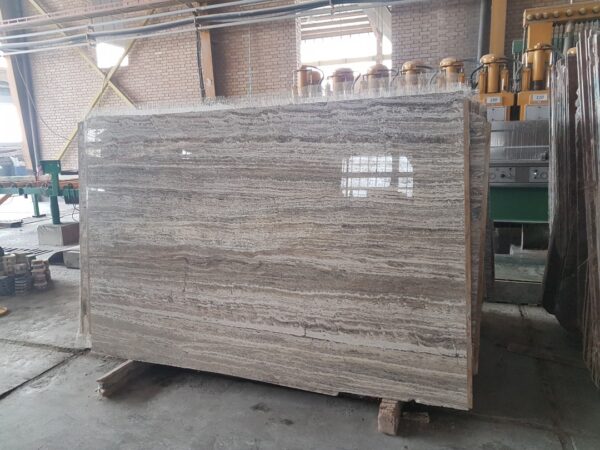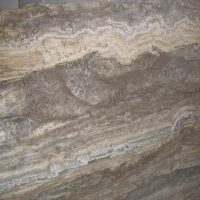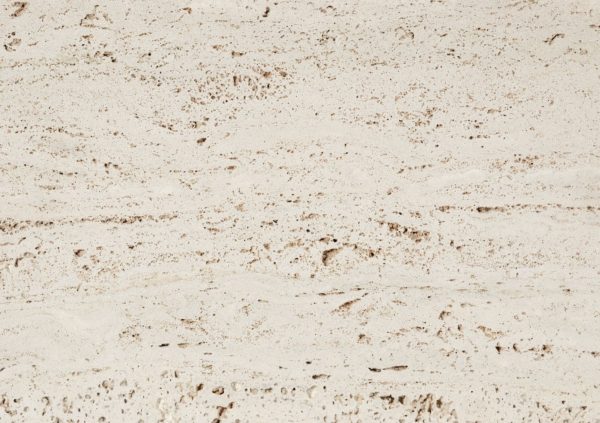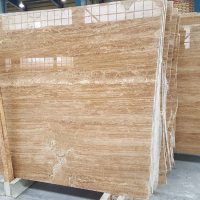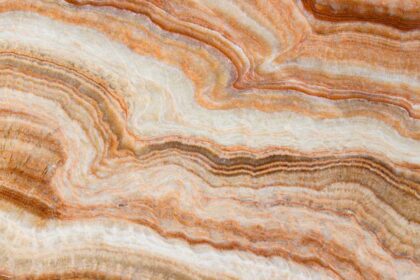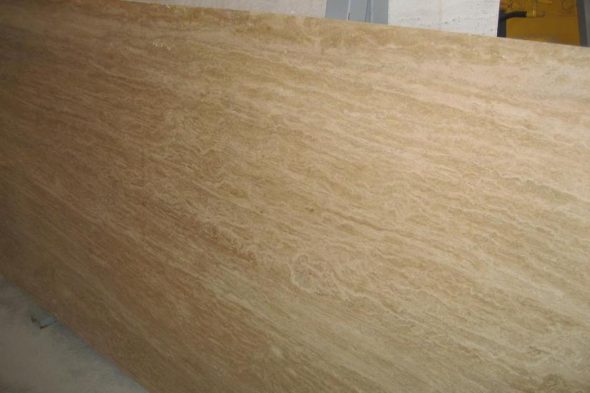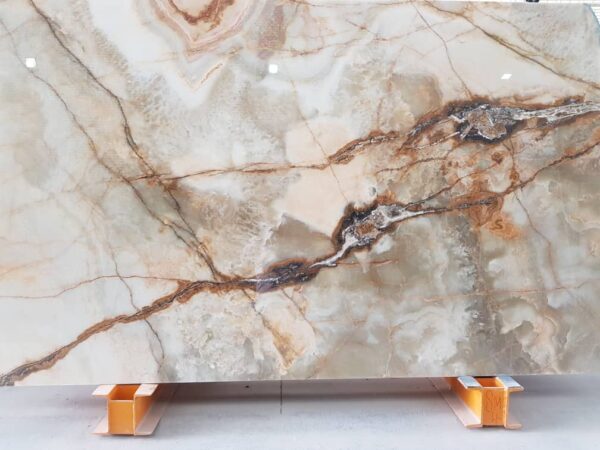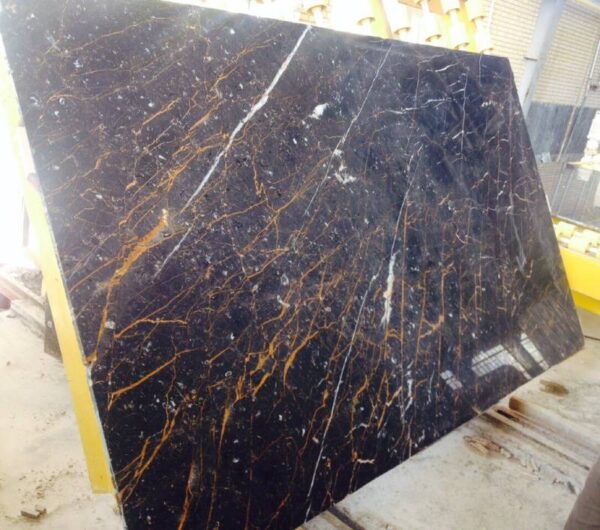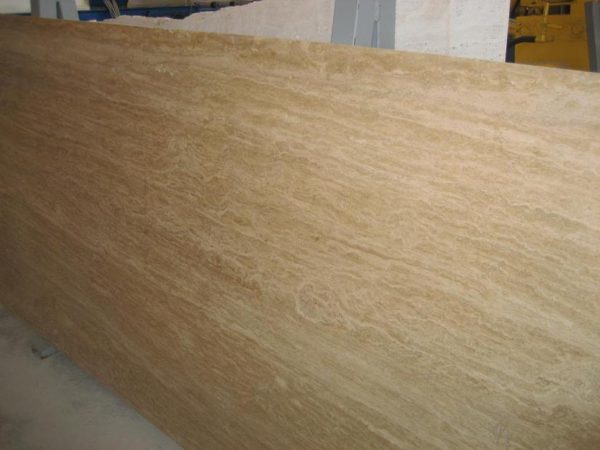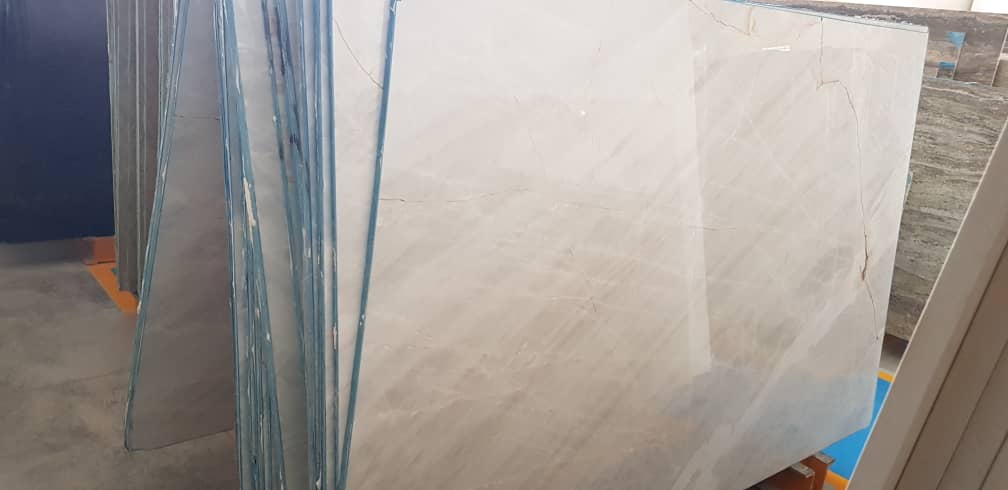
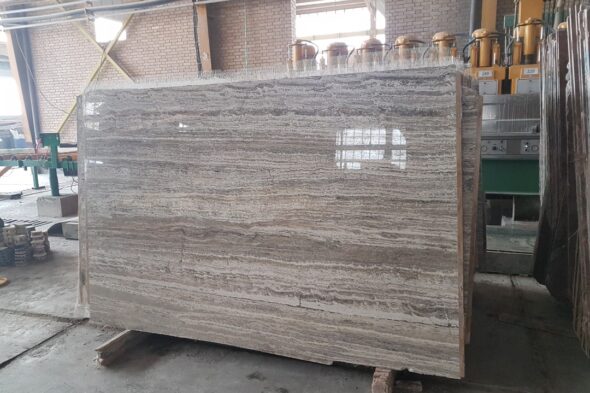
silver travertine

Is Travertine Expensive

A Comprehensive Overview

Travertine is a popular natural stone used in various home improvement projects, including flooring, countertops, and outdoor spaces. But one question many homeowners ask is: Is travertine expensive? This article breaks down the costs associated with travertine, its benefits, and factors influencing its price.
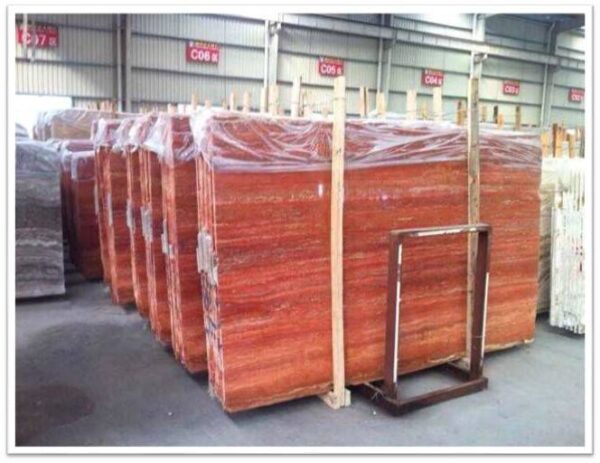
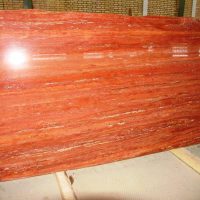
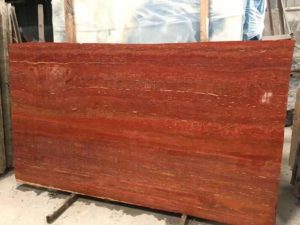
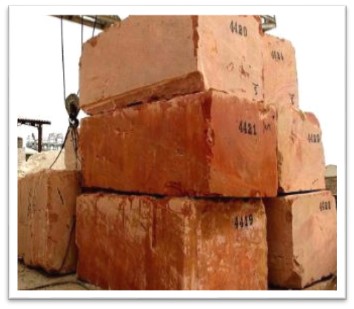
types of red travertine - iranian red travertine slabs and tiles

Understanding the Cost of Travertine

1. Price Range of Travertine

The cost of travertine can vary significantly based on several factors. On average, you can expect to pay between $2 to $15 per square foot for travertine tiles, depending on the quality, finish, and source of the stone. Higher-end, imported travertine or unique finishes can push the price up to $30 per square foot or more. In addition to the material cost, you should also consider the expense of installation, which can range from $5 to $10 per square foot.

2. Factors Influencing Price

Several factors determine the price of travertine:

  • Quality: Higher quality travertine with fewer imperfections typically costs more. Look for tiles labeled as “first choice” or “premium.”
  • Finish: The finish of the travertine—whether polished, honed, or tumbled—can affect its cost. Polished finishes often come at a premium due to the additional processing involved.
  • Size and Thickness: Larger or thicker tiles tend to be more expensive. Custom sizes or thicknesses may also add to the overall cost.
  • Source: Travertine is quarried in various locations, including Italy, Turkey, and Mexico. Imported stones often incur higher shipping costs, which can affect pricing.

Benefits of Investing in Travertine

1. Aesthetic Appeal

One of the primary reasons homeowners choose travertine is its stunning aesthetic appeal. The natural variations in color and texture provide a unique look that enhances any space, from bathrooms to outdoor patios. The earthy tones and natural patterns can complement a variety of design styles, adding value to your home.

2. Durability

Travertine is a durable stone that can withstand heavy foot traffic and is resistant to cracking and chipping. When properly sealed, it can also resist moisture, making it suitable for both indoor and outdoor applications. Its longevity often justifies the initial investment, as it can last for many years with minimal maintenance.

Iranian White Travertine Special wholesale price

3. Increased Home Value

Investing in travertine can increase your home’s market value. Natural stone features are highly sought after by homebuyers, and travertine’s timeless beauty can enhance the overall appeal of your property.
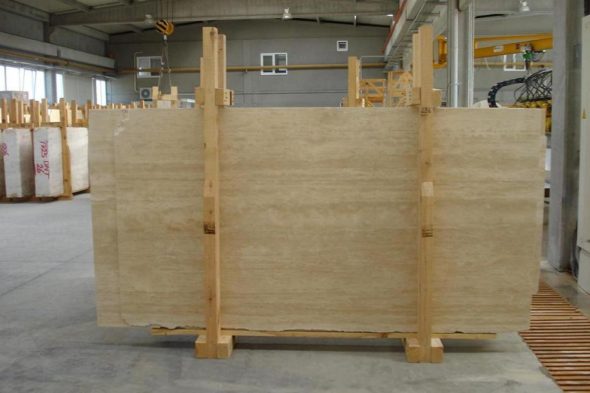
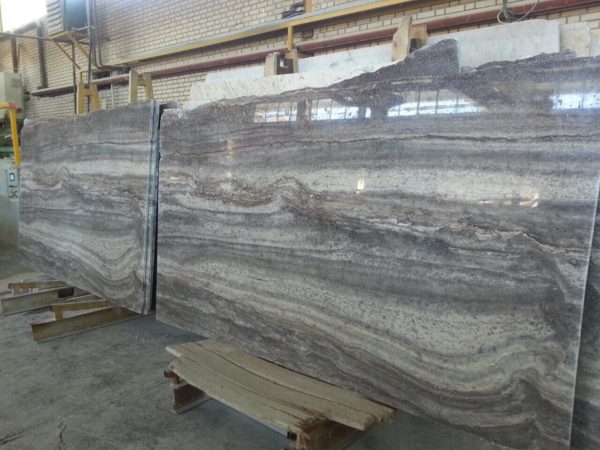
Farzin rock stone company

Travertine-Cream

Can Travertine Tile Be Used in a Shower

Travertine tile is a popular choice for various home improvement projects due to its unique appearance and durability.

However, when it comes to bathrooms, particularly showers, many homeowners wonder if travertine tile is suitable. In this article, we’ll explore the benefits and considerations of using travertine tile in shower spaces.

The Benefits of Using Travertine Tile in Showers

1. Natural Aesthetic Appeal

One of the primary reasons homeowners choose travertine tile is its natural beauty. Travertine offers a rustic, elegant look with its unique textures and earthy tones. This natural stone can enhance the overall design of your shower, providing a luxurious feel. The variety of colors, from beige to cream to brown, allows for versatile design options that can complement any bathroom style.

2. Durability and Longevity

Travertine is a durable stone that can withstand the daily wear and tear of a shower environment. Its strong composition means it can resist cracking and chipping better than some ceramic or porcelain tiles. When properly sealed, travertine can hold up well against moisture and humidity, making it a viable option for shower walls and floors.

3. Slip Resistance

Another advantage of the travertine tile is its slip resistance. While some tiles can become slippery when wet, travertine’s textured surface offers better traction. This feature is especially important in a shower, where safety is a top priority.

Considerations Before Choosing Travertine Tile for Your Shower

1. Porosity and Maintenance

One of the main concerns with travertine tile is its porosity. While travertine is durable, it is more porous than other tile options. This means it can absorb water if not properly sealed. Homeowners should invest in a high-quality sealant and apply it regularly to protect the stone from moisture damage and staining. Without proper maintenance, travertine can develop mold or mildew in wet areas.

2. Cost and Installation

Travertine tile can be more expensive than standard ceramic or porcelain tiles. Additionally, installation costs may be higher due to the need for specialized tools and skills to handle natural stone. It’s essential to budget for both the material and installation costs when considering travertine for your shower.

Does Marble Absorb Water?

3. Temperature Sensitivity

Travertine can retain heat, making it comfortable to walk on in cooler climates. However, in warmer areas, it might get hot underfoot. Homeowners should consider their climate and personal preferences when selecting travertine tile for their showers.

Farzin rock stone company

Red Travertine

Can Travertine Be Used Outdoors

A Comprehensive Guide

Can Travertine Be Used Outdoors? Discover Its Benefits and Best Applications

Travertine, a natural stone known for its beauty and durability, is often used for indoor spaces like flooring, countertops, and backsplashes. But many homeowners and builders wonder, can travertine be used outdoors? The answer is yes! Travertine is an excellent choice for various outdoor applications due to its strength, versatility, and aesthetic appeal. In this article, we’ll explore the benefits of using travertine outdoors, ideal applications, and maintenance tips to ensure it lasts for years.

silver travertine
silver travertine

Why Choose Travertine for Outdoor Spaces?

Travertine is a natural stone formed in mineral hot springs, giving it unique properties that make it suitable for outdoor use. Here are the key reasons why travertine is a popular choice for outdoor areas:

  • Durability: Travertine is highly durable and can withstand harsh weather conditions such as rain, heat, and freezing temperatures.
  • Slip Resistance: The naturally porous texture of travertine provides excellent traction, making it a safe choice for outdoor walkways, pool decks, and patios.
  • Heat Resistance: Unlike some stones, travertine stays cool underfoot even on hot summer days, making it ideal for poolside areas and outdoor seating spaces.
  • Aesthetic Appeal: Travertine’s natural, earthy tones and varied patterns give outdoor spaces a luxurious, timeless look that blends well with nature.

With proper care, travertine can be a long-lasting, visually appealing addition to any outdoor space.

Best Outdoor Applications for Travertine

Travertine is incredibly versatile, making it suitable for a wide range of outdoor applications. Whether you’re enhancing your garden, pool area, or patio, travertine offers numerous design possibilities. Here are the most common outdoor uses for travertine:

Travertine Pavers for Patios and Walkways

Travertine pavers are a popular choice for patios and walkways due to their slip-resistant surface and durability. These pavers come in a variety of shapes and sizes, allowing you to create custom designs that suit your outdoor aesthetic. Travertine’s natural texture ensures a safe and comfortable walking surface, even in wet conditions.

Travertine Pool Decks

One of the best features of travertine is its ability to remain cool in the sun, which makes it perfect for pool decks. Travertine pavers and tiles are often used around pools to create a comfortable, slip-resistant surface that stays cool underfoot, even on the hottest days.

Outdoor Kitchens and Fire Pits

Travertine can also be used to create stunning outdoor kitchens and fire pits. Its heat-resistant properties ensure that it won’t crack or discolor when exposed to high temperatures, making it an excellent choice for countertops, grill surrounds, and fireplace veneers.

Garden Pathways and Retaining Walls

Travertine is an ideal choice for garden pathways and retaining walls due to its natural look that blends seamlessly with outdoor landscaping. Its earthy tones complement plants, water features, and other outdoor elements, adding a cohesive and elegant touch to your garden design.

How to Maintain Travertine Outdoors

While travertine is durable, it requires proper maintenance to keep it looking its best in outdoor environments. Follow these tips to ensure your outdoor travertine remains beautiful and functional:

Sealing Travertine

Travertine is a porous stone, meaning it can absorb water, dirt, and stains. To protect it from moisture and the elements, sealing travertine is essential. Apply a high-quality sealer at least once a year to prevent water absorption, staining, and mold growth.

Regular Cleaning

Dirt, leaves, and debris can accumulate on outdoor travertine surfaces, especially on patios and walkways. Clean your travertine regularly with a soft broom or leaf blower to remove debris. For deeper cleaning, use a pH-neutral cleaner to avoid damaging the stone’s surface.

Iranian Light travertine Special wholesale price

Addressing Stains and Weathering

Over time, outdoor travertine may develop stains or weathering due to exposure to the elements. To address this, clean stains promptly using a gentle stone cleaner. For tougher stains, a poultice can be applied to lift out dirt and grime without damaging the surface.

Farzin rock stone company 

Silver light / dark travertine

Does Travertine Tile Crack Easily

What You Need to Know

Does Travertine Tile Crack Easily?

Travertine is a popular natural stone known for its elegant, earthy appearance. Used in both indoor and outdoor spaces, travertine tiles add timeless beauty to floors, walls, and patios. However, one common question among homeowners is: Does travertine tile crack easily? While travertine is a durable material, certain factors can cause it to crack. In this guide, we’ll explore whether travertine is prone to cracking, what causes it, and how to prevent it from happening.

Understanding the Durability of Travertine

Travertine is a type of limestone formed by mineral deposits, which gives it a porous structure. Despite its delicate appearance, travertine is generally a durable material when properly installed and maintained. Its natural strength makes it a popular choice for high-traffic areas, but it is not entirely immune to cracking. The potential for cracking often depends on the following factors:

  • Installation: Proper installation is crucial for preventing cracks. If travertine tiles are not installed on a level and stable surface, they may crack under pressure.
  • Thickness: Thicker travertine tiles are less likely to crack than thinner ones, especially in areas with heavy foot traffic.
  • Subfloor Condition: The subfloor or foundation beneath the tile plays a significant role in travertine cracks. Uneven or unstable subfloors can lead to tile movement and eventual cracking.

When these factors are addressed, travertine can last for decades without issues.

Common Causes of Cracking in Travertine Tile

While travertine is generally durable, certain conditions can lead to cracking. Understanding these causes can help you prevent damage and ensure the longevity of your travertine tiles.

Improper Installation

One of the main reasons travertine tiles crack is improper installation. If the tile is not laid on a flat, stable surface, the weight of foot traffic can cause stress points, leading to cracks. Additionally, insufficient use of adhesive or grout can result in weak spots that make the tile more vulnerable.

Heavy Impact

Travertine tiles can crack under heavy impacts, such as dropping a heavy object on the surface. While the stone is strong, its natural composition makes it more susceptible to impact-related damage compared to materials like porcelain or ceramic tiles.

Temperature Fluctuations

If travertine tiles are used outdoors, they may be exposed to extreme temperature changes, causing the stone to expand and contract. Over time, this can weaken the stone and cause cracking, particularly if the tiles are not properly sealed or installed.

Weak Subfloor

Travertine is a heavy material, and it requires a strong, stable subfloor to support its weight. If the subfloor beneath the tiles is weak, uneven, or shifts over time, the tiles can crack under stress. This is especially common in older homes or areas with poor construction.

How to Prevent Travertine Tile from Cracking

Preventing travertine tile from cracking requires proper installation, regular maintenance, and protection from harsh conditions. Follow these tips to keep your travertine tiles in excellent condition:

Ensure Proper Installation

Hiring a professional for proper installation is the best way to prevent cracks in travertine tiles. Ensure that the subfloor is level and stable, and use the correct adhesive to keep the tiles firmly in place. Additionally, proper grouting will help secure the tiles and prevent movement.

Use a Sealant

Travertine is a porous stone, which means it can absorb moisture and become susceptible to cracking over time. Applying a high-quality sealant will protect the tiles from moisture damage and temperature fluctuations, particularly in outdoor spaces.

Choose the Right Thickness

If you’re using travertine in high-traffic areas or outdoor settings, opt for thicker tiles that are less likely to crack under pressure. Thicker tiles are more durable and can withstand heavy use without sustaining damage.

The advantage of granite tiles over other tiles

Avoid Heavy Impacts

To protect travertine from cracking, avoid dropping heavy objects on the surface. Use rugs, mats, or protective covers in areas where items are likely to fall, such as kitchen countertops or outdoor spaces near patio furniture.

Farzin rock stone company 

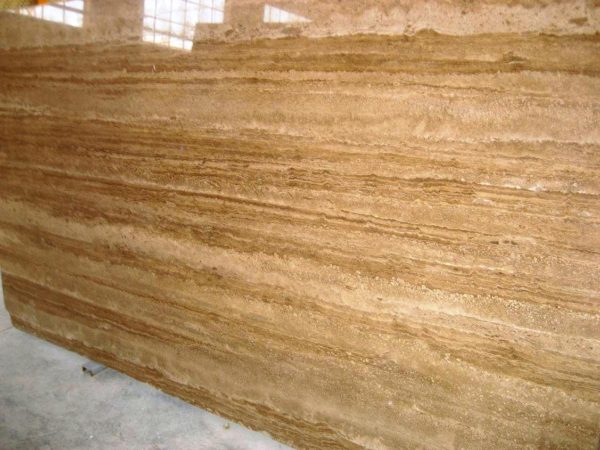
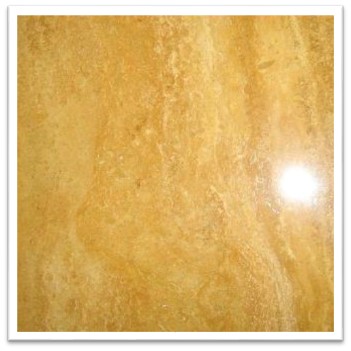
Golden Yellow Travertine Slab

Is Travertine Heat Resistant?

A Comprehensive Guide

Travertine is a beautiful and versatile natural stone used in many homes for flooring, countertops, and outdoor spaces. However, when choosing materials for areas exposed to heat, it’s essential to know how well they can withstand high temperatures. If you’re considering using travertine in such environments, the question naturally arises: Is travertine heat-resistant? Let’s explore this in detail.

Red travertine
Red travertine

Understanding Travertine’s Heat Resistance

Travertine, a type of limestone formed by mineral deposits from hot springs, is known for its durability, porous structure, and timeless beauty. But is it heat-resistant enough for everyday use? In short, yes—travertine is heat resistant to a certain degree. Its natural stone composition can withstand exposure to moderate heat without losing its structural integrity or appearance.

While travertine does not melt or burn under standard conditions, it’s important to note that it isn’t entirely impervious to heat damage. Prolonged exposure to extremely high temperatures can lead to discoloration, cracking, or degradation over time. However, when used correctly, travertine can handle most household heat-related situations.

Travertine in Hot Weather and Outdoor Use

Travertine is often a top choice for outdoor areas, such as patios, pool decks, and outdoor kitchens. Its natural heat resistance makes it ideal for regions with hot climates. Travertine pavers remain cool underfoot, even in direct sunlight, which is why it’s a preferred material around swimming pools. Unlike concrete or darker stones, travertine doesn’t absorb and retain as much heat, making it comfortable to walk barefoot, even on the hottest days.

This heat-reflective quality also helps prevent travertine surfaces from cracking or getting damaged due to sudden temperature changes. However, like all natural stones, it’s a good idea to use protective sealants for outdoor applications to ensure maximum durability.

Travertine and Kitchen Use: Is it Safe for Countertops?

Travertine’s heat resistance also makes it a practical option for indoor surfaces like kitchen countertops. You can safely place hot pots and pans on travertine countertops without worrying about immediate damage. However, it’s always best to use trivets or heat pads to avoid any potential issues with extreme temperature exposure.

While travertine is naturally resilient, continuous exposure to heat without protection can eventually cause minor cracks or discoloration. Regular maintenance, such as cleaning and resealing, helps preserve travertine’s beauty and functionality over time.

Does Marble Absorb Water?

Tips to Maintain Travertine’s Heat Resistance

Though travertine is relatively heat resistant, proper care is essential to maintain its longevity. Here are a few tips to keep your travertine surfaces in top condition:

  1. Use Coasters and Trivets: While travertine can handle heat, using coasters and trivets under hot objects like pots, pans, or even outdoor grills adds an extra layer of protection.
  2. Seal the Stone: Applying a high-quality sealant enhances the travertine’s natural resistance to heat and moisture. Reseal your travertine surfaces regularly, especially if they are exposed to high heat or outdoor elements.
  3. Clean Spills Quickly: While travertine is durable, it can absorb liquids if left unsealed, leading to potential staining or weakening of the stone.

Farzin rock stone company 

Should You Seal Travertine

Here’s What You Need to Know

Travertine is a beautiful and versatile natural stone often used in flooring, countertops, and outdoor spaces. While it adds elegance to any space, many homeowners wonder if sealing travertine is necessary. So, should you seal travertine? Let’s explore why sealing is crucial for protecting this delicate stone and maintaining its beauty for years.

white travertine

What Happens If You Don’t Seal Travertine?

Travertine is a porous stone, meaning it can easily absorb water, dirt, and other substances. Without proper sealing, travertine can become stained, discolored, or even damaged. Unsealed travertine is more prone to:

  • Stains: Wine, juice, oil, or dirt can easily seep into the stone, causing permanent stains.
  • Wear and Tear: Heavy foot traffic can wear down the stone’s natural finish.
  • Moisture Damage: Bathrooms, kitchens, and outdoor areas exposed to water are at risk of water damage, which can lead to mold growth or weakening of the stone.

Sealing your travertine helps protect it from these common issues.

Benefits of Sealing Travertine

1. Protection from Stains and Spills

Sealing creates a protective barrier on the surface of the stone, making it less porous. This prevents liquids and dirt from penetrating the stone, which helps to avoid permanent stains. If your travertine is installed in high-traffic areas or places exposed to spills, like kitchens or bathrooms, sealing is essential.

2. Enhancing the Stone’s Natural Beauty

Sealing also helps to enhance the natural color and patterns of the travertine. It can give the stone a slight sheen or enhance the rich earthy tones that travertine is known for. Some sealers even provide a wet look, making the stone appear more vibrant.

3. Easier Cleaning and Maintenance

A sealed surface is much easier to clean than an unsealed one. Dust, dirt, and grime will sit on the surface, and a quick wipe is all it takes to clean sealed travertine. This reduces your cleaning time and helps maintain a pristine appearance with minimal effort.

4. Longer Lifespan for Your Investment

Travertine is a significant investment. Sealing the stone not only protects it from damage but also extends its lifespan. You’ll enjoy a longer-lasting, beautiful surface when you seal it regularly.

How Often Should You Seal Travertine?

While sealing is highly recommended, it’s important to know how often you should reseal your travertine. Typically, you should reseal every 1 to 2 years depending on the usage and exposure to elements like moisture and UV rays. For high-traffic areas, you may need to reseal more frequently to ensure continuous protection.

Cream travertine Special wholesale price

FAQs About Sealing Travertine

  • Can you seal travertine yourself? Yes, but professional sealing is often recommended for the best results.
  • What type of sealer is best? Penetrating sealers are typically used for travertine as they protect without altering the stone’s appearance.
  • How do you know when it’s time to reseal? When water no longer beads on the surface, it’s time to reseal.

Farzin rock stone company 

White creamTravertine

How to Prevent Travertine from Damaging

Essential Care Tips

Travertine is a beautiful and durable natural stone, widely used in flooring, countertops, and outdoor spaces. However, as a porous material, it requires proper care to prevent damage from stains, scratches, and etching. With the right maintenance and protective measures, you can preserve the natural beauty of your travertine surfaces for years. This guide will provide essential tips on how to prevent travertine from damaging.

silver travertine
silver travertine

Why Travertine Needs Protection

1. Porosity of Travertine

Travertine is a porous stone, meaning it can absorb liquids and is prone to stains if not sealed properly. Everyday substances like water, wine, oils, and acidic liquids can penetrate the stone, leading to permanent damage if not treated promptly.

2. Susceptibility to Scratches and Etching

Despite its durability, travertine is softer compared to stones like granite, making it susceptible to scratches and etching from abrasive or acidic materials. This is especially important in high-traffic areas or surfaces that encounter frequent use.

How to Prevent Travertine from Damaging

1. Seal Travertine Regularly

Sealing travertine is one of the most effective ways to protect it from damage. A high-quality stone sealant creates a barrier that repels liquids, preventing stains and reducing the risk of etching.

How Often Should You Seal Travertine?

  • High-traffic areas: It’s recommended to seal these areas every 6-12 months, such as kitchen floors or countertops.
  • Low-traffic areas: Sealing can be done every 1-2 years, depending on usage. To check if the stone needs sealing, pour a small amount of water on the surface. If the water is absorbed quickly, it’s time to reseal.

2. Clean with PH-Neutral Products

Avoid using acidic cleaners like vinegar, lemon juice, or harsh chemicals that can damage travertine’s surface. Acidic substances can cause etching, leaving dull spots and discoloration.

Recommended Cleaning Products:

  • Use pH-neutral, stone-specific cleaners designed for natural stone surfaces.
  • For daily cleaning, use a soft cloth or mop with warm water and a mild soap. Always dry the surface afterward to prevent water spots.

3. Protect Against Scratches and Abrasion

Travertine surfaces, especially floors and countertops, are prone to scratches from heavy objects or abrasive materials. Simple precautions can help avoid damage.

Ways to Protect Travertine from Scratches:

  • Use Rugs and Mats: Place rugs or mats in high-traffic areas like entryways to catch dirt, sand, or grit that can scratch the stone.
  • Felt Pads: Attach felt pads to the bottom of furniture legs to prevent scratching when moving tables, chairs, or other items.
  • Cutting Boards and Trivets: Always use cutting boards when preparing food on travertine countertops, and use trivets or hot pads for placing hot pans or dishes.

4. Clean Spills Immediately

Travertine is highly susceptible to staining if spills are left unattended, especially liquids like coffee, wine, or juice. Clean spills as soon as they occur to prevent them from penetrating the stone.

How to Clean Spills:

  • Blot, don’t wipe: Blot the spill with a soft cloth or paper towel to prevent spreading.
  • Use a damp cloth: For deeper cleaning, use a damp cloth with a pH-neutral cleaner to remove any remaining residue.

5. Avoid Heavy Impact

While travertine is durable, heavy impacts from falling objects or dragging furniture can cause chips and cracks. Extra care should be taken when handling heavy items in areas with travertine flooring or countertops.

Prevention Tips:

  • Furniture Protection: Lift, don’t drag, furniture across travertine floors to avoid scratches or cracks.
  • Outdoor Maintenance: If used outdoors, avoid placing heavy planters or equipment directly on the travertine without protective padding.

Long-Term Maintenance Tips for Travertine

1. Polish and Buff Travertine

Regularly polishing or buffing travertine helps maintain its natural luster and smoothness. This also enhances its resistance to scratches and etching. You can hire professionals to deep polish the stone or use polishing powder designed for travertine.

https://www.rockstone.biz/how-to-prevent-travertine-from-damaging/

Cream travertine Special wholesale price

2. Prevent Etching from Acidic Substances

Acidic substances like citrus, vinegar, and alcohol can cause etching, leaving dull spots on travertine. To prevent this:

  • Use coasters under glasses and bottles, especially in kitchens and bathrooms.
  • Clean up any acidic spills immediately to avoid lasting damage.
  • Farzin rock stone company 
Beige Travertine

Do Travertine Tables Stain?

Do Travertine Tables Stain? A Comprehensive Guide to Maintenance and Care

Travertine tables are celebrated for their timeless elegance and natural beauty, making them a popular choice for both modern and classic interiors. However, a common concern among homeowners is whether travertine tables stain easily and how to manage potential staining. Understanding the staining potential of travertine and implementing effective maintenance strategies is essential for keeping your table looking pristine. In this guide, we’ll explore whether travertine tables stain, what factors contribute to staining and how to prevent and address stains effectively.

https://www.rockstone.biz/how-thick-should-travertine-be/

Staining Potential of Travertine Tables

Travertine is a type of limestone known for its porous nature and distinctive appearance. These characteristics can impact how easily travertine tables can become stained:

  1. Porosity: Travertine’s porous surface allows it to absorb liquids and substances that come into contact with it. This means that spills, such as coffee, wine, or juice, can seep into the stone and potentially cause stains if not promptly cleaned.
  2. Types of Stains: Different substances can cause various types of stains on travertine tables. Common culprits include oils, acidic foods, and drinks. Acidic substances like lemon juice or vinegar can react with the stone, leading to discoloration and surface damage.
  3. Impact of Finish: The finish of travertine can influence its susceptibility to staining. Polished travertine, while more resistant to some stains, can still absorb liquids if not properly sealed. Honed or tumbled more porous finishes, may be more prone to staining but can be managed with proper care.

How to Prevent Stains on Travertine Tables

Preventing stains on your travertine table involves a combination of proper sealing, regular maintenance, and prompt spill management:

  1. Apply a High-Quality Sealer: One of the most effective ways to protect travertine from staining is by applying a high-quality stone sealer. A sealer creates a protective barrier that reduces the stone’s porosity and prevents liquids from penetrating. Reapply the sealer every 6-12 months to maintain its effectiveness.
  2. Clean Spills Immediately: Address spills as soon as they occur to prevent them from seeping into the stone. Use a soft cloth or paper towel to blot the spill rather than rubbing it, which can spread the liquid. Clean the area with a pH-neutral cleaner designed for natural stone.
  3. Regular Cleaning: Keep your travertine table clean by regularly dusting and wiping it with a mild, pH-neutral cleaner. Avoid using harsh chemicals or abrasive cleaners, as these can damage the stone and its sealant.
  4. Use Coasters and Placemats: Protect your travertine table from potential stains by using coasters for drinks and placemats for food. This helps prevent direct contact with liquids and acidic substances that can cause staining.
  5. Avoid Acidic Substances: Minimize contact with acidic substances, such as citrus fruits and vinegar, which can damage the surface of travertine. If such substances do come into contact with the table, clean them up promptly.

How to Address Stains on Travertine Tables

If stains do occur despite your best efforts, here’s how to address them:

  1. Identify the Stain: Different stains require different treatments. For oil-based stains, a poultice made from baking soda or talcum powder may be effective. For organic stains, hydrogen peroxide can be used.
  2. Apply a Poultice: For persistent stains, apply a poultice—a paste made from absorbent materials and a suitable solvent—to the stained area. Follow the manufacturer’s instructions for application and removal.
  3. Consult Professionals: For stubborn stains or extensive damage, seek the help of a professional stone restoration service. They can provide specialized treatments and ensure the travertine table is restored to its original beauty.

Conclusion: Maintaining the Beauty of Your Travertine Table

Travertine tables, with their unique beauty and elegance, can be prone to staining due to their porous nature. However, with proper care, including regular sealing, prompt spill cleanup, and routine maintenance, you can effectively manage and prevent stains. By taking these steps, you can enjoy the timeless appeal of your travertine table and keep it looking beautiful for years to come.

Rock stone company 

Brown-Onyx

Can Onyx Be Used Outside?

Can Onyx Be Used Outside? A Guide to Outdoor Applications

Onyx is a stunning natural stone known for its translucent beauty and unique patterns, often found in luxury interiors. But what about outdoor use? Can onyx be used outside? The answer is yes but with certain considerations. In this guide, we’ll explore the potential for using onyx in outdoor settings, the benefits and challenges, and how to ensure its longevity.

The Beauty of Onyx: Indoor Luxury Outdoors

Onyx is prized for its captivating colors and intricate veining, making it a favorite for adding a touch of luxury to any space. The idea of bringing this indoor elegance outside is appealing, especially for creating visually striking exterior features like wall cladding, sculptures, and garden accents. However, onyx’s unique properties also mean it requires special care when used outdoors.

Benefits of Using Onyx Outdoors

Using onyx in outdoor applications can be a bold design choice that adds unparalleled beauty and uniqueness to your exterior spaces. Here are some benefits:

  1. Aesthetic Appeal: Onyx offers a level of elegance that few other stones can match. Its vibrant colors and natural translucency create a striking visual effect, especially when illuminated by natural sunlight or outdoor lighting.
  2. Unique Design Element: Onyx can be used in various outdoor applications, such as feature walls, columns, fountains, and decorative sculptures. Its rarity and distinctive appearance ensure that your outdoor space stands out with a one-of-a-kind design.
  3. Luxurious Outdoor Spaces: Incorporating onyx into your outdoor spaces, such as patios, garden features, or pool surrounds, can elevate the overall look and feel, turning ordinary areas into luxurious retreats.

https://www.rockstone.biz/versatile-uses-of-traonyx/

Challenges of Using Onyx Outdoors

While onyx can be used outdoors, it’s important to understand the challenges associated with its outdoor application:

  1. Durability Concerns: Onyx is a softer stone compared to granite or quartzite, making it more susceptible to scratches, chips, and cracks. In outdoor environments, where it is exposed to weather elements and potential physical impacts, these vulnerabilities are amplified.
  2. Weather Resistance: Onyx is sensitive to extreme weather conditions. Prolonged exposure to sunlight, rain, and fluctuating temperatures can lead to fading, discoloration, and surface damage over time. UV rays, in particular, can cause the stone to lose its vibrant color, diminishing its aesthetic appeal.
  3. Maintenance Requirements: To maintain Onyx’s beauty outdoors, regular maintenance is essential. This includes sealing the stone to protect it from moisture, using appropriate cleaners, and covering or sheltering it during harsh weather conditions.

Best Practices for Using Onyx Outdoors

If you decide to use onyx in your outdoor space, following these best practices can help preserve its beauty and longevity:

  1. Select Sheltered Locations: When using Onyx outdoors, choose areas that are partially sheltered from direct sunlight and rain. Covered patios, shaded garden areas, or decorative niches can help protect the stone from harsh weather conditions.
  2. Regular Sealing: Applying a high-quality sealant to your onyx surfaces will help protect against moisture absorption and UV damage. It’s recommended to reseal the stone every 6-12 months, depending on the climate and exposure level.
  3. Proper Installation: Work with experienced professionals who understand the unique properties of onyx. Proper installation, including secure mounting and appropriate substrates, is crucial to prevent damage and ensure the stone’s stability.
  4. Consider Alternative Stones: In areas with extreme weather or high traffic, consider using more durable stones like granite or quartzite for the bulk of your outdoor design, reserving onyx for accent pieces where they can be protected and highlighted. Can Onyx Be Used Outside?

Conclusion: Onyx in Outdoor Design—Proceed with Care

Onyx can be used outdoors to create breathtakingly beautiful spaces, but it requires careful planning and maintenance. While the stone’s unique appearance can transform an outdoor area into a luxurious retreat, its softness and sensitivity to weather mean it may not be suitable for every application.

By choosing sheltered locations, applying regular maintenance, and considering the specific challenges of outdoor use, you can enjoy the elegance of onyx in your exterior spaces while preserving its natural beauty. Whether as a stunning feature wall, a decorative fountain, or a garden sculpture, onyx brings an unmatched level of sophistication to outdoor design.

Rock stone company 

Beige Travertine

CAN TRAVERTAINE BE USED FOR FLOORING

Can Travertine Be Used for Flooring? A Timeless Choice for Your Home

Travertine is a natural stone that has been used in architecture and design for centuries. Its classic beauty and durability make it a popular choice for various applications, but one common question is: Can travertine be used for flooring? The answer is a resounding yes. Travertine is not only suitable for flooring but also offers a range of benefits that make it an excellent choice for both residential and commercial spaces. In this article, we’ll explore why travertine is a great flooring option and what you need to consider before installing it. CAN TRAVERTAINE BE USED FOR FLOORING Cream travertine Special wholesale price

Why Choose Travertine for Flooring?

Travertine is a type of limestone that forms around mineral springs, and its natural beauty, versatility, and durability make it an ideal flooring material. Here are some key reasons why travertine is a top choice for flooring:

  1. Aesthetic Appeal: Travertine flooring adds a touch of timeless elegance to any space. With its earthy tones and natural veining, it complements a variety of interior styles, from traditional to modern. The stone’s warm colors, including shades of beige, ivory, gold, and brown, create an inviting and luxurious atmosphere.
  2. Durability: Travertine is a durable stone that can withstand heavy foot traffic, making it suitable for high-traffic areas like entryways, kitchens, and living rooms. With proper care and maintenance, travertine flooring can last for decades, maintaining its beauty over time.
  3. Versatility: Travertine comes in various finishes, including honed, polished, tumbled, and brushed. This versatility allows you to choose a finish that best suits the design and functionality of your space. Whether you prefer a sleek, polished look or a more rustic, textured appearance, travertine can deliver.
  4. Natural Cooling Properties: Travertine has natural cooling properties, making it an excellent choice for homes in warmer climates. The stone stays cool underfoot, providing a comfortable surface, especially during hot summer months.
  5. Eco-Friendly Choice: As a natural stone, travertine is an eco-friendly flooring option. It is a sustainable material that requires minimal processing, reducing the environmental impact of your flooring choice.

https://www.rockstone.biz/kitchen-travertain-tile/

Considerations for Using Travertine Flooring

While travertine is an excellent choice for flooring, there are a few considerations to keep in mind to ensure it meets your needs:

  1. Porosity and Sealing: Travertine is a porous stone, which means it can absorb liquids and stain if not properly sealed. It’s essential to apply a high-quality sealant to protect the stone from spills, especially in areas like kitchens and bathrooms. Regular resealing is recommended to maintain the stone’s appearance and durability.
  2. Maintenance Requirements: Travertine flooring requires regular maintenance to keep it looking its best. This includes sweeping or vacuuming to remove dirt and debris, using a pH-neutral cleaner for spills, and avoiding harsh chemicals that can damage the stone.
  3. Susceptibility to Scratches and Etching: Travertine is softer than some other natural stones, like granite, and can be susceptible to scratches and etching, particularly from acidic substances like lemon juice or vinegar. Using rugs or mats in high-traffic areas and promptly cleaning up spills can help prevent damage.
  4. Installation Costs: Travertine flooring can be more expensive to install compared to other materials like ceramic tile or laminate. The cost of the stone itself, along with the specialized installation required, can add up. However, the investment is often worth it due to the stone’s longevity and aesthetic appeal. CAN TRAVERTAINE BE USED FOR FLOORING

Conclusion: Travertine Flooring—A Timeless and Durable Choice

Travertine is not only a viable option for flooring but also a choice that brings both beauty and practicality to your home. Its natural elegance, durability, and versatility make it a popular choice for homeowners looking to create a sophisticated and timeless look. By considering factors such as sealing, maintenance, and installation, you can enjoy the benefits of travertine flooring for years to come. CAN TRAVERTAINE BE USED FOR FLOORING

Whether you’re renovating your home or designing a new space, travertine offers a flooring solution that combines classic beauty with modern durability. With proper care, this stunning natural stone will enhance the value and aesthetic of your home, providing a luxurious and comfortable surface underfoot.

Rock stone company