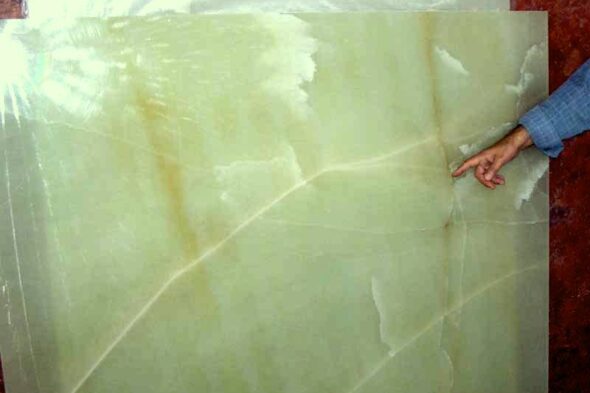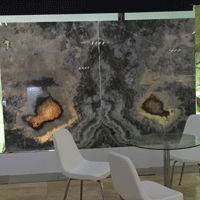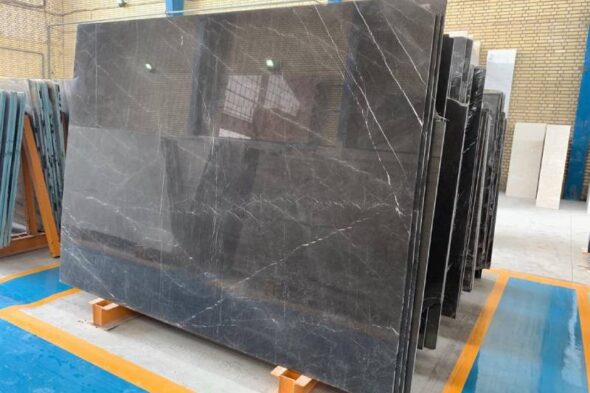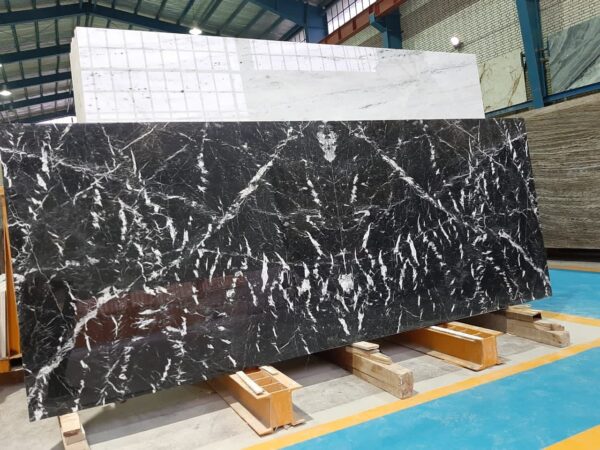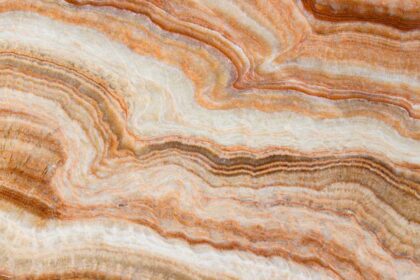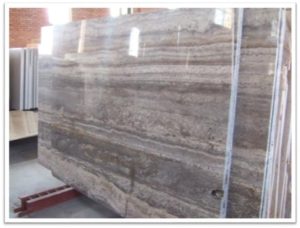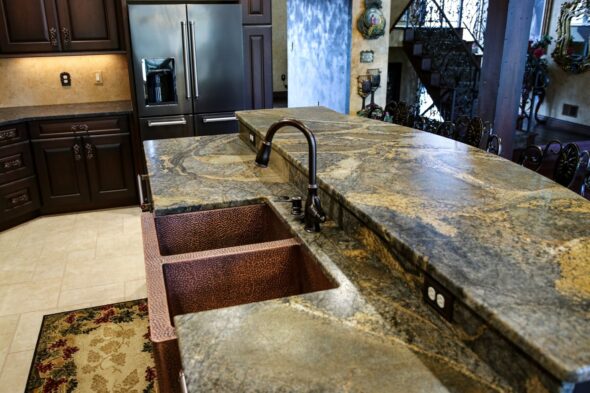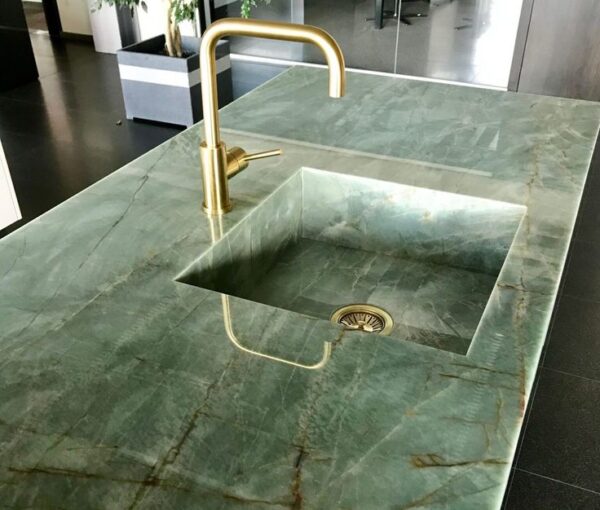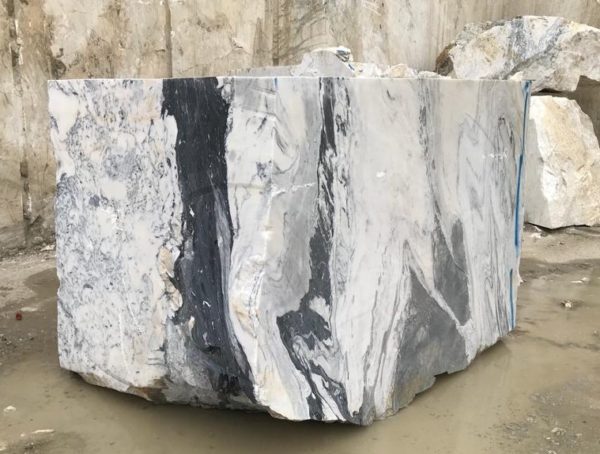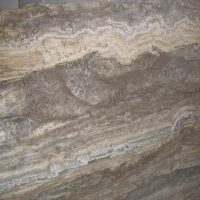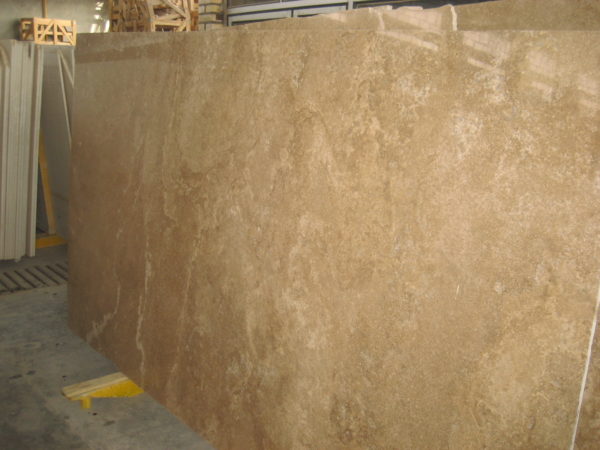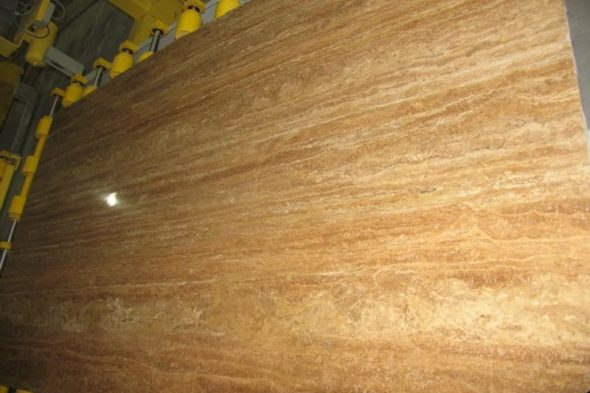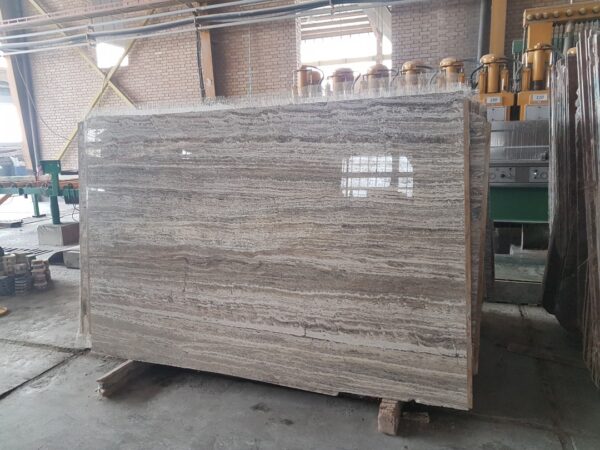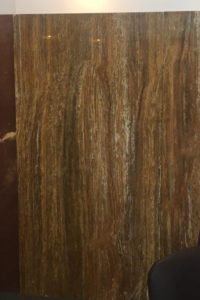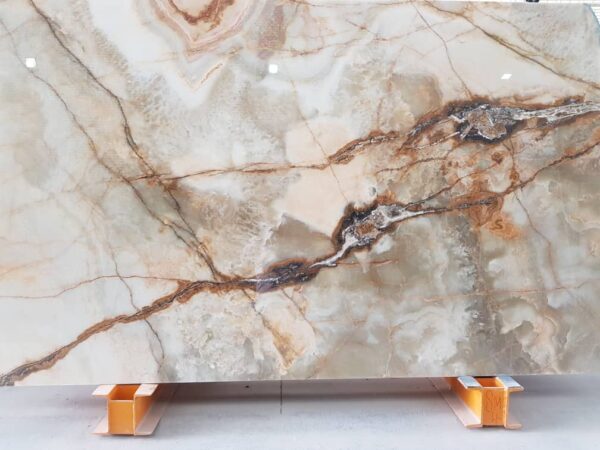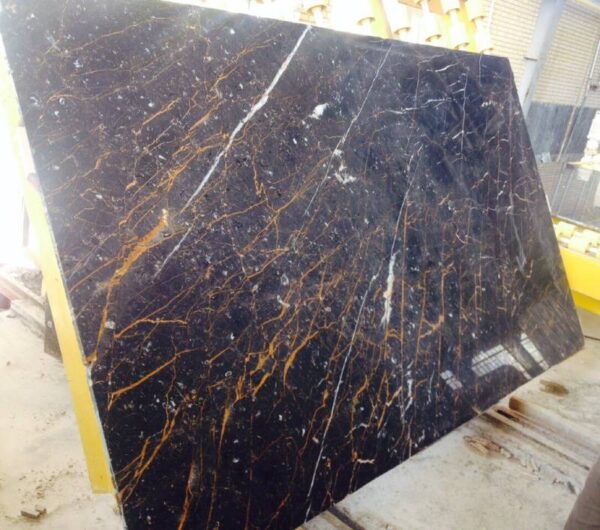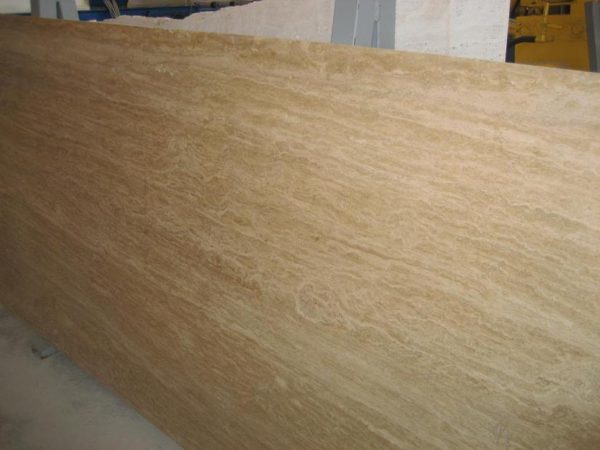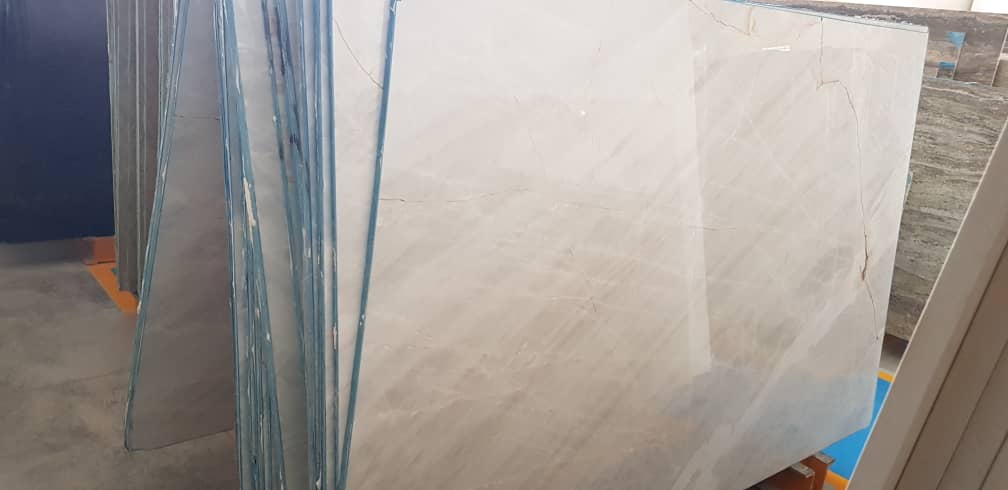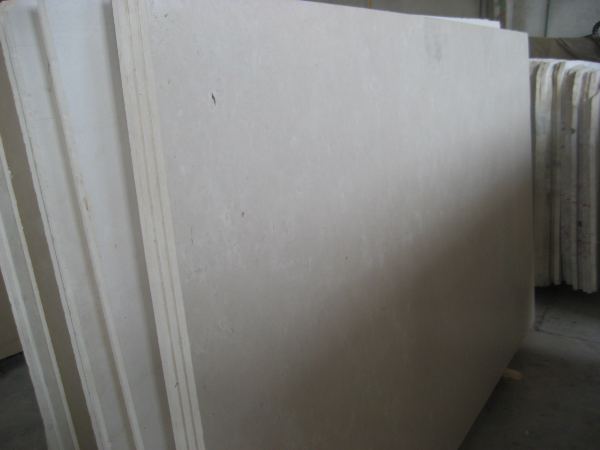
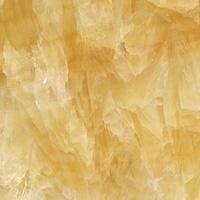
green onyx is very unique one

Exporting Onyx to America

Unlocking Opportunities for International Suppliers

Onyx, a luxurious and stunning natural stone, has become a sought-after material for high-end architectural and design projects. As a result, demand for unique and elegant materials is growing in the U.S., and exporting onyx to America presents an exciting opportunity for international suppliers. In this guide, we’ll walk you through the key steps for successfully exporting onyx to the U.S.

smoky-onyx

Why Onyx is in High Demand in the U.S.

Onyx stands out for its striking colors, translucency, and rich veining patterns, making it ideal for high-end interior and exterior applications. Because of these qualities, it continues to gain popularity in the U.S. market.

Luxury Appeal: Onyx is synonymous with elegance and sophistication, making it a preferred choice for luxury residential and commercial projects.
Versatility: Whether used for countertops, flooring, wall cladding, or decorative accents, onyx’s versatility and beauty make it a go-to stone for architects and designers.
Unique Aesthetic: Each onyx slab is one-of-a-kind, offering a natural variation that appeals to those seeking unique and custom stone features.

Steps for Exporting Onyx to the U.S.

Successfully exporting onyx to the U.S. involves understanding the market, ensuring compliance with regulations, and managing logistics efficiently. With that in mind, here’s a breakdown of the key steps to follow:

1. Know the U.S. Market and Demand for Onyx

Before exporting, it’s essential to understand the specific demand for onyx in the U.S. market. In particular, onyx is sought after for:

  • High-End Residential Projects: Homeowners and designers often choose onyx for luxurious bathroom vanities, kitchen countertops, and feature walls.

  • Commercial Projects: High-end hotels, restaurants, and office buildings also use onyx for custom features such as reception desks, bar tops, and flooring.

  • Architectural and Decorative Features: Onyx’s striking appearance makes it ideal for statement pieces in interior design, such as backlit panels, sculptures, and mosaic tiles.

2. Ensure Quality Compliance and Certification

To succeed in the U.S. market, your onyx must meet the required quality standards and legal regulations. Therefore, you should:

  • Quality Control: Source your onyx from reputable quarries with consistent color and quality. U.S. buyers appreciate slabs that are treated, polished, and cut to perfection.

  • Certification: Obtain certifications that meet U.S. import standards, including environmental or safety approvals when necessary. In many cases, architectural and commercial buyers will not proceed without documented quality assurance.

3. Manage Logistics and Shipping

Efficient logistics are essential for a smooth export process. Consequently, when shipping onyx to the U.S., consider these key factors:

  • Packaging: Onyx is fragile, so proper packaging is crucial to prevent damage during transport. Use protective materials like foam, wooden crates, and shrink wrap.

  • Choose a Reliable Freight Forwarder: Partner with an experienced freight forwarder who understands the complexities of shipping onyx, including customs clearance, duties, and import documentation.

  • Understand Import Taxes and Duties: Be aware of any import taxes or tariffs that may apply. In addition, a customs broker can guide you through these regulations efficiently.

Marketing Your Onyx to U.S. Buyers

To successfully penetrate the U.S. market, you must market your onyx effectively. For this reason, consider these strategies:

1. Create a Strong Online Presence

Build a professional website showcasing your onyx products with high-quality images, detailed descriptions, and sourcing information. Moreover, optimize your site with SEO techniques so that U.S. customers can easily find you when searching for onyx suppliers.

2. Participate in Trade Shows and Networking Events

Trade shows such as The International Surface Event (TISE) in Las Vegas offer a fantastic platform to connect with U.S. buyers, distributors, and designers. By attending, you can establish relationships and grow your customer base.

3. Partner with U.S. Distributors

Collaborating with established distributors and retailers in the U.S. can expand your reach and streamline the selling process. Ultimately, this partnership approach allows you to focus on production while your U.S. partners handle sales and distribution.

https://www.rockstone.biz/exporting-travertine-to-america/

Natural honey onyx stone price

Farzin Rock stone company

Most Exported Stones to Europe

A Key Guide for Global Suppliers

Europe is one of the largest markets for natural stone, with a consistent demand for high-quality materials used in construction, landscaping, and interior design. As a result, exporting stones to Europe offers a highly profitable business opportunity. In this guide, we’ll explore the most exported stones to Europe, their key applications, and tips for suppliers who want to expand their market presence.

Black and Gold Marble

Most Exported Stones to Europe

Several types of stone dominate the European import market, with countries sourcing a wide variety of materials for diverse construction and design projects. The most commonly exported stones include granite, marble, limestone, and sandstone.

1. Granite

Granite ranks as the most exported stone to Europe because of its unmatched strength, durability, and versatility. Moreover, this stone serves both residential and commercial projects, including countertops, flooring, and exterior cladding. It withstands harsh weather conditions and heavy wear, making it suitable for both indoor and outdoor settings.

Applications: Countertops, flooring, facades, monuments
Benefits: Exceptional durability, scratch- and heat-resistant, available in diverse colors and patterns

2. Marble

Marble also enjoys strong demand in Europe. Known for its timeless elegance and luxury appeal, marble frequently appears in high-end interior projects such as flooring, countertops, and wall cladding. Because of its natural beauty and aesthetic value, it remains a top choice for luxury buildings and homes.

Applications: Countertops, flooring, decorative accents, sculptures
Benefits: Luxurious look, wide variety of colors, perfect for high-end projects

3. Limestone

Limestone attracts buyers with its natural appearance and affordability. In particular, it finds use in landscaping, exterior facades, and building walls. Its earthy tones and workable texture appeal to European architects and designers seeking a versatile, durable, and cost-effective material.

Applications: Flooring, walls, facades, landscaping
Benefits: Affordable, versatile, natural look, ideal for outdoor projects

4. Sandstone

Sandstone remains popular in Europe because of its rich color variations and ease of use in construction. Additionally, it works well for exterior cladding, paving, and outdoor landscaping. Its weather-resistant qualities make it perfect for residential and commercial projects in regions with changing climates.

Applications: Paving, exterior cladding, landscaping
Benefits: Durable, available in various shades, weather-resistant, easy to work with

Why These Stones Are Popular in Europe

Understanding why these stones dominate the European market helps suppliers tailor their offerings more effectively.

1. Durability and Longevity

Granite and marble deliver exceptional strength, allowing them to last for decades without losing their appeal. European buyers value materials that stand up to high traffic and harsh weather, reducing the need for frequent repairs or replacements.

2. Aesthetic Appeal

Natural stones such as marble and sandstone provide unique colors and textures that add sophistication and authenticity to projects. Whether used in commercial or residential spaces, these stones enhance the visual appeal of floors, walls, and facades.

3. Sustainability and Environmental Benefits

Limestone and sandstone offer eco-friendly building solutions because suppliers can source them responsibly and process them with minimal environmental impact. As Europe increasingly prioritizes sustainable construction, demand for these stones continues to grow among buyers who want both durability and environmental responsibility.

https://www.rockstone.biz/travertine-stone-exporters/

Best Stones for Exporting

Farzin Rock stone company 

Brown-Onyx

Most Demanded Stones in Cuba

A Complete Guide

Cuba has a rich variety of natural stones that are in high demand for different industries, from construction to landscaping. These stones offer beauty and durability, making them valuable in many projects across the country. Here’s an overview of the most popular stones in Cuba, their uses, and why they stand out. Most Demanded Stones in Cuba

Light-Silver-Titanium-Travertine

Top Stones in Demand in Cuba

Several types of stone are widely used in Cuba. These materials serve different purposes, from residential construction to commercial applications. Here are the most demanded stones:

Marble

Marble is one of the top stones in Cuba. Known for its elegant appearance, it is widely used for countertops, flooring, and decorative features. Its timeless look makes it a top choice for both modern and traditional projects. Marble enhances the beauty of any space and adds value to luxury homes and buildings.

Granite

Granite remains highly in demand in Cuba, particularly for its strength and durability. Builders often use granite for countertops, floors, and exterior surfaces. Its resistance to heat, scratches, and stains makes it an excellent option for both indoor and outdoor use. Granite’s varied colors and patterns also make it a popular choice for stylish home designs.

Limestone

Limestone is popular in Cuba for its affordability and versatility. Builders use it for construction, paving, and landscaping. It is easy to shape, which makes it ideal for custom projects. Limestone also adds a natural, rustic look to outdoor spaces like gardens and walkways.

Travertine

Travertine is another stone in high demand in Cuba, especially for flooring and wall coverings. It has a warm, earthy tone and a textured finish that gives spaces a timeless and rustic appeal. Travertine is durable enough to withstand high-traffic areas and wet environments, making it perfect for bathrooms, kitchens, and outdoor patios.

Why These Stones Are Popular in Cuba

Several factors make stones like marble, granite, limestone, and travertine so popular in Cuba:

Durability and Strength

The durability of these stones makes them perfect for a wide range of projects. Granite and marble resist scratches, stains, and heat, ensuring long-lasting results. Limestone and travertine are also strong, making them reliable choices for both residential and commercial applications.

Aesthetic Appeal

These stones are also popular because of their visual appeal. Marble and granite offer luxurious finishes, while limestone and travertine bring a natural, earthy charm to outdoor and indoor areas. Their variety of colors and textures allows for many design possibilities.

Versatility

These stones are extremely versatile. Builders use them in construction, flooring, landscaping, and decorative elements. Whether it’s for countertops, patios, or building facades, marble, granite, limestone, and travertine fit a variety of project needs in Cuba.

Farzin rock stone company 

Travertine Tiles Export to Italy

Granite stone care notes

stones for home designing dubai

A Guide to Luxury and Durability

Dubai is known for its modern architecture and luxurious homes. Consequently, designers carefully select materials to create the city’s iconic skyline and interiors. Among these materials, stone has become a top choice. Stones like marble, limestone, and granite are favored for their durability, timeless appeal, and aesthetic beauty. In this article, we will therefore explore the most commonly used stones in Dubai homes and explain why they are ideal for creating luxurious living spaces.stones for home designing dubai

Green Onyx Kitchen Sink

Why Stone is Popular in Dubai Homes

Stone plays a vital role in Dubai’s home design. It not only provides long-lasting quality but also offers unique beauty and versatile applications, which suit the city’s modern and high-end homes.

Key reasons for using stone include:

  • Durability: Stone withstands Dubai’s harsh climate, making it suitable for both interior and exterior use. As a result, homeowners enjoy long-lasting structures.

  • Luxury Appeal: Marble and granite evoke opulence and sophistication, which, moreover, matches the city’s lavish lifestyle.

  • Heat Resistance: Stone naturally regulates temperature, therefore keeping homes cooler during hot summers.

The Most Popular Stones Used in Dubai Homes

1. Marble – The Symbol of Elegance

Marble is iconic in Dubai home design. For example, designers often use it for flooring, countertops, bathrooms, and wall cladding. Its varied colors, patterns, and veining create a luxurious, elegant atmosphere.

Why Marble? Its sophistication and sleek appearance make it ideal for high-end villas and luxury apartments. Additionally, marble adds a sense of prestige to any space.

2. Limestone – Timeless Beauty

Limestone works well in both contemporary and traditional designs. Its warm tones and natural texture create an inviting look for exterior facades, flooring, and garden features.

Why Limestone? Its natural aesthetic and heat resistance make it perfect for outdoor spaces and facades. Similarly, limestone can enhance indoor areas by creating a warm, cozy feel.

3. Granite – Durable and Practical

Granite suits both kitchens and bathrooms. It resists scratches, stains, and heat, making it perfect for countertops and flooring. Its polished finish and variety of colors complement the luxurious style of Dubai homes.

Why Granite? Granite combines durability with elegance, making it ideal for high-traffic and functional areas. However, it also adds a sophisticated appearance, making it a dual-purpose choice.

How to Choose the Right Stone

Select stone based on the application, aesthetic goals, and budget. Marble adds luxury, granite provides durability, and limestone delivers timeless beauty. Therefore, consulting a professional designer or contractor can help you pick the best stone for a cohesive and stylish home. Moreover, considering your lifestyle and climate will ensure you choose a practical and beautiful option.

https://www.rockstone.biz/most-used-stones-in-the-usa/

Farzin Rock Stone Company 

Best Stones for Exporting

Brown-Onyx

Preventing Stone Cracks

Essential Tips for Longevity

Stone is a highly durable material, but even the strongest stones, like granite, marble, and limestone, can crack if not properly cared for. Preventing stone cracks is essential for maintaining the integrity and appearance of your surfaces. Whether you’re working with stone countertops, floors, or outdoor installations, these preventative measures will help ensure your stone lasts for years to come.

Crystal Marble Laibid

Why Stone Cracks Occur

Understanding why stone cracks is the first step in preventing it. Cracking can happen due to several factors, including:

  • Physical Impact: Heavy objects or improper handling can cause chips or cracks.
  • Thermal Stress: Sudden temperature changes, especially when exposed to heat, can cause the stone to expand and contract, leading to fractures.
  • Improper Installation: Uneven surfaces or incorrect support during installation can lead to stress and cracking over time.
  • Environmental Factors: Moisture, freezing, and thawing cycles can contribute to stone degradation and cracks, particularly in outdoor settings.

Tips for Preventing Stone Cracks

By following a few simple maintenance and installation tips, you can prevent cracks and keep your stone surfaces in top condition.

1. Proper Installation and Support

The foundation of preventing stone cracks begins with proper installation. Make sure that:

  • Stone Slabs Are Evenly Supported: Ensure your stone is installed on a stable, level surface to avoid uneven stress distribution. This will prevent any sagging or cracking over time.
  • Use Quality Adhesives and Sealants: Choosing the right adhesives and sealants will help ensure a secure bond and protect against moisture penetration, which can weaken the stone.

2. Regular Sealing and Maintenance

Regular maintenance is crucial in preventing cracks in stone surfaces. Sealing your stone helps protect it from moisture and staining, which can lead to cracking over time. Here’s how you can maintain your stone:

  • Apply Sealant: Use a high-quality sealant every 1-2 years to protect the surface from moisture and other environmental stressors.
  • Clean Properly: Avoid harsh chemicals that could damage the stone’s surface. Clean your stone regularly with a soft cloth and a gentle stone cleaner.

3. Minimize Exposure to Extreme Conditions

Stone is naturally susceptible to temperature fluctuations. To prevent cracks caused by thermal stress:

  • Avoid Extreme Heat: Don’t place hot pots or pans directly on stone surfaces. Use trivets or hot pads to protect the stone from heat damage.
  • Shield from Freezing Temperatures: For outdoor stone installations, ensure proper drainage to prevent water from freezing and expanding inside the stone, causing cracks.

How to Prevent Limestone Damage

Farzin rock stone company 

Silver light / dark travertine

Can Travertine Be Painted

A Complete Guide for Homeowners

Can You Paint Travertine? What You Need to Know

Travertine is a beautiful natural stone commonly used in homes for flooring, backsplashes, and countertops. Known for its warm tones and porous surface, travertine adds a unique, earthy look to any space. However, many homeowners wonder, “Can travertine be painted?” Whether you’re looking to refresh the appearance of old travertine or simply change its color, it’s important to understand the process and challenges involved.

This guide will explore whether you can paint travertine, how to do it effectively, and what you need to consider before making the decision.

Yes, Travertine Can Be Painted – But with the Right Preparation

The short answer is yes, you can paint travertine, but it requires careful preparation to ensure the paint adheres well and lasts over time. Travertine’s porous surface makes it challenging to paint, but with the right materials and techniques, you can achieve great results. Whether you’re painting a travertine backsplash, flooring, or even countertops, following the correct steps is crucial.

1. Surface Preparation is Key

Before painting travertine, thorough surface preparation is essential. Travertine is naturally porous, with many tiny holes and imperfections. To ensure the paint adheres properly, you’ll need to clean the surface and fill in any large holes with a filler or epoxy.

Steps for Surface Preparation:

  • Clean the Surface: Use a mild detergent and water to remove dirt, grime, and any sealant that may be present. Allow the stone to dry completely.
  • Fill in the Holes: Travertine often has pitted surfaces. Fill these areas with a stone filler or epoxy to create a smooth base for painting.
  • Sand the Surface: Lightly sand the surface to create a slightly rough texture, which will help the paint adhere.
2. Choose the Right Paint and Primer

Choosing the right type of paint and primer is critical to ensuring your project is successful. You will need a high-quality primer specifically designed for natural stone or masonry to seal the surface and allow the paint to bond effectively.

Best Paints for Travertine:

  • Epoxy Paint: Epoxy paints are durable and ideal for high-traffic areas like floors and countertops.
  • Acrylic Latex Paint: This type of paint works well on travertine surfaces and provides a smooth, even finish.
  • Chalk Paint: For a matte or distressed look, chalk paint can be used on travertine. However, you’ll need to seal it afterward to protect the surface.

After applying a coat of primer, let it dry thoroughly before moving on to painting.

Steps to Paint Travertine

Now that your travertine surface is prepped and you have the right materials, follow these steps for a flawless finish:

1. Apply the Primer

Once the surface is cleaned, filled, and sanded, apply a stone-friendly primer. Make sure to cover the entire surface evenly. Let the primer dry according to the manufacturer’s instructions.

2. Paint the Travertine

Using a roller or brush, apply the first coat of paint. A thin, even coat works best to avoid drips and uneven texture. Allow the first coat to dry completely before applying a second coat.

3. Seal the Surface

Travertine is a natural stone that benefits from sealing, especially in areas like kitchens and bathrooms. After the paint has dried, apply a clear sealant to protect the painted surface from moisture, stains, and wear.

Slab Installation

Things to Consider Before Painting Travertine

Before you decide to paint your travertine, consider the following:

  1. Irreversible Change: Painting travertine is a permanent change. If you decide you no longer like the painted look, it can be difficult to revert back to the natural stone appearance.
  2. Maintenance: Painted travertine requires maintenance, especially in high-traffic or moisture-prone areas. You may need to touch up the paint or reseal the surface periodically.
  3. Aesthetic Considerations: Travertine’s natural beauty comes from its unique color and texture. Painting it can alter the original charm of the stone. Make sure the painted look aligns with your design goals before committing.

https://www.rockstone.biz/stones-for-home-designing-germany/

Farzin rock stone company 

Noce Travertine Slab

Can Travertine Be Used Outside

Exploring the Benefits and Considerations

Understanding Travertine for Outdoor Applications

Travertine is a natural stone known for its beauty and durability, making it a popular choice for various applications, including flooring and countertops. However, many homeowners wonder: can travertine be used outside? The answer is yes! Travertine is an excellent option for outdoor spaces, but it’s essential to consider factors like climate, maintenance, and installation. This article will delve into the benefits of using travertine outdoors, potential challenges, and best practices for installation and care.

silver travertine
silver travertine


Benefits of Using Travertine Outdoors

Using travertine in outdoor settings offers numerous advantages that make it a desirable choice for patios, walkways, and pool decks:

  1. Natural Aesthetic: Travertine adds a touch of elegance and sophistication to any outdoor space. Its warm tones and unique textures create a visually appealing environment that complements landscaping and architecture.
  2. Durability: Travertine is a durable stone that can withstand various weather conditions. When properly sealed, it resists moisture, frost, and UV rays, making it suitable for both hot summers and cold winters.
  3. Slip Resistance: One of the key benefits of travertine is its natural slip resistance. This makes it an ideal choice for pool areas and patios where water exposure is common, providing safety without compromising style.
  4. Thermal Properties: Travertine remains cool to the touch, even in direct sunlight, making it comfortable for barefoot walking during hot days. This property enhances the outdoor experience, especially around pools and lounging areas.

Considerations When Using Travertine Outdoors

While travertine has many benefits, there are also some considerations to keep in mind:

  1. Climate Suitability: Travertine can perform well in various climates, but it’s essential to consider your specific environment. In areas with extreme freeze-thaw cycles, ensure the stone is properly sealed and installed to prevent cracking.
  2. Maintenance Needs: Like any natural stone, travertine requires regular maintenance to keep it looking its best. This includes periodic sealing and cleaning to protect against stains and moisture penetration. Be prepared to invest time and effort into maintaining your outdoor travertine surfaces.
  3. Installation Method: Proper installation is critical for the longevity of outdoor travertine. Using a professional installer can help ensure that the stones are set correctly, allowing for proper drainage and reducing the risk of damage from water pooling.

Does Marble Absorb Water?

Best Practices for Installing Travertine Outdoors

To maximize the benefits of using travertine in your outdoor spaces, follow these best practices:

  1. Choose the Right Finish: When selecting travertine for outdoor use, opt for a textured or tumbled finish. These surfaces provide better traction, making them safer for areas prone to water exposure.
  2. Seal Your Travertine: Applying a high-quality penetrating sealer before installation and periodically afterward will help protect your travertine from stains and moisture. This step is crucial for maintaining the stone’s integrity over time.
  3. Ensure Proper Drainage: Adequate drainage is vital when installing travertine outdoors. Ensure that the surface is graded correctly to prevent water from pooling, which can lead to damage and mold growth.
  4. Regular Cleaning: Keep your outdoor travertine clean by sweeping away debris and using a mild pH-neutral cleaner when necessary. Avoid harsh chemicals that can damage the stone or its finish.

https://www.rockstone.biz/can-travertine-be-painted/

Farzin rock stone company 

Silver light / dark travertine

Travertine Stone Exporters

A Comprehensive Guide to Travertine Stone Exporting

The Growing Market for Travertine Stone Exporters

Travertine stone, a beautiful and durable natural stone, has become a popular choice for various construction and design projects worldwide. Known for its unique texture and colors, travertine is widely used in residential and commercial applications, including flooring, wall cladding, and outdoor spaces. Travertine stone exporters play a crucial role in meeting the increasing demand for this exquisite material. In this article, we explore the landscape of travertine stone exporters, highlighting key players, market trends, and future opportunities.

The Rising Demand for Travertine Stone

The demand for travertine stone is growing, driven by several factors:

Aesthetic Appeal

Travertine’s natural beauty and earthy tones make it an attractive choice for architects and designers. Moreover, its ability to complement various design styles, from rustic to modern, enhances its appeal in both residential and commercial projects.

Durability and Versatility

Travertine is known for its strength and resilience, making it suitable for high-traffic areas and outdoor applications. Additionally, its versatility allows it to be used for flooring, countertops, paving, and decorative elements, making it a practical yet stylish choice.

Sustainability

As more consumers prioritize eco-friendly materials, travertine is gaining popularity due to its natural origins. Furthermore, its longevity and low maintenance requirements contribute to its status as a sustainable choice in construction and design.

Major Travertine Stone Exporting Countries

Several countries dominate the global travertine stone export market:

Italy

Italy is renowned for its high-quality travertine, particularly the famous “Roman Travertine.” The country’s expertise in quarrying and processing travertine has established it as a leading player in the global market. As a result, Italy supplies a variety of colors and finishes that appeal to international buyers.

Turkey

Turkey is one of the largest producers and exporters of travertine stone. In addition, the country offers a diverse range of travertine types, known for their unique colors and patterns, which makes them popular among global buyers.

Iran

Iran also possesses substantial travertine deposits and exports high-quality stone to various countries. Consequently, Iran remains a key contributor to the global travertine supply.

Trends Influencing the Travertine Stone Export Market

Several trends are shaping the travertine stone export landscape:

Customization and Design Flexibility

As consumer preferences shift towards unique designs, exporters increasingly offer customized travertine products. By tailoring stones to meet specific project requirements, exporters can enhance marketability and customer satisfaction.

Technological Advancements

Innovations in quarrying and processing technologies have improved efficiency and product quality. For example, precision cutting and advanced finishing techniques allow exporters to create intricate designs that appeal to modern consumers.

Sustainable Practices

With an increasing focus on sustainability, exporters adopting eco-friendly practices in quarrying and processing are gaining favor among environmentally conscious consumers. Moreover, transparency in sourcing and production methods can significantly enhance an exporter’s reputation.

Challenges Faced by Travertine Stone Exporters

Exporters face several challenges in the competitive travertine market:

  • Intense Competition: Many countries vie for market share. Exporters must differentiate themselves through quality, design, and service.

  • Logistical Challenges: Transporting heavy travertine can be costly and complex. Exporters need efficient supply chains to minimize costs and ensure timely delivery.

  • Regulatory Compliance: Navigating regulations in both exporting and importing countries can be difficult. Exporters must stay informed about tariffs, quality standards, and environmental rules to avoid penalties and delays.

Future Outlook for Travertine Stone Exporters

The future of travertine stone exporters appears bright. As urbanization continues and investments in infrastructure projects grow, the need for high-quality travertine will remain strong. Therefore, exporters who focus on quality, innovation, and sustainable practices are likely to capture significant market opportunities in the coming years.

https://www.rockstone.biz/best-stone-for-export/

farzin rock stone company 

Walnut Travertine

Exporting Travertine to Turkey

A Complete Guide for Success

Exporting travertine to Turkey can be a lucrative opportunity, given the country’s rich history of natural stone used in construction and design. Turkey has a significant demand for high-quality travertine, both for domestic projects and re-export. This guide will walk you through the essential steps to ensure a smooth and profitable export process.

How to Export Travertine to Turkey

Turkey is one of the world’s leading consumers and producers of travertine, a natural stone used extensively in building, flooring, and decor. To successfully export travertine to Turkey, it is essential to understand market dynamics, regulations, and logistics.

Market Demand for Travertine in Turkey

Turkey’s construction industry, booming with both residential and commercial projects, drives the demand for natural stones like travertine. While the country has its own travertine production, there is still demand for high-quality and unique varieties from international suppliers. The stone is used in various applications, including flooring, walls, and facades in hotels, office buildings, and luxury residences.

Competitive Advantage: To compete effectively, offer premium travertine with unique colors, finishes, or custom cuts. Turkish buyers appreciate high-quality, precision-cut, and polished stone, which meets their strict standards for both domestic and international projects.

Compliance with Export and Import Regulations

Exporting travertine to Turkey requires adherence to both your country’s export regulations and Turkish import requirements. Turkey has specific guidelines for the import of natural stones, including product certifications and documentation that meet local standards.

Key Documents for Exporting to Turkey:

  • Commercial Invoice
  • Packing List
  • Certificate of Origin
  • Bill of Lading
  • Product Quality Certification

Ensure that these documents are accurate and complete to avoid delays at Turkish customs. Working with a customs broker familiar with Turkish import regulations is advisable to ensure smooth customs clearance.

Tariffs, Duties, and Taxes for Travertine in Turkey

Understanding the tariffs and taxes on travertine imports is crucial for setting your pricing strategy. Turkey imposes customs duties and VAT (value-added tax) on imported goods, including natural stone like travertine. The exact rates depend on the product’s classification, so it’s essential to calculate these costs in advance.

Check if your country has a trade agreement with Turkey that may reduce or eliminate tariffs on travertine imports.

Logistics and Shipping Travertine to Turkey

Transporting travertine to Turkey requires careful planning due to the stone’s weight and fragility. Most exporters opt for sea freight, as it is the most cost-effective method for heavy materials like natural stone. Alternatively, road transport may be used for closer distances or smaller shipments.

Logistics Considerations:

  • Packaging: Travertine should be securely packed in durable wooden crates with ample padding to prevent damage during shipping.
  • Incoterms: Clarify with your Turkish buyer to establish who is responsible for shipping costs, insurance, and risks.
  • Freight Forwarding: Partner with a reliable freight forwarder experienced in handling natural stone shipments to ensure timely and safe delivery.

Purchasing shipping insurance is highly recommended to protect against potential damage or loss during transport.

International Stone Fair

Building Relationships with Local Importers in Turkey

Establishing strong relationships with local distributors, importers, or agents in Turkey is essential for a successful export business. They can help navigate local market demands, regulatory compliance, and distribution channels. Additionally, a local partner can provide valuable insights into customer preferences and help you connect with potential buyers in Turkey’s thriving construction and design industries.

Secure Payment Terms: Negotiate reliable payment methods, such as Letters of Credit (LC), to reduce financial risk. Also, consider currency fluctuations when dealing with Turkish lira (TRY) and adjust your pricing accordingly to maintain profitability.

Farzin Rock Stone Company 

Red Travertine

Travertine Tiles Export to Italy

An In-Depth Analysis

The Rising Demand for Travertine Tiles Export to Italy

Italy, a country renowned for its rich architectural heritage and exquisite craftsmanship, is one of the leading markets for travertine tiles. This natural stone, known for its unique textures and earthy tones, has become increasingly popular in both residential and commercial applications. This article explores the dynamics of travertine tiles export to Italy, highlighting key exporters, market trends, and opportunities for growth.

Walnut Travertine
Walnut Travertine

Why Travertine Tiles Are Popular in Italy

The appeal of travertine tiles in Italy is driven by several factors:

  1. Aesthetic Qualities: Travertine tiles are celebrated for their natural beauty and versatility. The variety of colors—from beige to cream to rust—allows architects and designers to create stunning visual effects in both traditional and contemporary settings.
  2. Durability: Known for its strength and resilience, travertine is suitable for high-traffic areas, making it a popular choice for flooring in homes, offices, and public spaces. Its ability to withstand wear and tear enhances its value in construction.
  3. Sustainability: As environmental concerns grow, many consumers are opting for natural stones like travertine. Its long-lasting nature and minimal maintenance requirements contribute to its appeal as a sustainable building material.

Key Travertine Exporting Countries to Italy

Several countries play a significant role in the export of travertine tiles to Italy:

  • Turkey: Turkey is one of the largest producers and exporters of travertine tiles. The country offers a diverse range of options, known for their unique colors and patterns, making them highly sought after in the Italian market.
  • Iran: With substantial travertine reserves, Iran exports high-quality tiles that are valued for their distinctive patterns and affordability. Iranian travertine has gained popularity among Italian buyers looking for quality and variety.
  • Italy: While Italy imports travertine, it is also a significant producer. Italian travertine is often regarded as some of the finest in the world, known for its rich history and craftsmanship, contributing to its high demand.

https://www.rockstone.biz/can-travertaine-…sed-for-flooring/

Trends Influencing the Travertine Tile Export Market in Italy

Several trends are shaping the travertine tile export landscape:

  1. Customization: Italian consumers and designers are increasingly seeking unique and customized solutions. Exporters that can provide tailored products—such as specific sizes, finishes, and patterns—are more likely to succeed in this competitive market.
  2. Technological Advancements: Innovations in quarrying and processing technologies have improved the quality and efficiency of travertine production. Exporters that leverage advanced machinery can offer intricate designs and higher quality products, appealing to discerning Italian clients.
  3. Sustainable Practices: As sustainability becomes a key concern, exporters that adopt eco-friendly practices in quarrying and production are more likely to attract environmentally conscious buyers. Transparency in sourcing and production can significantly enhance an exporter’s appeal.

Challenges Faced by Travertine Tile Exporters to Italy

Despite the promising market conditions, exporters face several challenges:

  1. Regulatory Compliance: Navigating Italy’s regulatory environment can be complex. Exporters must comply with strict quality standards and import regulations to successfully enter the market.
  2. Intense Competition: The travertine tile market is highly competitive, with numerous countries vying for attention. Exporters must differentiate themselves through quality, design, and service to stand out.
  3. Logistical Issues: The transportation of heavy travertine tiles can be costly and logistically challenging. Exporters need to develop efficient supply chains to minimize costs and ensure timely delivery to Italian clients.

Report of the Analysis

Future Outlook for Travertine Tiles Export to Italy

The future of travertine tiles export to Italy looks promising, driven by ongoing demand for high-quality materials and innovative design trends. As urbanization and construction projects continue to grow, the need for exquisite travertine tiles will remain strong. Exporters focusing on sustainability, customization, and technological innovation will be well-positioned to capitalize on these opportunities.

Farzin rock stone company