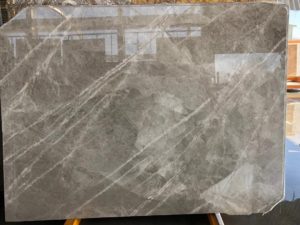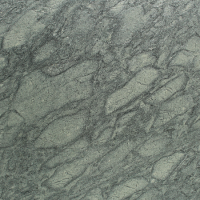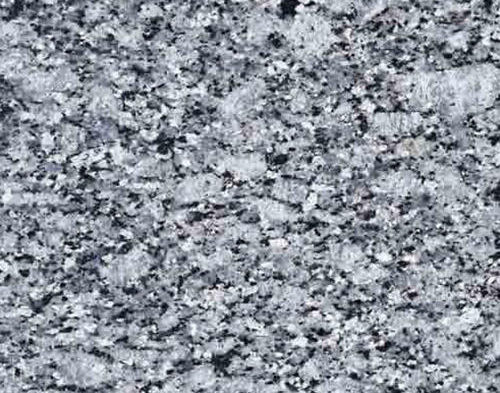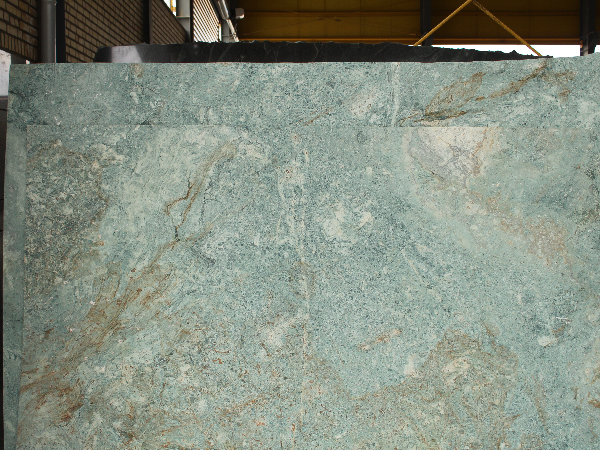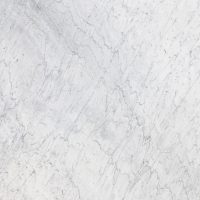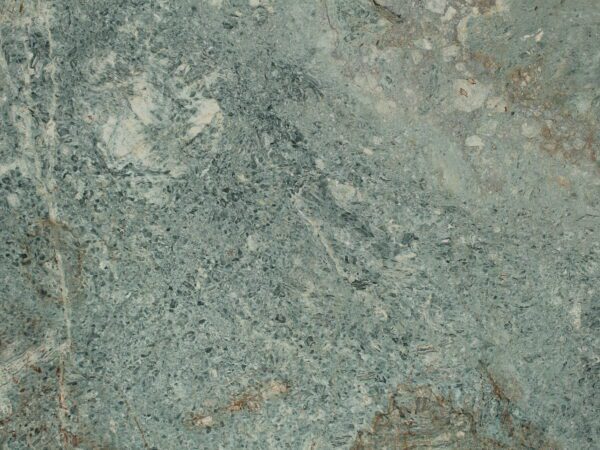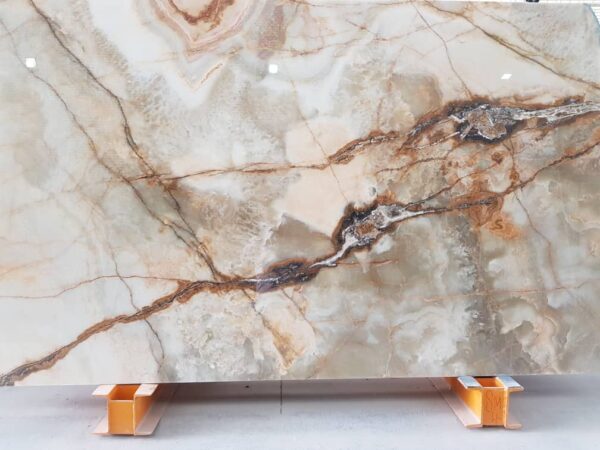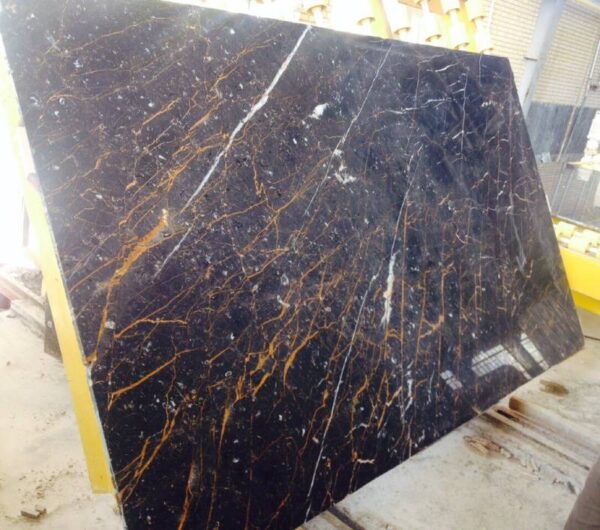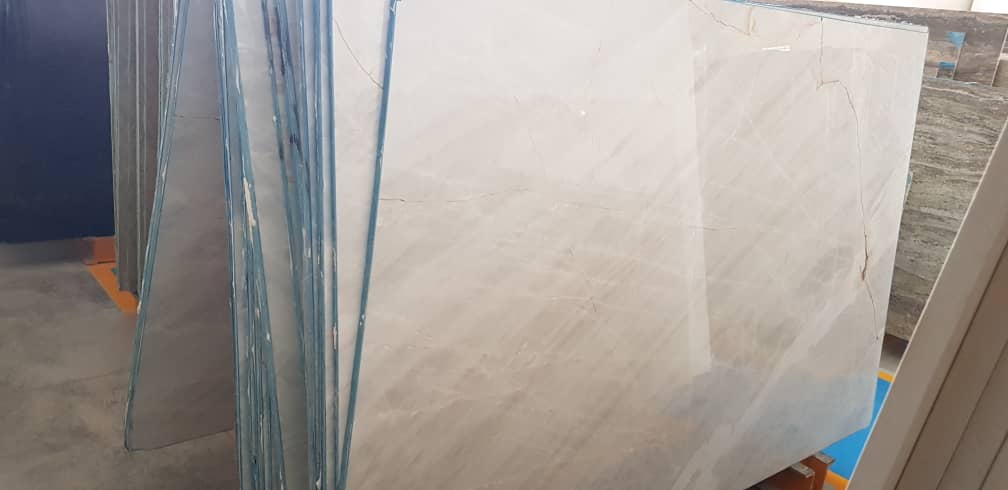
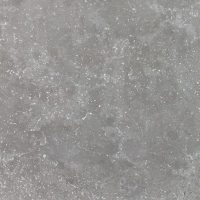
Gray Ash Limestone

Best Stones for Cold Weather

Top Choices for Cold Climates

When building in cold climates, choosing the right materials is essential to ensure long-term durability, energy efficiency, and comfort. Moreover, natural stones are an excellent choice for cold weather due to their thermal mass properties, which help regulate indoor temperatures by absorbing and retaining heat. In this article, we explore the best stones for cold weather and explain why they are perfect for regions that experience harsh winters.
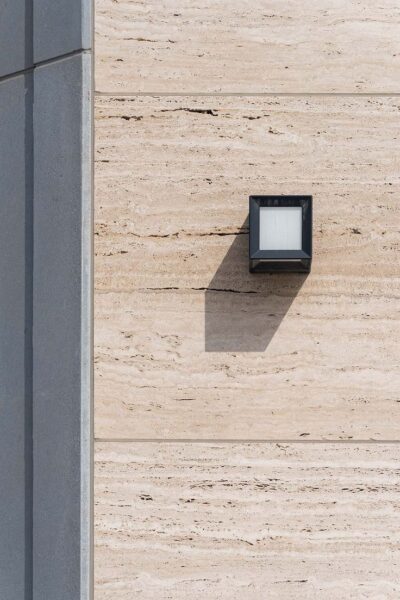
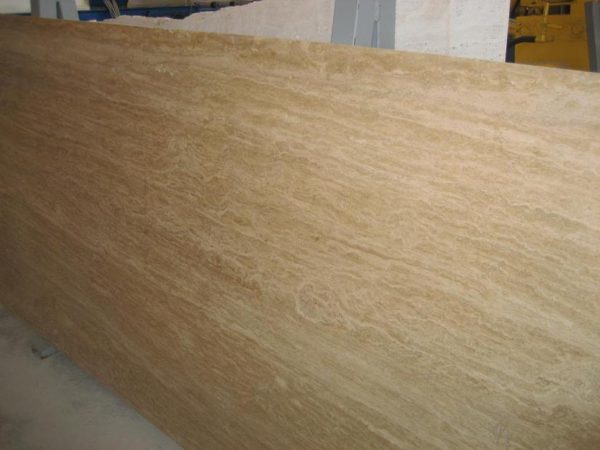
Exterior Stone Wall Beige Travertine

1. Granite: Durable and Heat-Retaining

Granite is one of the most popular stones for cold climates, and for good reason. Its density allows it to absorb and retain heat, providing a natural source of warmth. As a result, granite is ideal for both interior and exterior applications, from countertops and floors to outdoor walkways and facades. Additionally, its resistance to freeze-thaw cycles makes it a durable choice for areas with extreme temperature changes.

Why Granite is Great for Cold Climates:

  • Exceptional thermal mass that absorbs and retains heat.

  • Resistant to cracking and damage from freezing temperatures.

  • Available in a variety of colors and finishes to suit any design style.

Popular Granite Varieties:

  • Black Granite

  • White Granite

  • Gray Granite

2. Limestone: A Soft and Insulating Stone

Limestone is another excellent choice for cold climates. Although it is softer than granite, its insulating properties help retain heat within the home. For example, it is often used in flooring, facades, and fireplaces, as its ability to absorb and release heat naturally creates a comfortable indoor environment. Moreover, limestone’s attractive, neutral color palette complements various architectural styles.

Why Limestone is Perfect for Cold Weather:

  • Provides insulation, helping maintain a steady indoor temperature.

  • Absorbs and retains heat, making it ideal for winter climates.

  • Available in warm, earthy tones that create a cozy atmosphere.

Popular Limestone Varieties:

  • French Beige Limestone

  • Indiana Limestone

  • Turkish Limestone

3. Slate: Freeze-Resistant and Aesthetic

Slate is a dense and non-porous stone, making it one of the best options for cold weather. Furthermore, it has excellent freeze-thaw resistance, meaning it won’t crack or deteriorate when exposed to freezing temperatures. Consequently, slate is commonly used for roofing, flooring, and wall cladding in harsh climates. In addition, its dark colors and textured surface make it an attractive material for modern and traditional designs.

Why Slate is Ideal for Cold Climates:

  • Freeze-thaw resistant, ensuring long-term durability.

  • Holds heat effectively, contributing to warmth indoors.

  • Available in various colors and finishes, offering versatile design solutions.

Popular Slate Varieties:

  • Vermont Slate

  • Welsh Slate

  • Indian Black Slate

4. Sandstone: Weather-Resistant and Aesthetic

Sandstone is a great choice for cold weather because it is highly durable and weather-resistant. In particular, its ability to withstand freeze-thaw cycles makes it ideal for both indoor and outdoor applications. For instance, sandstone is commonly used for paving, exterior cladding, and landscaping. Moreover, its rich, earthy tones provide a natural look that blends well with snowy landscapes.

Why Sandstone is Great for Cold Weather:

  • Highly durable and weather-resistant, perfect for outdoor use.

  • Handles freezing temperatures reliably.

  • Offers natural color variations that complement cold-weather environments.

Popular Sandstone Varieties:

  • Indian Red Sandstone

  • Australian Sandstone

  • British Yorkstone

5. Marble: Elegant and Insulating

Marble is often associated with luxury, but it also performs well in cold climates. In addition, it has a high thermal mass that helps regulate indoor temperatures, keeping homes warm during winter. As a result, marble is ideal for countertops, flooring, and decorative elements. Furthermore, its timeless beauty and cool-to-the-touch surface enhance any interior design while providing functional insulation.

Why Marble is Ideal for Cold Climates:

  • Natural insulation properties help regulate indoor temperatures.

  • Timeless elegance enhances aesthetic value.

  • Available in various colors and patterns for custom designs.

Popular Marble Varieties:

  • Carrara Marble

  • Calacatta Marble

  • Emperador Marble

Farzin Rock Stone Company 

https://www.rockstone.biz/most-demanded-st…-the-philippines/
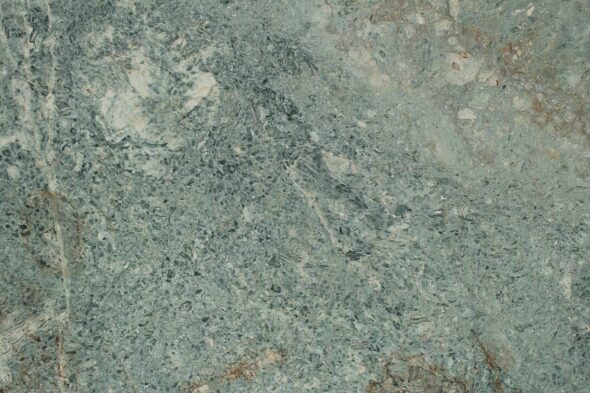
green granite

Most Used Stones by Architects

Top Choices for Stylish and Sustainable Designs

Architects around the world carefully select materials that combine functionality and aesthetic appeal. Moreover, natural stones stand out due to their timeless beauty, durability, and versatility. As we move into 2024, certain stones have become favorites among architects for their unique qualities. In this article, we explore the most used stones and explain why architects choose them for both residential and commercial projects.

1. Granite: The Top Choice for Durability and Style

Architects prefer granite for its unparalleled strength, versatility, and visual appeal. For example, they use it in countertops, flooring, building facades, and monuments. Its resistance to heat, scratching, and staining makes granite perfect for high-traffic areas and outdoor projects. In addition, its rich variety of colors and patterns adds aesthetic depth to any design. Consequently, granite remains a top choice for both residential and commercial structures.

Why Architects Love Granite:

  • Highly durable, ideal for interior and exterior applications.

  • Available in shades of black, gray, red, and green.

  • Provides an elegant, timeless appearance suitable for any architectural style.

Popular Granite Varieties:

  • Black Granite

  • White Granite

  • Red Granite

2. Marble: The Epitome of Elegance and Luxury

Marble offers a luxurious and classic appeal, which architects value for high-end projects. Whether for flooring, countertops, wall features, or decorative elements, marble enhances any space. Its distinctive veining patterns and range of colors allow designers to create standout designs. As a result, architects often use marble in luxury homes, hotels, and commercial buildings. Furthermore, marble’s historical presence in iconic structures adds to its allure.

Why Architects Choose Marble:

  • Adds sophistication and a luxurious appearance to designs.

  • Available in various natural patterns and colors for custom projects.

  • Ideal for high-impact aesthetics in upscale residential and commercial spaces.

Popular Marble Varieties:

  • Carrara Marble

  • Calacatta Marble

  • Emperador Marble

3. Limestone: Versatile and Cost-Effective

Architects select limestone for its versatility, affordability, and aesthetic charm. For instance, they apply it in flooring, facades, paving, and decorative features. Moreover, its soft, neutral tones create harmonious and natural-looking designs. Limestone also costs less than premium stones like marble and granite, making it suitable for large-scale projects. Therefore, architects often choose limestone when balancing style with budget.

Why Architects Prefer Limestone:

  • Affordable compared to premium stones.

  • Soft tones complement diverse architectural styles.

  • Easy to cut and shape, suitable for both traditional and modern designs.

Popular Limestone Varieties:

  • Belgian Blue Limestone

  • French Beige Limestone

  • British Portland Stone

4. Travertine: The Perfect Stone for Outdoor Spaces

Travertine excels in outdoor applications, especially for landscaping and hardscaping. Its naturally porous texture provides excellent slip resistance, making it ideal for pool decks, patios, and walkways. In addition, travertine’s warm, earthy tones complement a variety of design styles, from rustic to contemporary. Similarly, its durability ensures it withstands different weather conditions. Moreover, architects can select from various finishes to meet specific project requirements.

Why Travertine is a Top Pick for Architects:

  • Ideal for outdoor areas like pools, patios, and garden walkways.

  • Slip-resistant and durable for high-traffic spaces.

  • Warm tones add rustic yet sophisticated appeal.

Popular Travertine Varieties:

  • Noce Travertine

  • Ivory Travertine

  • Classic Travertine

5. Sandstone: Durable and Earthy for Timeless Designs

Sandstone remains popular among architects for its durability, versatility, and rich, earthy tones. For example, designers use it for facades, flooring, paving, and landscaping. In addition, sandstone comes in various colors—from golden yellows to reds and browns—allowing it to adapt to multiple architectural styles. Its natural, textured surface adds depth and character, and consequently, its weather resistance makes it suitable for harsh climates. Therefore, sandstone continues to be a reliable and stylish option for architects.

Why Architects Choose Sandstone:

  • Durable and weather-resistant, perfect for outdoor use.

  • Provides a natural, timeless look that complements modern and traditional designs.

  • Available in a range of colors to suit diverse aesthetic preferences.

Popular Sandstone Varieties:

  • Australian Sandstone

  • Indian Red Sandstone

  • British Yorkstone

Best Stones to Export

Farzin rock stone company 

Exporting Granite to China

A Comprehensive Guide for Success

Exporting granite to China presents a lucrative business opportunity, as the country has a high demand for natural stone in construction, infrastructure, and interior design. This guide will outline key steps to ensure a successful granite export business to China, focusing on market research, regulations, and logistics.

Grey Granite Mashhad

How to Export Granite to China

China is one of the largest consumers of granite globally, making it a prime market for exporters. To break into this market, it’s essential to understand the demand, competition, and logistics involved in shipping granite to China.

Market Demand for Granite in China

China’s booming construction industry creates a high demand for granite, used in everything from commercial buildings to home interiors. The country also imports granite for industrial and artistic applications, such as sculptures and monuments. Conducting thorough market research is vital to identifying the most popular granite colors, textures, and finishes. Understanding consumer preferences will help you target your product effectively.

Competitive Edge: To stand out in the market, offer granite that meets the specific requirements of Chinese buyers, such as unique designs or custom finishes. Providing high-quality granite with fast delivery can give you an edge over competitors.

Compliance with Export and Import Regulations

Exporting granite to China requires strict compliance with both your country’s export regulations and China’s import laws. Ensure that all necessary documentation is prepared, including certificates, permits, and quality standards. China has specific regulations for natural stone imports, so it’s crucial to work with a local distributor or customs agent who understands these rules.

https://www.rockstone.biz/granite-stone-exporters/

Required Documents for Export:

  • Commercial Invoice
  • Packing List
  • Certificate of Origin
  • Bill of Lading
  • Product Certification

Having these documents in order will help you avoid delays at Chinese customs, ensuring a smoother process.

Tariffs, Duties, and Taxes

Understanding China’s import tariffs and taxes is crucial for pricing your granite competitively. China imposes customs duties and VAT on imported goods, which can significantly impact your profit margins. Make sure to calculate these costs and discuss them with your Chinese buyers to ensure transparency.

Check for any potential trade agreements between your country and China that may lower tariffs and reduce costs.

Logistics and Shipping Granite to China

Shipping granite is a complex process due to the heavyweight and fragility of the material. Most exporters ship granite to China via sea freight in large containers.

Logistics Considerations:

  • Packaging: Use sturdy wooden crates with cushioning to prevent damage during transit.
  • Incoterms: Establish clear Incoterms (International Commercial Terms) with your buyer to determine responsibility for transportation costs and risks.
  • Freight Forwarder: Partner with an experienced freight forwarder to manage the shipping process efficiently, ensuring that your granite reaches China on time.

Shipping insurance is also essential to cover any potential loss or damage during transit.

Best Stones for Exporting

Building Relationships with Chinese Importers

Establishing strong relationships with local distributors, importers, or agents in China is key to entering the market successfully. They can help navigate the regulatory environment and connect you with potential buyers.

Secure Payment Terms: Agree on safe and reliable payment methods, such as Letters of Credit (LC), to minimize financial risk. Additionally, monitor exchange rates to avoid unexpected costs when converting currencies.

Farzin rock stone company 

Black-granite

Exporting Granite to Russia

A Step-by-Step Guide for Success: Exporting Granite to Russia

Exporting granite to Russia can be a profitable venture. However, it requires careful planning, adherence to regulations, and a solid logistics strategy. In this guide, we’ll explore the essential steps to successfully export granite to the Russian market.

KHORAM DAREH GRANITE

How to Export Granite to Russia

Russia is a growing market for high-quality granite, widely used in construction and interior design. Therefore, to successfully export granite, you need to understand the process, including market research, regulations, and shipping logistics.

Understanding Market Demand and Competition

Before exporting granite to Russia, it’s important to assess the market demand. Russia imports granite for various uses such as construction, home interiors, and monuments. First, research your target audience to identify the granite types and colors in demand. Next, assess competitors, their pricing, and how your product can stand out. For example, offering custom sizes, finishes, or unique granite varieties can give you a competitive advantage.

Compliance with Export and Import Regulations

Exporting granite involves adhering to both your country’s export regulations and Russia’s import laws. To begin with, check if your country requires export permits for granite. Russia has specific import requirements, including product quality standards. Consequently, you may need certifications to prove the granite meets Russian regulations.

Required Documentation:

  • Commercial Invoice

  • Certificate of Origin

  • Bill of Lading

  • Packing List

In addition, hire a customs broker familiar with Russian import procedures to assist with smooth customs clearance and avoid potential delays.

Tariffs, Duties, and Taxes for Granite Exports

One of the most critical steps in exporting to Russia is understanding the tariffs and duties. Russia imposes customs duties and VAT (Value Added Tax) on imported granite. Therefore, calculate these costs and incorporate them into your pricing strategy to ensure profitability. Moreover, if your country has a trade agreement with Russia, check whether any reduced tariffs apply to your shipment.

Logistics and Transportation for Granite Export

Choosing the right logistics and transportation is vital when exporting heavy materials like granite. Typically, the most common transportation methods are by sea, road, or rail, depending on the distance and budget.

Key Considerations:

  • Packaging: Use durable materials like wooden crates and padding to prevent damage.

  • Incoterms: Negotiate Incoterms with your buyer, outlining who bears the cost and risk during each stage of shipping.

  • Shipping Insurance: Insure your shipment against any damage or loss in transit.

Furthermore, work with a reliable freight forwarder to manage the transportation process efficiently, ensuring your granite arrives in Russia safely and on time.

Building a Successful Business Partnership in Russia

Finally, to ensure long-term success, build relationships with local distributors or import agents who can help navigate the Russian market. For instance, they can assist with marketing, compliance, and customer acquisition. As a result, you can establish a strong presence and achieve sustained growth in the Russian granite market.

White Granite Special wholesale price + analysis + sale offer

Payment Terms: Agree on secure payment methods like a Letter of Credit (LC) to safeguard against non-payment. Additionally, consider currency exchange rates, as the transaction might involve Russian rubles (RUB).

Farzin rock stone company 

Spider-Granite

Exporting Granite to Turkey

A Step-by-Step Guide for Success

Exporting granite to Turkey can be a profitable venture, as the country has a high demand for natural stone in construction and design projects. To tap into this growing market, it’s essential to understand the key steps involved, from regulations to logistics. This guide will walk you through the process of exporting granite to Turkey successfully.


How to Export Granite to Turkey

Turkey is a major importer of high-quality granite, widely used in construction, infrastructure, and decorative applications. To enter this market, exporters must be aware of Turkey’s specific import regulations, logistics requirements, and market demand.

Market Demand and Opportunities in Turkey

Turkey’s construction sector is booming, driving the demand for natural stone like granite. This includes both raw granite for large-scale infrastructure projects and polished granite for interior design and decoration. Conducting market research will help you identify the specific types of granite that are in demand in Turkey.

Competitive Advantage: Offer high-quality granite with unique finishes or colors to meet the needs of Turkish buyers. Differentiate your product by providing custom cuts or superior craftsmanship.

Understanding Export and Import Regulations

Exporting granite to Turkey involves meeting both your country’s export regulations and Turkey’s import standards. Turkey has strict rules regarding the import of natural stone, and non-compliance can lead to delays or fines. Partnering with a local distributor or customs broker can simplify this process.

Key Documents for Export:

  • Commercial Invoice
  • Packing List
  • Certificate of Origin
  • Bill of Lading
  • Product Certifications

Ensuring that all required documents are accurate and complete will speed up the customs clearance process in Turkey.

Tariffs, Duties, and Taxes for Granite in Turkey

Understanding the customs duties and taxes applied to imported granite in Turkey is crucial. Turkey imposes import duties and VAT (Value Added Tax) on granite, which must be factored into your pricing strategy. Always check for updated tariff rates, as they can impact the total cost of your shipment.

Tip: Check if your country has a trade agreement with Turkey that could reduce or eliminate import duties on granite.

Logistics and Transportation for Granite Export

Shipping granite to Turkey requires careful planning due to the material’s weight and fragility. The most common method for transporting granite is by sea freight, but road transport may also be used for shorter distances.

Logistics Considerations:

  • Packaging: Secure your granite in sturdy wooden crates with protective materials to avoid damage during transit.
  • Incoterms: Determine the Incoterms (International Commercial Terms) with your Turkish buyer to clarify who is responsible for shipping costs, insurance, and risks.
  • Freight Forwarding: Use an experienced freight forwarder to ensure your granite shipment is handled efficiently and arrives in Turkey on time.

Consider purchasing shipping insurance to protect your shipment from potential damage or loss during transit.

Best Stones for Exporting

Partnering with Local Distributors in Turkey

To successfully export granite to Turkey, building strong relationships with local distributors or agents is key. They can help navigate the Turkish market, ensure compliance with regulations, and connect you with buyers in the construction and interior design sectors.

Secure Payment Terms: Negotiate secure payment methods like a Letter of Credit (LC) to minimize financial risks. Additionally, monitor currency exchange rates to avoid unexpected costs when converting funds to or from Turkish lira (TRY).

https://www.rockstone.biz/the-most-resistant-natural-stone/

Farzin rock stone company 

Granite stone

Granite Stone Exporters

A Comprehensive Overview

The Importance of Granite Stone Exporters in the Global Market

Granite stone, celebrated for its durability, versatility, and aesthetic appeal, has long been a favored choice in construction and design. From elegant countertops to sturdy flooring, granite’s unique patterns and colors enhance both residential and commercial spaces. Therefore, granite stone exporters play a pivotal role in meeting the increasing global demand for this exquisite material. This article explores the granite export industry, highlighting key players, market trends, and future opportunities.

Global Demand for Granite Stone

The demand for granite stone is steadily rising, driven by its wide-ranging applications across various industries:

Construction and Architecture: Granite serves as a staple in construction, used for everything from building facades to bridges. Its strength and resistance to weathering make it ideal for high-quality projects.

Interior Design: In interior design, designers favor granite for countertops, flooring, and tiles. Its ability to be polished to a high sheen and its extensive color range enhance both modern and traditional interiors.

Landscaping: Granite is increasingly popular in landscaping for retaining walls, pathways, and decorative features. Moreover, its durability and natural beauty improve outdoor spaces while requiring minimal maintenance.

Key Granite Stone Exporting Countries

Several countries are recognized as major exporters of granite, contributing significantly to the global supply:

India: India is one of the largest granite exporters, offering a wide variety of colors and textures. The country’s expertise in quarrying and processing granite has established it as a key player in the global market.

Brazil: Brazil produces unique and exotic granite varieties, often featuring bold colors and patterns. Brazilian granite attracts luxury markets for its distinctive aesthetic appeal.

China: China plays a significant role in the granite export market by providing a range of affordable options. Advanced processing technology enables Chinese exporters to deliver granite products at competitive prices.

Trends Influencing the Granite Export Market

Several trends are shaping the granite export industry:

Sustainability Practices: As environmental concerns grow, buyers increasingly demand sustainably sourced materials. Exporters who implement eco-friendly practices in quarrying and production gain favor among international clients.

Technological Advancements: Innovations in quarrying and processing improve efficiency and product quality. Techniques such as water jet cutting and laser engraving allow exporters to create intricate designs that meet modern consumer preferences.

Customization: Consumers increasingly seek unique products. Consequently, granite exporters adapt by offering customization options, tailoring granite products to specific client requirements to enhance marketability and build strong customer relationships.

Challenges Faced by Granite Stone Exporters

Despite positive growth prospects, granite exporters face several challenges:

Intense Competition: Numerous countries compete in the granite export market. Exporters must differentiate themselves through quality, service, and innovation to stand out.

Logistical Issues: Transporting heavy granite can be costly and complex. Exporters need to develop efficient supply chains to reduce expenses and ensure timely delivery.

Regulatory Compliance: Exporters must navigate complex regulations in both exporting and importing countries. Staying informed about tariffs, quality standards, and environmental regulations helps avoid penalties and delays.

Future Outlook for Granite Stone Exporters

The future of granite stone exporters appears promising, driven by global demand and emerging market trends. As urbanization expands and infrastructure investments grow, high-quality granite will remain in demand. Furthermore, exporters who focus on sustainability, customization, and technological innovation can capitalize on these opportunities and strengthen their presence in the global market.

farzin rock stone company 

red granite

Best Granite for Import

A Guide for Commercial Projects

Why Choose Granite for Commercial Projects?

Granite is one of the most sought-after natural stones for commercial use due to its durability, aesthetic appeal, and versatility. It is used in everything from countertops and flooring to wall cladding and exterior facades. Importing high-quality granite can provide businesses with a reliable and cost-effective material that enhances both the functionality and appearance of their spaces. When selecting the best granite for import, several factors like durability, color options, and sourcing regions come into play.

Best Types of Granite for Import

1. Black Galaxy Granite

Black Galaxy granite is one of the most popular choices for commercial use, especially in high-end applications. This stone, predominantly sourced from India, is known for its deep black color dotted with tiny gold and silver specks, which resemble stars in the night sky. Its luxurious appearance and high durability make it perfect for countertops, bar tops, and feature walls. Its polished finish adds elegance to any commercial space, while its low porosity ensures it is resistant to stains and scratches.

2. Bianco Antico Granite

Bianco Antico granite, sourced from Brazil, is another top contender for import. This granite features a light, creamy background with intricate patterns of gray and brown flecks. Its neutral yet sophisticated appearance makes it a great choice for commercial kitchens, reception areas, and bathrooms. Bianco Antico’s ability to complement various design styles, from modern to traditional, adds to its versatility. Its strength and resilience against wear and tear make it ideal for high-traffic commercial environments.

3. Blue Bahia Granite

For commercial projects seeking a bold, eye-catching material, Blue Bahia granite from Brazil is a top choice. Known for its stunning blue hues, this granite is often used in luxury hotels, restaurants, and retail stores where a striking visual impact is needed. The rare, vibrant color makes it perfect for accent walls, countertops, and bar tops. In addition to its aesthetic appeal, Blue Bahia granite is highly durable, able to withstand both indoor and outdoor conditions without fading or degrading.

4. Absolute Black Granite

Absolute Black granite is another popular granite for import, especially for projects that require a sleek, modern look. Quarried mainly in India, this granite offers a uniform black surface, making it a versatile option for contemporary commercial spaces. Its resistance to scratching, heat, and moisture makes it ideal for use in countertops, flooring, and wall cladding. Absolute Black granite is particularly favored in corporate offices and upscale commercial spaces for its polished and professional look.

Key Benefits of Importing Granite

Durability and Longevity

Granite is one of the hardest natural stones, making it highly durable and ideal for commercial spaces that see heavy foot traffic or require frequent use. Whether used in countertops, flooring, or exterior cladding, granite can withstand wear, heat, and moisture, ensuring a long-lasting investment for commercial projects.

Aesthetic Versatility

Granite comes in a wide variety of colors, patterns, and textures, making it suitable for any design style. Whether you need a classic, neutral look or a bold, vibrant statement piece, there is a type of granite that fits the project. This versatility allows architects and designers to incorporate granite in various areas of a commercial building, from reception desks to feature walls and beyond.

Best Persian Granite

Cost-Effectiveness

While granite is considered a premium material, importing it from high-quality sources can provide significant cost savings. Countries like Brazil, India, and China are leading exporters of granite, offering competitive prices without sacrificing quality. By importing granite directly from these regions, businesses can reduce costs while still ensuring top-tier material for their commercial projects.

Farzin rock stone company 

Black Granite

The Ultimate Choice for Elegance and Durability

Why Black Granite is a Top Choice for Homes and Businesses

Black granite has become one of the most popular materials in both residential and commercial spaces. Known for its timeless beauty, durability, and versatility, this natural stone offers a sophisticated touch to various surfaces, including countertops, flooring, and wall cladding. Whether you’re renovating a kitchen, bathroom, or office space, black granite adds value and luxury to any design.

In this article, we’ll explore the key reasons why black granite is the best option for both aesthetic appeal and long-lasting performance.

Key Features and Benefits of Black Granite

1. Durability That Lasts a Lifetime

One of the standout characteristics of black granite is its durability. As a natural stone formed under immense pressure, granite is extremely resistant to scratches, heat, and stains. This makes it ideal for high-traffic areas such as kitchen countertops or office floors, where heavy use is expected. Unlike other materials, black granit does not chip or crack easily, ensuring that your investment will stand the test of time.

2. Luxurious Aesthetic Appeal

Black granite is often sought after for its luxurious, high-end appearance. Its deep, rich tones range from jet black to speckled variations with hints of white or gold, allowing it to complement any design style. Whether your space is modern, contemporary, or traditional, black granit provides an elegant touch that enhances the overall aesthetic. The natural shine of polished black granit adds a reflective surface, making rooms appear more spacious and bright.

3. Low Maintenance

While black granite is undeniably beautiful, it’s also incredibly low maintenance. With minimal effort, you can keep your surfaces looking pristine. Regular cleaning with mild soap and water is sufficient to maintain its natural luster. Additionally, sealing black granit every 12 to 18 months protects it from moisture absorption and staining, making it a practical choice for busy homeowners and business owners alike.

Versatile Applications of Black Granite

1. Countertops

Black granit countertops are a common choice in kitchens and bathrooms due to their resistance to heat, stains, and general wear. They offer a sleek, modern look that pairs well with both light and dark cabinetry. Moreover, the stone’s non-porous surface makes it highly hygienic, which is a major advantage for food preparation areas.

2. Flooring

Black granite floors exude a sense of luxury and durability. Whether installed in a home entryway, a commercial lobby, or a restaurant, they are built to withstand heavy foot traffic. Polished black granit tiles also provide a mirror-like finish, making them ideal for creating a sophisticated atmosphere.

3. Wall Cladding

For those looking to make a bold design statement, black granit can be used as wall cladding. Its striking appearance creates a focal point in living rooms, bathrooms, or commercial spaces. When combined with lighting, black granit walls reflect light beautifully, adding depth and texture to interiors.

https://www.rockstone.biz/exploring-iranian-onyx/

Black marble slab

Choosing the Right Black Granite for Your Project

When selecting black granit for your home or business, it’s essential to consider factors like finish, texture, and veining. Polished granite is ideal for countertops and walls due to its reflective surface, while honed granite offers a matte finish suitable for flooring. Additionally, black granite varieties such as Absolute Black, Black Galaxy, and Impala Black offer different veining patterns and undertones, providing a wide range of choices depending on your design preferences.

Farzin rock stone company 

Black-granite

Best Color Granite for Kitchen

Enhance Your Space with Timeless Elegance

Choosing the Best Granite Colors for Your Kitchen

When designing or renovating a kitchen, selecting the right granite color is crucial. Granite is known for its durability, beauty, and versatility, but the color you choose can make or break the overall ambiance of your space. Whether you prefer a classic, modern, or bold look, finding the best color granite for your kitchen will transform it into a stunning and functional area.

White Granite
White Granite

In this article, we’ll guide you through the most popular granite colors and how they can complement different kitchen styles.

Popular Granite Colors for Kitchen Countertops

1. White Granite: Clean and Elegant

White granite is a timeless choice that creates a clean, airy, and bright atmosphere in the kitchen. It works well in both modern and traditional designs, providing a fresh, sophisticated look. White granite often has beautiful flecks or veins of black, grey, or gold, giving it a unique texture that pairs well with any cabinetry color.

https://www.rockstone.biz/natural-granite-stone-manufacturer/

Key Benefits:

  • Enhances the brightness of smaller kitchens.
  • Matches easily with both light and dark cabinetry.
  • Gives a clean and modern appearance.

Popular options include Alaska White, Bianco Antico, and Colonial White, each offering a different take on white granite with varied veining and speckles.

2. Black Granite: Bold and Luxurious

For those seeking a sleek, dramatic look, black granite is an excellent choice. This color creates a strong contrast with light-colored cabinetry or a monochrome modern look when paired with dark cabinets. Black granite countertops offer a sophisticated, high-end feel, especially in polished finishes that add a reflective shine to the space.

Key Benefits:

  • Adds a dramatic, luxurious touch to the kitchen.
  • Hides stains and dirt better than lighter colors.
  • Perfect for creating bold contrasts.

Popular types include Absolute Black, Black Galaxy, and Impala Black, each offering subtle variations in texture and shine.

3. Grey Granite: Versatile and Contemporary

Grey granite is becoming increasingly popular due to its neutral, versatile tone that complements various kitchen styles, from contemporary to rustic. Whether you choose light grey for a minimalist look or darker shades for a more industrial feel, grey granite works well in almost any kitchen.

Key Benefits:

  • Provides a neutral backdrop for bold accents.
  • Works well with a variety of colors and finishes.
  • Ideal for modern, contemporary, or transitional kitchens.

Popular choices include Steel Grey, Moon White, and New River White.

4. Brown Granite: Warm and Earthy

Brown granite offers warmth and depth, making it an ideal choice for traditional or rustic kitchen designs. It pairs well with wood cabinetry, adding a natural, earthy tone to the kitchen. Brown granite’s versatility allows it to work with light and dark woods, creating a cozy, inviting atmosphere.


iranian Light Brown Marble stone , tile or slab for export

Key Benefits:

  • Creates a warm and welcoming environment.
  • Works perfectly with wooden cabinets and natural tones.
  • Adds richness and texture to traditional kitchens.

Popular brown granites include Baltic Brown, Tan Brown, and Tropic Brown.

How to Choose the Right Granite Color for Your Kitchen

Choosing the best granite color depends on your kitchen’s style, cabinetry color, and personal preference. Here are a few tips to guide your selection:

  1. Consider Your Kitchen Size: Light-colored granite, such as white or light grey, can make smaller kitchens feel more open and spacious, while darker colors like black or brown work best in larger kitchens.
  2. Think About Contrast: For a striking look, choose a granite color that contrasts with your cabinetry. Dark cabinets pair beautifully with lighter granite, while light cabinets can be enhanced with darker granite.
  3. Match Your Style: If you prefer a modern kitchen, opt for white, grey, or black granite. For a more traditional or rustic look, consider brown or tan granite.

Farzin rock stone company 

red granite

Can You Use Clorox Wipes on Granite

A Complete Guide

Is It Safe to Use Clorox Wipes on Granite?

Granite countertops are a popular choice for kitchens and bathrooms due to their durability and aesthetic appeal. However, proper care is essential to maintain their beauty and longevity. One common question is whether Clorox wipes are safe to use on granite. While Clorox wipes are convenient for cleaning, they may not be the best choice for natural stone surfaces like granite. This guide will explore the effects of using Clorox wipes on granite and recommend safer alternatives.

green granite
green granite

How Clorox Wipes Can Damage Granite

Clorox wipes contain disinfecting agents and chemicals that are highly effective at killing germs, but they can be too harsh for natural stone surfaces like granite. Here’s why Clorox wipes might not be suitable for granite countertops:

  1. Acidic Ingredients: Many disinfecting wipes, including Clorox, contain acidic ingredients such as citric acid or alcohol. These acids can strip away the protective sealant on granite, leaving the stone vulnerable to stains, scratches, and etching.
  2. Erosion of Sealant: Granite countertops are typically sealed to protect the porous surface from absorbing liquids and stains. Over time, the harsh chemicals in Clorox wipes can erode this sealant, reducing its effectiveness and leading to damage.
  3. Discoloration and Dullness: Regular use of Clorox wipes may lead to discoloration and dullness in your granite countertops. The harsh chemicals can cause the surface to lose its shine, making the granite appear worn and less vibrant over time.

What to Use Instead of Clorox Wipes on Granite

To keep your granite countertops in excellent condition, it’s important to use products that are safe for natural stone. Here are some recommended cleaning alternatives that are gentle and effective:

  1. pH-Neutral Cleaners: Look for pH-neutral cleaners specifically designed for granite and other natural stone surfaces. These cleaners are formulated to clean without damaging the sealant or stone, ensuring your countertops remain protected.
  2. Warm Water and Mild Dish Soap: A simple solution of warm water and mild dish soap is an excellent way to clean granite surfaces. It’s safe, effective, and won’t strip away the sealant. Just dampen a soft cloth or sponge with the solution and wipe down the surface, followed by a dry cloth to prevent water spots.
  3. Microfiber Cloths: For daily maintenance, microfiber cloths are ideal for wiping down granite countertops. They’re gentle on the surface, help remove dust and debris, and won’t scratch or dull the stone.
  4. Homemade Granite Cleaner: You can create a homemade granite cleaner using water, rubbing alcohol, and a few drops of mild dish soap. This mixture helps disinfect the surface without causing harm to the granite. Just be sure to avoid any acidic ingredients like vinegar or lemon.

Can You Use Vinegar On Travertine

Best Practices for Maintaining Granite Countertops

Granite countertops can last for decades if properly maintained. Here are some tips to ensure the longevity and beauty of your granite:

  • Seal Regularly: Granite should be sealed every 1-2 years to maintain its resistance to stains and moisture. A properly sealed countertop is easier to clean and less likely to be damaged by cleaning products.
  • Wipe Spills Immediately: Acidic liquids such as wine, juice, and vinegar can damage granite surfaces if left to sit. Always wipe spills immediately to avoid potential stains or etching.
  • Avoid Harsh Cleaners: Stay away from abrasive scrubbing pads, bleach, ammonia, and other harsh cleaners that can degrade the stone’s surface and sealant. Stick to gentle, stone-safe products.
  • Use Cutting Boards and Trivets: While granite is durable, it’s a good practice to use cutting boards when preparing food and trivets under hot pots and pans. This helps protect the surface from scratches and heat damage.

Farzin rock stone company