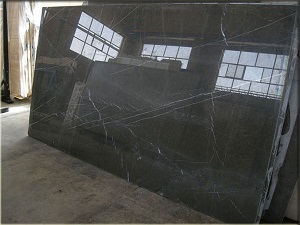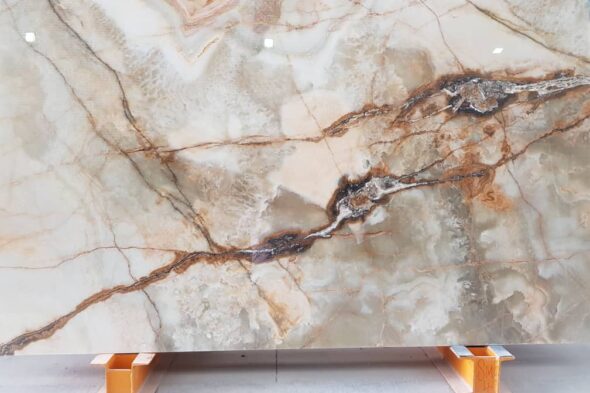
Pietra Grey Marble

Best Italian Marble

Timeless Elegance for Luxurious Spaces

When it comes to natural stone, few materials can compete with the elegance, history, and prestige of Italian marble. Renowned worldwide, it’s the top choice for upscale homes, five-star hotels, and breathtaking architectural designs.

Whether you’re a designer, builder, or homeowner, choosing the best Italian marble will elevate your project from ordinary to exceptional.

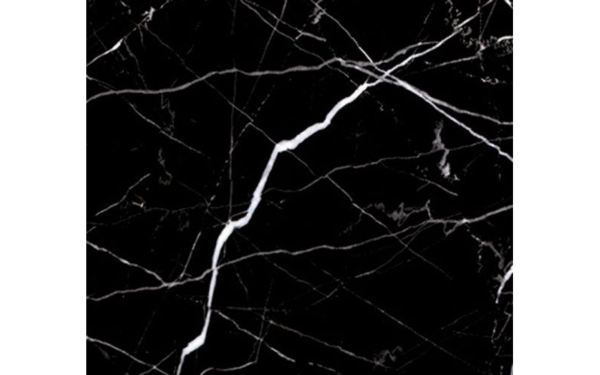
Nero marquina marble - What is Nero marquina marble stone

Why Italian Marble Remains a Global Standard

Italian marble has been celebrated for centuries—and for good reason. First of all, its visual appeal is unmatched. Not only does it showcase clean backgrounds and dramatic veining, but it also brings sophistication to any space.

Furthermore, Italy’s commitment to craftsmanship and innovation ensures consistently high quality. The country’s quarries and factories are equipped with the latest cutting and polishing technologies, which means the marble you receive is precisely finished and built to last.

In addition, Italy enforces strict quarrying regulations, making its marble a more ethical and sustainable option.

The Top 5 Types of Italian Marble

Now that you know why Italian marble is so respected, let’s look at the most popular varieties on the global market. Each one offers unique qualities that suit different aesthetics and applications.

1. Carrara Marble – Understated and Classic

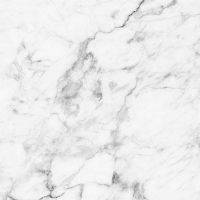
Carrara marble is perhaps the most recognizable type. Typically featuring a soft white or light gray background, it’s perfect for subtle, refined spaces.

  • Often used in bathrooms, flooring, and wall panels

  • Affordable compared to other premium marbles

  • Historically used by famous artists, including Michelangelo

Because of its timeless look, Carrara works beautifully in both modern and traditional settings.

2. Calacatta Marble – Bold and Luxurious

While it comes from the same region as Carrara, Calacatta marble stands out with its whiter background and dramatic, thick veining.

  • Ideal for high-impact spaces like kitchen islands and entryways

  • Available in rich golds and grays for added elegance

  • More rare and expensive than Carrara

As a result, Calacatta is often chosen for luxury homes and upscale commercial interiors.

3. Statuario Marble – Pure and Prestigious

Statuario is one of Italy’s most exclusive marbles.

  • Limited availability makes it highly desirable

  • Often used in master bathrooms, staircases, and upscale hotel lobbies

  • Offers a clean, high-contrast appearance

Because of its rarity and bold beauty, Statuario is a statement-maker.

4. Arabescato Marble – Artistic and Eye-Catching

Arabescato marble features swirling gray veins on a white background, almost like a piece of abstract art.

  • Each slab has a distinct, natural pattern

  • Perfect for focal walls, countertops, and luxury tiles

  • Combines modern and classic design elements

Therefore, it’s a favorite among interior designers looking to create visual drama.

5. Botticino Marble – Warm and Traditional

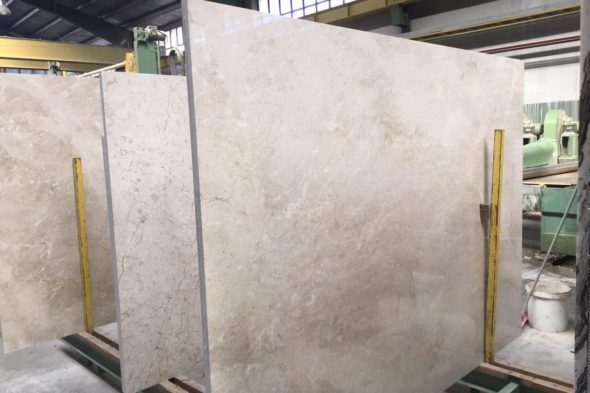
Unlike the others, Botticino offers a creamy beige tone, making it ideal for cozier, earth-toned spaces.

  • Popular for flooring, columns, and fireplaces

  • Soft veining adds depth without overpowering

  • Pairs well with wood, brass, and neutral palettes

If you want a more inviting, traditional aesthetic, Botticino delivers.

https://www.rockstone.biz/can-you-use-bleach-on-marble/

Farzin Rock stone company 

marble

Can You Use Bleach on Marble

What You Need to Know Before Cleaning

Marble surfaces are stunning, but they also require special care. If you’ve ever wondered, “Can I use bleach on marble?”, the short answer is: no, you shouldn’t. While bleach is a powerful disinfectant, it can seriously damage natural stone like marble.

Let’s explore why bleach is harmful, what happens if you use it, and safer alternatives for cleaning marble the right way.

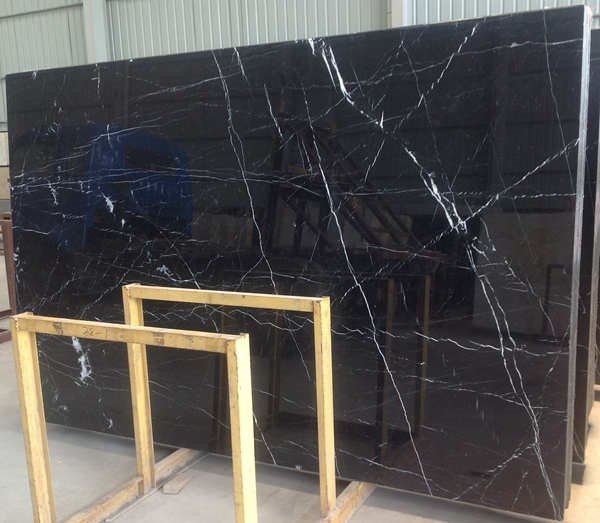
Black Marquina

Why Bleach Is Unsafe for Marble Surfaces

Although bleach is effective on many surfaces, marble is not one of them. That’s because marble is a calcium carbonate-based stone, which reacts poorly to acidic or harsh chemicals.

What Happens When You Use Bleach on Marble?

  • Etching: Bleach can eat away at the marble’s surface, leaving dull spots or marks.

  • Discoloration: The chemical can alter the natural color, especially in darker marbles.

  • Breakdown of sealant: If your marble is sealed, bleach can degrade the protective layer, making the stone more vulnerable to stains and water damage.

For these reasons, using bleach—even diluted—is strongly discouraged on marble.

Safe Alternatives to Bleach for Cleaning Marble

Fortunately, there are safe and effective ways to clean marble without causing damage. Instead of bleach, use cleaners designed specifically for natural stone. These options clean without harming the surface or breaking down the sealant.

Recommended Cleaning Methods

  1. pH-neutral marble cleaner: These products are formulated for natural stone and won’t cause etching.

  2. Mild dish soap and warm water: A few drops of soap in water can clean everyday dirt and grime.

  3. Soft cloths or microfiber: Avoid abrasive scrubbers, which can scratch the surface.

Because prevention is better than repair, it’s also smart to clean up spills immediately, especially from acidic substances like lemon juice, vinegar, or wine.

What to Do If You’ve Already Used Bleach

If bleach has been used accidentally:

  • Rinse the area immediately with clean water

  • Wipe it dry using a soft, non-abrasive cloth

  • Inspect the surface for any discoloration or etching

  • Consult a marble restoration professional if damage is visible

Although mild exposure may not destroy the marble, prolonged or repeated use can cause permanent damage.

Best Practices for Maintaining Marble

To keep your marble surfaces looking their best, a consistent care routine matters. Avoid harsh cleaners, always use coasters and mats, and reseal the surface regularly—typically every 6 to 12 months, depending on usage.

Quick Tips for Long-Term Marble Care

  • Use cutting boards and trivets in kitchens

  • Clean spills right away

  • Dust and wipe surfaces regularly

  • Avoid ammonia, vinegar, lemon, and bleach

By following these simple habits, your marble will stay beautiful and protected for years to come.

https://www.rockstone.biz/did-egyptians-use-marble-2/

Should You Seal Travertine

Farzin Rock Stone company 

Grey-Marble

Did Egyptians Use Marble

Exploring Stone in Ancient Egyptian Architecture

When you think of Ancient Egypt, images of massive pyramids, golden tombs, and intricate temples probably come to mind. But when it comes to materials, one question often comes up: Did Egyptians use marble? The answer is nuanced. While marble was known, it was not commonly used in ancient Egyptian construction.

Let’s explore what types of stone the Egyptians preferred, why marble wasn’t widely used, and how marble entered Egyptian architecture later in history.

limestone_stone

What Stones Did the Ancient Egyptians Prefer?

The Egyptians were master stoneworkers. However, rather than marble, they typically chose limestone, sandstone, and granite for their monuments and buildings.

Primary Materials in Ancient Construction

  • Limestone: Used extensively in the Great Pyramid of Giza and other temples. It was abundant and easy to carve.

  • Granite: Quarried from Aswan, this durable stone was used for obelisks, sarcophagi, and temple columns.

  • Sandstone: Common in temples in Upper Egypt, such as Karnak and Luxor.

Because these stones were readily available and suited to large-scale construction, Egyptians relied on them for most of their structures.

Was Marble Known to the Ancient Egyptians?

Yes, marble was known to the ancient world, including Egypt. However, it was not a primary building material in early dynasties. There are few records of marble use during the Old or Middle Kingdoms, largely due to geographic and practical limitations.

Reasons Marble Wasn’t Widely Used

  • Rarity in local quarries: Egypt’s native quarries offered limestone and granite in abundance, but little marble.

  • Difficult transport: Importing marble from distant regions like Greece or Turkey would have been logistically complex.

  • Alternative beauty: Egyptians achieved visual grandeur through polished limestone and richly colored granite.

Because they had materials that were both durable and decorative, they had little reason to import marble during their peak building eras.

When Did Marble Enter Egyptian Architecture?

Marble became more visible in Egyptian architecture after the conquest by Alexander the Great and later during Roman rule. At this point, foreign influence brought new materials and design elements.

Marble Use in Greco-Roman Egypt

  • Used in columns, statues, and floor panels in Roman temples

  • Imported from Greece and other Mediterranean regions

  • Found in cities like Alexandria, which became a center of classical art and architecture

Therefore, while early Egyptians didn’t favor marble, it gained popularity during later periods under foreign rule.

https://www.rockstone.biz/did-egyptians-use-marble/

Farzin Rock stone company 

Bianco Perlato

Did Egyptians Use Marble

Uncovering the Stone Secrets of Ancient Egypt

When people think of Ancient Egypt, they imagine pyramids, temples, and towering obelisks built with impressive skill and lasting power. But a common question arises: Did Egyptians use marble in their architecture and design?

The answer is complex. While marble was known in ancient times, it was rarely used by the Egyptians during their early dynasties. Instead, they relied on local materials that were more abundant and easier to work with.

Crystal Marble Laibid :

What Types of Stone Did Egyptians Use?

Egypt was rich in natural stone, and the ancient builders took full advantage of that. Rather than importing exotic materials, they sourced limestone, sandstone, and granite from nearby quarries.

Main Stones Used in Ancient Egypt

  • Limestone: Used extensively in the pyramids, especially for casings and outer walls.

  • Sandstone: Common in temples throughout Upper Egypt, such as Luxor and Karnak.

  • Granite: Quarried from Aswan and used in sarcophagi, columns, statues, and obelisks.

Because these stones were durable and easy to shape, Egyptians mastered techniques to carve and transport them across long distances. This helped them build monuments that still stand today.

Was Marble Available to the Ancient Egyptians?

Yes, marble was known to the Egyptians. However, they rarely used it. It was not commonly found in Egypt’s natural landscape and had to be imported from places like Greece or Turkey. At the time, transportation was both difficult and expensive.

Why Egyptians Didn’t Use Marble Frequently

  • Limited local supply: Egypt’s geology favored limestone and granite, not marble.

  • Complex import process: Marble quarries were far away, making transportation costly and time-consuming.

  • Already effective alternatives: Egyptian builders achieved beauty and strength with the stones they had.

As a result, while marble was admired, it was not a practical or popular choice for early dynasties.

When Did Egyptians Start Using Marble?

Marble use increased much later, during the Greco-Roman period, especially after Alexander the Great’s conquest of Egypt in 332 BCE. Foreign influence introduced marble as a decorative and structural element in more elite architecture.

Marble in Greco-Roman Egypt

  • Featured in columns, sculptures, flooring, and facades

  • Found in urban areas like Alexandria, where Greek and Roman styles merged with Egyptian traditions

  • Imported from Mediterranean quarries to reflect classical luxury

Because Roman architecture valued marble highly, it became more visible in temples, villas, and palaces during that time.

https://www.rockstone.biz/green-onyx-2/

Farzin Rock stone comapny 

finding lowest stone price

Green Onyx Kitchen

Green Onyx

A Bold and Elegant Natural Stone for Luxury Interiors

If you’re looking to add a touch of sophistication and natural beauty to your space, Green Onyx is a striking choice. Known for its vibrant hues, translucent texture, and unique veining, this luxurious stone brings a refreshing elegance to modern and classic interiors alike.

But what makes Green Onyx so special? Let’s explore its unique properties, where to use it, and how to care for it properly.

green onyx is very unique one

What Is Green Onyx?

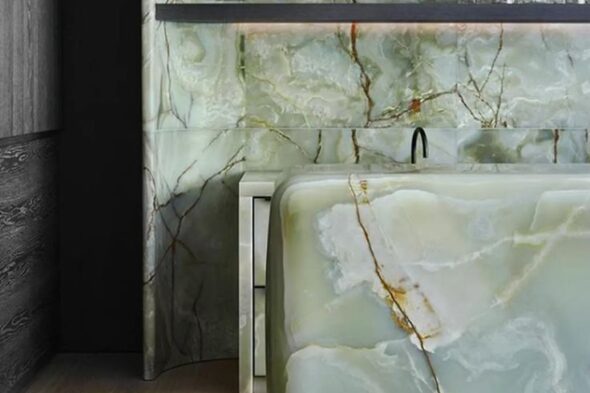
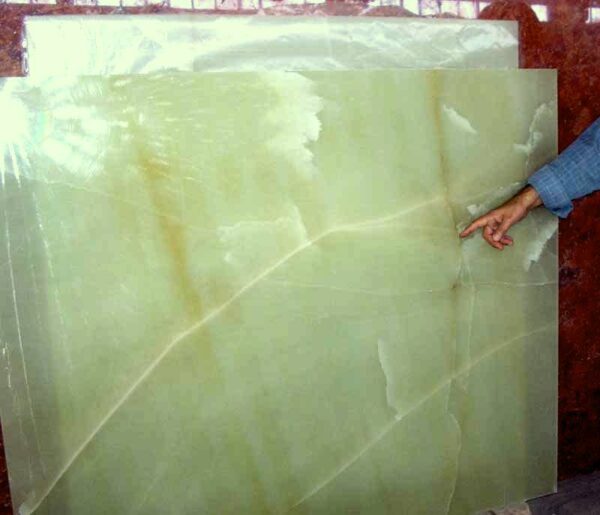
Gren Onyx is a semi-precious natural stone made primarily of calcite. Unlike traditional marble or granite, it has a glassy, almost translucent surface, which creates a glowing effect when light hits it—especially when backlit.

Key Characteristics of Green Onyx

  • Color range: Shades vary from light mint to deep emerald with white, honey, or red veining.

  • Translucency: Ideal for backlighting in feature walls and countertops.

  • Pattern: Every slab is one-of-a-kind, offering rich natural swirls and cloud-like formations.

  • Origin: Primarily sourced from regions like Pakistan, Iran, and parts of India.

Because of its delicate nature, Gren Onyx is often used in decorative applications rather than high-traffic areas.

Where to Use Green Onyx in Interior Design

Green Onyx isn’t just visually appealing—it’s also incredibly versatile. When used thoughtfully, it creates bold statements in both residential and commercial settings.

Popular Applications

  • Countertops: Especially in bathrooms or powder rooms, where elegance is key.

  • Wall cladding: Used as accent walls in entryways, hotels, and luxury lounges.

  • Fireplace surrounds: Add warmth and drama to living spaces.

  • Backlit panels: Perfect for bars, reception desks, and spa features.

  • Furniture pieces: Tabletops and consoles that serve as statement decor.

Thanks to its light-transmitting quality, designers often backlight Gren Onyx to create a glowing, high-end ambiance.

How to Care for Green Onyx

While Gren Onyx is undeniably beautiful, it is also a soft and porous stone, which means it requires more care than granite or quartz.

Maintenance Tips

  1. Seal regularly: Apply a high-quality stone sealer to protect it from stains and moisture.

  2. Clean gently: Use a pH-neutral stone cleaner or mild soap and water. Avoid acidic or abrasive products.

  3. Avoid heavy impact: Onyx can scratch or crack more easily than harder stones.

  4. Wipe spills immediately: Especially oils, wines, and citrus, which can etch the surface.

With proper care, your Green Onyx installation will retain its shine and elegance for many years.

https://www.rockstone.biz/do-you-need-to-seal-marble/

Farzin Rock Stone Company 

Pink and green Onyx wholesale price

akam onyx

Do You Need to Seal Marble

Protecting Your Stone for Longevity

Marble is a stunning and luxurious material, but when it comes to maintaining its beauty, one question often arises: Do you need to seal marble? The short answer is yes—sealing marble is highly recommended to protect your investment and keep it looking its best for years to come.

Let’s dive into why sealing marble is important, when to do it, and how it can extend the life of your stone surfaces.

Brown Thunder Marble FRS Co.

Why Should You Seal Marble?

Marble is a porous natural stone, meaning it can absorb liquids like water, wine, oil, or juice. Without a proper seal, these substances can seep into the stone, causing stains, discoloration, and even permanent damage. Sealing marble creates a protective barrier that prevents this absorption, making it easier to clean and maintain.

Benefits of Sealing Marble

  • Prevents stains: Liquids, oils, and acids are less likely to penetrate the surface.

  • Resists etching: Acids, like those from citrus or vinegar, can cause dull spots on unsealed marble.

  • Maintains appearance: A good seal helps the stone maintain its rich, polished look.

  • Protects investment: Sealing reduces long-term maintenance costs by preventing damage.

By sealing your marble, you’re essentially preserving its beauty and ensuring that it lasts longer, looking as pristine as the day it was installed.

How Often Should You Seal Marble?

While sealing marble provides great protection, it doesn’t last forever. Over time, exposure to moisture and cleaning can wear down the sealant. To keep your marble in top condition, it’s important to reseal it regularly.

General Guidelines for Sealing Frequency

  • Countertops: Every 6-12 months, depending on usage.

  • Floors: Typically every 1-2 years, based on foot traffic.

  • Shower walls: Every 6-12 months, due to constant exposure to water.

You can test if your marble needs resealing by placing a few drops of water on the surface. If the water beads up, your seal is intact. If it soaks into the stone, it’s time to reseal.

How to Seal Marble Correctly

Sealing marble is a straightforward process that you can do yourself or hire a professional. Here’s how you can do it:

Step-by-Step Process

  1. Clean the marble: Thoroughly clean the surface with a gentle, pH-neutral cleaner to remove any dirt or residue. Let it dry completely.

  2. Apply the sealer: Use a soft cloth or sponge to apply the sealer in even layers. Make sure to cover the entire surface.

  3. Allow it to soak: Let the sealer sit on the surface for about 10–15 minutes (or as instructed by the manufacturer).

  4. Wipe off excess: After the soaking period, wipe away any excess sealer with a clean cloth.

  5. Buff and dry: Once it’s dry, buff the marble gently to achieve a smooth, shiny finish.

After sealing, allow the marble to cure for 24 hours before using the surface.

Discover the Beauty of Persian Marble

Farzin Rock Stone Company 

kitchen sink

Popular Iranian Stones in Global Markets

Beauty, Strength, and Global Appeal

Iran stands as a global leader in natural stone production, offering a wide variety of premium materials used in architecture, design, and construction. With exports reaching over 60 countries, Iranian stones have earned a strong reputation for their beauty, durability, and affordability.Popular Iranian Stones in Global Markets

yellow onyx

Why Iranian Stones Attract Global Buyers

Iran boasts one of the world’s richest stone reserves, supported by over 4,000 active quarries. These resources produce a wide selection of marble, travertine, granite, and onyx.

In addition, advancements in quarrying and processing allow Iranian manufacturers to meet international quality standards. As a result, architects and developers worldwide trust Iranian stone for both residential and commercial projects.

What Makes Iranian Stone So Desirable?

  • Unique patterns and vivid colors

  • High resistance to pressure and climate extremes

  • Wide availability in tiles, slabs, and custom sizes

  • Excellent cost-to-quality ratio

Moreover, these stones offer a timeless aesthetic that enhances any design, modern or traditional.

Best-Selling Iranian Stones in Global Markets

Several Iranian stones have gained international recognition for their quality, visual appeal, and practical use. Let’s explore the top contenders.

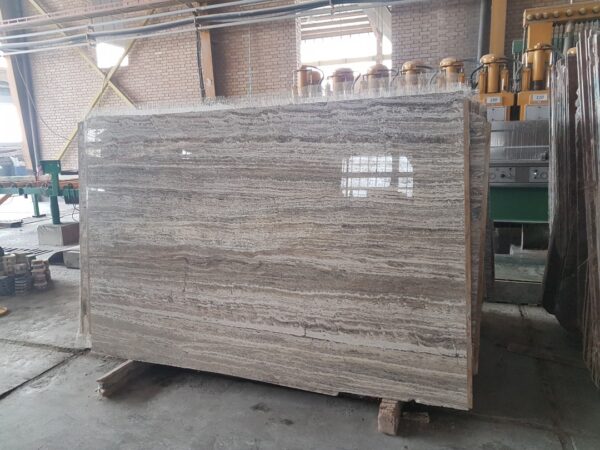
1. Persian Silk Marble

Persian Silk Marble features a soft gray base with delicate white veins. Its refined appearance adds elegance and tranquility to interior spaces.

  • Common Uses: Flooring, countertops, wall tiles

  • Export Focus: Europe, the Middle East, and East Asia

Furthermore, its neutral tones make it a versatile choice for both commercial and residential designs.

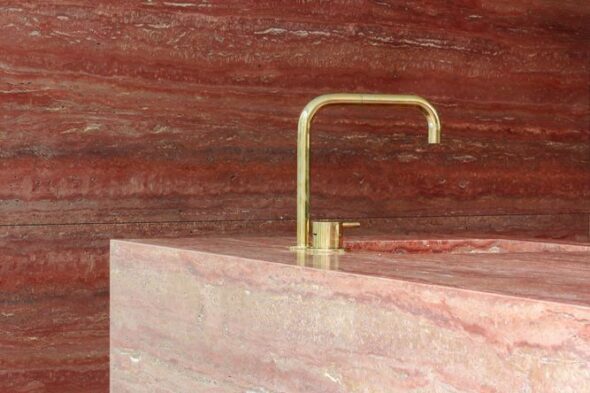
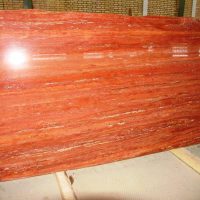
2. Red Travertine

Red Travertine, primarily sourced from Mahallat, delivers bold color with natural striations. This stone offers a warm, earthy tone that stands out in any setting.

  • Ideal For: Facades, pathways, and garden walls

  • Strengths: Naturally slip-resistant and weatherproof

Consequently, it’s a preferred option for exterior use in luxury villas and cultural projects.

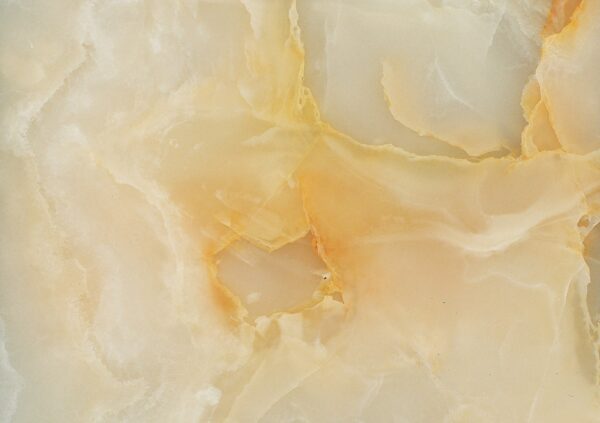
3. White Onyx

White Onyx captivates with its pure tones and translucent quality. When backlit, it produces a luxurious, glowing effect that enhances ambiance.

  • Best Applications: Interior wall panels, bars, and reception areas

  • Target Markets: Europe, North America, and the Gulf States

In high-end design, few materials deliver such visual impact.

4. Gohare Limestone

Gohare Limestone offers a soft beige color with subtle textures, making it ideal for large surface applications.

  • Use Cases: Office flooring, malls, and modern facades

  • Advantages: Cost-effective, uniform, and easy to install

Additionally, its consistent look allows for seamless design continuity across large spaces.

Final Thoughts: Choose Iranian Stone for Your Next Project

To summarize, Iranian natural stones combine affordable luxury with practical performance. Their variety, strength, and aesthetic appeal continue to win favor across global markets.

Whether you’re sourcing for a hotel, retail complex, or luxury residence, Iranian stone gives your project a competitive edge. With experienced suppliers and global shipping capabilities, importing from Iran is both efficient and rewarding.

https://www.rockstone.biz/key-advantages-of-iranian-stone/

Farzin Rock stone company 

Most Demanded Stones in Indonesia

yellow onyx

Import Stone from Iran

Premium Quality at Competitive Prices

Importing natural stone from Iran is a smart business move for companies seeking elegance, durability, and cost-efficiency. Iran is a leading exporter of high-quality natural stones such as marble, travertine, granite, and onyx, offering global buyers both value and variety.

All you need to know about honey onyx stone

Why Choose Iranian Stone for Your Business?

Iran is home to more than 4,000 operational stone quarries, producing over 13 million tons annually. These resources give Iran a significant edge in the global stone market.

Moreover, Iranian stone is renowned for its:

  • Vibrant colors and distinctive patterns

  • Excellent strength and weather resistance

  • Smooth finishes and premium polish

  • Highly competitive prices

As a result, builders, architects, and designers around the world turn to Iran for quality and affordability.

Key Advantages of Iranian Stone

There are several reasons to import stone from Iran:

  1. High Quality: Iranian marble and travertine are recognized globally for their clarity, density, and shine. Many projects across Europe and Asia rely on Iranian stone for its long-term performance.

  2. Lower Cost: Compared to European or Turkish stones, Iranian products are significantly more affordable. This is due to both lower labor costs and abundant local resources.

  3. Certified Standards: Many Iranian suppliers meet international certifications such as ISO 9001 and CE marking, ensuring compliance with safety and export standards.

  4. Wide Range of Options: Whether you need blocks, slabs, or custom-sized tiles, Iranian stone suppliers are flexible and experienced in fulfilling detailed export orders.

In addition, many suppliers offer value-added services like surface treatments and packaging tailored to global shipping.

How to Import Stone from Iran

Importing stone may seem complex, but the process is straightforward when handled properly:

  1. Research Trusted Suppliers: Look for exporters with a strong international reputation and positive reviews.

  2. Request Samples and Pricing: Always verify product quality through samples. In addition, compare prices, delivery times, and logistics support.

  3. Negotiate Terms: Discuss details such as Incoterms (FOB, CIF), payment methods, and lead times. Moreover, ensure all documentation meets your country’s import requirements.

  4. Finalize the Order: Once satisfied, confirm the contract, arrange payment, and schedule delivery.

Therefore, working with a professional exporter simplifies logistics and ensures compliance with both local and international standards.

Popular Iranian Stones in Global Markets

  • Persian Silk Marble: A luxurious grey stone with white veins.

  • Red Travertine: Popular for exterior facades and landscaping.

  • White Onyx: Valued for translucent beauty in interior designs.

  • Gohare Limestone: Ideal for flooring and wall cladding.

Enhance Your Projects with Iranian Stone

In conclusion, importing stone from Iran provides unbeatable quality and pricing for the construction and design industries. Whether you’re renovating a hotel lobby or building a commercial center, Iranian stone brings both durability and style.

Moreover, with the right supplier, the import process becomes efficient, secure, and profitable.

https://www.rockstone.biz/import-stone-to-zurich/

finding lowest stone price

Farzin Rock Stone company 

green onyx is very unique one

Key Advantages of Iranian Stone

Quality, Value, and Global Appeal

Iran has established itself as a leading source of high-quality natural stone for global markets. Whether you’re in construction, architecture, or interior design, the advantages of Iranian stone make it a smart, cost-effective choice. With rich reserves, advanced processing capabilities, and competitive pricing, Iran is one of the best suppliers of marble, travertine, granite, and onyx worldwide.

beautiful blue onyx

Why Iranian Stone Stands Out in the Global Market

Iran holds the 4th largest natural stone reserves in the world, with more than 4,000 quarries across the country. As a result, it offers a consistent supply, a wide variety of colors, and competitive export services.

Moreover, the country’s stone industry has made significant investments in cutting-edge machinery and processing facilities, allowing it to meet modern standards for design and durability.

1. Exceptional Quality and Variety

Iranian stone is celebrated for its dense structure, smooth surface, and natural polish. Unlike some lower-grade materials, these stones are durable and resistant to wear, making them ideal for high-traffic areas.

In addition, the natural variety available is vast:

  • White Marble from Esfahan

  • Persian Silk and Spider Marble

  • Red and Yellow Travertine from Mahallat

  • Luxurious Onyx with unique translucent properties

Each type is known for its distinct beauty and lasting performance, suitable for both indoor and outdoor applications.

2. Competitive Pricing Without Sacrificing Quality

One of the most significant advantages of Iranian stone is its cost-effectiveness. Compared to stones from Italy, Turkey, or Spain, Iranian products often come at 30–50% lower prices—even when including shipping costs.

This affordability comes from:

  • Lower domestic production costs

  • Government-supported mining industry

  • Efficient export infrastructure

Therefore, importers and project developers can maximize ROI without compromising on aesthetics or strength.

3. Customization and Export Flexibility

Iranian suppliers offer a high degree of flexibility in product dimensions, finishes, and packaging. Whether you need tiles, slabs, blocks, or custom architectural elements, manufacturers can deliver to your specifications.

In addition:

  • Most suppliers follow ISO and CE standards

  • Orders can be shipped under FOB or CIF terms

  • Fast processing and reliable delivery timelines

As a result, international buyers enjoy smooth import processes and consistent quality.

4. Sustainable and Responsible Sourcing

Sustainability is increasingly important in construction and design. Fortunately, Iran’s stone industry is moving toward more eco-conscious quarrying and processing practices.

Moreover, many suppliers are investing in waste reduction, water recycling, and low-emission equipment to meet the demands of environmentally conscious clients.

The Strategic Advantage of Choosing Iranian Stone

In conclusion, Iranian stone combines beauty, durability, and affordability, making it a strategic asset for any construction or design project. Whether you’re sourcing for flooring, facades, countertops, or decorative features, the benefits are clear.

With a wide range of options, proven export expertise, and consistent quality, Iranian stone continues to gain trust across global markets. Now is the time to leverage this advantage for your next commercial or residential development.

https://www.rockstone.biz/import-stone-from-iran

Farzin Rock stone company 

How Marble is Mined

Honey Onyx

Import Stone to Zürich

Premium Natural Stone for Swiss Projects

Zürich, known for its architectural excellence and refined design standards, increasingly relies on imported stone for high-end construction and landscaping. Whether for residential façades, luxury interiors, or public infrastructure, importing natural stone to Zürich allows builders and designers to access a wider range of materials at competitive prices.

Nero marquina marble - What is Nero marquina marble stone

Why Import Natural Stone to Zürich?

Switzerland has high-quality standards, but local stone options are limited in variety. Therefore, importing natural stone opens the door to global choices—marble from Iran, travertine from Turkey, granite from India, or onyx from Italy—all tailored to meet project specifications.

Moreover, imported stone offers better value, especially when purchased directly from producers. This allows architects and developers in Zürich to enhance design without inflating costs.

Key Benefits of Importing Stone

  1. Wider Selection: Importing gives you access to unique colors, grains, and finishes unavailable in the Swiss market.

  2. Better Pricing: Global sourcing often results in lower per-square-meter costs, especially for large-scale projects.

  3. High Quality Standards: Reputable international suppliers comply with ISO, CE, and Swiss construction standards.

  4. Customization: You can request custom sizes, textures, and finishes to match precise design goals.

In addition, many suppliers now offer streamlined logistics, including CIF (Cost, Insurance, Freight) delivery straight to Zürich.

Popular Imported Stones for the Zürich Market

The Zürich construction and design sectors favor elegant, sustainable materials. Imported stone fits these needs perfectly. Here are some of the most in-demand types:

1. Persian Marble

Persian marble features elegant veining and a smooth, glossy surface. Sourced mainly from Iran, it offers both beauty and durability, ideal for interior flooring, staircases, and reception areas.

  • Popular Shades: Silk grey, cream, and white

  • Advantages: Long-lasting polish, temperature resistance

2. Travertine from the Middle East

Travertine has a natural, timeless look that appeals to minimalist Swiss architecture. It works well in outdoor areas such as terraces and façades.

  • Top Choice: Red or beige travertine from Mahallat

  • Benefits: Slip-resistant and weather-resistant

3. Italian Onyx and Spanish Limestone

For luxury interiors, many designers in Zürich import backlit onyx panels or smooth limestone tiles.

  • Onyx Uses: Bars, spa walls, lighting features

  • Limestone Uses: Hallways, office lobbies, and facades

As a result, clients enjoy high-end finishes that match Zürich’s premium market standards.

How to Import Stone to Zürich

Importing stone to Zürich is simpler than many assume. Here’s a step-by-step overview:

  1. Choose a Trusted Supplier: Focus on export-experienced companies with verified quality control.

  2. Request Samples and Certifications: Always inspect samples and request CE/ISO documentation.

  3. Arrange Shipping Terms: Many suppliers offer FOB or CIF shipping to Zürich, simplifying customs and delivery.

  4. Confirm Logistics: Coordinate with a local customs broker to ensure smooth import clearance.

Moreover, strong supplier relationships help avoid delays and ensure long-term success.

Final Thoughts: Enhance Zürich Projects with Imported Stone

In conclusion, importing stone to Zürich offers design flexibility, economic value, and access to global quality. Whether you’re building a boutique hotel or upgrading a private residence, imported stone brings lasting beauty and performance to your project.

https://www.rockstone.biz/stone-exporting-business/

Farzin Rock stone company 

Marble Export to China