A Guide for Buyers and Exporters
Why Resistance Matters in Natural Stone
Natural stone is prized for its beauty, durability, and versatility, but not all stones withstand wear, weather, and heavy use equally. For architects, builders, and exporters, selecting the most resistant natural stone ensures long-lasting performance, reduced maintenance, and excellent value.
Moreover, resistant stones work well in both interior and exterior applications, including flooring, countertops, paving, and landscaping. Consequently, understanding which stones excel in durability helps suppliers target high-demand markets globally.
The Most Resistant Natural Stones
1. Granite: Strength and Durability
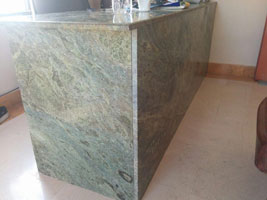
Granite is widely recognized as one of the hardest and most resistant stones. Its dense composition resists scratches, heat, and moisture, making it ideal for kitchen countertops, commercial flooring, and exterior cladding. As a result, exporters often market granite as a premium solution for both residential and commercial projects.
2. Basalt: Heavy-Duty and Long-Lasting
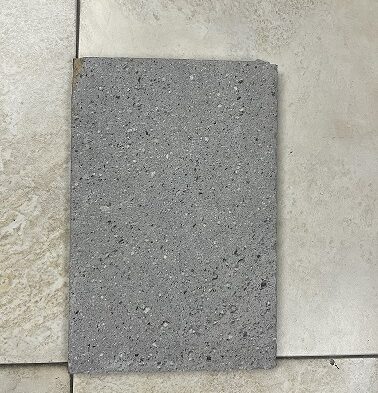
Basalt is a volcanic stone with exceptional density and strength. Builders use it for road paving, industrial flooring, and architectural features that demand durability. In addition, its resistance to weathering and wear makes it a reliable choice for outdoor applications in harsh climates.
3. Quartzite: Hard and Elegant
Quartzite combines marble-like aesthetics with granite-level hardness. It withstands scratching, acid, and temperature fluctuations, making it perfect for high-traffic flooring, countertops, and exterior walls. Consequently, quartzite appeals to buyers who want a balance of elegance and performance.
4. Slate: Durable and Slip-Resistant
Slate offers excellent resistance to water, frost, and heavy use. Its natural texture also provides slip resistance, making it suitable for roofing, outdoor paving, and pool areas. Therefore, exporters promote slate as both practical and visually appealing for a variety of projects.
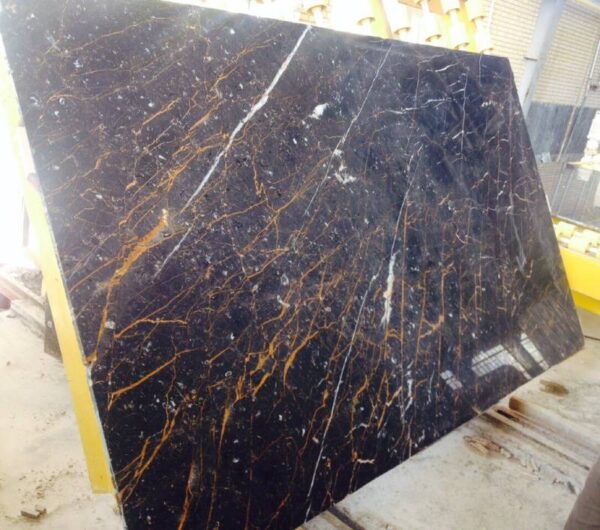
5. Basalt-Enhanced Marble
While marble is naturally softer, certain densely compacted or treated marbles can resist wear better than standard varieties. These types are used in luxury flooring and decorative features where both durability and aesthetics are required. As a result, high-end projects often select treated marble to combine elegance with resilience.
Export Potential for Resistant Stones
Resistant natural stones see strong global demand, especially in high-traffic residential, commercial, and industrial projects. Markets in North America, Europe, Asia, and the Middle East continue to import granite, basalt, quartzite, and slate for both interior and exterior use.
How Exporters Can Succeed
Suppliers can thrive by:
Offering a range of high-durability stones.
Highlighting resistance to scratches, weather, and heavy use.
Providing finishing options such as polished, honed, or flamed surfaces.
In addition, strong SEO-driven marketing helps exporters reach buyers searching for resistant natural stone, durable countertops, or long-lasting flooring solutions.
Conclusion: Choosing the Most Resistant Natural Stone
Overall, granite, basalt, quartzite, slate, and treated marble rank among the most resistant natural stones. Consequently, buyers and exporters who select these materials can guarantee long-lasting performance, aesthetic appeal, and customer satisfaction. As a result, these stones remain top choices for demanding construction and design projects worldwide.
https://www.rockstone.biz/the-most-vulnerable-natural-stone/
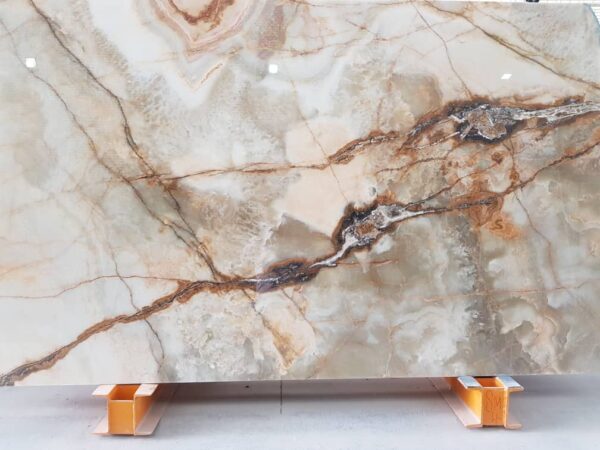

 white crystal