Most Luxurious Natural Stone

A Guide for High-End Design and Export

Why Luxury Natural Stone Matters

Luxury design is not only about aesthetics but also about timeless quality and exclusivity. Natural stones with rare colors, unique veining, and premium finishes are considered the ultimate choice for high-end interiors and architectural projects. Moreover, they symbolize wealth, elegance, and sophistication, making them highly demanded by luxury homeowners, architects, and designers worldwide.Most Luxurious Natural Stone
Consequently, exporters and suppliers who specialize in luxurious stones can tap into a profitable market segment focused on high-end residential, commercial, and hospitality projects.

The Most Luxurious Natural Stones

1. Marble: The Timeless Classic

Marble has always stood as a symbol of luxury. Its smooth finish and distinctive veining make it a top choice for luxury flooring, grand staircases, bathroom interiors, and lobbies. In addition, varieties like Carrara, Calacatta, and Statuario are globally recognized for their exclusivity. As a result, marble continues to dominate the luxury stone market.

2. Onyx: Translucent Beauty

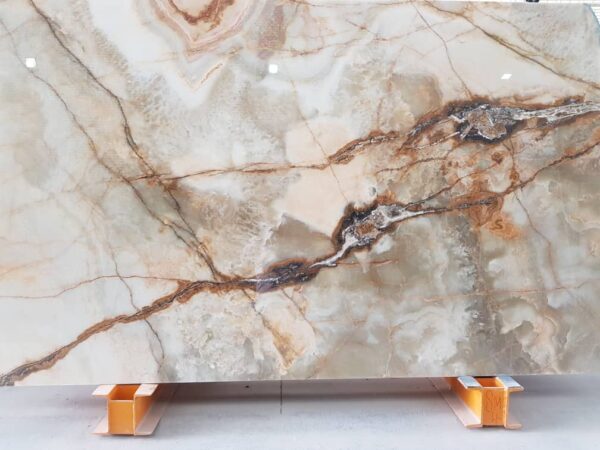
Onyx is considered one of the most luxurious and rare stones. Its ability to transmit light creates dramatic backlit features, perfect for bars, feature walls, and high-end furniture. Consequently, onyx is less about durability and more about its striking visual appeal, making it ideal for exclusive decorative applications.

3. Quartzite: Strength with Style

Quartzite combines granite’s durability with marble’s elegance, offering both beauty and resilience. Its vivid patterns and rare colors make it suitable for luxury kitchens, countertops, and statement walls. Therefore, quartzite appeals to clients who demand both performance and luxury in one material.

4. Blue Bahia Granite: Exotic and Exclusive

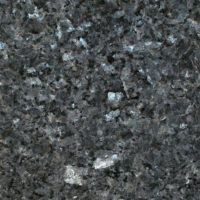
Blue Bahia granite, sourced mainly from Brazil, is known for its vibrant blue tones. This stone is extremely rare and commands a premium price in global markets. Designers use it in luxury countertops, exclusive bathrooms, and decorative panels. As a result, it has become a status symbol in high-end projects.

5. Semi-Precious Stone Slabs

Stones made from amethyst, agate, and other semi-precious materials represent the pinnacle of luxury. These stones are handcrafted into slabs, often backlit to highlight their natural brilliance. In addition, they are used in luxury villas, hotels, and high-end commercial interiors. Consequently, they remain one of the most exclusive stone categories in the world.

Export Opportunities in Luxury Stone

The market for luxurious natural stone continues to grow in North America, Europe, the Middle East, and Asia, where clients demand exclusivity. Furthermore, luxury hotels, shopping centers, and premium real estate developments rely heavily on rare and exotic natural stones.

How Exporters Can Succeed

Suppliers should:

  • Offer rare and exotic varieties with certifications of authenticity.

  • Provide custom finishes and large-format slabs.

  • Highlight each stone’s exclusivity and rarity in marketing campaigns.

In addition, SEO-driven content helps exporters reach buyers searching for luxury natural stones, premium marble suppliers, and exotic onyx slabs.

Conclusion: Choosing the Most Luxurious Stone

Overall, the most luxurious natural stones include marble, onyx, quartzite, Blue Bahia granite, and semi-precious slabs. Consequently, these stones are valued not only for their beauty but also for their rarity and exclusivity. As a result, exporters and buyers who focus on these premium materials can capture the growing demand in luxury design worldwide.
https://www.rockstone.biz/different-types-of-onyx/

Onyx Stone

rockstone company

Unveiling the Composition of Travertine Stone

Best Natural Stone for Floor

A Complete Buyer’s Guide

Why Natural Stone Flooring Is in High Demand

Flooring is one of the most important design choices in any home, office, or commercial project. Natural stone flooring offers durability, elegance, and timeless appeal, making it a preferred choice for architects, designers, and homeowners. Moreover, each type of stone comes with unique qualities such as hardness, color, and texture that influence its suitability for different spaces.

Chocolate Granite
Chocolate Granite

Consequently, choosing the best natural stone for floors depends on functionality, budget, and desired aesthetics. Exporters and suppliers who understand these needs can provide the right solutions for global buyers.

Best Natural Stones for Flooring

1. Granite: The Most Durable Choice

Granite is one of the hardest natural stones, making it highly resistant to scratches, heat, and heavy use. It works well in kitchens, hallways, and commercial areas where durability is essential. Therefore, exporters market granite as a long-lasting and low-maintenance flooring solution for both residential and commercial projects.

2. Marble: Luxury and Elegance

Marble stands as the symbol of luxury and sophistication. Its unique veining and polished finish make it ideal for living rooms, lobbies, and luxury interiors. However, marble requires sealing and regular care to prevent stains. As a result, it is best suited for buyers who value beauty and are willing to invest in maintenance.

3. Travertine: Warm and Natural Appeal

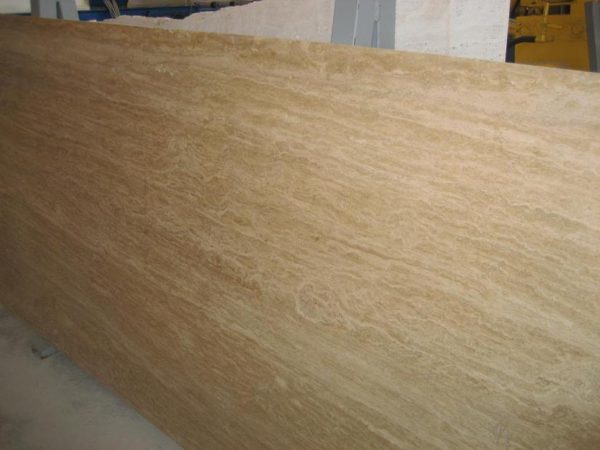
Travertine offers earthy tones and a soft, natural look. Its slip-resistant surface makes it perfect for bathrooms, patios, and poolside flooring. In addition, travertine stays cool underfoot, which is beneficial in warm climates. Exporters often promote it as a versatile stone for both indoor and outdoor floors.

4. Slate: Slip-Resistant and Durable

Slate combines durability with natural slip resistance, making it a popular choice for kitchens, outdoor flooring, and high-traffic areas. Its variety of colors and textured finish add character to any space. Consequently, slate appeals to buyers who want both function and aesthetics in flooring.

5. Limestone: Soft Elegance for Interiors

Limestone brings a subtle, elegant appearance to interiors. It works well in bedrooms, dining areas, and light-traffic spaces. However, it is softer than granite or slate, requiring sealing and careful maintenance. Therefore, exporters promote limestone as a premium choice for stylish yet gentle flooring solutions.

Export Opportunities in Natural Stone Flooring

The demand for premium stone flooring continues to rise in Europe, North America, the Middle East, and Asia. Buyers seek stones that balance durability, elegance, and cost-effectiveness. Furthermore, offering custom finishes like polished, honed, or brushed increases market potential.

How Exporters Can Succeed

Suppliers should:

  • Highlight durability and maintenance requirements for each stone.

  • Offer a wide selection of finishes and cuts.

  • Promote stones as eco-friendly, long-lasting flooring options.

In addition, SEO-driven marketing helps exporters reach global buyers searching for best natural stone flooring, durable granite floors, and marble flooring suppliers.

Conclusion: Choosing the Best Natural Stone for Floors

Overall, the best natural stones for flooring include granite, marble, travertine, slate, and limestone. Consequently, each offers unique benefits, from granite’s durability to marble’s elegance and travertine’s natural warmth. As a result, buyers and exporters who match the right stone to the right space can achieve both long-term value and timeless beauty.

https://www.rockstone.biz/best-type-of-nat…stone-for-export/

Natural honey onyx stone price

rockstone company

The Most Vulnerable Natural Stone

A Guide for Buyers and Exporters

Why Some Natural Stones Are Vulnerable

Natural stone is prized for its beauty and elegance, but not all stones can withstand heavy use, moisture, or acidic environments. For architects, builders, and exporters, understanding which stones are vulnerable helps avoid damage, high maintenance costs, and customer dissatisfaction.

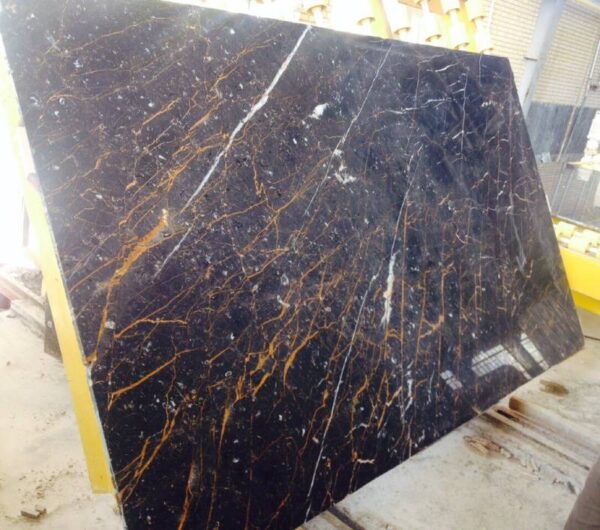
Golden black marble

Moreover, vulnerable stones require careful handling, sealing, and protective treatments, especially when used in kitchens, bathrooms, outdoor areas, or high-traffic commercial spaces. Consequently, knowing their weaknesses allows exporters to guide clients and highlight proper usage.

The Most Vulnerable Natural Stones

1. Marble: Soft and Acid-Sensitive

Marble is renowned for its luxurious appearance but remains one of the softest and most sensitive stones. Its high calcium content makes it vulnerable to acidic substances, scratches, and stains. As a result, architects use marble mainly in low-traffic areas, decorative features, and polished interiors. Exporters advise sealing and careful maintenance to protect its elegance.

2. Limestone: Porous and Easily Stained

Limestone absorbs water and oils more easily than harder stones. It is prone to staining, erosion, and surface damage in humid or high-use areas. Therefore, buyers often choose limestone for facades, flooring, or decorative wall panels but require sealing and periodic care. Exporters highlight its aesthetic appeal while cautioning about vulnerability.

3. Travertine: Soft and Porous

Travertine has a distinctive porous texture, making it vulnerable to moisture and acidic substances if untreated. Consequently, designers use it mainly for flooring, wall cladding, and light-traffic spaces, and recommend filling or sealing cavities before installation. Exporters often include care instructions to maintain its natural beauty.

4. Onyx: Delicate and Scratch-Prone

Onyx offers luxurious translucency and vibrant colors, but it is extremely soft and fragile. It scratches, chips, and stains easily. As a result, onyx is best used in feature walls, decorative panels, and low-contact applications. Exporters often highlight its premium aesthetic while warning clients about careful handling.

5. Soapstone: Soft and Sensitive to Impact

Soapstone has a smooth, silky surface but is prone to scratches and dents. While it resists chemicals, it cannot handle heavy impact. Therefore, buyers choose it for countertops, sinks, and decorative surfaces, with proper maintenance and occasional refinishing to restore its appearance.

Export Opportunities for Vulnerable Stones

Vulnerable stones remain in demand for luxury interiors, decorative applications, and high-end design projects. Markets in Europe, North America, and the Middle East continue to import marble, onyx, and travertine for aesthetic-focused projects. Furthermore, educating clients about care and protective treatments strengthens supplier credibility.

How Exporters Can Succeed

Suppliers can thrive by:

  • Offering a variety of vulnerable stones with finishing options.

  • Providing detailed care, sealing, and maintenance instructions.

  • Highlighting their luxury and aesthetic value despite vulnerabilities.

In addition, strong SEO-driven marketing attracts architects, designers, and distributors searching for marble suppliers, decorative onyx, and premium limestone.

Conclusion: Choosing the Right Vulnerable Natural Stone

Overall, marble, limestone, travertine, onyx, and soapstone are among the most vulnerable natural stones. Consequently, buyers and exporters must handle them carefully, provide protective treatments, and educate clients. As a result, these stones continue to offer unmatched elegance and luxury while requiring proper care to maintain their beauty.

https://www.rockstone.biz/best-natural-sto…for-cold-weather/

Can You Seal Marble

rockstone company

The Most Resistant Natural Stone

A Guide for Buyers and Exporters

Why Resistance Matters in Natural Stone

Natural stone is prized for its beauty, durability, and versatility, but not all stones withstand wear, weather, and heavy use equally. For architects, builders, and exporters, selecting the most resistant natural stone ensures long-lasting performance, reduced maintenance, and excellent value.

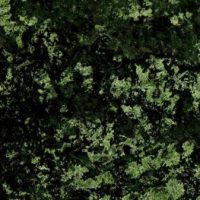
Green-Marble

Moreover, resistant stones work well in both interior and exterior applications, including flooring, countertops, paving, and landscaping. Consequently, understanding which stones excel in durability helps suppliers target high-demand markets globally.

The Most Resistant Natural Stones

1. Granite: Strength and Durability

Granite is widely recognized as one of the hardest and most resistant stones. Its dense composition resists scratches, heat, and moisture, making it ideal for kitchen countertops, commercial flooring, and exterior cladding. As a result, exporters often market granite as a premium solution for both residential and commercial projects.

2. Basalt: Heavy-Duty and Long-Lasting

Basalt is a volcanic stone with exceptional density and strength. Builders use it for road paving, industrial flooring, and architectural features that demand durability. In addition, its resistance to weathering and wear makes it a reliable choice for outdoor applications in harsh climates.

3. Quartzite: Hard and Elegant

Quartzite combines marble-like aesthetics with granite-level hardness. It withstands scratching, acid, and temperature fluctuations, making it perfect for high-traffic flooring, countertops, and exterior walls. Consequently, quartzite appeals to buyers who want a balance of elegance and performance.

4. Slate: Durable and Slip-Resistant

Slate offers excellent resistance to water, frost, and heavy use. Its natural texture also provides slip resistance, making it suitable for roofing, outdoor paving, and pool areas. Therefore, exporters promote slate as both practical and visually appealing for a variety of projects.

5. Basalt-Enhanced Marble

While marble is naturally softer, certain densely compacted or treated marbles can resist wear better than standard varieties. These types are used in luxury flooring and decorative features where both durability and aesthetics are required. As a result, high-end projects often select treated marble to combine elegance with resilience.

Export Potential for Resistant Stones

Resistant natural stones see strong global demand, especially in high-traffic residential, commercial, and industrial projects. Markets in North America, Europe, Asia, and the Middle East continue to import granite, basalt, quartzite, and slate for both interior and exterior use.

How Exporters Can Succeed

Suppliers can thrive by:

  • Offering a range of high-durability stones.

  • Highlighting resistance to scratches, weather, and heavy use.

  • Providing finishing options such as polished, honed, or flamed surfaces.

In addition, strong SEO-driven marketing helps exporters reach buyers searching for resistant natural stone, durable countertops, or long-lasting flooring solutions.

Conclusion: Choosing the Most Resistant Natural Stone

Overall, granite, basalt, quartzite, slate, and treated marble rank among the most resistant natural stones. Consequently, buyers and exporters who select these materials can guarantee long-lasting performance, aesthetic appeal, and customer satisfaction. As a result, these stones remain top choices for demanding construction and design projects worldwide.

https://www.rockstone.biz/the-most-vulnerable-natural-stone/

rockstone company

Best Natural Stone for Sunny Weather

A Guide for Exporters and Buyers

Why Sunny Weather Requires Special Stone Choices

Regions with intense sunlight and high heat demand building materials that resist fading, expansion, and heat retention. The wrong stone can lose its color, crack, or become uncomfortable to walk on under direct sun. Therefore, choosing the right natural stone for sunny climates ensures both performance and beauty.

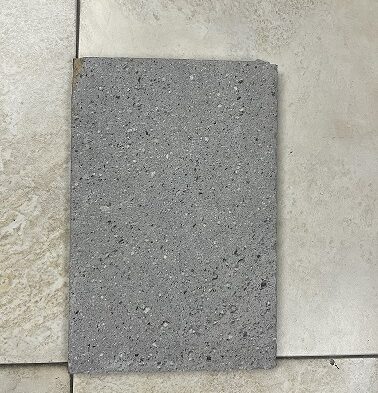
Gray Ash Limestone

Moreover, architects and homeowners in hot, sunny regions seek stones that combine durability, heat resistance, and light reflection. Consequently, exporters and suppliers who understand these requirements can meet growing demand in the Middle East, Southern Europe, North Africa, and tropical countries.

Best Natural Stones for Sunny Weather

1. Travertine: Cool and Comfortable

Travertine remains one of the most popular stones for sunny weather. Its porous surface naturally reflects heat, keeping floors cooler underfoot. As a result, homeowners prefer travertine for pool decks, patios, and outdoor flooring. Exporters highlight travertine’s timeless elegance and ability to perform well in hot climates.

2. Limestone: Light and Heat-Resistant

Limestone offers light tones that reflect sunlight, reducing surface heat. It also provides a smooth, elegant finish, making it ideal for facades, flooring, and garden pathways. In addition, limestone’s natural beauty appeals to both traditional and modern architecture, making it a strong export product for sunny regions.

3. Granite: Durable Under Harsh Sunlight

Granite withstands intense heat and UV exposure without losing color or strength. Buyers use it in countertops, outdoor kitchens, and building exteriors. Therefore, exporters often market granite as a versatile, all-weather stone that performs well in both hot and cold climates.

4. Sandstone: Natural and Non-Slip

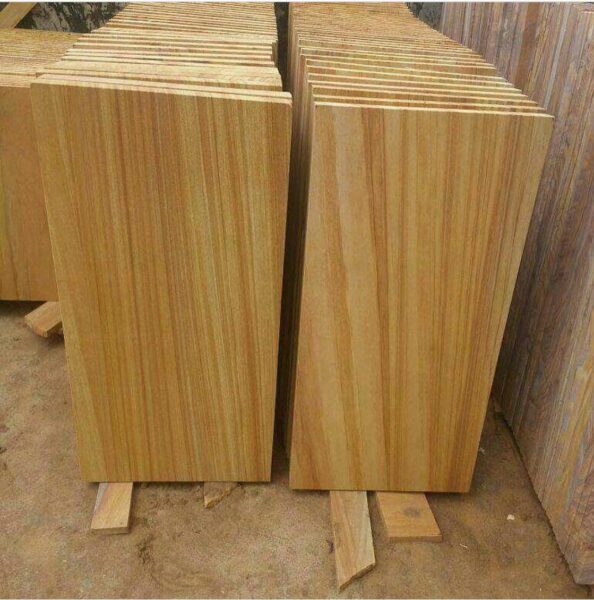
Sandstone’s textured surface makes it safe for outdoor use, even in direct sunlight. It resists heat buildup and works well in landscaping, garden paths, and exterior cladding. Consequently, sandstone remains a reliable option for sunny regions where natural aesthetics matter.

5. Marble: Premium with Proper Care

Marble, when treated and maintained, performs well in sunny climates. Its light shades reflect sunlight, making it suitable for luxury outdoor spaces, wall cladding, and decorative elements. As a result, exporters continue to find strong demand for marble in luxury markets of the Middle East and Mediterranean countries.

Export Opportunities in Sunny Regions

Demand for heat-resistant stones continues to grow in countries with hot climates, especially in residential villas, resorts, and commercial developments. Furthermore, architects seek natural stone that combines beauty, sustainability, and durability to meet rising expectations in these regions.

How Exporters Can Succeed

To capture these opportunities, exporters should:

  • Offer light-colored, heat-reflective stones.

  • Provide finishing and sealing guidance for long-term performance.

  • Highlight cooling benefits and aesthetic versatility.

In addition, digital marketing with SEO-optimized content helps exporters connect with architects, builders, and distributors in sunny-weather markets.

Conclusion: Choosing the Best Natural Stone for Sunny Weather

Overall, the best natural stones for sunny climates include travertine, limestone, granite, sandstone, and marble. Consequently, exporters who supply these materials can meet global demand in hot, sunny regions. As a result, natural stone continues to deliver both durability and timeless beauty, making it a profitable choice for sunny-weather construction.

https://www.rockstone.biz/best-type-of-travertine-for-export/

rockstone company

basalt stone

Best Natural Stone for Cold Weather

A Complete Export Guide

Why Cold Weather Requires the Right Natural Stone

Building in cold climates requires materials that can withstand frost, snow, and temperature fluctuations. If the wrong stone is used, it may crack, absorb water, or lose its appeal. Therefore, selecting the best natural stone for cold weather ensures durability, safety, and long-term beauty.

silver travertine

Moreover, architects, contractors, and homeowners in colder regions look for stones that combine strength, low porosity, and weather resistance. Consequently, exporters and suppliers who focus on these qualities gain a competitive advantage in global trade.

Best Natural Stones for Cold Weather

1. Granite: The All-Weather Performer

Granite remains one of the most reliable stones for cold climates. Its dense structure resists freezing and thawing cycles, reducing the risk of cracks. As a result, buyers prefer granite for driveways, exterior cladding, and kitchen countertops. Exporters who promote granite highlight both its durability and wide range of colors.

2. Slate: Resistant and Slip-Safe

Slate handles frost and snow exceptionally well because of its low water absorption. Its natural texture also provides slip resistance, which makes it ideal for roofing, pathways, and outdoor patios. In addition, slate adds a rustic, elegant look that appeals to both residential and commercial projects in cold regions.

3. Quartzite: Durable and Stylish

Quartzite combines strength, hardness, and resistance to temperature extremes. Homeowners use it in fireplace surrounds, floors, and decorative walls because it tolerates both heat and cold. Therefore, exporters can market quartzite as a premium choice that balances performance with beauty.

4. Sandstone: Practical with Sealing

Sandstone works well in cold climates when properly sealed. It resists frost damage and maintains its natural texture in paving, exterior walls, and landscaping projects. Consequently, exporters continue to see demand for sandstone in colder markets, especially where natural aesthetics matter.

5. Basalt: Strong and Weather-Proof

Basalt offers excellent density and resilience, making it suitable for road paving, cladding, and outdoor flooring. Its ability to resist cold weather and heavy use makes it a popular export stone for public projects in freezing climates.

Export Opportunities in Cold Regions

Countries with harsh winters—such as Canada, the United States, Northern Europe, and Russia—continue to invest in natural stone for construction and renovation. Furthermore, luxury housing, infrastructure development, and heritage restoration fuel steady demand.

How Exporters Can Succeed

To thrive in these markets, exporters should:

  • Promote frost-resistant and low-porosity stones.

  • Provide clear maintenance and sealing instructions.

  • Highlight sustainability, safety, and long-term performance.

In addition, maintaining a strong online presence with SEO-driven content helps exporters connect with architects, contractors, and distributors in cold regions.

Choosing the Best Natural Stone for Cold Weather

Overall, the best stones for cold weather include granite, slate, quartzite, sandstone, and basalt. Consequently, exporters who supply these materials can meet growing global demand in cold-climate regions. As a result, natural stone continues to stand out as a profitable, durable, and timeless solution for freezing environments.

https://www.rockstone.biz/best-type-of-granite-for-export/

rockstone company

Grey Granite Mashhad

Best Natural Stone for Humid Weather

A Buyer’s Guide

Why Natural Stone Matters in Humid Climates

When building or renovating in regions with humid weather, material selection plays a crucial role. High humidity can damage surfaces, leading to mold, staining, or structural issues if the wrong stone is used. Therefore, choosing the right natural stone ensures durability, beauty, and long-term value.

DARK-GRANITE-GREEN

Moreover, architects and homeowners prefer stones that resist moisture, maintain their appearance, and require minimal maintenance. Consequently, exporters and suppliers must identify the best-performing stones for humid environments to meet growing demand in tropical and coastal regions.

Best Natural Stones for Humid Weather

1. Granite: Strength and Moisture Resistance

Granite stands out as one of the most durable stones for humid climates. Its dense composition resists water absorption, which helps prevent mold and mildew. As a result, buyers use granite in kitchen countertops, bathrooms, and outdoor areas. Exporters who supply polished or sealed granite can target regions with high humidity successfully.

2. Slate: Naturally Slip-Resistant

Slate offers exceptional resistance to moisture and provides a natural slip-resistant texture. Therefore, it is widely used in outdoor flooring, pool decks, and patios in humid areas. In addition, slate’s earthy colors and rustic appeal make it both practical and stylish. Exporters who promote slate highlight its safety and performance benefits.

3. Travertine: Versatility with Proper Sealing

Travertine performs well in humid weather when treated with sealants. It offers timeless beauty with warm tones and natural patterns, making it a popular choice for interiors and exteriors. Consequently, sealed travertine works in bathrooms, wall cladding, and pool surrounds, where elegance and functionality are equally important.

4. Quartzite: Durable and Stylish

Quartzite combines strength, low porosity, and resistance to moisture, making it ideal for humid climates. Designers often use it in countertops, flooring, and decorative walls. Therefore, exporters market quartzite as a premium alternative to marble, offering beauty with greater resilience in tropical regions.

5. Sandstone: Practical with Proper Care

Sandstone offers natural slip resistance and a textured finish, which makes it suitable for outdoor applications. However, it requires sealing to perform well in very humid weather. Exporters still find strong demand for sandstone in landscaping and exterior cladding, especially when clients prioritize a natural look.

Export Opportunities in Humid Regions

Countries with tropical or coastal climates—such as India, Southeast Asia, the Middle East, and South America—continue to show rising demand for moisture-resistant stones. Furthermore, luxury resorts, residential projects, and public infrastructure in these regions create consistent opportunities for stone exporters.

How Exporters Can Succeed

To succeed, suppliers should:

  • Offer stones proven to withstand humidity.

  • Provide sealing and maintenance guidance.

  • Highlight sustainability and long-term performance.

In addition, building strong digital visibility helps exporters connect with architects and contractors searching for the best natural stones for humid weather.

Conclusion: Choosing the Best Natural Stone for Humid Weather

Overall, the best stones for humid conditions include granite, slate, travertine, quartzite, and sandstone. Consequently, exporters who supply these materials can meet growing demand in tropical and coastal markets. As a result, natural stone remains a profitable solution for humid climates, combining durability with timeless beauty.

https://www.rockstone.biz/most-luxurious-natural-stone/

Best Stones for Moist Weather

Best Type of Natural Stone for Export

A Guide for Global Markets

Rising Global Demand for Natural Stone

The global demand for natural stone grows rapidly, fueled by construction, renovation, and luxury design projects. As a result, exporters can tap into strong opportunities in Europe, North America, the Middle East, and Asia. Builders, architects, and designers prefer natural stone because it combines durability, beauty, and timeless appeal.Best Type of Natural Stone for Export

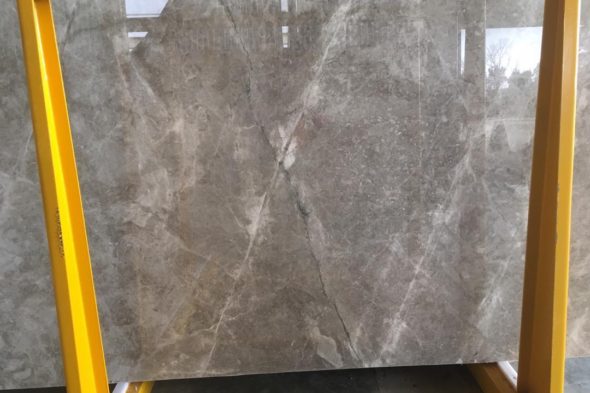
Pietra Grey Marble

Moreover, natural stone works in countless applications—flooring, wall cladding, countertops, landscaping, and heritage restoration. Consequently, exporters who choose the right type of stone position themselves for long-term success.

Best Types of Natural Stone for Export

1. Marble

Marble ranks as one of the most in-demand stones in international trade. Buyers value its elegance, polished finish, and wide color palette. Therefore, exporters often target luxury markets in Europe and the Middle East, where demand for premium construction materials stays strong.

2. Granite

Granite offers exceptional strength, durability, and resistance to wear. Buyers use it in kitchen countertops, flooring, and commercial developments. In addition, granite combines affordability with long-term performance, making it a reliable choice for global exports.

3. Travertine

Travertine showcases earthy tones and natural patterns that appeal to both traditional and modern design tastes. Exporters ship travertine worldwide for flooring, wall cladding, and landscaping. As a result, demand in markets like the United States and Europe continues to grow, especially among eco-conscious buyers.

4. Onyx

Onyx delivers luxury and exclusivity, thanks to its translucency and bold colors. Designers install it in feature walls, countertops, and backlit spaces to create striking effects. Therefore, exporters can position onyx as a premium product for high-end hotels, residences, and luxury commercial projects.

5. Slate

Slate combines natural texture, weather resistance, and timeless appeal. Buyers prefer it for roofing, outdoor flooring, and landscaping. Consequently, exporters often succeed in regions such as Europe and North America, where slate fits both modern and heritage projects.

Export Opportunities and Market Trends

The natural stone sector continues to expand worldwide, supported by urbanization, luxury construction, and sustainability trends. Furthermore, digital platforms and international exhibitions help exporters reach buyers and showcase product diversity.

How Exporters Can Succeed

To stand out in global trade, exporters should:

  • Offer a wide range of stone varieties and finishes.

  • Highlight durability, sustainability, and design value.

  • Provide strong logistics and reliable customer service.

In addition, a digital marketing strategy with SEO content and targeted campaigns can attract architects, contractors, and distributors globally.

Conclusion: Choosing the Best Natural Stone for Export

Overall, the best stones for export include marble, granite, travertine, onyx, and slate. Consequently, exporters who supply these materials can capture growing demand in international markets. As a result, natural stone remains one of the most profitable sectors in global trade, offering long-term opportunities for suppliers and distributors.

https://www.rockstone.biz/different-types-of-limestone/

Demanded Stones in Europe

rockstone company

Black-granite

Best Natural Stone Tile for Facade

Enhance Curb Appeal with Natural Elegance

Elevate Your Exterior with Premium Stone Facade Tiles

When it comes to exterior design, your building’s facade sets the tone. Choosing the best natural stone tile for facade applications not only improves aesthetics but also adds durability and value. Natural stone offers a timeless, architectural feel — perfect for both modern and classic exteriors.

As demand grows for long-lasting, sustainable building materials, natural stone continues to stand out as a top choice for facades in residential, commercial, and institutional projects.

Why Natural Stone is Ideal for Facades

Natural stone tiles offer a rare blend of strength, weather resistance, and visual appeal. Because they are formed under natural conditions, they can withstand a range of environmental factors — including UV exposure, temperature shifts, wind, and moisture.

Key Benefits of Natural Stone Facade Tiles:

  • Durability: Withstands harsh weather and time

  • Low Maintenance: Requires minimal upkeep when sealed

  • Thermal Efficiency: Helps regulate interior temperature

  • Architectural Value: Adds depth, texture, and a premium finish

As a result, stone facades not only protect your structure but also make a bold design statement.

Best Natural Stone Tile Options for Facades

1. Limestone – Elegant and Uniform

Limestone is a top contender for facade applications. Thanks to its consistent texture and soft, neutral tones, it creates a clean, timeless look suitable for a wide range of architectural styles.

  • Pros: Lightweight, easy to shape, consistent appearance

  • Cons: Slightly porous, needs sealing

  • Best for: Contemporary and classic residential exteriors

Moreover, limestone pairs beautifully with glass, wood, and steel in modern builds.

2. Granite – Strong and Weather-Resistant

Granite is one of the most durable stones available. It resists fading, staining, and cracking, making it perfect for high-rise facades or buildings in extreme climates.

  • Pros: Extremely hard, low water absorption, fade-resistant

  • Cons: Heavier than other stones, higher installation cost

  • Best for: Commercial buildings, modern apartments, luxury homes

Because of its toughness, granite remains a long-term investment in facade performance.

3. Slate – Textured and Bold

For a more dramatic, textured finish, slate is an excellent option. Its natural layering and deep tones offer a striking look while maintaining excellent durability.

  • Pros: Non-slip texture, natural cleft surface, color variation

  • Cons: Needs sealing to prevent moisture absorption

  • Best for: Accent walls, feature panels, eco-conscious designs

In particular, slate is ideal for designers looking to make a bold visual statement.

Conclusion: Choose the Best Natural Stone Tile for Your Facade Project

In conclusion, the best natural stone tile for facade installations depends on your climate, style preferences, and performance needs. Limestone offers clean elegance, granite delivers unmatched strength, and slate adds artistic texture to any exterior.

Ready to upgrade your building’s facade? Visit [Your Website Name] to browse our premium natural stone collections. We provide expert advice, competitive pricing, and global shipping for facade stone solutions. Let your building stand out — with the enduring beauty of natural stone.

https://www.rockstone.biz/best-price-for-traonyx-tiles/

Best Natural Stone Tile for Facade

rockstone company

Best Natural Stone Tile for Parking Lot Floor

Strength, Style, and Long-Term Value

Build a Durable and Stylish Parking Area with Natural Stone

When planning a parking lot or driveway, durability is key — but that doesn’t mean you have to compromise on aesthetics. Choosing the best natural stone tile for parking lot floor installations gives you both strength and visual appeal. Natural stone withstands heavy loads, fluctuating temperatures, and long-term wear, all while elevating the property’s appearance.

As urban design evolves, more architects and developers are turning to natural stone as a sustainable, high-performance solution for exterior surfaces, including parking areas.

Why Use Natural Stone for Parking Floors?

Natural stone is known for its compressive strength, slip resistance, and low maintenance — making it an ideal choice for high-traffic zones like parking lots. Because it’s a naturally dense material, stone tiles resist oil stains, tire marks, and cracking caused by weather changes or weight pressure.

Key Benefits of Natural Stone Parking Lot Tiles:

  • Exceptional durability under vehicle and foot traffic

  • Weather resistance against rain, snow, and sun exposure

  • Non-slip surface textures for added safety

  • Timeless aesthetics that increase property value

Additionally, using stone tiles in a parking area can enhance curb appeal and seamlessly integrate with surrounding landscapes or facades.

Best Natural Stone Tile Options for Parking Lot Floors

1. Granite – The Ultimate Heavy-Duty Stone

Granite is widely considered the best natural stone tile for parking floors due to its exceptional strength and low porosity. Because of its resistance to scratches and impact, it performs well even in commercial or high-traffic parking zones.

  • Pros: Extremely strong, weatherproof, low maintenance

  • Cons: Heavier than most stones, higher upfront cost

  • Best for: Driveways, parking bays, commercial parking areas

Therefore, granite is the go-to choice for long-lasting outdoor applications.

2. Sandstone – Durable and Visually Warm

Sandstone offers a good balance between strength and aesthetic appeal. Its textured finish improves traction, making it safer for both pedestrians and vehicles.

  • Pros: Slip-resistant, UV-stable, natural earthy tones

  • Cons: Slightly more porous; sealing recommended

  • Best for: Residential parking areas, light-use driveways

Because of its natural warmth, sandstone is ideal for integrating outdoor spaces into the overall architectural style.

3. Basalt – Sleek and High-Performance

Basalt is a volcanic stone known for its dark, uniform appearance and high resistance to wear. It’s increasingly popular in modern landscape and parking designs.

  • Pros: Extremely hard, minimal water absorption, contemporary look

  • Cons: Limited color range, requires proper installation

  • Best for: Urban parking designs, driveways, and commercial exteriors

In particular, basalt works well in minimalist or industrial environments where performance and aesthetics matter.

Conclusion: Invest in the Best Natural Stone Tile for Your Parking Project

In conclusion, the best natural stone tile for parking lot floor applications depends on your traffic volume, climate, and design goals. Granite offers unmatched strength, sandstone blends beauty with safety, and basalt delivers sleek durability for modern settings.

Ready to get started? Explore high-performance natural stone tile options at rockstone. We offer expert consultation, competitive pricing, and reliable shipping for residential and commercial parking projects. Build smarter — and stronger — with the power of natural stone.

https://www.rockstone.biz/slate-stone-demand-in-america/

Best Natural Stone Tile for Parking Lot Floor

rockstone company