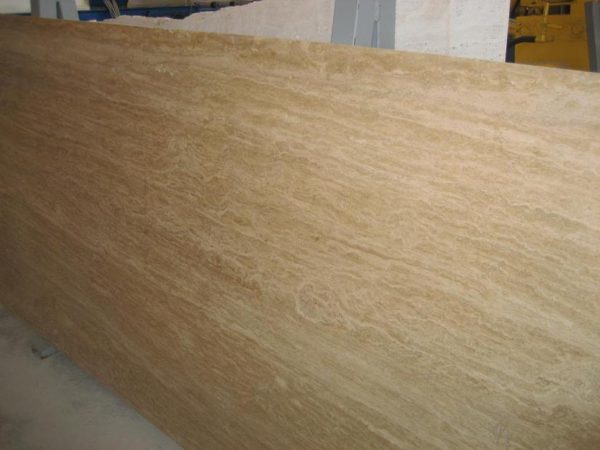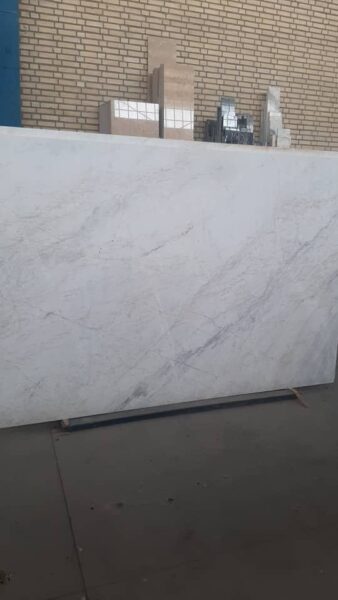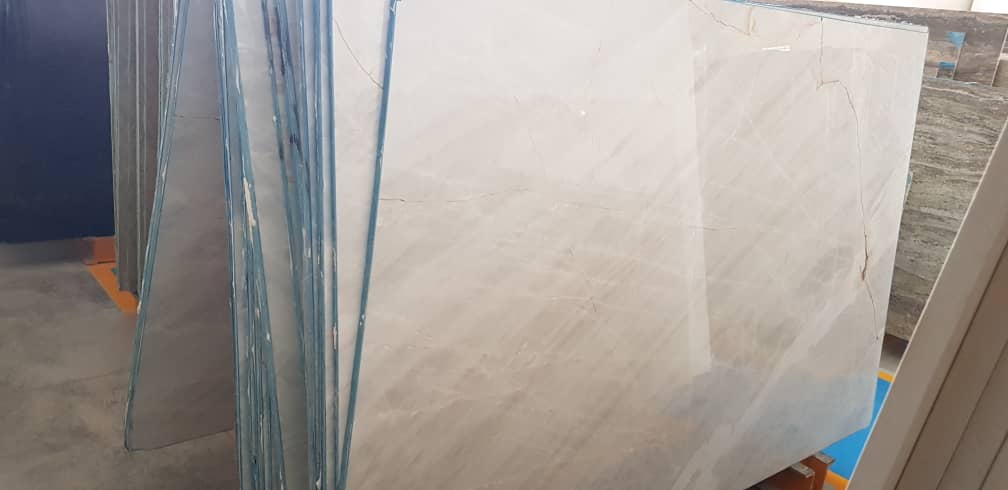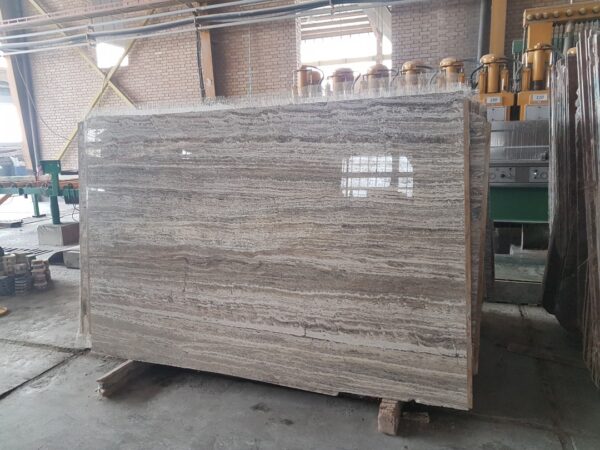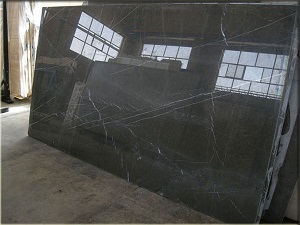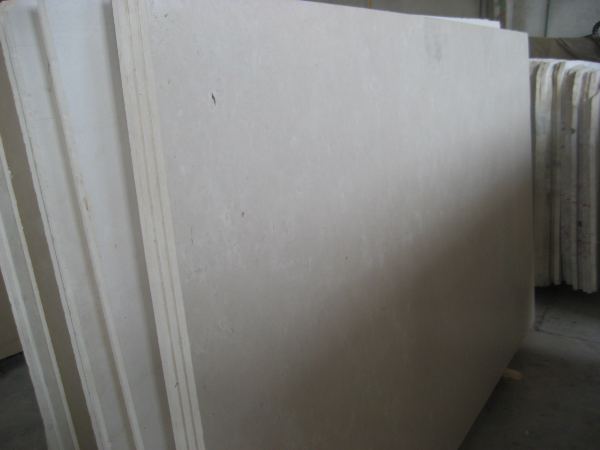
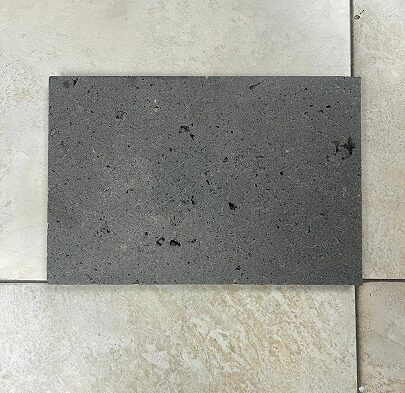
basalt stone

Different Types of Basalt

A Complete Guide for Export and Construction

Why Basalt Is in High Demand

Basalt is one of the most widely used volcanic stones in the global market. Known for its strength, density, and durability, it plays a vital role in both infrastructure and luxury projects. Moreover, its natural resistance to weather, fire, and heavy loads makes it highly valuable in construction, paving, and architectural design.
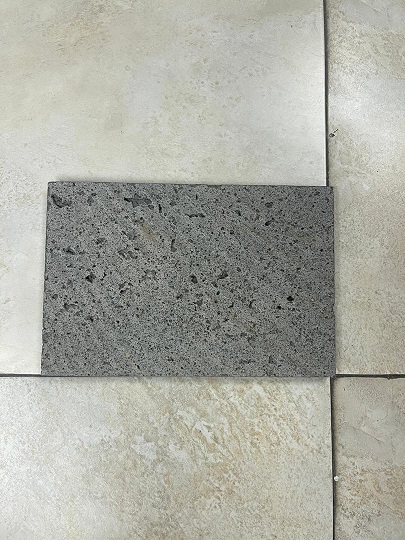
Consequently, understanding the different types of basalt allows buyers, architects, and exporters to choose the right stone for each project.

Main Types of Basalt

1. Crushed Basalt

Crushed basalt is widely used in road construction, rail ballast, and concrete production. Its hardness and angular shape provide stability and strength. Therefore, exporters supply crushed basalt in bulk for infrastructure and industrial projects worldwide.

2. Pumice Basalt

Pumice basalt forms when lava cools quickly, trapping air bubbles inside. This creates a lightweight and porous texture. Industries use it in abrasives, lightweight blocks, and insulation materials. In addition, pumice basalt’s low density makes it ideal for reducing structural weight in modern buildings.

3. Columnar Basalt

Columnar basalt is easily recognized by its hexagonal column formations, created through slow cooling of lava. Architects and designers use it in landscaping, decorative cladding, and unique architectural projects. As a result, columnar basalt is highly sought after for premium export markets.

4. Basalt Fiber

Basalt fibers are produced by melting basalt rock into fine threads. These fibers serve as reinforcement in concrete, composites, and automotive parts. Consequently, basalt fiber represents a modern and eco-friendly alternative to glass or carbon fibers in advanced industries.

5. Black Basalt

Black basalt is dense, durable, and elegant, often used in flooring, paving, and countertops. Its deep natural color provides a sleek and contemporary look for luxury homes and commercial spaces. Therefore, exporters highlight black basalt as a premium stone for modern architecture and high-end landscaping.

6. Vesicular Basalt

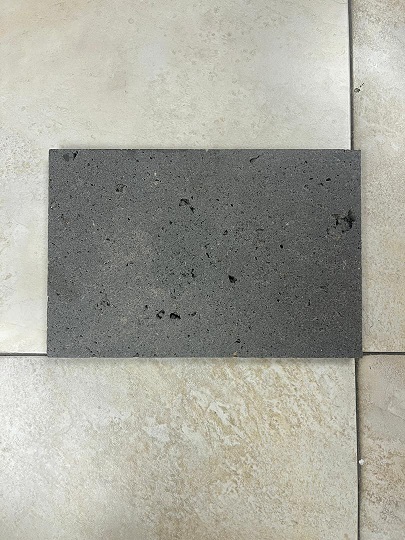
Vesicular basalt contains visible holes created by trapped gas bubbles during lava cooling. Builders use it in lightweight blocks, landscaping, and decorative applications. In addition, its unique texture adds natural beauty to exterior and garden projects.

Export Potential of Basalt

Basalt’s versatility ensures steady global demand. Countries in Asia, the Middle East, Europe, and North America import large quantities for both infrastructure and design purposes. Furthermore, its eco-friendly image strengthens its role in sustainable construction.

How Exporters Can Succeed

To capture these markets, exporters should:

  • Offer both industrial-grade and decorative basalt.

  • Highlight basalt’s eco-friendly, durable, and cost-effective properties.

  • Provide different finishes such as polished, flamed, or honed for architectural needs.

Moreover, strong SEO-driven marketing helps exporters reach international buyers searching for basalt suppliers, black basalt paving, or basalt fiber solutions.

Conclusion: Choosing the Right Type of Basalt

Overall, basalt comes in many types, including crushed basalt, pumice basalt, columnar basalt, basalt fiber, black basalt, and vesicular basalt. Consequently, each type serves unique purposes, from infrastructure to luxury design. As a result, exporters who promote the right variety can succeed in meeting growing global demand for basalt stone.

https://www.rockstone.biz/why-marble-is-mostly-used-indoors/
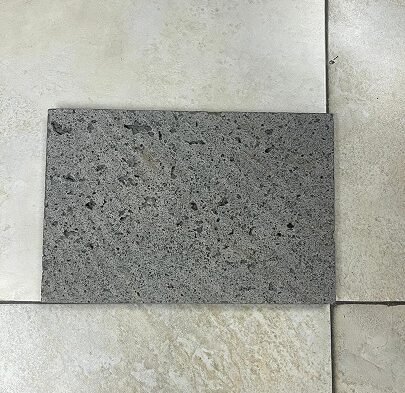
rockstone company

Basalt for Home Designing

A Stylish and Durable Choice: Basalt for Modern Home Design

Basalt is a versatile and durable stone that is gaining popularity in modern home design. Moreover, its rich color, natural texture, and long-lasting qualities make it a top choice for homeowners and designers seeking a sleek and robust material. In this article, we explore why basalt works so well in home design and how you can incorporate it into various areas of your home.

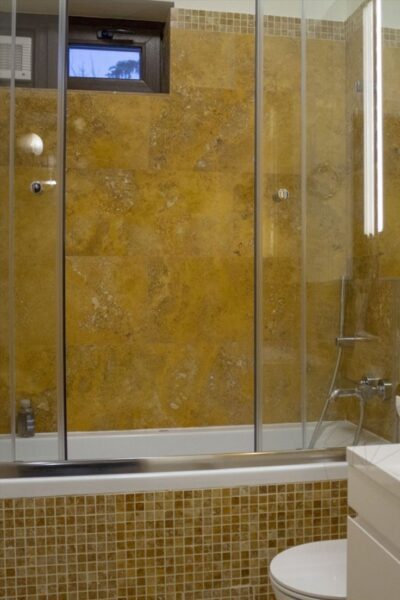
Bathroom

Why Choose Basalt for Home Design?

Basalt forms from volcanic activity and is known for its strength and versatility. As a result, designers increasingly include basalt in contemporary home projects due to its unique appearance and impressive durability.

Key reasons to use basalt include:

  • Durability: Basalt resists wear and tear, making it perfect for high-traffic areas and outdoor applications.

  • Heat Resistance: Basalt withstands high temperatures, therefore it works well for kitchen countertops and fireplaces.

  • Sustainability: As a natural stone, basalt supports eco-friendly and sustainable building practices.

How to Incorporate Basalt into Your Home

Basalt’s versatility allows designers to use it in a wide range of applications. Whether you want a modern aesthetic or a more rustic feel, basalt can suit your project. Below, we highlight the most popular ways to use basalt in home design.

1. Basalt Flooring: Modern and Elegant

Basalt’s natural dark tones and textured surface make it ideal for flooring. For example, homeowners use it in living rooms, kitchens, and bathrooms to add a sleek, contemporary look. Additionally, its durability ensures long-lasting beauty in both residential and commercial spaces.

Why Choose Basalt Flooring? Its natural colors, durability, and easy maintenance make basalt flooring a stylish and practical option.

2. Basalt Countertops: Heat-Resistant and Stylish

Designers increasingly select basalt for kitchen countertops because it resists heat, scratches, and stains. Similarly, basalt works well in both modern and rustic-inspired kitchens, adding sophistication and functionality. The stone’s natural texture enhances the visual appeal of any kitchen design.

Why Basalt Countertops? Basalt combines heat resistance, durability, and a unique look, making it perfect for high-traffic kitchen areas.

3. Basalt Wall Cladding: Timeless Exterior Look

Designers frequently use basalt for wall cladding indoors and outdoors. Its rough texture adds depth and visual interest, while the dark color creates a striking contrast with lighter elements. Consequently, basalt wall cladding becomes a focal point in contemporary and industrial-style homes.

Why Use Basalt for Wall Cladding? Basalt’s sturdy nature and elegant appearance help create textured, sophisticated walls that impress in both interiors and exteriors.

4. Basalt Pavers: Durable Outdoor Solutions

Basalt also performs well in outdoor paving applications such as patios, driveways, and walkways. Moreover, it resists weathering and extreme temperatures, providing a long-lasting solution for outdoor areas. Basalt pavers deliver a modern, sleek appearance that enhances outdoor landscapes.

Why Choose Basalt Pavers? Its strength and contemporary look make basalt ideal for creating durable, visually appealing outdoor spaces.

https://www.rockstone.biz/best-stone-tile-for-kitchen/

https://www.rockstone.biz/stones-for-home-designing-dubai/

Farzin Rock Stone Company

The Versatile Applications of Basalt

Andesite scratched stone

what is stone basalt

Discover the Power of Basalt: The Natural Wonder Rock

Basalt is one of Earth’s most fascinating and versatile natural resources. As an igneous rock formed from the rapid cooling of basaltic lava, it has unique properties that make it invaluable across various industries. From construction to manufacturing, basalt is the cornerstone of many modern innovations. In this article, we’ll explore what basalt is, its uses, and why it’s a superior choice for numerous applications.what is stone basalt

basalt stone
basalt stone

What is Basalt?

Basalt is a dark-colored, fine-grained volcanic rock that primarily consists of plagioclase, pyroxene, and olivine minerals. It’s the most common type of rock in the Earth’s crust, particularly beneath the ocean floor. Basalt forms when molten lava from a volcano cools rapidly on the Earth’s surface. This rapid cooling process gives basalt its characteristic fine-grained texture and dense structure.

The Formation of Basalt

Basalt is typically formed in two main environments: at mid-ocean ridges and hot spots. At mid-ocean ridges, tectonic plates pull apart, allowing magma to rise and cool, forming basalt. Hot spots, like the Hawaiian Islands, also produce basalt when plumes of hot magma rise through the Earth’s crust.

https://www.rockstone.biz/the-versatile-ap…ations-of-basalt/

Uses of Basalt in Modern Industry

The versatility of basalt makes it an invaluable material in several industries. Its strength, durability, and resistance to weathering and corrosion are unmatched. Here’s how basalt is used across various sectors:

Construction and Infrastructure

Basalt is a popular choice in construction due to its excellent durability and thermal stability. It’s used in the production of building blocks and tiles, and as an aggregate in concrete. Basalt rebar, made from basalt fibers, is a lightweight alternative to steel rebar, offering superior resistance to corrosion and chemicals, making it ideal for bridges, roads, and marine structures.

Basalt in Manufacturing

In manufacturing, basalt is processed into continuous fibers, which are then used to create basalt fiber products. These fibers are known for their high tensile strength, resistance to high temperatures, and environmental sustainability. Basalt fiber composites are widely used in the automotive, aerospace, and military industries for making lightweight, durable, and fire-resistant products.

Landscaping and Aesthetics

Due to its natural beauty, basalt is also used in landscaping and architectural projects. Polished basalt slabs are often used for countertops, flooring, and decorative elements in both residential and commercial spaces. The natural black and gray hues of basalt provide a modern and elegant aesthetic that complements contemporary design trends.

Why Choose Basalt?

Choosing basalt for your project ensures durability, sustainability, and aesthetic appeal. Unlike other materials, basalt is abundant, eco-friendly, and requires minimal processing, making it a cost-effective choice. Its ability to withstand harsh environmental conditions makes it a reliable material for both indoor and outdoor applications.

Environmental Benefits of Basalt

Basalt’s environmental benefits cannot be overstated. As a naturally occurring material, its production has a lower carbon footprint compared to synthetic materials. Additionally, basalt products, especially basalt fibers, are recyclable, further reducing environmental impact.

Basalt & Andesite stone

Conclusion: Basalt – A Sustainable and Versatile Choice

Basalt is more than just a rock; it’s a sustainable, versatile material that meets the demands of modern industry. Whether you’re looking for a durable construction material, a strong manufacturing component, or an aesthetic addition to your landscape, basalt delivers. Explore the potential of basalt in your next project and experience the benefits of this natural wonder.

Rock stone company