Unveiling the Composition of Travertine Stone

Best Natural Stone for Floor

A Complete Buyer’s Guide

Why Natural Stone Flooring Is in High Demand

Flooring is one of the most important design choices in any home, office, or commercial project. Natural stone flooring offers durability, elegance, and timeless appeal, making it a preferred choice for architects, designers, and homeowners. Moreover, each type of stone comes with unique qualities such as hardness, color, and texture that influence its suitability for different spaces.
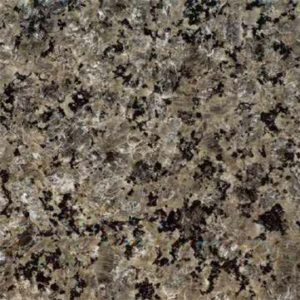
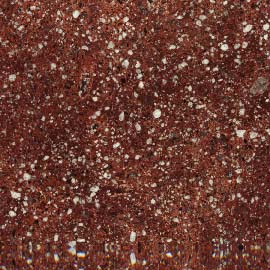
Chocolate Granite
Chocolate Granite

Consequently, choosing the best natural stone for floors depends on functionality, budget, and desired aesthetics. Exporters and suppliers who understand these needs can provide the right solutions for global buyers.

Best Natural Stones for Flooring

1. Granite: The Most Durable Choice

Granite is one of the hardest natural stones, making it highly resistant to scratches, heat, and heavy use. It works well in kitchens, hallways, and commercial areas where durability is essential. Therefore, exporters market granite as a long-lasting and low-maintenance flooring solution for both residential and commercial projects.

2. Marble: Luxury and Elegance

Marble stands as the symbol of luxury and sophistication. Its unique veining and polished finish make it ideal for living rooms, lobbies, and luxury interiors. However, marble requires sealing and regular care to prevent stains. As a result, it is best suited for buyers who value beauty and are willing to invest in maintenance.

3. Travertine: Warm and Natural Appeal

Travertine offers earthy tones and a soft, natural look. Its slip-resistant surface makes it perfect for bathrooms, patios, and poolside flooring. In addition, travertine stays cool underfoot, which is beneficial in warm climates. Exporters often promote it as a versatile stone for both indoor and outdoor floors.

4. Slate: Slip-Resistant and Durable

Slate combines durability with natural slip resistance, making it a popular choice for kitchens, outdoor flooring, and high-traffic areas. Its variety of colors and textured finish add character to any space. Consequently, slate appeals to buyers who want both function and aesthetics in flooring.

5. Limestone: Soft Elegance for Interiors

Limestone brings a subtle, elegant appearance to interiors. It works well in bedrooms, dining areas, and light-traffic spaces. However, it is softer than granite or slate, requiring sealing and careful maintenance. Therefore, exporters promote limestone as a premium choice for stylish yet gentle flooring solutions.

Export Opportunities in Natural Stone Flooring

The demand for premium stone flooring continues to rise in Europe, North America, the Middle East, and Asia. Buyers seek stones that balance durability, elegance, and cost-effectiveness. Furthermore, offering custom finishes like polished, honed, or brushed increases market potential.

How Exporters Can Succeed

Suppliers should:

  • Highlight durability and maintenance requirements for each stone.

  • Offer a wide selection of finishes and cuts.

  • Promote stones as eco-friendly, long-lasting flooring options.

In addition, SEO-driven marketing helps exporters reach global buyers searching for best natural stone flooring, durable granite floors, and marble flooring suppliers.

Conclusion: Choosing the Best Natural Stone for Floors

Overall, the best natural stones for flooring include granite, marble, travertine, slate, and limestone. Consequently, each offers unique benefits, from granite’s durability to marble’s elegance and travertine’s natural warmth. As a result, buyers and exporters who match the right stone to the right space can achieve both long-term value and timeless beauty.

https://www.rockstone.biz/best-type-of-nat…stone-for-export/
Natural honey onyx stone price

rockstone company

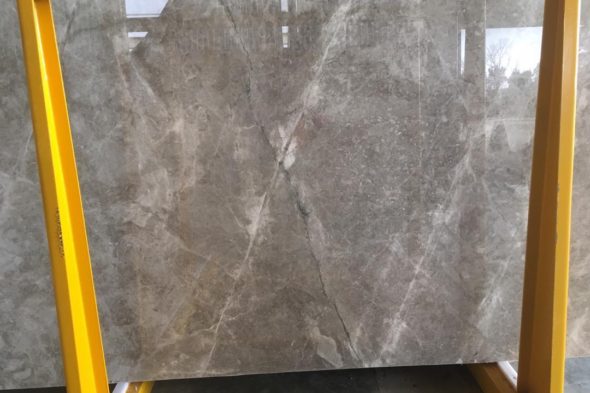
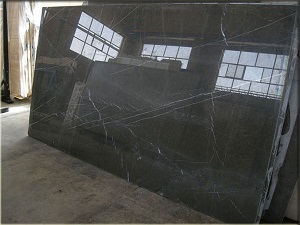
Pietra Grey Marble

Best Stone for Outdoor Use

A Guide for Buyers and Exporters

Why Choosing the Right Outdoor Stone Matters

Selecting the right stone for outdoor projects is crucial for durability, safety, and long-term beauty. Outdoor surfaces face weather, UV exposure, moisture, and heavy foot traffic, making it important to use stones that can withstand these challenges. Moreover, using the wrong stone can lead to cracks, fading, or high maintenance costs, reducing the value of landscaping, patios, or exterior cladding.

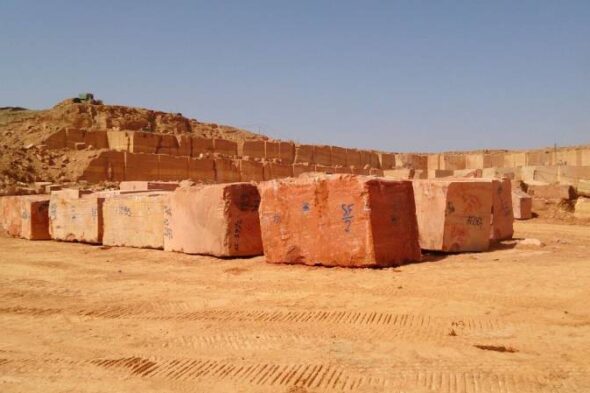
red granite

Consequently, exporters and suppliers focus on offering high-quality, weather-resistant stones that perform well in various climates, from tropical to cold regions.

Top Stones for Outdoor Use

1. Granite: Durable and Weather-Resistant

Granite is one of the most durable natural stones, making it ideal for outdoor use. Its hardness, low porosity, and resistance to heat and frost ensure long-lasting performance. Buyers use granite for driveways, garden paths, patios, and exterior cladding. As a result, exporters promote granite as a premium choice for both residential and commercial outdoor projects.

2. Slate: Slip-Resistant and Elegant

Slate offers natural slip resistance and excellent weather durability, making it perfect for pool areas, patios, and roofing. Its textured surface and earthy tones add elegance to outdoor spaces. In addition, slate withstands frost, rain, and UV exposure, which ensures long-lasting performance.

3. Travertine: Stylish and Cool Underfoot

Travertine provides warm, natural tones and remains cool underfoot, which is ideal for hot climates. Architects and homeowners use it in pool decks, terraces, and garden paths. Consequently, its durability and aesthetic appeal make travertine a top choice for luxury outdoor spaces.

4. Sandstone: Natural and Versatile

Sandstone offers texture, slip resistance, and natural beauty, making it ideal for landscaping, paving, and exterior walls. Proper sealing enhances its weather resistance, ensuring it withstands rain, sun, and frost. Therefore, sandstone remains popular for projects that require both function and style.

5. Basalt: Strong and Heavy-Duty

Basalt is a dense volcanic stone known for its strength and resilience. Builders use it in road paving, exterior flooring, and high-traffic areas. As a result, basalt is highly valued in both industrial and decorative outdoor projects.

Export Opportunities for Outdoor Stone

The demand for outdoor stone continues to grow in residential, commercial, and infrastructure projects. Countries in Europe, North America, Asia, and the Middle East import large quantities of granite, slate, travertine, sandstone, and basalt for driveways, patios, pool surrounds, and landscaping. Furthermore, offering custom cuts, finishes, and installation guidance enhances export potential.

How Exporters Can Succeed

Suppliers should:

  • Provide a variety of weather-resistant stones suitable for different climates.

  • Highlight durability, slip resistance, and aesthetic versatility.

  • Offer finishing options like flamed, honed, or brushed surfaces.

In addition, SEO-focused marketing helps exporters reach architects, landscapers, and contractors searching for best outdoor stone, weather-resistant paving stone, and durable natural stone.

Conclusion: Choosing the Best Stone for Outdoor Projects

Overall, granite, slate, travertine, sandstone, and basalt are among the best natural stones for outdoor use. Consequently, buyers and exporters who focus on these durable, weather-resistant stones can ensure long-lasting, aesthetically pleasing outdoor projects. As a result, natural stone remains the preferred choice for patios, gardens, and exterior architecture worldwide.

https://www.rockstone.biz/best-natural-sto…or-humid-weather/

rockstone company

buy iranian natural stone companies and suppliers for export from iran

Different Types of Slate Stone

A Complete Guide for Buyers and Exporters

Why Slate Stone Is in High Demand

Slate stone stands as one of the most versatile natural stones in the world. Known for its strength, weather resistance, and elegant appearance, it is used in roofing, flooring, wall cladding, and landscaping projects. Moreover, its durability and unique textures make it highly attractive for both local markets and international export.

Slate stone

Therefore, understanding the different types of slate stone helps architects, builders, and exporters choose the best variety for each project.

Main Types of Slate Stone

1. Black Slate

Black slate is one of the most popular varieties, widely used in roofing, flooring, and countertops. Its deep, elegant color makes it perfect for both modern and traditional architecture. Consequently, exporters market black slate as a premium product for luxury homes and commercial projects.

2. Green Slate

Green slate offers a fresh, natural look that blends beautifully with outdoor landscapes. Builders use it for garden pathways, wall cladding, and decorative flooring. In addition, green slate’s durability ensures long-lasting performance in both interior and exterior projects.

3. Grey Slate

Grey slate is valued for its neutral tones and classic appearance. It suits a wide range of applications, from roof tiles to paving and wall panels. Therefore, exporters highlight grey slate as a versatile product for both contemporary and traditional designs.

4. Red Slate

Red slate provides a striking, warm color that adds character to any space. Architects often use it in facades, decorative flooring, and landscaping. As a result, red slate attracts buyers looking for natural stone that combines durability with unique visual appeal.

5. Purple Slate

Purple slate delivers a bold and luxurious aesthetic, making it popular in high-end architectural projects. Its rare color enhances wall cladding, flooring, and design accents. Consequently, purple slate often commands higher demand in export markets.

6. Multicolor Slate

Multicolor slate displays vibrant patterns with shades of gold, green, and rust. This type is perfect for feature walls, outdoor flooring, and decorative surfaces. Moreover, exporters promote multicolor slate as a premium choice for designers seeking natural beauty with a unique style.

Export Opportunities for Slate Stone

Global demand for slate continues to rise in construction, interior design, and luxury projects. Countries in Europe, North America, and Asia import slate in large quantities for both residential and commercial use. Furthermore, slate’s eco-friendly qualities add to its growing popularity in sustainable construction.

How Exporters Can Succeed

Exporters should:

  • Offer a variety of slate types with different colors and finishes.

  • Provide customized cutting, polishing, and treatment options.

  • Highlight slate’s durability, slip resistance, and long-term performance.

In addition, digital marketing with strong SEO strategies helps exporters reach buyers searching for slate suppliers, roofing slate, or decorative slate stone.

Conclusion: Choosing the Right Slate Stone

Overall, slate stone comes in many types, including black, green, grey, red, purple, and multicolor. Consequently, each variety serves different purposes, from functional roofing to luxury interior design. As a result, exporters who promote slate’s versatility and natural beauty can meet the growing global demand for this timeless stone.

https://www.rockstone.biz/best-natural-stone-for-floor/

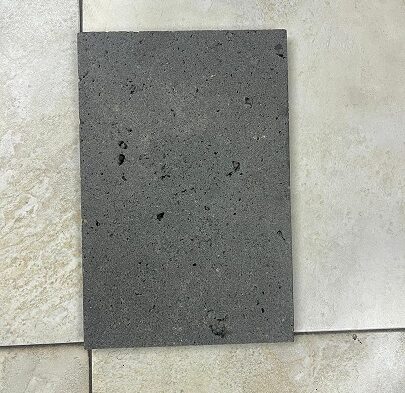
basalt stone

Best Natural Stone for Cold Weather

A Complete Export Guide

Why Cold Weather Requires the Right Natural Stone

Building in cold climates requires materials that can withstand frost, snow, and temperature fluctuations. If the wrong stone is used, it may crack, absorb water, or lose its appeal. Therefore, selecting the best natural stone for cold weather ensures durability, safety, and long-term beauty.

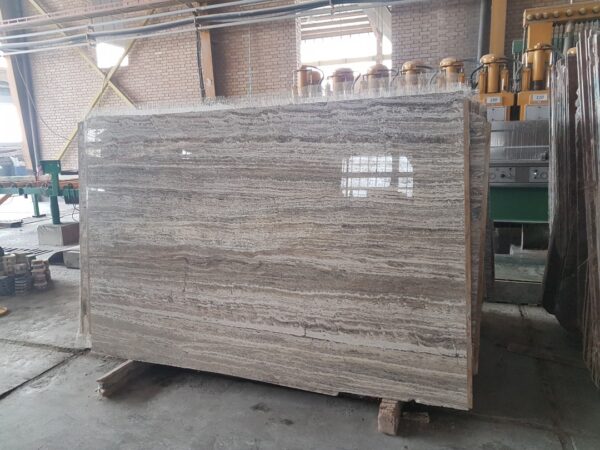
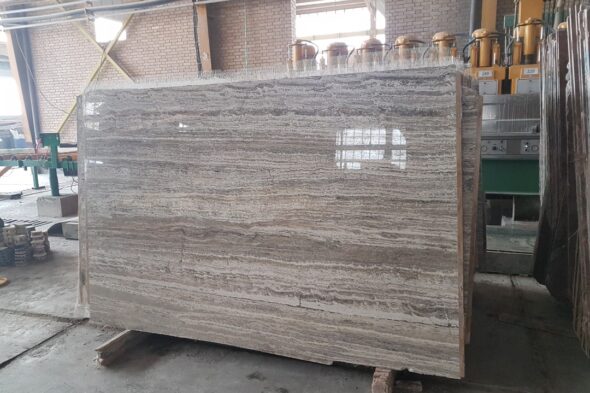
silver travertine

Moreover, architects, contractors, and homeowners in colder regions look for stones that combine strength, low porosity, and weather resistance. Consequently, exporters and suppliers who focus on these qualities gain a competitive advantage in global trade.

Best Natural Stones for Cold Weather

1. Granite: The All-Weather Performer

Granite remains one of the most reliable stones for cold climates. Its dense structure resists freezing and thawing cycles, reducing the risk of cracks. As a result, buyers prefer granite for driveways, exterior cladding, and kitchen countertops. Exporters who promote granite highlight both its durability and wide range of colors.

2. Slate: Resistant and Slip-Safe

Slate handles frost and snow exceptionally well because of its low water absorption. Its natural texture also provides slip resistance, which makes it ideal for roofing, pathways, and outdoor patios. In addition, slate adds a rustic, elegant look that appeals to both residential and commercial projects in cold regions.

3. Quartzite: Durable and Stylish

Quartzite combines strength, hardness, and resistance to temperature extremes. Homeowners use it in fireplace surrounds, floors, and decorative walls because it tolerates both heat and cold. Therefore, exporters can market quartzite as a premium choice that balances performance with beauty.

4. Sandstone: Practical with Sealing

Sandstone works well in cold climates when properly sealed. It resists frost damage and maintains its natural texture in paving, exterior walls, and landscaping projects. Consequently, exporters continue to see demand for sandstone in colder markets, especially where natural aesthetics matter.

5. Basalt: Strong and Weather-Proof

Basalt offers excellent density and resilience, making it suitable for road paving, cladding, and outdoor flooring. Its ability to resist cold weather and heavy use makes it a popular export stone for public projects in freezing climates.

Export Opportunities in Cold Regions

Countries with harsh winters—such as Canada, the United States, Northern Europe, and Russia—continue to invest in natural stone for construction and renovation. Furthermore, luxury housing, infrastructure development, and heritage restoration fuel steady demand.

How Exporters Can Succeed

To thrive in these markets, exporters should:

  • Promote frost-resistant and low-porosity stones.

  • Provide clear maintenance and sealing instructions.

  • Highlight sustainability, safety, and long-term performance.

In addition, maintaining a strong online presence with SEO-driven content helps exporters connect with architects, contractors, and distributors in cold regions.

Choosing the Best Natural Stone for Cold Weather

Overall, the best stones for cold weather include granite, slate, quartzite, sandstone, and basalt. Consequently, exporters who supply these materials can meet growing global demand in cold-climate regions. As a result, natural stone continues to stand out as a profitable, durable, and timeless solution for freezing environments.

https://www.rockstone.biz/best-type-of-granite-for-export/

rockstone company

Best Type of Natural Stone for Export

A Guide for Global Markets

Rising Global Demand for Natural Stone

The global demand for natural stone grows rapidly, fueled by construction, renovation, and luxury design projects. As a result, exporters can tap into strong opportunities in Europe, North America, the Middle East, and Asia. Builders, architects, and designers prefer natural stone because it combines durability, beauty, and timeless appeal.Best Type of Natural Stone for Export

Pietra Grey Marble

Moreover, natural stone works in countless applications—flooring, wall cladding, countertops, landscaping, and heritage restoration. Consequently, exporters who choose the right type of stone position themselves for long-term success.

Best Types of Natural Stone for Export

1. Marble

Marble ranks as one of the most in-demand stones in international trade. Buyers value its elegance, polished finish, and wide color palette. Therefore, exporters often target luxury markets in Europe and the Middle East, where demand for premium construction materials stays strong.

2. Granite

Granite offers exceptional strength, durability, and resistance to wear. Buyers use it in kitchen countertops, flooring, and commercial developments. In addition, granite combines affordability with long-term performance, making it a reliable choice for global exports.

3. Travertine

Travertine showcases earthy tones and natural patterns that appeal to both traditional and modern design tastes. Exporters ship travertine worldwide for flooring, wall cladding, and landscaping. As a result, demand in markets like the United States and Europe continues to grow, especially among eco-conscious buyers.

4. Onyx

Onyx delivers luxury and exclusivity, thanks to its translucency and bold colors. Designers install it in feature walls, countertops, and backlit spaces to create striking effects. Therefore, exporters can position onyx as a premium product for high-end hotels, residences, and luxury commercial projects.

5. Slate

Slate combines natural texture, weather resistance, and timeless appeal. Buyers prefer it for roofing, outdoor flooring, and landscaping. Consequently, exporters often succeed in regions such as Europe and North America, where slate fits both modern and heritage projects.

Export Opportunities and Market Trends

The natural stone sector continues to expand worldwide, supported by urbanization, luxury construction, and sustainability trends. Furthermore, digital platforms and international exhibitions help exporters reach buyers and showcase product diversity.

How Exporters Can Succeed

To stand out in global trade, exporters should:

  • Offer a wide range of stone varieties and finishes.

  • Highlight durability, sustainability, and design value.

  • Provide strong logistics and reliable customer service.

In addition, a digital marketing strategy with SEO content and targeted campaigns can attract architects, contractors, and distributors globally.

Conclusion: Choosing the Best Natural Stone for Export

Overall, the best stones for export include marble, granite, travertine, onyx, and slate. Consequently, exporters who supply these materials can capture growing demand in international markets. As a result, natural stone remains one of the most profitable sectors in global trade, offering long-term opportunities for suppliers and distributors.

https://www.rockstone.biz/different-types-of-limestone/

Demanded Stones in Europe

rockstone company

Slate Stone Demand in China

Market Trends and Opportunities

Rising Popularity of Slate in China

The demand for slate stone in China is growing rapidly, largely due to urbanization, infrastructure expansion, and the rising interest in high-quality, durable construction materials. As a result, slate is widely used in roofing, flooring, wall cladding, and landscaping. Its combination of aesthetic appeal, durability, and eco-friendliness makes it a preferred choice for both residential and commercial projects.

Moreover, architects and builders are increasingly specifying slate for luxury developments and heritage-style renovations. Consequently, its natural resistance to fire, weather, and wear positions it as a superior alternative to synthetic materials.

Slate stone

Key Factors Driving Slate Stone Demand

Sustainable and Eco-Friendly Construction

China is placing greater emphasis on green building and sustainable urban development. Therefore, slate’s natural, recyclable, and environmentally friendly properties make it an ideal material for eco-conscious projects. Builders also use slate to meet national green construction standards and enhance building longevity.

Infrastructure and Urban Development

Furthermore, rapid urbanization and large-scale infrastructure projects have fueled demand for long-lasting, low-maintenance materials. Slate is particularly sought after for roofing, public buildings, and landscaping, where durability and visual appeal are essential.

Interior Design and Landscaping Applications

In addition, slate is gaining popularity in interior design and outdoor landscaping. From flooring and wall cladding to patios and garden pathways, its unique texture, varied colors, and premium finish enhance both residential and commercial spaces.

Market Dynamics and Trade

China imports high-quality slate from countries like Spain, Brazil, and India, while simultaneously increasing domestic quarry production to meet local demand. Meanwhile, digital marketplaces and online distribution channels have made it easier for architects, designers, and contractors to source premium slate products efficiently.

Major cities such as Beijing, Shanghai, and Guangzhou show the highest demand, especially in luxury residential construction and commercial development. Thus, suppliers targeting these regions can capitalize on significant growth opportunities.

Future Outlook for Slate Stone in China

Expanding Design Applications

Although roofing remains the primary use, interior decoration and landscaping are emerging as key growth areas. High-end projects are increasingly incorporating slate for countertops, wall panels, terraces, and decorative facades.

Opportunities for Suppliers and Exporters

With China’s construction and renovation sectors expanding, therefore, slate suppliers and exporters have substantial commercial potential. By emphasizing durability, eco-friendliness, and premium design, suppliers can attract builders, developers, and designers seeking high-quality natural stone.

Conclusion: A Growing Market for Slate Stone in China

Overall, the Chinese slate stone market is experiencing strong growth, driven by urbanization, sustainability initiatives, and evolving design trends. Consequently, suppliers and exporters have excellent opportunities to capture this expanding market. As a result, slate will continue to play a significant role in China’s construction and design landscape.

types of red travertine - iranian red travertine slabs and tiles

Slate Stone Demand in America

Trends and Market Opportunities

Growing Popularity of Slate in Construction and Design

The demand for slate stone in America is steadily increasing, driven by its durability, aesthetic appeal, and eco-friendly properties. Slate is widely used in roofing, flooring, landscaping, and interior design. Architects, builders, and homeowners prefer slate for its long-lasting quality, natural elegance, and low maintenance.

Regions such as the United States and Canada are seeing strong demand, particularly in high-end residential, commercial, and heritage restoration projects. Slate’s natural resistance to weather, fire, and wear makes it a superior choice compared to synthetic alternatives.

Slate stone

Key Factors Driving Slate Stone Demand

Sustainability and Eco-Friendly Construction

Environmental awareness is reshaping construction preferences in America. Slate is a 100% natural, recyclable, and environmentally friendly material, which aligns with the green building movement and LEED-certified projects. Builders increasingly choose slate to meet sustainability standards while delivering premium quality.

Renovation and Heritage Projects

America has a growing number of historical and heritage buildings that require authentic slate roofing and cladding. Renovation and restoration projects significantly contribute to slate demand, especially in northeastern states and urban centers where traditional architecture dominates.

Interior Design and Landscaping Trends

Beyond roofing, slate is becoming a popular choice for interior applications and landscaping. Slate countertops, wall cladding, patios, and outdoor walkways are in demand due to their unique texture, color variations, and natural elegance. The material’s versatility in both modern and rustic design projects drives commercial and residential adoption.

Market Dynamics and Trade

The United States sources slate from domestic quarries in Vermont, New York, and Pennsylvania, but also imports high-quality slate from Spain, Brazil, and India. The supply chain has grown more accessible through online distribution channels, allowing builders and designers to procure a wider variety of slate products.

High-end construction firms and luxury home builders increasingly prefer imported slate for its premium quality and aesthetic consistency. Meanwhile, domestic producers maintain strong demand for local projects, especially for roofing and large-scale commercial installations.

Future Outlook for Slate Stone in America

Expanding Applications

The use of slate is expanding beyond traditional roofing. Landscaping, interior flooring, and decorative applications are expected to drive the next wave of demand. Innovative designs and the growing trend of sustainable architecture will further boost adoption.

Opportunities for Suppliers and Exporters

Suppliers and exporters have significant opportunities in the American market. Highlighting durability, sustainability, and design flexibility will attract builders, architects, and homeowners. With rising construction and renovation activity, slate represents a high-margin, high-demand product in the North American market.

Conclusion: A Strong Market for Natural Slate

The American slate stone market is poised for growth, fueled by sustainability initiatives, renovation projects, and versatile design trends. For suppliers, exporters, and construction professionals, this is an excellent opportunity to capitalize on a premium natural material. As demand for eco-friendly and long-lasting materials increases, slate will continue to play a key role in America’s construction and design sectors.

https://www.rockstone.biz/how-to-clean-granite-to-stay-shiny/

marble company

Slate Stone Exporters

Driving Global Trade in Natural Stone

Slate stone has become one of the most demanded natural stones worldwide. Known for its strength, durability, and elegant textures, slate is used in construction, interior design, and landscaping projects across many countries. As demand continues to grow, slate stone exporters play a vital role in connecting global buyers with high-quality materials.

Slate stone

Why Slate Stone Is in High Demand

Strength and Longevity

Slate stone is highly durable, resisting extreme weather, water, and heavy use. Because of this, it is a preferred choice for roofing, flooring, and outdoor paving. Exporters highlight this advantage to position slate as a reliable investment for international buyers.

Natural Beauty and Versatility

In addition, slate offers a wide variety of colors, including gray, black, green, and red. Its unique textures provide both rustic charm and modern elegance. Consequently, slate is popular among architects and designers who value natural aesthetics.

Sustainability and Eco-Friendly Profile

Moreover, slate is 100% natural and recyclable. Since many countries now focus on sustainable construction, exporters who promote slate as an eco-friendly solution attract more buyers and gain access to premium markets.

Key Global Markets for Slate Stone Exporters

Europe: A Traditional yet Modern Market

Europe has a long history of using slate, especially in roofing and flooring. Countries like Germany, France, Spain, and the UK remain major importers. Furthermore, the trend toward sustainable and stylish architecture ensures continuous demand for slate across the continent.

North America: Expanding Residential and Commercial Demand

The United States and Canada are strong markets for slate exporters. Builders and homeowners use slate for landscaping, kitchens, bathrooms, and luxury flooring. As a result, exporters supplying these markets benefit from consistent year-round demand.

Middle East and Asia-Pacific: Rapidly Growing Opportunities

In the Middle East, mega projects and luxury developments require large volumes of slate tiles and slabs. Meanwhile, China, India, and Japan are expanding markets, where slate is increasingly used in public spaces, commercial buildings, and modern housing projects. Exporters targeting these regions can secure significant long-term growth.

How Slate Stone Exporters Succeed

Delivering Quality and Certification

Global buyers demand certified products. Therefore, exporters who guarantee consistent quality, accurate sizing, and trusted certifications gain credibility and repeat business.

Offering Competitive Pricing and Logistics

In addition, exporters who provide fair pricing and efficient shipping solutions build stronger partnerships. Timely deliveries create trust and open doors to larger contracts.

Marketing Sustainability and Design Benefits

Finally, exporters who emphasize slate’s eco-friendly properties, timeless beauty, and durability appeal to premium buyers. Highlighting these benefits helps them stand out in competitive markets.

The Growing Role of Slate Stone Exporters

The global demand for slate stone continues to rise across construction, design, and landscaping sectors. Because of this, slate stone exporters hold a key role in supplying markets with high-quality, sustainable, and elegant products. Those who focus on quality assurance, competitive pricing, and eco-friendly marketing will strengthen their position and achieve long-term success in the international natural stone trade.

https://www.rockstone.biz/demand-basalt-in-germany/

silver travertine

The Best Way to Cut Natural Stone Tile

A Pro Guide

Natural stone tile adds elegance, strength, and timeless beauty to any space. Whether you’re installing granite, marble, slate, or travertine, precision cutting is essential to achieving a professional look. However, cutting natural stone requires the right tools, techniques, and safety measures. In this guide, we’ll walk you through the best way to cut natural stone tile without cracks or costly mistakes.

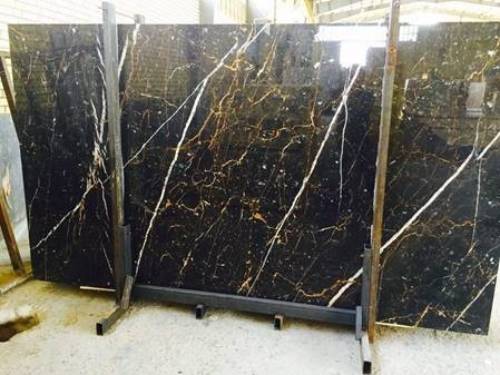
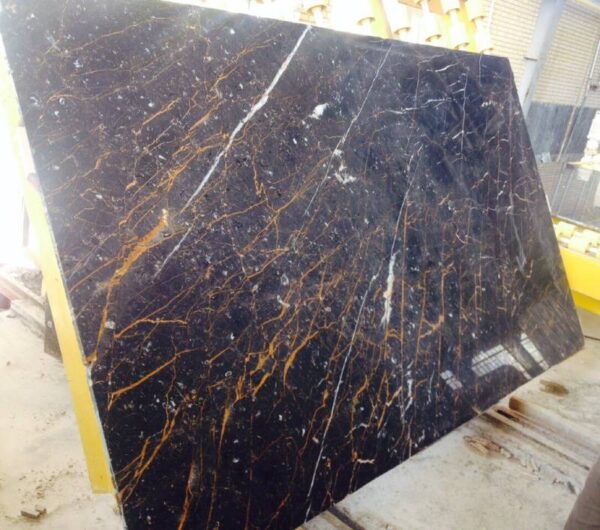
Black and yellow marble

Why Cutting Stone Tile Requires Special Attention

Natural stone tiles are denser and more brittle than ceramic or porcelain tiles. Therefore, using improper tools or techniques can lead to chipping, uneven edges, or even tile breakage. To get clean, accurate cuts, you need to understand both the material and the method.

Common Cutting Challenges

  • Chipping at the Edges

  • Cracks During Cutting

  • Irregular Cuts or Poor Fit

  • Dust and Debris Hazards

Fortunately, these issues can be avoided with the right approach.

Tools You Need to Cut Natural Stone Tile

Before you start, gather the proper equipment. Using the right tools not only ensures safety but also delivers a cleaner finish.

1. Wet Saw with a Diamond Blade

The wet saw is the gold standard for cutting stone tile. It uses a water-cooled diamond blade that reduces friction and keeps the tile from overheating or cracking. As a result, cuts are smoother, and the risk of damage is minimized.

2. Angle Grinder (For Detailed Cuts)

For notches, curves, or corner cuts, an angle grinder with a diamond blade is ideal. Although it’s less precise than a wet saw, it’s highly effective for small adjustments or intricate shapes.

3. Tile Nippers (Optional)

Tile nippers help trim off small bits or corners, especially after initial cuts. However, use them cautiously, as they can cause breakage on delicate stones.

4. Safety Gear

Always wear eye protection, gloves, and a mask. Since stone dust can be harmful, it’s critical to use protective equipment and work in a well-ventilated area.

Step-by-Step: How to Cut Stone Tile Cleanly

Follow these key steps for a precise, professional cut:

  1. Measure and Mark Accurately
    Use a grease pencil or chalk to mark your cut lines. Double-check measurements before moving forward.

  2. Set Up the Wet Saw
    Fill the reservoir with water. Then, ensure the blade is aligned and the guide fence is secure.

  3. Cut Slowly and Steadily
    Push the tile gently into the blade. Avoid forcing it, as slow, consistent pressure reduces the chance of chipping.

  4. Smooth the Edges
    Use a rubbing stone or sanding pad to smooth sharp edges. This not only improves appearance but also increases safety.

Final Tips for Success

  • Always test a scrap tile first to calibrate your cut.

  • Use a continuous-rim diamond blade, not a segmented one.

  • Seal the tiles after cutting, especially for porous stones like marble or travertine.

https://www.rockstone.biz/best-way-to-clean-granite-tile/

The Best Way to Cut Natural Stone Tile

rockstone company

Black Marquina

How to Prevent Stone Tiles from Cracking

A Complete Guide

Stone tiles are a timeless choice for both indoor and outdoor spaces. They offer durability, elegance, and long-term value. However, without proper installation and maintenance, even the toughest stone tiles can crack over time. Fortunately, there are practical steps you can take to prevent this from happening. Whether you’re a homeowner, contractor, or property manager, avoiding cracks is essential for both longevity and safety.

Brown-Onyx
Brown-Onyx

Why Stone Tiles Crack

Stone tile cracks usually occur due to poor installation, structural movement, or environmental stress. Therefore, understanding the root causes is the first step toward prevention.

Common Causes of Cracks in Stone Tiles

  • Improper Subfloor Preparation: An uneven or unstable subfloor puts stress on tiles, leading to cracks.

  • Temperature Fluctuations: Natural stone expands and contracts. If not addressed properly, this movement can result in fractures.

  • Heavy Loads or Impact: Dropping heavy objects or applying excessive pressure can damage tiles instantly.

  • Moisture Infiltration: Water can seep into porous stone and freeze. As a result, expansion and cracking may occur.

Best Practices to Prevent Stone Tile Cracking

Preventing tile damage begins with the right choices and preparation. In fact, both professionals and DIYers should follow these proven steps.

1. Invest in Quality Materials

Start with high-grade natural stone suitable for your climate and use case. For example, granite is more durable than limestone, especially in high-traffic areas. Also, choose a flexible adhesive or thin-set mortar specifically designed for stone tile.

2. Prepare the Subfloor Properly

A level, clean, and dry subfloor is critical. To ensure this, use a cement backer board or an anti-fracture membrane. Additionally, when tiling over concrete, consider crack isolation systems to absorb structural movement.

3. Leave Expansion Joints

Stone tiles need room to “breathe.” Otherwise, they may buckle or crack due to thermal changes. Because of this, always include expansion joints—especially in large tiled areas or exterior settings.

4. Seal the Stone and Grout

Natural stone is porous. Therefore, applying a penetrating sealer protects it from moisture, stains, and freeze-thaw cycles. Ideally, reseal your tiles every 1–2 years for continuous protection.

5. Control Moisture and Drainage

For outdoor applications, ensure proper slope and drainage. Similarly, in bathrooms or kitchens, install waterproofing systems to avoid water accumulation beneath the tiles. By doing this, you prevent moisture-related cracks over time.

Professional Installation Makes a Difference

Hiring experienced tile installers can save you time, money, and frustration. Since professionals understand industry best practices, they can ensure proper layout, spacing, and long-term stability. Whether you’re handling a commercial or residential project, working with a pro is a smart investment.

Final Thoughts

Stone tile cracks are preventable with the right preparation and care. By following these tips, you not only protect your investment but also extend the beauty and durability of your tiled space. After all, prevention is far easier—and cheaper—than repair.

https://www.rockstone.biz/best-way-to-clean-travertine-tile/

How to Prevent Stone Tiles from Cracking

rockstone company