Most Luxurious Natural Stone

A Guide for High-End Design and Export

Why Luxury Natural Stone Matters

Luxury design is not only about aesthetics but also about timeless quality and exclusivity. Natural stones with rare colors, unique veining, and premium finishes are considered the ultimate choice for high-end interiors and architectural projects. Moreover, they symbolize wealth, elegance, and sophistication, making them highly demanded by luxury homeowners, architects, and designers worldwide.Most Luxurious Natural Stone

Consequently, exporters and suppliers who specialize in luxurious stones can tap into a profitable market segment focused on high-end residential, commercial, and hospitality projects.

The Most Luxurious Natural Stones

1. Marble: The Timeless Classic

Marble has always stood as a symbol of luxury. Its smooth finish and distinctive veining make it a top choice for luxury flooring, grand staircases, bathroom interiors, and lobbies. In addition, varieties like Carrara, Calacatta, and Statuario are globally recognized for their exclusivity. As a result, marble continues to dominate the luxury stone market.

2. Onyx: Translucent Beauty

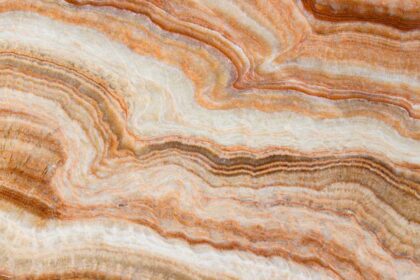
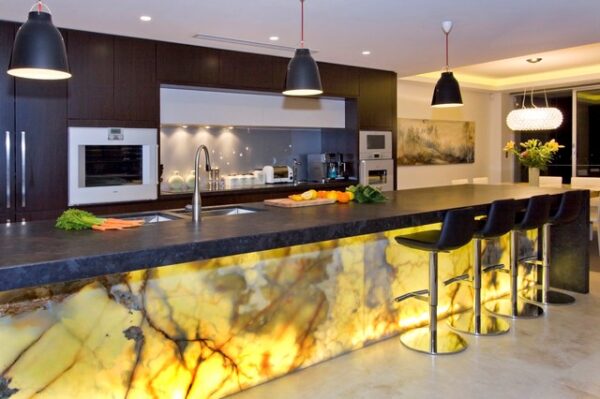
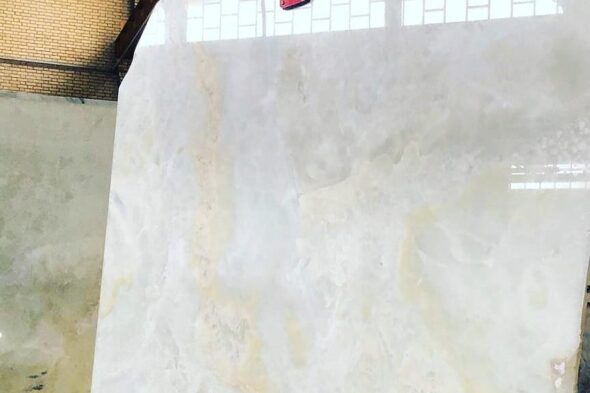
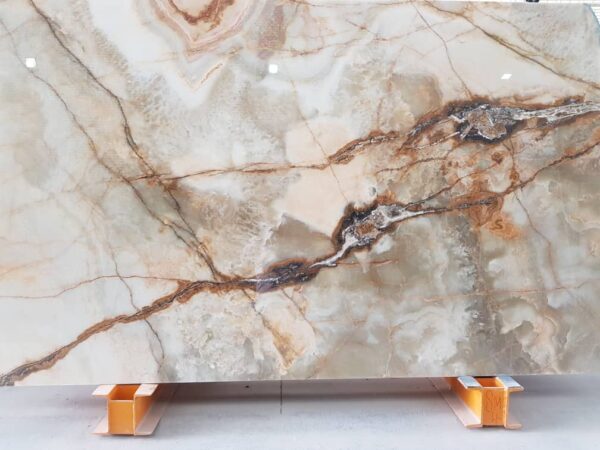
Onyx is considered one of the most luxurious and rare stones. Its ability to transmit light creates dramatic backlit features, perfect for bars, feature walls, and high-end furniture. Consequently, onyx is less about durability and more about its striking visual appeal, making it ideal for exclusive decorative applications.

3. Quartzite: Strength with Style

Quartzite combines granite’s durability with marble’s elegance, offering both beauty and resilience. Its vivid patterns and rare colors make it suitable for luxury kitchens, countertops, and statement walls. Therefore, quartzite appeals to clients who demand both performance and luxury in one material.

4. Blue Bahia Granite: Exotic and Exclusive

Blue Bahia granite, sourced mainly from Brazil, is known for its vibrant blue tones. This stone is extremely rare and commands a premium price in global markets. Designers use it in luxury countertops, exclusive bathrooms, and decorative panels. As a result, it has become a status symbol in high-end projects.

5. Semi-Precious Stone Slabs

Stones made from amethyst, agate, and other semi-precious materials represent the pinnacle of luxury. These stones are handcrafted into slabs, often backlit to highlight their natural brilliance. In addition, they are used in luxury villas, hotels, and high-end commercial interiors. Consequently, they remain one of the most exclusive stone categories in the world.

Export Opportunities in Luxury Stone

The market for luxurious natural stone continues to grow in North America, Europe, the Middle East, and Asia, where clients demand exclusivity. Furthermore, luxury hotels, shopping centers, and premium real estate developments rely heavily on rare and exotic natural stones.

How Exporters Can Succeed

Suppliers should:

  • Offer rare and exotic varieties with certifications of authenticity.

  • Provide custom finishes and large-format slabs.

  • Highlight each stone’s exclusivity and rarity in marketing campaigns.

In addition, SEO-driven content helps exporters reach buyers searching for luxury natural stones, premium marble suppliers, and exotic onyx slabs.

Conclusion: Choosing the Most Luxurious Stone

Overall, the most luxurious natural stones include marble, onyx, quartzite, Blue Bahia granite, and semi-precious slabs. Consequently, these stones are valued not only for their beauty but also for their rarity and exclusivity. As a result, exporters and buyers who focus on these premium materials can capture the growing demand in luxury design worldwide.

https://www.rockstone.biz/different-types-of-onyx/

Onyx Stone

rockstone company

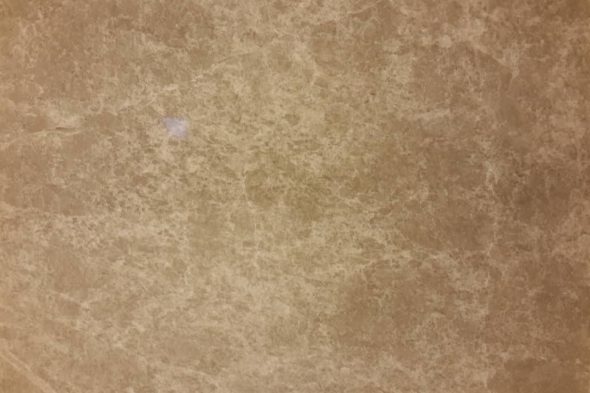
very-light-brown-marble

Why Marble Is Mostly Used Indoors

A Complete Guide

The Unique Properties of Marble

Marble is one of the most elegant natural stones in the world. Its luxurious appearance, smooth texture, and wide range of colors make it a favorite for architects, designers, and homeowners. However, marble requires special handling due to its softness and sensitivity. Consequently, it is primarily used in indoor applications, where it can maintain its beauty over time.

panda Marble

Moreover, marble’s porosity and vulnerability to environmental factors make outdoor use challenging. Exporters and suppliers often recommend indoor installations to ensure durability, safety, and long-term aesthetics.

Why Marble Performs Better Indoors

1. Porosity Makes It Vulnerable Outdoors

Marble contains tiny pores that absorb water. When exposed to rain, snow, or humidity, water seeps into these pores and can cause staining, cracking, or surface erosion. Therefore, designers prefer marble for indoor flooring, walls, and countertops, where it avoids excessive moisture.

2. Sensitivity to Acidic Substances

Marble reacts with acidic liquids like lemon juice, vinegar, or acid rain, which can etch and dull its surface. As a result, outdoor environments, which often expose marble to acidic elements, are not ideal. Indoors, it maintains a polished finish and elegant look with minimal damage.

3. Temperature Fluctuations Can Cause Damage

Marble expands and contracts with temperature changes. In outdoor climates, this can lead to cracks or fractures over time. In contrast, indoor temperatures are more stable, preserving marble’s structural integrity. Consequently, indoor installations prevent costly repairs and maintain long-lasting performance.

4. High Maintenance Requirements

Marble requires regular sealing, cleaning, and protection from stains. Outdoor use increases maintenance demands because exposure to dust, rain, and pollution accelerates wear. Therefore, homeowners and designers prefer indoor use, where maintenance is easier and more manageable.

5. Luxury and Aesthetic Considerations

Marble’s elegance and smooth finish make it ideal for interiors like living rooms, bathrooms, staircases, and countertops. Moreover, indoor settings allow designers to showcase marble’s beauty in polished or honed finishes, which may not last outdoors. As a result, marble retains its status as a premium indoor material.

Export Opportunities for Indoor Marble

Countries around the world import marble primarily for indoor projects. Markets in Europe, North America, and the Middle East prefer marble for flooring, countertops, decorative walls, and luxury interiors. Furthermore, exporters can differentiate their products by offering pre-polished finishes, custom cuts, and installation guidance for indoor use.

How Exporters Can Succeed

Suppliers should:

  • Promote marble as an indoor-only luxury stone.

  • Provide maintenance tips and sealing instructions.

  • Highlight its aesthetic value, polishability, and durability indoors.

In addition, strong SEO content helps exporters reach architects, interior designers, and homeowners searching for premium indoor marble, marble flooring, and polished marble countertops.

Conclusion: Why Marble Shines Indoors

Overall, marble’s porosity, sensitivity to acids, temperature expansion, and maintenance needs make it best suited for indoor applications. Consequently, architects, designers, and homeowners worldwide use it for luxury interiors, countertops, and flooring. As a result, marble continues to stand out as a timeless and elegant indoor stone.

https://www.rockstone.biz/best-type-of-marble-for-export/

rockstone company

The Most Vulnerable Natural Stone

A Guide for Buyers and Exporters

Why Some Natural Stones Are Vulnerable

Natural stone is prized for its beauty and elegance, but not all stones can withstand heavy use, moisture, or acidic environments. For architects, builders, and exporters, understanding which stones are vulnerable helps avoid damage, high maintenance costs, and customer dissatisfaction.

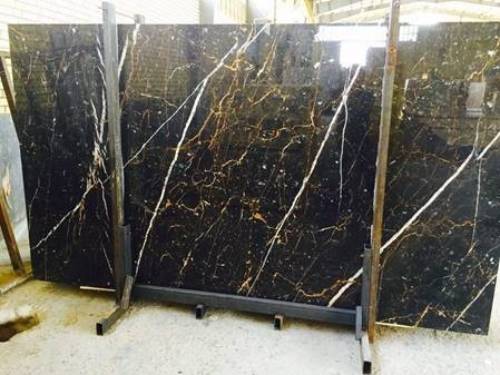
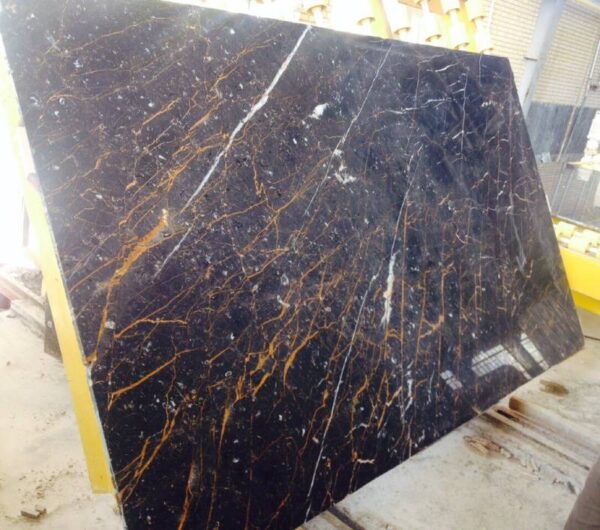
Golden black marble

Moreover, vulnerable stones require careful handling, sealing, and protective treatments, especially when used in kitchens, bathrooms, outdoor areas, or high-traffic commercial spaces. Consequently, knowing their weaknesses allows exporters to guide clients and highlight proper usage.

The Most Vulnerable Natural Stones

1. Marble: Soft and Acid-Sensitive

Marble is renowned for its luxurious appearance but remains one of the softest and most sensitive stones. Its high calcium content makes it vulnerable to acidic substances, scratches, and stains. As a result, architects use marble mainly in low-traffic areas, decorative features, and polished interiors. Exporters advise sealing and careful maintenance to protect its elegance.

2. Limestone: Porous and Easily Stained

Limestone absorbs water and oils more easily than harder stones. It is prone to staining, erosion, and surface damage in humid or high-use areas. Therefore, buyers often choose limestone for facades, flooring, or decorative wall panels but require sealing and periodic care. Exporters highlight its aesthetic appeal while cautioning about vulnerability.

3. Travertine: Soft and Porous

Travertine has a distinctive porous texture, making it vulnerable to moisture and acidic substances if untreated. Consequently, designers use it mainly for flooring, wall cladding, and light-traffic spaces, and recommend filling or sealing cavities before installation. Exporters often include care instructions to maintain its natural beauty.

4. Onyx: Delicate and Scratch-Prone

Onyx offers luxurious translucency and vibrant colors, but it is extremely soft and fragile. It scratches, chips, and stains easily. As a result, onyx is best used in feature walls, decorative panels, and low-contact applications. Exporters often highlight its premium aesthetic while warning clients about careful handling.

5. Soapstone: Soft and Sensitive to Impact

Soapstone has a smooth, silky surface but is prone to scratches and dents. While it resists chemicals, it cannot handle heavy impact. Therefore, buyers choose it for countertops, sinks, and decorative surfaces, with proper maintenance and occasional refinishing to restore its appearance.

Export Opportunities for Vulnerable Stones

Vulnerable stones remain in demand for luxury interiors, decorative applications, and high-end design projects. Markets in Europe, North America, and the Middle East continue to import marble, onyx, and travertine for aesthetic-focused projects. Furthermore, educating clients about care and protective treatments strengthens supplier credibility.

How Exporters Can Succeed

Suppliers can thrive by:

  • Offering a variety of vulnerable stones with finishing options.

  • Providing detailed care, sealing, and maintenance instructions.

  • Highlighting their luxury and aesthetic value despite vulnerabilities.

In addition, strong SEO-driven marketing attracts architects, designers, and distributors searching for marble suppliers, decorative onyx, and premium limestone.

Conclusion: Choosing the Right Vulnerable Natural Stone

Overall, marble, limestone, travertine, onyx, and soapstone are among the most vulnerable natural stones. Consequently, buyers and exporters must handle them carefully, provide protective treatments, and educate clients. As a result, these stones continue to offer unmatched elegance and luxury while requiring proper care to maintain their beauty.

https://www.rockstone.biz/best-natural-sto…for-cold-weather/

Can You Seal Marble

rockstone company

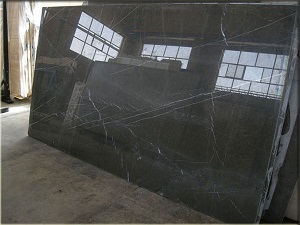
Nero marquina marble - What is Nero marquina marble stone

Best Type of Marble for Export

Quality, Elegance, and Global Demand

Marble remains one of the most sought-after natural stones worldwide. Its timeless beauty, durability, and versatility make it a top choice for high-end construction and interior design projects. Therefore, for exporters, selecting the right type of marble can directly impact profits and international market success. In this guide, we will explore the best types of marble for export and explain why they attract buyers globally.

Crystal Marble Laibid :

Understanding Marble and Its Global Market

Marble is a metamorphic rock celebrated for its smooth texture, vibrant veins, and wide range of colors. Designers and architects use it for flooring, countertops, wall cladding, and decorative accents. Compared to other stones, marble offers unmatched elegance and aesthetic appeal.

Moreover, international buyers carefully consider several factors when purchasing marble:

  • Color Consistency: Bright, uniform colors with elegant veins attract high-end buyers.

  • Durability: Export-quality marble must withstand transportation and construction without cracking.

  • Polish and Finish: High-gloss, well-finished slabs appeal to luxury clients and increase market value.

Top Types of Marble for Export

1. Carrara Marble

Carrara Marble from Italy is one of the most recognized and highly valued marbles worldwide. Its classic white base with soft grey veins makes it ideal for luxury flooring, countertops, and sculptures.

Commercial Appeal: Consequently, Carrara Marble enjoys steady international demand. Furthermore, its versatility and prestige make it a top choice for both residential and commercial projects.

2. Calacatta Marble

Calacatta Marble stands out with its striking, dramatic veining and bright white background. Designers often choose it for high-end kitchens, bathrooms, and large architectural installations.

Export Advantage: Because of its limited availability and luxurious appearance, exporters can command premium prices. Additionally, Calacatta Marble attracts clients seeking exclusivity and bold design statements.

3. Emperador Marble

Emperador Marble, especially the dark brown and deep chocolate variants, adds elegance and warmth to interiors. Its rich tones and natural veins make it perfect for flooring, wall panels, and furniture.

Commercial Benefit: Its unique color sets it apart in the market. Meanwhile, Emperador Marble remains popular in Middle Eastern and European luxury projects, making it an excellent export option.

Why Exporters Should Focus on High-Quality Marble

Choosing the best type of marble ensures higher sales, repeat orders, and strong brand reputation in international markets. Therefore, exporters should prioritize:

  • Consistent Slab Quality: Uniform thickness and smooth finishes simplify installation and attract premium buyers.

  • Proper Packaging: Careful packing prevents damage during transport and protects investment.

  • Market Research: By understanding trends in different regions, exporters can supply marble that meets local design preferences.

In conclusion, Carrara, Calacatta, and Emperador Marble represent the best options for export. By focusing on these high-demand varieties, exporters can deliver products that combine luxury, durability, and elegance. Ultimately, this approach ensures long-term success in the global marble market.

https://www.rockstone.biz/natural-stone-in-building-facades/

Onyx Slabs

rockstone company

buy iranian natural stone companies and suppliers for export from iran

Exporting Slate Stone

Opportunities and Global Market Demand

Slate stone has become one of the most popular natural stones in international trade. Because of its durability, beauty, and versatility, slate is highly valued in construction, interior design, and landscaping across the world. As global demand rises, the export of slate stone offers suppliers and traders excellent business opportunities.Exporting Slate Stone

Slate stone

Why Export Slate Stone?

Rising Global Demand

Countries in Europe, North America, the Middle East, and Asia-Pacific are actively importing slate for building and design projects. As a result, exporters who supply high-quality products can secure profitable contracts in multiple regions.

Versatility Across Industries

In addition, slate is used for roofing, flooring, cladding, countertops, and landscaping. Because of its wide range of applications, exporters benefit from consistent demand throughout the year.

Growing Preference for Natural Materials

Moreover, architects and homeowners increasingly prefer natural and sustainable materials. Slate aligns with this trend since it is durable, recyclable, and eco-friendly. Therefore, exporters who highlight slate’s environmental benefits can stand out in competitive markets.

Key Global Markets for Slate Stone

Europe: Tradition Meets Innovation

Europe has a long tradition of using slate, especially in roofing and flooring. Countries such as Germany, France, and the UK import large volumes of slate for both historic renovations and modern projects. Furthermore, the region’s emphasis on sustainable construction strengthens demand for natural stone.

North America: Strong Demand in Construction

The United States and Canada represent another major market for slate exports. Builders, landscapers, and homeowners choose slate for its strength, low maintenance, and timeless look. Consequently, demand remains steady in both residential and commercial sectors.

Middle East and Asia: Expanding Opportunities

In the Middle East, large-scale real estate and infrastructure projects create consistent demand for slate tiles and slabs. Meanwhile, China, India, and Japan continue to expand their use of slate in flooring, wall cladding, and luxury developments. As these regions grow, they present significant opportunities for exporters.

How Exporters Can Succeed in the Slate Market

Focus on Quality and Certification

International buyers demand reliable quality. Therefore, exporters must provide certified, high-grade slate with consistent color, texture, and durability.

Competitive Pricing and Logistics

In addition, offering competitive pricing and efficient shipping solutions gives exporters an advantage. Reliable logistics help build long-term relationships with buyers.

Marketing and Sustainable Positioning

Finally, exporters who promote slate as a sustainable, eco-friendly, and long-lasting material can capture premium markets. Highlighting environmental benefits appeals to architects and developers aiming for green building certifications.

Conclusion: Exporting Slate Stone for Growth

The export of slate stone continues to expand as global demand rises in construction, design, and landscaping. Because of its strength, beauty, and sustainability, slate remains a preferred material in many countries. Exporters who emphasize quality, reliability, and eco-friendly advantages will secure a strong position in international markets and achieve lasting growth.

https://www.rockstone.biz/slate-stone-exporters/

Best Stones to Export

rockstone company

Black and Gold Marble

Can You Put Stone Tile on Drywall

? What You Need to Know

Stone tile instantly elevates the look of kitchens, bathrooms, and accent walls. Its natural texture and durability make it a popular choice for homeowners and designers alike. But a common question arises during installation: Can you put stone tile on drywall? The short answer is yes—but only under the right conditions.

Is Drywall Suitable for Stone Tile?

Drywall, also known as gypsum board or sheetrock, is commonly used in interior walls. While it can support lighter tiles like ceramic, heavier natural stone tiles require more consideration. In some cases, drywall is acceptable. However, in others—especially where moisture or weight is a factor—it’s not the best option.

When It’s Okay to Use Drywall

  • Dry, Interior Walls: Accent walls in living rooms or bedrooms.

  • Lightweight Stone Veneers: Manufactured stone panels made for easy installation.

  • Small Projects: Backsplashes or decorative niches that don’t carry much weight.

However, even in these situations, proper prep work is essential for long-term success.

Why Stone Tile Needs a Strong Substrate

Stone tiles are significantly heavier than porcelain or ceramic tiles. Because of this, drywall may not offer the support needed for long-lasting adhesion—especially over time or in humid environments.

Risks of Installing Stone on Drywall

  • Cracking or Falling Tiles

  • Moisture Damage and Mold

  • Sagging Walls or Adhesive Failure

  • Expensive Repairs Later On

Therefore, knowing when and how to reinforce your wall is key to a safe and durable install.

Best Practices for Installing Stone Tile Over Drywall

If you do choose to install stone tile on drywall, follow these professional tips to ensure a stable, long-lasting finish.

1. Check the Wall Condition

The drywall must be flat, dry, and securely fastened to wall studs. Any movement, holes, or water damage must be repaired first. Otherwise, the tiles may not adhere properly.

2. Use the Right Adhesive

Choose a high-strength polymer-modified thinset mortar specifically rated for stone. Unlike mastic or standard glue, this adhesive provides better bonding and weight support.

3. Consider a Backer Board for Heavy Tiles

If your tiles are natural stone (like marble, slate, or travertine), it’s best to install a cement backer board over the drywall. This provides a stronger, moisture-resistant base and helps avoid tile failure down the road.

4. Seal and Maintain

Natural stone is porous. Therefore, sealing it after installation helps protect against stains and water absorption—especially in kitchens and bathrooms.

Final Verdict: Can You Do It?

Yes, you can install stone tile on drywall, but only in low-moisture, low-impact areas and with proper adhesive and prep. For high-traffic or wet zones, using cement backer board is a much safer and more professional approach.


Need Expert Help?

Our team offers stone tile installation services that are safe, clean, and built to last. Whether you’re tiling a fireplace, backsplash, or feature wall, we can ensure it’s done right. Contact us today for a free quote and expert advice!

https://www.rockstone.biz/popular-stone-cubes/

Farzin Rock Stone company   

iranian Light Brown Marble stone , tile or slab for export 

Pietra Grey Marble

Best Stone Tile for Villas

Best Stone Tile for Villas: Luxury, Durability, and Lasting Style

Designing or upgrading a villa requires thoughtful decisions, especially when it comes to flooring. If you’re aiming for a balance between elegance and long-term performance, natural stone tile is an ideal solution. Not only does it elevate aesthetics, but it also enhances property value. However, to make the right choice, it’s essential to understand the best stone tile for villas based on your location, style, and lifestyle.

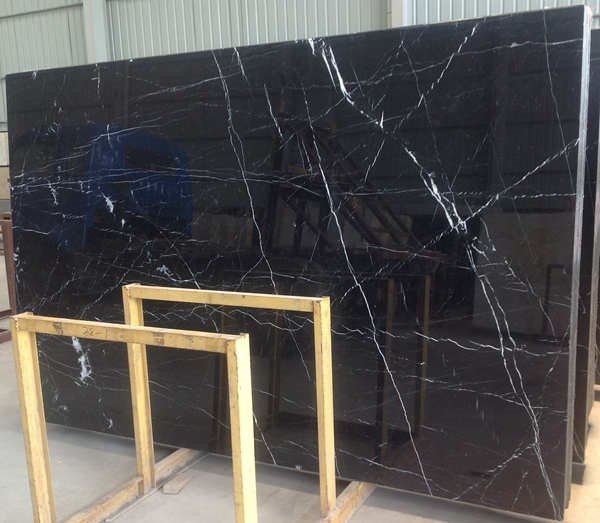
Black Marquina
Black Marquina

Why Stone Tile Is the Top Choice for Villa Flooring

Villas are often associated with refined architecture, open spaces, and high-end finishes. Because of this, stone tiles are a natural fit—they offer a luxurious look while standing up to everyday wear. Moreover, they work just as well outdoors as they do indoors, making them incredibly versatile.

Benefits of Stone Tile in Villas:

  • Timeless elegance – Enhances the overall appearance of your home

  • Extreme durability – Suitable for both foot traffic and changing weather

  • Natural climate control – Keeps floors cooler in warm regions

  • Design flexibility – Matches a wide range of architectural styles

  • Value-adding – Boosts real estate appeal and resale potential

In addition, stone tiles are eco-friendly and easy to maintain over time. Because they last for decades, they’re a smart investment.

Top 4 Best Stone Tiles for Villas

Although there are several stone types to choose from, some stand out more than others in villa settings. Each option brings something unique in terms of appearance, function, and feel.

1. Marble: The Ultimate in Luxury

Marble is synonymous with upscale interiors. Its smooth surface and natural veining bring a sense of sophistication that few materials can match. Furthermore, marble reflects light beautifully, making spaces feel brighter and larger.

Why It’s Ideal:

  • Highly polished for a glamorous finish

  • Cool underfoot—great for hot climates

  • Available in various shades and patterns

Best used in: Entryways, living rooms, and bathrooms.

2. Travertine: Warm and Welcoming

Travertine is a form of limestone known for its earthy tones and textured feel. As a result, it’s often chosen for villas with Mediterranean or rustic designs. Even better, it stays cool underfoot, which is ideal for outdoor areas.

Key Advantages:

  • Naturally non-slip

  • Complements outdoor landscaping

  • Can be honed or tumbled for different finishes

Best used in: Patios, walkways, and pool decks.

3. Granite: Unmatched Strength and Style

Granite is one of the hardest natural stones available. Not only is it resistant to scratches and stains, but it also maintains its color and shine for years. Because of its durability, granite is perfect for high-traffic areas.

Why It’s Worth Considering:

  • Low maintenance

  • Withstands weather and heavy use

  • Offers a clean, modern look

Best used in: Kitchens, driveways, and stairs.

4. Slate: Natural Texture and Modern Charm

Slate is ideal for villas that blend rustic charm with contemporary elegance. Thanks to its matte finish and rich tones, it adds depth to both indoor and outdoor spaces.

Notable Benefits:

  • Slip-resistant

  • Great for cooler climates

  • Requires minimal upkeep

Best used in: Roof terraces, feature walls, and shaded paths.

How to Choose the Right Stone Tile for Your Villa

To make the best decision, consider the function of each space. For instance, granite suits heavy-use areas, while travertine is great for outdoor relaxation zones. Additionally, think about your climate—some stones stay cooler in direct sun, while others perform better in rainy conditions.

Beyond that, work with a professional tile installer to ensure long-lasting results. A well-installed stone floor doesn’t just look great—it lasts for decades.

Final Thoughts: Invest in Timeless Beauty

In conclusion, the best stone tile for villas will combine aesthetics, performance, and comfort. Whether you prefer the elegance of marble, the warmth of travertine, the durability of granite, or the texture of slate, each offers long-term value. Therefore, choose the stone that aligns with your villa’s style—and enjoy flooring that complements your luxury lifestyle.

https://www.rockstone.biz/best-stone-tile-for-bathroom/

Slate stone

rockstone company

Brown-Onyx

Best Stone Tile for Kitchen

Durable, Stylish, and Long-Lasting

When it comes to upgrading your kitchen, choosing the best stone tile is one of the smartest investments you can make. Not only does stone tile offer timeless beauty, but it also delivers unmatched durability in a high-traffic, high-moisture environment.

Honey Onyx: What you need to know

Why Stone Tile Works So Well in Kitchens

Stone tile continues to gain popularity in modern kitchens—and for good reason. It combines elegance with performance, making it perfect for both small and large spaces.

  • Durability: Natural stone withstands heavy foot traffic and wear.

  • Heat resistance: Ideal near stoves, ovens, and hot appliances.

  • Low maintenance: With proper sealing, it’s easy to clean and stain-resistant.

  • Timeless style: Adds natural texture and boosts resale value.

Moreover, stone tile works well with radiant heating systems, giving you a comfortable and stylish kitchen floor all year round.

Top 4 Best Stone Tiles for Kitchen Floors

While several stone tiles are suitable for kitchens, not all are equal in performance or aesthetics. Below are the most recommended types:

1. Slate Tile: Rustic and Slip-Resistant

Slate is an excellent choice for kitchens where traction matters. Because of its naturally textured surface, it offers slip resistance even when wet.

Pros:

  • Earthy, natural tones that hide dirt

  • Excellent for rustic or industrial designs

  • Naturally non-slip and durable

Cons:

  • May require leveling due to uneven surfaces

  • Needs sealing to prevent moisture absorption

Best for: Farmhouse, industrial, or traditional-style kitchens.

2. Granite Tile: Hard and Stain-Resistant

If you’re looking for maximum durability, granite is hard to beat. Not only is it scratch-resistant, but it also handles heat and spills with ease.

Pros:

  • Extremely tough and long-lasting

  • Comes in many colors and patterns

  • Great for high-use kitchens

Cons:

  • Can be slippery if polished

  • Heavier and usually more costly

Best for: High-traffic kitchens or homes with children and pets.

3. Travertine Tile: Warm and Textured

Travertine offers natural warmth and subtle texture. As a result, it creates a cozy and inviting kitchen atmosphere.

Pros:

  • Non-slip when honed or tumbled

  • Softer, neutral color palette

  • Comfortable to walk on

Cons:

  • Porous and prone to etching

  • Needs regular sealing

Best for: Mediterranean, rustic, or warm-toned kitchen spaces.

4. Marble Tile: Elegant and Timeless

For those who want to make a bold design statement, marble is a classic choice. Although it requires more maintenance, its luxurious look is hard to beat.

Pros:

  • Stunning veining and polished finish

  • Boosts home value

  • Available in many shades and styles

Cons:

  • Prone to staining and scratching

  • Can be slippery when wet

Best for: Upscale kitchens and open-concept living areas.

How to Choose the Right Stone Tile for Your Kitchen

Before making a final decision, consider these key factors:

  • Functionality: Choose textured finishes for safety.

  • Maintenance: Some stones need regular sealing.

  • Design match: Coordinate with cabinets, counters, and lighting.

  • Budget: Think long-term—stone is an investment.

Additionally, make sure your subfloor is ready to support the weight of natural stone. This ensures longevity and avoids future issues.

Final Thoughts: Style Meets Strength

Ultimately, the best stone tile for kitchen floors depends on your lifestyle, design preferences, and maintenance expectations. Whether you go with slate for safety, granite for strength, travertine for comfort, or marble for elegance, stone tile delivers style and reliability that lasts for decades.

https://www.rockstone.biz/best-stone-tile-for-bedroom/

rockstone company

alabaster slab

Best Stone Tile for Bedroom

Style, Comfort & Natural Elegance

Stone tile is no longer just for kitchens and bathrooms—it’s becoming a popular flooring option in bedrooms thanks to its durability, low maintenance, and natural charm. If you’re considering upgrading your bedroom flooring, choosing the best stone tile can create a peaceful, stylish retreat that lasts for decades.

Why Stone Tile Works in Bedrooms

Unlike traditional hardwood or carpet, natural stone offers a unique blend of sophistication and practicality. While it may not be the first material you think of for bedroom flooring, here’s why stone tile makes an excellent choice:

  • Hypoallergenic: Stone does not trap dust or allergens like carpet.

  • Durable: Withstands wear and resists scratches.

  • Natural Beauty: Every tile is one-of-a-kind with rich textures and colors.

  • Ideal for Radiant Heating: Stone retains warmth when paired with heated floors.

Top 4 Best Stone Tiles for Bedroom Floors

Not all stone tiles are created equal. The right choice depends on your style preferences, climate, and maintenance needs. Below are the top stone tiles suited for bedrooms:

1. Limestone Tile: Soft and Subtle

Limestone offers a calm, neutral appearance with a smooth matte finish. Its soft tones—beige, cream, and light gray—create a relaxed and natural bedroom vibe.

Pros:

  • Warm, earthy tones

  • Soft texture underfoot

  • Ideal for Mediterranean or modern decor

Cons:

  • More porous than other stones

  • Requires regular sealing

Best for: Bedrooms aiming for a serene, minimalist look.

2. Travertine Tile: Classic and Cozy

Travertine has a naturally weathered look that brings warmth and character. It’s perfect for cozy, rustic, or Tuscan-inspired bedroom interiors.

Pros:

  • Textured surface adds visual depth

  • Good traction

  • Pairs well with radiant heating

Cons:

  • Porous and needs sealing

  • Can show wear if not properly maintained

Best for: Bedrooms with rustic or traditional aesthetics.

3. Marble Tile: Luxurious and Timeless

If you’re looking for elegance, marble is the go-to option. With its high-end veining and polished finish, marble tile turns any bedroom into a sophisticated suite.

Pros:

  • Timeless beauty

  • Boosts home value

  • Available in a range of colors

Cons:

  • Slippery when polished

  • Prone to etching and staining

Best for: Master bedrooms and upscale interior designs.

4. Slate Tile: Natural and Durable

Slate brings bold, natural texture to your floors. Its rich color variations—charcoal, rust, green—can add visual interest and depth to any bedroom.

Pros:

  • Naturally slip-resistant

  • Highly durable

  • Great for high-traffic bedrooms

Cons:

  • Uneven surface if not honed

  • Dark tones may not suit all styles

Best for: Modern, industrial, or nature-inspired rooms.

Choosing the Right Stone Tile for Your Bedroom

When selecting a stone tile for your bedroom, consider:

  • Comfort: Choose a finish that feels smooth underfoot.

  • Color palette: Match tones to your bedroom theme.

  • Maintenance: Know the sealing and cleaning needs.

  • Temperature: Pair with radiant heating for year-round comfort.

Final Thoughts: Invest in Comfort and Style

The best stone tile for your bedroom blends functionality with design. Whether you love the warmth of travertine, the elegance of marble, or the durability of slate, there’s a stone tile that fits your vision. With proper installation and care, stone flooring can elevate your bedroom into a peaceful, luxurious sanctuary.

https://www.rockstone.biz/best-stone-tile-for-villas/

Gohareh limestone slab

How Stone Tiles Are Made

The Journey from Rock to Elegance

Stone tiles are known for their strength, beauty, and timeless appeal. But have you ever asked yourself how stone tiles are made? Understanding this process not only helps you appreciate their craftsmanship, but also guides smarter purchasing decisions.

Unveiling the Composition of Travertine Stone

From the rugged quarry to the polished floor beneath your feet, each stone tile follows a carefully planned process that blends nature and technology.

Step 1: Sourcing Natural Stone from Quarries

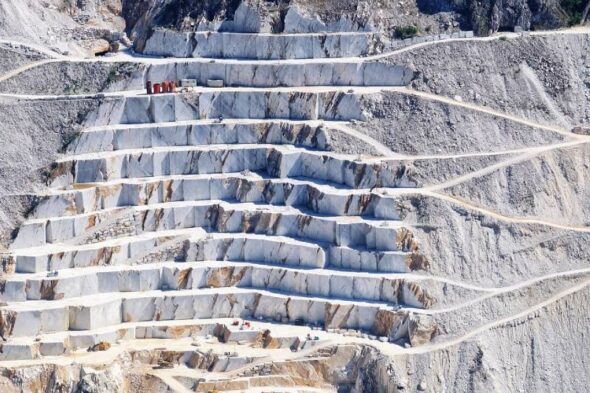
The journey begins at stone quarries, where massive blocks of stone—like marble, granite, slate, or travertine—are extracted from the earth. This step lays the foundation for the entire tile-making process.

How It Happens

Workers use diamond wire saws, drills, or controlled explosions to extract large stone blocks. Then, these blocks are transported to processing facilities. Because stone is extremely heavy and valuable, safe and efficient transport is critical.

Step 2: Cutting Blocks into Slabs and Tiles

Once the stone arrives at the factory, cutting transforms raw blocks into flat slabs. These slabs will eventually become the tiles we see in homes and buildings.

Precision Cutting

Machines like gang saws or diamond blade saws cut the stone with great accuracy. Next, those slabs are trimmed into tile-sized pieces using laser-guided tools. Since consistency matters, each tile is shaped to meet strict size and thickness requirements.

Step 3: Surface Finishing Enhances Appearance

At this stage, each tile receives a finish that brings out its color and texture. This step not only boosts visual appeal but also affects performance in different spaces.

Popular Stone Tile Finishes

  • Polished: High-gloss shine, perfect for formal interiors

  • Honed: Smooth but matte, ideal for modern spaces

  • Brushed or tumbled: Textured for rustic or slip-resistant surfaces

  • Flamed: Rough and rugged, often used outdoors

Because each finish changes how the stone feels and looks, buyers should choose one that matches the room’s use and design.

Step 4: Quality Control and Sorting

Each tile undergoes a detailed inspection for defects like cracks, uneven color, or thickness issues. As a result, only the highest-quality tiles are labeled “premium grade.” Lower-grade tiles may still be used in less visible areas or repurposed for decorative purposes.

Step 5: Packaging and Global Delivery

Finally, the tiles are carefully packed to prevent damage during transport. Labels identify the stone type, finish, and batch. From there, they’re shipped to distributors, showrooms, or construction sites around the world.

Final Thoughts: From Quarry to Quality

Now that you understand how stone tiles are made, you’ll see each tile as more than just a surface—it’s the result of nature, skilled labor, and precision engineering. Whether you’re choosing tiles for a luxury hotel or a cozy kitchen, this knowledge helps you select with confidence.

Invest in stone tiles, and you’re choosing beauty that lasts for decades.

https://www.rockstone.biz/best-stone-tiles/

Best Way to Cut Sandstone