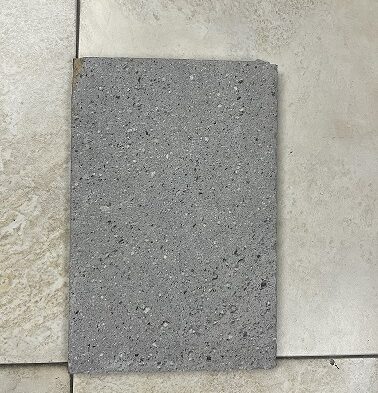
The Most Resistant Natural Stone

A Guide for Buyers and Exporters

Why Resistance Matters in Natural Stone

Natural stone is prized for its beauty, durability, and versatility, but not all stones withstand wear, weather, and heavy use equally. For architects, builders, and exporters, selecting the most resistant natural stone ensures long-lasting performance, reduced maintenance, and excellent value.
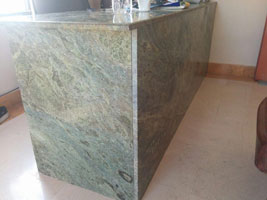
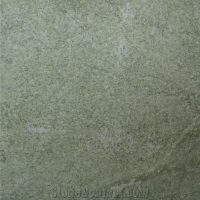
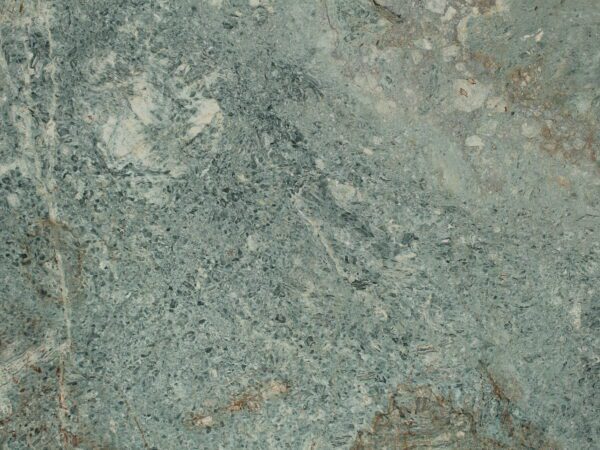
Green-Marble

Moreover, resistant stones work well in both interior and exterior applications, including flooring, countertops, paving, and landscaping. Consequently, understanding which stones excel in durability helps suppliers target high-demand markets globally.

The Most Resistant Natural Stones

1. Granite: Strength and Durability

Granite is widely recognized as one of the hardest and most resistant stones. Its dense composition resists scratches, heat, and moisture, making it ideal for kitchen countertops, commercial flooring, and exterior cladding. As a result, exporters often market granite as a premium solution for both residential and commercial projects.

2. Basalt: Heavy-Duty and Long-Lasting

Basalt is a volcanic stone with exceptional density and strength. Builders use it for road paving, industrial flooring, and architectural features that demand durability. In addition, its resistance to weathering and wear makes it a reliable choice for outdoor applications in harsh climates.

3. Quartzite: Hard and Elegant

Quartzite combines marble-like aesthetics with granite-level hardness. It withstands scratching, acid, and temperature fluctuations, making it perfect for high-traffic flooring, countertops, and exterior walls. Consequently, quartzite appeals to buyers who want a balance of elegance and performance.

4. Slate: Durable and Slip-Resistant

Slate offers excellent resistance to water, frost, and heavy use. Its natural texture also provides slip resistance, making it suitable for roofing, outdoor paving, and pool areas. Therefore, exporters promote slate as both practical and visually appealing for a variety of projects.

5. Basalt-Enhanced Marble

While marble is naturally softer, certain densely compacted or treated marbles can resist wear better than standard varieties. These types are used in luxury flooring and decorative features where both durability and aesthetics are required. As a result, high-end projects often select treated marble to combine elegance with resilience.

Export Potential for Resistant Stones

Resistant natural stones see strong global demand, especially in high-traffic residential, commercial, and industrial projects. Markets in North America, Europe, Asia, and the Middle East continue to import granite, basalt, quartzite, and slate for both interior and exterior use.

How Exporters Can Succeed

Suppliers can thrive by:

  • Offering a range of high-durability stones.

  • Highlighting resistance to scratches, weather, and heavy use.

  • Providing finishing options such as polished, honed, or flamed surfaces.

In addition, strong SEO-driven marketing helps exporters reach buyers searching for resistant natural stone, durable countertops, or long-lasting flooring solutions.

Conclusion: Choosing the Most Resistant Natural Stone

Overall, granite, basalt, quartzite, slate, and treated marble rank among the most resistant natural stones. Consequently, buyers and exporters who select these materials can guarantee long-lasting performance, aesthetic appeal, and customer satisfaction. As a result, these stones remain top choices for demanding construction and design projects worldwide.

https://www.rockstone.biz/the-most-vulnerable-natural-stone/
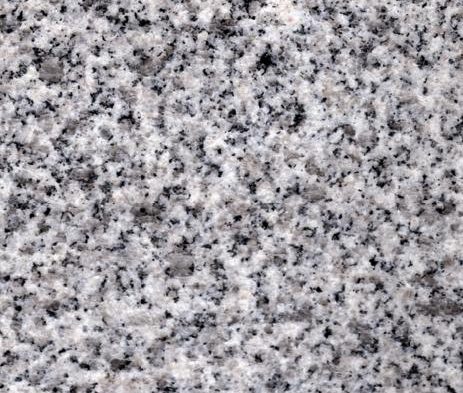
rockstone company

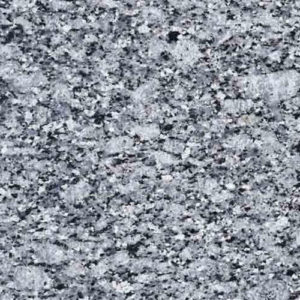
Grey Granite Mashhad

Best Natural Stone for Humid Weather

A Buyer’s Guide

Why Natural Stone Matters in Humid Climates

When building or renovating in regions with humid weather, material selection plays a crucial role. High humidity can damage surfaces, leading to mold, staining, or structural issues if the wrong stone is used. Therefore, choosing the right natural stone ensures durability, beauty, and long-term value.

DARK-GRANITE-GREEN

Moreover, architects and homeowners prefer stones that resist moisture, maintain their appearance, and require minimal maintenance. Consequently, exporters and suppliers must identify the best-performing stones for humid environments to meet growing demand in tropical and coastal regions.

Best Natural Stones for Humid Weather

1. Granite: Strength and Moisture Resistance

Granite stands out as one of the most durable stones for humid climates. Its dense composition resists water absorption, which helps prevent mold and mildew. As a result, buyers use granite in kitchen countertops, bathrooms, and outdoor areas. Exporters who supply polished or sealed granite can target regions with high humidity successfully.

2. Slate: Naturally Slip-Resistant

Slate offers exceptional resistance to moisture and provides a natural slip-resistant texture. Therefore, it is widely used in outdoor flooring, pool decks, and patios in humid areas. In addition, slate’s earthy colors and rustic appeal make it both practical and stylish. Exporters who promote slate highlight its safety and performance benefits.

3. Travertine: Versatility with Proper Sealing

Travertine performs well in humid weather when treated with sealants. It offers timeless beauty with warm tones and natural patterns, making it a popular choice for interiors and exteriors. Consequently, sealed travertine works in bathrooms, wall cladding, and pool surrounds, where elegance and functionality are equally important.

4. Quartzite: Durable and Stylish

Quartzite combines strength, low porosity, and resistance to moisture, making it ideal for humid climates. Designers often use it in countertops, flooring, and decorative walls. Therefore, exporters market quartzite as a premium alternative to marble, offering beauty with greater resilience in tropical regions.

5. Sandstone: Practical with Proper Care

Sandstone offers natural slip resistance and a textured finish, which makes it suitable for outdoor applications. However, it requires sealing to perform well in very humid weather. Exporters still find strong demand for sandstone in landscaping and exterior cladding, especially when clients prioritize a natural look.

Export Opportunities in Humid Regions

Countries with tropical or coastal climates—such as India, Southeast Asia, the Middle East, and South America—continue to show rising demand for moisture-resistant stones. Furthermore, luxury resorts, residential projects, and public infrastructure in these regions create consistent opportunities for stone exporters.

How Exporters Can Succeed

To succeed, suppliers should:

  • Offer stones proven to withstand humidity.

  • Provide sealing and maintenance guidance.

  • Highlight sustainability and long-term performance.

In addition, building strong digital visibility helps exporters connect with architects and contractors searching for the best natural stones for humid weather.

Conclusion: Choosing the Best Natural Stone for Humid Weather

Overall, the best stones for humid conditions include granite, slate, travertine, quartzite, and sandstone. Consequently, exporters who supply these materials can meet growing demand in tropical and coastal markets. As a result, natural stone remains a profitable solution for humid climates, combining durability with timeless beauty.

https://www.rockstone.biz/most-luxurious-natural-stone/

Best Stones for Moist Weather

LIGHT GREEN GRANITE

Best Type of Granite for Export

A Guide for Global Suppliers

Rising Global Demand for Granite

The global market for granite continues to expand, driven by strong demand in construction, renovation, and luxury design. As a result, exporters have excellent opportunities to supply high-quality granite to buyers in Europe, North America, the Middle East, and Asia. Granite’s durability, natural beauty, and versatility make it a leading choice for flooring, countertops, wall cladding, and landscaping.Best Type of Granite for Export

Granite stone

Moreover, builders, architects, and homeowners prefer granite because it offers long-term performance while maintaining its timeless appeal. Consequently, exporters who choose the right granite varieties can secure profitable positions in global trade.

Best Types of Granite for Export

1. Black Granite

Black granite is one of the most sought-after varieties worldwide. Its deep, rich color and elegant finish make it ideal for kitchen countertops, luxury flooring, and commercial interiors. Therefore, exporters often target premium markets where black granite symbolizes sophistication and modern design.

2. White Granite

White granite offers a clean, classic appearance with subtle veining. Buyers frequently choose it for residential countertops, wall cladding, and contemporary flooring. In addition, white granite’s ability to blend with different color schemes makes it a versatile export product for global markets.

3. Red Granite

Red granite showcases bold and vibrant tones, which create a striking look in both residential and commercial projects. As a result, it is popular for monuments, outdoor paving, and decorative interiors. Exporters who supply red granite can appeal to buyers looking for distinctive and eye-catching stone.

4. Blue Granite

Blue granite delivers rare and luxurious aesthetics, often featuring silver or gray undertones. Designers use it in feature walls, countertops, and high-end commercial projects. Consequently, exporters can position blue granite as a premium option for buyers seeking exclusivity.

5. Brown and Beige Granite

Brown and beige granite varieties provide warm, earthy tones that suit both traditional and modern projects. Therefore, global buyers prefer them for flooring, staircases, and exterior applications. These colors offer versatility and durability, making them a consistent choice in international trade.

Export Opportunities and Market Trends

The demand for granite remains strong in countries such as the United States, Germany, the UK, and the United Arab Emirates. Furthermore, digital platforms and trade fairs allow exporters to showcase their products directly to architects, contractors, and distributors worldwide.

How Exporters Can Succeed

To succeed in international markets, exporters should:

  • Offer a wide variety of granite finishes and colors.

  • Highlight the durability, sustainability, and elegance of granite.

  • Ensure reliable logistics and consistent quality supply.

In addition, building strong online visibility with SEO content can attract global buyers and establish brand credibility.

Conclusion: Choosing the Best Granite for Export

Overall, the best granite types for export include black, white, red, blue, brown, and beige varieties. Consequently, exporters who focus on these stones can capture rising demand in international markets. As a result, granite remains one of the most profitable natural stones for global trade, offering long-term opportunities for suppliers and distributors.

https://www.rockstone.biz/best-natural-sto…or-sunny-weather/

Beige travertine slab

rockstone company

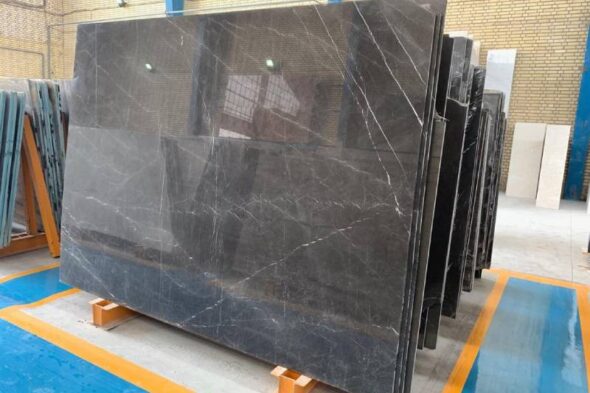
pietra grey marble

Grey Stone Tiles Outdoor

Modern Elegance That Withstands the Elements

Looking to elevate your outdoor space with style and durability? Grey stone tiles for outdoor areas are an increasingly popular choice among homeowners, designers, and builders alike. Whether you’re renovating a patio, pool deck, or garden walkway, these tiles offer the perfect blend of sophistication and strength.

Gray Ash Limestone
Gray Ash Limestone

Why Grey Stone Tiles Are Ideal for Outdoor Use

Grey stone tiles not only enhance curb appeal but also provide a practical surface that withstands changing weather conditions. Because of their neutral tone, they work beautifully with various exterior color palettes and design styles.

Key Benefits of Grey Stone Tiles Outdoors:

  • Durable and weather-resistant – Perfect for year-round exposure

  • Low maintenance – Requires minimal upkeep

  • Non-slip textures – Safer for wet areas like pool decks and patios

  • Timeless and modern – Matches both classic and contemporary designs

  • Natural heat control – Reflects sunlight and stays cooler underfoot

Moreover, grey tones conceal dirt and stains better than lighter or pure white tiles, making them especially suitable for outdoor living areas.

Top Grey Stone Tile Options for Exterior Projects

Although many stones come in grey shades, some materials stand out for their durability and visual impact. Let’s explore the best options for outdoor use.

1. Slate Tiles: Textured and Slip-Resistant

Slate is a natural choice for outdoor flooring thanks to its tough surface and weather resilience. Additionally, grey slate tiles provide a rugged, organic appearance that complements gardens and natural landscapes.

Why Slate Works Well:

  • Naturally textured and slip-resistant

  • Available in various grey shades, from light silver to charcoal

  • Long-lasting even in wet or icy conditions

Best for: Walkways, patios, and outdoor stairs.

2. Granite Tiles: Sleek and Super Strong

Granite offers incredible strength and a polished, elegant look. When flamed or bush-hammered for outdoor use, grey granite becomes both slip-resistant and highly durable.

Advantages:

  • Resistant to heat, moisture, and wear

  • Suitable for high-traffic areas

  • Adds a sleek, premium finish

Best for: Driveways, terraces, and outdoor kitchens.

3. Limestone Tiles: Soft Grey and Stylish

Limestone is often chosen for its soft tones and smooth textures. With proper sealing, grey limestone becomes a sophisticated and functional choice for outdoor areas.

What to Love:

  • Subtle, warm grey tones

  • Comfortable under bare feet

  • Can be sealed to resist moisture

Best for: Courtyards, verandas, and garden paths.

Choosing the Right Grey Stone Tile for Your Outdoors

While aesthetics are important, it’s equally crucial to consider function. For instance, slate and granite are better for wetter zones because of their slip resistance. On the other hand, limestone is ideal for shaded or low-traffic areas due to its slightly softer nature.

Also, always look for outdoor-rated tiles with the appropriate thickness and surface treatment. Installing stone on a properly graded base ensures long-term durability.

Final Thoughts: Style That’s Built to Last

Grey stone tiles for outdoor use combine natural strength with timeless style. Whether you prefer the rugged charm of slate, the clean look of granite, or the elegance of limestone, grey tiles can completely transform your outdoor living space. So, invest in high-quality stone today—and enjoy beauty that endures for years to come.

https://www.rockstone.biz/best-price-for-marble-tiles/

Best Stone for Export

rockstone company

Best Stone Tiles for Kitchen Floor

Durable, Stylish, and Built to Last

When it comes to designing the heart of your home, the kitchen floor plays a vital role. It must handle high foot traffic, resist spills, and stay stylish over time. That’s why many homeowners choose stone tiles for their kitchen floor—offering both beauty and durability. But with so many options available, which one is best?

Brown-Onyx
Brown-Onyx

Why Choose Stone Tiles for Kitchen Flooring?

Stone tiles are a smart investment for kitchens. Not only do they offer long-lasting performance, but they also add timeless appeal to your space. In fact, natural stone instantly upgrades your home’s value and aesthetics.

Benefits of Using Stone in the Kitchen:

  • Highly durable – Withstands heat, spills, and heavy traffic

  • Easy to clean – Great for busy families and cooking enthusiasts

  • Naturally beautiful – Adds texture, color, and elegance

  • Available in various styles – Matches modern, rustic, or classic kitchens

  • Eco-friendly and sustainable – A natural, recyclable material

Because kitchens are high-use areas, choosing the right stone tile matters. The best options combine function with visual appeal—giving you a floor that looks great and lasts for decades.

Top 4 Best Stone Tiles for Kitchen Floors

Although there are many stone types, some perform better in kitchen settings than others. Below are the top stone tiles that balance durability, design, and ease of maintenance.

1. Slate: Textured and Slip-Resistant

Slate is one of the most popular stone options for kitchens. It has a naturally textured surface, which provides excellent slip resistance—especially important in areas prone to spills.

Why Choose Slate:

  • Durable and moisture-resistant

  • Dark tones hide dirt and stains

  • Works well with rustic and modern styles

Best for: Busy kitchens, especially in cooler or humid climates.

2. Travertine: Warm and Inviting

Travertine is a type of limestone known for its soft, warm tones. When sealed properly, it becomes a durable and stylish option for kitchen floors.

Advantages:

  • Comfortable underfoot

  • Timeless, earthy aesthetic

  • Available in honed, tumbled, or brushed finishes

Best for: Mediterranean-style or farmhouse kitchens.

3. Granite: Extremely Durable and Sleek

Granite is a great choice if you want both beauty and toughness. It resists heat, scratches, and staining when sealed, making it ideal for active kitchens.

Why It Works:

  • Highly durable and low-maintenance

  • Wide range of colors and natural patterns

  • Great for contemporary kitchens

Best for: High-traffic areas and modern home designs.

4. Marble: Elegant Yet Practical

Marble brings a luxurious touch to kitchen flooring. While it’s slightly softer than other stones, proper sealing can protect it from stains and wear.

Key Benefits:

  • Polished, upscale appearance

  • Ideal for light, open kitchen layouts

  • Adds value to high-end properties

Best for: Elegant or classic kitchen designs.

How to Choose the Right Stone Tile

Before selecting, consider your lifestyle and kitchen usage. For example, if you cook often and worry about spills, go for textured stones like slate or honed travertine. On the other hand, if you prioritize elegance, marble or polished granite may be better.

Additionally, make sure your stone tile is sealed regularly to extend its life and protect its finish.

Final Thoughts: A Floor That Works as Hard as You Do

Ultimately, the best stone tiles for kitchen floors blend function, beauty, and strength. Whether you prefer the earthy warmth of travertine, the durability of granite, or the charm of slate, stone flooring is a timeless choice. So, invest wisely—and enjoy a kitchen that’s as reliable as it is refined.

Can You Seal Marble

rockstone company

Pietra Grey Marble

Best Stone Tile for Villas

Best Stone Tile for Villas: Luxury, Durability, and Lasting Style

Designing or upgrading a villa requires thoughtful decisions, especially when it comes to flooring. If you’re aiming for a balance between elegance and long-term performance, natural stone tile is an ideal solution. Not only does it elevate aesthetics, but it also enhances property value. However, to make the right choice, it’s essential to understand the best stone tile for villas based on your location, style, and lifestyle.

Black Marquina
Black Marquina

Why Stone Tile Is the Top Choice for Villa Flooring

Villas are often associated with refined architecture, open spaces, and high-end finishes. Because of this, stone tiles are a natural fit—they offer a luxurious look while standing up to everyday wear. Moreover, they work just as well outdoors as they do indoors, making them incredibly versatile.

Benefits of Stone Tile in Villas:

  • Timeless elegance – Enhances the overall appearance of your home

  • Extreme durability – Suitable for both foot traffic and changing weather

  • Natural climate control – Keeps floors cooler in warm regions

  • Design flexibility – Matches a wide range of architectural styles

  • Value-adding – Boosts real estate appeal and resale potential

In addition, stone tiles are eco-friendly and easy to maintain over time. Because they last for decades, they’re a smart investment.

Top 4 Best Stone Tiles for Villas

Although there are several stone types to choose from, some stand out more than others in villa settings. Each option brings something unique in terms of appearance, function, and feel.

1. Marble: The Ultimate in Luxury

Marble is synonymous with upscale interiors. Its smooth surface and natural veining bring a sense of sophistication that few materials can match. Furthermore, marble reflects light beautifully, making spaces feel brighter and larger.

Why It’s Ideal:

  • Highly polished for a glamorous finish

  • Cool underfoot—great for hot climates

  • Available in various shades and patterns

Best used in: Entryways, living rooms, and bathrooms.

2. Travertine: Warm and Welcoming

Travertine is a form of limestone known for its earthy tones and textured feel. As a result, it’s often chosen for villas with Mediterranean or rustic designs. Even better, it stays cool underfoot, which is ideal for outdoor areas.

Key Advantages:

  • Naturally non-slip

  • Complements outdoor landscaping

  • Can be honed or tumbled for different finishes

Best used in: Patios, walkways, and pool decks.

3. Granite: Unmatched Strength and Style

Granite is one of the hardest natural stones available. Not only is it resistant to scratches and stains, but it also maintains its color and shine for years. Because of its durability, granite is perfect for high-traffic areas.

Why It’s Worth Considering:

  • Low maintenance

  • Withstands weather and heavy use

  • Offers a clean, modern look

Best used in: Kitchens, driveways, and stairs.

4. Slate: Natural Texture and Modern Charm

Slate is ideal for villas that blend rustic charm with contemporary elegance. Thanks to its matte finish and rich tones, it adds depth to both indoor and outdoor spaces.

Notable Benefits:

  • Slip-resistant

  • Great for cooler climates

  • Requires minimal upkeep

Best used in: Roof terraces, feature walls, and shaded paths.

How to Choose the Right Stone Tile for Your Villa

To make the best decision, consider the function of each space. For instance, granite suits heavy-use areas, while travertine is great for outdoor relaxation zones. Additionally, think about your climate—some stones stay cooler in direct sun, while others perform better in rainy conditions.

Beyond that, work with a professional tile installer to ensure long-lasting results. A well-installed stone floor doesn’t just look great—it lasts for decades.

Final Thoughts: Invest in Timeless Beauty

In conclusion, the best stone tile for villas will combine aesthetics, performance, and comfort. Whether you prefer the elegance of marble, the warmth of travertine, the durability of granite, or the texture of slate, each offers long-term value. Therefore, choose the stone that aligns with your villa’s style—and enjoy flooring that complements your luxury lifestyle.

https://www.rockstone.biz/best-stone-tile-for-bathroom/

Slate stone

rockstone company

granite_stone

Best Stone Tiles for Outdoor Spaces

Durable, Weather-Resistant & Stylish

Choosing the best stone tiles for outdoor spaces is essential if you want a surface that not only looks beautiful but also withstands the elements. Whether it’s for a patio, walkway, poolside, or garden path, natural stone tile adds timeless appeal and lasting performance to any exterior area.

granite stone

Why Stone Tiles Are a Smart Choice for Outdoor Use

Unlike synthetic materials, natural stone blends perfectly with the outdoor environment. Not only is it durable and low-maintenance, but it also adds value and character to your home. Additionally, most stone types offer excellent slip resistance and temperature control, making them ideal for outdoor applications.

Key Benefits of Outdoor Stone Tile:

  • Withstands extreme weather and UV exposure

  • Offers non-slip surfaces when properly textured

  • Requires minimal upkeep with proper sealing

  • Enhances curb appeal and property value

Because of their strength and natural look, stone tiles remain one of the top choices for homeowners upgrading their outdoor spaces.

Top 4 Best Stone Tiles for Outdoor Areas

Although there are many stone options available, some perform better outdoors due to their texture, density, and resistance to moisture and heat. Below are the most recommended stone tiles for patios, pool decks, and other outdoor surfaces.

1. Slate Tile: Slip-Resistant and Textured

Slate is one of the best options for outdoor use due to its rugged surface and resistance to moisture. In addition, it comes in a wide range of colors like gray, rust, green, and black.

Pros:

  • Naturally slip-resistant

  • Holds up well in wet or cold conditions

  • Rich, earthy tones blend well outdoors

Cons:

  • Needs sealing to prevent flaking

  • Some types may vary in thickness

Best for: Patios, garden paths, and outdoor kitchens.

2. Travertine Tile: Cool and Comfortable

Travertine is a favorite for outdoor pool areas and patios. It remains cool underfoot, even on hot days, making it ideal for barefoot areas.

Pros:

  • Cool to the touch, even in direct sun

  • Non-slip finish when tumbled or honed

  • Natural, neutral tones for any design

Cons:

  • Porous and needs regular sealing

  • Softer than granite or slate

Best for: Pool decks, walkways, and sun lounges.

3. Granite Tile: Tough and Weather-Proof

Because of its density and strength, granite handles heavy foot traffic and harsh weather effortlessly. Moreover, it comes in many color options, from deep black to light gray.

Pros:

  • Extremely hard and durable

  • Resistant to water, stains, and heat

  • Minimal maintenance

Cons:

  • Slippery when polished

  • Heavier and more expensive

Best for: Driveways, patios, and high-use walkways.

4. Limestone Tile: Natural and Subtle

Limestone offers a soft, natural look perfect for contemporary and traditional outdoor spaces. Though more porous, it performs well when sealed properly.

Pros:

  • Soft, neutral color tones

  • Easy to cut and install

  • Matches a wide range of outdoor aesthetics

Cons:

  • Requires regular sealing

  • Less durable in extreme climates

Best for: Courtyards, verandas, and garden seating areas.

How to Choose the Best Outdoor Stone Tile

Before you decide, consider the following:

  • Climate: Choose a stone that suits your local weather.

  • Slip resistance: Textured finishes help prevent accidents.

  • Maintenance level: Some stones need more care than others.

  • Design vision: Pick tones and textures that complement your landscape.

Furthermore, make sure your base is properly prepared to avoid shifting or cracking over time.

Final Thoughts: Beauty Built to Last

Ultimately, the best stone tile for outdoor use combines strength, style, and safety. Slate and travertine are perfect for comfort and texture, while granite and limestone bring elegance and durability. With the right choice, your outdoor space will be both beautiful and built to withstand the test of time.

https://www.rockstone.biz/best-price-for-onyx-tiles/

Slate stone

Farzin Rock stone  company

Brown-Onyx

Best Stone Tile for Kitchen

Durable, Stylish, and Long-Lasting

When it comes to upgrading your kitchen, choosing the best stone tile is one of the smartest investments you can make. Not only does stone tile offer timeless beauty, but it also delivers unmatched durability in a high-traffic, high-moisture environment.

Honey Onyx: What you need to know

Why Stone Tile Works So Well in Kitchens

Stone tile continues to gain popularity in modern kitchens—and for good reason. It combines elegance with performance, making it perfect for both small and large spaces.

  • Durability: Natural stone withstands heavy foot traffic and wear.

  • Heat resistance: Ideal near stoves, ovens, and hot appliances.

  • Low maintenance: With proper sealing, it’s easy to clean and stain-resistant.

  • Timeless style: Adds natural texture and boosts resale value.

Moreover, stone tile works well with radiant heating systems, giving you a comfortable and stylish kitchen floor all year round.

Top 4 Best Stone Tiles for Kitchen Floors

While several stone tiles are suitable for kitchens, not all are equal in performance or aesthetics. Below are the most recommended types:

1. Slate Tile: Rustic and Slip-Resistant

Slate is an excellent choice for kitchens where traction matters. Because of its naturally textured surface, it offers slip resistance even when wet.

Pros:

  • Earthy, natural tones that hide dirt

  • Excellent for rustic or industrial designs

  • Naturally non-slip and durable

Cons:

  • May require leveling due to uneven surfaces

  • Needs sealing to prevent moisture absorption

Best for: Farmhouse, industrial, or traditional-style kitchens.

2. Granite Tile: Hard and Stain-Resistant

If you’re looking for maximum durability, granite is hard to beat. Not only is it scratch-resistant, but it also handles heat and spills with ease.

Pros:

  • Extremely tough and long-lasting

  • Comes in many colors and patterns

  • Great for high-use kitchens

Cons:

  • Can be slippery if polished

  • Heavier and usually more costly

Best for: High-traffic kitchens or homes with children and pets.

3. Travertine Tile: Warm and Textured

Travertine offers natural warmth and subtle texture. As a result, it creates a cozy and inviting kitchen atmosphere.

Pros:

  • Non-slip when honed or tumbled

  • Softer, neutral color palette

  • Comfortable to walk on

Cons:

  • Porous and prone to etching

  • Needs regular sealing

Best for: Mediterranean, rustic, or warm-toned kitchen spaces.

4. Marble Tile: Elegant and Timeless

For those who want to make a bold design statement, marble is a classic choice. Although it requires more maintenance, its luxurious look is hard to beat.

Pros:

  • Stunning veining and polished finish

  • Boosts home value

  • Available in many shades and styles

Cons:

  • Prone to staining and scratching

  • Can be slippery when wet

Best for: Upscale kitchens and open-concept living areas.

How to Choose the Right Stone Tile for Your Kitchen

Before making a final decision, consider these key factors:

  • Functionality: Choose textured finishes for safety.

  • Maintenance: Some stones need regular sealing.

  • Design match: Coordinate with cabinets, counters, and lighting.

  • Budget: Think long-term—stone is an investment.

Additionally, make sure your subfloor is ready to support the weight of natural stone. This ensures longevity and avoids future issues.

Final Thoughts: Style Meets Strength

Ultimately, the best stone tile for kitchen floors depends on your lifestyle, design preferences, and maintenance expectations. Whether you go with slate for safety, granite for strength, travertine for comfort, or marble for elegance, stone tile delivers style and reliability that lasts for decades.

https://www.rockstone.biz/best-stone-tile-for-bedroom/

rockstone company

green granite

Best Stone Tile for Bathroom

Elegant, Durable & Moisture-Resistant

Choosing the best stone tile for your bathroom can elevate the look and feel of the space while adding long-term value to your home. With natural elegance and unmatched durability, stone tiles are a top choice for homeowners seeking both function and style.

types of red travertine - iranian red travertine slabs and tiles

Why Stone Tiles Are Ideal for Bathrooms

Stone tiles are not just about looks. They offer practical benefits that make them ideal for wet environments like bathrooms:

  • Durability: Natural stone can last decades with proper sealing and care.

  • Water Resistance: When sealed correctly, stone tiles resist moisture and prevent mold growth.

  • Aesthetic Appeal: From classic marble to rustic slate, each type of stone brings a unique visual texture.

Top 4 Best Stone Tiles for Bathrooms

When selecting a stone tile, it’s essential to consider moisture resistance, slip resistance, and maintenance. Here are the top contenders:

1. Marble Tile: Timeless Luxury

Marble is the go-to for luxury bathrooms. Its rich veining and high-end appeal make it a favorite for floors, shower walls, and countertops.

Pros:

  • Elegant appearance

  • Adds real estate value

  • Cool underfoot, ideal for heated floors

Cons:

  • Requires regular sealing

  • Can be slippery when wet

Best for: Master bathrooms and feature walls.

2. Slate Tile: Textured and Slip-Resistant

Slate is known for its natural grip and earthy tones. It’s highly resistant to water, making it ideal for floors and showers.

Pros:

  • Naturally slip-resistant

  • Dark, modern look

  • Durable and easy to maintain

Cons:

  • Uneven surface may require more grout

  • Limited color options

Best for: Shower floors and rustic-style bathrooms.

3. Travertine Tile: Warm and Welcoming

Travertine brings a soft, textured surface that adds warmth to any bathroom.

Pros:

  • Non-slip when honed

  • Soft beige and ivory tones

  • Budget-friendly compared to marble

Cons:

  • Porous, needs sealing

  • Can stain easily if unsealed

Best for: Guest bathrooms or powder rooms.

4. Granite Tile: Durable and Low-Maintenance

Granite is a tough, stain-resistant option that holds up well in high-traffic areas.

Pros:

  • Extremely hard and durable

  • Water- and stain-resistant

  • Available in many colors

Cons:

  • Heavier tile, needs strong subfloor

  • Can be more expensive

Best for: High-use bathrooms and family homes.

How to Choose the Right Stone Tile for Your Bathroom

When deciding on the best stone tile for your bathroom, consider:

  • Slip resistance: Prioritize textured surfaces for flooring.

  • Maintenance needs: Know how often it needs sealing or cleaning.

  • Style compatibility: Match your tile to your overall bathroom aesthetic.

  • Budget: Natural stone comes at a range of price points.

Final Thoughts: Stone Tile Combines Beauty and Strength

The best stone tile for your bathroom depends on your style, budget, and how the space is used. Marble adds a touch of elegance, slate ensures safety, travertine offers warmth, and granite delivers toughness. With the right choice, your bathroom will be both beautiful and built to last.

https://www.rockstone.biz/how-stone-tiles-are-made/

Granite Slabs

Farzin Rock Stone Company 

alabaster slab

Best stone tiles

Best Stone Tiles for Stylish and Durable Spaces

When it comes to long-lasting, elegant flooring, stone tiles remain one of the best choices. Whether you’re renovating your home, designing a luxury commercial space, or building outdoors, stone tiles offer unmatched beauty and durability. But with so many options on the market, how do you choose the best stone tiles for your project?

green granite

Let’s explore the top choices and what makes them ideal for different environments.

Why Choose Natural Stone Tiles?

Stone tiles bring more than just aesthetic appeal. They are:

  • Durable and weather-resistant

  • Naturally beautiful and unique

  • Low-maintenance when sealed properly

  • Eco-friendly and sustainable

Because each tile is cut from natural rock, no two pieces look exactly the same. This gives every floor, wall, or patio a rich, timeless feel that synthetic materials can’t replicate.

Top 5 Best Stone Tiles to Consider

1. Marble Tiles: Classic Luxury

Marble tiles are known for their elegant veining and polished finish. Common in bathrooms, kitchens, and luxury hotels, marble suits both walls and floors. However, they can be prone to scratching and need sealing.

Best for: Indoor floors, bathroom walls, countertops

2. Granite Tiles: Extreme Durability

If you want a surface that resists stains, scratches, and heat, granite is ideal. These tiles are dense, hard, and highly polished, making them perfect for high-traffic areas.

Best for: Kitchen floors, outdoor areas, commercial spaces

3. Travertine Tiles: Warm and Rustic

Travertine offers a natural, earthy tone that works well in Mediterranean or rustic settings. Its porous texture requires sealing, but the finish adds character.

Best for: Hallways, patios, feature walls

4. Slate Tiles: Natural Texture and Grip

Slate is a non-slip stone with natural clefts and earthy colors. It’s ideal for wet zones and outdoor flooring, especially where grip is essential.

Best for: Bathrooms, porches, garden paths

5. Limestone Tiles: Soft and Versatile

Limestone comes in softer tones and is easier to cut and shape. It provides a subtle, neutral look that works in both modern and traditional interiors.

Best for: Living rooms, bedrooms, fireplace surrounds

Choosing the Right Stone Tile for Your Space

When selecting stone tiles, consider the following:

  • Location: Outdoor or indoor? Wet or dry areas?

  • Finish: Polished for luxury, honed for modern matte, or tumbled for a rustic vibe

  • Maintenance: Some stones need more care than others

  • Budget: Stone tiles vary widely in price per square meter

Always consult with a supplier who can recommend tiles based on your needs and environment.

Final Thoughts: Upgrade with the Best Stone Tiles

Choosing the best stone tiles means balancing style, function, and durability. Whether you’re drawn to the sleek elegance of marble or the rugged charm of slate, natural stone adds lasting value to any space.

For the best results:

  • Buy from trusted suppliers

  • Ensure proper installation

  • Seal and maintain your stone regularly

With the right choice, your stone tile surface can last a lifetime—and make every step feel extraordinary.

https://www.rockstone.biz/best-price-for-travertine-tiles-2/

Onyx Tiles Export to Italy

rockstone company