? What You Need to Know
Stone tile instantly elevates the look of kitchens, bathrooms, and accent walls. Its natural texture and durability make it a popular choice for homeowners and designers alike. But a common question arises during installation: Can you put stone tile on drywall? The short answer is yes—but only under the right conditions.
Is Drywall Suitable for Stone Tile?
Drywall, also known as gypsum board or sheetrock, is commonly used in interior walls. While it can support lighter tiles like ceramic, heavier natural stone tiles require more consideration. In some cases, drywall is acceptable. However, in others—especially where moisture or weight is a factor—it’s not the best option.
When It’s Okay to Use Drywall
Dry, Interior Walls: Accent walls in living rooms or bedrooms.
Lightweight Stone Veneers: Manufactured stone panels made for easy installation.
Small Projects: Backsplashes or decorative niches that don’t carry much weight.
However, even in these situations, proper prep work is essential for long-term success.
Why Stone Tile Needs a Strong Substrate
Stone tiles are significantly heavier than porcelain or ceramic tiles. Because of this, drywall may not offer the support needed for long-lasting adhesion—especially over time or in humid environments.
Risks of Installing Stone on Drywall
Cracking or Falling Tiles
Moisture Damage and Mold
Sagging Walls or Adhesive Failure
Expensive Repairs Later On
Therefore, knowing when and how to reinforce your wall is key to a safe and durable install.
Best Practices for Installing Stone Tile Over Drywall
If you do choose to install stone tile on drywall, follow these professional tips to ensure a stable, long-lasting finish.
1. Check the Wall Condition
The drywall must be flat, dry, and securely fastened to wall studs. Any movement, holes, or water damage must be repaired first. Otherwise, the tiles may not adhere properly.
2. Use the Right Adhesive
Choose a high-strength polymer-modified thinset mortar specifically rated for stone. Unlike mastic or standard glue, this adhesive provides better bonding and weight support.
3. Consider a Backer Board for Heavy Tiles
If your tiles are natural stone (like marble, slate, or travertine), it’s best to install a cement backer board over the drywall. This provides a stronger, moisture-resistant base and helps avoid tile failure down the road.
4. Seal and Maintain
Natural stone is porous. Therefore, sealing it after installation helps protect against stains and water absorption—especially in kitchens and bathrooms.
Final Verdict: Can You Do It?
Yes, you can install stone tile on drywall, but only in low-moisture, low-impact areas and with proper adhesive and prep. For high-traffic or wet zones, using cement backer board is a much safer and more professional approach.
Need Expert Help?
Our team offers stone tile installation services that are safe, clean, and built to last. Whether you’re tiling a fireplace, backsplash, or feature wall, we can ensure it’s done right. Contact us today for a free quote and expert advice!



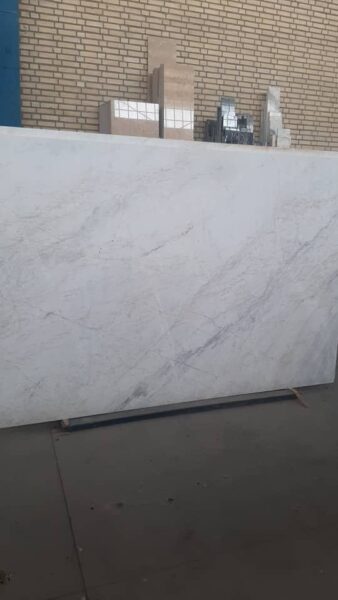 white crystal