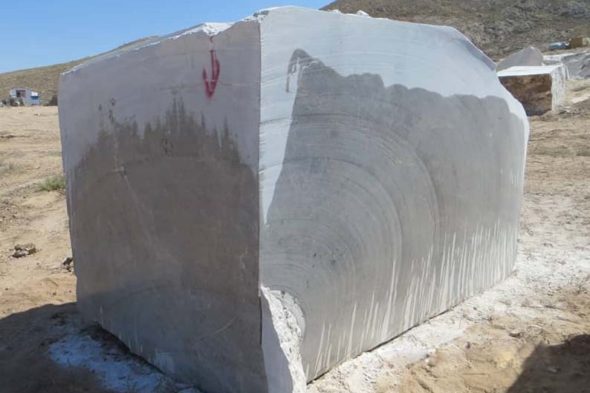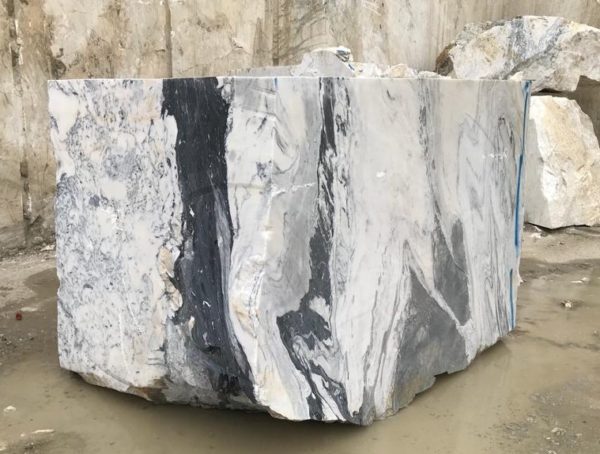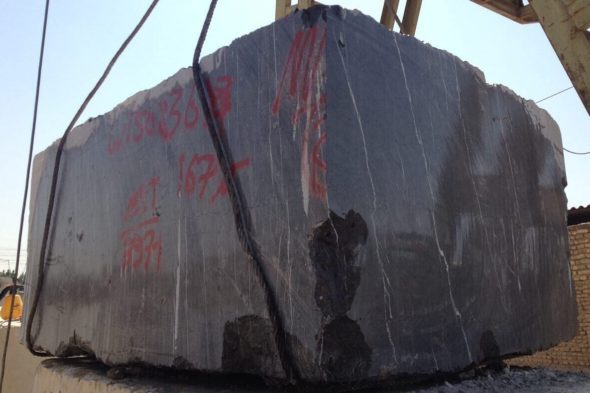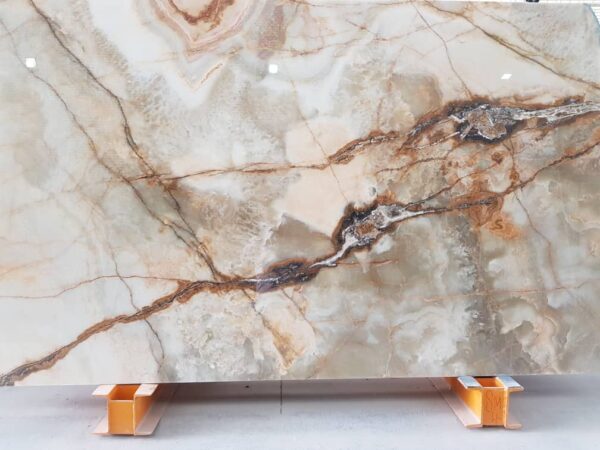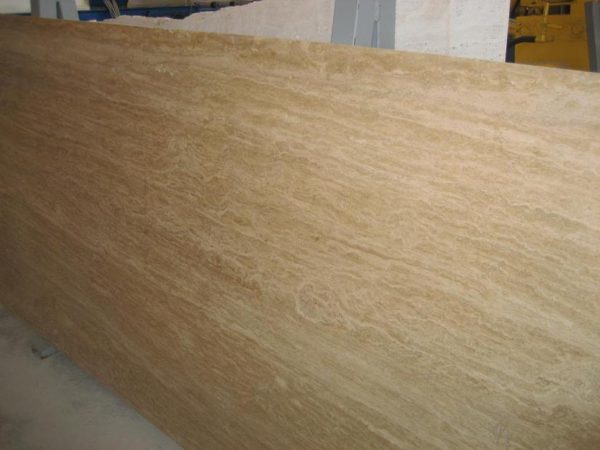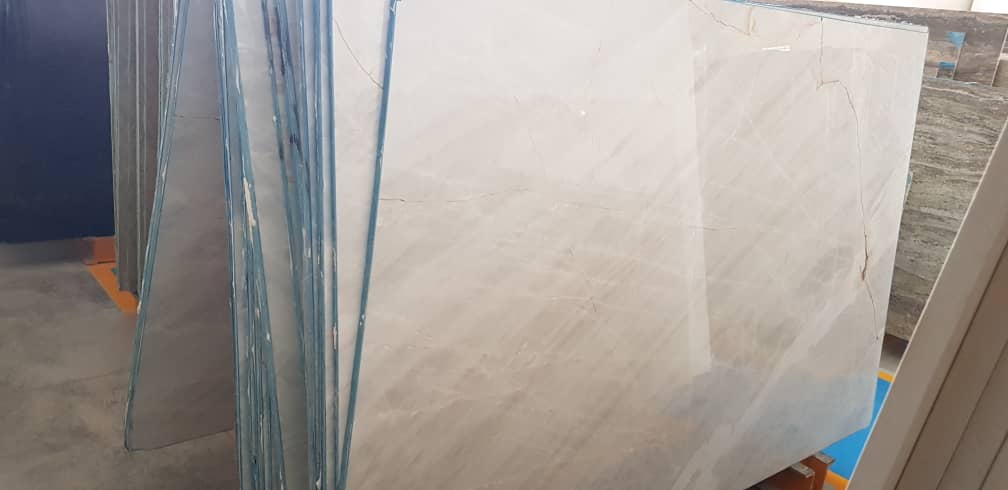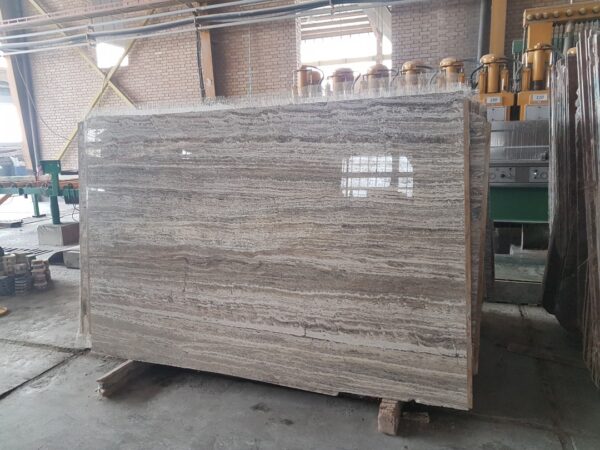
silver travertine

Popular Travertine Tiles

Timeless Beauty, Natural Strength

Travertine tiles are a top choice for homeowners, designers, and builders seeking the perfect blend of natural elegance and durability. Formed by mineral deposits from ancient hot springs, travertine stone features unique textures and earthy tones that bring warmth and authenticity to any space—indoors or out.

Whether you’re upgrading a bathroom, designing a pool deck, or installing new flooring, travertine tiles deliver both timeless charm and long-lasting performance.

Why Travertine Tiles Are in High Demand

Travertine is one of the oldest and most reliable building materials in the world. In fact, it has been used in architectural masterpieces that have endured for centuries. Today, its popularity continues to rise due to its organic appearance, wide range of finishes, and impressive durability.

Moreover, travertine is eco-friendly and relatively low-maintenance when properly sealed. As a result, it appeals to both traditional and modern design preferences.

Key Benefits of Travertine Tiles

  • Natural Texture & Color Variations: Each tile offers unique visual depth with rich, earthy hues.

  • Slip-Resistant Surfaces: Perfect for wet environments like bathrooms, pool surrounds, and outdoor walkways.

  • Cool Underfoot: Maintains a cooler surface temperature in warm climates—ideal for patios.

  • Variety of Finishes: Available in honed, tumbled, polished, and brushed options.

In addition, travertine is easy to cut and shape. This makes it highly versatile for custom designs and intricate layouts, especially in luxury settings.

Top Styles of Popular Travertine Tiles

Travertine comes in many natural shades and patterns, each offering distinct character. Below are some of the most in-demand styles in today’s design market:

1. Classic Beige Travertine

This soft, neutral tone works beautifully in indoor flooring and wall tile applications. Because of its flexibility, it suits both traditional and contemporary interiors.

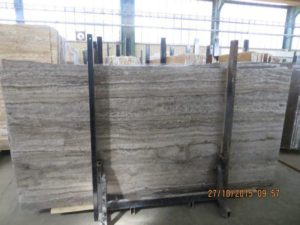
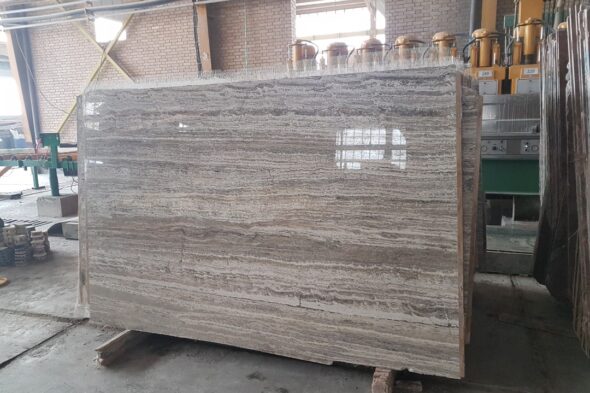
2. Silver Travertine

Silver travertine showcases soft grays blended with beige veining, creating a sleek, modern look. As a result, it is commonly chosen for high-end kitchens and living spaces.

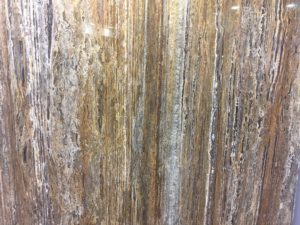
3. Noce (Walnut) Travertine

Featuring rich chocolate and walnut tones, Noce travertine brings warmth to outdoor patios, driveways, and accent walls. Furthermore, its dense structure makes it ideal for high-traffic areas.

Where to Use Travertine Tiles

Travertine is suitable for a wide range of residential and commercial applications. Thanks to its natural grip and durability, it performs well in various environments:

  • Bathroom floors and shower walls

  • Kitchen backsplashes and countertops

  • Pool decks, walkways, and patios

  • Entryways, hallways, and foyers

  • Fireplace surrounds and accent walls

Additionally, tumbled travertine remains a popular option for exterior cladding and landscaping features.

Order Premium Travertine Tiles from Popular Travertine Tiles

At Popular Travertine Tiles, we proudly offer a curated selection of high-grade travertine tiles in diverse colors, textures, and dimensions. Whether you’re designing a spa-like bathroom or an elegant outdoor retreat, our collection offers something for every project.

Request a free sample or get a custom quote today. Enjoy competitive wholesale pricing, fast global shipping, and expert customer support.

Transform your space with the enduring beauty of travertine—where nature meets luxury.

https://www.rockstone.biz/popular-marble-tiles/

Popular Trave

rockstone company

Crystal Marble Laibid :

Popular Marble Tiles

Luxury and Style in Every Step

When it comes to timeless elegance and sophisticated interior design, marble tiles remain a top choice for homeowners, architects, and designers around the world. Whether you’re remodeling a bathroom, designing a luxury hotel lobby, or updating your kitchen floors, marble offers unmatched beauty and long-term value.

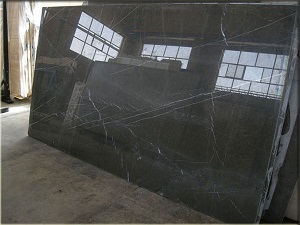
Nero marquina marble - What is Nero marquina marble stone

Why Marble Tiles Are Always in Style

Marble tiles are known for their rich textures, natural veining, and luxurious appearance. Formed over millions of years, this natural stone brings a sense of history and artistry to every space. Moreover, marble is not just about looks—it’s also incredibly durable and versatile, making it suitable for both residential and commercial projects.

Key Advantages of Marble Tiles

  • Natural Beauty: Unique patterns and veins in every tile—no two pieces are the same.

  • Durable & Long-Lasting: With proper care, marble can last for decades.

  • Cool Underfoot: Perfect for warm climates or radiant heating systems.

  • Multiple Finishes: Available in polished, honed, tumbled, and brushed textures.

In addition, marble tiles can increase property value thanks to their premium appeal and classic charm.

Top Varieties of Popular Marble Tiles

From soft whites to dramatic blacks, marble tiles come in a variety of colors and patterns to suit any aesthetic. Here are some of the most popular choices in today’s design market:

1. Carrara Marble Tiles

Carrara is one of the most widely recognized marble types, offering soft gray veining on a white background. As a result, it’s a favorite for bathrooms, kitchens, and backsplashes.

2. Calacatta Marble Tiles

More dramatic than Carrara, Calacatta features bolder, more defined veins. This luxurious stone is often used for high-end walls, floors, and countertops.

3. Emperador Marble Tiles

Available in light and dark brown shades, Emperador marble adds warmth and richness. Therefore, it’s a popular choice for flooring in living areas and hotel spaces.

Where to Use Marble Tiles

Thanks to their versatility, marble tiles can enhance nearly any space:

  • Bathroom floors and shower walls

  • Kitchen countertops and backsplashes

  • Entryways and foyers

  • Living room feature walls

  • Hotel lobbies and commercial interiors

Furthermore, marble can be used outdoors in covered areas, provided it’s properly sealed.

Shop Premium Marble Tiles Online

At [Your Brand Name], we offer a curated selection of high-quality marble tiles sourced from the finest quarries. Choose from various sizes, colors, and finishes to match your design goals—whether you’re creating a modern minimalist space or a classic, ornate setting.

Contact us today for custom quotes, free samples, and fast shipping options worldwide. Elevate your space with marble—where luxury meets lasting performance.

https://www.rockstone.biz/best-natural-stone-tile-for-floor/

Popular Marble Tiles

rockstone company

White Granite

Popular Granite Tiles

Timeless Elegance for Every Space

Granite tiles are one of the most popular choices for flooring, walls, and countertops—and for good reason. With their natural beauty, long-lasting durability, and minimal maintenance, granite tiles bring both style and strength to homes and commercial spaces alike. Whether you’re remodeling a kitchen, designing a luxury bathroom, or upgrading a hotel lobby, granite is a smart investment that stands the test of time.

Why Choose Granite Tiles for Your Project?

More than just a design trend, granite tiles offer real value in both form and function. Natural granite stone is heat-resistant, scratch-proof, and available in a wide range of colors and finishes. These benefits make it a top pick for interior designers, builders, and homeowners looking for premium surface solutions.

Key Benefits of Granite Tiles

  • Durable & Long-Lasting: Withstands heavy foot traffic and extreme temperatures.

  • Low Maintenance: Easy to clean, stain-resistant, and requires no sealing in most cases.

  • Versatile Design: Available in polished, honed, flamed, and leather finishes.

  • Timeless Appeal: Adds value and elegance to any residential or commercial project.

Moreover, granite tiles are suitable for both indoor and outdoor applications, including patios, staircases, entryways, and kitchen backsplashes.

Top Styles of Popular Granite Tiles

With so many options available, selecting the right granite tile comes down to your aesthetic and functional needs. Below are a few top-selling varieties on the market today.

1. Black Galaxy Granite Tiles

Known for their shimmering golden flecks, Black Galaxy tiles are a favorite for modern kitchens and high-end flooring. They offer a sleek, dramatic finish that pairs well with stainless steel and neutral tones.

2. Kashmir White Granite Tiles

Bright, clean, and versatile—Kashmir White granite adds a touch of elegance to bathrooms and wall cladding. Its subtle grey and cream tones make it ideal for contemporary or traditional design schemes.

3. Absolute Black Granite Tiles

Simple yet bold, Absolute Black is one of the most popular granite tiles globally. It delivers a minimalist look that complements both residential and commercial spaces.

Where to Use Granite Tiles

Granite tiles can be used virtually anywhere, but they are especially popular in:

  • Kitchen countertops and backsplashes

  • Bathroom floors and walls

  • Hallways and staircases

  • Hotel and office lobbies

  • Outdoor patios and walkways

In fact, granite’s durability makes it suitable for both light and heavy-duty applications. Whether you need elegance or endurance, granite tiles deliver both.

Buy High-Quality Granite Tiles Online

At Popular Granite Tiles, we offer a wide selection of premium granite tiles in various sizes, finishes, and colors. Whether you’re looking for polished black granite or textured outdoor tiles, we’ve got you covered.

https://www.rockstone.biz/best-stone-tiles…r-outdoor-spaces/

Popular Granite Tiles

rockstone company

Popular Stone Cubes

The Elegant Touch Your Drink Deserves

Looking to elevate your beverage experience? Stone cubes—also known as whiskey stones or drink stones—are rapidly becoming a must-have in every modern bar set. Crafted from natural materials like granite, soapstone, or marble, these reusable cubes chill your drink without dilution. Whether you’re sipping whiskey, bourbon, wine, or even juice, stone cubes offer both style and functionality.

Crystal Marble Laibid

Why Stone Cubes Are Gaining Popularity

Stone cubes are no longer just a novelty. Today, they’re widely appreciated for their eco-friendly design, premium look, and non-diluting chilling power. Unlike traditional ice, stone cubes keep your drink cold without watering it down—preserving flavor to the last drop.

Key Benefits of Using Stone Cubes

  • No Dilution: Enjoy your drink exactly as it was intended—full flavor, no water.

  • Reusable & Eco-Friendly: Just rinse, freeze, and reuse.

  • Elegant Presentation: Stone cubes add a luxurious touch to every glass.

  • Safe & Natural: Made from FDA-approved, non-porous stone materials.

These qualities make stone cubes perfect for gifting, entertaining, and daily use.

Types of Popular Stone Cubes

When choosing the best stone cubes, material matters. Here are the most sought-after types:

1. Granite Stone Cubes

Granite is durable, beautiful, and retains cold well. With speckled textures and cool hues, granite whiskey stones are ideal for high-end spirits.

2. Soapstone Cubes

Soapstone is soft, smooth, and quick to chill. It knows for its thermal stability and scratch-resistant surface—making it a go-to for everyday use.

3. Marble Cubes

Marble offers elegance and luxury. These stones are often used in gift sets and special occasions. They’re slightly heavier and maintain chill longer than soapstone.

How to Use Stone Cubes Properly

Using stone cubes is simple and effective:

  1. Wash the cubes before first use.

  2. Freeze them for at least 4 hours.

  3. Add 2–3 cubes to your glass.

  4. Pour your favorite drink and enjoy!

Tip: Stone cubes work best with low-volume, high-quality spirits or beverages you don’t want diluted.

Best Uses for Stone Cubes

  • Whiskey, Bourbon & Scotch

  • Wine or Cocktails

  • Juice, Soda, or Cold Brew Coffee

  • As a stylish bar gift set

Moreover, stone cubes are engraved or customized—making them a favorite for weddings, corporate gifts, or special events.

Shop Premium Stone Cubes Today

At [Your Brand Name], we offer a curated selection of high-quality stone cubes crafted for both casual drinkers and connoisseurs. Available in stylish packaging, they make the perfect gift—or upgrade to your personal barware.

Order now and enjoy fast shipping, gift-ready sets, and premium quality with every cube.

Popular Stone Cubes

`rock stone company

Best Natural Stone Tile for Parking Lot Floor

Strength, Style, and Long-Term Value

Build a Durable and Stylish Parking Area with Natural Stone

When planning a parking lot or driveway, durability is key — but that doesn’t mean you have to compromise on aesthetics. Choosing the best natural stone tile for parking lot floor installations gives you both strength and visual appeal. Natural stone withstands heavy loads, fluctuating temperatures, and long-term wear, all while elevating the property’s appearance.

As urban design evolves, more architects and developers are turning to natural stone as a sustainable, high-performance solution for exterior surfaces, including parking areas.

Why Use Natural Stone for Parking Floors?

Natural stone is known for its compressive strength, slip resistance, and low maintenance — making it an ideal choice for high-traffic zones like parking lots. Because it’s a naturally dense material, stone tiles resist oil stains, tire marks, and cracking caused by weather changes or weight pressure.

Key Benefits of Natural Stone Parking Lot Tiles:

  • Exceptional durability under vehicle and foot traffic

  • Weather resistance against rain, snow, and sun exposure

  • Non-slip surface textures for added safety

  • Timeless aesthetics that increase property value

Additionally, using stone tiles in a parking area can enhance curb appeal and seamlessly integrate with surrounding landscapes or facades.

Best Natural Stone Tile Options for Parking Lot Floors

1. Granite – The Ultimate Heavy-Duty Stone

Granite is widely considered the best natural stone tile for parking floors due to its exceptional strength and low porosity. Because of its resistance to scratches and impact, it performs well even in commercial or high-traffic parking zones.

  • Pros: Extremely strong, weatherproof, low maintenance

  • Cons: Heavier than most stones, higher upfront cost

  • Best for: Driveways, parking bays, commercial parking areas

Therefore, granite is the go-to choice for long-lasting outdoor applications.

2. Sandstone – Durable and Visually Warm

Sandstone offers a good balance between strength and aesthetic appeal. Its textured finish improves traction, making it safer for both pedestrians and vehicles.

  • Pros: Slip-resistant, UV-stable, natural earthy tones

  • Cons: Slightly more porous; sealing recommended

  • Best for: Residential parking areas, light-use driveways

Because of its natural warmth, sandstone is ideal for integrating outdoor spaces into the overall architectural style.

3. Basalt – Sleek and High-Performance

Basalt is a volcanic stone known for its dark, uniform appearance and high resistance to wear. It’s increasingly popular in modern landscape and parking designs.

  • Pros: Extremely hard, minimal water absorption, contemporary look

  • Cons: Limited color range, requires proper installation

  • Best for: Urban parking designs, driveways, and commercial exteriors

In particular, basalt works well in minimalist or industrial environments where performance and aesthetics matter.

Conclusion: Invest in the Best Natural Stone Tile for Your Parking Project

In conclusion, the best natural stone tile for parking lot floor applications depends on your traffic volume, climate, and design goals. Granite offers unmatched strength, sandstone blends beauty with safety, and basalt delivers sleek durability for modern settings.

Ready to get started? Explore high-performance natural stone tile options at rockstone. We offer expert consultation, competitive pricing, and reliable shipping for residential and commercial parking projects. Build smarter — and stronger — with the power of natural stone.

https://www.rockstone.biz/slate-stone-demand-in-america/

Best Natural Stone Tile for Parking Lot Floor

rockstone company

Importing Stone Cubes to Argentina

Enhancing Urban Development and Design

As Argentina invests in modern infrastructure and urban renewal, the demand for high-quality natural materials has significantly increased. Among the most sought-after materials are stone cubes—also known as cobblestones or paving cubes. These natural stones are used for roads, pedestrian walkways, plazas, and heritage sites. Consequently, importing stone cubes to Argentina has become a strategic move for developers, contractors, and public authorities.

pietra grey block

Why Argentina Imports Stone Cubes

Argentina is rich in local stone, including granite and quartzite. However, certain construction projects require specific textures, colors, and stone types not found domestically. For this reason, builders and planners increasingly turn to imported stone cubes from global suppliers.

Key Reasons to Import Stone Cubes

  1. Material Variety: Importing from countries like India, Turkey, or Brazil introduces new stone colors and patterns.

  2. Design Flexibility: Imported cubes come in various sizes and finishes—flamed, tumbled, or split—for custom aesthetics.

  3. Reliable Supply: For large-scale urban projects, international suppliers often offer better availability and volume.

  4. Competitive Pricing: In many cases, importing in bulk lowers the cost per unit compared to local sources.

Because of these benefits, more Argentine projects include imported stone cubes as part of their paving and landscaping solutions.

Steps for Importing Stone Cubes to Argentina

To ensure success in importing stone cubes, businesses must plan thoroughly, from supplier selection to customs clearance and delivery.

1. Choose the Right Type of Stone and Supplier

Different regions and applications require different materials. For example:

  • Basalt cubes from Turkey are ideal for sleek, modern sidewalks.

  • Granite cubes from India offer high strength for vehicle-heavy zones.

  • Limestone or sandstone from Egypt works well for historical or decorative uses.

Therefore, understanding the project’s aesthetic and structural requirements helps determine the right product.

2. Comply with Argentina’s Import Regulations

Importing natural stone requires proper documentation and legal compliance. Commonly required documents include:

  • Commercial invoice and packing list

  • Bill of lading and certificate of origin

  • HS code classification (usually 6801 or 6802)

  • Quality certificates or testing reports, especially for public works

Additionally, labeling, palletization, and eco-compliance are essential to avoid delays or rejections at customs.

3. Optimize Shipping and Freight

Stone cubes are dense and heavy but ship well in 20-foot containers, which usually carry up to 25 tons. To ensure smooth delivery:

  • Use CIF (Cost, Insurance, Freight) terms if you prefer a hassle-free import process

  • Choose ports such as Buenos Aires or Rosario for container clearance

  • Work with freight forwarders experienced in stone or heavy goods

Efficient logistics planning will help control costs and meet project timelines.

Final Thoughts: Building a Stronger Future with Imported Stone Cubes

In conclusion, importing stone cubes to Argentina is a practical and profitable solution for companies seeking quality materials for urban, commercial, and municipal projects. By working with trusted international suppliers and adhering to import regulations, Argentine buyers can access a wider variety of stone cubes—attractive, durable, and suitable for diverse applications.

As Argentina continues to invest in smart urban planning, imported stone cubes will play a vital role in shaping cities that are both functional and visually inspiring.

https://www.rockstone.biz/stone-export-to-bangladesh/

Farzin rock stone company 

Demanded Stones in Argentina

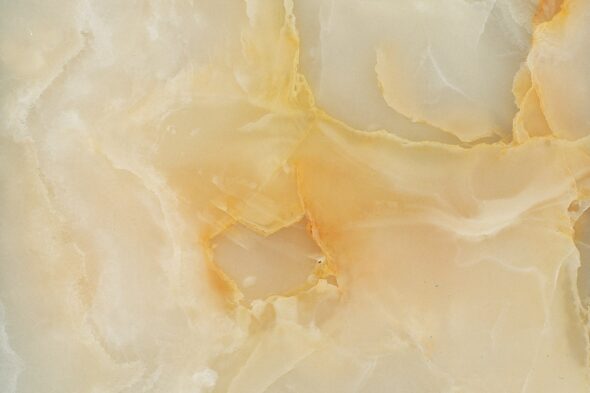
yellow onyx

Stone Export to Bangladesh

A Profitable Market for Natural Stone Suppliers

Bangladesh’s construction boom has created a strong demand for imported natural stone. From high-rise apartments to luxury hotels and public infrastructure, the country relies on foreign suppliers to meet growing needs. As a result, stone export to Bangladesh offers a profitable opportunity for global exporters looking to expand into South Asia.

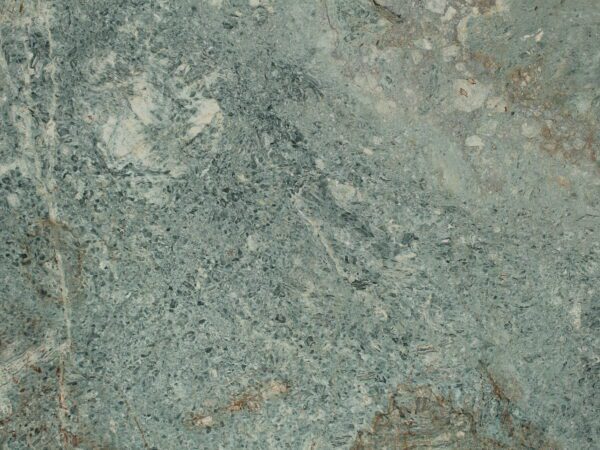
green granite

Why Export Natural Stone to Bangladesh?

Bangladesh continues to experience rapid urban development, especially in cities like Dhaka and Chittagong. The domestic stone supply remains limited in quality and quantity. Therefore, importers actively seek international sources of marble, granite, travertine, onyx, and limestone.

Moreover, the construction industry’s shift toward premium materials has increased the demand for decorative and durable stone products.

Key Reasons to Export Stone to Bangladesh

  1. Growing Infrastructure Projects: Roads, bridges, commercial buildings, and government facilities require large quantities of stone.

  2. Limited Local Production: Bangladesh lacks sufficient natural stone resources, which creates high demand for imports.

  3. Consistent Market Growth: The country’s GDP and real estate sectors continue to expand year after year.

  4. Diverse Applications: Imported stone is used for flooring, cladding, countertops, and landscape architecture.

In addition, favorable import policies make it easier for international suppliers to enter the Bangladeshi market.

Top Stone Products in Demand

To succeed in this market, exporters should understand which types of stone are most popular and why. Offering the right materials increases both sales and customer loyalty.

1. Marble

Marble remains one of the most in-demand stones in Bangladesh. Customers prefer it for its smooth finish and elegant appearance.

  • Popular Colors: White, beige, and grey

  • Applications: Flooring, staircases, interior walls

Furthermore, marble from Iran and Turkey ranks high due to its balance of price and quality.

2. Granite

Granite provides excellent durability and visual appeal. Builders choose it for both residential and commercial use.

  • Top Uses: Countertops, external walls, flooring

  • Key Benefits: Heat resistance, scratch-proof surface

Because of its strength, granite often becomes the material of choice for high-traffic areas.

3. Travertine and Onyx

Travertine offers a natural, rustic look, while onyx delivers luxury and brilliance, especially when backlit.

  • Travertine Uses: Outdoor flooring, cladding

  • Onyx Uses: Decorative features, hotel lobbies

Additionally, these stones help designers create standout interiors in luxury projects.

How to Start Exporting Stone to Bangladesh

Exporting to Bangladesh involves preparation, but the process is straightforward with the right strategy.

  1. Choose Reliable Importers: Work with local distributors who understand the market and customs processes.

  2. Offer Samples and Certifications: Providing quality proof builds trust and sets your brand apart.

  3. Optimize Pricing and Packaging: Competitive pricing and secure packaging are essential for long-distance transport.

  4. Arrange Shipping to Chattogram Port: Most stone shipments enter through this major commercial gateway.

Moreover, transparent communication helps reduce delays and ensures repeat business.

Final Thoughts: Grow Your Business by Exporting Stone to Bangladesh

In conclusion, exporting natural stone to Bangladesh is not only viable—it’s smart. The country’s expanding construction sector and limited domestic resources create ongoing demand for high-quality imports.

By offering the right products, building strong partnerships, and ensuring reliable delivery, you can establish a successful presence in this growing market. Now is the ideal time to enter the Bangladeshi stone industry and build a profitable export channel.

https://www.rockstone.biz/the-most-fragile-building-stone/

Farzin Rock stone company 

Best Stones for Exporting

Azna Christal

The Most Fragile Building Stone

Understanding Its Beauty and Challenges

In the world of architecture, stones have long held value for their strength and durability. However, not all stones perform equally. Some break easily and require extra care during construction. In this article, we explore the most fragile building stones and explain why architects still choose them despite their delicate nature.

What Makes a Building Stone Fragile?

A stone’s composition, density, and resistance to pressure or weathering determine its fragility. Because softer stones score lower on the Mohs hardness scale, they face greater risk of breakage and erosion. Although these materials may wear down faster, their beauty often convinces designers to incorporate them into projects.

Types of Fragile Building Stones

Several stones earn a reputation for fragility, including:

  • Limestone: Builders often choose limestone for its versatility; however, it remains relatively soft and erodes under harsh conditions.

  • Travertine: This stone offers rich textures and patterns, yet it weakens when exposed to moisture for long periods.

  • Alabaster: Artisans prize alabaster for its fine texture and smooth surface, but its softness and brittleness limit its structural use.

Why Use Fragile Stones in Construction?

Despite their weaknesses, these stones bring unique charm to architectural design. In particular, limestone, travertine, and alabaster offer visual qualities that few other materials can match. Consequently, architects use them for facades, decorative details, and sculptures to add elegance and distinctive character.

The Aesthetic Value of Fragile Stones

Fragile stones often display striking textures and colors that enhance a building’s appeal. For example, travertine can fill interiors with warm, earthy tones, while alabaster adds a soft, glowing effect to carvings and sculptures. Therefore, these materials often become focal points in both modern and classical architecture.

How to Care for Fragile Building Stones

To extend the life of delicate materials, follow these maintenance guidelines:

  • Regular Cleaning: Remove dust and dirt with a soft cloth or brush to prevent scratches.

  • Sealing: Apply a high-quality sealant to limestone or travertine in order to block moisture and stains.

  • Avoid Heavy Impact: Place fragile stones in areas protected from heavy knocks or strong pressure.

https://www.rockstone.biz/best-countries-to-buy-stone/

Farzin rock stone company 

Brown-Onyx

Best Countries to Buy Stone

Top Global Sources for Quality and Value

Are you planning to import natural stone for your construction or design project? If so, choosing the right country of origin is a critical step. Not only does it impact quality, but it also affects cost, variety, and supply chain efficiency. In this guide, we highlight the best countries to buy stone, trusted by builders, designers, and suppliers around the world.

green granite

Why Country of Origin Matters in the Stone Industry

Before you make a purchase, it’s important to understand that not all stone is created equal. Depending on where it’s sourced, the stone may vary in:

  • Durability and resistance to weather

  • Color, texture, and rarity

  • Cutting and finishing techniques

  • Pricing and export reliability

Therefore, sourcing from the right country can give you a major edge in terms of quality and cost-effectiveness.

Top 5 Countries for Buying Natural Stone

1. Italy – Synonymous with Luxury and Design

Italy has long been a global icon in the stone industry. In particular, Carrara Marble is prized for its elegant appearance and high-end appeal. Moreover, Italian quarries are known for their precision and innovation.

  • Famous for white marble with soft veining

  • Advanced processing technology ensures top quality

  • Ideal for luxury projects and premium interiors

Consequently, if you want timeless elegance, Italy is your go-to.

2. India – Affordable and Highly Versatile

India stands out for its affordability and wide range of stone types. Whether you need granite, sandstone, or slate, India offers excellent options.

  • Known for durable granites like Absolute Black

  • Competitive pricing ideal for bulk buyers

  • Strong export infrastructure ensures consistent delivery

Additionally, Indian suppliers are experienced in handling large international orders.

3. Brazil – Vibrant and Exotic Stone Patterns

If you’re looking for bold colors and unique textures, Brazil is a top choice. The country is rich in quartzite and granite, especially varieties with dramatic patterns.

  • Source of exclusive stones like Fusion and Taj Mahal Quartzite

  • Cutting-edge processing for global standards

  • Ideal for high-impact designs and statement pieces

As a result, Brazil is perfect for creative architectural projects.

4. Turkey – Reliable Source with Competitive Pricing

Turkey combines quality and affordability, especially in marble. Its travertine and beige marbles are popular worldwide.

  • High production volumes and consistent quality

  • Lower prices compared to Italy, but still high-end

  • Excellent logistics and shipping infrastructure

Therefore, it’s a smart choice for both residential and commercial use.

5. China – Mass Production and Budget-Friendly

China is a major exporter of stone, particularly for projects on a tight budget. Although quality can vary, the country excels in efficiency.

  • Offers granite, marble, and engineered stone

  • Shorter lead times and bulk production capabilities

  • Ideal for low- to mid-tier construction projects

However, quality control is essential when sourcing from China.

Final Thoughts: Choose Smart, Build Better

In conclusion, choosing the best country to buy stone depends on your goals. For premium finishes, look to Italy or Brazil. If cost matters more, India or Turkey may be the right fit. And for large-scale, fast-turnaround jobs, China delivers value.

https://www.rockstone.biz/can-you-seal-marble/

Biggest Stone Producers in the World

Farzin Rock Stone Company 

Can You Seal Marble

Protecting Natural Stone the Right Way

Marble is a beautiful, luxurious material—but it’s also porous and delicate. Whether you’re installing marble countertops, floors, or shower walls, one common question comes up: Can you seal marble?

The short answer is yes, and in fact, you should seal marble to preserve its beauty and protect your investment. Let’s break down why sealing matters, how it works, and when to do it.

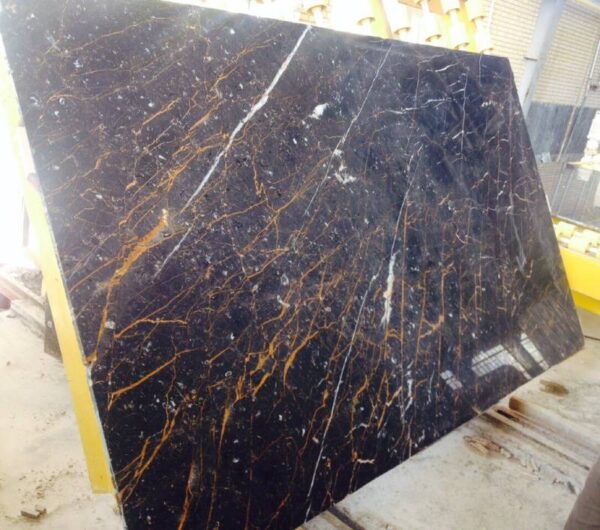
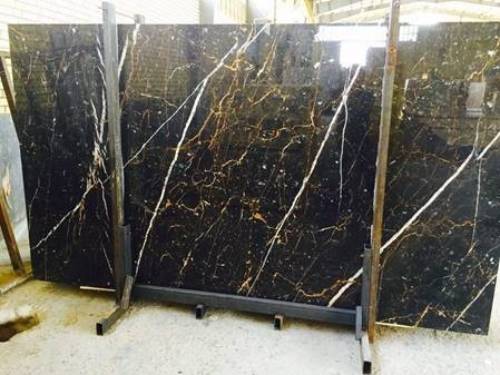
Black and Gold Marble

Why Sealing Marble Is Essential

Although marble is a hard stone, it’s naturally porous. That means liquids, oils, and even air can penetrate the surface over time. As a result, stains, etching, and discoloration can occur, especially in high-traffic or high-moisture areas.

Benefits of Sealing Marble

  • Prevents staining from food, wine, oil, and makeup

  • Protects against etching caused by acidic substances

  • Extends the life and look of your marble surfaces

Because marble can be costly, sealing adds an extra layer of protection that helps maintain its value. It’s a small step that can prevent major damage.

How Marble Sealer Works

Marble sealers act as a protective barrier. Rather than coating the surface like a wax, they penetrate the stone, filling in microscopic pores. Once sealed, the marble becomes more resistant to moisture and stains, though not completely stain-proof.

Types of Marble Sealers

There are two main categories of sealers:

  1. Penetrating (impregnating) sealers – These go deep into the stone and are almost invisible after application. Ideal for countertops and floors.

  2. Topical sealers – These sit on the surface and may alter the finish slightly. They’re better suited for decorative marble.

For most residential applications, a penetrating sealer offers the best protection without changing the look or feel of the stone.

When and How Often Should You Seal Marble?

How often you should seal marble depends on the type of marble and how it’s used. However, here are general guidelines:

  • Countertops: Every 6–12 months

  • Floors: Every 1–2 years

  • Bathroom and shower marble: Every 6–12 months, due to moisture

How to Know When It’s Time to Reseal

There’s a simple test: drop a few drops of water on the surface. If the water beads up, the seal is still intact. If it absorbs into the marble and darkens the stone, it’s time to reseal.

Can You Seal Marble Yourself?

Yes, sealing marble is a DIY-friendly process. Many homeowners choose to do it themselves using a quality stone sealer. However, for large areas or high-end finishes, you may prefer to hire a professional for optimal results.

Basic Steps for Sealing Marble:

  1. Clean the surface thoroughly and let it dry completely.

  2. Apply sealer evenly with a soft cloth or applicator pad.

  3. Let it sit as directed (usually 10–15 minutes), then wipe off the excess.

  4. Buff with a clean cloth and allow it to cure.

https://www.rockstone.biz/best-italian-marble/

Should You Seal Travertine

Farzin Rock stone  company