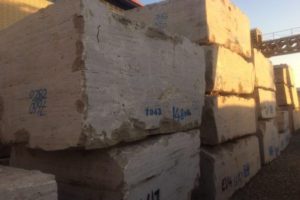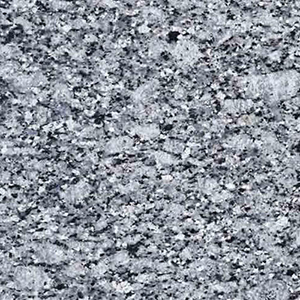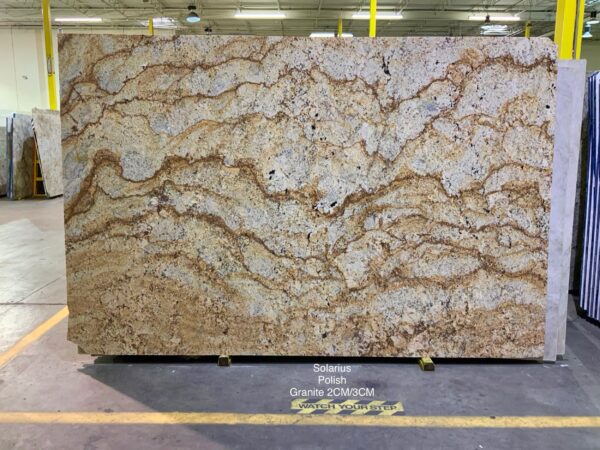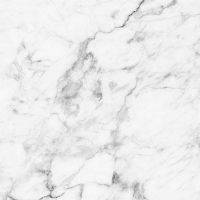
Importing Stone Cubes to Brazil

Meeting the Rising Demand for Urban and Landscape Projects

Brazil, a country with a growing focus on urban infrastructure and sustainable design, has seen a significant rise in demand for high-quality stone cubes. Although Brazil has its natural stone reserves, specific types and finishes often need to be sourced internationally. As a result, importing stone cubes to Brazil has become an increasingly valuable strategy for developers, architects, and municipalities aiming to meet design, durability, and volume requirements.

Why Brazil Is Importing Stone Cubes

With its booming construction and landscaping sectors, Brazil requires diverse materials for pavements, plazas, and historic restorations. While local stone options are abundant, imported cubes provide a wider selection in terms of finish, color, and texture. This flexibility allows professionals to better meet the unique needs of modern urban projects.

Key Benefits of Importing Stone Cubes

  1. Expanded Material Options: Imported stones include granite, basalt, limestone, and sandstone in shades not commonly found in Brazil.

  2. Custom Finishes and Sizes: International suppliers offer flamed, split, or tumbled finishes in various dimensions—ideal for both decorative and high-traffic uses.

  3. Consistent Bulk Supply: For large-scale government or commercial projects, international partners can ensure timely delivery at competitive prices.

  4. Design Versatility: Imported cubes allow more creativity in public and private space designs, aligning with contemporary trends.

Thanks to these benefits, importers in Brazil are increasingly turning to countries like India, Turkey, and Egypt for their stone cube needs.

Key Steps for Importing Stone Cubes to Brazil

Successful imports depend on proper sourcing, documentation, and logistics. When managed effectively, importing becomes a cost-effective and time-saving solution.

1. Select the Right Stone Type and Supplier

Different Brazilian regions require different stone types:

  • Basalt or granite cubes from India and Turkey are perfect for roads and heavy-use areas.

  • Sandstone or limestone from Egypt adds warmth and texture to plazas and pedestrian zones.

  • Travertine is used in historical restorations and luxury landscape design.

Understanding the intended use and aesthetic goals helps determine the most suitable stone and exporter.

2. Understand Import Requirements and Regulations

To import stone cubes into Brazil, you must comply with national customs and product regulations. Be sure to prepare:

  • Commercial invoice and packing list

  • Bill of lading and certificate of origin

  • NCM classification (Brazil’s version of the HS code, e.g., 6801/6802)

  • Product quality certificates or lab test results, if needed

Furthermore, packaging should be secure, typically using shrink-wrapped wooden pallets to prevent damage in transit.

3. Plan Your Logistics and Shipping

Stone cubes are heavy, so proper freight planning is essential. Most importers use 20-foot containers with up to 25 tons of stone. Shipping ports like Santos, Itajaí, and Rio de Janeiro are ideal entry points.

  • Opt for CIF terms if you want the exporter to handle insurance and freight.

  • Work with experienced customs brokers to expedite clearance and reduce costs.

  • Track shipping timelines carefully to align with your project schedule.

Final Thoughts: Build Better with Imported Stone Cubes in Brazil

In summary, importing stone cubes to Brazil offers exciting opportunities for construction, landscaping, and urban beautification. With global suppliers providing variety, quality, and value, Brazilian businesses can elevate their projects while maintaining efficiency and budget control.

As public and private sectors continue investing in smart infrastructure, imported stone cubes will play a key role in shaping the next generation of Brazilian cities.

https://www.rockstone.biz/exporting-stone-cubes/

Farzin Rock stone company 

Demanded Stones in Brazil

Crystal Marble Laibid , polished , honed , flamed , sandblast

Importing Stone Cubes to Saudi Arabia

Enhancing Urban Projects with Global Quality

As Saudi Arabia accelerates its Vision 2030 development plans, the demand for durable and aesthetically pleasing building materials is growing. One such material gaining attention in urban infrastructure and landscaping projects is the natural stone cube. These small, precisely cut blocks are ideal for pavements, plazas, and heritage zones. Therefore, importing stone cubes to Saudi Arabia has become an important part of the country’s construction and modernization efforts.

Why Saudi Arabia Needs Imported Stone Cubes

Although Saudi Arabia has local stone resources, the variety, finish, and durability required for large-scale projects often lead developers to look abroad. Countries such as India, Turkey, Vietnam, and Egypt offer a wide selection of high-quality stone cubes that meet international standards.

Key Reasons to Import Stone Cubes

  1. Diverse Material Selection: Imported stone cubes come in granite, basalt, limestone, and travertine, each offering unique colors and textures.

  2. Design Versatility: These cubes are available in multiple finishes—flamed, tumbled, or split—for both modern and traditional aesthetics.

  3. Reliable Volume Supply: International suppliers can fulfill large orders quickly, supporting mega projects across the Kingdom.

  4. Enhanced Durability: Imported stones, especially basalt and granite, perform well in extreme climates, including Saudi Arabia’s heat and sand exposure.

Because of these advantages, imported cubes are widely used in city centers, luxury developments, and public infrastructure projects.

How to Successfully Import Stone Cubes to Saudi Arabia

The import process involves careful planning, from selecting the right supplier to handling customs documentation and logistics. With the right approach, importers can avoid delays and control costs.

1. Identify the Right Stone and Export Partner

Each application has unique requirements. For example:

  • Granite cubes from India are excellent for high-traffic pedestrian walkways.

  • Basalt cubes from Turkey offer a sleek, modern look for commercial areas.

  • Limestone and travertine from Egypt are perfect for traditional or historical environments.

Choosing an experienced exporter ensures consistent quality, accurate sizing, and on-time delivery.

2. Ensure Compliance with Saudi Import Regulations

To import stone cubes into Saudi Arabia, businesses must follow Saudi Customs and SASO (Saudi Standards, Metrology and Quality Organization) guidelines. Required documents typically include:

  • Commercial invoice and packing list

  • Bill of lading and certificate of origin

  • HS code (usually 6801 or 6802)

  • SASO certification or product conformity assessment (if applicable)

Proper packaging—usually with wooden pallets and shrink wrap—also helps avoid damage and customs delays.

3. Optimize Shipping and Delivery

Most shipments use 20-foot containers, capable of holding around 25 tons of stone. For efficient logistics:

  • Choose CIF terms if you prefer the supplier to handle shipping and insurance

  • Use major ports such as Jeddah Islamic Port or King Abdulaziz Port (Dammam)

  • Work with a local freight forwarder to streamline the clearance process

This helps ensure smooth delivery and project timeline compliance.

Final Thoughts: Global Stone Quality, Local Impact

To conclude, importing stone cubes to Saudi Arabia offers access to global-quality materials that elevate the country’s infrastructure and design projects. With increasing investments in smart cities, tourism, and public spaces, the demand for high-grade stone cubes is set to grow.

By sourcing from trusted international suppliers and following best import practices, Saudi contractors and developers can create beautiful, durable, and sustainable spaces across the Kingdom.

https://www.rockstone.biz/exporting-stone-cubes-from-iran/

Top 5 Stone Importers

Farzin Rock Stone company 

Exporting Stone Cubes from Africa

Unlocking Global Opportunities in Construction

Africa, rich in natural resources and geological diversity, has emerged as a significant player in the global stone industry. From granite and basalt to limestone and sandstone, the continent offers high-quality materials ideal for paving, landscaping, and infrastructure projects. As urban development accelerates worldwide, exporting stone cubes from Africa presents a growing opportunity for both local suppliers and international buyers.

Why Africa Is Gaining Attention in the Stone Export Market

Several African countries—such as South Africa, Zimbabwe, Namibia, Egypt, and Nigeria—have developed active stone quarrying and processing industries. As a result, African stone cubes are gaining traction for their durability, aesthetic variety, and cost competitiveness.

Key Benefits of Stone Cubes from Africa

  1. High-Quality Raw Materials: African quarries produce dense, durable stone types like granite and basalt, ideal for high-traffic areas.

  2. Competitive Pricing: Due to lower operational and labor costs, African exporters can offer attractive pricing compared to European suppliers.

  3. Diverse Finishes: Exporters provide cubes in tumbled, flamed, or split-face finishes to meet different design needs.

  4. Abundant Supply: Many African regions can support large-volume exports, making them suitable for commercial and municipal projects.

Consequently, demand for African stone cubes continues to grow across Europe, the Middle East, and Asia.

How to Export Stone Cubes from Africa Successfully

Although exporting involves several key steps, African suppliers can compete globally by following best practices. With proper planning and documentation, the process becomes efficient and scalable.

1. Choose the Right Type of Stone for Your Market

Each international market has different preferences. For example:

  • Europe often imports dark-colored basalt or granite cubes for streets and public squares.

  • Gulf countries prefer lighter sandstone or limestone cubes for landscaping.

  • Asian buyers may demand uniform granite cubes for commercial zones.

Therefore, exporters must align product offerings with buyer expectations and project requirements.

2. Follow Export Documentation and Quality Standards

Proper documentation is essential to avoid delays at customs. Standard export documents include:

  • Commercial invoice and packing list

  • Certificate of origin

  • Bill of lading and HS code (typically 6801 or 6802)

  • Inspection certificate (if required by buyer)

Moreover, exporting high-quality, well-packaged cubes builds long-term trust with international clients.

3. Plan Efficient Logistics and Shipping

Most exporters use 20-foot containers that carry up to 25 tons of stone cubes. To reduce breakage and freight issues:

  • Use wooden pallets with shrink-wrapped packaging

  • Choose CIF terms for smoother international delivery

  • Ship through major ports like Durban, Mombasa, or Lagos, depending on the country of origin

Efficient logistics can significantly improve profit margins and customer satisfaction.

Final Thoughts: Africa’s Role in the Global Stone Cube Market

In summary, exporting stone cubes from Africa offers significant potential in the global construction and landscaping industry. Thanks to the continent’s vast resources, competitive pricing, and growing infrastructure, African exporters are becoming reliable partners for international buyers.

By focusing on product quality, compliance, and efficient shipping, African stone suppliers can expand globally and contribute meaningfully to modern urban development projects.

https://www.rockstone.biz/granite-stone-cubes/

Most Exported Stones to Africa

Farzin Rock stone company 

Granite Stone Cubes

The Durable Choice for Modern and Traditional Projects

Granite stone cubes are becoming the go-to material for architects, city planners, and landscapers worldwide. Known for their strength, timeless beauty, and versatility, granite cubes are widely used in pathways, plazas, driveways, and public spaces. Whether you’re designing a commercial plaza or renovating a historic street, granite stone cubes offer a combination of performance and style that few materials can match.

What Makes Granite Stone Cubes So Popular?

Granite is one of the hardest and most weather-resistant stones available. Because of these properties, granite cubes maintain their shape and appearance for decades, even under heavy traffic or extreme climate conditions.

Key Benefits of Granite Stone Cubes

  1. Exceptional Durability: Granite resists cracking, erosion, and wear, making it ideal for long-term use in outdoor settings.

  2. Timeless Aesthetic Appeal: Available in a range of colors—gray, pink, black, and red—granite adds a classic yet elegant touch to any space.

  3. Low Maintenance: Unlike other paving options, granite cubes require minimal upkeep and resist staining.

  4. Versatile Finishes: Whether flamed for a non-slip surface or tumbled for a rustic look, granite cubes can match any design vision.

  5. Eco-Friendly Material: Granite is a natural, recyclable stone that supports sustainable building practices.

Because of these advantages, granite stone cubes are used in both modern and heritage projects around the world.

Applications of Granite Cubes in Urban Design

Thanks to their strength and flexibility in design, granite cubes serve a wide range of functions across residential, commercial, and municipal projects.

Common Uses for Granite Stone Cubes

  • Pedestrian Walkways: Granite provides a safe, attractive surface for foot traffic.

  • Driveways and Streets: Strong enough to support vehicle loads, especially in historic districts.

  • Public Squares and Plazas: Add visual interest while withstanding constant use.

  • Borders and Landscaping: Complement gardens, fountains, and green zones.

  • Restoration Projects: Matches the traditional charm of older cities and monuments.

As cities focus more on long-lasting and attractive urban design, granite cubes continue to rise in popularity.

Choosing the Right Granite Stone Cube for Your Project

Before placing an order, it’s important to consider several factors such as size, finish, color, and origin. Granite cubes typically come in standard sizes like 10x10x10 cm or 10x10x5 cm, but custom options are also available.

Tips for Selecting Granite Cubes

  • Finish Type: Flamed for grip, tumbled for aged appeal, or split-face for a rugged look

  • Color Matching: Choose hues that complement your surrounding architecture or landscape

  • Sourcing Location: India, China, and Portugal are known for high-quality granite cube production

  • Project Scale: Ensure the supplier can meet your quantity and timeline requirements

Moreover, always confirm quality certifications and request samples to evaluate the material before bulk purchases.

Granite Stone Cubes Offer Value That Lasts

In summary, granite stone cubes are an ideal paving and design solution that combines visual appeal with unbeatable durability. Their flexibility across various applications, coupled with low maintenance and eco-friendly benefits, makes them a smart choice for long-term projects.

Whether you are building a modern commercial center or restoring a historic square, granite cubes will deliver performance and elegance that stand the test of time.

https://www.rockstone.biz/most-demanded-stones-in-poland/

Farzin Rock stone company 

What is the Sandstone

Crystal Marble Laibid

Marble Stone Cubes

Elegant, Durable Solutions for Premium Design Projects

Marble has long been a symbol of sophistication and timeless beauty. While commonly used in slabs and tiles, marble stone cubes are now gaining popularity in urban architecture, landscaping, and artistic paving. These small yet powerful materials bring together durability, luxury, and design flexibility. As demand for high-end outdoor and indoor finishes grows, marble cubes are becoming a preferred choice for developers, designers, and city planners alike.

Why Choose Marble Stone Cubes?

Marble cubes are carved from natural marble blocks and cut into uniform shapes, typically used for decorative paving or cladding. Unlike conventional pavers, marble offers a distinct, upscale finish that instantly elevates the look of any space.

Key Benefits of Marble Stone Cubes

  1. Elegant Appearance: With unique veining and a polished or honed finish, marble cubes add luxury to pathways, courtyards, and façades.

  2. High Durability: While softer than granite, marble still performs well in moderate-traffic areas when properly sealed.

  3. Color Variety: Available in white, beige, grey, black, and even green tones, marble cubes offer plenty of design options.

  4. Versatile Applications: From flooring to wall accents, marble cubes adapt to both modern and classical aesthetics.

  5. Eco-Friendly Material: As a natural stone, marble supports sustainable design and is fully recyclable.

Thanks to these features, marble stone cubes are ideal for both private estates and public urban spaces.

Common Applications of Marble Cubes in Architecture and Landscaping

Although many people associate marble with interior finishes, its use in small-format stone cubes is expanding into exterior design and landscaping. These cubes allow precision and creative layout patterns while retaining the elegance marble is known for.

Where Marble Cubes Work Best

  • Luxury Driveways and Entrances: Create a sophisticated first impression with marble-paved paths.

  • Courtyards and Gardens: Marble cubes blend beautifully with greenery and fountains.

  • Wall Cladding and Features: Use them as exterior cladding or to highlight architectural details.

  • Public Plazas: In upscale neighborhoods or resorts, marble adds refinement to pedestrian zones.

  • Indoor Decorative Flooring: Patterns like herringbone or basket weave elevate the interior design.

With the right finish and installation, marble cubes provide durability and elegance that few materials can match.

Tips for Selecting and Sourcing Marble Stone Cubes

To ensure long-lasting results, it’s important to choose high-quality marble and the right supplier. Attention to finish, color, and origin will influence the final appearance and performance.

What to Consider When Buying Marble Cubes

  • Finish Type: Polished for indoor luxury, brushed for a soft matte look, or tumbled for aged texture

  • Thickness and Size: Standard dimensions include 10x10x5 cm or custom options based on your layout

  • Stone Origin: Italy, Turkey, and Iran produce premium-grade marble with consistent quality

  • Sealing and Maintenance: Sealing improves durability and prevents staining in exterior use

Additionally, always request samples before finalizing your order to ensure color and texture match your project’s needs.

Final Thoughts: Redefine Sophistication with Marble Stone Cubes

In conclusion, marble stone cubes offer a rare blend of beauty, versatility, and performance. Whether used in a luxury home, boutique hotel, or public garden, these natural stone cubes deliver long-lasting value and timeless appeal. With proper sourcing and design planning, marble cubes can transform any space into a statement of elegance.

https://www.rockstone.biz/most-demanded-st…n-western-europe/

Farzin Rock stone company 

Turning Stone Cubes into Tiles

Unlocking New Value in Natural Stone

Natural stone remains a top choice in construction and design due to its durability and visual appeal. While stone cubes often serve in paving and landscaping, many manufacturers now convert stone cubes into tiles to meet growing market demand. This process adds value, reduces waste, and expands the range of applications for each stone block.

Iranian marble Stone supplier

Why Convert Stone Cubes into Tiles?

Stone cubes typically come in rough-cut shapes and are ideal for outdoor surfaces like streets or walkways. However, designers and builders increasingly seek refined stone tiles for walls, floors, and facades. By converting cubes into tiles, stone suppliers not only meet this demand but also maximize resource efficiency.

Advantages of Stone Cube Conversion

  1. Adds Market Value: Finished tiles command higher prices due to their polished appearance and wider usability.

  2. Expands Product Range: Manufacturers can serve both landscaping and interior design sectors.

  3. Reduces Waste: Instead of discarding off-size cubes, producers reshape them into high-value tiles.

  4. Supports Sustainability: Repurposing existing stone aligns with environmentally friendly production practices.

  5. Increases Export Potential: Tiles enjoy higher international demand compared to raw cubes.

Because of these benefits, many stone producers now include cube-to-tile conversion as part of their core operations.

How Manufacturers Convert Stone Cubes into Tiles

The process of turning stone cubes into tiles involves cutting, finishing, and quality control. Manufacturers can efficiently create premium tiles from rough stone blocks with proper tools and skilled labor.

Step-by-Step Process

  • Select Suitable Cubes: Technicians sort through available stock to choose structurally sound and evenly colored cubes.

  • Cut with Precision: Saws slice the cubes into thinner slabs, creating a base for tiles.

  • Finish the Surface: Machines polish, hone, or brush the tiles, depending on the desired texture.

  • Trim and Calibrate: Edge trimmers ensure uniform dimensions and adjust thickness for installation standards.

  • Inspect and Pack: Teams check for cracks, chips, or color issues before packaging tiles for shipment.

Each step adds value to the final product and ensures it meets industry expectations.

Where These Tiles Work Best

Tiles made from stone cubes can serve in many indoor and outdoor environments. Designers and builders appreciate their durability and natural charm.

Ideal Applications

  • Interior Flooring and Walls: Marble and granite tiles bring elegance to homes and commercial spaces.

  • Outdoor Patios and Facades: Flamed or brushed tiles handle weather and foot traffic with ease.

  • Public Spaces: Offices, malls, and hotels benefit from the upscale look of stone surfaces.

  • Custom Designs: Mosaic tiles or small-format panels cater to artistic and bespoke installations.

Because of their strength and beauty, these tiles work well in high-traffic and decorative areas alike.

Final Thoughts: Add Value and Versatility

In conclusion, turning stone cubes into tiles gives manufacturers a smart way to increase revenue, reduce waste, and meet customer demand. This process not only supports sustainability but also provides high-end finishes for modern and traditional spaces.

By investing in efficient cutting and finishing processes, stone suppliers can lead the market in both design and innovation.

https://www.rockstone.biz/brown-marble/

How to Convert Marble Blocks to Marble Tiles

Farzin Rock stone company 

Brown Marble

Brown Marble

A Warm, Sophisticated Choice for Elegant Interiors

When it comes to natural stone, few materials offer the warmth, richness, and timeless appeal of brown marble. Whether you’re designing a luxury bathroom, updating a kitchen, or planning a stunning hotel lobby, brown marble brings earthy tones and elegant textures that work in both modern and classic spaces.

Let’s explore what makes brown marble a smart, stylish investment—and how to use it effectively in your next project.

very-light-brown-marble

Why Choose Brown Marble?

Brown marble isn’t just about color—it’s about character. While white and gray marbles offer a cooler, more minimalist vibe, brown marbl introduces warmth, depth, and natural luxury.

Key Benefits of Brown Marble

  • Rich, natural tones: Ranging from soft beige to deep chocolate

  • Versatile aesthetics: Pairs beautifully with wood, gold, bronze, and black

  • Varied patterns: From subtle veining to bold, dramatic swirls

  • Durability: A strong, long-lasting material when sealed properly

Because it balances elegance with warmth, brown marbl is ideal for spaces that aim to feel both upscale and welcoming.

Popular Types of Brown Marble

Not all brown marble is the same. Several well-known varieties come from different countries, each with its unique look and qualities.

1. Emperador Marble (Spain)

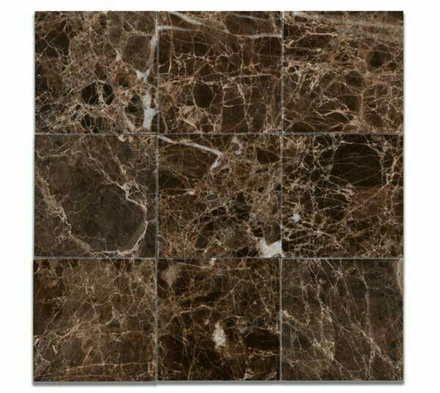
Emperador is one of the most recognized brown marbl in the world. It comes in two main types: Dark Emperador and Light Emperador.

  • Features bold white or golden veining

  • Works well in bathrooms, fireplaces, and accent walls

  • Often paired with beige or cream tones for balance

Because of its bold contrast and luxurious feel, Emperador is a favorite in high-end interiors.

2. Rainforest Brown Marble (India)

Rainforest Brown is truly unique. Its bold veining mimics tree branches, creating an organic, earthy feel.

  • Ideal for feature walls and artistic countertops

  • Highly decorative, with dramatic natural movement

  • Pairs well with modern or rustic designs

For those who want to make a statement, Rainforest Brown never fails to impress.

3. Dark Brown Fossil Marble (Morocco)

This marble contains visible fossil imprints, offering a one-of-a-kind natural pattern.

  • Adds texture and conversation-starting appeal

  • Perfect for commercial settings or feature pieces

  • Works well in earthy, nature-inspired designs

If you’re looking for something rare and distinctive, fossil marble is an excellent option.

How to Use Brown Marble in Design

Brown marble is versatile. It works in everything from minimalist kitchens to luxurious hotel lobbies. Here are a few smart ways to use it:

  • Flooring: Offers rich contrast in open spaces

  • Countertops: Add depth and warmth to kitchens and bathrooms

  • Accent walls: Create a dramatic, upscale backdrop

  • Fireplace surrounds: Enhances a cozy, elegant vibe

When paired with warm metals like brass or copper, brown marbl truly shines.

Farzin Rock Stone Company 

Brown Onyx Special wholesale price + analysis + sale offer

Yazd Brown Grey Marble

marble

Demanded Stones in Argentina

A Growing Industry

In recent years, the demand for high-quality stones in Argentina has surged, driven not only by domestic needs but also by strong international markets. From decorative stones used in construction to precious gems and minerals, Argentina offers a variety of stones prized for both their aesthetic and industrial value. In this article, we explore the most popular stones in Argentina and explain why they enjoy such high demand.Demanded Stones in Argentina

The Importance of Stone Mining in Argentina

Argentina’s stone mining industry plays a key role in the country’s economy. As one of South America’s largest producers of valuable stones used in architecture, landscaping, and jewelry, it holds a significant position in the region. Moreover, the industry continues to grow as international buyers seek Argentine stones for high-end projects. For example, the export of granite, marble, and quartz contributes substantially to Argentina’s economic performance.

1. Granite: A Versatile Favorite in Argentina

Granite ranks as one of the most popular stones in Argentina. Because of its durability and stunning appearance, builders and designers often choose it for demanding projects. Commonly, people use granite for countertops, flooring, and cladding. Notably, Argentina’s granite is known for its fine quality and wide color range, including blacks, blues, and reds. As a result, it works well for both residential and commercial applications.

Furthermore, as international demand for Argentine granite increases, countries like the United States and many in Europe incorporate it into high-end buildings. Thanks to its availability in different textures and finishes, Argentina competes successfully in the global market.

2. Marble: The Classic Stone of Elegance

Marble holds strong demand in Argentina, especially in the luxury market. Due to its elegance and timeless beauty, builders use it to create refined and lasting designs. Typically, marble appears in flooring, sculptures, and decorative details. In particular, marble from Mendoza and Córdoba stands out for its unique veining and color variations. It ranges from soft whites and creams to striking blacks, making it perfect for luxury projects.

Historically, marble has served as a symbol of sophistication in Argentina and plays an essential role in the country’s architectural heritage. Consequently, the demand for Argentine marble—both locally and internationally—continues to rise, ensuring its position as a top export product.

3. Quartz: A Modern Choice for Sustainable Design

Quartz has gained popularity as sustainability becomes a central focus in design and construction. Increasingly, designers and builders choose engineered quartz for countertops, backsplashes, and other interior elements. Because it offers durability, low maintenance, and diverse design options, quartz has earned a strong place in modern projects.

In recent years, both domestic and international markets have fueled quartz demand in Argentina. With the growing emphasis on eco-friendly building materials, quartz is likely to remain a popular, sustainable, and stylish alternative to traditional stones.

Farzin rock stone company 

Best Countries to Export Stones

marble

Demanded Stones in Brazil

Key Products and Markets

Brazil stands as one of the world’s largest producers and exporters of natural stones. The country offers a variety of stones for construction, design, and architecture. Granite, marble, and quartzite rank among the top choices. These stones attract high demand both in Brazil and across the globe. This article highlights the most popular stones and explains why buyers value them so highly.Demanded Stones in Brazil

Unveiling the Composition of Travertine Stone

The Role of Stone Mining in Brazil’s Economy

Stone mining plays a vital role in Brazil’s economy. The country leads the export of granite, marble, and quartzite. Builders and designers use these stones extensively in construction and interior design. Brazil produces diverse stone varieties in different colors and finishes, which buyers worldwide find highly desirable. The stone industry keeps expanding, adding value to both local and international markets.

1. Granite: A Durable and Stylish Choice

Granite remains one of the most popular stones in Brazil. Builders choose it for its strength, durability, and beauty. Brazilian granite comes in a range of colors, including white, black, blue, and green. People often use it for countertops, flooring, and facades.

International buyers, especially in the United States and Europe, place strong orders for Brazilian granite. Its exceptional quality and variety of finishes make it a leading option for high-end projects. Builders rely on granite for its long-lasting appeal and consistent performance.

2. Marble: The Elegant Option for Luxury Designs

Marble holds a steady demand in Brazil. Known for its timeless elegance, it appears in luxury construction projects across the country. Brazilian marble offers shades from classic white to rich browns and deep blacks. Architects and designers select marble for its beauty and sophistication.

Global markets continue to show interest in Brazilian marble. Its quality and distinctive veining give it a premium status for high-end projects. As luxury design grows in popularity, Brazilian marble will remain a preferred choice for upscale buildings and décor.

3. Quartzite: The Rising Star of Brazilian Stones

Quartzite has gained remarkable popularity in Brazil. This stone offers durability along with resistance to heat and scratches. Designers and builders install quartzite in countertops, flooring, and outdoor spaces. Its natural patterns and colors provide a stylish alternative to marble.

Demand for Brazilian quartzite keeps rising both locally and abroad. The United States and Europe rank among its most important markets. As more clients seek low-maintenance yet attractive stones, quartzite will likely keep advancing as a favorite option.

https://www.rockstone.biz/most-demanded-st…-in-saudi-arabia/

Farzin rock stone company 

Best Stones to Export

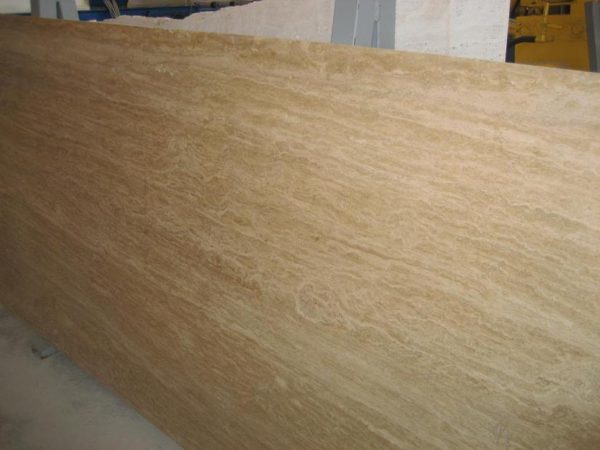
Yellow Travertine Floor

Demanded Stones in Mexico

A Growing Market

Mexico ranks among the top producers and exporters of natural stones worldwide. Thanks to its rich geological diversity, the country offers a wide range of stones—such as granite, marble, and onyx—that attract high demand both domestically and internationally. Moreover, buyers prize Mexican stones for their aesthetic appeal, durability, and versatility. In this article, we examine the most demanded stones in Mexico and explain their role in the global market.

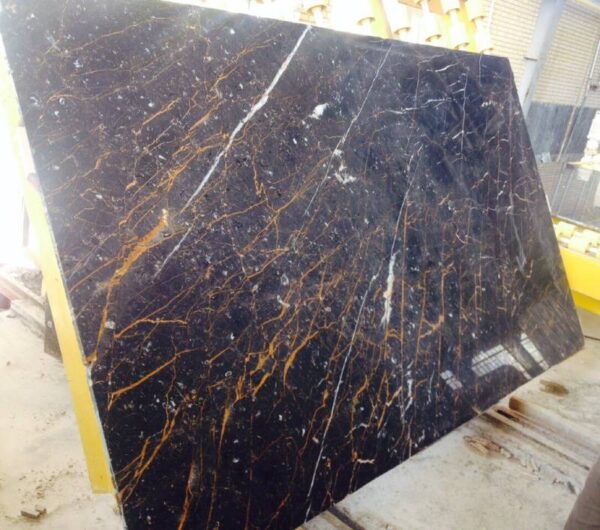
Black and yellow marble

The Importance of Stone Mining in Mexico’s Economy

Stone mining plays a significant role in Mexico’s economy. Because the country holds abundant natural resources, mining companies can extract and process various types of stone for multiple uses. As a result, builders and designers rely on Mexican granite, marble, and onyx for construction, interior design, and decorative applications. These materials appear in projects ranging from residential buildings to commercial structures and luxury homes.

Currently, Mexico’s stone industry continues to grow, and strong demand drives sales in both local and international markets. For example, countries like the United States, Canada, and several European nations import large volumes of Mexican stones. As global trends shift toward natural materials, high-quality Mexican stones are set to gain even more attention worldwide.

1. Granite: Durable and Versatile

Granite stands out as one of the most demanded stones in Mexico. Because of its strength, durability, and beauty, designers and builders value it for high-end projects. Mexican granite comes in a wide range of colors, including rich blacks, deep blues, and warm earth tones. Furthermore, its resistance to wear and tear makes it a reliable choice for countertops, flooring, and facades.

Over the past decade, global demand for Mexican granite has risen significantly. Buyers in North America and Europe often select it for luxury developments because it offers both exceptional quality and competitive pricing. With its durability and variety of finishes, granite continues to be a popular option for residential and commercial spaces.

2. Marble: The Elegant Choice for Luxury Projects

Marble holds a strong position in Mexico’s luxury market. Due to its classic elegance and versatility, architects and builders frequently choose it for upscale designs. Mexican marble offers fine texture and striking veining, which enhance flooring, countertops, and decorative features.

In addition, the country produces marble in a range of tones, from soft whites and creams to rich browns and deep blacks. Therefore, demand remains high both domestically and internationally. Ultimately, marble delivers timeless beauty and premium appeal, ensuring it will stay a preferred material for upscale designs.

3. Onyx: A Unique and Luxurious Stone

Onyx continues to gain traction as a luxury stone in Mexico. Not only does it offer translucent qualities, but it also provides bold visual impact. Designers often install onyx in countertops, lighting features, and wall coverings to create dramatic effects. Because it glows when backlit, it works perfectly for high-end interiors.

Moreover, Mexico supplies onyx in a wide range of shades, and international buyers recognize its premium quality. As demand for exclusive, visually striking materials grows, onyx maintains a strong position in luxury residential and commercial projects. Looking ahead, design trends that favor unique statement pieces will likely keep onyx in high demand.

https://www.rockstone.biz/demanded-stones-in-brazil

Best Stone for Export

Farzin rock stone company