A Complete Export Guide
Why Cold Weather Requires the Right Natural Stone
Building in cold climates requires materials that can withstand frost, snow, and temperature fluctuations. If the wrong stone is used, it may crack, absorb water, or lose its appeal. Therefore, selecting the best natural stone for cold weather ensures durability, safety, and long-term beauty.
Moreover, architects, contractors, and homeowners in colder regions look for stones that combine strength, low porosity, and weather resistance. Consequently, exporters and suppliers who focus on these qualities gain a competitive advantage in global trade.
Best Natural Stones for Cold Weather
1. Granite: The All-Weather Performer
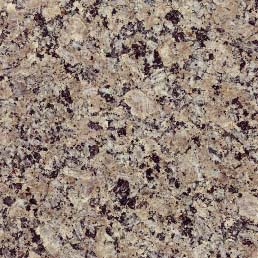
Granite remains one of the most reliable stones for cold climates. Its dense structure resists freezing and thawing cycles, reducing the risk of cracks. As a result, buyers prefer granite for driveways, exterior cladding, and kitchen countertops. Exporters who promote granite highlight both its durability and wide range of colors.
2. Slate: Resistant and Slip-Safe
Slate handles frost and snow exceptionally well because of its low water absorption. Its natural texture also provides slip resistance, which makes it ideal for roofing, pathways, and outdoor patios. In addition, slate adds a rustic, elegant look that appeals to both residential and commercial projects in cold regions.
3. Quartzite: Durable and Stylish
Quartzite combines strength, hardness, and resistance to temperature extremes. Homeowners use it in fireplace surrounds, floors, and decorative walls because it tolerates both heat and cold. Therefore, exporters can market quartzite as a premium choice that balances performance with beauty.
4. Sandstone: Practical with Sealing
Sandstone works well in cold climates when properly sealed. It resists frost damage and maintains its natural texture in paving, exterior walls, and landscaping projects. Consequently, exporters continue to see demand for sandstone in colder markets, especially where natural aesthetics matter.
5. Basalt: Strong and Weather-Proof
Basalt offers excellent density and resilience, making it suitable for road paving, cladding, and outdoor flooring. Its ability to resist cold weather and heavy use makes it a popular export stone for public projects in freezing climates.
Export Opportunities in Cold Regions
Countries with harsh winters—such as Canada, the United States, Northern Europe, and Russia—continue to invest in natural stone for construction and renovation. Furthermore, luxury housing, infrastructure development, and heritage restoration fuel steady demand.
How Exporters Can Succeed
To thrive in these markets, exporters should:
Promote frost-resistant and low-porosity stones.
Provide clear maintenance and sealing instructions.
Highlight sustainability, safety, and long-term performance.
In addition, maintaining a strong online presence with SEO-driven content helps exporters connect with architects, contractors, and distributors in cold regions.
Choosing the Best Natural Stone for Cold Weather
Overall, the best stones for cold weather include granite, slate, quartzite, sandstone, and basalt. Consequently, exporters who supply these materials can meet growing global demand in cold-climate regions. As a result, natural stone continues to stand out as a profitable, durable, and timeless solution for freezing environments.

 white crystal