Slate Stone Demand in India

Market Growth and Opportunities

Increasing Popularity of Slate in Indian Construction

The demand for slate stone in India is growing steadily, driven by urbanization, infrastructure development, and rising interest in durable and aesthetically appealing building materials. As a result, slate is widely used in roofing, flooring, wall cladding, and landscaping projects. Its natural durability, low maintenance requirements, and elegant appearance make it an ideal choice for residential, commercial, and heritage-style construction.

Moreover, architects and builders are increasingly using slate in luxury homes, hotels, and commercial spaces. Consequently, its natural resistance to weather, fire, and wear positions it as a superior alternative to synthetic building materials.

Slate stone

Key Factors Driving Slate Stone Demand

Sustainability and Eco-Friendly Construction

India is embracing sustainable and energy-efficient construction practices. Therefore, slate, being a natural and recyclable material, fits perfectly with eco-friendly building initiatives. Builders also choose slate to enhance longevity and reduce long-term maintenance costs, which appeals to both commercial and residential clients.

Growth in Urban Development and Renovation Projects

Furthermore, rapid urbanization and renovation of heritage buildings have significantly contributed to slate demand. Cities like Delhi, Mumbai, Bengaluru, and Jaipur show increasing interest in authentic slate roofing and decorative stonework. Slate’s premium look and long-lasting quality make it a preferred option for both modern and traditional designs.

Interior Design and Landscaping Applications

In addition, slate is gaining popularity in interior design and landscaping. From flooring and wall panels to outdoor patios and garden pathways, slate offers unique textures, natural colors, and a high-end finish. Thus, designers and homeowners increasingly select slate to elevate aesthetic appeal and property value.

Market Dynamics and Trade

India produces slate domestically in states like Rajasthan, Himachal Pradesh, and Uttarakhand, yet high-quality imported slate from Spain, Brazil, and China is also in demand. Meanwhile, online platforms and distributors make it easier for builders and architects to access premium slate varieties efficiently.

Major metropolitan areas exhibit the strongest demand, driven by commercial developments, residential projects, and luxury renovations. Consequently, suppliers targeting these urban centers can capitalize on India’s expanding slate market.

Future Outlook for Slate Stone in India

Expanding Applications in Modern Architecture

Although traditional roofing remains a primary use, interior decoration and landscaping are emerging as growth areas. High-end homes, hotels, and commercial spaces are increasingly incorporating slate for countertops, wall cladding, terraces, and decorative features.

Opportunities for Suppliers and Exporters

With India’s construction and renovation sectors growing, therefore, slate suppliers and exporters have excellent commercial potential. Highlighting durability, sustainability, and premium aesthetics can attract architects, builders, and designers seeking top-quality natural stone.

Conclusion: A Promising Market for Slate Stone in India

Overall, the Indian slate stone market is expanding rapidly due to urbanization, sustainable construction practices, and evolving design trends. Consequently, suppliers and exporters have strong opportunities to capture a growing market. As a result, slate is poised to remain a key material in India’s construction, interior design, and landscaping sectors.

Slate Stone Demand in China

Market Trends and Opportunities

Rising Popularity of Slate in China

The demand for slate stone in China is growing rapidly, largely due to urbanization, infrastructure expansion, and the rising interest in high-quality, durable construction materials. As a result, slate is widely used in roofing, flooring, wall cladding, and landscaping. Its combination of aesthetic appeal, durability, and eco-friendliness makes it a preferred choice for both residential and commercial projects.

Moreover, architects and builders are increasingly specifying slate for luxury developments and heritage-style renovations. Consequently, its natural resistance to fire, weather, and wear positions it as a superior alternative to synthetic materials.

Slate stone

Key Factors Driving Slate Stone Demand

Sustainable and Eco-Friendly Construction

China is placing greater emphasis on green building and sustainable urban development. Therefore, slate’s natural, recyclable, and environmentally friendly properties make it an ideal material for eco-conscious projects. Builders also use slate to meet national green construction standards and enhance building longevity.

Infrastructure and Urban Development

Furthermore, rapid urbanization and large-scale infrastructure projects have fueled demand for long-lasting, low-maintenance materials. Slate is particularly sought after for roofing, public buildings, and landscaping, where durability and visual appeal are essential.

Interior Design and Landscaping Applications

In addition, slate is gaining popularity in interior design and outdoor landscaping. From flooring and wall cladding to patios and garden pathways, its unique texture, varied colors, and premium finish enhance both residential and commercial spaces.

Market Dynamics and Trade

China imports high-quality slate from countries like Spain, Brazil, and India, while simultaneously increasing domestic quarry production to meet local demand. Meanwhile, digital marketplaces and online distribution channels have made it easier for architects, designers, and contractors to source premium slate products efficiently.

Major cities such as Beijing, Shanghai, and Guangzhou show the highest demand, especially in luxury residential construction and commercial development. Thus, suppliers targeting these regions can capitalize on significant growth opportunities.

Future Outlook for Slate Stone in China

Expanding Design Applications

Although roofing remains the primary use, interior decoration and landscaping are emerging as key growth areas. High-end projects are increasingly incorporating slate for countertops, wall panels, terraces, and decorative facades.

Opportunities for Suppliers and Exporters

With China’s construction and renovation sectors expanding, therefore, slate suppliers and exporters have substantial commercial potential. By emphasizing durability, eco-friendliness, and premium design, suppliers can attract builders, developers, and designers seeking high-quality natural stone.

Conclusion: A Growing Market for Slate Stone in China

Overall, the Chinese slate stone market is experiencing strong growth, driven by urbanization, sustainability initiatives, and evolving design trends. Consequently, suppliers and exporters have excellent opportunities to capture this expanding market. As a result, slate will continue to play a significant role in China’s construction and design landscape.

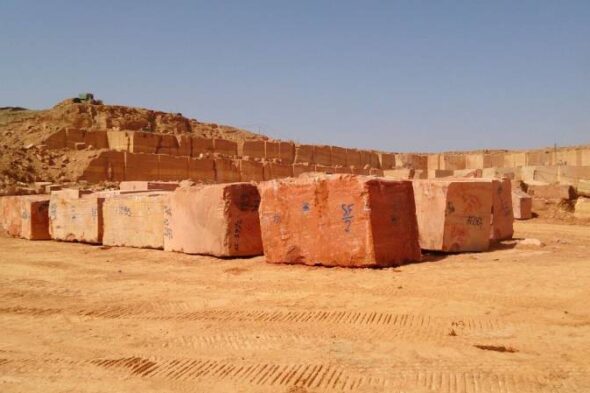
types of red travertine - iranian red travertine slabs and tiles

Slate Stone Demand in America

Trends and Market Opportunities

Growing Popularity of Slate in Construction and Design

The demand for slate stone in America is steadily increasing, driven by its durability, aesthetic appeal, and eco-friendly properties. Slate is widely used in roofing, flooring, landscaping, and interior design. Architects, builders, and homeowners prefer slate for its long-lasting quality, natural elegance, and low maintenance.

Regions such as the United States and Canada are seeing strong demand, particularly in high-end residential, commercial, and heritage restoration projects. Slate’s natural resistance to weather, fire, and wear makes it a superior choice compared to synthetic alternatives.

Slate stone

Key Factors Driving Slate Stone Demand

Sustainability and Eco-Friendly Construction

Environmental awareness is reshaping construction preferences in America. Slate is a 100% natural, recyclable, and environmentally friendly material, which aligns with the green building movement and LEED-certified projects. Builders increasingly choose slate to meet sustainability standards while delivering premium quality.

Renovation and Heritage Projects

America has a growing number of historical and heritage buildings that require authentic slate roofing and cladding. Renovation and restoration projects significantly contribute to slate demand, especially in northeastern states and urban centers where traditional architecture dominates.

Interior Design and Landscaping Trends

Beyond roofing, slate is becoming a popular choice for interior applications and landscaping. Slate countertops, wall cladding, patios, and outdoor walkways are in demand due to their unique texture, color variations, and natural elegance. The material’s versatility in both modern and rustic design projects drives commercial and residential adoption.

Market Dynamics and Trade

The United States sources slate from domestic quarries in Vermont, New York, and Pennsylvania, but also imports high-quality slate from Spain, Brazil, and India. The supply chain has grown more accessible through online distribution channels, allowing builders and designers to procure a wider variety of slate products.

High-end construction firms and luxury home builders increasingly prefer imported slate for its premium quality and aesthetic consistency. Meanwhile, domestic producers maintain strong demand for local projects, especially for roofing and large-scale commercial installations.

Future Outlook for Slate Stone in America

Expanding Applications

The use of slate is expanding beyond traditional roofing. Landscaping, interior flooring, and decorative applications are expected to drive the next wave of demand. Innovative designs and the growing trend of sustainable architecture will further boost adoption.

Opportunities for Suppliers and Exporters

Suppliers and exporters have significant opportunities in the American market. Highlighting durability, sustainability, and design flexibility will attract builders, architects, and homeowners. With rising construction and renovation activity, slate represents a high-margin, high-demand product in the North American market.

Conclusion: A Strong Market for Natural Slate

The American slate stone market is poised for growth, fueled by sustainability initiatives, renovation projects, and versatile design trends. For suppliers, exporters, and construction professionals, this is an excellent opportunity to capitalize on a premium natural material. As demand for eco-friendly and long-lasting materials increases, slate will continue to play a key role in America’s construction and design sectors.

https://www.rockstone.biz/how-to-clean-granite-to-stay-shiny/

marble company

Slate Stone Demand in Europe

Market Growth and Opportunities

Rising Popularity of Natural Stone Materials

In recent years, slate stone has become one of the most sought-after natural building materials in Europe. Known for its durability, timeless aesthetics, and eco-friendly characteristics, slate is widely used in roofing, flooring, cladding, and landscaping projects. The European construction and renovation sectors are increasingly prioritizing sustainable and long-lasting materials, and slate perfectly matches this demand.

Slate stone

Countries such as Germany, France, Spain, and the UK are driving market growth, as architects and homeowners alike prefer slate over synthetic alternatives. Its natural resistance to extreme weather conditions and low maintenance requirements make it an ideal choice for both modern and traditional projects.

Factors Driving Slate Stone Demand

Sustainability and Eco-Friendly Construction

Europe’s strict environmental policies and the push toward greener construction have accelerated the demand for slate. Unlike artificial materials, slate is 100% natural, recyclable, and energy-efficient in production, aligning perfectly with the EU’s sustainability goals.

Growth in Renovation Projects

The European housing market is witnessing a surge in renovation and restoration activities. Historical buildings, many of which originally used slate roofing, require authentic materials for repair. This has boosted demand not only for premium roofing slates but also for decorative applications.

Versatility in Design

Slate’s unique texture, wide range of colors, and ability to fit both rustic and contemporary styles make it a preferred material for architects and interior designers. From luxury hotels to residential landscaping, slate offers unmatched versatility, enhancing both aesthetics and property value.

Key Markets and Trade Dynamics

Spain remains the largest exporter of slate stone in Europe, supplying more than half of the continent’s roofing slate. Portugal and Wales also contribute significantly to the market. On the demand side, France, Germany, and the UK represent major importers due to their reliance on slate for heritage and modern construction.

The rise of e-commerce and digital supply platforms has also made it easier for buyers to source slate internationally, increasing competitiveness and product variety across the European market.

Future Outlook of Slate Stone in Europe

Growing Demand in Landscaping and Interiors

While roofing remains the primary use, demand for slate in interior design and landscaping is rapidly increasing. High-end projects now feature slate kitchen countertops, wall cladding, patios, and outdoor flooring due to its natural elegance and long lifespan.

Opportunities for Exporters and Suppliers

With Europe’s construction industry expected to expand steadily, suppliers and exporters of natural slate have significant opportunities. Marketing slate’s eco-credentials, durability, and premium look will be key to capturing new buyers and strengthening distribution networks across Europe.

Conclusion: A Promising Market for Natural Slate

The European demand for slate stone is on a strong upward trajectory, driven by sustainability goals, renovation trends, and design versatility. For suppliers, exporters, and construction companies, slate presents a lucrative and growing market opportunity. As both residential and commercial projects prioritize natural, long-lasting materials, slate will remain at the heart of Europe’s building and design sector.

https://www.rockstone.biz/did-water-stain-granite/

Demanded Stones in Europe

marble company

Slate Stone Exporters

Driving Global Trade in Natural Stone

Slate stone has become one of the most demanded natural stones worldwide. Known for its strength, durability, and elegant textures, slate is used in construction, interior design, and landscaping projects across many countries. As demand continues to grow, slate stone exporters play a vital role in connecting global buyers with high-quality materials.

Slate stone

Why Slate Stone Is in High Demand

Strength and Longevity

Slate stone is highly durable, resisting extreme weather, water, and heavy use. Because of this, it is a preferred choice for roofing, flooring, and outdoor paving. Exporters highlight this advantage to position slate as a reliable investment for international buyers.

Natural Beauty and Versatility

In addition, slate offers a wide variety of colors, including gray, black, green, and red. Its unique textures provide both rustic charm and modern elegance. Consequently, slate is popular among architects and designers who value natural aesthetics.

Sustainability and Eco-Friendly Profile

Moreover, slate is 100% natural and recyclable. Since many countries now focus on sustainable construction, exporters who promote slate as an eco-friendly solution attract more buyers and gain access to premium markets.

Key Global Markets for Slate Stone Exporters

Europe: A Traditional yet Modern Market

Europe has a long history of using slate, especially in roofing and flooring. Countries like Germany, France, Spain, and the UK remain major importers. Furthermore, the trend toward sustainable and stylish architecture ensures continuous demand for slate across the continent.

North America: Expanding Residential and Commercial Demand

The United States and Canada are strong markets for slate exporters. Builders and homeowners use slate for landscaping, kitchens, bathrooms, and luxury flooring. As a result, exporters supplying these markets benefit from consistent year-round demand.

Middle East and Asia-Pacific: Rapidly Growing Opportunities

In the Middle East, mega projects and luxury developments require large volumes of slate tiles and slabs. Meanwhile, China, India, and Japan are expanding markets, where slate is increasingly used in public spaces, commercial buildings, and modern housing projects. Exporters targeting these regions can secure significant long-term growth.

How Slate Stone Exporters Succeed

Delivering Quality and Certification

Global buyers demand certified products. Therefore, exporters who guarantee consistent quality, accurate sizing, and trusted certifications gain credibility and repeat business.

Offering Competitive Pricing and Logistics

In addition, exporters who provide fair pricing and efficient shipping solutions build stronger partnerships. Timely deliveries create trust and open doors to larger contracts.

Marketing Sustainability and Design Benefits

Finally, exporters who emphasize slate’s eco-friendly properties, timeless beauty, and durability appeal to premium buyers. Highlighting these benefits helps them stand out in competitive markets.

The Growing Role of Slate Stone Exporters

The global demand for slate stone continues to rise across construction, design, and landscaping sectors. Because of this, slate stone exporters hold a key role in supplying markets with high-quality, sustainable, and elegant products. Those who focus on quality assurance, competitive pricing, and eco-friendly marketing will strengthen their position and achieve long-term success in the international natural stone trade.

https://www.rockstone.biz/demand-basalt-in-germany/

buy iranian natural stone companies and suppliers for export from iran

Exporting Slate Stone

Opportunities and Global Market Demand

Slate stone has become one of the most popular natural stones in international trade. Because of its durability, beauty, and versatility, slate is highly valued in construction, interior design, and landscaping across the world. As global demand rises, the export of slate stone offers suppliers and traders excellent business opportunities.Exporting Slate Stone

Slate stone

Why Export Slate Stone?

Rising Global Demand

Countries in Europe, North America, the Middle East, and Asia-Pacific are actively importing slate for building and design projects. As a result, exporters who supply high-quality products can secure profitable contracts in multiple regions.

Versatility Across Industries

In addition, slate is used for roofing, flooring, cladding, countertops, and landscaping. Because of its wide range of applications, exporters benefit from consistent demand throughout the year.

Growing Preference for Natural Materials

Moreover, architects and homeowners increasingly prefer natural and sustainable materials. Slate aligns with this trend since it is durable, recyclable, and eco-friendly. Therefore, exporters who highlight slate’s environmental benefits can stand out in competitive markets.

Key Global Markets for Slate Stone

Europe: Tradition Meets Innovation

Europe has a long tradition of using slate, especially in roofing and flooring. Countries such as Germany, France, and the UK import large volumes of slate for both historic renovations and modern projects. Furthermore, the region’s emphasis on sustainable construction strengthens demand for natural stone.

North America: Strong Demand in Construction

The United States and Canada represent another major market for slate exports. Builders, landscapers, and homeowners choose slate for its strength, low maintenance, and timeless look. Consequently, demand remains steady in both residential and commercial sectors.

Middle East and Asia: Expanding Opportunities

In the Middle East, large-scale real estate and infrastructure projects create consistent demand for slate tiles and slabs. Meanwhile, China, India, and Japan continue to expand their use of slate in flooring, wall cladding, and luxury developments. As these regions grow, they present significant opportunities for exporters.

How Exporters Can Succeed in the Slate Market

Focus on Quality and Certification

International buyers demand reliable quality. Therefore, exporters must provide certified, high-grade slate with consistent color, texture, and durability.

Competitive Pricing and Logistics

In addition, offering competitive pricing and efficient shipping solutions gives exporters an advantage. Reliable logistics help build long-term relationships with buyers.

Marketing and Sustainable Positioning

Finally, exporters who promote slate as a sustainable, eco-friendly, and long-lasting material can capture premium markets. Highlighting environmental benefits appeals to architects and developers aiming for green building certifications.

Conclusion: Exporting Slate Stone for Growth

The export of slate stone continues to expand as global demand rises in construction, design, and landscaping. Because of its strength, beauty, and sustainability, slate remains a preferred material in many countries. Exporters who emphasize quality, reliability, and eco-friendly advantages will secure a strong position in international markets and achieve lasting growth.

https://www.rockstone.biz/slate-stone-exporters/

Best Stones to Export

rockstone company

Slate stone

Exporting Slate Stone

Opportunities and Global Market Demand

Slate stone has become one of the most popular natural stones in international trade. Because of its durability, beauty, and versatility, slate is highly valued in construction, interior design, and landscaping across the world. As global demand rises, the export of slate stone offers suppliers and traders excellent business opportunities. Exporting Slate Stone

Slate stone

Why Export Slate Stone?

Rising Global Demand

Countries in Europe, North America, the Middle East, and Asia-Pacific are actively importing slate for building and design projects. As a result, exporters who supply high-quality products can secure profitable contracts in multiple regions.

Versatility Across Industries

In addition, slate is used for roofing, flooring, cladding, countertops, and landscaping. Because of its wide range of applications, exporters benefit from consistent demand throughout the year.

Growing Preference for Natural Materials

Moreover, architects and homeowners increasingly prefer natural and sustainable materials. Slate aligns with this trend since it is durable, recyclable, and eco-friendly. Therefore, exporters who highlight slate’s environmental benefits can stand out in competitive markets.

Key Global Markets for Slate Stone

Europe: Tradition Meets Innovation

Europe has a long tradition of using slate, especially in roofing and flooring. Countries such as Germany, France, and the UK import large volumes of slate for both historic renovations and modern projects. Furthermore, the region’s emphasis on sustainable construction strengthens demand for natural stone.

North America: Strong Demand in Construction

The United States and Canada represent another major market for slate exports. Builders, landscapers, and homeowners choose slate for its strength, low maintenance, and timeless look. Consequently, demand remains steady in both residential and commercial sectors.

Middle East and Asia: Expanding Opportunities

In the Middle East, large-scale real estate and infrastructure projects create consistent demand for slate tiles and slabs. Meanwhile, China, India, and Japan continue to expand their use of slate in flooring, wall cladding, and luxury developments. As these regions grow, they present significant opportunities for exporters.

How Exporters Can Succeed in the Slate Market

Focus on Quality and Certification

International buyers demand reliable quality. Therefore, exporters must provide certified, high-grade slate with consistent color, texture, and durability.

Competitive Pricing and Logistics

In addition, offering competitive pricing and efficient shipping solutions gives exporters an advantage. Reliable logistics help build long-term relationships with buyers.

Marketing and Sustainable Positioning

Finally, exporters who promote slate as a sustainable, eco-friendly, and long-lasting material can capture premium markets. Highlighting environmental benefits appeals to architects and developers aiming for green building certifications.

Conclusion: Exporting Slate Stone for Growth

The export of slate stone continues to expand as global demand rises in construction, design, and landscaping. Because of its strength, beauty, and sustainability, slate remains a preferred material in many countries. Exporters who emphasize quality, reliability, and eco-friendly advantages will secure a strong position in international markets and achieve lasting growth.

https://www.rockstone.biz/exporting-slate-stone-2/

Best Stones to Export

Farzin Rock Stone Company

Slate Stone

A Durable and Elegant Choice for Modern Projects

Slate stone has earned a strong reputation as one of the most versatile and reliable natural stones. Known for its durability, beauty, and unique textures, slate is widely used in construction, interior design, and landscaping. Because of these qualities, the demand for slate stone continues to grow in both residential and commercial markets worldwide.

Slate stone

Why Choose Slate Stone?

Strength and Longevity

Builders and homeowners prefer slate because it withstands heavy use, harsh weather, and temperature changes. Unlike many other natural stones, slate does not crack easily, making it a smart long-term investment. Consequently, it remains one of the top choices for both flooring and roofing.

Natural Beauty and Versatility

In addition, slate offers a wide range of colors, from deep gray and black to green, red, and purple. Its textured surface adds elegance and character to any project. Designers often use slate in modern kitchens, bathrooms, and outdoor living spaces because it blends functionality with beauty.

Sustainability and Eco-Friendly Appeal

Moreover, slate is a natural, recyclable material. Since it requires minimal processing, it has a low environmental impact compared to artificial products. Therefore, slate is increasingly popular among eco-conscious architects and developers.

Main Applications of Slate Stone

Construction and Roofing

Slate has a long history as a reliable roofing material. Today, it is still valued for its ability to resist water, fire, and extreme weather. Furthermore, slate tiles and slabs are widely used for flooring, wall cladding, and staircases in residential and commercial buildings.

Interior Design and Decoration

Beyond construction, slate is a favorite in modern interior design. Homeowners choose slate for countertops, backsplashes, fireplaces, and shower walls. As a result, it adds both style and durability to indoor spaces.

Landscaping and Outdoor Spaces

In gardens and public areas, slate paving stones and tiles provide a natural and sophisticated look. Landscapers use slate for patios, pathways, and water features, creating elegant outdoor environments that last for decades.

Commercial Opportunities for Slate Suppliers

Growing Residential Demand

The housing sector continues to embrace slate for flooring, roofing, and interior decoration. Therefore, suppliers offering high-quality slate products can capture strong demand from homeowners and contractors.

Expansion in Luxury Projects

Hotels, resorts, and premium office buildings often specify slate in their designs. Because it combines elegance with strength, slate enhances the image of luxury spaces. Consequently, this segment offers profitable opportunities for suppliers.

Increasing Focus on Sustainability

Eco-friendly construction is a major global trend. Since slate is natural and long-lasting, it perfectly aligns with green building certifications. Suppliers who emphasize the sustainable benefits of slate gain a competitive edge in the marketplace.

Slate Stone as a Strategic Material

The demand for slate stone is rising across construction, design, and landscaping industries. Because of its durability, beauty, and eco-friendly profile, slate remains a strategic material for modern projects. Therefore, suppliers who provide consistent quality and highlight its sustainable advantages will secure growth in both local and international markets.

https://www.rockstone.biz/demand-for-basalt-stone-in-russia/

Best Stones to Export

basalt stone

Demand for Basalt Stone in Russia

Rising Demand for Basalt Stone in Russia

Russia has become one of the fastest-growing markets for basalt stone. Because of its strength, durability, and modern appearance, basalt perfectly matches the country’s construction and industrial needs. As a result, demand for basalt in Russia continues to rise, driven by infrastructure projects, urban development, and sustainable building trends.

basalt stone

Why Basalt Stone Is Popular in Russia

Durability for Harsh Climates

Russia faces extreme conditions, from freezing winters to hot summers. Therefore, builders prefer basalt because it withstands snow, ice, and temperature shifts without losing strength. Unlike softer stones, basalt remains durable, making it ideal for roads, pavements, and long-term infrastructure.

Aesthetic Value for Modern Designs

In addition, Russian architects appreciate basalt’s dark, stylish tones. They often use basalt tiles and cladding panels in luxury apartments, offices, and cultural projects. Consequently, the stone delivers both modern appeal and long-lasting performance.

Sustainability and Eco-Friendly Choice

Moreover, sustainability is becoming more important in Russia’s construction sector. Since basalt is a natural and recyclable material, it supports eco-conscious building initiatives. Developers who prioritize green practices increasingly turn to basalt instead of synthetic materials.

Main Applications of Basalt in Russia

Construction and Infrastructure

Basalt plays a major role in Russia’s infrastructure expansion. Roads, bridges, railways, and residential complexes all rely on basalt for strength and durability. Furthermore, its cost efficiency makes it a smart option for large-scale government projects.

Landscaping and Public Spaces

Urban development across Moscow, St. Petersburg, and Kazan highlights another trend. City planners choose basalt for squares, pedestrian zones, and gardens because it handles heavy use while maintaining elegance. As a result, basalt is shaping the look of modern Russian cities.

Industrial and Engineering Uses

Beyond construction, basalt has important industrial uses. Basalt fibers and aggregates are applied in engineering, automotive, and defense industries. Consequently, demand extends far beyond architecture, creating opportunities across multiple sectors.

Opportunities for Basalt Suppliers in Russia

Expanding Housing Market

Private homeowners are also fueling demand. More families want basalt for flooring, countertops, and outdoor paving. Therefore, suppliers offering stylish residential products can capture this growing segment.

Large-Scale Government Projects

Russia continues to fund massive infrastructure programs. As a result, demand for basalt in roads, airports, and new urban districts will keep expanding. International suppliers that highlight reliability and volume capacity can win large contracts.

Import Opportunities

Although Russia produces basalt locally, imports remain vital. In fact, rising demand often exceeds domestic supply. Consequently, high-quality and competitively priced basalt products from global suppliers enjoy a strong position in the Russian market.

Conclusion: Russia as a Strategic Market for Basalt

The demand for basalt in Russia is accelerating across multiple sectors, from construction to engineering. Because basalt combines strength, beauty, and sustainability, it aligns with Russia’s long-term development goals. Therefore, suppliers who deliver consistent quality and promote eco-friendly solutions will find Russia to be a profitable and strategic market for expansion.

https://www.rockstone.biz/exporting-slate-stone/

Demand basalt in Germany

Growing Demand for Basalt Stone in Germany

Germany stands out as one of the largest markets for natural stone in Europe. Among the different types available, basalt stone has gained significant popularity because of its durability, strength, and elegant design possibilities. The demand for basalt in Germany continues to rise, driven by construction projects, sustainable building practices, and innovative architectural trends.

basalt stone

Why Germany Prefers Basalt Stone

Strength and Durability

German builders and architects favor basalt because it withstands heavy use and extreme weather conditions. Unlike softer stones, basalt maintains its appearance and structural integrity for decades. Consequently, it is widely chosen for roads, pavements, and public infrastructure projects.

Modern Aesthetic

In addition, basalt’s dark gray to black tones match Germany’s preference for minimalist and modern architecture. Designers often use basalt tiles and cladding panels to create elegant façades, stylish interiors, and contemporary landscaping projects.

Sustainability and Eco-Friendly Choices

Germany places strong emphasis on sustainability. As a natural material, basalt aligns perfectly with eco-conscious building practices. More developers adopt basalt because it supports green construction goals and reduces environmental impact compared to synthetic alternatives.

Main Applications of Basalt in Germany

Construction and Infrastructure

Basalt is essential in Germany’s construction industry. Contractors use it for paving stones, flooring, cladding, and countertops. Infrastructure projects, including bridges, highways, and public buildings, also rely on basalt for long-term performance.

Landscaping and Urban Development

German cities invest heavily in modern public spaces. As a result, basalt cobblestones and slabs appear in plazas, pedestrian zones, and gardens across the country. The stone’s durability ensures it can handle high foot traffic while preserving a refined look.

Industrial and Engineering Uses

Beyond construction, basalt aggregates and fibers play a role in engineering, road building, and advanced composites. German industries value these applications because they combine strength with cost efficiency.

Opportunities for Basalt Suppliers in Germany

Rising Demand in Residential Projects

Homeowners in Germany increasingly prefer natural materials for their houses. Basalt tiles, countertops, and outdoor paving solutions are gaining popularity in modern residential design.

Expansion of Sustainable Building Programs

Government initiatives promoting eco-friendly construction create new opportunities for basalt suppliers. Companies that highlight the sustainable benefits of basalt gain a competitive edge.

Growing Imports of Natural Stone

Although Germany produces natural stone locally, imports continue to grow. International suppliers of basalt can enter the German market by focusing on high-quality, certified, and sustainably sourced products.

Germany as a Key Market for Basalt

The demand for basalt in Germany shows no signs of slowing down. With its strength, modern appeal, and eco-friendly profile, basalt meets the needs of both private homeowners and large construction firms. Suppliers who target Germany with reliable quality and sustainable solutions will find excellent growth opportunities in this competitive market.

https://www.rockstone.biz/slate-stone-demand-in-europe/

what is stone basalt