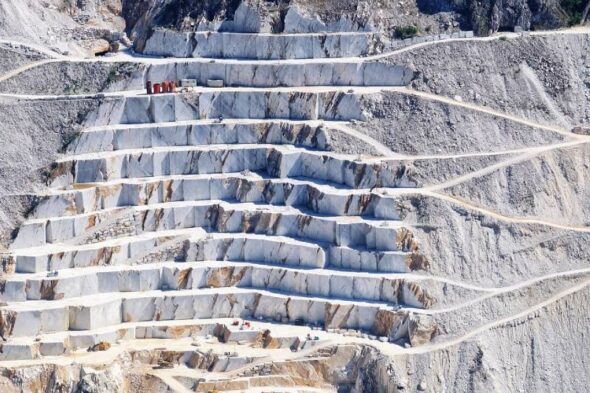
Unveiling the Composition of Travertine Stone

Best Natural Stone for Floor

A Complete Buyer’s Guide

Why Natural Stone Flooring Is in High Demand

Flooring is one of the most important design choices in any home, office, or commercial project. Natural stone flooring offers durability, elegance, and timeless appeal, making it a preferred choice for architects, designers, and homeowners. Moreover, each type of stone comes with unique qualities such as hardness, color, and texture that influence its suitability for different spaces.
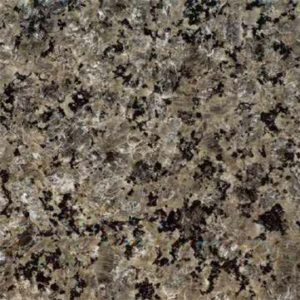
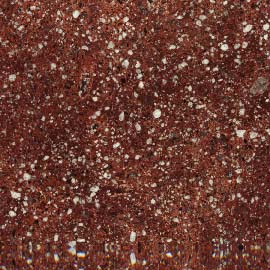
Chocolate Granite
Chocolate Granite

Consequently, choosing the best natural stone for floors depends on functionality, budget, and desired aesthetics. Exporters and suppliers who understand these needs can provide the right solutions for global buyers.

Best Natural Stones for Flooring

1. Granite: The Most Durable Choice

Granite is one of the hardest natural stones, making it highly resistant to scratches, heat, and heavy use. It works well in kitchens, hallways, and commercial areas where durability is essential. Therefore, exporters market granite as a long-lasting and low-maintenance flooring solution for both residential and commercial projects.

2. Marble: Luxury and Elegance

Marble stands as the symbol of luxury and sophistication. Its unique veining and polished finish make it ideal for living rooms, lobbies, and luxury interiors. However, marble requires sealing and regular care to prevent stains. As a result, it is best suited for buyers who value beauty and are willing to invest in maintenance.

3. Travertine: Warm and Natural Appeal

Travertine offers earthy tones and a soft, natural look. Its slip-resistant surface makes it perfect for bathrooms, patios, and poolside flooring. In addition, travertine stays cool underfoot, which is beneficial in warm climates. Exporters often promote it as a versatile stone for both indoor and outdoor floors.

4. Slate: Slip-Resistant and Durable

Slate combines durability with natural slip resistance, making it a popular choice for kitchens, outdoor flooring, and high-traffic areas. Its variety of colors and textured finish add character to any space. Consequently, slate appeals to buyers who want both function and aesthetics in flooring.

5. Limestone: Soft Elegance for Interiors

Limestone brings a subtle, elegant appearance to interiors. It works well in bedrooms, dining areas, and light-traffic spaces. However, it is softer than granite or slate, requiring sealing and careful maintenance. Therefore, exporters promote limestone as a premium choice for stylish yet gentle flooring solutions.

Export Opportunities in Natural Stone Flooring

The demand for premium stone flooring continues to rise in Europe, North America, the Middle East, and Asia. Buyers seek stones that balance durability, elegance, and cost-effectiveness. Furthermore, offering custom finishes like polished, honed, or brushed increases market potential.

How Exporters Can Succeed

Suppliers should:

  • Highlight durability and maintenance requirements for each stone.

  • Offer a wide selection of finishes and cuts.

  • Promote stones as eco-friendly, long-lasting flooring options.

In addition, SEO-driven marketing helps exporters reach global buyers searching for best natural stone flooring, durable granite floors, and marble flooring suppliers.

Conclusion: Choosing the Best Natural Stone for Floors

Overall, the best natural stones for flooring include granite, marble, travertine, slate, and limestone. Consequently, each offers unique benefits, from granite’s durability to marble’s elegance and travertine’s natural warmth. As a result, buyers and exporters who match the right stone to the right space can achieve both long-term value and timeless beauty.

https://www.rockstone.biz/best-type-of-nat…stone-for-export/
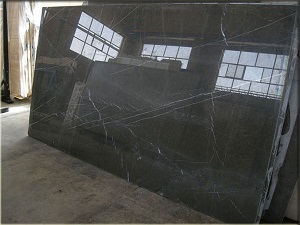
Natural honey onyx stone price

rockstone company

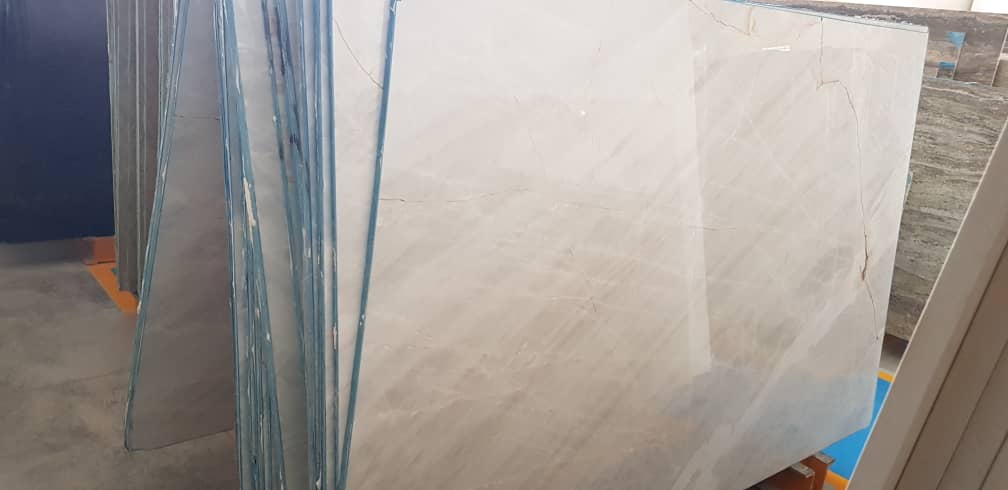
Pietra Grey Marble

Best Stone for Outdoor Use

A Guide for Buyers and Exporters

Why Choosing the Right Outdoor Stone Matters

Selecting the right stone for outdoor projects is crucial for durability, safety, and long-term beauty. Outdoor surfaces face weather, UV exposure, moisture, and heavy foot traffic, making it important to use stones that can withstand these challenges. Moreover, using the wrong stone can lead to cracks, fading, or high maintenance costs, reducing the value of landscaping, patios, or exterior cladding.

red granite

Consequently, exporters and suppliers focus on offering high-quality, weather-resistant stones that perform well in various climates, from tropical to cold regions.

Top Stones for Outdoor Use

1. Granite: Durable and Weather-Resistant

Granite is one of the most durable natural stones, making it ideal for outdoor use. Its hardness, low porosity, and resistance to heat and frost ensure long-lasting performance. Buyers use granite for driveways, garden paths, patios, and exterior cladding. As a result, exporters promote granite as a premium choice for both residential and commercial outdoor projects.

2. Slate: Slip-Resistant and Elegant

Slate offers natural slip resistance and excellent weather durability, making it perfect for pool areas, patios, and roofing. Its textured surface and earthy tones add elegance to outdoor spaces. In addition, slate withstands frost, rain, and UV exposure, which ensures long-lasting performance.

3. Travertine: Stylish and Cool Underfoot

Travertine provides warm, natural tones and remains cool underfoot, which is ideal for hot climates. Architects and homeowners use it in pool decks, terraces, and garden paths. Consequently, its durability and aesthetic appeal make travertine a top choice for luxury outdoor spaces.

4. Sandstone: Natural and Versatile

Sandstone offers texture, slip resistance, and natural beauty, making it ideal for landscaping, paving, and exterior walls. Proper sealing enhances its weather resistance, ensuring it withstands rain, sun, and frost. Therefore, sandstone remains popular for projects that require both function and style.

5. Basalt: Strong and Heavy-Duty

Basalt is a dense volcanic stone known for its strength and resilience. Builders use it in road paving, exterior flooring, and high-traffic areas. As a result, basalt is highly valued in both industrial and decorative outdoor projects.

Export Opportunities for Outdoor Stone

The demand for outdoor stone continues to grow in residential, commercial, and infrastructure projects. Countries in Europe, North America, Asia, and the Middle East import large quantities of granite, slate, travertine, sandstone, and basalt for driveways, patios, pool surrounds, and landscaping. Furthermore, offering custom cuts, finishes, and installation guidance enhances export potential.

How Exporters Can Succeed

Suppliers should:

  • Provide a variety of weather-resistant stones suitable for different climates.

  • Highlight durability, slip resistance, and aesthetic versatility.

  • Offer finishing options like flamed, honed, or brushed surfaces.

In addition, SEO-focused marketing helps exporters reach architects, landscapers, and contractors searching for best outdoor stone, weather-resistant paving stone, and durable natural stone.

Conclusion: Choosing the Best Stone for Outdoor Projects

Overall, granite, slate, travertine, sandstone, and basalt are among the best natural stones for outdoor use. Consequently, buyers and exporters who focus on these durable, weather-resistant stones can ensure long-lasting, aesthetically pleasing outdoor projects. As a result, natural stone remains the preferred choice for patios, gardens, and exterior architecture worldwide.

https://www.rockstone.biz/best-natural-sto…or-humid-weather/

rockstone company

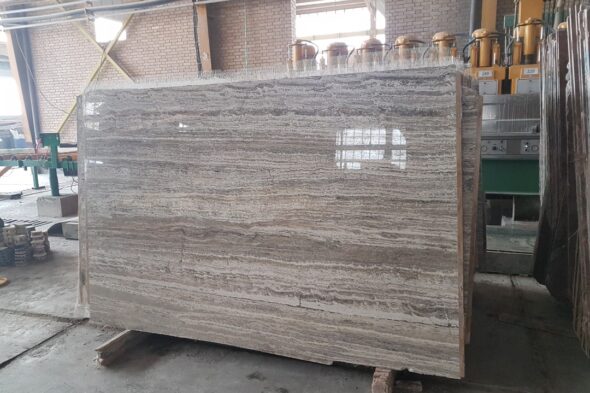
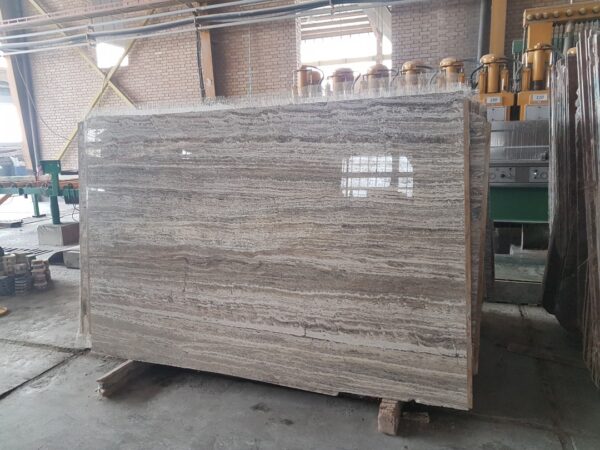
silver travertine

Natural Stone in Building Facades

Advantages of Using Natural Stone in Building Facades

Natural stone has always been one of the most desirable materials in architecture due to its timeless beauty, strength, and natural performance. According to a report published on ArchDaily, the use of natural stone in building facades can reduce indoor temperature by up to 4°C. This natural cooling effect not only improves thermal comfort but also lowers energy consumption, making buildings more sustainable and cost-effective in the long term. With its elegant appearance and practical benefits, natural stone remains an excellent choice for modern and traditional architecture alike. Natural Stone in Building Facades.

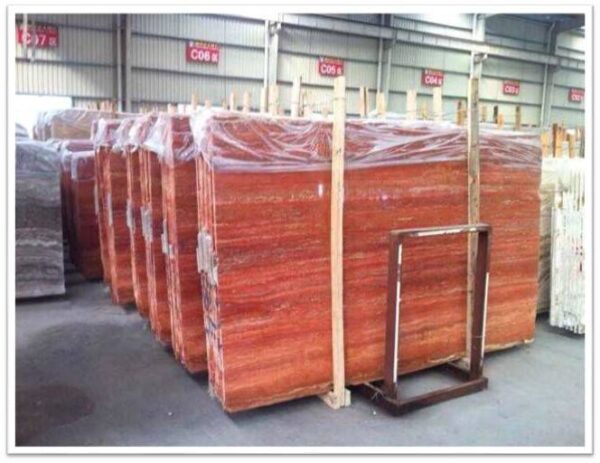
Red travertine
Red travertine
  1. Thermal and Energy Efficiency Benefits

One of the most important advantages of natural stone is its excellent thermal insulation properties. Stone facades can act as a natural barrier against heat, helping to maintain a stable indoor temperature throughout the year. During hot seasons, they reduce heat gain, and in cold weather, they help retain warmth inside. This contributes to significant energy savings by reducing the need for air conditioning and heating systems. As energy efficiency becomes a key factor in sustainable construction, natural stone facades offer a simple yet highly effective solution for eco-friendly building design.

  1. Aesthetic and Design Flexibility

Beyond performance, natural stone offers unmatched aesthetic appeal. Each piece of stone has its own unique color, pattern, and texture, giving architects and designers endless creative possibilities. From classic marble to contemporary granite or travertine, natural stone can complement any architectural style. Its ability to blend with glass, wood, or metal also allows for innovative façade compositions. Whether you are designing a luxury villa, a commercial building, or a public structure, natural stone adds character, elegance, and a sense of permanence that few materials can match.

  1. Durability and Sustainability

Natural stone is one of the most durable materials available in construction. It resists weathering, UV rays, moisture, and temperature fluctuations, ensuring that facades remain beautiful and functional for decades. Unlike synthetic materials, stone does not fade or degrade easily, which reduces maintenance costs over time. Moreover, since stone is a natural and recyclable material, it contributes to environmentally responsible building practices. Choosing locally sourced stone can further reduce transportation emissions and environmental impact.

Conclusion: Why Natural Stone is the Smart Choice

Combining aesthetics, performance, and sustainability, natural stone facades represent an ideal investment for any architectural project. They enhance visual appeal, improve energy efficiency, and offer long-lasting durability. If you’re planning to design a modern, eco-friendly, and visually stunning building, consider natural stone as your primary façade material.

https://www.rockstone.biz/best-stone-for-outdoor-use/

Best Stones for Facades

Farzin Rock Stone Company 

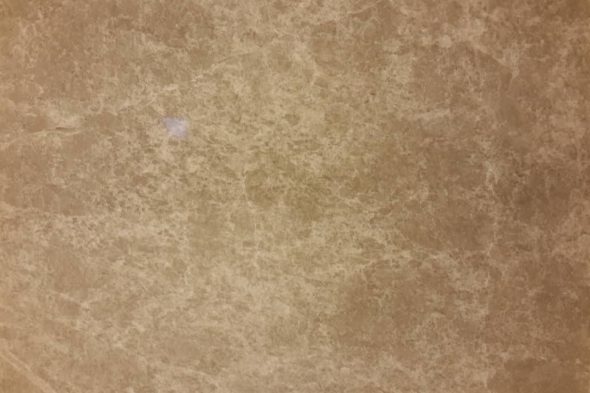
very-light-brown-marble

Why Marble Is Mostly Used Indoors

A Complete Guide

The Unique Properties of Marble

Marble is one of the most elegant natural stones in the world. Its luxurious appearance, smooth texture, and wide range of colors make it a favorite for architects, designers, and homeowners. However, marble requires special handling due to its softness and sensitivity. Consequently, it is primarily used in indoor applications, where it can maintain its beauty over time.

panda Marble

Moreover, marble’s porosity and vulnerability to environmental factors make outdoor use challenging. Exporters and suppliers often recommend indoor installations to ensure durability, safety, and long-term aesthetics.

Why Marble Performs Better Indoors

1. Porosity Makes It Vulnerable Outdoors

Marble contains tiny pores that absorb water. When exposed to rain, snow, or humidity, water seeps into these pores and can cause staining, cracking, or surface erosion. Therefore, designers prefer marble for indoor flooring, walls, and countertops, where it avoids excessive moisture.

2. Sensitivity to Acidic Substances

Marble reacts with acidic liquids like lemon juice, vinegar, or acid rain, which can etch and dull its surface. As a result, outdoor environments, which often expose marble to acidic elements, are not ideal. Indoors, it maintains a polished finish and elegant look with minimal damage.

3. Temperature Fluctuations Can Cause Damage

Marble expands and contracts with temperature changes. In outdoor climates, this can lead to cracks or fractures over time. In contrast, indoor temperatures are more stable, preserving marble’s structural integrity. Consequently, indoor installations prevent costly repairs and maintain long-lasting performance.

4. High Maintenance Requirements

Marble requires regular sealing, cleaning, and protection from stains. Outdoor use increases maintenance demands because exposure to dust, rain, and pollution accelerates wear. Therefore, homeowners and designers prefer indoor use, where maintenance is easier and more manageable.

5. Luxury and Aesthetic Considerations

Marble’s elegance and smooth finish make it ideal for interiors like living rooms, bathrooms, staircases, and countertops. Moreover, indoor settings allow designers to showcase marble’s beauty in polished or honed finishes, which may not last outdoors. As a result, marble retains its status as a premium indoor material.

Export Opportunities for Indoor Marble

Countries around the world import marble primarily for indoor projects. Markets in Europe, North America, and the Middle East prefer marble for flooring, countertops, decorative walls, and luxury interiors. Furthermore, exporters can differentiate their products by offering pre-polished finishes, custom cuts, and installation guidance for indoor use.

How Exporters Can Succeed

Suppliers should:

  • Promote marble as an indoor-only luxury stone.

  • Provide maintenance tips and sealing instructions.

  • Highlight its aesthetic value, polishability, and durability indoors.

In addition, strong SEO content helps exporters reach architects, interior designers, and homeowners searching for premium indoor marble, marble flooring, and polished marble countertops.

Conclusion: Why Marble Shines Indoors

Overall, marble’s porosity, sensitivity to acids, temperature expansion, and maintenance needs make it best suited for indoor applications. Consequently, architects, designers, and homeowners worldwide use it for luxury interiors, countertops, and flooring. As a result, marble continues to stand out as a timeless and elegant indoor stone.

https://www.rockstone.biz/best-type-of-marble-for-export/

rockstone company

The Most Vulnerable Natural Stone

A Guide for Buyers and Exporters

Why Some Natural Stones Are Vulnerable

Natural stone is prized for its beauty and elegance, but not all stones can withstand heavy use, moisture, or acidic environments. For architects, builders, and exporters, understanding which stones are vulnerable helps avoid damage, high maintenance costs, and customer dissatisfaction.

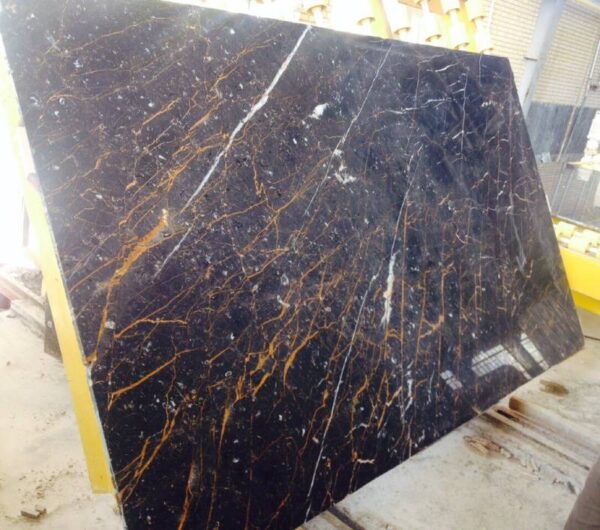
Golden black marble

Moreover, vulnerable stones require careful handling, sealing, and protective treatments, especially when used in kitchens, bathrooms, outdoor areas, or high-traffic commercial spaces. Consequently, knowing their weaknesses allows exporters to guide clients and highlight proper usage.

The Most Vulnerable Natural Stones

1. Marble: Soft and Acid-Sensitive

Marble is renowned for its luxurious appearance but remains one of the softest and most sensitive stones. Its high calcium content makes it vulnerable to acidic substances, scratches, and stains. As a result, architects use marble mainly in low-traffic areas, decorative features, and polished interiors. Exporters advise sealing and careful maintenance to protect its elegance.

2. Limestone: Porous and Easily Stained

Limestone absorbs water and oils more easily than harder stones. It is prone to staining, erosion, and surface damage in humid or high-use areas. Therefore, buyers often choose limestone for facades, flooring, or decorative wall panels but require sealing and periodic care. Exporters highlight its aesthetic appeal while cautioning about vulnerability.

3. Travertine: Soft and Porous

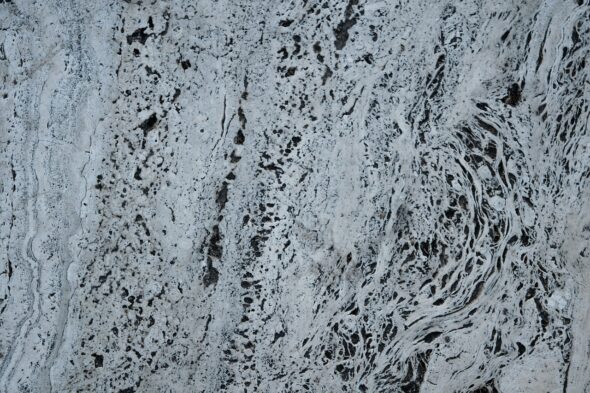
Travertine has a distinctive porous texture, making it vulnerable to moisture and acidic substances if untreated. Consequently, designers use it mainly for flooring, wall cladding, and light-traffic spaces, and recommend filling or sealing cavities before installation. Exporters often include care instructions to maintain its natural beauty.

4. Onyx: Delicate and Scratch-Prone

Onyx offers luxurious translucency and vibrant colors, but it is extremely soft and fragile. It scratches, chips, and stains easily. As a result, onyx is best used in feature walls, decorative panels, and low-contact applications. Exporters often highlight its premium aesthetic while warning clients about careful handling.

5. Soapstone: Soft and Sensitive to Impact

Soapstone has a smooth, silky surface but is prone to scratches and dents. While it resists chemicals, it cannot handle heavy impact. Therefore, buyers choose it for countertops, sinks, and decorative surfaces, with proper maintenance and occasional refinishing to restore its appearance.

Export Opportunities for Vulnerable Stones

Vulnerable stones remain in demand for luxury interiors, decorative applications, and high-end design projects. Markets in Europe, North America, and the Middle East continue to import marble, onyx, and travertine for aesthetic-focused projects. Furthermore, educating clients about care and protective treatments strengthens supplier credibility.

How Exporters Can Succeed

Suppliers can thrive by:

  • Offering a variety of vulnerable stones with finishing options.

  • Providing detailed care, sealing, and maintenance instructions.

  • Highlighting their luxury and aesthetic value despite vulnerabilities.

In addition, strong SEO-driven marketing attracts architects, designers, and distributors searching for marble suppliers, decorative onyx, and premium limestone.

Conclusion: Choosing the Right Vulnerable Natural Stone

Overall, marble, limestone, travertine, onyx, and soapstone are among the most vulnerable natural stones. Consequently, buyers and exporters must handle them carefully, provide protective treatments, and educate clients. As a result, these stones continue to offer unmatched elegance and luxury while requiring proper care to maintain their beauty.

https://www.rockstone.biz/best-natural-sto…for-cold-weather/

Can You Seal Marble

rockstone company

The Most Resistant Natural Stone

A Guide for Buyers and Exporters

Why Resistance Matters in Natural Stone

Natural stone is prized for its beauty, durability, and versatility, but not all stones withstand wear, weather, and heavy use equally. For architects, builders, and exporters, selecting the most resistant natural stone ensures long-lasting performance, reduced maintenance, and excellent value.

Green-Marble

Moreover, resistant stones work well in both interior and exterior applications, including flooring, countertops, paving, and landscaping. Consequently, understanding which stones excel in durability helps suppliers target high-demand markets globally.

The Most Resistant Natural Stones

1. Granite: Strength and Durability

Granite is widely recognized as one of the hardest and most resistant stones. Its dense composition resists scratches, heat, and moisture, making it ideal for kitchen countertops, commercial flooring, and exterior cladding. As a result, exporters often market granite as a premium solution for both residential and commercial projects.

2. Basalt: Heavy-Duty and Long-Lasting

Basalt is a volcanic stone with exceptional density and strength. Builders use it for road paving, industrial flooring, and architectural features that demand durability. In addition, its resistance to weathering and wear makes it a reliable choice for outdoor applications in harsh climates.

3. Quartzite: Hard and Elegant

Quartzite combines marble-like aesthetics with granite-level hardness. It withstands scratching, acid, and temperature fluctuations, making it perfect for high-traffic flooring, countertops, and exterior walls. Consequently, quartzite appeals to buyers who want a balance of elegance and performance.

4. Slate: Durable and Slip-Resistant

Slate offers excellent resistance to water, frost, and heavy use. Its natural texture also provides slip resistance, making it suitable for roofing, outdoor paving, and pool areas. Therefore, exporters promote slate as both practical and visually appealing for a variety of projects.

5. Basalt-Enhanced Marble

While marble is naturally softer, certain densely compacted or treated marbles can resist wear better than standard varieties. These types are used in luxury flooring and decorative features where both durability and aesthetics are required. As a result, high-end projects often select treated marble to combine elegance with resilience.

Export Potential for Resistant Stones

Resistant natural stones see strong global demand, especially in high-traffic residential, commercial, and industrial projects. Markets in North America, Europe, Asia, and the Middle East continue to import granite, basalt, quartzite, and slate for both interior and exterior use.

How Exporters Can Succeed

Suppliers can thrive by:

  • Offering a range of high-durability stones.

  • Highlighting resistance to scratches, weather, and heavy use.

  • Providing finishing options such as polished, honed, or flamed surfaces.

In addition, strong SEO-driven marketing helps exporters reach buyers searching for resistant natural stone, durable countertops, or long-lasting flooring solutions.

Conclusion: Choosing the Most Resistant Natural Stone

Overall, granite, basalt, quartzite, slate, and treated marble rank among the most resistant natural stones. Consequently, buyers and exporters who select these materials can guarantee long-lasting performance, aesthetic appeal, and customer satisfaction. As a result, these stones remain top choices for demanding construction and design projects worldwide.

https://www.rockstone.biz/the-most-vulnerable-natural-stone/

rockstone company

buy iranian natural stone companies and suppliers for export from iran

Different Types of Slate Stone

A Complete Guide for Buyers and Exporters

Why Slate Stone Is in High Demand

Slate stone stands as one of the most versatile natural stones in the world. Known for its strength, weather resistance, and elegant appearance, it is used in roofing, flooring, wall cladding, and landscaping projects. Moreover, its durability and unique textures make it highly attractive for both local markets and international export.

Slate stone

Therefore, understanding the different types of slate stone helps architects, builders, and exporters choose the best variety for each project.

Main Types of Slate Stone

1. Black Slate

Black slate is one of the most popular varieties, widely used in roofing, flooring, and countertops. Its deep, elegant color makes it perfect for both modern and traditional architecture. Consequently, exporters market black slate as a premium product for luxury homes and commercial projects.

2. Green Slate

Green slate offers a fresh, natural look that blends beautifully with outdoor landscapes. Builders use it for garden pathways, wall cladding, and decorative flooring. In addition, green slate’s durability ensures long-lasting performance in both interior and exterior projects.

3. Grey Slate

Grey slate is valued for its neutral tones and classic appearance. It suits a wide range of applications, from roof tiles to paving and wall panels. Therefore, exporters highlight grey slate as a versatile product for both contemporary and traditional designs.

4. Red Slate

Red slate provides a striking, warm color that adds character to any space. Architects often use it in facades, decorative flooring, and landscaping. As a result, red slate attracts buyers looking for natural stone that combines durability with unique visual appeal.

5. Purple Slate

Purple slate delivers a bold and luxurious aesthetic, making it popular in high-end architectural projects. Its rare color enhances wall cladding, flooring, and design accents. Consequently, purple slate often commands higher demand in export markets.

6. Multicolor Slate

Multicolor slate displays vibrant patterns with shades of gold, green, and rust. This type is perfect for feature walls, outdoor flooring, and decorative surfaces. Moreover, exporters promote multicolor slate as a premium choice for designers seeking natural beauty with a unique style.

Export Opportunities for Slate Stone

Global demand for slate continues to rise in construction, interior design, and luxury projects. Countries in Europe, North America, and Asia import slate in large quantities for both residential and commercial use. Furthermore, slate’s eco-friendly qualities add to its growing popularity in sustainable construction.

How Exporters Can Succeed

Exporters should:

  • Offer a variety of slate types with different colors and finishes.

  • Provide customized cutting, polishing, and treatment options.

  • Highlight slate’s durability, slip resistance, and long-term performance.

In addition, digital marketing with strong SEO strategies helps exporters reach buyers searching for slate suppliers, roofing slate, or decorative slate stone.

Conclusion: Choosing the Right Slate Stone

Overall, slate stone comes in many types, including black, green, grey, red, purple, and multicolor. Consequently, each variety serves different purposes, from functional roofing to luxury interior design. As a result, exporters who promote slate’s versatility and natural beauty can meet the growing global demand for this timeless stone.

https://www.rockstone.biz/best-natural-stone-for-floor/

basalt stone

Different Types of Basalt

A Complete Guide for Export and Construction

Why Basalt Is in High Demand

Basalt is one of the most widely used volcanic stones in the global market. Known for its strength, density, and durability, it plays a vital role in both infrastructure and luxury projects. Moreover, its natural resistance to weather, fire, and heavy loads makes it highly valuable in construction, paving, and architectural design.

Consequently, understanding the different types of basalt allows buyers, architects, and exporters to choose the right stone for each project.

Main Types of Basalt

1. Crushed Basalt

Crushed basalt is widely used in road construction, rail ballast, and concrete production. Its hardness and angular shape provide stability and strength. Therefore, exporters supply crushed basalt in bulk for infrastructure and industrial projects worldwide.

2. Pumice Basalt

Pumice basalt forms when lava cools quickly, trapping air bubbles inside. This creates a lightweight and porous texture. Industries use it in abrasives, lightweight blocks, and insulation materials. In addition, pumice basalt’s low density makes it ideal for reducing structural weight in modern buildings.

3. Columnar Basalt

Columnar basalt is easily recognized by its hexagonal column formations, created through slow cooling of lava. Architects and designers use it in landscaping, decorative cladding, and unique architectural projects. As a result, columnar basalt is highly sought after for premium export markets.

4. Basalt Fiber

Basalt fibers are produced by melting basalt rock into fine threads. These fibers serve as reinforcement in concrete, composites, and automotive parts. Consequently, basalt fiber represents a modern and eco-friendly alternative to glass or carbon fibers in advanced industries.

5. Black Basalt

Black basalt is dense, durable, and elegant, often used in flooring, paving, and countertops. Its deep natural color provides a sleek and contemporary look for luxury homes and commercial spaces. Therefore, exporters highlight black basalt as a premium stone for modern architecture and high-end landscaping.

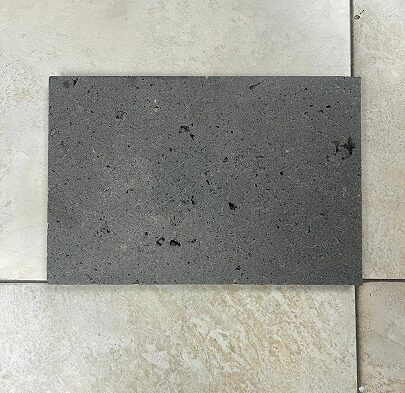
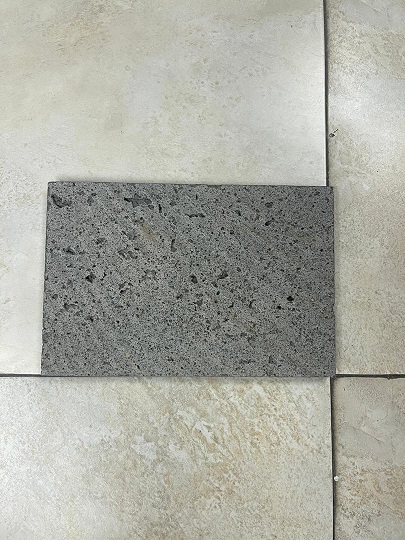
6. Vesicular Basalt

Vesicular basalt contains visible holes created by trapped gas bubbles during lava cooling. Builders use it in lightweight blocks, landscaping, and decorative applications. In addition, its unique texture adds natural beauty to exterior and garden projects.

Export Potential of Basalt

Basalt’s versatility ensures steady global demand. Countries in Asia, the Middle East, Europe, and North America import large quantities for both infrastructure and design purposes. Furthermore, its eco-friendly image strengthens its role in sustainable construction.

How Exporters Can Succeed

To capture these markets, exporters should:

  • Offer both industrial-grade and decorative basalt.

  • Highlight basalt’s eco-friendly, durable, and cost-effective properties.

  • Provide different finishes such as polished, flamed, or honed for architectural needs.

Moreover, strong SEO-driven marketing helps exporters reach international buyers searching for basalt suppliers, black basalt paving, or basalt fiber solutions.

Conclusion: Choosing the Right Type of Basalt

Overall, basalt comes in many types, including crushed basalt, pumice basalt, columnar basalt, basalt fiber, black basalt, and vesicular basalt. Consequently, each type serves unique purposes, from infrastructure to luxury design. As a result, exporters who promote the right variety can succeed in meeting growing global demand for basalt stone.

https://www.rockstone.biz/why-marble-is-mostly-used-indoors/

rockstone company

Gray Ash Limestone

Different Types of Limestone

A Guide for Buyers and Exporters

Why Limestone Is in High Demand

Limestone stands as one of the most versatile natural stones in the global market. Known for its durability, elegance, and wide range of applications, it is used in construction, architecture, landscaping, and interior design. Moreover, its natural beauty and availability make it a top choice for both local projects and international exports.

Consequently, understanding the different types of limestone helps buyers, architects, and exporters choose the right material for every project.

Popular Types of Limestone

1. Chalk Limestone

Chalk is a soft and porous type of limestone, usually white or light grey. Builders use it in cement production and soil treatment. Therefore, exporters often supply chalk limestone to industries that require bulk raw materials.

2. Travertine Limestone

Travertine forms through mineral deposits near hot springs, giving it a unique texture with natural cavities. Its warm tones and earthy appearance make it ideal for flooring, wall cladding, and outdoor spaces. In addition, exporters market travertine as a premium stone for luxury residential and commercial projects.

3. Fossiliferous Limestone

This type of limestone contains visible fossils of marine organisms, making it both decorative and historically valuable. Architects use it in facades, monuments, and unique design features. As a result, fossiliferous limestone appeals to projects that emphasize natural history and aesthetics.

4. Oolitic Limestone

Oolitic limestone is made up of tiny spherical grains called ooids. It has a fine, uniform texture and is easy to cut. Builders commonly use it in decorative facades, paving, and cladding. Consequently, it has strong demand in both domestic and export markets.

5. Lithographic Limestone

Lithographic limestone is dense and fine-grained, historically used for printing lithographs. Today, it is valued for flooring and polished surfaces. Therefore, exporters highlight its smooth finish and durability when promoting it to global buyers.

6. Coquina Limestone

Coquina is a soft, porous stone made of shell fragments. It is often used in landscaping, decorative walls, and garden projects. In addition, coquina offers a natural, coastal look, making it popular in sunny regions and resort developments.

Export Potential of Limestone

Global demand for limestone continues to rise in construction, luxury design, and infrastructure projects. Countries in Asia, the Middle East, and Europe import large volumes for both industrial use and high-end projects. Furthermore, light-colored limestones are especially popular in modern architecture, while fossil-rich and textured varieties attract luxury buyers.

How Exporters Can Succeed

To succeed in limestone exports, suppliers should:

  • Offer a variety of limestone types to meet diverse market needs.

  • Provide finishing options like polished, honed, or tumbled surfaces.

  • Highlight sustainability and long-term performance.

Moreover, SEO-driven marketing strategies help exporters connect with architects, designers, and distributors searching for premium limestone suppliers.

Conclusion: Choosing the Right Limestone

Overall, limestone comes in many types, including chalk, travertine, fossiliferous, oolitic, lithographic, and coquina. Consequently, each variety serves different purposes, from industrial use to luxury design. As a result, exporters who understand and promote these differences can tap into the growing global demand for natural limestone.

https://www.rockstone.biz/different-types-of-basalt/

rockstone company

Best Natural Stone for Sunny Weather

A Guide for Exporters and Buyers

Why Sunny Weather Requires Special Stone Choices

Regions with intense sunlight and high heat demand building materials that resist fading, expansion, and heat retention. The wrong stone can lose its color, crack, or become uncomfortable to walk on under direct sun. Therefore, choosing the right natural stone for sunny climates ensures both performance and beauty.

Gray Ash Limestone

Moreover, architects and homeowners in hot, sunny regions seek stones that combine durability, heat resistance, and light reflection. Consequently, exporters and suppliers who understand these requirements can meet growing demand in the Middle East, Southern Europe, North Africa, and tropical countries.

Best Natural Stones for Sunny Weather

1. Travertine: Cool and Comfortable

Travertine remains one of the most popular stones for sunny weather. Its porous surface naturally reflects heat, keeping floors cooler underfoot. As a result, homeowners prefer travertine for pool decks, patios, and outdoor flooring. Exporters highlight travertine’s timeless elegance and ability to perform well in hot climates.

2. Limestone: Light and Heat-Resistant

Limestone offers light tones that reflect sunlight, reducing surface heat. It also provides a smooth, elegant finish, making it ideal for facades, flooring, and garden pathways. In addition, limestone’s natural beauty appeals to both traditional and modern architecture, making it a strong export product for sunny regions.

3. Granite: Durable Under Harsh Sunlight

Granite withstands intense heat and UV exposure without losing color or strength. Buyers use it in countertops, outdoor kitchens, and building exteriors. Therefore, exporters often market granite as a versatile, all-weather stone that performs well in both hot and cold climates.

4. Sandstone: Natural and Non-Slip

Sandstone’s textured surface makes it safe for outdoor use, even in direct sunlight. It resists heat buildup and works well in landscaping, garden paths, and exterior cladding. Consequently, sandstone remains a reliable option for sunny regions where natural aesthetics matter.

5. Marble: Premium with Proper Care

Marble, when treated and maintained, performs well in sunny climates. Its light shades reflect sunlight, making it suitable for luxury outdoor spaces, wall cladding, and decorative elements. As a result, exporters continue to find strong demand for marble in luxury markets of the Middle East and Mediterranean countries.

Export Opportunities in Sunny Regions

Demand for heat-resistant stones continues to grow in countries with hot climates, especially in residential villas, resorts, and commercial developments. Furthermore, architects seek natural stone that combines beauty, sustainability, and durability to meet rising expectations in these regions.

How Exporters Can Succeed

To capture these opportunities, exporters should:

  • Offer light-colored, heat-reflective stones.

  • Provide finishing and sealing guidance for long-term performance.

  • Highlight cooling benefits and aesthetic versatility.

In addition, digital marketing with SEO-optimized content helps exporters connect with architects, builders, and distributors in sunny-weather markets.

Conclusion: Choosing the Best Natural Stone for Sunny Weather

Overall, the best natural stones for sunny climates include travertine, limestone, granite, sandstone, and marble. Consequently, exporters who supply these materials can meet global demand in hot, sunny regions. As a result, natural stone continues to deliver both durability and timeless beauty, making it a profitable choice for sunny-weather construction.

https://www.rockstone.biz/best-type-of-travertine-for-export/

rockstone company