
When it comes to designing the heart of your home, the kitchen floor plays a vital role. It must handle high foot traffic, resist spills, and stay stylish over time. That’s why many homeowners choose stone tiles for their kitchen floor—offering both beauty and durability. But with so many options available, which one is best Best Price for Travertine Tiles
Why Choose Stone Tiles for Kitchen Flooring?
Stone tiles are a smart investment for kitchens. Not only do they offer long-lasting performance, but they also add timeless appeal to your space. In fact, natural stone instantly upgrades your home’s value and aesthetics.
Benefits of Using Stone in the Kitchen:
Highly durable – Withstands heat, spills, and heavy traffic
Easy to clean – Great for busy families and cooking enthusiasts
Naturally beautiful – Adds texture, color, and elegance
Available in various styles – Matches modern, rustic, or classic kitchens
Eco-friendly and sustainable – A natural, recyclable material
Because kitchens are high-use areas, choosing the right stone tile matters. The best options combine function with visual appeal—giving you a floor that looks great and lasts for decades.
Top 4 Best Stone Tiles for Kitchen Floors
Although there are many stone types, some perform better in kitchen settings than others. Below are the top stone tiles that balance durability, design, and ease of maintenance.
1. Slate: Textured and Slip-Resistant
Slate is one of the most popular stone options for kitchens. It has a naturally textured surface, which provides excellent slip resistance—especially important in areas prone to spills.
Why Choose Slate:
Durable and moisture-resistant
Dark tones hide dirt and stains
Works well with rustic and modern styles
Best for: Busy kitchens, especially in cooler or humid climates.
2. Travertine: Warm and Inviting
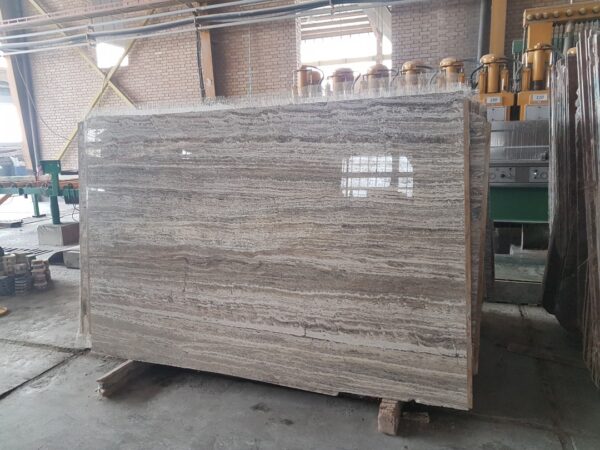
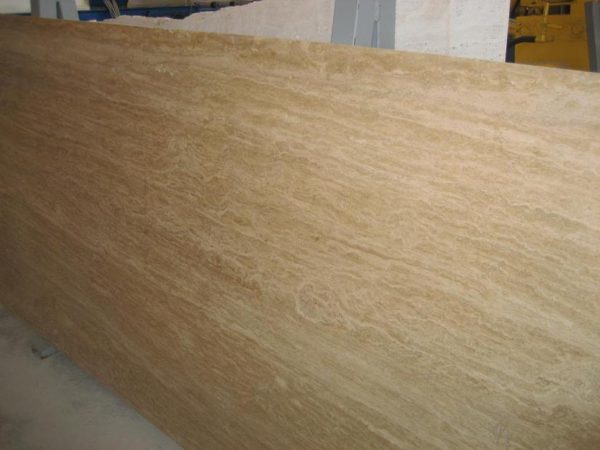
Travertine is a type of limestone known for its soft, warm tones. When sealed properly, it becomes a durable and stylish option for kitchen floors.
Advantages:
Comfortable underfoot
Timeless, earthy aesthetic
Available in honed, tumbled, or brushed finishes
Best for: Mediterranean-style or farmhouse kitchens.
3. Granite: Extremely Durable and Sleek
Granite is a great choice if you want both beauty and toughness. It resists heat, scratches, and staining when sealed, making it ideal for active kitchens.
Why It Works:
Highly durable and low-maintenance
Wide range of colors and natural patterns
Great for contemporary kitchens
Best for: High-traffic areas and modern home designs.
4. Marble: Elegant Yet Practical
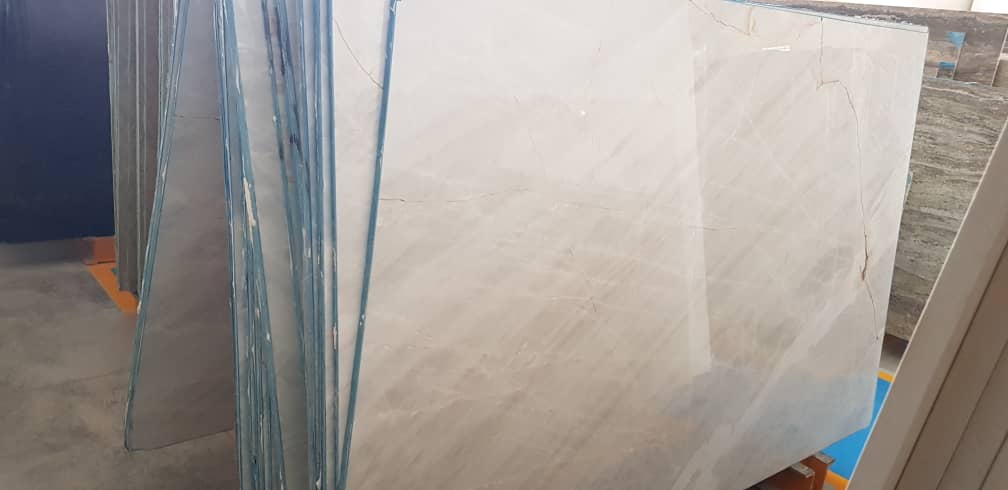
Marble brings a luxurious touch to kitchen flooring. While it’s slightly softer than other stones, proper sealing can protect it from stains and wear.
Key Benefits:
Polished, upscale appearance
Ideal for light, open kitchen layouts
Adds value to high-end properties
Best for: Elegant or classic kitchen designs.
How to Choose the Right Stone Tile
Before selecting, consider your lifestyle and kitchen usage. For example, if you cook often and worry about spills, go for textured stones like slate or honed travertine. On the other hand, if you prioritize elegance, marble or polished granite may be better.
Additionally, make sure your stone tile is sealed regularly to extend its life and protect its finish.
Final Thoughts: A Floor That Works as Hard as You Do
Ultimately, the best stone tiles for kitchen floors blend function, beauty, and strength. Whether you prefer the earthy warmth of travertine, the durability of granite, or the charm of slate, stone flooring is a timeless choice. So, invest wisely—and enjoy a kitchen that’s as reliable as it is refined.
https://www.rockstone.biz/how-to-prevent-s…es-from-cracking/

 white crystal