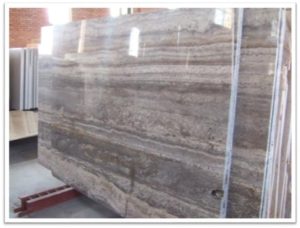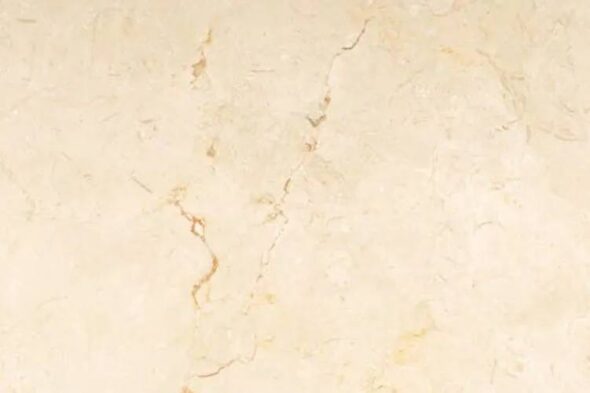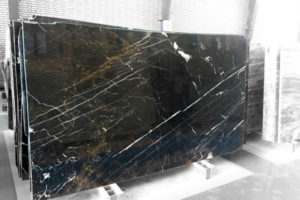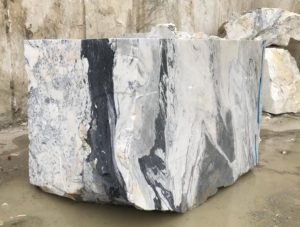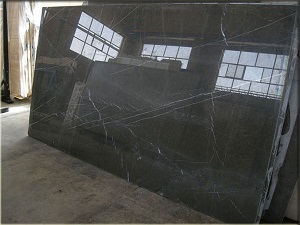
granite stone

Exporting Travertine to America

A Growing Opportunity for International Suppliers

Travertine, a popular natural stone used in both residential and commercial projects, is in high demand in the United States. As construction, landscaping, and interior design industries continue to thrive, exporting travertine to America presents a lucrative opportunity for international suppliers. In this guide, we’ll explore how you can successfully export travertine to the U.S., from understanding market trends to logistics.
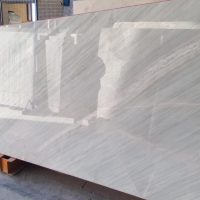
white Christal marble

Why is Travertine Popular in the U.S.?

Travertine’s appeal lies in its natural beauty, versatility, and durability. The stone’s unique texture and wide range of colors, from beige to golden tones, make it a popular choice for flooring, countertops, and outdoor applications. Some key reasons why travertine is favored in the U.S. include:

  • Aesthetic Appeal: Its natural look complements various design styles, from modern to traditional.
  • Durability: Travertine is known for its strength, making it suitable for both indoor and outdoor applications, even in high-traffic areas.
  • Sustainability: As a natural stone, travertine is an environmentally friendly choice for sustainable building projects.

How to Export Travertine to the U.S.

If you’re looking to tap into the American market, there are several steps you must take to ensure a successful export operation. Here are some key tips for exporting travertine to the U.S.:

1. Understand Market Demands

Before exporting, it’s essential to understand the specific needs of the U.S. market. Travertine is especially popular in:

  • Residential Projects: Homeowners often choose travertine for flooring, patios, and bathroom surfaces due to its elegance and versatility.
  • Commercial Construction: Architects and builders use travertine in high-end commercial spaces, including hotels, malls, and office buildings.
  • Landscaping: Due to its durability and attractive appearance, travertine is also commonly used in landscaping for pathways, pool areas, and garden features.

By understanding these key applications, you can tailor your marketing and product offerings to meet American demand.

2. Ensure Quality and Compliance

U.S. regulations require imported stones to meet specific quality and safety standards. Ensure that your travertine meets the following:

  • Certification and Documentation: Ensure your travertine is sourced from reputable quarries and has the necessary certification, including compliance with the U.S. import regulations.
  • Quality Assurance: High-quality, consistent cuts and finishes are crucial in meeting the demands of U.S. buyers. Consider obtaining international quality certifications to assure your customers of the product’s reliability.

3. Logistics and Shipping

Efficient logistics are key to a successful export operation. To ship travertine to the U.S., consider the following:

  • Choose Reliable Shipping Partners: Select a trusted shipping company that has experience handling natural stone exports. Proper packaging is essential to prevent damage during transit.
  • Understand Import Duties and Taxes: Be aware of any duties, taxes, or customs procedures associated with importing travertine into the U.S. Partnering with a freight forwarder or customs broker can help navigate the complexities of U.S. import regulations.

Marketing Your Travertine to U.S. Customers

Once you’ve sorted the logistics, the next step is to market your travertine to potential U.S. buyers. Some effective strategies include:

  • Build an Online Presence: Having a website with detailed product information, high-quality images, and pricing can attract American buyers. SEO optimization will help your website rank higher on Google when U.S. customers search for travertine.
  • Attend Trade Shows: Participate in trade shows and events such as Coverings or The International Surface Event (TISE) in the U.S. to connect with potential buyers.
  • Partner with Distributors: Work with U.S.-based distributors who specialize in natural stone products. They can help you reach a broader market and navigate the complexities of the U.S. stone industry.

https://www.rockstone.biz/best-market-for-basalt-stone/
https://www.rockstone.biz/most-exported-stones-to-europe/

Exporting Granite to China

Farzin rock stone company 

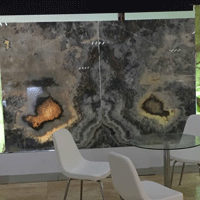
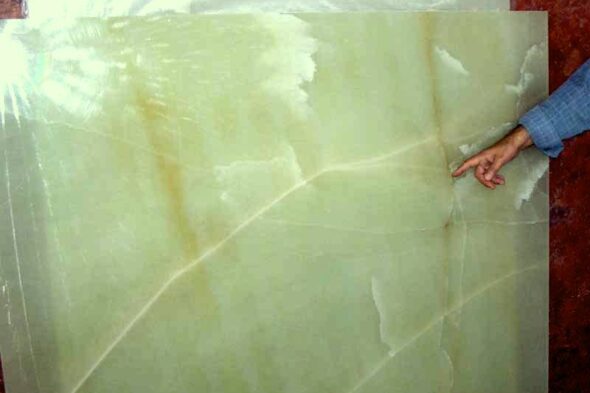
green onyx is very unique one

Exporting Onyx to America

Unlocking Opportunities for International Suppliers

Onyx, a luxurious and stunning natural stone, has become a sought-after material for high-end architectural and design projects. As a result, demand for unique and elegant materials is growing in the U.S., and exporting onyx to America presents an exciting opportunity for international suppliers. In this guide, we’ll walk you through the key steps for successfully exporting onyx to the U.S.

smoky-onyx

Why Onyx is in High Demand in the U.S.

Onyx stands out for its striking colors, translucency, and rich veining patterns, making it ideal for high-end interior and exterior applications. Because of these qualities, it continues to gain popularity in the U.S. market.

Luxury Appeal: Onyx is synonymous with elegance and sophistication, making it a preferred choice for luxury residential and commercial projects.
Versatility: Whether used for countertops, flooring, wall cladding, or decorative accents, onyx’s versatility and beauty make it a go-to stone for architects and designers.
Unique Aesthetic: Each onyx slab is one-of-a-kind, offering a natural variation that appeals to those seeking unique and custom stone features.

Steps for Exporting Onyx to the U.S.

Successfully exporting onyx to the U.S. involves understanding the market, ensuring compliance with regulations, and managing logistics efficiently. With that in mind, here’s a breakdown of the key steps to follow:

1. Know the U.S. Market and Demand for Onyx

Before exporting, it’s essential to understand the specific demand for onyx in the U.S. market. In particular, onyx is sought after for:

  • High-End Residential Projects: Homeowners and designers often choose onyx for luxurious bathroom vanities, kitchen countertops, and feature walls.

  • Commercial Projects: High-end hotels, restaurants, and office buildings also use onyx for custom features such as reception desks, bar tops, and flooring.

  • Architectural and Decorative Features: Onyx’s striking appearance makes it ideal for statement pieces in interior design, such as backlit panels, sculptures, and mosaic tiles.

2. Ensure Quality Compliance and Certification

To succeed in the U.S. market, your onyx must meet the required quality standards and legal regulations. Therefore, you should:

  • Quality Control: Source your onyx from reputable quarries with consistent color and quality. U.S. buyers appreciate slabs that are treated, polished, and cut to perfection.

  • Certification: Obtain certifications that meet U.S. import standards, including environmental or safety approvals when necessary. In many cases, architectural and commercial buyers will not proceed without documented quality assurance.

3. Manage Logistics and Shipping

Efficient logistics are essential for a smooth export process. Consequently, when shipping onyx to the U.S., consider these key factors:

  • Packaging: Onyx is fragile, so proper packaging is crucial to prevent damage during transport. Use protective materials like foam, wooden crates, and shrink wrap.

  • Choose a Reliable Freight Forwarder: Partner with an experienced freight forwarder who understands the complexities of shipping onyx, including customs clearance, duties, and import documentation.

  • Understand Import Taxes and Duties: Be aware of any import taxes or tariffs that may apply. In addition, a customs broker can guide you through these regulations efficiently.

Marketing Your Onyx to U.S. Buyers

To successfully penetrate the U.S. market, you must market your onyx effectively. For this reason, consider these strategies:

1. Create a Strong Online Presence

Build a professional website showcasing your onyx products with high-quality images, detailed descriptions, and sourcing information. Moreover, optimize your site with SEO techniques so that U.S. customers can easily find you when searching for onyx suppliers.

2. Participate in Trade Shows and Networking Events

Trade shows such as The International Surface Event (TISE) in Las Vegas offer a fantastic platform to connect with U.S. buyers, distributors, and designers. By attending, you can establish relationships and grow your customer base.

3. Partner with U.S. Distributors

Collaborating with established distributors and retailers in the U.S. can expand your reach and streamline the selling process. Ultimately, this partnership approach allows you to focus on production while your U.S. partners handle sales and distribution.

https://www.rockstone.biz/exporting-travertine-to-america/

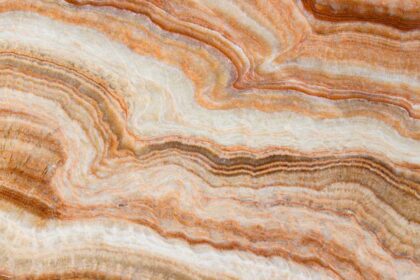
Natural honey onyx stone price

Farzin Rock stone company

Most Exported Stones to Europe

A Key Guide for Global Suppliers

Europe is one of the largest markets for natural stone, with a consistent demand for high-quality materials used in construction, landscaping, and interior design. As a result, exporting stones to Europe offers a highly profitable business opportunity. In this guide, we’ll explore the most exported stones to Europe, their key applications, and tips for suppliers who want to expand their market presence.

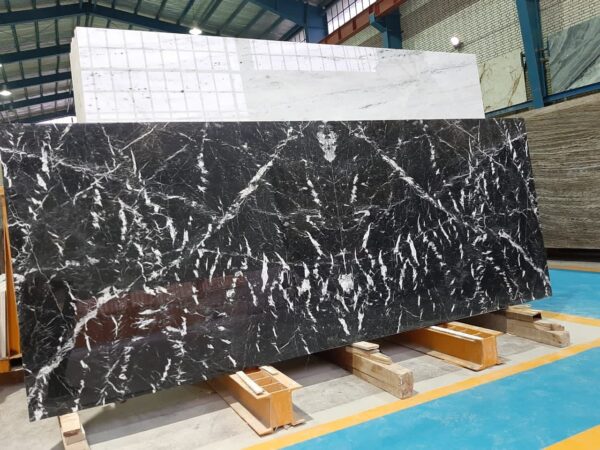
Black and Gold Marble

Most Exported Stones to Europe

Several types of stone dominate the European import market, with countries sourcing a wide variety of materials for diverse construction and design projects. The most commonly exported stones include granite, marble, limestone, and sandstone.

1. Granite

Granite ranks as the most exported stone to Europe because of its unmatched strength, durability, and versatility. Moreover, this stone serves both residential and commercial projects, including countertops, flooring, and exterior cladding. It withstands harsh weather conditions and heavy wear, making it suitable for both indoor and outdoor settings.

Applications: Countertops, flooring, facades, monuments
Benefits: Exceptional durability, scratch- and heat-resistant, available in diverse colors and patterns

2. Marble

Marble also enjoys strong demand in Europe. Known for its timeless elegance and luxury appeal, marble frequently appears in high-end interior projects such as flooring, countertops, and wall cladding. Because of its natural beauty and aesthetic value, it remains a top choice for luxury buildings and homes.

Applications: Countertops, flooring, decorative accents, sculptures
Benefits: Luxurious look, wide variety of colors, perfect for high-end projects

3. Limestone

Limestone attracts buyers with its natural appearance and affordability. In particular, it finds use in landscaping, exterior facades, and building walls. Its earthy tones and workable texture appeal to European architects and designers seeking a versatile, durable, and cost-effective material.

Applications: Flooring, walls, facades, landscaping
Benefits: Affordable, versatile, natural look, ideal for outdoor projects

4. Sandstone

Sandstone remains popular in Europe because of its rich color variations and ease of use in construction. Additionally, it works well for exterior cladding, paving, and outdoor landscaping. Its weather-resistant qualities make it perfect for residential and commercial projects in regions with changing climates.

Applications: Paving, exterior cladding, landscaping
Benefits: Durable, available in various shades, weather-resistant, easy to work with

Why These Stones Are Popular in Europe

Understanding why these stones dominate the European market helps suppliers tailor their offerings more effectively.

1. Durability and Longevity

Granite and marble deliver exceptional strength, allowing them to last for decades without losing their appeal. European buyers value materials that stand up to high traffic and harsh weather, reducing the need for frequent repairs or replacements.

2. Aesthetic Appeal

Natural stones such as marble and sandstone provide unique colors and textures that add sophistication and authenticity to projects. Whether used in commercial or residential spaces, these stones enhance the visual appeal of floors, walls, and facades.

3. Sustainability and Environmental Benefits

Limestone and sandstone offer eco-friendly building solutions because suppliers can source them responsibly and process them with minimal environmental impact. As Europe increasingly prioritizes sustainable construction, demand for these stones continues to grow among buyers who want both durability and environmental responsibility.

https://www.rockstone.biz/travertine-stone-exporters/

Best Stones for Exporting

Farzin Rock stone company 

Brown-Onyx

Most Demanded Stones in Cuba

A Complete Guide

Cuba has a rich variety of natural stones that are in high demand for different industries, from construction to landscaping. These stones offer beauty and durability, making them valuable in many projects across the country. Here’s an overview of the most popular stones in Cuba, their uses, and why they stand out. Most Demanded Stones in Cuba

Light-Silver-Titanium-Travertine

Top Stones in Demand in Cuba

Several types of stone are widely used in Cuba. These materials serve different purposes, from residential construction to commercial applications. Here are the most demanded stones:

Marble

Marble is one of the top stones in Cuba. Known for its elegant appearance, it is widely used for countertops, flooring, and decorative features. Its timeless look makes it a top choice for both modern and traditional projects. Marble enhances the beauty of any space and adds value to luxury homes and buildings.

Granite

Granite remains highly in demand in Cuba, particularly for its strength and durability. Builders often use granite for countertops, floors, and exterior surfaces. Its resistance to heat, scratches, and stains makes it an excellent option for both indoor and outdoor use. Granite’s varied colors and patterns also make it a popular choice for stylish home designs.

Limestone

Limestone is popular in Cuba for its affordability and versatility. Builders use it for construction, paving, and landscaping. It is easy to shape, which makes it ideal for custom projects. Limestone also adds a natural, rustic look to outdoor spaces like gardens and walkways.

Travertine

Travertine is another stone in high demand in Cuba, especially for flooring and wall coverings. It has a warm, earthy tone and a textured finish that gives spaces a timeless and rustic appeal. Travertine is durable enough to withstand high-traffic areas and wet environments, making it perfect for bathrooms, kitchens, and outdoor patios.

Why These Stones Are Popular in Cuba

Several factors make stones like marble, granite, limestone, and travertine so popular in Cuba:

Durability and Strength

The durability of these stones makes them perfect for a wide range of projects. Granite and marble resist scratches, stains, and heat, ensuring long-lasting results. Limestone and travertine are also strong, making them reliable choices for both residential and commercial applications.

Aesthetic Appeal

These stones are also popular because of their visual appeal. Marble and granite offer luxurious finishes, while limestone and travertine bring a natural, earthy charm to outdoor and indoor areas. Their variety of colors and textures allows for many design possibilities.

Versatility

These stones are extremely versatile. Builders use them in construction, flooring, landscaping, and decorative elements. Whether it’s for countertops, patios, or building facades, marble, granite, limestone, and travertine fit a variety of project needs in Cuba.

Farzin rock stone company 

Travertine Tiles Export to Italy

Crema Marfil Marble - what is Crema Marfil Marble ?

Most Exported Stones to Africa

A Key Opportunity for Global Suppliers

Africa is a rapidly growing market for natural stone, with increasing demand driven by booming infrastructure projects, residential developments, and commercial constructions. As the construction and design industries continue to expand, exporting stone to Africa presents a significant opportunity for global suppliers. In this article, we’ll explore the most exported stones to Africa—granite, marble, limestone, and sandstone—and explain why they are in high demand across the continent.

Key Stones Exported to Africa

Natural stone plays a critical role in many construction and design projects in Africa. The most commonly exported stones include granite, marble, limestone, and sandstone. Each type serves unique purposes, offering beauty, durability, and practicality for a wide range of applications.

1. Granite

Granite ranks as the most widely exported stone to Africa because of its exceptional durability and versatility. Moreover, it serves both residential and commercial projects, including countertops, flooring, exterior cladding, and monuments. Granite’s resistance to scratches, heat, and harsh weather conditions makes it ideal for diverse environments across the continent.

Applications: Kitchen countertops, flooring, facades, monuments
Benefits: Highly durable, scratch- and heat-resistant, wide variety of colors and patterns, low maintenance

2. Marble

Marble also enjoys strong demand in Africa, particularly for high-end residential and commercial developments. Thanks to its luxurious appearance and smooth texture, it remains a popular choice for flooring, wall cladding, and decorative elements in high-profile buildings. As a result, the elegance of marble continues to enhance the aesthetics of luxury projects across the continent.

Applications: Flooring, countertops, wall cladding, decorative accents
Benefits: Elegant appearance, wide color and pattern options, ideal for luxury spaces

3. Limestone

Limestone offers both affordability and a natural aesthetic, making it a widely used stone in Africa. In particular, it is valued for exterior facades, paving, and landscaping. Because it is soft and easy to cut, limestone suits large-scale construction and outdoor projects, especially in warm, dry climates.

Applications: Paving, exterior walls, landscaping, cladding
Benefits: Cost-effective, natural texture, versatile, ideal for outdoor and large-scale projects

4. Sandstone

Sandstone has grown increasingly popular in Africa for its durability, attractive appearance, and easy workability. Additionally, it finds frequent use in outdoor applications such as paving, landscaping, and facades. With its variety of colors and textures, sandstone is perfect for projects requiring a natural, rustic look.

Applications: Paving, exterior facades, landscaping, cladding
Benefits: Durable, weather-resistant, available in various colors, versatile for outdoor use

Why These Stones Are in High Demand in Africa

Several factors drive the popularity of these stones, making them essential for both construction and design projects.

1. Durability for Diverse Climates

Stones like granite and marble hold great value in Africa because they can withstand harsh weather conditions. Since the continent’s climate ranges from hot and dry regions to humid areas, materials that resist wear and endure extreme conditions are essential for long-lasting structures.

2. Aesthetic Appeal for Luxury and Commercial Projects

The desire for luxurious and visually striking finishes fuels the demand for high-quality marble, granite, and sandstone. Whether used in residential or commercial spaces, these stones offer rich colors, unique patterns, and the ability to elevate the appearance of interiors, facades, and landscapes.

3. Cost-effectiveness and Versatility

Limestone and sandstone provide affordable alternatives to more expensive stones like granite and marble. Furthermore, their versatility in different applications ensures they remain a go-to choice for large-scale commercial and infrastructure projects. Consequently, these stones maintain steady demand throughout the African market.

https://www.rockstone.biz/exporting-onyx-to-america/

Best Stones for Exporting

Farzin Rock stone comapny 

marble

Most Exported Stones to India

Opportunities for Global Suppliers

India is one of the largest consumers and importers of natural stone in the world, with a wide variety of applications in construction, landscaping, and interior design. As a result, exporting stone to India presents a lucrative business opportunity for global suppliers. In this article, we explore the most exported stones to India—granite, marble, sandstone, and limestone—and highlight why these materials enjoy such high demand.

Crystal Marble Laibid , polished , honed , flamed , sandblast

Key Stones Exported to India

India’s massive infrastructure projects, residential developments, and heritage restoration works all rely on high-quality natural stones. The most commonly exported stones to India—granite, marble, sandstone, and limestone—each offer unique benefits that serve different sectors effectively.

1. Granite

Granite ranks as the most widely exported stone to India because of its unmatched durability and versatility. Moreover, it finds extensive use in residential, commercial, and industrial projects, including countertops, flooring, facades, and monuments. Granite’s ability to withstand harsh weather conditions and heavy use makes it suitable for India’s diverse climates.

Applications: Kitchen countertops, flooring, exterior cladding, monuments
Benefits: High durability, scratch- and heat-resistant, wide color selection, low maintenance

2. Marble

Marble continues to be a favorite in India for luxury residential and commercial projects. Thanks to its rich appearance and smooth texture, it remains a top choice for flooring, wall cladding, and decorative features. As a result, India consistently imports various marble varieties from multiple countries to meet demand for high-end construction projects.

Applications: Flooring, countertops, wall cladding, sculptures
Benefits: Elegant appearance, perfect for luxury designs, wide variety of colors and patterns

3. Sandstone

Sandstone enjoys strong demand in India for its natural aesthetic and ease of use. In particular, it is valued for outdoor and indoor applications, especially in landscaping, facades, and paving. Its affordability, combined with its beautiful earth tones and durability, makes it a go-to choice for projects seeking a rustic, natural look.

Applications: Paving, outdoor landscaping, building facades
Benefits: Cost-effective, weather-resistant, versatile, available in various colors

4. Limestone

Limestone has gained popularity in India due to its versatility in both traditional and modern architecture. Additionally, it works well for flooring, wall cladding, and decorative building elements. Its neutral tones and natural texture add elegance, while its cost-effectiveness appeals to large-scale project developers.

Applications: Flooring, exterior walls, landscaping
Benefits: Affordable, natural appearance, easy to cut and shape, ideal for both indoor and outdoor use

Why These Stones Are Popular in India

Several key factors explain why these stones maintain strong demand in India.

1. Durability and Strength

India’s varied weather conditions—from extreme heat to heavy monsoons—require materials that endure for decades. Therefore, stones like granite and marble are ideal for ensuring long-lasting structures.

2. Aesthetic Appeal

Whether used in high-end residential properties or commercial developments, these stones bring sophistication and elegance. Consequently, architects and designers continue to favor them for projects seeking both durability and beauty.

3. Cost-Effectiveness

Limestone and sandstone offer affordable alternatives to granite and marble. Furthermore, they deliver excellent value for money without compromising quality or appearance. This balance between cost and performance strongly drives their popularity in India.

https://www.rockstone.biz/finding-stone-customers-abroad/

Best Countries to Export Marble

Farzin rock stone company 

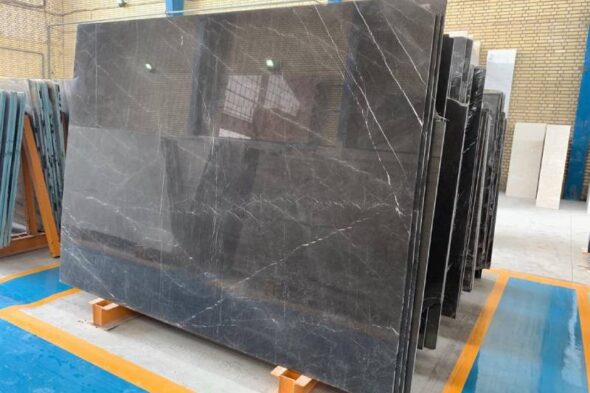
pietra grey marble

Most Used Stones in the USA

A Comprehensive Guide for Buyers and Suppliers

The U.S. stone market is vast, with a variety of stones used in residential, commercial, and industrial applications. From countertops to flooring and exterior facades, natural stones provide durability, aesthetic appeal, and versatility. In this guide, we will highlight the most used stones in the USA and explore their key benefits.

Gohareh limestone slab

Top Stones Used in the USA

Natural stones remain an essential material in construction and design, and several types stand out in the U.S. market. The most commonly used stones include granite, marble, limestone, and quartzite. Each of these offers unique features, making them suitable for different applications.

1. Granite

Granite is one of the most popular stones in the U.S. because of its durability and aesthetic versatility. Moreover, granite’s dense composition resists scratches, heat, and stains, making it ideal for high-traffic areas.

Applications: Countertops, flooring, exterior cladding, monuments
Benefits: Highly durable, available in a wide range of colors and patterns, easy to maintain

2. Marble

Known for its luxury and timeless beauty, marble is often chosen for high-end residential and commercial projects. In particular, it is favored for countertops, bathroom surfaces, and decorative accents. Marble’s smooth texture and rich veining also make it an attractive choice for architects and designers.

Applications: Countertops, flooring, walls, sculptures
Benefits: Elegant appearance, perfect for luxury spaces, wide range of colors and textures

3. Limestone

Limestone is a soft, sedimentary rock widely used in both interior and exterior design. Because of its natural appearance and affordability, it has become a favorite for rustic-style homes and buildings. It often appears in landscaping, flooring, and facades.

Applications: Flooring, paving, outdoor walls, facades
Benefits: Affordable, natural look, good for outdoor applications

4. Quartzite

Quartzite offers both durability and beauty, often serving as an alternative to marble for countertops and floors. Additionally, it has a more rigid composition than marble and comes in various colors, making it perfect for high-traffic areas that require both strength and style.

Applications: Countertops, floors, backsplashes
Benefits: Highly durable, resistant to scratches and heat, versatile color options

Why These Stones Are Popular in the U.S.

Each of these stones holds a strong position in the U.S. market due to its distinct qualities and wide availability.

1. Durability and Longevity

Granite and quartzite provide exceptional resistance to wear and tear, which makes them ideal for high-use areas like kitchens and floors. As a result, they ensure that buildings and installations retain their integrity for years.

2. Aesthetic Appeal

Marble and limestone bring elegance and sophistication to any space. Whether used in modern or traditional designs, these stones offer a range of colors, textures, and patterns that complement diverse architectural styles.

3. Sustainability

Natural stones are a more eco-friendly choice compared to synthetic materials. Furthermore, many quarries in the U.S. and abroad follow sustainable extraction practices. Their long lifespan also means fewer replacements, which helps reduce waste over time.

https://www.rockstone.biz/most-exported-stones-to-india/

Iranian natural stone

Farzin Rock stone company 

granite stone

Best Stone for Export

Quality and Durability You Can Trust

When it comes to exporting stones, the variety of options available ensures that both residential and commercial projects worldwide can access the finest materials. Whether you need marble, granite, limestone, or other natural stones, there are numerous choices to suit every requirement. In this guide, we explore the top stone varieties for export and explain why they are in high demand globally.

Brown-Onyx

Popular Stone Varieties for Export

Stones come in many forms and colors, and each type offers unique benefits. The most commonly exported stones include granite, marble, limestone, and travertine.

1. Granite

Granite ranks among the most popular stone varieties for export because of its incredible strength, aesthetic appeal, and versatility. Builders use it for countertops, flooring, and facades, providing a durable solution for both indoor and outdoor projects. Moreover, its wide range of colors—from deep blacks to light whites—makes it a favored choice in both construction and interior design.

2. Marble

Marble represents luxury and elegance, which is why high-end projects often feature it prominently. Designers appreciate its smooth texture, variety of color options, and ability to polish to a mirror-like finish. It serves as a top choice for flooring, countertops, and decorative features. Additionally, many sculptors and architects choose marble for monuments and artistic accents.

3. Limestone

Limestone plays a significant role in construction and landscaping due to its natural look and affordable price. Artisans find it easy to cut and shape, allowing them to create both structural and decorative elements. Its earthy tones, from light cream to dark gray, give any project a timeless and rustic appeal.

4. Travertine

Travertine, a type of limestone formed in hot springs, stands out for its unique texture and warm appearance. Homeowners and landscapers use it for flooring, patios, and pool decks. Furthermore, it comes in shades of beige, gold, and brown, offering versatility in design. Travertine’s natural slip-resistant surface makes it especially suitable for outdoor spaces.

Why Export Stones Are in High Demand

Stone exports play an essential role in construction projects worldwide for several reasons.

1. High Durability and Strength

Granite and marble deliver exceptional durability, and they can withstand harsh weather conditions. This makes them ideal for buildings and installations that must endure over time.

2. Aesthetic Value

Natural stones like marble and granite enhance the visual appeal of any project. As a result, architects and designers continue to choose them for both modern and classical styles.

3. Global Accessibility

Abundant quarries across the globe ensure a steady supply of various stone types. Consequently, countries can source materials easily for both local projects and international trade.

https://www.rockstone.biz/best-countries-to-export-stones/

Marble Export to India

Farzin Rock Stone Company 

Unveiling the Composition of Travertine Stone

Best Stones to Export

A Comprehensive Guide

Exporting natural stone offers excellent profit potential thanks to growing global demand. However, selecting the right type of stone plays a crucial role in achieving success. Whether it’s for construction, interior design, or landscaping, certain stones dominate the market because of their durability, beauty, and versatility. In this guide, we’ll explore the best stones to export and explain why buyers worldwide seek them.

Pietra Grey Marble

Why Export Natural Stone?

Natural stone remains a timeless material valued for its strength, elegance, and eco-friendliness. Across the globe, industries rely on it for residential, commercial, and industrial applications, making it a valuable commodity. Exporters benefit from strong demand in several sectors, including:

  • Construction – Granite and marble enhance flooring, facades, and countertops.

  • Interior Design – Limestone and travertine bring style to high-end spaces.

  • Landscaping – Sandstone and slate create patios, walkways, and garden walls.

Because of these varied uses, natural stone continues to attract steady international demand.

The Best Stones to Export

Several stones consistently perform well in export markets. Below are the most sought-after varieties, their uses, and why they remain in demand.

1. Marble – The Luxury Stone

Marble ranks as one of the most prestigious stones in the world. Designers and architects choose it for luxury homes, upscale hotels, and landmark buildings. It works beautifully for countertops, floors, and ornate features. Moreover, its colors—ranging from pure white to deep black—allow unmatched design flexibility.

Why Marble? Its elegance, durability, and variety make it a favorite for premium projects across continents.

2. Granite – The Durable Choice

Granite stands out for its exceptional strength and resistance to daily wear. Builders use it in high-traffic areas, exterior cladding, and kitchen countertops. Its color palette—black, gray, brown, and more—fits both modern and traditional aesthetics.

Why Granite? Its heat resistance, durability, and design versatility suit both residential and commercial spaces.

3. Limestone – The Versatile Stone

Limestone offers warm, natural tones and a smooth finish. Contractors install it for floors, wall cladding, patios, and garden features. It also plays a role in cement production, adding extra value to exporters.

Why Limestone? Its adaptability, availability, and easy workability make it a steady seller worldwide.

4. Sandstone – The Natural Option

Sandstone brings a rugged, natural charm to outdoor projects. Landscapers often choose it for patios, walkways, and retaining walls. In addition, its colors—beige, red, yellow—blend well with a variety of designs.

Why Sandstone? Its affordability, range of colors, and durability make it perfect for landscaping markets.

5. Slate – The Durable and Affordable Option

Slate serves well in roofing, flooring, and decorative cladding. Its layered texture and earthy colors appeal to designers seeking natural aesthetics. Furthermore, it requires minimal upkeep, which adds to its appeal for sustainable building projects.

Why Slate? Its resilience, low maintenance needs, and beauty make it ideal for both budget-conscious and luxury markets.

https://www.rockstone.biz/demanded-stones-in-europe/

Farzin Rock Stone Company 

Slate stone