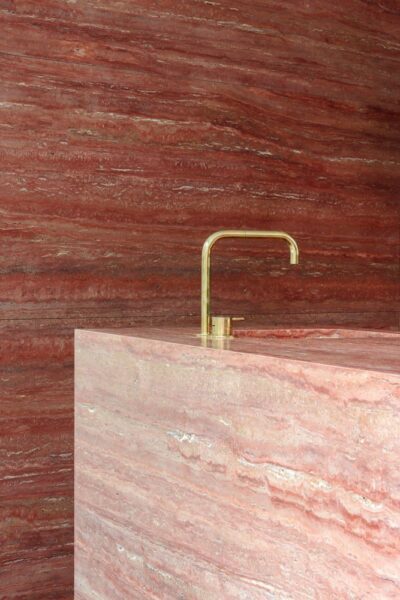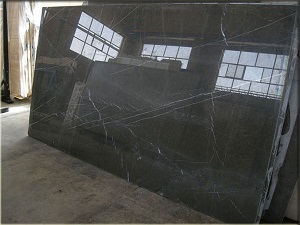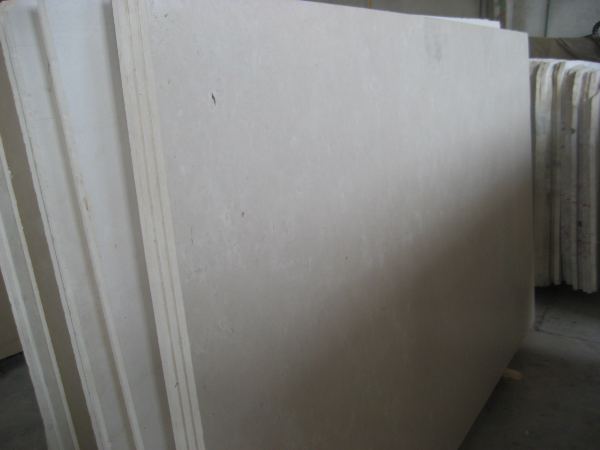
Red-Onyx

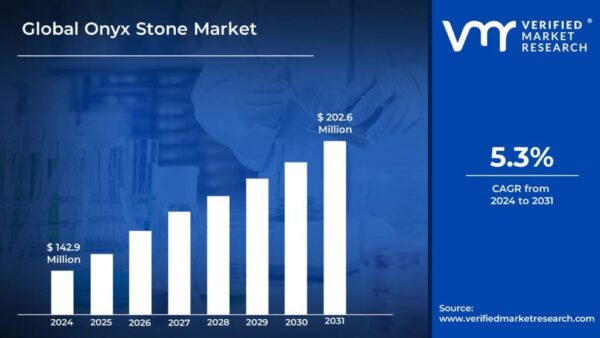
Onyx Market USA

Trends, Demand, and High-Value Opportunities

Introduction to the Onyx Market in the United States

The onyx market in the USA has experienced steady growth as architects, interior designers, and luxury developers increasingly seek exclusive natural stone materials. Onyx, a banded calcite stone formed by mineral-rich water deposits, stands apart from marble and granite because of its translucency, dramatic veining, and premium visual impact.
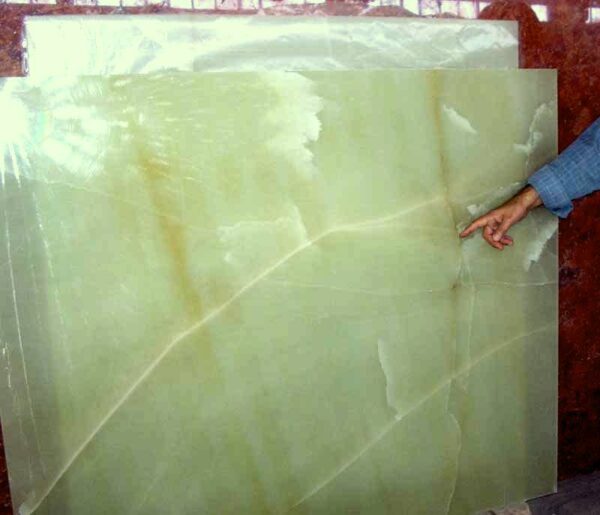
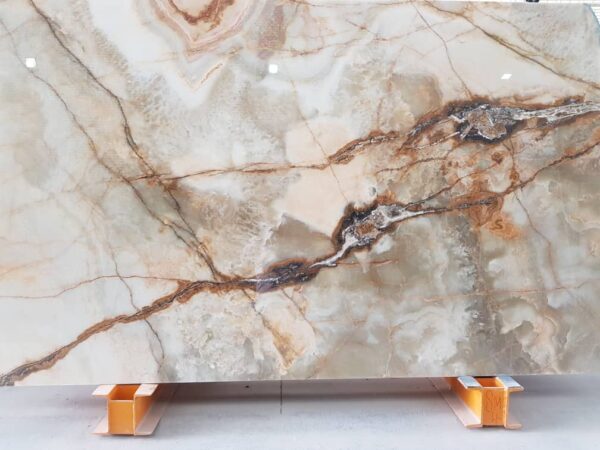
green onyx is very unique one

Moreover, as high-end residential and commercial projects expand across the United States, onyx continues to gain attention as a statement material. Consequently, the U.S. onyx market has evolved into a niche but highly profitable segment of the broader natural stone industry.

The onyx market in the USA has experienced steady growth as architects, interior designers, and luxury developers increasingly seek exclusive natural stone materials.The U.S. natural stone market is valued at over USD 5–6 billion annually, driven by construction, remodeling, and luxury interior design. While granite and marble dominate by volume, onyx holds a unique position at the premium end of the market.Luxury homes increasingly incorporate onyx slabs and tiles in areas such as bathrooms, kitchens, and feature walls. Because onyx can be backlit, designers use it to create dramatic lighting effects that cannot be achieved with opaque stones.

Overview of the U.S. Natural Stone Market

Onyx’s Role Within the Industry

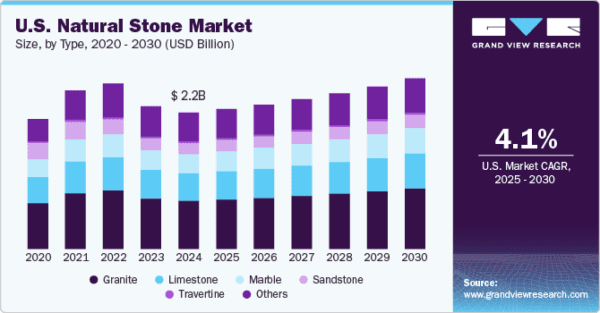
The U.S. natural stone market is valued at over USD 5–6 billion annually, driven by construction, remodeling, and luxury interior design. While granite and marble dominate by volume, onyx holds a unique position at the premium end of the market.

Because onyx is rarer and more delicate, it commands higher prices and is typically used in feature applications rather than full-surface coverage. Therefore, onyx appeals most to buyers seeking visual distinction and exclusivity.

Primary Import Origins

The United States imports the majority of its onyx from countries with rich calcite deposits, including:

  • Iran

  • Mexico

  • Turkey

  • Pakistan

  • Italy

Among these, Iranian onyx is particularly valued for its rich color saturation, uniform translucency, and structural consistency, making it popular in high-end U.S. projects.

Why Demand for Onyx Is Rising in the USA

Growth in Luxury Residential Projects

Luxury homes increasingly incorporate onyx slabs and tiles in areas such as bathrooms, kitchens, and feature walls. Because onyx can be backlit, designers use it to create dramatic lighting effects that cannot be achieved with opaque stones.

As one U.S. interior designer notes:

“Onyx transforms a space from beautiful to unforgettable. It’s not just a surface — it’s a focal point.”

Therefore, demand continues to rise in affluent markets such as California, New York, Florida, and Texas.

Commercial and Hospitality Applications

High-end hotels, boutiques, restaurants, and corporate offices frequently specify onyx for reception desks, bars, elevator lobbies, and signature walls. Although onyx is not used extensively due to cost, its strategic placement delivers maximum aesthetic impact.

As a result, developers view onyx as a branding material rather than a basic finish.

Key Applications of Onyx in the U.S. Market
Interior Architectural Use

Onyx is primarily used indoors due to its lower hardness and sensitivity to acids. Common interior applications include:

  • Feature walls

  • Bathroom vanities

  • Countertops (low-traffic)

  • Fireplace surrounds

  • Decorative panels

Finishes such as polished and resin-filled enhance translucency while improving structural stability.

Backlit and Translucent Installations

One of onyx’s greatest advantages is its light-transmitting property. When backlit with LED systems, onyx creates a luxurious glow that highlights its natural banding.

Therefore, backlit onyx installations represent one of the fastest-growing segments of the U.S. onyx market.

Onyx Pricing Trends and Market Statistics

Onyx pricing in the USA varies widely depending on origin, color, slab size, and translucency. Typical market ranges include:

  • Onyx tiles: USD 30–70 per square foot

  • Premium onyx slabs: USD 80–200+ per square foot

  • Rare or custom-cut onyx: Prices may exceed USD 250 per square foot

Industry data shows that luxury natural stone installations have grown by more than 15% over the past decade, with onyx representing one of the highest value-per-square-foot materials.

Furthermore, demand for backlit stone installations has increased as LED technology becomes more affordable and energy efficient.

Technical Advantages of Onyx Stone

Aesthetic Superiority

Onyx offers unparalleled chromatic depth, veining contrast, and translucency. Colors range from white, honey, green, blue, and pink to dramatic multi-color patterns.

Custom Fabrication Potential

Because onyx is softer than granite, fabricators can produce thin panels, book-matched slabs, and intricate designs. As a result, architects enjoy greater creative freedom.

High Perceived Value

Although onyx covers less surface area in projects, it significantly increases perceived property value and visual prestige. Consequently, developers often use onyx in marketing and showcase areas.

Challenges in the Onyx Market

Despite its advantages, onyx requires professional handling, sealing, and maintenance. It is sensitive to acids and heavy impact, which limits its use in high-traffic areas.

Additionally, supply consistency can be challenging due to natural variation and limited quarry output. However, experienced suppliers mitigate these risks through resin treatment and quality grading.

Future Outlook of the Onyx Market USA

Looking forward, the U.S. onyx market is expected to grow steadily, supported by:

  • Continued expansion of luxury real estate

  • Rising interest in bespoke interior design

  • Increased use of backlit architectural features

  • Improved stone reinforcement technologies

Therefore, importers and suppliers who offer consistent quality, custom sizing, and technical support will remain highly competitive.

Conclusion: Onyx as a Premium Stone in the U.S. Market

In conclusion, the onyx market in the USA represents a high-value niche within the natural stone industry. Because onyx combines rarity, translucency, and artistic appeal, it continues to attract architects, designers, and luxury developers.

As design trends move toward statement materials and experiential spaces, onyx will remain a powerful choice for projects that demand visual impact and exclusivity.

Site Resources (Shown in Text)

  • Natural Stone Institute (USA) – naturalstoneinstitute.org

  • Statista – U.S. Construction & Luxury Design Data – statista.com

  • U.S. International Trade Commission – Stone Import Statistics – usitc.gov

  • Mordor Intelligence – Natural Stone Market Reports – mordorintelligence.com

  • FAO – Global Dimension Stone Production – fao.org
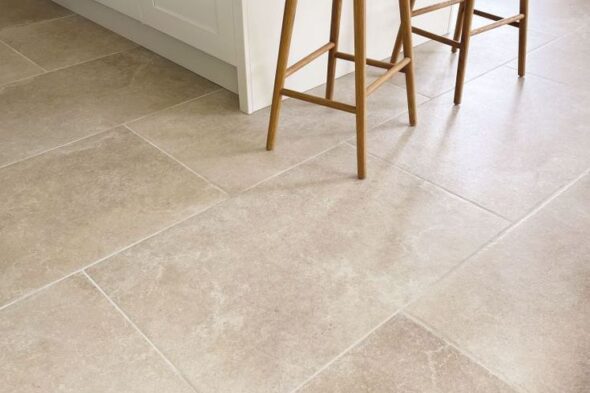
Cream Travertine Kitchen Floor

Travertine Market USA

Trends, Demand, and Commercial Opportunities

Introduction to the Travertine Market in the United States

The travertine market in the USA continues to grow steadily as architects, builders, and homeowners seek natural stone materials that combine durability, elegance, and long-term value. Travertine, a form of sedimentary limestone deposited by mineral springs, has become a preferred choice for flooring, wall cladding, landscaping, and pool surrounds across residential and commercial projects.

kitchen sink

Moreover, as American consumers increasingly favor natural, sustainable building materials, travertine stands out due to its timeless appearance, neutral color palette, and versatility. Consequently, the U.S. travertine market plays a vital role within the broader natural stone and construction materials industry.

The travertine market in the USA continues to grow steadily as architects, builders, and homeowners seek natural stone materials that combine durability,The United States is one of the largest importers and consumers of natural stone globally. According to industry data, the U.S. natural stone market exceeds USD 5 billion annually,The U.S. housing market continues to fuel demand for natural stone. New residential projects, renovations, and luxury home upgrades frequently include travertine tiles, pavers, and slabs. Additionally, homeowners value travertine for its cool surface temperature.

Overview of the U.S. Natural Stone Market

Travertine’s Position in the Market

The United States is one of the largest importers and consumers of natural stone globally. According to industry data, the U.S. natural stone market exceeds USD 5 billion annually, with flooring and wall applications accounting for a major share. Within this market, travertine competes directly with marble, granite, limestone, and porcelain alternatives.

However, travertine maintains a strong position because it offers a balance between aesthetic warmth and functional performance. As a result, designers often select travertine for projects that require a luxury look without excessive cost.

Key Import Sources

Although limited quantities of travertine are quarried domestically, the U.S. market relies heavily on imports. Major supplying countries include:

  • Turkey (largest global producer and exporter)

  • Italy

  • Mexico

  • Iran

Because of consistent quality and large reserves, Turkish travertine dominates U.S. imports, especially in beige, ivory, walnut, and silver color ranges.

Why Demand for Travertine Is Rising in the USA

Growth in Residential Construction

The U.S. housing market continues to fuel demand for natural stone. New residential projects, renovations, and luxury home upgrades frequently include travertine tiles, pavers, and slabs. Additionally, homeowners value travertine for its cool surface temperature, which makes it ideal for warm climates such as California, Texas, Arizona, and Florida.

Commercial and Hospitality Projects

Hotels, resorts, shopping centers, and office buildings increasingly specify travertine for lobbies, corridors, facades, and outdoor plazas. Because travertine provides a premium appearance with long service life, it aligns well with commercial return-on-investment goals.

As one U.S.-based stone distributor states:

“Travertine remains one of the most requested natural stones in hospitality projects because it delivers elegance, durability, and design flexibility in one material.”

Key Travertine Applications in the U.S. Market

Interior Applications

Travertine is widely used indoors for:

  • Flooring

  • Bathroom walls and vanities

  • Fireplaces

  • Feature walls

Finishes such as honed, filled, and polished allow designers to match different architectural styles, from classic to contemporary.

Exterior and Landscaping Use

Outdoor applications represent a fast-growing segment of the U.S. travertine market. These include:

  • Pool decks

  • Patios and terraces

  • Walkways

  • Driveway pavers

Because travertine has a naturally non-slip surface and high weather resistance, it performs well in exterior environments.

Pricing Trends and Market Statistics

Travertine pricing in the USA varies depending on origin, grade, thickness, and finish. On average:

  • Travertine tiles retail between USD 3 to USD 10 per square foot

  • Premium slabs can exceed USD 15–20 per square foot

  • Pavers and custom-cut materials command higher prices due to processing costs

Meanwhile, market research indicates that natural stone usage in residential flooring has increased by more than 20% over the last decade, with travertine maintaining a consistent share of that growth.

Furthermore, rising transportation costs and quarry regulations have slightly increased prices; however, strong demand continues to support market expansion.

Competitive Advantages of Travertine in the U.S. Market

Design Versatility

Travertine’s neutral tones allow it to blend seamlessly with wood, glass, steel, and concrete. Therefore, architects frequently specify it for modern, Mediterranean, and transitional designs.

Durability and Longevity

With proper sealing and maintenance, travertine can last several decades. Consequently, many commercial buyers view it as a long-term investment rather than a short-term finish material.

Sustainability Appeal

As a natural stone, travertine aligns with green building principles. It contains no synthetic compounds and can contribute to LEED-certified projects, especially when sourced responsibly.

Challenges Facing the Travertine Market

Despite its strengths, the U.S. travertine market faces competition from engineered stone and porcelain tiles that imitate natural textures. These alternatives often offer lower maintenance, which appeals to some consumers.

However, many buyers still prefer authentic stone, noting that “imitation materials cannot replicate the depth, variation, and natural character of real travertine.”

Future Outlook of the Travertine Market USA

Looking ahead, analysts expect the U.S. travertine market to grow steadily, supported by:

  • Ongoing construction and renovation activity

  • Demand for luxury yet natural materials

  • Expansion of outdoor living spaces

  • Increased availability of customized finishes and sizes

Therefore, suppliers and importers who focus on quality control, consistent supply, and competitive pricing will continue to find strong opportunities in the American market.

Conclusion: Why Travertine Remains a Strong Choice in the U.S. Market

In conclusion, the travertine market in the USA remains robust, competitive, and full of opportunity. Because travertine combines natural beauty, durability, and design flexibility, it continues to attract architects, developers, and homeowners alike.

As construction trends favor authentic, long-lasting materials, travertine’s position within the U.S. natural stone market is likely to remain strong for years to come.

Site Resources (Shown in Text)

  • Natural Stone Institute (USA)naturalstoneinstitute.org

  • U.S. International Trade Commission – Stone Import Datausitc.gov

  • Mordor Intelligence – Natural Stone Market Reportsmordorintelligence.com

  • Statista – U.S. Construction & Flooring Statisticsstatista.com

  • FAO – Global Dimension Stone Production Datafao.org