Guide for Buyers and Designers
Understanding Travertine and Its Uses
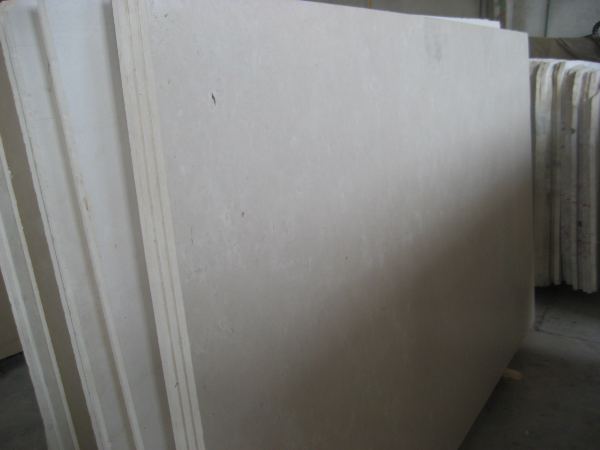
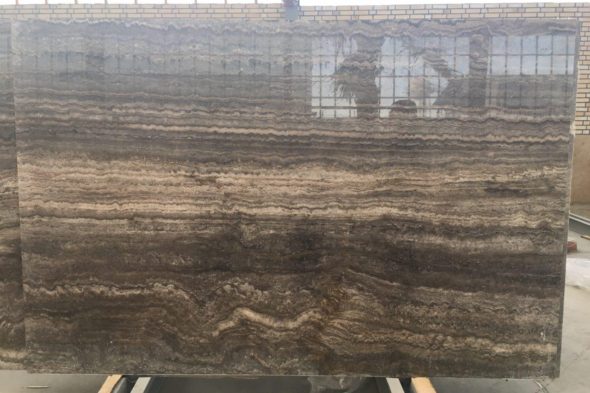
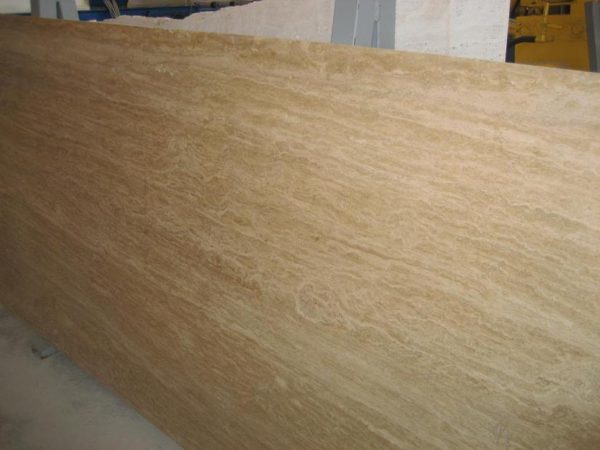
Travertine is one of the most popular natural stones in construction and design, prized for its elegance, durability, and versatility. As a result, it is widely used in flooring, wall cladding, countertops, patios, and landscaping. Travertine’s unique patterns and earthy tones make it a favorite for both residential and commercial projects.
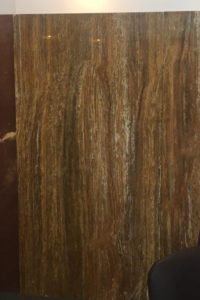
Moreover, its eco-friendly and long-lasting nature aligns with modern sustainable building practices. Consequently, architects and designers prefer travertine for luxury and high-end projects that require a combination of beauty and performance.
Types of Travertine
Travertine is available in several types, each offering distinct aesthetics and applications.
1. Filled Travertine
Filled travertine is treated with resin or cement to fill its natural holes and voids. Therefore, it provides a smoother surface, making it ideal for interior flooring, countertops, and high-traffic areas. This type of travertine is easier to clean and maintain, which increases its commercial appeal.
2. Unfilled Travertine
Unfilled travertine retains its natural holes and pitting, which gives it a rustic and authentic look. In addition, it is often used for decorative walls, facades, and outdoor landscaping. While it requires more care, it adds a unique charm and texture that appeals to homeowners and designers seeking natural aesthetics.
3. Tumbled Travertine
Tumbled travertine undergoes a process that rounds edges and creates a worn, antique appearance. As a result, it is perfect for patios, pool decks, and walkways where slip resistance and a vintage look are desired. Tumbled travertine combines durability with artistic design, making it popular in both commercial and residential projects.
4. Honed and Polished Travertine
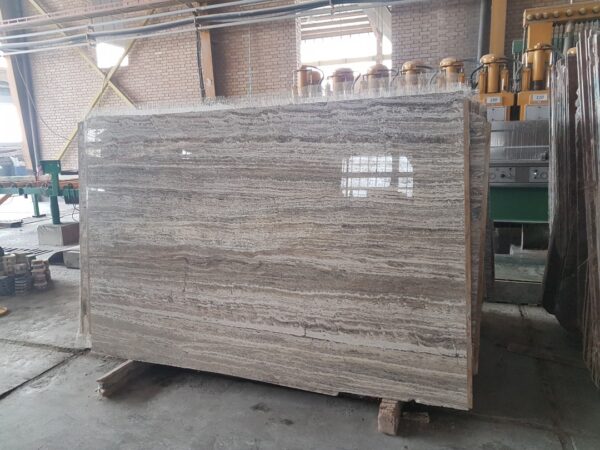
Honed travertine offers a smooth, matte finish, while polished travertine delivers a glossy, reflective surface. Therefore, these types are commonly used for interior flooring, countertops, and luxury wall cladding, providing an elegant and sophisticated aesthetic. Polished travertine highlights the stone’s natural patterns and colors, increasing its appeal in premium projects.
Market Trends and Applications
Travertine is experiencing growing demand globally due to its versatility and premium appearance. Residential homeowners, architects, and commercial developers increasingly choose travertine for flooring, walls, and landscaping. Moreover, digital marketplaces and international suppliers make it easier to source diverse travertine types to match specific design requirements.
Opportunities for Suppliers and Designers
Suppliers who emphasize quality, variety, and eco-friendly sourcing can attract architects, contractors, and luxury homeowners. In addition, designers can use the different travertine types to create unique, customized spaces that enhance property value and appeal.
Conclusion: Choosing the Right Travertine
Overall, understanding the different types of travertine—filled, unfilled, tumbled, honed, and polished—helps buyers and designers make informed decisions. Consequently, travertine remains a top choice for projects seeking durability, elegance, and natural beauty. As a result, suppliers and designers can capitalize on its growing popularity in residential, commercial, and landscaping applications.
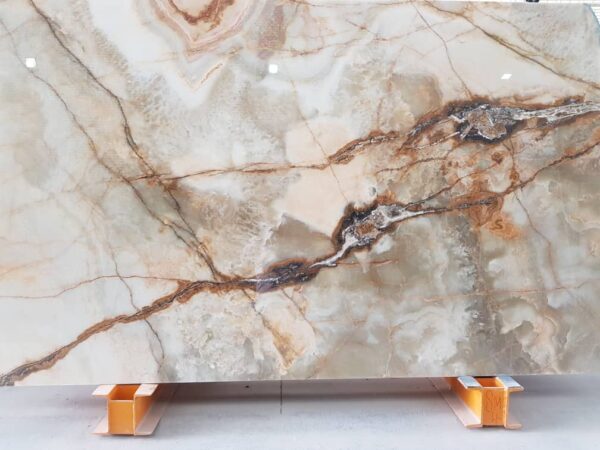

 white crystal