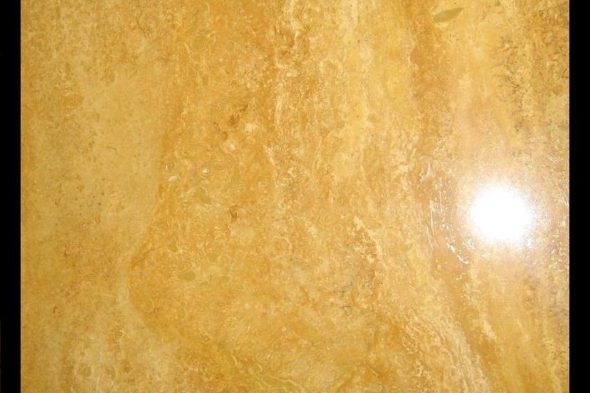
Best Way to Clean Travertine Tile

Safe & Effective Methods

Travertine tile is a popular choice for flooring, showers, and countertops thanks to its natural beauty and durability. However, cleaning travertine requires special care to maintain its look and avoid damage. In this guide, you’ll discover the best way to clean travertine tile using safe, professional methods that align with SEO best practices and Google-friendly readability.

Unveiling the Composition of Travertine Stone

Why Travertine Needs Special Care

Travertine is a natural stone that is porous and sensitive to acidic and abrasive cleaners. Without proper maintenance, it can stain, etch, or lose its finish. That’s why understanding how to clean travertine the right way is essential for homeowners and cleaning professionals.

Step-by-Step: Best Way to Clean Travertine Tile

1. Use the Right Cleaning Products

Always use a pH-neutral cleaner specifically formulated for natural stone. Avoid vinegar, lemon juice, bleach, or ammonia—they can permanently damage travertine surfaces.

Recommended tools:

  • Microfiber mop or soft cloth

  • Bucket of warm water

  • pH-neutral stone cleaner

  • Soft-bristled brush (for grout or textured surfaces)

  • Dry towel or mop for drying

2. Sweep or Vacuum First

Before mopping, sweep or vacuum the floor to remove dust, dirt, and debris. Grit can scratch the tile surface if not removed first.

3. Mop with a Damp (Not Wet) Mop

Mix the pH-neutral stone cleaner with warm water as directed. Use a damp microfiber mop (not overly wet) to gently clean the surface. Avoid soaking the tile, as excessive moisture can seep into the stone and cause damage over time.

4. Rinse and Dry Immediately

After mopping, rinse the floor with clean water to remove any leftover cleaner. Then, dry the surface completely with a clean towel or dry mop. This step helps prevent water spots and keeps your tile looking polished.

Long-Term Maintenance Tips

Seal Travertine Regularly

Travertine tile should be sealed every 1 to 2 years to protect against staining and moisture. Sealing also makes routine cleaning easier.

Clean Up Spills Right Away

Spilled liquids—especially wine, juice, or oils—should be wiped up immediately. Travertine can absorb these quickly and stain if not sealed properly.

Avoid Abrasive Scrubbers

Do not use steel wool, scouring pads, or hard brushes. These can scratch and dull the tile’s surface.

Final Thoughts: Keep Your Travertine Tile Looking Its Best

Maintaining travertine doesn’t have to be hard. The best way to clean travertine tile is by using gentle, stone-safe cleaners, cleaning regularly, and sealing the surface as needed. With the right care, your travertine tiles will stay beautiful, durable, and stain-free for years to come.

Looking for professional-grade travertine care products or cleaning services? Contact a trusted stone care specialist to protect your investment today.

https://www.rockstone.biz/the-best-way-to-…tural-stone-tile/
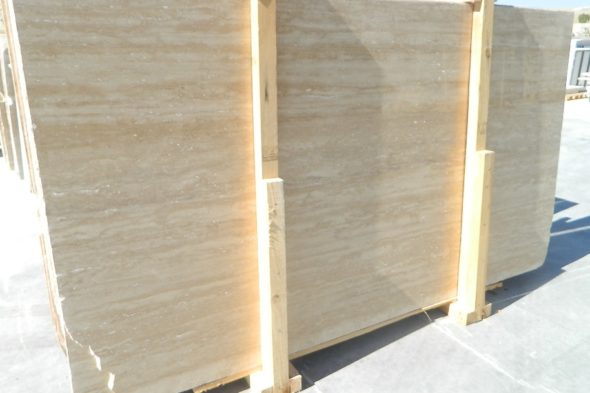
Best Way to Clean Travertine Tile

rockstone company

Classic Light

KITCHEN TRAVERTAIN TILE

Can You Use Travertine Tiles in Your Kitchen? A Stylish and Durable Choice

Travertine tiles are a popular choice for many areas of the home, but is it suitable for your kitchen? The answer is a resounding yes! Travertine brings a blend of elegance, durability, and natural beauty to kitchen spaces, making it an excellent option for countertops, backsplashes, and flooring. Here’s why you should consider using travertine tiles in your kitchen. KITCHEN TRAVERTAIN TILE

Why Travertine Tiles Are Ideal for Kitchens

Timeless Aesthetic Appeal

Travertine tiles offer a timeless and sophisticated look that can elevate any kitchen design. The natural stone’s warm, earthy tones and unique veining create a beautiful, organic appearance that complements various styles, from rustic to contemporary. Whether you’re designing a classic, Mediterranean-inspired kitchen or a modern, minimalist space, travertine tiles add a touch of luxury and warmth that enhances the overall ambiance.

Versatility in Design

One of the greatest advantages of travertine is its versatility. Travertine tiles come in a range of finishes, including polished, honed, tumbled, and brushed, allowing you to choose the perfect look for your kitchen. These tiles are available in various sizes and shapes, making them suitable for different applications, whether you’re covering large floor areas or creating intricate backsplash patterns.

Durability and Practicality in the Kitchen

Strong and Resilient Material

Kitchens are high-traffic areas that demand durable materials, and travertine tiles fit the bill perfectly. Travertine is a dense, strong stone that can withstand the rigors of daily kitchen activities, including heavy foot traffic, spills, and dropped items. When properly sealed and maintained, travertine tiles are resistant to stains and scratches, making them a practical choice for both countertops and flooring.

Heat Resistance

Travertine’s natural heat resistance is another reason it’s ideal for kitchen use. This characteristic makes travertine tiles particularly well-suited for countertops, where hot pots and pans are often placed. Unlike synthetic materials that may warp or discolor under high temperatures, travertine maintains its integrity, ensuring your kitchen remains beautiful and functional.

Travertine Tile Kitchen

Maintaining Your Travertine Tiles in the Kitchen

Regular Cleaning and Care

Keeping your travertine tiles in pristine condition is simple with regular maintenance. Daily cleaning involves wiping down surfaces with a soft, damp cloth and using a pH-neutral cleaner designed for natural stone. This routine helps prevent buildup of dirt and grime while maintaining the stone’s natural luster. Avoid using acidic or abrasive cleaners, as they can damage the travertine’s surface.

Sealing for Long-Term Protection

To protect your travertine tiles from moisture and stains, it’s essential to seal them regularly. A high-quality sealer creates a protective barrier that prevents liquids from penetrating the stone, making spills easier to clean and reducing the risk of staining. Reapply the sealer every one to two years, depending on the amount of wear and tear in your kitchen.

Considerations When Using Travertine in the Kitchen

Porosity of Travertine

While travertine is a durable material, it is naturally porous, which means it can absorb liquids if left unsealed. To avoid potential issues like staining or etching, especially in a kitchen environment where spills are common, it’s crucial to seal the tiles properly and address spills immediately.

Proper Installation Is Key

Proper installation of travertine tiles is vital to ensuring their longevity and performance in the kitchen. It’s recommended to work with experienced professionals who understand the specific requirements of travertine and can ensure that the tiles are installed correctly, minimizing the risk of future issues. KITCHEN TRAVERTAIN TILE

Conclusion: Travertine Tiles Are a Top Choice for Kitchens

Travertine tiles offer a unique combination of beauty, durability, and practicality, making them an excellent choice for kitchen spaces. With their timeless appeal, heat resistance, and ease of maintenance, travertine tiles can transform your kitchen into a stylish and functional area that will stand the test of time.

Contact Us to Explore Travertine Options for Your Kitchen

Interested in using travertine tiles for your kitchen renovation? Contact us today to learn more about our selection and to get expert advice on choosing the best travertine tiles for your space. KITCHEN TRAVERTAIN TILE

rock stone company