
Understanding Its Beauty and Challenges
In the world of architecture, stones have long held value for their strength and durability. However, not all stones perform equally. Some break easily and require extra care during construction. In this article, we explore the most fragile building stones and explain why architects still choose them despite their delicate nature.
What Makes a Building Stone Fragile?
A stone’s composition, density, and resistance to pressure or weathering determine its fragility. Because softer stones score lower on the Mohs hardness scale, they face greater risk of breakage and erosion. Although these materials may wear down faster, their beauty often convinces designers to incorporate them into projects.
Types of Fragile Building Stones
Several stones earn a reputation for fragility, including:
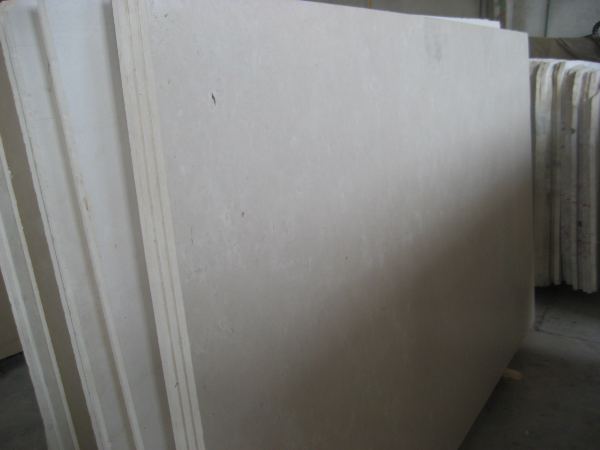
Limestone: Builders often choose limestone for its versatility; however, it remains relatively soft and erodes under harsh conditions.
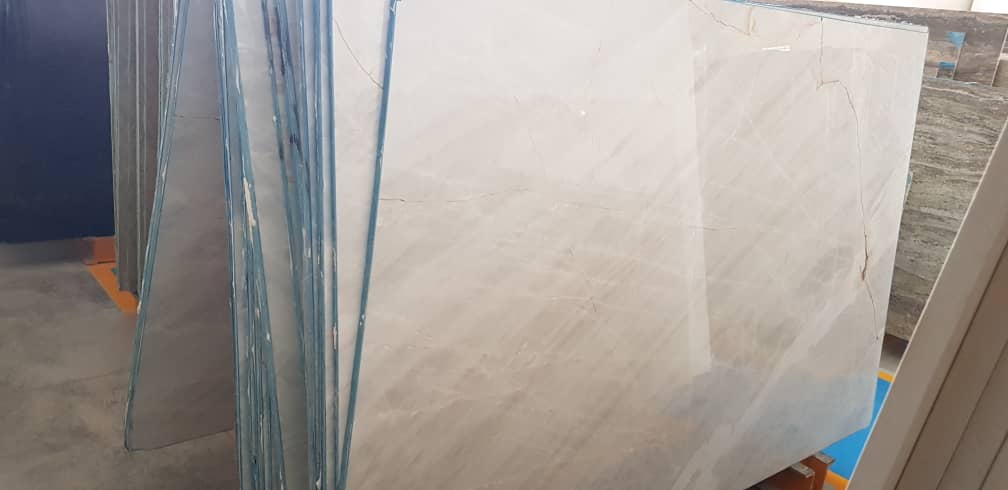
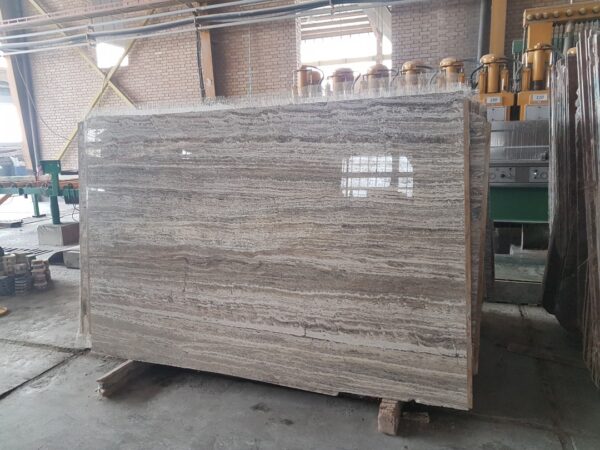
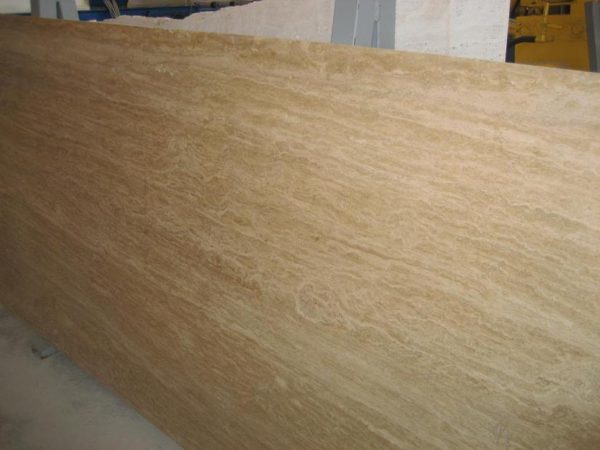
Travertine: This stone offers rich textures and patterns, yet it weakens when exposed to moisture for long periods.
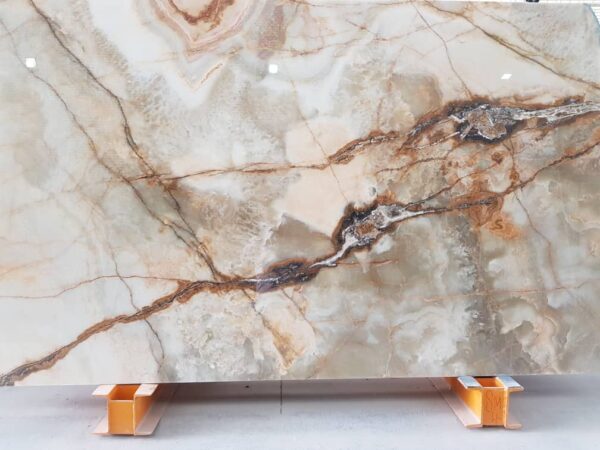
Alabaster: Artisans prize alabaster for its fine texture and smooth surface, but its softness and brittleness limit its structural use.
Why Use Fragile Stones in Construction?
Despite their weaknesses, these stones bring unique charm to architectural design. In particular, limestone, travertine, and alabaster offer visual qualities that few other materials can match. Consequently, architects use them for facades, decorative details, and sculptures to add elegance and distinctive character.
The Aesthetic Value of Fragile Stones
Fragile stones often display striking textures and colors that enhance a building’s appeal. For example, travertine can fill interiors with warm, earthy tones, while alabaster adds a soft, glowing effect to carvings and sculptures. Therefore, these materials often become focal points in both modern and classical architecture.
How to Care for Fragile Building Stones
To extend the life of delicate materials, follow these maintenance guidelines:
Regular Cleaning: Remove dust and dirt with a soft cloth or brush to prevent scratches.
Sealing: Apply a high-quality sealant to limestone or travertine in order to block moisture and stains.
Avoid Heavy Impact: Place fragile stones in areas protected from heavy knocks or strong pressure.

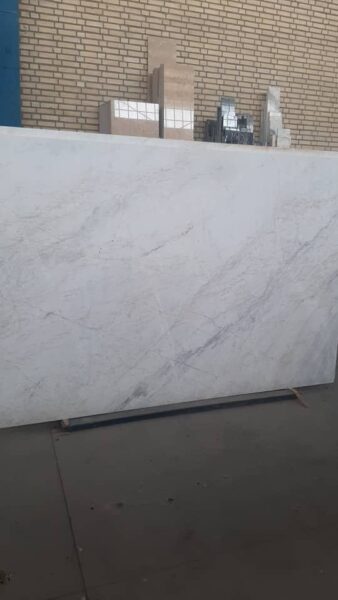 white crystal