Best Stone Tiles for Kitchen Floor

Durable, Stylish, and Built to Last

When it comes to designing the heart of your home, the kitchen floor plays a vital role. It must handle high foot traffic, resist spills, and stay stylish over time. That’s why many homeowners choose stone tiles for their kitchen floor—offering both beauty and durability. But with so many options available, which one is best?
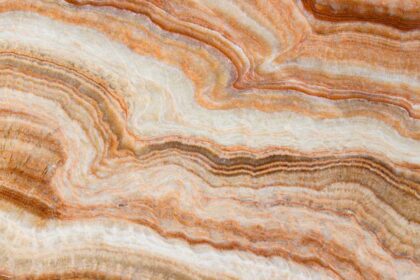
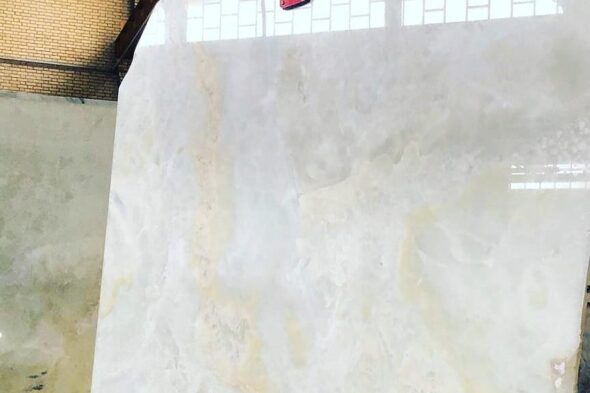
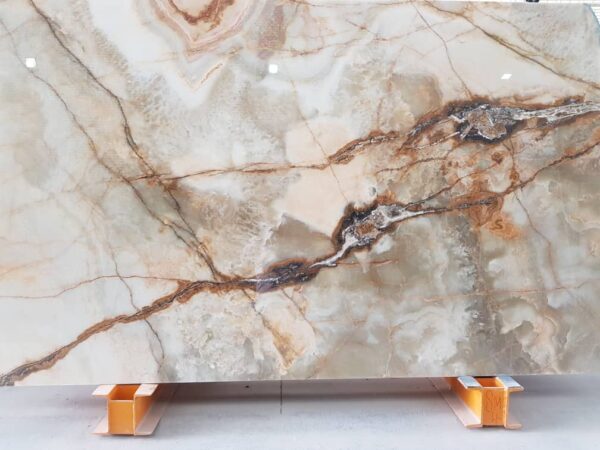
Brown-Onyx
Brown-Onyx

Why Choose Stone Tiles for Kitchen Flooring?

Stone tiles are a smart investment for kitchens. Not only do they offer long-lasting performance, but they also add timeless appeal to your space. In fact, natural stone instantly upgrades your home’s value and aesthetics.

Benefits of Using Stone in the Kitchen:

  • Highly durable – Withstands heat, spills, and heavy traffic

  • Easy to clean – Great for busy families and cooking enthusiasts

  • Naturally beautiful – Adds texture, color, and elegance

  • Available in various styles – Matches modern, rustic, or classic kitchens

  • Eco-friendly and sustainable – A natural, recyclable material

Because kitchens are high-use areas, choosing the right stone tile matters. The best options combine function with visual appeal—giving you a floor that looks great and lasts for decades.

Top 4 Best Stone Tiles for Kitchen Floors

Although there are many stone types, some perform better in kitchen settings than others. Below are the top stone tiles that balance durability, design, and ease of maintenance.

1. Slate: Textured and Slip-Resistant

Slate is one of the most popular stone options for kitchens. It has a naturally textured surface, which provides excellent slip resistance—especially important in areas prone to spills.

Why Choose Slate:

  • Durable and moisture-resistant

  • Dark tones hide dirt and stains

  • Works well with rustic and modern styles

Best for: Busy kitchens, especially in cooler or humid climates.

2. Travertine: Warm and Inviting

Travertine is a type of limestone known for its soft, warm tones. When sealed properly, it becomes a durable and stylish option for kitchen floors.

Advantages:

  • Comfortable underfoot

  • Timeless, earthy aesthetic

  • Available in honed, tumbled, or brushed finishes

Best for: Mediterranean-style or farmhouse kitchens.

3. Granite: Extremely Durable and Sleek

Granite is a great choice if you want both beauty and toughness. It resists heat, scratches, and staining when sealed, making it ideal for active kitchens.

Why It Works:

  • Highly durable and low-maintenance

  • Wide range of colors and natural patterns

  • Great for contemporary kitchens

Best for: High-traffic areas and modern home designs.

4. Marble: Elegant Yet Practical

Marble brings a luxurious touch to kitchen flooring. While it’s slightly softer than other stones, proper sealing can protect it from stains and wear.

Key Benefits:

  • Polished, upscale appearance

  • Ideal for light, open kitchen layouts

  • Adds value to high-end properties

Best for: Elegant or classic kitchen designs.

How to Choose the Right Stone Tile

Before selecting, consider your lifestyle and kitchen usage. For example, if you cook often and worry about spills, go for textured stones like slate or honed travertine. On the other hand, if you prioritize elegance, marble or polished granite may be better.

Additionally, make sure your stone tile is sealed regularly to extend its life and protect its finish.

Final Thoughts: A Floor That Works as Hard as You Do

Ultimately, the best stone tiles for kitchen floors blend function, beauty, and strength. Whether you prefer the earthy warmth of travertine, the durability of granite, or the charm of slate, stone flooring is a timeless choice. So, invest wisely—and enjoy a kitchen that’s as reliable as it is refined.
Can You Seal Marble

rockstone company

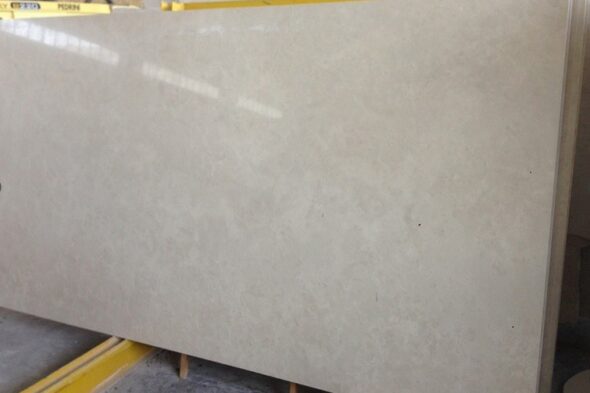
Gohareh limestone slab

How Stone Tiles Are Made

The Journey from Rock to Elegance

Stone tiles are known for their strength, beauty, and timeless appeal. But have you ever asked yourself how stone tiles are made? Understanding this process not only helps you appreciate their craftsmanship, but also guides smarter purchasing decisions.

Unveiling the Composition of Travertine Stone

From the rugged quarry to the polished floor beneath your feet, each stone tile follows a carefully planned process that blends nature and technology.

Step 1: Sourcing Natural Stone from Quarries

The journey begins at stone quarries, where massive blocks of stone—like marble, granite, slate, or travertine—are extracted from the earth. This step lays the foundation for the entire tile-making process.

How It Happens

Workers use diamond wire saws, drills, or controlled explosions to extract large stone blocks. Then, these blocks are transported to processing facilities. Because stone is extremely heavy and valuable, safe and efficient transport is critical.

Step 2: Cutting Blocks into Slabs and Tiles

Once the stone arrives at the factory, cutting transforms raw blocks into flat slabs. These slabs will eventually become the tiles we see in homes and buildings.

Precision Cutting

Machines like gang saws or diamond blade saws cut the stone with great accuracy. Next, those slabs are trimmed into tile-sized pieces using laser-guided tools. Since consistency matters, each tile is shaped to meet strict size and thickness requirements.

Step 3: Surface Finishing Enhances Appearance

At this stage, each tile receives a finish that brings out its color and texture. This step not only boosts visual appeal but also affects performance in different spaces.

Popular Stone Tile Finishes

  • Polished: High-gloss shine, perfect for formal interiors

  • Honed: Smooth but matte, ideal for modern spaces

  • Brushed or tumbled: Textured for rustic or slip-resistant surfaces

  • Flamed: Rough and rugged, often used outdoors

Because each finish changes how the stone feels and looks, buyers should choose one that matches the room’s use and design.

Step 4: Quality Control and Sorting

Each tile undergoes a detailed inspection for defects like cracks, uneven color, or thickness issues. As a result, only the highest-quality tiles are labeled “premium grade.” Lower-grade tiles may still be used in less visible areas or repurposed for decorative purposes.

Step 5: Packaging and Global Delivery

Finally, the tiles are carefully packed to prevent damage during transport. Labels identify the stone type, finish, and batch. From there, they’re shipped to distributors, showrooms, or construction sites around the world.

Final Thoughts: From Quarry to Quality

Now that you understand how stone tiles are made, you’ll see each tile as more than just a surface—it’s the result of nature, skilled labor, and precision engineering. Whether you’re choosing tiles for a luxury hotel or a cozy kitchen, this knowledge helps you select with confidence.

Invest in stone tiles, and you’re choosing beauty that lasts for decades.

https://www.rockstone.biz/best-stone-tiles/

Best Way to Cut Sandstone

alabaster slab

Best stone tiles

Best Stone Tiles for Stylish and Durable Spaces

When it comes to long-lasting, elegant flooring, stone tiles remain one of the best choices. Whether you’re renovating your home, designing a luxury commercial space, or building outdoors, stone tiles offer unmatched beauty and durability. But with so many options on the market, how do you choose the best stone tiles for your project?

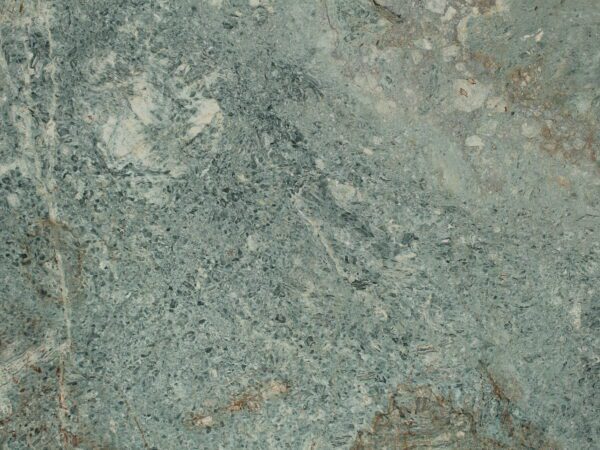
green granite

Let’s explore the top choices and what makes them ideal for different environments.

Why Choose Natural Stone Tiles?

Stone tiles bring more than just aesthetic appeal. They are:

  • Durable and weather-resistant

  • Naturally beautiful and unique

  • Low-maintenance when sealed properly

  • Eco-friendly and sustainable

Because each tile is cut from natural rock, no two pieces look exactly the same. This gives every floor, wall, or patio a rich, timeless feel that synthetic materials can’t replicate.

Top 5 Best Stone Tiles to Consider

1. Marble Tiles: Classic Luxury

Marble tiles are known for their elegant veining and polished finish. Common in bathrooms, kitchens, and luxury hotels, marble suits both walls and floors. However, they can be prone to scratching and need sealing.

Best for: Indoor floors, bathroom walls, countertops

2. Granite Tiles: Extreme Durability

If you want a surface that resists stains, scratches, and heat, granite is ideal. These tiles are dense, hard, and highly polished, making them perfect for high-traffic areas.

Best for: Kitchen floors, outdoor areas, commercial spaces

3. Travertine Tiles: Warm and Rustic

Travertine offers a natural, earthy tone that works well in Mediterranean or rustic settings. Its porous texture requires sealing, but the finish adds character.

Best for: Hallways, patios, feature walls

4. Slate Tiles: Natural Texture and Grip

Slate is a non-slip stone with natural clefts and earthy colors. It’s ideal for wet zones and outdoor flooring, especially where grip is essential.

Best for: Bathrooms, porches, garden paths

5. Limestone Tiles: Soft and Versatile

Limestone comes in softer tones and is easier to cut and shape. It provides a subtle, neutral look that works in both modern and traditional interiors.

Best for: Living rooms, bedrooms, fireplace surrounds

Choosing the Right Stone Tile for Your Space

When selecting stone tiles, consider the following:

  • Location: Outdoor or indoor? Wet or dry areas?

  • Finish: Polished for luxury, honed for modern matte, or tumbled for a rustic vibe

  • Maintenance: Some stones need more care than others

  • Budget: Stone tiles vary widely in price per square meter

Always consult with a supplier who can recommend tiles based on your needs and environment.

Final Thoughts: Upgrade with the Best Stone Tiles

Choosing the best stone tiles means balancing style, function, and durability. Whether you’re drawn to the sleek elegance of marble or the rugged charm of slate, natural stone adds lasting value to any space.

For the best results:

  • Buy from trusted suppliers

  • Ensure proper installation

  • Seal and maintain your stone regularly

With the right choice, your stone tile surface can last a lifetime—and make every step feel extraordinary.

https://www.rockstone.biz/best-price-for-travertine-tiles-2/

Onyx Tiles Export to Italy

rockstone company

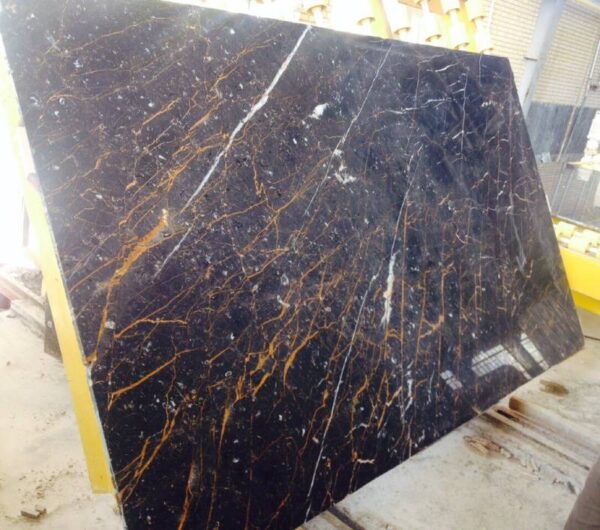
Black Marquina

How to Prevent Stone Tiles from Cracking

A Complete Guide

Stone tiles are a timeless choice for both indoor and outdoor spaces. They offer durability, elegance, and long-term value. However, without proper installation and maintenance, even the toughest stone tiles can crack over time. Fortunately, there are practical steps you can take to prevent this from happening. Whether you’re a homeowner, contractor, or property manager, avoiding cracks is essential for both longevity and safety.

Brown-Onyx
Brown-Onyx

Why Stone Tiles Crack

Stone tile cracks usually occur due to poor installation, structural movement, or environmental stress. Therefore, understanding the root causes is the first step toward prevention.

Common Causes of Cracks in Stone Tiles

  • Improper Subfloor Preparation: An uneven or unstable subfloor puts stress on tiles, leading to cracks.

  • Temperature Fluctuations: Natural stone expands and contracts. If not addressed properly, this movement can result in fractures.

  • Heavy Loads or Impact: Dropping heavy objects or applying excessive pressure can damage tiles instantly.

  • Moisture Infiltration: Water can seep into porous stone and freeze. As a result, expansion and cracking may occur.

Best Practices to Prevent Stone Tile Cracking

Preventing tile damage begins with the right choices and preparation. In fact, both professionals and DIYers should follow these proven steps.

1. Invest in Quality Materials

Start with high-grade natural stone suitable for your climate and use case. For example, granite is more durable than limestone, especially in high-traffic areas. Also, choose a flexible adhesive or thin-set mortar specifically designed for stone tile.

2. Prepare the Subfloor Properly

A level, clean, and dry subfloor is critical. To ensure this, use a cement backer board or an anti-fracture membrane. Additionally, when tiling over concrete, consider crack isolation systems to absorb structural movement.

3. Leave Expansion Joints

Stone tiles need room to “breathe.” Otherwise, they may buckle or crack due to thermal changes. Because of this, always include expansion joints—especially in large tiled areas or exterior settings.

4. Seal the Stone and Grout

Natural stone is porous. Therefore, applying a penetrating sealer protects it from moisture, stains, and freeze-thaw cycles. Ideally, reseal your tiles every 1–2 years for continuous protection.

5. Control Moisture and Drainage

For outdoor applications, ensure proper slope and drainage. Similarly, in bathrooms or kitchens, install waterproofing systems to avoid water accumulation beneath the tiles. By doing this, you prevent moisture-related cracks over time.

Professional Installation Makes a Difference

Hiring experienced tile installers can save you time, money, and frustration. Since professionals understand industry best practices, they can ensure proper layout, spacing, and long-term stability. Whether you’re handling a commercial or residential project, working with a pro is a smart investment.

Final Thoughts

Stone tile cracks are preventable with the right preparation and care. By following these tips, you not only protect your investment but also extend the beauty and durability of your tiled space. After all, prevention is far easier—and cheaper—than repair.

https://www.rockstone.biz/best-way-to-clean-travertine-tile/

How to Prevent Stone Tiles from Cracking

rockstone company

Black Marquina

Best Cleaner Brands for Stone Tiles

Trusted Products for a Spotless Finish

Keeping stone tile surfaces looking their best requires the right cleaning solution—and not just any cleaner will do. Natural stone like granite, marble, slate, or travertine needs gentle, pH-balanced formulas. Choosing one of the best cleaner brands for stone tiles helps protect your floors while delivering a deep clean that brings out their natural beauty.

Pietra Grey Marble
Pietra Grey Marble

Below, we highlight the top brands known for safe, effective, and long-lasting results on natural stone surfaces.

Why Brand Matters When Choosing a Stone Tile Cleaner

Using a reputable brand ensures your cleaner is tested, safe for stone, and backed by positive customer reviews. Cheap or generic cleaners may contain acidic ingredients that damage delicate surfaces, strip sealants, or cause discoloration.

Key Features to Look for:

  • pH-neutral or stone-safe formulas

  • Non-toxic and biodegradable ingredients

  • Suitable for sealed and unsealed stone

  • No harsh chemicals like bleach or ammonia

Top 3 Cleaner Brands for Stone Tiles in 2025

1. Granite Gold® – Expertly Formulated for Natural Stone

Why It’s a Top Brand:
Granite Gold is one of the most trusted names in stone care, with over 50 years of experience. Their products are made in the USA and are specifically designed for granite, marble, travertine, and other natural stone tiles.

Top Product: Granite Gold Stone & Tile Floor Cleaner

  • Streak-free and non-toxic

  • No rinsing required

  • Safe for daily use on kitchen and bathroom floors

Best For: Homeowners who want a no-fuss, effective, and safe cleaning solution.

2. Black Diamond® – Professional Strength, Safe Results

Why It’s a Top Brand:
Black Diamond Stoneworks offers professional-grade cleaners with a focus on eco-friendliness and safety. Their stone floor cleaner is one of the highest-rated for natural stone.

Top Product: Marble & Tile Floor Cleaner

  • Concentrated and long-lasting

  • pH-balanced for all natural stone

  • Trusted by cleaning pros and homeowners

Best For: Those looking for commercial-level clean at home.

3. StoneTech® by LATICRETE – Advanced Stone Care Technology

Why It’s a Top Brand:
Known for innovation and reliability, StoneTech is favored by contractors and stone care specialists. Their formulas are ideal for preserving sealed stone while removing tough grime.

Top Product: StoneTech Daily Cleaner

  • Neutral pH

  • Protects sealer longevity

  • Great for countertops and floors alike

Best For: High-end homes or professional-grade maintenance.

How to Use Stone Cleaner Brands Correctly

Even with the best cleaner brand, technique matters. Here’s how to get the most from your cleaner:

  1. Sweep or vacuum before mopping.

  2. Use a microfiber mop or soft cloth.

  3. Avoid oversaturating the floor.

  4. Always test in a small area first.

  5. Reseal stone as needed for ongoing protection.

Pro Tip:

Pair your cleaner with a brand-approved stone sealer every 6–12 months to prevent stains and moisture damage.

Final Thoughts: Invest in Trusted Brands for Stone Tile Care

The best cleaner brands for stone tiles don’t just clean—they protect and enhance. By choosing trusted names like Granite Gold, Black Diamond, and StoneTech, you’re ensuring that your floors stay beautiful, durable, and safe from damage. Don’t take chances with generic cleaners—invest in proven brands built for stone care.

https://www.rockstone.biz/best-way-to-clean-onyx-tile/

Best Cleaner Brands for Stone Tiles

rockstone company

The use and installation of granite tiles

Best Cleaners for Stone Tiles

Top Picks for Long-Lasting Shine

When it comes to maintaining the beauty and durability of your stone tile floors, using the best stone tile cleaners is essential. Not all cleaners are made equal—using the wrong one can lead to etching, discoloration, or long-term damage. In this guide, we’ll highlight the top-rated cleaners that are safe, effective, and designed specifically for stone surfaces.

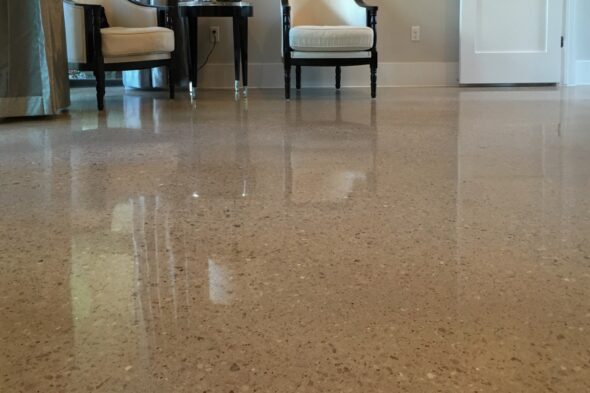
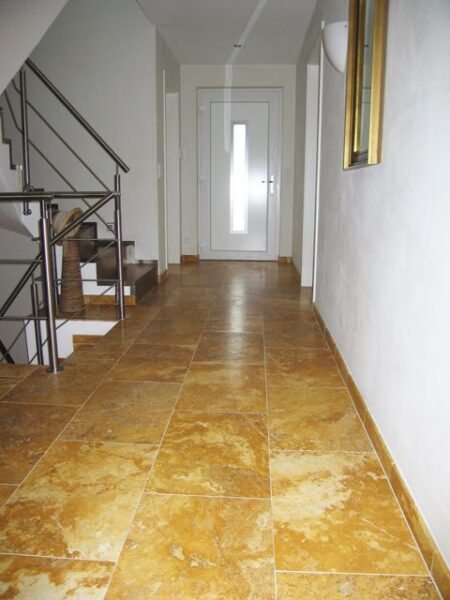
Yellow Travertine Floor

Why You Need a Specialized Cleaner for Stone Tiles

Stone tiles—such as marble, slate, granite, and travertine—are porous and delicate compared to ceramic or porcelain. Common household cleaners often contain acids or harsh chemicals that can erode the surface, dull the finish, or even stain natural stone.

Benefits of Using a Proper Stone Cleaner:

  • Protects sealant and prevents erosion

  • Preserves natural shine and texture

  • Removes dirt and grime without leaving residue

  • Prevents mold and mildew in high-moisture areas

For best results, choose a pH-balanced cleaner formulated specifically for natural stone.

Top 3 Best Cleaners for Stone Tiles in 2025

1. Granite Gold Stone & Tile Floor Cleaner

Best For: All-natural stone surfaces (granite, marble, travertine)
Features:

  • pH-balanced and biodegradable

  • Non-toxic, safe for kids and pets

  • No rinse formula—just spray and mop

Why We Love It: It’s streak-free, smells fresh, and leaves no sticky residue. Ideal for high-traffic areas.

2. Black Diamond Stoneworks Marble & Tile Floor Cleaner

Best For: Marble, limestone, travertine, and polished stone
Features:

  • Gentle formula that deep cleans

  • Concentrated—1 bottle makes multiple gallons

  • Safe for daily use

Pro Tip: Use with a microfiber mop for an even finish and to reduce water spots.

3. StoneTech Daily Cleaner by Laticrete

Best For: Sealed natural stone surfaces
Features:

  • Neutral pH formula

  • Great for kitchen and bathroom stone tiles

  • Comes in spray or gallon size

Bonus: Helps maintain the sealer layer, extending your floor’s life.

How to Clean Stone Tile Floors Properly

To keep your floors looking their best, follow these simple steps:

  1. Sweep or vacuum daily to remove loose debris.

  2. Damp mop with a pH-neutral cleaner weekly.

  3. Avoid vinegar, bleach, or ammonia, which can damage the stone.

  4. Reseal your tiles every 6–12 months depending on traffic.

Expert Tip:

Use doormats at entryways and felt pads under furniture to prevent scratching.

Final Thoughts: Choose the Right Cleaner for Your Stone Tiles

Stone tiles are an investment—protect them with the right cleaner. Whether you have marble in your bathroom or slate in your kitchen, the right cleaning product can preserve the natural elegance and durability of your flooring. For the best results, always go with pH-balanced, stone-safe formulas and follow a regular maintenance schedule.

https://www.rockstone.biz/export-traonyx-to-the-usa/

Best Cleaners for Stone Tiles

rockstone company