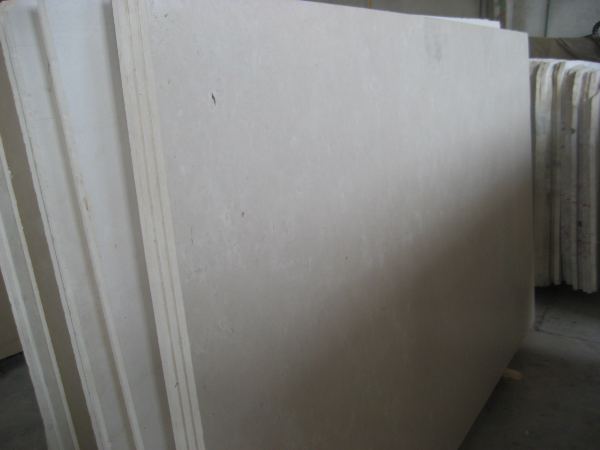

Durable, Stylish, and Long-Lasting
When it comes to upgrading your kitchen, choosing the best stone tile is one of the smartest investments you can make. Not only does stone tile offer timeless beauty, but it also delivers unmatched durability in a high-traffic, high-moisture environment.
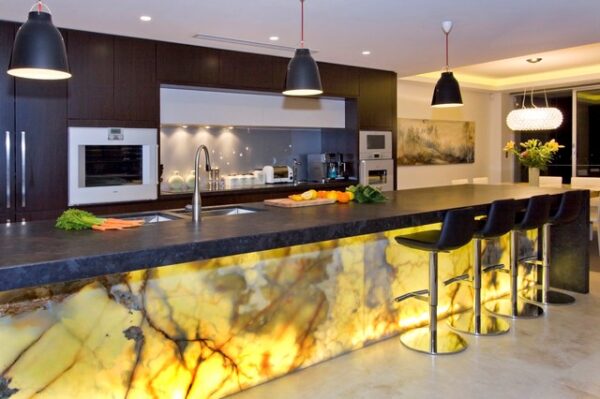
Why Stone Tile Works So Well in Kitchens
Stone tile continues to gain popularity in modern kitchens—and for good reason. It combines elegance with performance, making it perfect for both small and large spaces.
Durability: Natural stone withstands heavy foot traffic and wear.
Heat resistance: Ideal near stoves, ovens, and hot appliances.
Low maintenance: With proper sealing, it’s easy to clean and stain-resistant.
Timeless style: Adds natural texture and boosts resale value.
Moreover, stone tile works well with radiant heating systems, giving you a comfortable and stylish kitchen floor all year round.
Top 4 Best Stone Tiles for Kitchen Floors
While several stone tiles are suitable for kitchens, not all are equal in performance or aesthetics. Below are the most recommended types:
1. Slate Tile: Rustic and Slip-Resistant
Slate is an excellent choice for kitchens where traction matters. Because of its naturally textured surface, it offers slip resistance even when wet.
Pros:
Earthy, natural tones that hide dirt
Excellent for rustic or industrial designs
Naturally non-slip and durable
Cons:
May require leveling due to uneven surfaces
Needs sealing to prevent moisture absorption
Best for: Farmhouse, industrial, or traditional-style kitchens.
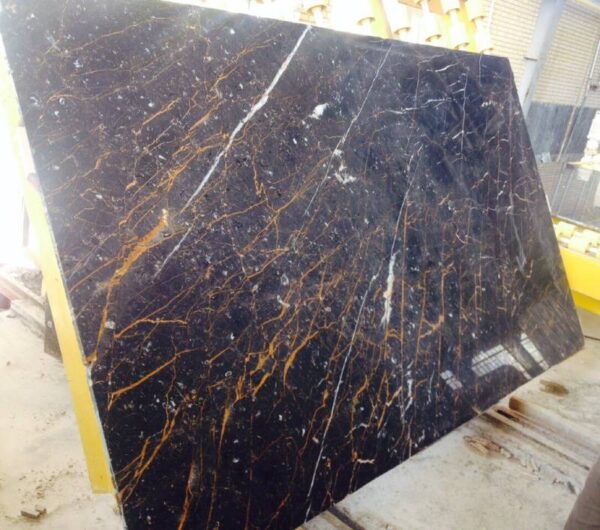
2. Granite Tile: Hard and Stain-Resistant
If you’re looking for maximum durability, granite is hard to beat. Not only is it scratch-resistant, but it also handles heat and spills with ease.
Pros:
Extremely tough and long-lasting
Comes in many colors and patterns
Great for high-use kitchens
Cons:
Can be slippery if polished
Heavier and usually more costly
Best for: High-traffic kitchens or homes with children and pets.
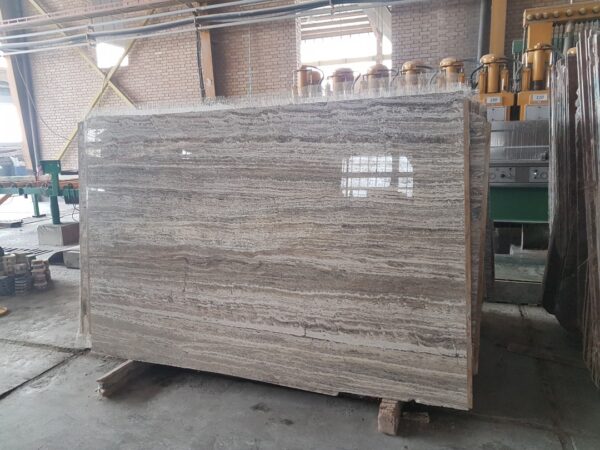
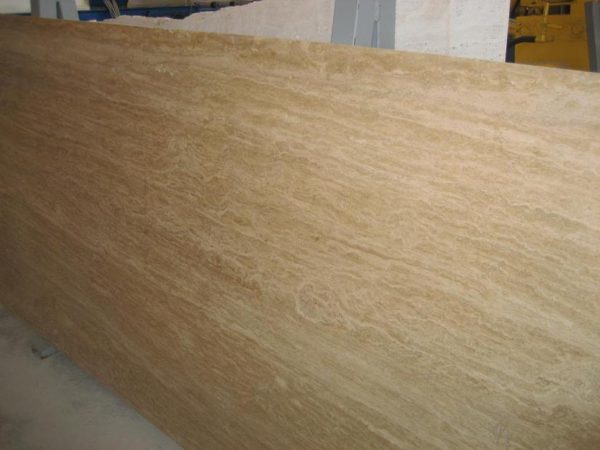
3. Travertine Tile: Warm and Textured
Travertine offers natural warmth and subtle texture. As a result, it creates a cozy and inviting kitchen atmosphere.
Pros:
Non-slip when honed or tumbled
Softer, neutral color palette
Comfortable to walk on
Cons:
Porous and prone to etching
Needs regular sealing
Best for: Mediterranean, rustic, or warm-toned kitchen spaces.
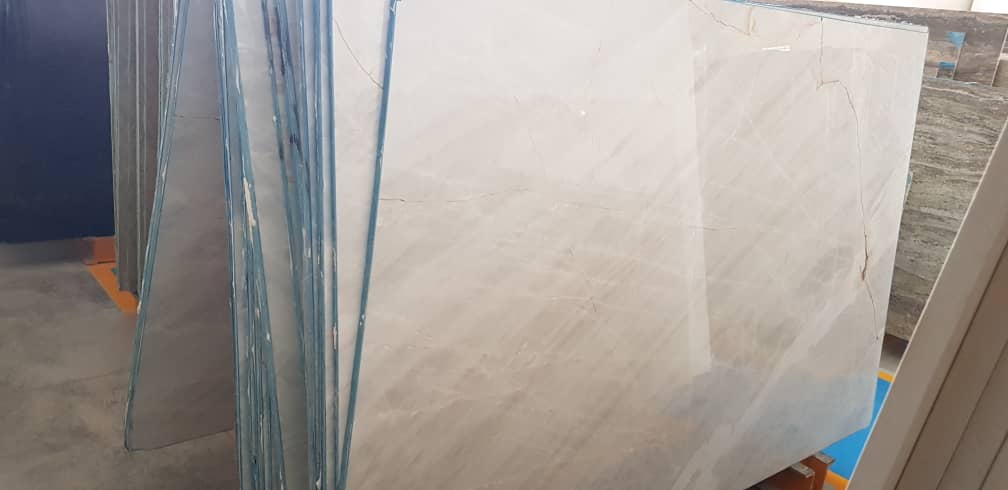
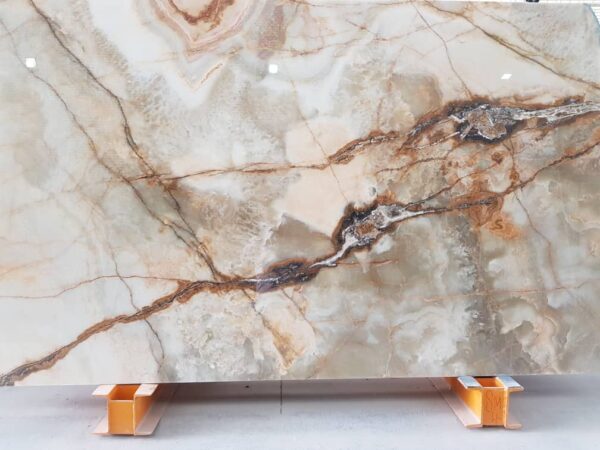
4. Marble Tile: Elegant and Timeless
For those who want to make a bold design statement, marble is a classic choice. Although it requires more maintenance, its luxurious look is hard to beat.
Pros:
Stunning veining and polished finish
Boosts home value
Available in many shades and styles
Cons:
Prone to staining and scratching
Can be slippery when wet
Best for: Upscale kitchens and open-concept living areas.
How to Choose the Right Stone Tile for Your Kitchen
Before making a final decision, consider these key factors:
Functionality: Choose textured finishes for safety.
Maintenance: Some stones need regular sealing.
Design match: Coordinate with cabinets, counters, and lighting.
Budget: Think long-term—stone is an investment.
Additionally, make sure your subfloor is ready to support the weight of natural stone. This ensures longevity and avoids future issues.
Final Thoughts: Style Meets Strength
Ultimately, the best stone tile for kitchen floors depends on your lifestyle, design preferences, and maintenance expectations. Whether you go with slate for safety, granite for strength, travertine for comfort, or marble for elegance, stone tile delivers style and reliability that lasts for decades.

 white crystal