A Key Guide for Global Suppliers
Europe is one of the largest markets for natural stone, with a consistent demand for high-quality materials used in construction, landscaping, and interior design. As a result, exporting stones to Europe offers a highly profitable business opportunity. In this guide, we’ll explore the most exported stones to Europe, their key applications, and tips for suppliers who want to expand their market presence.
Most Exported Stones to Europe
Several types of stone dominate the European import market, with countries sourcing a wide variety of materials for diverse construction and design projects. The most commonly exported stones include granite, marble, limestone, and sandstone.
1. Granite
Granite ranks as the most exported stone to Europe because of its unmatched strength, durability, and versatility. Moreover, this stone serves both residential and commercial projects, including countertops, flooring, and exterior cladding. It withstands harsh weather conditions and heavy wear, making it suitable for both indoor and outdoor settings.
Applications: Countertops, flooring, facades, monuments
Benefits: Exceptional durability, scratch- and heat-resistant, available in diverse colors and patterns
2. Marble
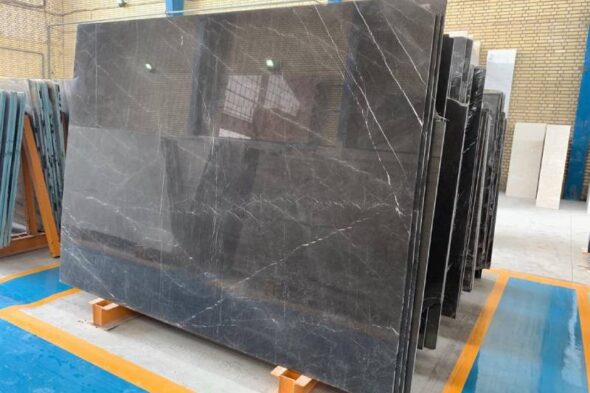
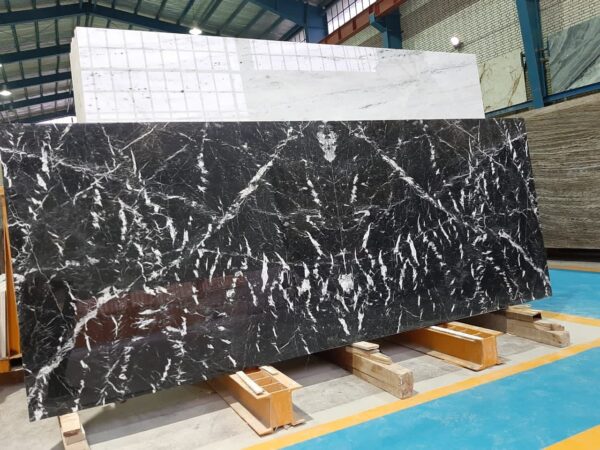
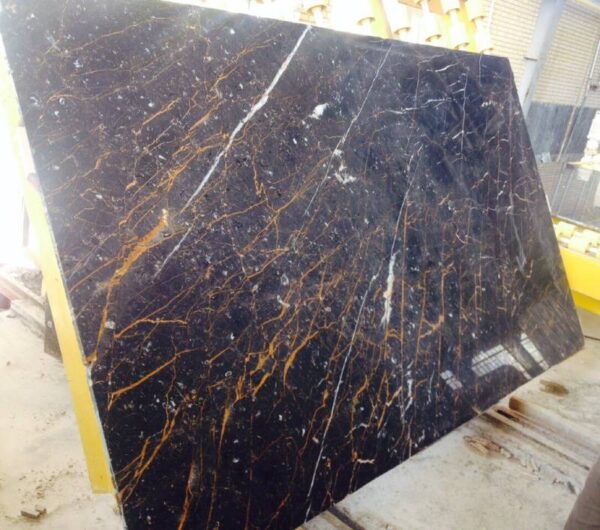
Marble also enjoys strong demand in Europe. Known for its timeless elegance and luxury appeal, marble frequently appears in high-end interior projects such as flooring, countertops, and wall cladding. Because of its natural beauty and aesthetic value, it remains a top choice for luxury buildings and homes.
Applications: Countertops, flooring, decorative accents, sculptures
Benefits: Luxurious look, wide variety of colors, perfect for high-end projects
3. Limestone
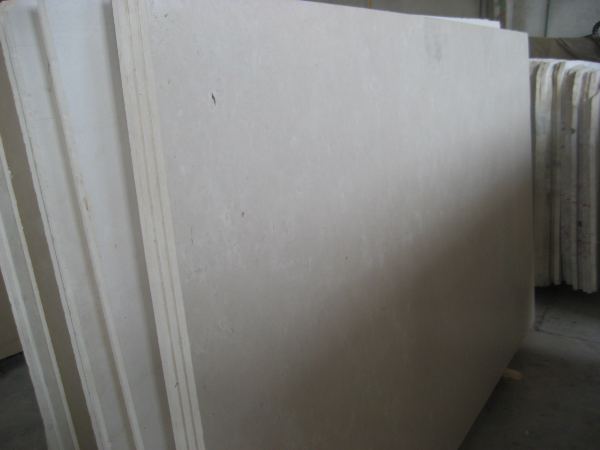
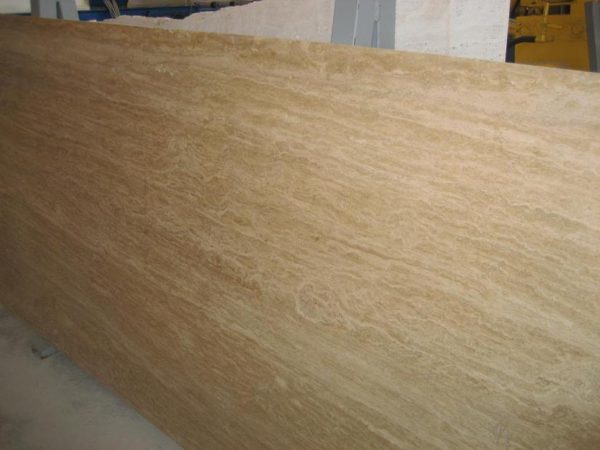
Limestone attracts buyers with its natural appearance and affordability. In particular, it finds use in landscaping, exterior facades, and building walls. Its earthy tones and workable texture appeal to European architects and designers seeking a versatile, durable, and cost-effective material.
Applications: Flooring, walls, facades, landscaping
Benefits: Affordable, versatile, natural look, ideal for outdoor projects
4. Sandstone
Sandstone remains popular in Europe because of its rich color variations and ease of use in construction. Additionally, it works well for exterior cladding, paving, and outdoor landscaping. Its weather-resistant qualities make it perfect for residential and commercial projects in regions with changing climates.
Applications: Paving, exterior cladding, landscaping
Benefits: Durable, available in various shades, weather-resistant, easy to work with
Why These Stones Are Popular in Europe
Understanding why these stones dominate the European market helps suppliers tailor their offerings more effectively.
1. Durability and Longevity
Granite and marble deliver exceptional strength, allowing them to last for decades without losing their appeal. European buyers value materials that stand up to high traffic and harsh weather, reducing the need for frequent repairs or replacements.
2. Aesthetic Appeal
Natural stones such as marble and sandstone provide unique colors and textures that add sophistication and authenticity to projects. Whether used in commercial or residential spaces, these stones enhance the visual appeal of floors, walls, and facades.
3. Sustainability and Environmental Benefits
Limestone and sandstone offer eco-friendly building solutions because suppliers can source them responsibly and process them with minimal environmental impact. As Europe increasingly prioritizes sustainable construction, demand for these stones continues to grow among buyers who want both durability and environmental responsibility.

 white crystal