
A Key Opportunity for Global Suppliers
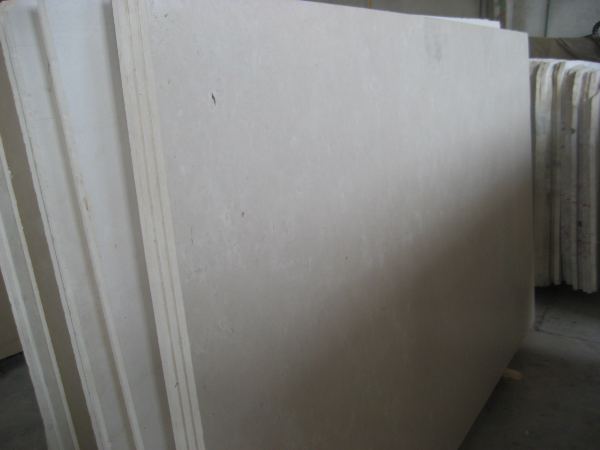
Africa is a rapidly growing market for natural stone, with increasing demand driven by booming infrastructure projects, residential developments, and commercial constructions. As the construction and design industries continue to expand, exporting stone to Africa presents a significant opportunity for global suppliers. In this article, we’ll explore the most exported stones to Africa—granite, marble, limestone, and sandstone—and explain why they are in high demand across the continent.
Key Stones Exported to Africa
Natural stone plays a critical role in many construction and design projects in Africa. The most commonly exported stones include granite, marble, limestone, and sandstone. Each type serves unique purposes, offering beauty, durability, and practicality for a wide range of applications.
1. Granite
Granite ranks as the most widely exported stone to Africa because of its exceptional durability and versatility. Moreover, it serves both residential and commercial projects, including countertops, flooring, exterior cladding, and monuments. Granite’s resistance to scratches, heat, and harsh weather conditions makes it ideal for diverse environments across the continent.
Applications: Kitchen countertops, flooring, facades, monuments
Benefits: Highly durable, scratch- and heat-resistant, wide variety of colors and patterns, low maintenance
2. Marble
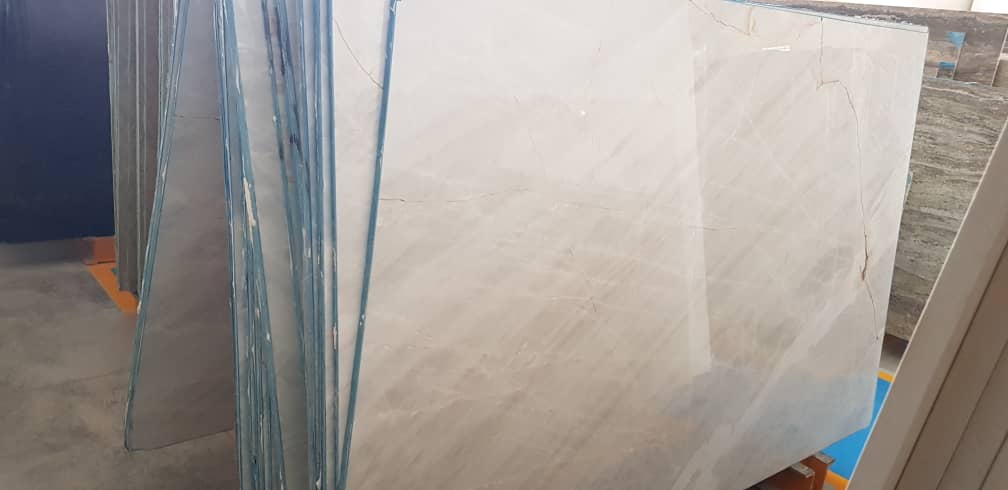
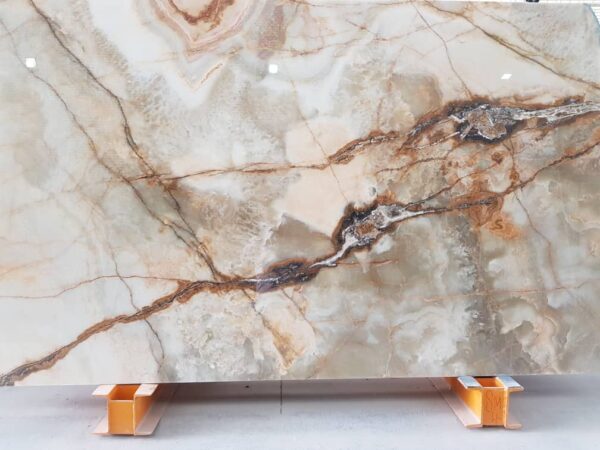
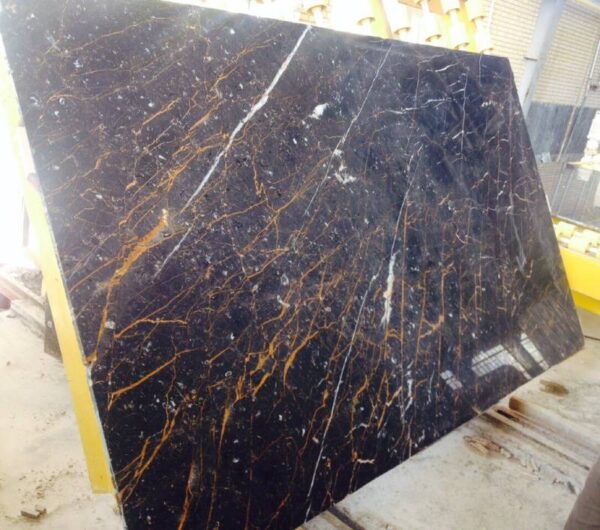
Marble also enjoys strong demand in Africa, particularly for high-end residential and commercial developments. Thanks to its luxurious appearance and smooth texture, it remains a popular choice for flooring, wall cladding, and decorative elements in high-profile buildings. As a result, the elegance of marble continues to enhance the aesthetics of luxury projects across the continent.
Applications: Flooring, countertops, wall cladding, decorative accents
Benefits: Elegant appearance, wide color and pattern options, ideal for luxury spaces
3. Limestone
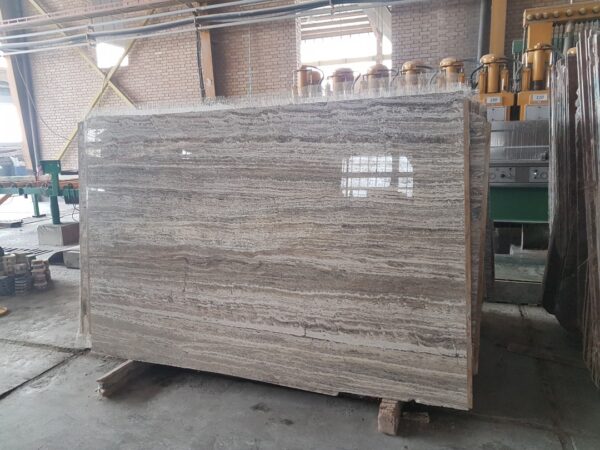
Limestone offers both affordability and a natural aesthetic, making it a widely used stone in Africa. In particular, it is valued for exterior facades, paving, and landscaping. Because it is soft and easy to cut, limestone suits large-scale construction and outdoor projects, especially in warm, dry climates.
Applications: Paving, exterior walls, landscaping, cladding
Benefits: Cost-effective, natural texture, versatile, ideal for outdoor and large-scale projects
4. Sandstone
Sandstone has grown increasingly popular in Africa for its durability, attractive appearance, and easy workability. Additionally, it finds frequent use in outdoor applications such as paving, landscaping, and facades. With its variety of colors and textures, sandstone is perfect for projects requiring a natural, rustic look.
Applications: Paving, exterior facades, landscaping, cladding
Benefits: Durable, weather-resistant, available in various colors, versatile for outdoor use
Why These Stones Are in High Demand in Africa
Several factors drive the popularity of these stones, making them essential for both construction and design projects.
1. Durability for Diverse Climates
Stones like granite and marble hold great value in Africa because they can withstand harsh weather conditions. Since the continent’s climate ranges from hot and dry regions to humid areas, materials that resist wear and endure extreme conditions are essential for long-lasting structures.
2. Aesthetic Appeal for Luxury and Commercial Projects
The desire for luxurious and visually striking finishes fuels the demand for high-quality marble, granite, and sandstone. Whether used in residential or commercial spaces, these stones offer rich colors, unique patterns, and the ability to elevate the appearance of interiors, facades, and landscapes.
3. Cost-effectiveness and Versatility
Limestone and sandstone provide affordable alternatives to more expensive stones like granite and marble. Furthermore, their versatility in different applications ensures they remain a go-to choice for large-scale commercial and infrastructure projects. Consequently, these stones maintain steady demand throughout the African market.
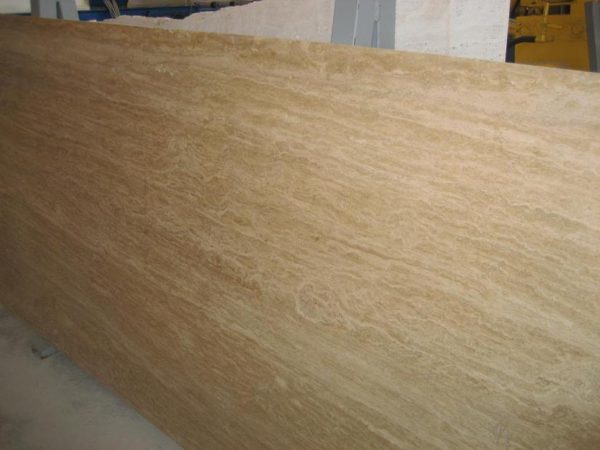

 white crystal