A Complete Guide to Heat, Fire Resistance, and Commercial Insights
Marble has been used in architecture, sculpture, and interior design for thousands of years — celebrated for its elegance, strength, and durability. But one question that consistently pops up among builders, homeowners, and designers is: “Does marble burn?” This article breaks down the science, fire performance, practical applications, and commercial considerations of marble in relation to heat and combustion.
What Is Marble? Physical and Chemical Composition
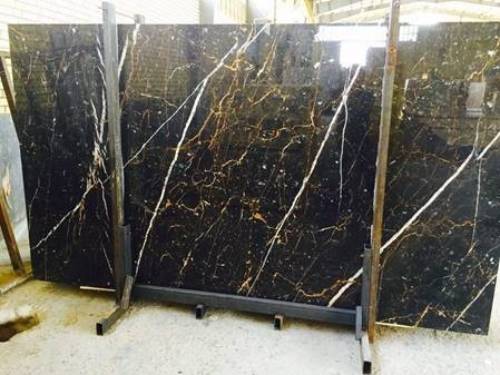
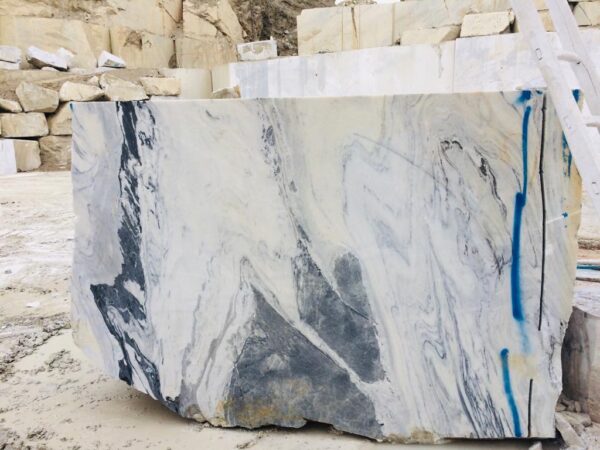
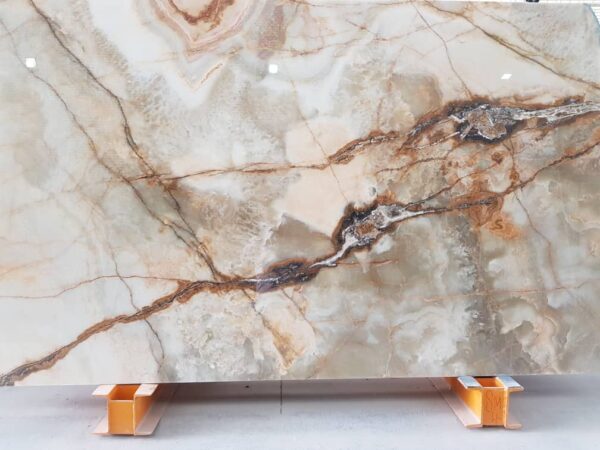
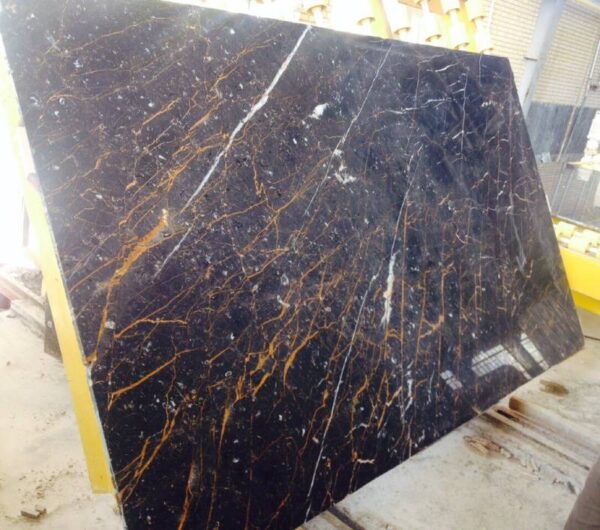
Marble is a metamorphic rock formed when limestone undergoes heat and pressure deep underground. Its primary component is calcium carbonate (CaCO₃), with trace minerals giving it the characteristic veining and color variation that makes it so popular in architecture and luxury design. Sagit Global
| Marble has been used in architecture, sculpture, and interior design for thousands of years — celebrated for its elegance, strength, and durability.When exposed to fire or open flames, marble does not ignite because of its chemical makeup. Unlike combustible materials that sustain flame and generate heat through oxidation (e.g., wood at ~300°C), marble does not support combustion.Marble resists moderate heat such as hot cookware contact without igniting. However, rapid temperature changes can cause thermal shock, resulting in cracks or surface damage. |
This mineralogical composition is key to its fire and heat behavior:
Calcium carbonate is inorganic and non-combustible — meaning it lacks the carbon-hydrogen bonds necessary for traditional burning. abdstone.com
Marble is rated as a non-combustible material in fire safety classifications (often A1 grade), meaning it doesn’t burn or contribute fuel to a fire. caronstone.com
In simple terms: marble will not catch flame or burn like wood, plastic, or other organic materials.
Fire Resistance vs. Burning — Understanding the Difference
Why Marble Doesn’t Burn
When exposed to fire or open flames, marble does not ignite because of its chemical makeup. Unlike combustible materials that sustain flame and generate heat through oxidation (e.g., wood at ~300°C), marble does not support combustion. abdstone.com
Instead, under extremely high heat (much higher than typical building fires), marble undergoes thermal decomposition:
Around 825–900°C (1517–1652°F), the calcium carbonate in marble begins to break down into calcium oxide (quicklime) and carbon dioxide gas — a process known as calcination. abdstone.com+1
This is not the same as burning — there is no flame or support of combustion.
Even in intense heat, the material does not serve as fuel to the fire. In many fire safety codes, marble is considered a fire-resistive barrier, slowing heat transfer rather than accelerating it. The Marble Guide
How Marble Reacts to Heat in Real Conditions
Heat Tolerance Without Burning
Though marble won’t burn, its physical properties do change with heat exposure:
Prolonged heat above 400–600°C can cause micro-cracking and structural weakening, due to internal stresses and differential expansion. fireriskheritage.net
Around and above 800°C, decomposition accelerates, leading to potential crumbling, discoloration, and surface spalling. fireriskheritage.net
Standard building tests show marble can maintain structural integrity and resist fire for limited durations; for example, a 22 mm thick slab may achieve fire-resistance ratings in certain tested assemblies. Transparency Catalog
Heat Resistance in Practical Use
For everyday architectural and interior scenarios:
Marble resists moderate heat such as hot cookware contact without igniting. However, rapid temperature changes can cause thermal shock, resulting in cracks or surface damage. abdstone.com
Homeowner surveys and trade sources suggest marble countertops can withstand temperatures common in kitchens (up to ~350°F / 176°C), but direct contact with extremely hot pots or pans is not recommended without protection (e.g., trivets). Sagit Global+1
Fire Safety Performance and Legal Standards
International Fire Codes and Marble
Architects and engineers reference fire codes such as the International Building Code (IBC) and ASTM standards when specifying materials:
Marble typically falls into the A1 non-combustible class, meaning it neither feeds fire nor emits toxic smoke. caronstone.com
Fire tests such as ASTM E119 evaluate materials for fire resistance hours (i.e., how long walls and barriers withstand fire). Natural stone, including marble, is often utilized in assemblies that meet regulatory standards. The Marble Guide
A building clad or veneered with marble may resist flame spread and help compartmentalize fires — slowing progression and giving occupants extra time to escape.
Specialized Terms and Concepts in Fire Science
Thermal Inertia vs. Thermal Shock
Understanding heat behavior in marble relies on two key concepts:
Thermal Inertia: Marble’s dense crystalline structure absorbs and redistributes heat slowly, helping delay rapid temperature increases around it. The Marble Guide
Thermal Shock: Rapid temperature change (e.g., placing something extremely hot on a cold marble surface) can cause internal stress because heat doesn’t spread evenly. This leads to cracking or fissures, even though the marble itself isn’t burning. abdstone.com
Unlike metals that expand uniformly, marble’s low thermal conductivity and brittle nature make it vulnerable to thermal shock damage.
Practical Commercial Implications
Why Marble Is Valued Commercially
Marble’s fire-resistant characteristics make it ideal for:
Flooring and wall cladding in commercial buildings, where fire safety and aesthetics are priorities.
Fireplaces and hearths, where materials face recurring heat exposure without contributing to flame propagation.
Public and cultural spaces, where building codes require non-combustible materials.
Designers often state: “Using marble doesn’t just elevate appearance — it enhances passive fire protection.” This reflects both aesthetic and functional value.
Limitations and Considerations
While marble doesn’t burn:
It can degrade structurally under excessive heat (prolonged fires or industrial conditions).
Its polish and finish may discolor under high heat exposure.
Thermal shock remains a real risk in kitchens or areas with abrupt temperature changes. abdstone.com+1
These factors contribute to maintenance and warranty considerations when marble is selected for commercial and residential applications.
Conclusion — The Final Verdict
So, does marble burn?
No. Marble is a non-combustible, fire-resistant material due to its inorganic composition and mineral structure. It does not ignite, does not produce flame, and does not feed fires. abdstone.com
However:
Marble can be affected by heat through decomposition, cracking, or discoloration.
Thermal shock and prolonged high temperatures present real risks to its structural integrity.
For commercial and architectural use, designers must balance marble’s fire resistance with its thermal sensitivities.
For builders, designers, and property owners, understanding these properties helps optimize safety, compliance, and performance while taking full advantage of marble’s timeless appeal.
Key Resources (Cited):
Marble Fire Resistance and Heat Behavior — ABD Stone, Caron Stone, US Marble Guide. abdstone.com+2caronstone.com+2
Thermal Effects and Structural Integrity of Marble — Fire Risk Heritage, technical building resources. fireriskheritage.net

 white crystal