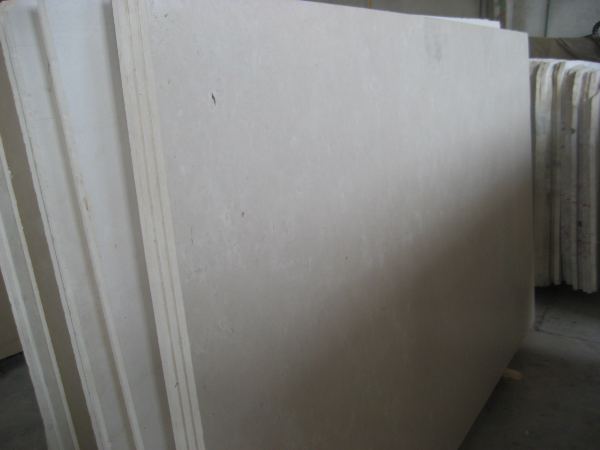

A Complete Guide
The Unique Properties of Marble
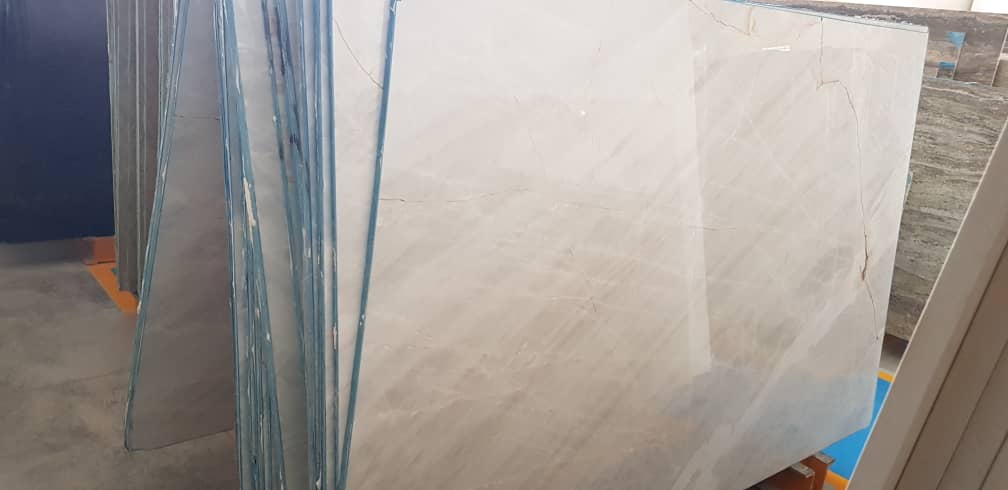
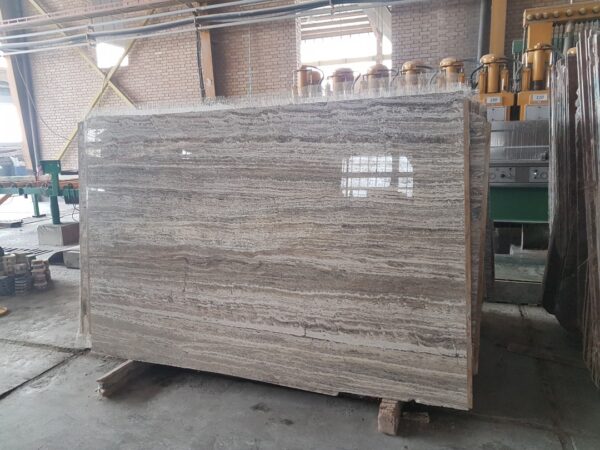
Marble is one of the most elegant natural stones in the world. Its luxurious appearance, smooth texture, and wide range of colors make it a favorite for architects, designers, and homeowners. However, marble requires special handling due to its softness and sensitivity. Consequently, it is primarily used in indoor applications, where it can maintain its beauty over time.
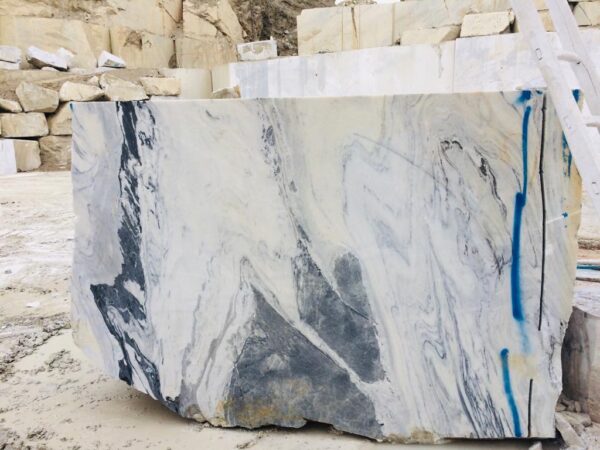
Moreover, marble’s porosity and vulnerability to environmental factors make outdoor use challenging. Exporters and suppliers often recommend indoor installations to ensure durability, safety, and long-term aesthetics.
Why Marble Performs Better Indoors
1. Porosity Makes It Vulnerable Outdoors
Marble contains tiny pores that absorb water. When exposed to rain, snow, or humidity, water seeps into these pores and can cause staining, cracking, or surface erosion. Therefore, designers prefer marble for indoor flooring, walls, and countertops, where it avoids excessive moisture.
2. Sensitivity to Acidic Substances
Marble reacts with acidic liquids like lemon juice, vinegar, or acid rain, which can etch and dull its surface. As a result, outdoor environments, which often expose marble to acidic elements, are not ideal. Indoors, it maintains a polished finish and elegant look with minimal damage.
3. Temperature Fluctuations Can Cause Damage
Marble expands and contracts with temperature changes. In outdoor climates, this can lead to cracks or fractures over time. In contrast, indoor temperatures are more stable, preserving marble’s structural integrity. Consequently, indoor installations prevent costly repairs and maintain long-lasting performance.
4. High Maintenance Requirements
Marble requires regular sealing, cleaning, and protection from stains. Outdoor use increases maintenance demands because exposure to dust, rain, and pollution accelerates wear. Therefore, homeowners and designers prefer indoor use, where maintenance is easier and more manageable.
5. Luxury and Aesthetic Considerations
Marble’s elegance and smooth finish make it ideal for interiors like living rooms, bathrooms, staircases, and countertops. Moreover, indoor settings allow designers to showcase marble’s beauty in polished or honed finishes, which may not last outdoors. As a result, marble retains its status as a premium indoor material.
Export Opportunities for Indoor Marble
Countries around the world import marble primarily for indoor projects. Markets in Europe, North America, and the Middle East prefer marble for flooring, countertops, decorative walls, and luxury interiors. Furthermore, exporters can differentiate their products by offering pre-polished finishes, custom cuts, and installation guidance for indoor use.
How Exporters Can Succeed
Suppliers should:
Promote marble as an indoor-only luxury stone.
Provide maintenance tips and sealing instructions.
Highlight its aesthetic value, polishability, and durability indoors.
In addition, strong SEO content helps exporters reach architects, interior designers, and homeowners searching for premium indoor marble, marble flooring, and polished marble countertops.
Conclusion: Why Marble Shines Indoors
Overall, marble’s porosity, sensitivity to acids, temperature expansion, and maintenance needs make it best suited for indoor applications. Consequently, architects, designers, and homeowners worldwide use it for luxury interiors, countertops, and flooring. As a result, marble continues to stand out as a timeless and elegant indoor stone.
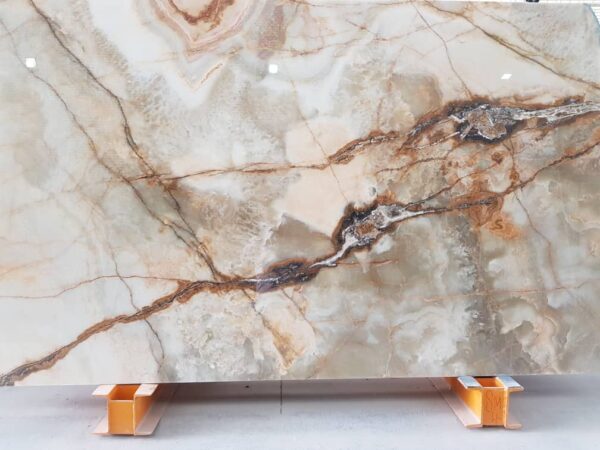
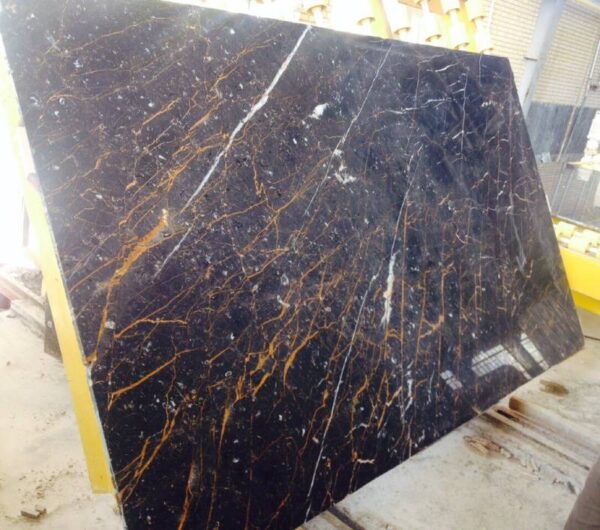

 white crystal