A Buyer’s Guide
Why Natural Stone Matters in Humid Climates
When building or renovating in regions with humid weather, material selection plays a crucial role. High humidity can damage surfaces, leading to mold, staining, or structural issues if the wrong stone is used. Therefore, choosing the right natural stone ensures durability, beauty, and long-term value.
Moreover, architects and homeowners prefer stones that resist moisture, maintain their appearance, and require minimal maintenance. Consequently, exporters and suppliers must identify the best-performing stones for humid environments to meet growing demand in tropical and coastal regions.
Best Natural Stones for Humid Weather
1. Granite: Strength and Moisture Resistance
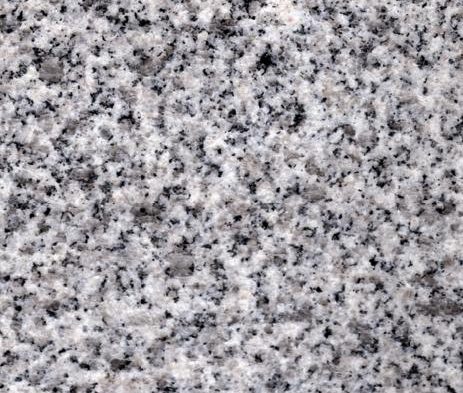
Granite stands out as one of the most durable stones for humid climates. Its dense composition resists water absorption, which helps prevent mold and mildew. As a result, buyers use granite in kitchen countertops, bathrooms, and outdoor areas. Exporters who supply polished or sealed granite can target regions with high humidity successfully.
2. Slate: Naturally Slip-Resistant
Slate offers exceptional resistance to moisture and provides a natural slip-resistant texture. Therefore, it is widely used in outdoor flooring, pool decks, and patios in humid areas. In addition, slate’s earthy colors and rustic appeal make it both practical and stylish. Exporters who promote slate highlight its safety and performance benefits.
3. Travertine: Versatility with Proper Sealing
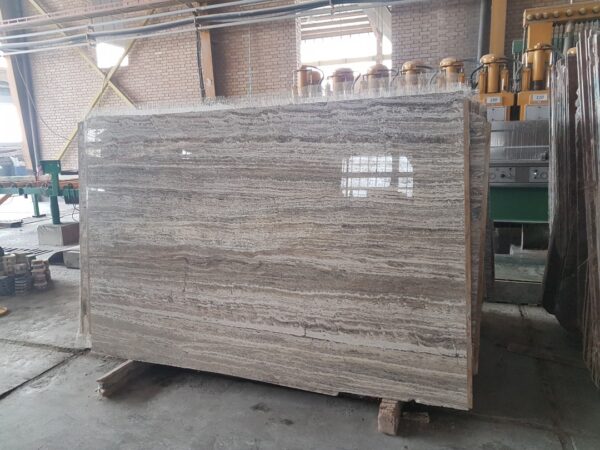
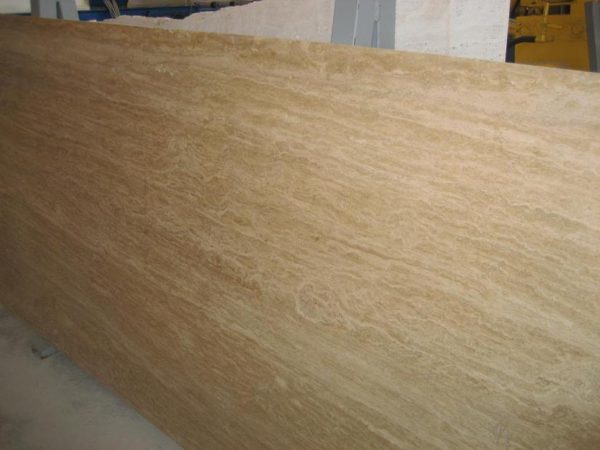
Travertine performs well in humid weather when treated with sealants. It offers timeless beauty with warm tones and natural patterns, making it a popular choice for interiors and exteriors. Consequently, sealed travertine works in bathrooms, wall cladding, and pool surrounds, where elegance and functionality are equally important.
4. Quartzite: Durable and Stylish
Quartzite combines strength, low porosity, and resistance to moisture, making it ideal for humid climates. Designers often use it in countertops, flooring, and decorative walls. Therefore, exporters market quartzite as a premium alternative to marble, offering beauty with greater resilience in tropical regions.
5. Sandstone: Practical with Proper Care
Sandstone offers natural slip resistance and a textured finish, which makes it suitable for outdoor applications. However, it requires sealing to perform well in very humid weather. Exporters still find strong demand for sandstone in landscaping and exterior cladding, especially when clients prioritize a natural look.
Export Opportunities in Humid Regions
Countries with tropical or coastal climates—such as India, Southeast Asia, the Middle East, and South America—continue to show rising demand for moisture-resistant stones. Furthermore, luxury resorts, residential projects, and public infrastructure in these regions create consistent opportunities for stone exporters.
How Exporters Can Succeed
To succeed, suppliers should:
Offer stones proven to withstand humidity.
Provide sealing and maintenance guidance.
Highlight sustainability and long-term performance.
In addition, building strong digital visibility helps exporters connect with architects and contractors searching for the best natural stones for humid weather.
Conclusion: Choosing the Best Natural Stone for Humid Weather
Overall, the best stones for humid conditions include granite, slate, travertine, quartzite, and sandstone. Consequently, exporters who supply these materials can meet growing demand in tropical and coastal markets. As a result, natural stone remains a profitable solution for humid climates, combining durability with timeless beauty.
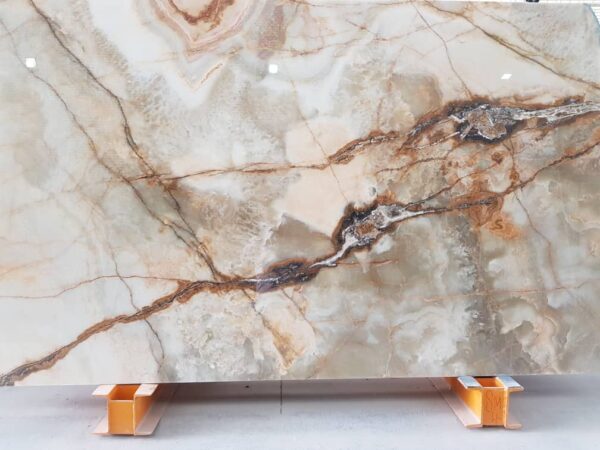

 white crystal