The Journey from Rock to Elegance
Stone tiles are known for their strength, beauty, and timeless appeal. But have you ever asked yourself how stone tiles are made? Understanding this process not only helps you appreciate their craftsmanship, but also guides smarter purchasing decisions.
From the rugged quarry to the polished floor beneath your feet, each stone tile follows a carefully planned process that blends nature and technology.
Step 1: Sourcing Natural Stone from Quarries
The journey begins at stone quarries, where massive blocks of stone—like marble, granite, slate, or travertine—are extracted from the earth. This step lays the foundation for the entire tile-making process.
How It Happens
Workers use diamond wire saws, drills, or controlled explosions to extract large stone blocks. Then, these blocks are transported to processing facilities. Because stone is extremely heavy and valuable, safe and efficient transport is critical.
Step 2: Cutting Blocks into Slabs and Tiles
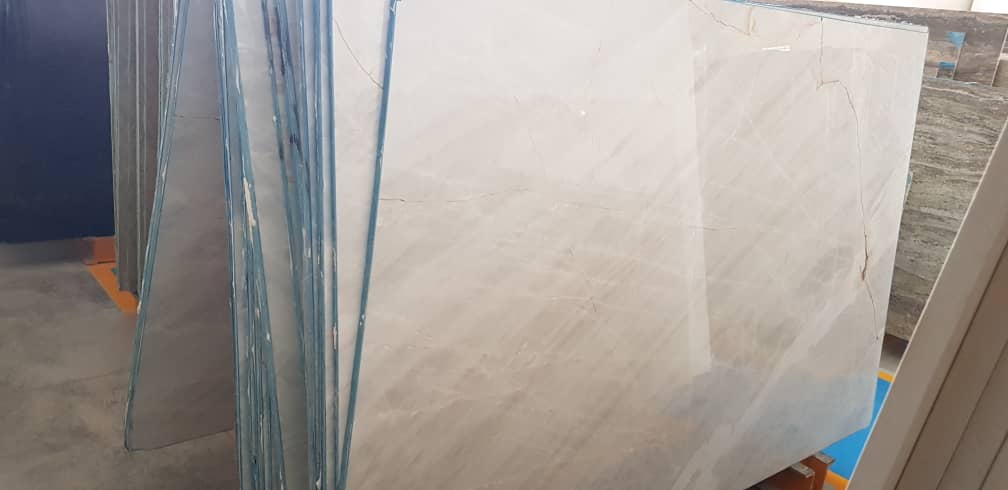
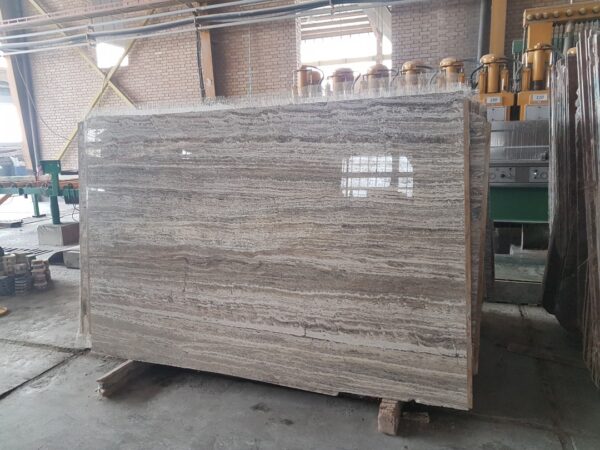
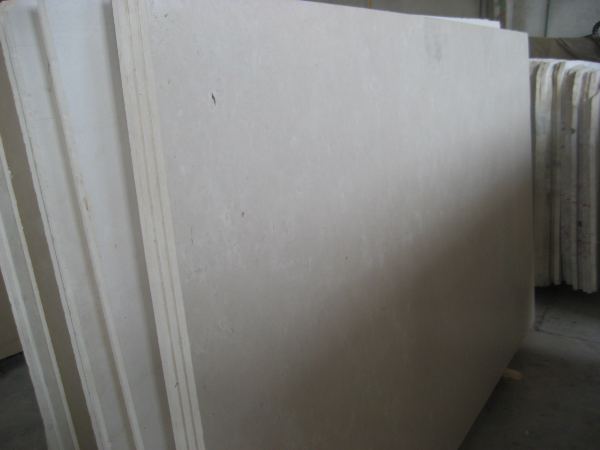
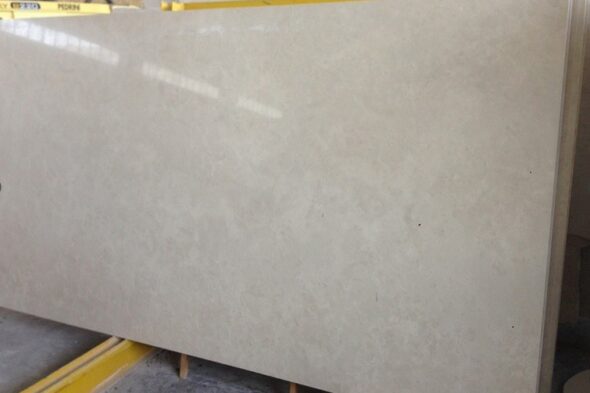
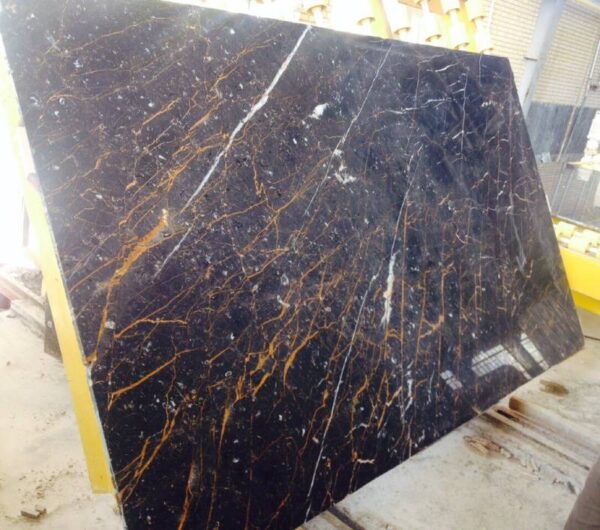
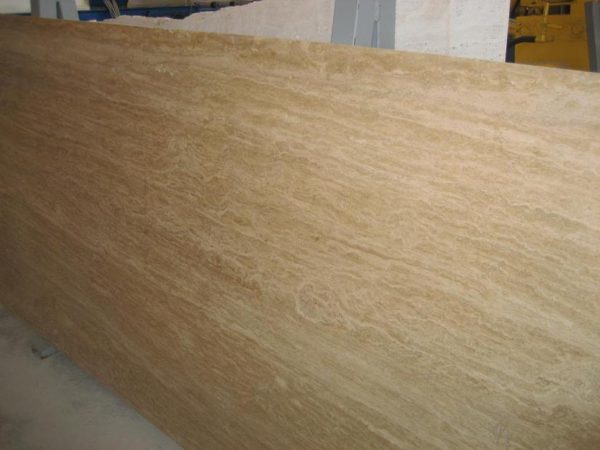
Once the stone arrives at the factory, cutting transforms raw blocks into flat slabs. These slabs will eventually become the tiles we see in homes and buildings.
Precision Cutting
Machines like gang saws or diamond blade saws cut the stone with great accuracy. Next, those slabs are trimmed into tile-sized pieces using laser-guided tools. Since consistency matters, each tile is shaped to meet strict size and thickness requirements.
Step 3: Surface Finishing Enhances Appearance
At this stage, each tile receives a finish that brings out its color and texture. This step not only boosts visual appeal but also affects performance in different spaces.
Popular Stone Tile Finishes
Polished: High-gloss shine, perfect for formal interiors
Honed: Smooth but matte, ideal for modern spaces
Brushed or tumbled: Textured for rustic or slip-resistant surfaces
Flamed: Rough and rugged, often used outdoors
Because each finish changes how the stone feels and looks, buyers should choose one that matches the room’s use and design.
Step 4: Quality Control and Sorting
Each tile undergoes a detailed inspection for defects like cracks, uneven color, or thickness issues. As a result, only the highest-quality tiles are labeled “premium grade.” Lower-grade tiles may still be used in less visible areas or repurposed for decorative purposes.
Step 5: Packaging and Global Delivery
Finally, the tiles are carefully packed to prevent damage during transport. Labels identify the stone type, finish, and batch. From there, they’re shipped to distributors, showrooms, or construction sites around the world.
Final Thoughts: From Quarry to Quality
Now that you understand how stone tiles are made, you’ll see each tile as more than just a surface—it’s the result of nature, skilled labor, and precision engineering. Whether you’re choosing tiles for a luxury hotel or a cozy kitchen, this knowledge helps you select with confidence.
Invest in stone tiles, and you’re choosing beauty that lasts for decades.
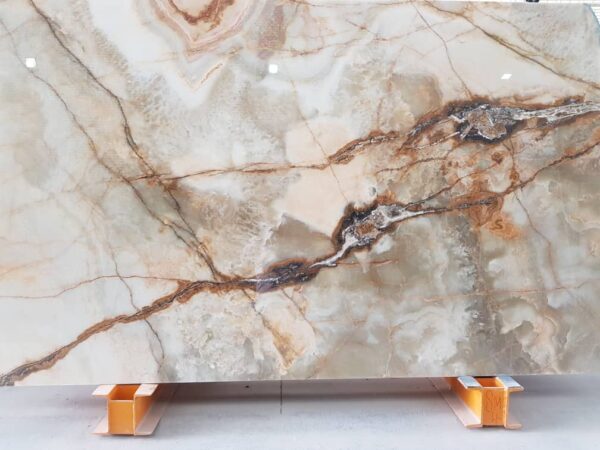

 white crystal