A Guide for Buyers and Exporters
Why Limestone Is in High Demand
Limestone stands as one of the most versatile natural stones in the global market. Known for its durability, elegance, and wide range of applications, it is used in construction, architecture, landscaping, and interior design. Moreover, its natural beauty and availability make it a top choice for both local projects and international exports.

Consequently, understanding the different types of limestone helps buyers, architects, and exporters choose the right material for every project.
Popular Types of Limestone
1. Chalk Limestone
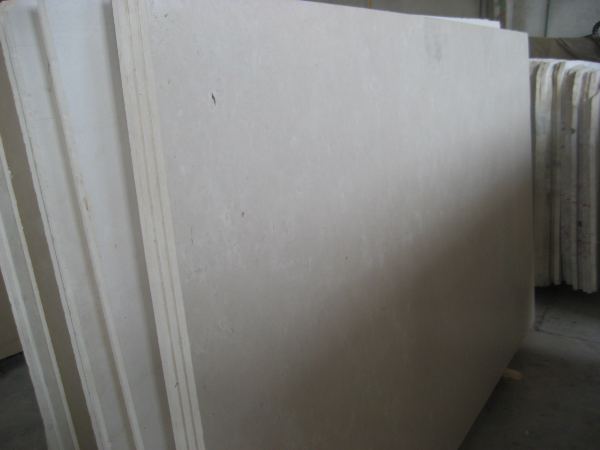
Chalk is a soft and porous type of limestone, usually white or light grey. Builders use it in cement production and soil treatment. Therefore, exporters often supply chalk limestone to industries that require bulk raw materials.
2. Travertine Limestone
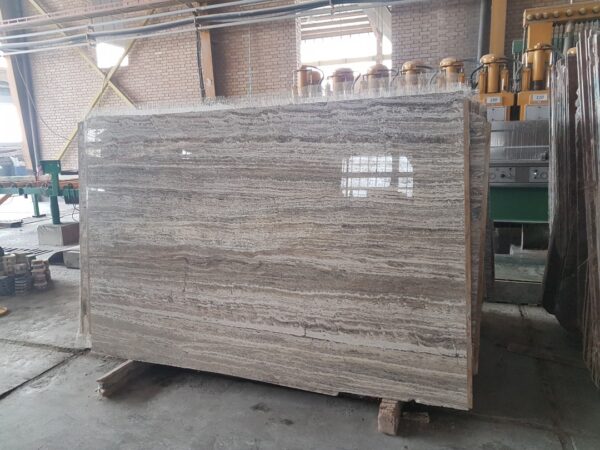
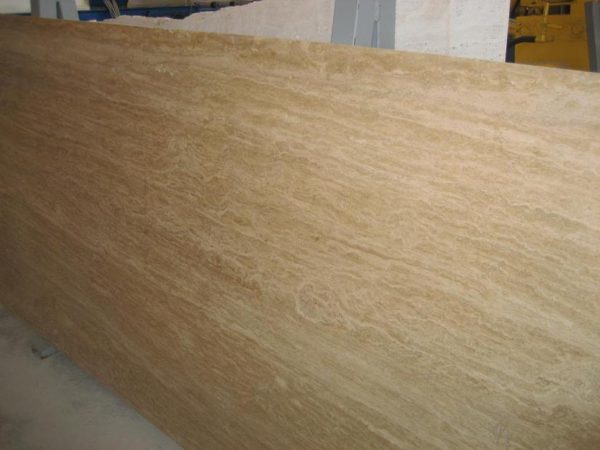
Travertine forms through mineral deposits near hot springs, giving it a unique texture with natural cavities. Its warm tones and earthy appearance make it ideal for flooring, wall cladding, and outdoor spaces. In addition, exporters market travertine as a premium stone for luxury residential and commercial projects.
3. Fossiliferous Limestone
This type of limestone contains visible fossils of marine organisms, making it both decorative and historically valuable. Architects use it in facades, monuments, and unique design features. As a result, fossiliferous limestone appeals to projects that emphasize natural history and aesthetics.
4. Oolitic Limestone
Oolitic limestone is made up of tiny spherical grains called ooids. It has a fine, uniform texture and is easy to cut. Builders commonly use it in decorative facades, paving, and cladding. Consequently, it has strong demand in both domestic and export markets.
5. Lithographic Limestone
Lithographic limestone is dense and fine-grained, historically used for printing lithographs. Today, it is valued for flooring and polished surfaces. Therefore, exporters highlight its smooth finish and durability when promoting it to global buyers.
6. Coquina Limestone
Coquina is a soft, porous stone made of shell fragments. It is often used in landscaping, decorative walls, and garden projects. In addition, coquina offers a natural, coastal look, making it popular in sunny regions and resort developments.
Export Potential of Limestone
Global demand for limestone continues to rise in construction, luxury design, and infrastructure projects. Countries in Asia, the Middle East, and Europe import large volumes for both industrial use and high-end projects. Furthermore, light-colored limestones are especially popular in modern architecture, while fossil-rich and textured varieties attract luxury buyers.
How Exporters Can Succeed
To succeed in limestone exports, suppliers should:
Offer a variety of limestone types to meet diverse market needs.
Provide finishing options like polished, honed, or tumbled surfaces.
Highlight sustainability and long-term performance.
Moreover, SEO-driven marketing strategies help exporters connect with architects, designers, and distributors searching for premium limestone suppliers.
Conclusion: Choosing the Right Limestone
Overall, limestone comes in many types, including chalk, travertine, fossiliferous, oolitic, lithographic, and coquina. Consequently, each variety serves different purposes, from industrial use to luxury design. As a result, exporters who understand and promote these differences can tap into the growing global demand for natural limestone.

 white crystal