A Guide for Buyers and Designers
Europe’s stone industry is diverse, with growing demand for high-quality, versatile materials used in construction, interior design, and landscaping. The variety of natural stones offers options for every style and purpose. Understanding which stones buyers prefer in Europe can help them make informed choices for both residential and commercial projects.
Popular Stones in Demand Across Europe
Several stones stand out for their durability, versatility, and aesthetic appeal. From luxurious marble to accessible and durable limestone, these materials serve a wide range of design needs across the continent.
1. Marble: A Symbol of Luxury and Elegance
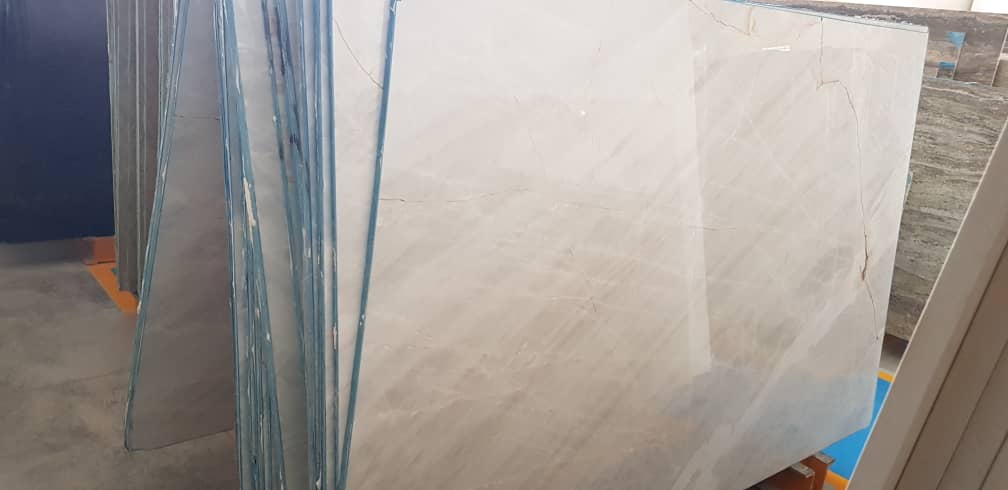
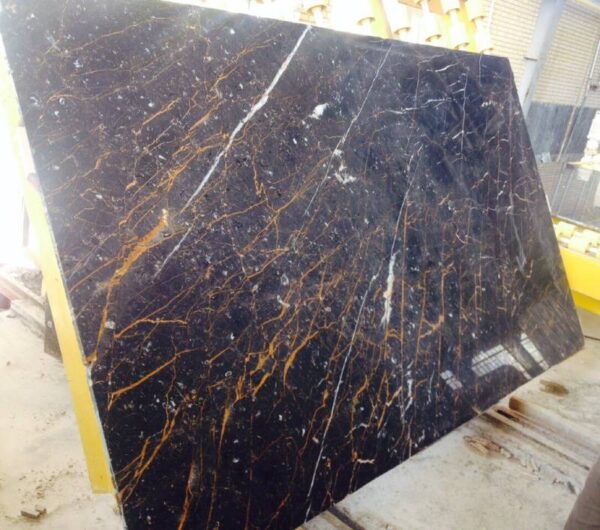
Marble remains one of the most sought-after stones in Europe, especially for high-end residential and commercial projects. Designers use it for countertops, flooring, and luxury architectural features because of its striking veining and polished surface. Italy produces some of the finest marble varieties, including Carrara marble, which continues to symbolize sophistication and elegance.
Although marble requires regular maintenance to prevent staining and scratching, its unmatched beauty drives demand, particularly in upscale homes, hotels, and office buildings.
2. Limestone: Versatile and Cost-Effective
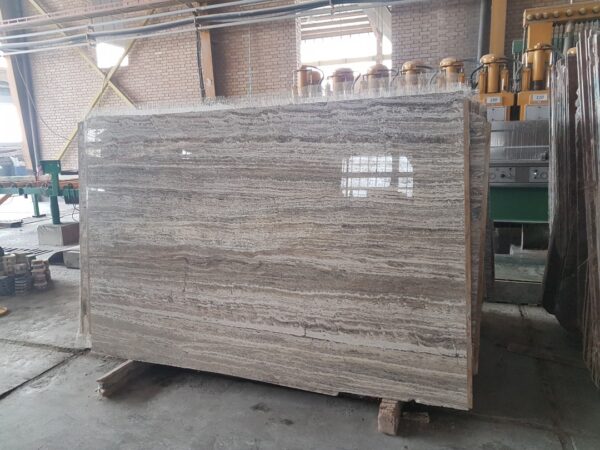
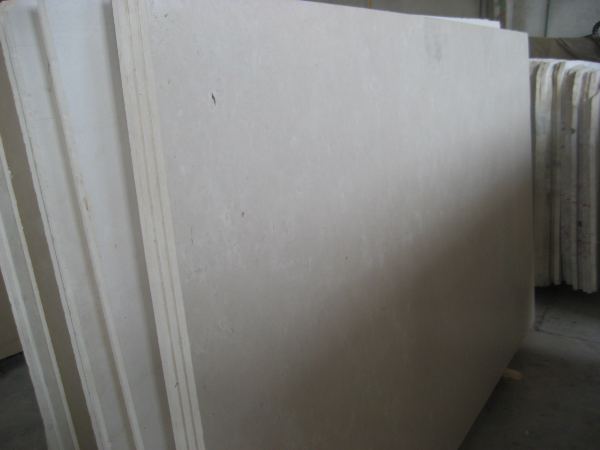
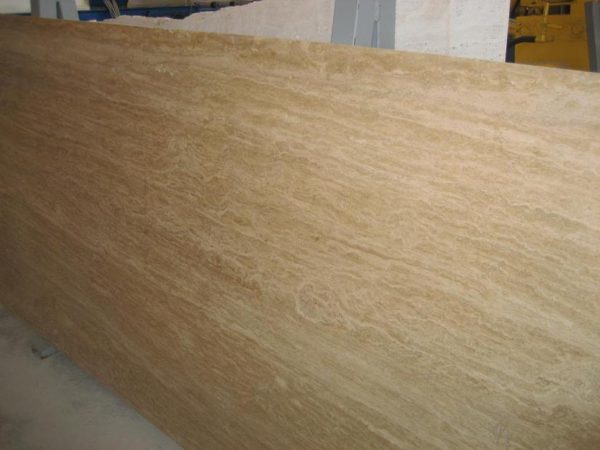
Limestone enjoys popularity in Europe for its natural, rustic appeal. Architects and homeowners use it for both interior and exterior applications, including flooring, cladding, and paving. Countries like France and the UK produce high-quality limestone, which builders incorporate into both historic restorations and modern designs.
Its affordability compared to granite and marble makes limestone an excellent choice for budget-conscious projects. Its soft, natural tones allow designers to incorporate it into both contemporary and traditional architectural styles.
3. Granite: Durability Meets Aesthetics
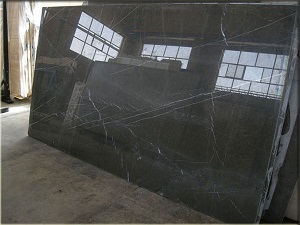
Granite’s presence in Europe’s stone market continues to grow due to its strength and visual appeal. Designers select it for kitchen countertops, flooring, and facades because it withstands wear and tear while requiring minimal maintenance. Its wide range of colors and patterns allows customization to match diverse design preferences.
Granite performs particularly well in commercial spaces and kitchens, where resistance to heat, scratches, and stains proves invaluable. Its versatility and long lifespan keep it in high demand.
Why These Stones Are So Popular in Europe
1. Aesthetic Appeal
Marble, limestone, and granite enhance the beauty of any project. Their natural textures, unique veining, and vibrant colors create visually striking spaces. From marble countertops in luxury hotels to limestone floors in rustic homes, these stones elevate residential and commercial environments.
2. Durability and Functionality
European buyers prioritize stones that combine beauty and resilience. Granite withstands heavy use, marble adds timeless charm, and limestone offers versatile functionality. These qualities make the stones ideal for high-traffic areas and outdoor applications, ensuring long-term value.
3. Cultural and Historical Significance
Marble and limestone have played important roles in European architecture for centuries. Builders and designers continue to choose these stones to honor the region’s rich history and heritage. Their ongoing popularity reflects Europe’s enduring connection to traditional craftsmanship and cultural identity.
https://www.rockstone.biz/demanded-stones-in-africa/
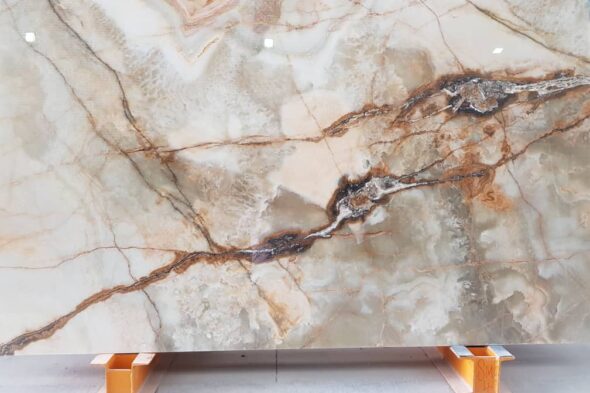
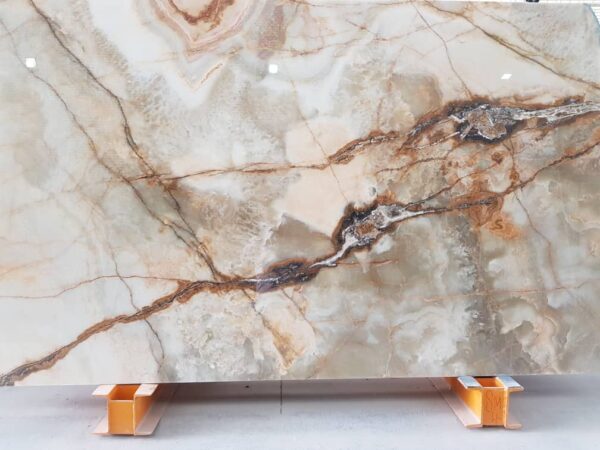
Types of pink onyx, tiles , slab, and quarry – Iranian pink onyx

 white crystal