Advantages of Using Natural Stone in Building Facades
Natural stone has always been one of the most desirable materials in architecture due to its timeless beauty, strength, and natural performance. According to a report published on ArchDaily, the use of natural stone in building facades can reduce indoor temperature by up to 4°C. This natural cooling effect not only improves thermal comfort but also lowers energy consumption, making buildings more sustainable and cost-effective in the long term. With its elegant appearance and practical benefits, natural stone remains an excellent choice for modern and traditional architecture alike. Natural Stone in Building Facades.
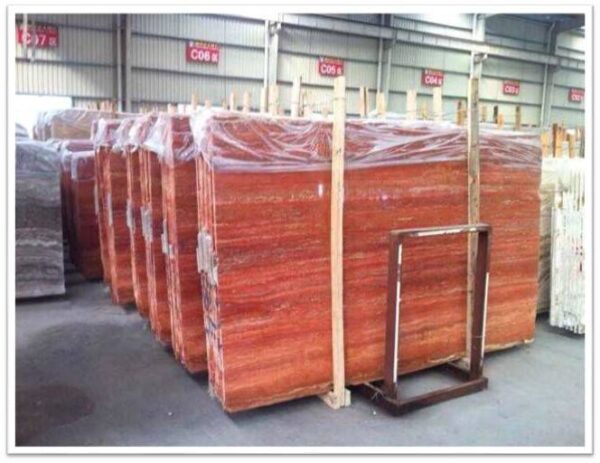
- Thermal and Energy Efficiency Benefits
One of the most important advantages of natural stone is its excellent thermal insulation properties. Stone facades can act as a natural barrier against heat, helping to maintain a stable indoor temperature throughout the year. During hot seasons, they reduce heat gain, and in cold weather, they help retain warmth inside. This contributes to significant energy savings by reducing the need for air conditioning and heating systems. As energy efficiency becomes a key factor in sustainable construction, natural stone facades offer a simple yet highly effective solution for eco-friendly building design.
- Aesthetic and Design Flexibility
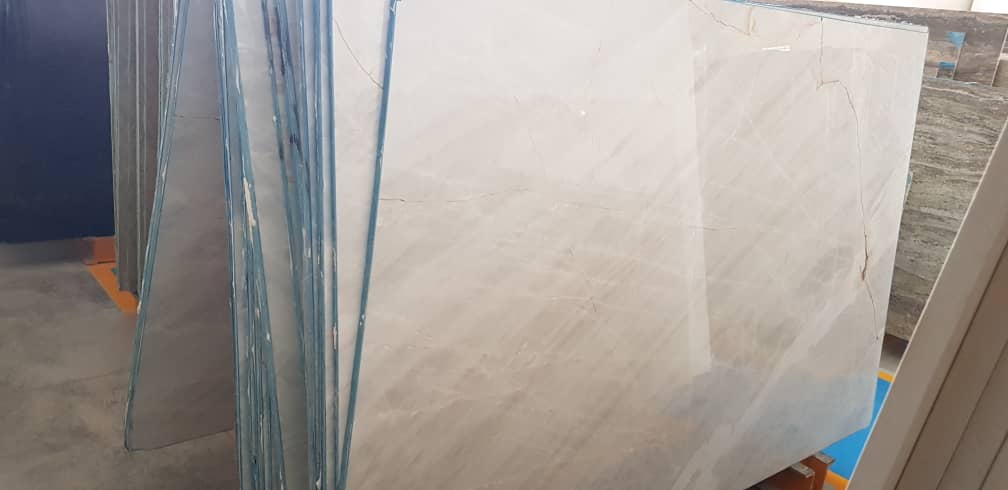
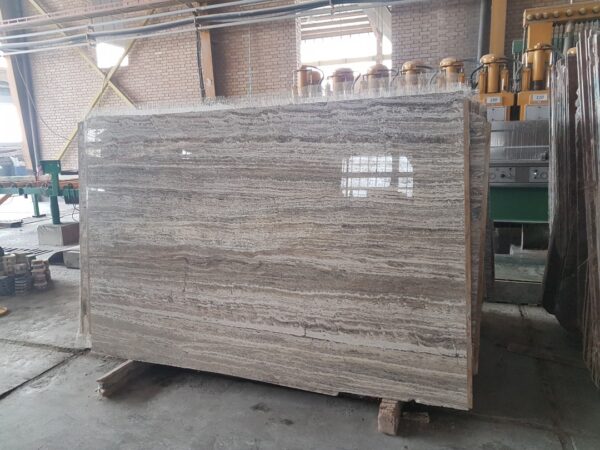
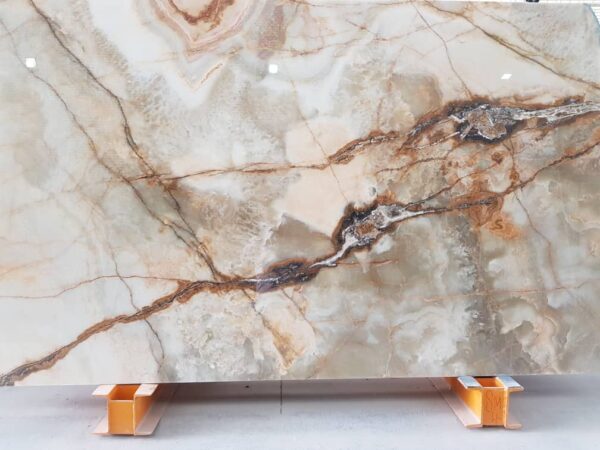
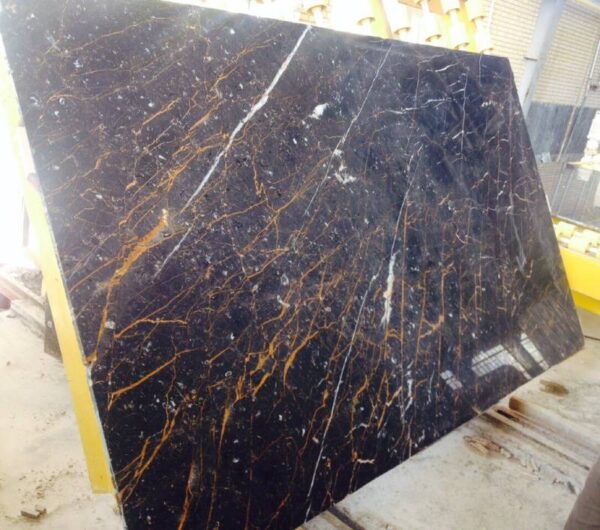
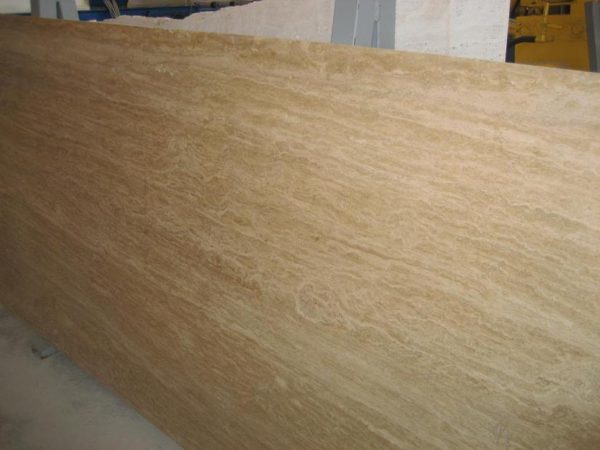
Beyond performance, natural stone offers unmatched aesthetic appeal. Each piece of stone has its own unique color, pattern, and texture, giving architects and designers endless creative possibilities. From classic marble to contemporary granite or travertine, natural stone can complement any architectural style. Its ability to blend with glass, wood, or metal also allows for innovative façade compositions. Whether you are designing a luxury villa, a commercial building, or a public structure, natural stone adds character, elegance, and a sense of permanence that few materials can match.
- Durability and Sustainability
Natural stone is one of the most durable materials available in construction. It resists weathering, UV rays, moisture, and temperature fluctuations, ensuring that facades remain beautiful and functional for decades. Unlike synthetic materials, stone does not fade or degrade easily, which reduces maintenance costs over time. Moreover, since stone is a natural and recyclable material, it contributes to environmentally responsible building practices. Choosing locally sourced stone can further reduce transportation emissions and environmental impact.
Conclusion: Why Natural Stone is the Smart Choice
Combining aesthetics, performance, and sustainability, natural stone facades represent an ideal investment for any architectural project. They enhance visual appeal, improve energy efficiency, and offer long-lasting durability. If you’re planning to design a modern, eco-friendly, and visually stunning building, consider natural stone as your primary façade material.

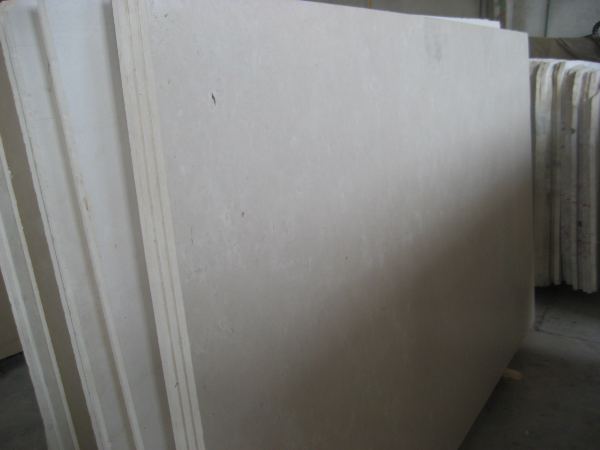
 white crystal