Opportunities and Global Market Demand
Slate stone has become one of the most popular natural stones in international trade. Because of its durability, beauty, and versatility, slate is highly valued in construction, interior design, and landscaping across the world. As global demand rises, the export of slate stone offers suppliers and traders excellent business opportunities.Exporting Slate Stone

Why Export Slate Stone?
Rising Global Demand
Countries in Europe, North America, the Middle East, and Asia-Pacific are actively importing slate for building and design projects. As a result, exporters who supply high-quality products can secure profitable contracts in multiple regions.
Versatility Across Industries
In addition, slate is used for roofing, flooring, cladding, countertops, and landscaping. Because of its wide range of applications, exporters benefit from consistent demand throughout the year.
Growing Preference for Natural Materials
Moreover, architects and homeowners increasingly prefer natural and sustainable materials. Slate aligns with this trend since it is durable, recyclable, and eco-friendly. Therefore, exporters who highlight slate’s environmental benefits can stand out in competitive markets.
Key Global Markets for Slate Stone
Europe: Tradition Meets Innovation
Europe has a long tradition of using slate, especially in roofing and flooring. Countries such as Germany, France, and the UK import large volumes of slate for both historic renovations and modern projects. Furthermore, the region’s emphasis on sustainable construction strengthens demand for natural stone.
North America: Strong Demand in Construction
The United States and Canada represent another major market for slate exports. Builders, landscapers, and homeowners choose slate for its strength, low maintenance, and timeless look. Consequently, demand remains steady in both residential and commercial sectors.
Middle East and Asia: Expanding Opportunities
In the Middle East, large-scale real estate and infrastructure projects create consistent demand for slate tiles and slabs. Meanwhile, China, India, and Japan continue to expand their use of slate in flooring, wall cladding, and luxury developments. As these regions grow, they present significant opportunities for exporters.
How Exporters Can Succeed in the Slate Market
Focus on Quality and Certification
International buyers demand reliable quality. Therefore, exporters must provide certified, high-grade slate with consistent color, texture, and durability.
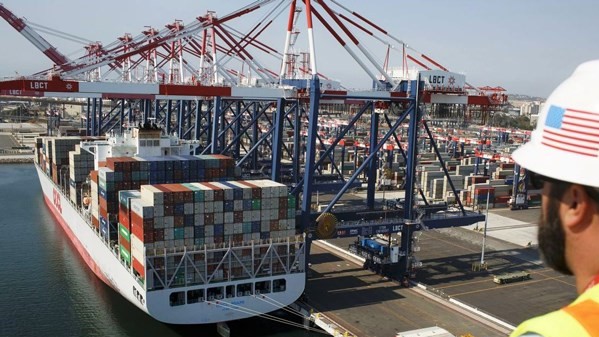
Competitive Pricing and Logistics
In addition, offering competitive pricing and efficient shipping solutions gives exporters an advantage. Reliable logistics help build long-term relationships with buyers.
Marketing and Sustainable Positioning
Finally, exporters who promote slate as a sustainable, eco-friendly, and long-lasting material can capture premium markets. Highlighting environmental benefits appeals to architects and developers aiming for green building certifications.
Conclusion: Exporting Slate Stone for Growth
The export of slate stone continues to expand as global demand rises in construction, design, and landscaping. Because of its strength, beauty, and sustainability, slate remains a preferred material in many countries. Exporters who emphasize quality, reliability, and eco-friendly advantages will secure a strong position in international markets and achieve lasting growth.
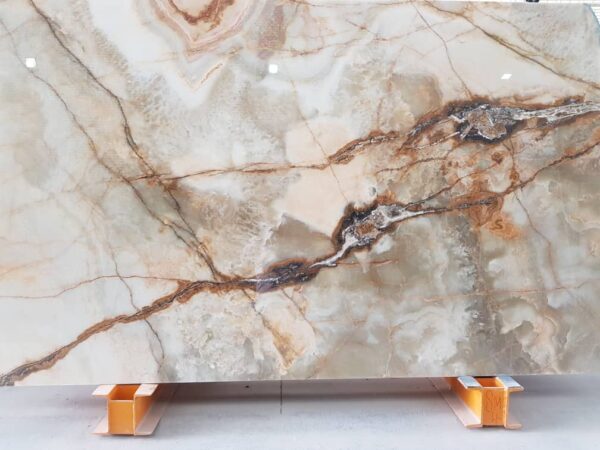

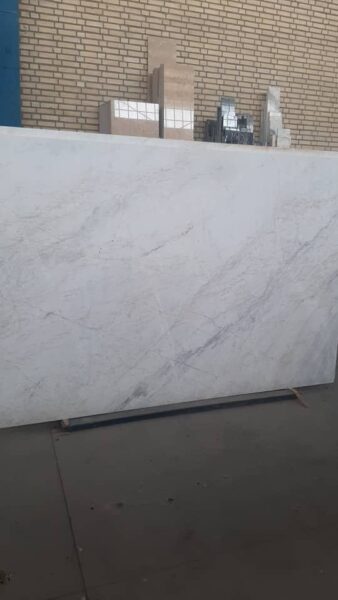 white crystal