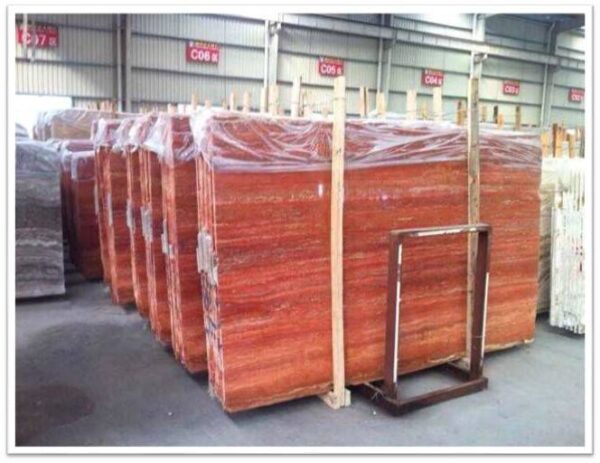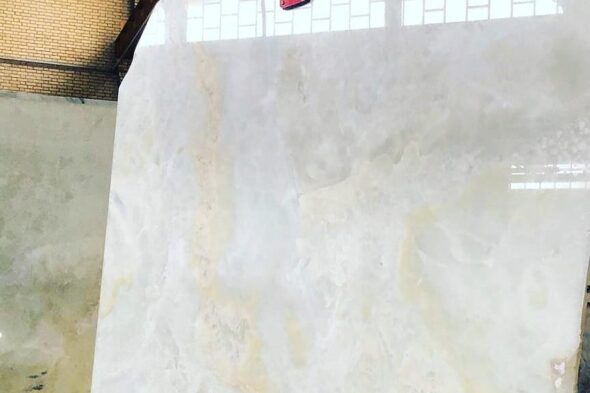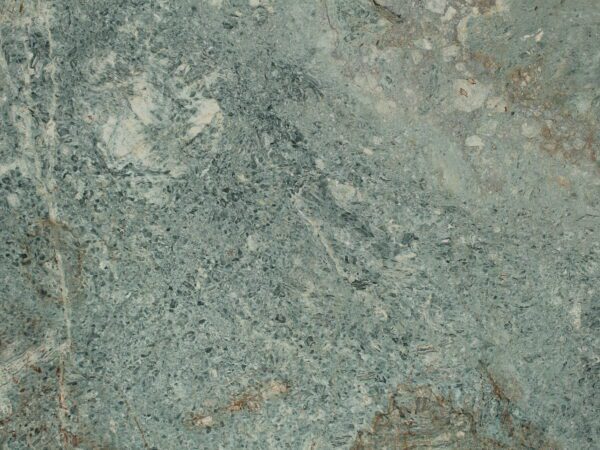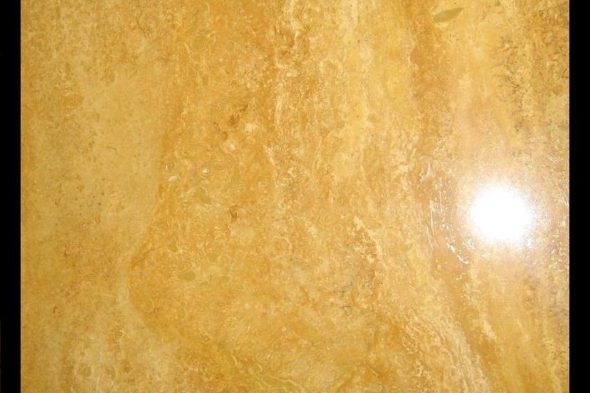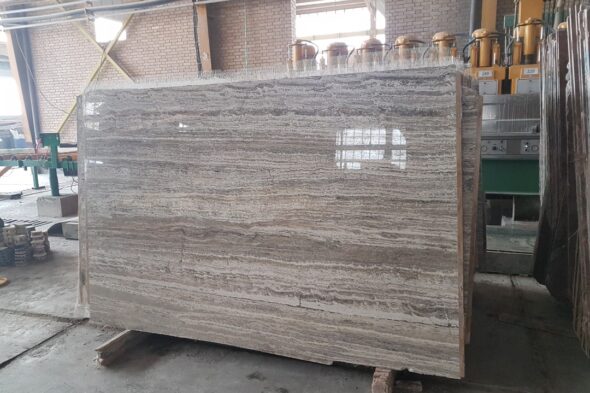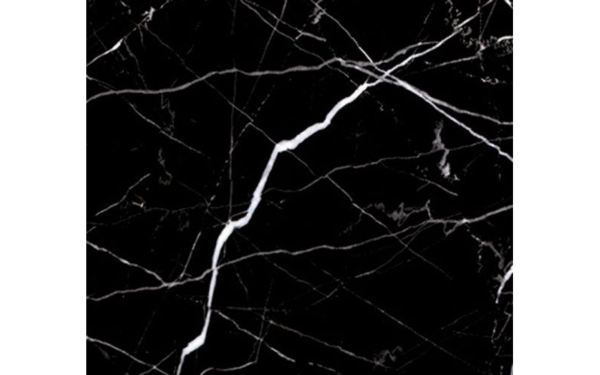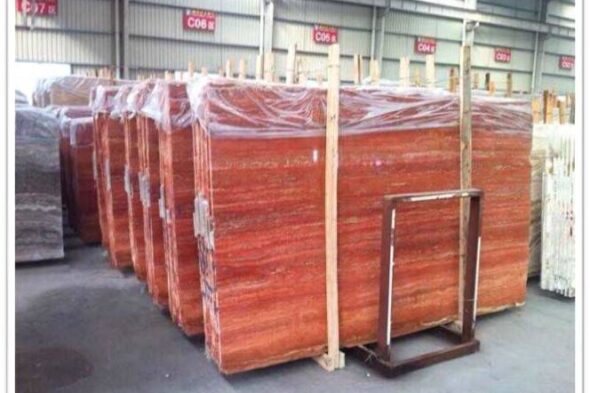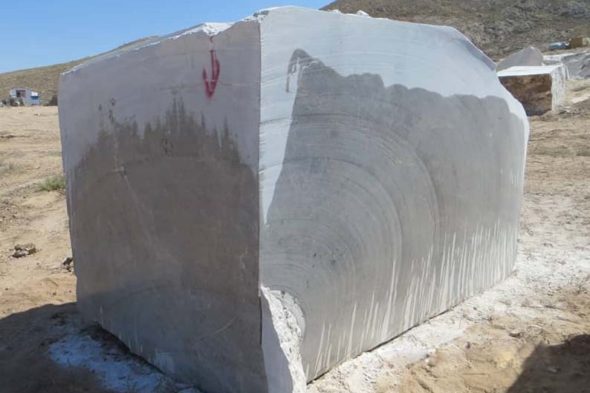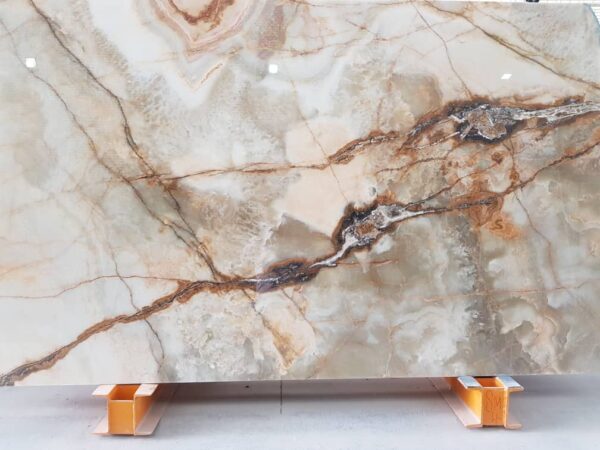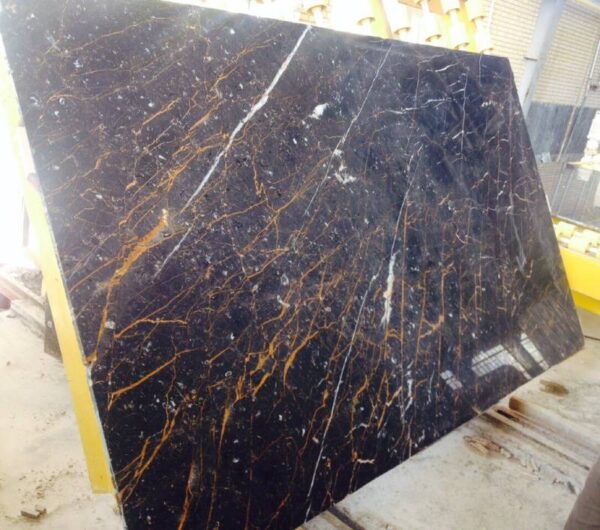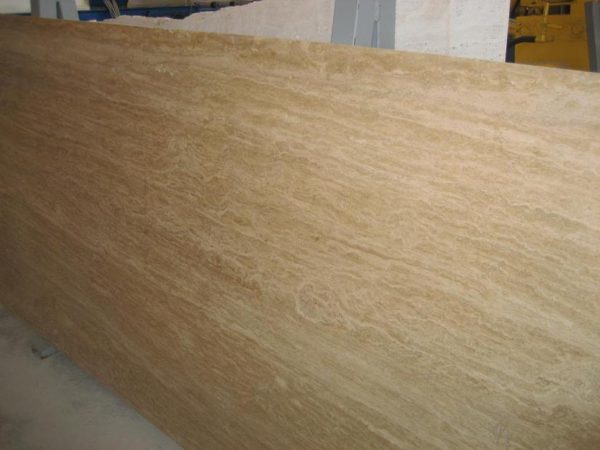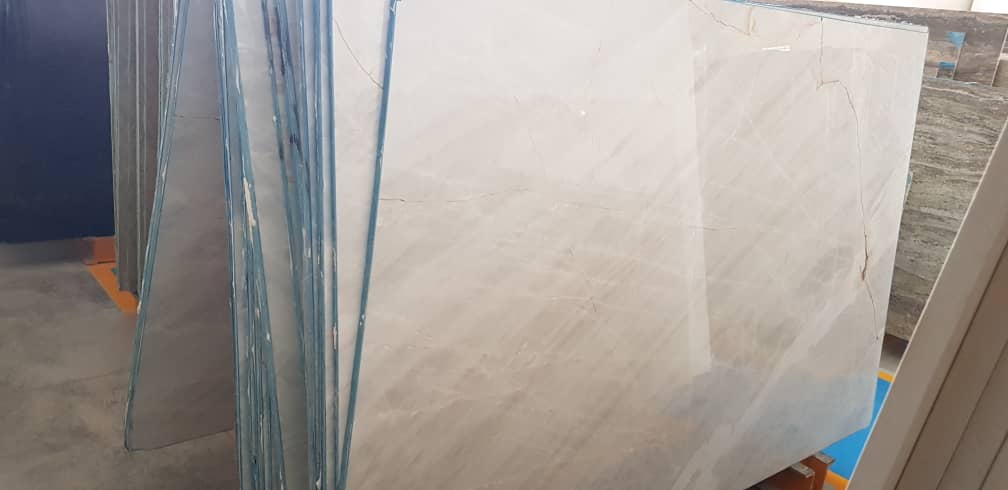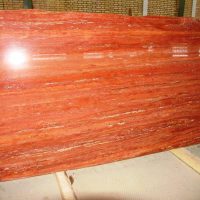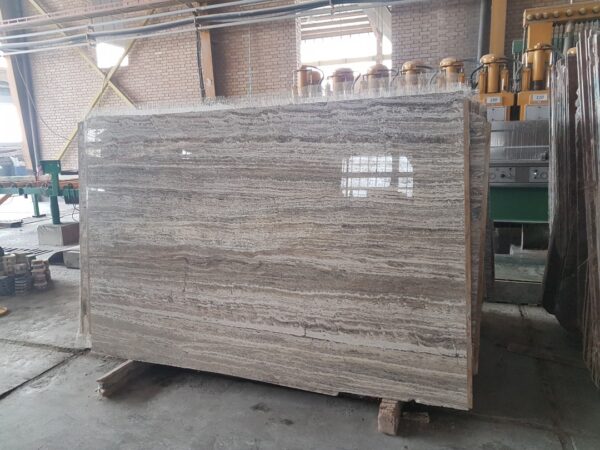
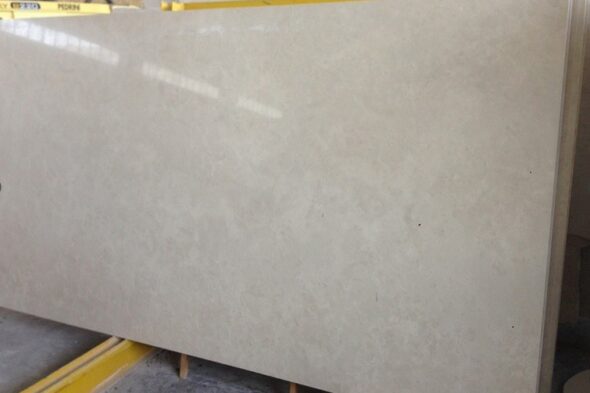
Gohareh limestone slab

How Stone Tiles Are Made

The Journey from Rock to Elegance

Stone tiles are known for their strength, beauty, and timeless appeal. But have you ever asked yourself how stone tiles are made? Understanding this process not only helps you appreciate their craftsmanship, but also guides smarter purchasing decisions.
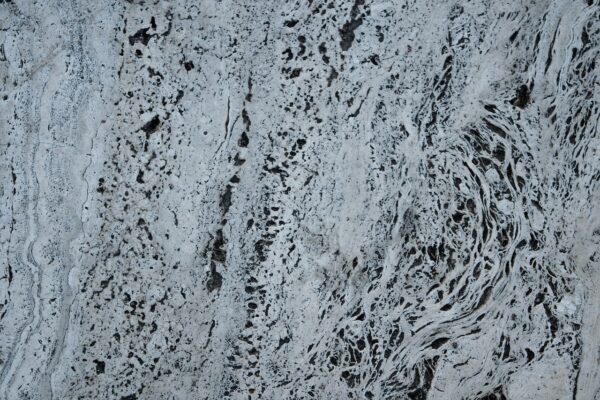
Unveiling the Composition of Travertine Stone

From the rugged quarry to the polished floor beneath your feet, each stone tile follows a carefully planned process that blends nature and technology.

Step 1: Sourcing Natural Stone from Quarries

The journey begins at stone quarries, where massive blocks of stone—like marble, granite, slate, or travertine—are extracted from the earth. This step lays the foundation for the entire tile-making process.

How It Happens

Workers use diamond wire saws, drills, or controlled explosions to extract large stone blocks. Then, these blocks are transported to processing facilities. Because stone is extremely heavy and valuable, safe and efficient transport is critical.

Step 2: Cutting Blocks into Slabs and Tiles

Once the stone arrives at the factory, cutting transforms raw blocks into flat slabs. These slabs will eventually become the tiles we see in homes and buildings.

Precision Cutting

Machines like gang saws or diamond blade saws cut the stone with great accuracy. Next, those slabs are trimmed into tile-sized pieces using laser-guided tools. Since consistency matters, each tile is shaped to meet strict size and thickness requirements.

Step 3: Surface Finishing Enhances Appearance

At this stage, each tile receives a finish that brings out its color and texture. This step not only boosts visual appeal but also affects performance in different spaces.

Popular Stone Tile Finishes

  • Polished: High-gloss shine, perfect for formal interiors

  • Honed: Smooth but matte, ideal for modern spaces

  • Brushed or tumbled: Textured for rustic or slip-resistant surfaces

  • Flamed: Rough and rugged, often used outdoors

Because each finish changes how the stone feels and looks, buyers should choose one that matches the room’s use and design.

Step 4: Quality Control and Sorting

Each tile undergoes a detailed inspection for defects like cracks, uneven color, or thickness issues. As a result, only the highest-quality tiles are labeled “premium grade.” Lower-grade tiles may still be used in less visible areas or repurposed for decorative purposes.

Step 5: Packaging and Global Delivery

Finally, the tiles are carefully packed to prevent damage during transport. Labels identify the stone type, finish, and batch. From there, they’re shipped to distributors, showrooms, or construction sites around the world.

Final Thoughts: From Quarry to Quality

Now that you understand how stone tiles are made, you’ll see each tile as more than just a surface—it’s the result of nature, skilled labor, and precision engineering. Whether you’re choosing tiles for a luxury hotel or a cozy kitchen, this knowledge helps you select with confidence.

Invest in stone tiles, and you’re choosing beauty that lasts for decades.
https://www.rockstone.biz/best-stone-tiles/

Best Way to Cut Sandstone

green granite

Best Stone Tile for Bathroom

Elegant, Durable & Moisture-Resistant

Choosing the best stone tile for your bathroom can elevate the look and feel of the space while adding long-term value to your home. With natural elegance and unmatched durability, stone tiles are a top choice for homeowners seeking both function and style.

types of red travertine - iranian red travertine slabs and tiles

Why Stone Tiles Are Ideal for Bathrooms

Stone tiles are not just about looks. They offer practical benefits that make them ideal for wet environments like bathrooms:

  • Durability: Natural stone can last decades with proper sealing and care.

  • Water Resistance: When sealed correctly, stone tiles resist moisture and prevent mold growth.

  • Aesthetic Appeal: From classic marble to rustic slate, each type of stone brings a unique visual texture.

Top 4 Best Stone Tiles for Bathrooms

When selecting a stone tile, it’s essential to consider moisture resistance, slip resistance, and maintenance. Here are the top contenders:

1. Marble Tile: Timeless Luxury

Marble is the go-to for luxury bathrooms. Its rich veining and high-end appeal make it a favorite for floors, shower walls, and countertops.

Pros:

  • Elegant appearance

  • Adds real estate value

  • Cool underfoot, ideal for heated floors

Cons:

  • Requires regular sealing

  • Can be slippery when wet

Best for: Master bathrooms and feature walls.

2. Slate Tile: Textured and Slip-Resistant

Slate is known for its natural grip and earthy tones. It’s highly resistant to water, making it ideal for floors and showers.

Pros:

  • Naturally slip-resistant

  • Dark, modern look

  • Durable and easy to maintain

Cons:

  • Uneven surface may require more grout

  • Limited color options

Best for: Shower floors and rustic-style bathrooms.

3. Travertine Tile: Warm and Welcoming

Travertine brings a soft, textured surface that adds warmth to any bathroom.

Pros:

  • Non-slip when honed

  • Soft beige and ivory tones

  • Budget-friendly compared to marble

Cons:

  • Porous, needs sealing

  • Can stain easily if unsealed

Best for: Guest bathrooms or powder rooms.

4. Granite Tile: Durable and Low-Maintenance

Granite is a tough, stain-resistant option that holds up well in high-traffic areas.

Pros:

  • Extremely hard and durable

  • Water- and stain-resistant

  • Available in many colors

Cons:

  • Heavier tile, needs strong subfloor

  • Can be more expensive

Best for: High-use bathrooms and family homes.

How to Choose the Right Stone Tile for Your Bathroom

When deciding on the best stone tile for your bathroom, consider:

  • Slip resistance: Prioritize textured surfaces for flooring.

  • Maintenance needs: Know how often it needs sealing or cleaning.

  • Style compatibility: Match your tile to your overall bathroom aesthetic.

  • Budget: Natural stone comes at a range of price points.

Final Thoughts: Stone Tile Combines Beauty and Strength

The best stone tile for your bathroom depends on your style, budget, and how the space is used. Marble adds a touch of elegance, slate ensures safety, travertine offers warmth, and granite delivers toughness. With the right choice, your bathroom will be both beautiful and built to last.

https://www.rockstone.biz/how-stone-tiles-are-made/

Granite Slabs

Farzin Rock Stone Company 

alabaster slab

Best stone tiles

Best Stone Tiles for Stylish and Durable Spaces

When it comes to long-lasting, elegant flooring, stone tiles remain one of the best choices. Whether you’re renovating your home, designing a luxury commercial space, or building outdoors, stone tiles offer unmatched beauty and durability. But with so many options on the market, how do you choose the best stone tiles for your project?

green granite

Let’s explore the top choices and what makes them ideal for different environments.

Why Choose Natural Stone Tiles?

Stone tiles bring more than just aesthetic appeal. They are:

  • Durable and weather-resistant

  • Naturally beautiful and unique

  • Low-maintenance when sealed properly

  • Eco-friendly and sustainable

Because each tile is cut from natural rock, no two pieces look exactly the same. This gives every floor, wall, or patio a rich, timeless feel that synthetic materials can’t replicate.

Top 5 Best Stone Tiles to Consider

1. Marble Tiles: Classic Luxury

Marble tiles are known for their elegant veining and polished finish. Common in bathrooms, kitchens, and luxury hotels, marble suits both walls and floors. However, they can be prone to scratching and need sealing.

Best for: Indoor floors, bathroom walls, countertops

2. Granite Tiles: Extreme Durability

If you want a surface that resists stains, scratches, and heat, granite is ideal. These tiles are dense, hard, and highly polished, making them perfect for high-traffic areas.

Best for: Kitchen floors, outdoor areas, commercial spaces

3. Travertine Tiles: Warm and Rustic

Travertine offers a natural, earthy tone that works well in Mediterranean or rustic settings. Its porous texture requires sealing, but the finish adds character.

Best for: Hallways, patios, feature walls

4. Slate Tiles: Natural Texture and Grip

Slate is a non-slip stone with natural clefts and earthy colors. It’s ideal for wet zones and outdoor flooring, especially where grip is essential.

Best for: Bathrooms, porches, garden paths

5. Limestone Tiles: Soft and Versatile

Limestone comes in softer tones and is easier to cut and shape. It provides a subtle, neutral look that works in both modern and traditional interiors.

Best for: Living rooms, bedrooms, fireplace surrounds

Choosing the Right Stone Tile for Your Space

When selecting stone tiles, consider the following:

  • Location: Outdoor or indoor? Wet or dry areas?

  • Finish: Polished for luxury, honed for modern matte, or tumbled for a rustic vibe

  • Maintenance: Some stones need more care than others

  • Budget: Stone tiles vary widely in price per square meter

Always consult with a supplier who can recommend tiles based on your needs and environment.

Final Thoughts: Upgrade with the Best Stone Tiles

Choosing the best stone tiles means balancing style, function, and durability. Whether you’re drawn to the sleek elegance of marble or the rugged charm of slate, natural stone adds lasting value to any space.

For the best results:

  • Buy from trusted suppliers

  • Ensure proper installation

  • Seal and maintain your stone regularly

With the right choice, your stone tile surface can last a lifetime—and make every step feel extraordinary.

https://www.rockstone.biz/best-price-for-travertine-tiles-2/

Onyx Tiles Export to Italy

rockstone company

Best Way to Clean Travertine Tile

Safe & Effective Methods

Travertine tile is a popular choice for flooring, showers, and countertops thanks to its natural beauty and durability. However, cleaning travertine requires special care to maintain its look and avoid damage. In this guide, you’ll discover the best way to clean travertine tile using safe, professional methods that align with SEO best practices and Google-friendly readability.

Unveiling the Composition of Travertine Stone

Why Travertine Needs Special Care

Travertine is a natural stone that is porous and sensitive to acidic and abrasive cleaners. Without proper maintenance, it can stain, etch, or lose its finish. That’s why understanding how to clean travertine the right way is essential for homeowners and cleaning professionals.

Step-by-Step: Best Way to Clean Travertine Tile

1. Use the Right Cleaning Products

Always use a pH-neutral cleaner specifically formulated for natural stone. Avoid vinegar, lemon juice, bleach, or ammonia—they can permanently damage travertine surfaces.

Recommended tools:

  • Microfiber mop or soft cloth

  • Bucket of warm water

  • pH-neutral stone cleaner

  • Soft-bristled brush (for grout or textured surfaces)

  • Dry towel or mop for drying

2. Sweep or Vacuum First

Before mopping, sweep or vacuum the floor to remove dust, dirt, and debris. Grit can scratch the tile surface if not removed first.

3. Mop with a Damp (Not Wet) Mop

Mix the pH-neutral stone cleaner with warm water as directed. Use a damp microfiber mop (not overly wet) to gently clean the surface. Avoid soaking the tile, as excessive moisture can seep into the stone and cause damage over time.

4. Rinse and Dry Immediately

After mopping, rinse the floor with clean water to remove any leftover cleaner. Then, dry the surface completely with a clean towel or dry mop. This step helps prevent water spots and keeps your tile looking polished.

Long-Term Maintenance Tips

Seal Travertine Regularly

Travertine tile should be sealed every 1 to 2 years to protect against staining and moisture. Sealing also makes routine cleaning easier.

Clean Up Spills Right Away

Spilled liquids—especially wine, juice, or oils—should be wiped up immediately. Travertine can absorb these quickly and stain if not sealed properly.

Avoid Abrasive Scrubbers

Do not use steel wool, scouring pads, or hard brushes. These can scratch and dull the tile’s surface.

Final Thoughts: Keep Your Travertine Tile Looking Its Best

Maintaining travertine doesn’t have to be hard. The best way to clean travertine tile is by using gentle, stone-safe cleaners, cleaning regularly, and sealing the surface as needed. With the right care, your travertine tiles will stay beautiful, durable, and stain-free for years to come.

Looking for professional-grade travertine care products or cleaning services? Contact a trusted stone care specialist to protect your investment today.

https://www.rockstone.biz/the-best-way-to-…tural-stone-tile/

Best Way to Clean Travertine Tile

rockstone company

silver travertine

Best Natural Stone Tile for Floor

Strength Meets Sophistication

Upgrade Your Floors with the Natural Beauty of Stone

When it comes to lasting quality and luxury design, nothing compares to natural stone flooring. Choosing the best natural stone tile for floor projects ensures not only a beautiful aesthetic but also long-term durability. Whether you’re renovating a home, designing a commercial space, or upgrading a high-traffic area, natural stone tiles offer exceptional performance and timeless charm.

Nero marquina marble - What is Nero marquina marble stone

Thanks to their variety and resilience, natural stone tiles remain a top choice for architects, interior designers, and homeowners alike.

Why Choose Natural Stone for Flooring?

Natural stone flooring combines strength, natural variation, and a high-end appearance. Because each tile is unique, it adds character to every space. Additionally, stone floors are known for their longevity and resistance to daily wear — making them ideal for both indoor and outdoor applications.

Key Benefits of Natural Stone Floor Tiles:

  • Durable and long-lasting in heavy-use environments

  • Timeless visual appeal with unique colors and textures

  • Easy to maintain when sealed properly

  • Eco-friendly and naturally sourced

As a result, choosing natural stone for your floors is both a practical and stylish investment.

Best Natural Stone Tile Options for Floors

1. Travertine – Warm and Classic

Travertine is a top choice for natural stone flooring, especially in living areas, bathrooms, and patios. Its soft, earthy tones and honed finish give any space a warm, welcoming feel.

  • Pros: Slip-resistant, visually consistent, easy to cut and shape

  • Cons: Porous, requires sealing

  • Best for: Living rooms, kitchens, hallways, and outdoor floors

Because of its versatility, travertine remains one of the most popular stones for residential flooring.

2. Slate – Durable and Slip-Resistant

Slate is well-known for its rugged texture and rich, natural color palette. It performs exceptionally well in wet or high-traffic areas.

  • Pros: Non-slip, highly durable, unique color variations

  • Cons: Can be uneven; needs sealing

  • Best for: Bathrooms, mudrooms, laundry areas, and outdoor use

In particular, slate is ideal for those who prioritize safety and a bold, organic look.

3. Marble – Luxurious and Elegant

Marble flooring adds instant sophistication to any room. Its polished surface and natural veining make it a go-to for upscale interiors.

  • Pros: Elegant, available in a range of tones

  • Cons: Susceptible to scratches and etching if not maintained

  • Best for: Entryways, formal rooms, and boutique commercial spaces

While it requires care, marble remains unmatched for luxury appeal.

Choose the Best Natural Stone Tile for Your Floor Project

In conclusion, the best natural stone tile for floor installation depends on your priorities—be it aesthetics, performance, or budget. Travertine offers classic warmth, slate delivers rugged strength, and marble brings refined elegance to every setting.

Ready to start your flooring project? Explore premium natural stone tile collections at [Your Website Name]. From selection to delivery, our team is here to help you choose the perfect material for your space. Experience the lasting value of natural stone — underfoot and under budget.

https://www.rockstone.biz/popular-granite-tiles/

Best Natural Stone Tile for Floor

rockstone company

Red travertine

Best Price for Travertine Tiles

Quality Meets Affordability

Finding the best price for travertine tiles without compromising quality is a priority for homeowners, contractors, and designers alike. Travertine tiles offer timeless beauty, natural durability, and versatility—making them an excellent investment for any residential or commercial project.

In this guide, we’ll help you understand how to get the best value for your money while selecting premium travertine tiles that enhance your space and last for years.

Why Choose Tiles at the Best Price?

Travertine is a natural stone known for its elegant textures and warm tones. However, pricing can vary widely depending on factors such as tile quality, size, finish, and supplier. Therefore, finding the right balance between price and quality is essential to ensure you don’t overspend or sacrifice durability.

Moreover, the right travertine tiles at the best price should come with:

  • Consistent color and texture

  • Proper finishing (honed, polished, tumbled, or brushed)

  • Reliable sourcing from trusted quarries

  • Compliance with industry standards

Factors That Affect Travertine Tile Prices

To get the best price, it’s important to understand what influences travertine tile costs:

  1. Tile Grade: Higher grades offer fewer imperfections and more uniformity, usually at a higher price.

  2. Tile Size and Thickness: Larger or thicker tiles often cost more but reduce installation joints and improve durability.

  3. Finish Type: Polished tiles are often pricier due to the labor-intensive finishing process.

  4. Origin and Supply: Travertine from premium quarries with efficient supply chains can offer better value.

  5. Order Volume: Bulk purchases typically come with discounts and reduced shipping costs.

Where to Find the Best Price for Travertine Tiles

At Best Price for Travertine Tiles, we specialize in providing high-quality travertine tiles at competitive prices. Our direct partnerships with trusted quarries allow us to offer you authentic, premium travertine without the middleman markup.

Why Buy Travertine Tiles from Us?

  • Transparent Pricing: No hidden fees or surprises—what you see is what you pay.

  • Wide Selection: Choose from various sizes, colors, and finishes to fit your budget and style.

  • Bulk Discounts: Save more when you order larger quantities for commercial or large residential projects.

  • Fast Shipping: Timely delivery so your project stays on schedule.

  • Expert Support: Our team guides you from selection to installation for the best results.

How to Maximize Value When Purchasing Travertine Tiles

To ensure you get the best price and maximum value, consider these tips:

  • Request Samples: Test color and finish before committing.

  • Compare Quotes: Get multiple quotes to understand market prices.

  • Plan Ahead: Order early to avoid rush fees and secure better deals.

  • Check Reviews: Purchase from suppliers with strong reputations and customer feedback.

Get the Best Price for Travertine Tiles Today

Don’t compromise on quality or break your budget. At Best Price for Travertine Tiles, we offer the best price for travertine tiles combined with unmatched quality and customer service.

Contact us now for a free quote, sample request, or expert consultation. Elevate your space with beautiful, affordable travertine tiles that stand the test of time.

https://www.rockstone.biz/best-price-for-granite-tiles/

Best Price for Travertine Tiles

rockstone company

silver travertine

Popular Travertine Tiles

Timeless Beauty, Natural Strength

Travertine tiles are a top choice for homeowners, designers, and builders seeking the perfect blend of natural elegance and durability. Formed by mineral deposits from ancient hot springs, travertine stone features unique textures and earthy tones that bring warmth and authenticity to any space—indoors or out.

Whether you’re upgrading a bathroom, designing a pool deck, or installing new flooring, travertine tiles deliver both timeless charm and long-lasting performance.

Why Travertine Tiles Are in High Demand

Travertine is one of the oldest and most reliable building materials in the world. In fact, it has been used in architectural masterpieces that have endured for centuries. Today, its popularity continues to rise due to its organic appearance, wide range of finishes, and impressive durability.

Moreover, travertine is eco-friendly and relatively low-maintenance when properly sealed. As a result, it appeals to both traditional and modern design preferences.

Key Benefits of Travertine Tiles

  • Natural Texture & Color Variations: Each tile offers unique visual depth with rich, earthy hues.

  • Slip-Resistant Surfaces: Perfect for wet environments like bathrooms, pool surrounds, and outdoor walkways.

  • Cool Underfoot: Maintains a cooler surface temperature in warm climates—ideal for patios.

  • Variety of Finishes: Available in honed, tumbled, polished, and brushed options.

In addition, travertine is easy to cut and shape. This makes it highly versatile for custom designs and intricate layouts, especially in luxury settings.

Top Styles of Popular Travertine Tiles

Travertine comes in many natural shades and patterns, each offering distinct character. Below are some of the most in-demand styles in today’s design market:

1. Classic Beige Travertine

This soft, neutral tone works beautifully in indoor flooring and wall tile applications. Because of its flexibility, it suits both traditional and contemporary interiors.

2. Silver Travertine

Silver travertine showcases soft grays blended with beige veining, creating a sleek, modern look. As a result, it is commonly chosen for high-end kitchens and living spaces.

3. Noce (Walnut) Travertine

Featuring rich chocolate and walnut tones, Noce travertine brings warmth to outdoor patios, driveways, and accent walls. Furthermore, its dense structure makes it ideal for high-traffic areas.

Where to Use Travertine Tiles

Travertine is suitable for a wide range of residential and commercial applications. Thanks to its natural grip and durability, it performs well in various environments:

  • Bathroom floors and shower walls

  • Kitchen backsplashes and countertops

  • Pool decks, walkways, and patios

  • Entryways, hallways, and foyers

  • Fireplace surrounds and accent walls

Additionally, tumbled travertine remains a popular option for exterior cladding and landscaping features.

Order Premium Travertine Tiles from Popular Travertine Tiles

At Popular Travertine Tiles, we proudly offer a curated selection of high-grade travertine tiles in diverse colors, textures, and dimensions. Whether you’re designing a spa-like bathroom or an elegant outdoor retreat, our collection offers something for every project.

Request a free sample or get a custom quote today. Enjoy competitive wholesale pricing, fast global shipping, and expert customer support.

Transform your space with the enduring beauty of travertine—where nature meets luxury.

https://www.rockstone.biz/popular-marble-tiles/

Popular Trave

rockstone company

Popular Stone Cubes

The Elegant Touch Your Drink Deserves

Looking to elevate your beverage experience? Stone cubes—also known as whiskey stones or drink stones—are rapidly becoming a must-have in every modern bar set. Crafted from natural materials like granite, soapstone, or marble, these reusable cubes chill your drink without dilution. Whether you’re sipping whiskey, bourbon, wine, or even juice, stone cubes offer both style and functionality.

Crystal Marble Laibid

Why Stone Cubes Are Gaining Popularity

Stone cubes are no longer just a novelty. Today, they’re widely appreciated for their eco-friendly design, premium look, and non-diluting chilling power. Unlike traditional ice, stone cubes keep your drink cold without watering it down—preserving flavor to the last drop.

Key Benefits of Using Stone Cubes

  • No Dilution: Enjoy your drink exactly as it was intended—full flavor, no water.

  • Reusable & Eco-Friendly: Just rinse, freeze, and reuse.

  • Elegant Presentation: Stone cubes add a luxurious touch to every glass.

  • Safe & Natural: Made from FDA-approved, non-porous stone materials.

These qualities make stone cubes perfect for gifting, entertaining, and daily use.

Types of Popular Stone Cubes

When choosing the best stone cubes, material matters. Here are the most sought-after types:

1. Granite Stone Cubes

Granite is durable, beautiful, and retains cold well. With speckled textures and cool hues, granite whiskey stones are ideal for high-end spirits.

2. Soapstone Cubes

Soapstone is soft, smooth, and quick to chill. It knows for its thermal stability and scratch-resistant surface—making it a go-to for everyday use.

3. Marble Cubes

Marble offers elegance and luxury. These stones are often used in gift sets and special occasions. They’re slightly heavier and maintain chill longer than soapstone.

How to Use Stone Cubes Properly

Using stone cubes is simple and effective:

  1. Wash the cubes before first use.

  2. Freeze them for at least 4 hours.

  3. Add 2–3 cubes to your glass.

  4. Pour your favorite drink and enjoy!

Tip: Stone cubes work best with low-volume, high-quality spirits or beverages you don’t want diluted.

Best Uses for Stone Cubes

  • Whiskey, Bourbon & Scotch

  • Wine or Cocktails

  • Juice, Soda, or Cold Brew Coffee

  • As a stylish bar gift set

Moreover, stone cubes are engraved or customized—making them a favorite for weddings, corporate gifts, or special events.

Shop Premium Stone Cubes Today

At [Your Brand Name], we offer a curated selection of high-quality stone cubes crafted for both casual drinkers and connoisseurs. Available in stylish packaging, they make the perfect gift—or upgrade to your personal barware.

Order now and enjoy fast shipping, gift-ready sets, and premium quality with every cube.

Popular Stone Cubes

`rock stone company

yellow onyx

Stone Export to Bangladesh

A Profitable Market for Natural Stone Suppliers

Bangladesh’s construction boom has created a strong demand for imported natural stone. From high-rise apartments to luxury hotels and public infrastructure, the country relies on foreign suppliers to meet growing needs. As a result, stone export to Bangladesh offers a profitable opportunity for global exporters looking to expand into South Asia.

green granite

Why Export Natural Stone to Bangladesh?

Bangladesh continues to experience rapid urban development, especially in cities like Dhaka and Chittagong. The domestic stone supply remains limited in quality and quantity. Therefore, importers actively seek international sources of marble, granite, travertine, onyx, and limestone.

Moreover, the construction industry’s shift toward premium materials has increased the demand for decorative and durable stone products.

Key Reasons to Export Stone to Bangladesh

  1. Growing Infrastructure Projects: Roads, bridges, commercial buildings, and government facilities require large quantities of stone.

  2. Limited Local Production: Bangladesh lacks sufficient natural stone resources, which creates high demand for imports.

  3. Consistent Market Growth: The country’s GDP and real estate sectors continue to expand year after year.

  4. Diverse Applications: Imported stone is used for flooring, cladding, countertops, and landscape architecture.

In addition, favorable import policies make it easier for international suppliers to enter the Bangladeshi market.

Top Stone Products in Demand

To succeed in this market, exporters should understand which types of stone are most popular and why. Offering the right materials increases both sales and customer loyalty.

1. Marble

Marble remains one of the most in-demand stones in Bangladesh. Customers prefer it for its smooth finish and elegant appearance.

  • Popular Colors: White, beige, and grey

  • Applications: Flooring, staircases, interior walls

Furthermore, marble from Iran and Turkey ranks high due to its balance of price and quality.

2. Granite

Granite provides excellent durability and visual appeal. Builders choose it for both residential and commercial use.

  • Top Uses: Countertops, external walls, flooring

  • Key Benefits: Heat resistance, scratch-proof surface

Because of its strength, granite often becomes the material of choice for high-traffic areas.

3. Travertine and Onyx

Travertine offers a natural, rustic look, while onyx delivers luxury and brilliance, especially when backlit.

  • Travertine Uses: Outdoor flooring, cladding

  • Onyx Uses: Decorative features, hotel lobbies

Additionally, these stones help designers create standout interiors in luxury projects.

How to Start Exporting Stone to Bangladesh

Exporting to Bangladesh involves preparation, but the process is straightforward with the right strategy.

  1. Choose Reliable Importers: Work with local distributors who understand the market and customs processes.

  2. Offer Samples and Certifications: Providing quality proof builds trust and sets your brand apart.

  3. Optimize Pricing and Packaging: Competitive pricing and secure packaging are essential for long-distance transport.

  4. Arrange Shipping to Chattogram Port: Most stone shipments enter through this major commercial gateway.

Moreover, transparent communication helps reduce delays and ensures repeat business.

Final Thoughts: Grow Your Business by Exporting Stone to Bangladesh

In conclusion, exporting natural stone to Bangladesh is not only viable—it’s smart. The country’s expanding construction sector and limited domestic resources create ongoing demand for high-quality imports.

By offering the right products, building strong partnerships, and ensuring reliable delivery, you can establish a successful presence in this growing market. Now is the ideal time to enter the Bangladeshi stone industry and build a profitable export channel.

https://www.rockstone.biz/the-most-fragile-building-stone/

Farzin Rock stone company 

Best Stones for Exporting

Azna Christal

The Most Fragile Building Stone

Understanding Its Beauty and Challenges

In the world of architecture, stones have long held value for their strength and durability. However, not all stones perform equally. Some break easily and require extra care during construction. In this article, we explore the most fragile building stones and explain why architects still choose them despite their delicate nature.

What Makes a Building Stone Fragile?

A stone’s composition, density, and resistance to pressure or weathering determine its fragility. Because softer stones score lower on the Mohs hardness scale, they face greater risk of breakage and erosion. Although these materials may wear down faster, their beauty often convinces designers to incorporate them into projects.

Types of Fragile Building Stones

Several stones earn a reputation for fragility, including:

  • Limestone: Builders often choose limestone for its versatility; however, it remains relatively soft and erodes under harsh conditions.

  • Travertine: This stone offers rich textures and patterns, yet it weakens when exposed to moisture for long periods.

  • Alabaster: Artisans prize alabaster for its fine texture and smooth surface, but its softness and brittleness limit its structural use.

Why Use Fragile Stones in Construction?

Despite their weaknesses, these stones bring unique charm to architectural design. In particular, limestone, travertine, and alabaster offer visual qualities that few other materials can match. Consequently, architects use them for facades, decorative details, and sculptures to add elegance and distinctive character.

The Aesthetic Value of Fragile Stones

Fragile stones often display striking textures and colors that enhance a building’s appeal. For example, travertine can fill interiors with warm, earthy tones, while alabaster adds a soft, glowing effect to carvings and sculptures. Therefore, these materials often become focal points in both modern and classical architecture.

How to Care for Fragile Building Stones

To extend the life of delicate materials, follow these maintenance guidelines:

  • Regular Cleaning: Remove dust and dirt with a soft cloth or brush to prevent scratches.

  • Sealing: Apply a high-quality sealant to limestone or travertine in order to block moisture and stains.

  • Avoid Heavy Impact: Place fragile stones in areas protected from heavy knocks or strong pressure.

https://www.rockstone.biz/best-countries-to-buy-stone/

Farzin rock stone company